



Sarees


FAQ
1.Which saree fabric is best for weddings?
For wedding sarees, silk organza, tussar silk, and pure silk carry the most presence, with organza giving glossy structure, tussar offering rich traditional texture, and pure silk delivering classic lustre. Heavy zari and embroidery photograph beautifully under event lighting. For daytime ceremonies, lighter chanderi or cotton silk keeps you comfortable while still looking festive. Decide by time of day and formality: structured, ornate silks for evening receptions, and breathable lighter fabrics for daytime functions you will spend hours wearing.
2.Which saree fabric is best for summer?
Cotton silk and chanderi make the best summer saree fabrics, both light and breathable enough for daytime heat while still looking dressy. Chanderi is airy and slightly sheer, ideal for festive daywear, and cotton silk gives more body with a soft sheen. Georgette also works for its loose, flowing drape. For peak summer functions, choose lighter weaves and lighter embroidery, since heavier silks trap heat and cling, while breathable fabrics keep you comfortable through long, warm-weather events.
3.Organza saree vs georgette saree: which is better?
Choose an organza saree for crisp structure and shine, and a georgette saree for soft, fluid drape and comfort. Organza stands away from the body in sculpted folds with a glossy sheen, photographing boldly and showcasing embroidery, though it needs lining and careful handling. Georgette flows in soft, body-skimming folds, pleats easily, and resists wrinkles for long wear. Pick organza when you want a structured, statement silhouette, and georgette when you want graceful movement and all-day ease.
4.Cotton silk saree vs pure silk saree: what's the difference?
A cotton silk saree is lighter, cooler, and easier to care for, while a pure silk saree offers richer sheen and a more formal, traditional finish. Cotton silk breathes better and creases less dramatically, suiting daytime and summer wear. Pure silk delivers brighter lustre and a heavier, luxurious drape for weddings and high formality, but runs warmer and usually needs dry cleaning. Choose cotton silk for comfort and versatility, and pure silk when maximum richness and shine matter most.
5.Which saree fabric drapes best?
Georgette and chiffon drape best, falling in soft, fluid folds that pleat cleanly and skim the body gracefully. Georgette in particular flows beautifully while resisting wrinkles, making it a favourite for elegant movement. Silk organza drapes well too, but in a crisper, structured way that holds shape rather than flowing. Cotton silk gives moderate drape with more body. For liquid, body-flattering movement choose georgette; for a sculpted, standing silhouette that holds its form, organza is the better pick.
6.Which saree fabric is easiest for beginners?
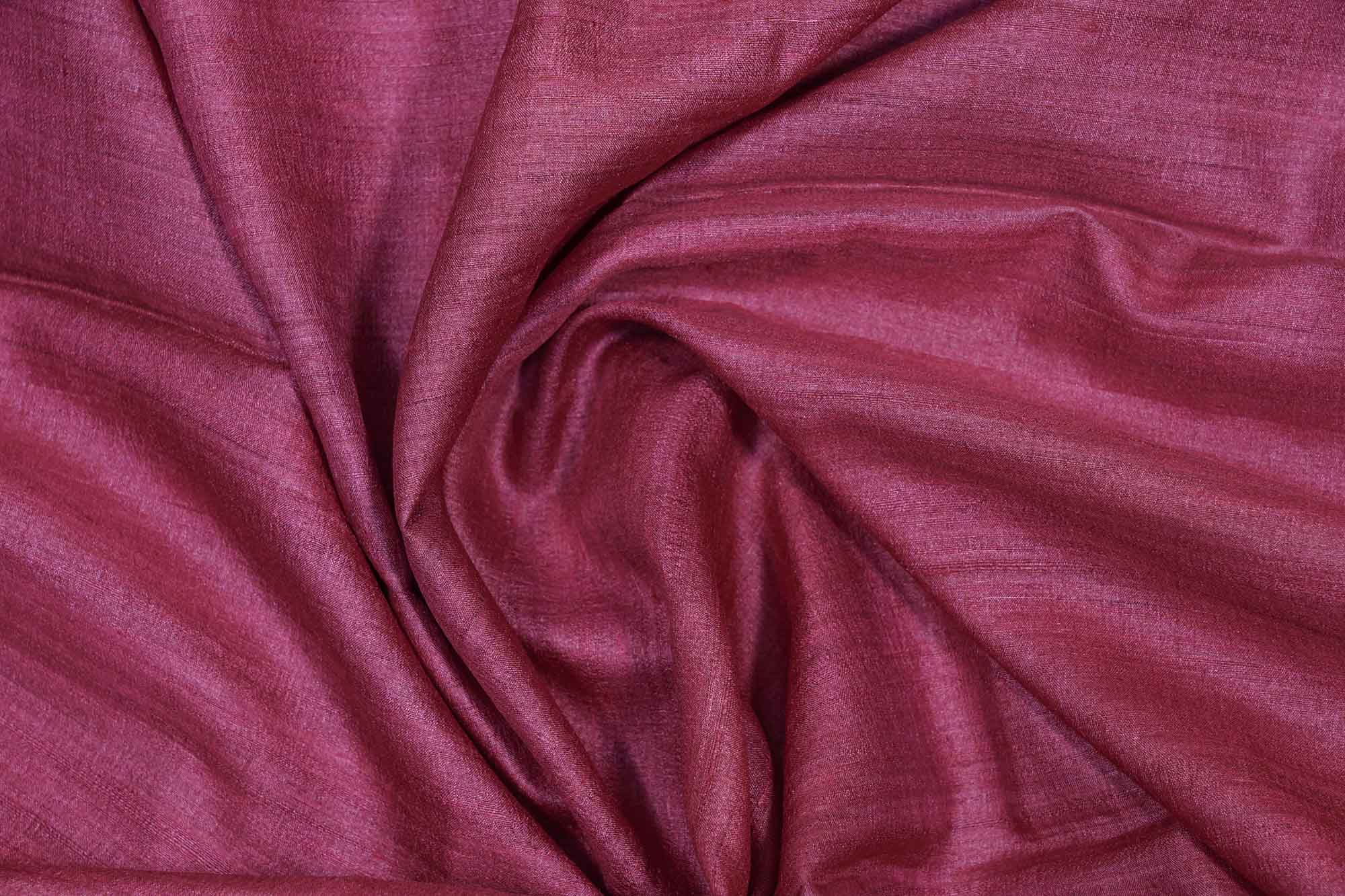
Cotton silk is the easiest saree fabric for beginners, since it has enough body to stay in place, pleats hold their shape, and it does not slip off the shoulder the way slippery silks do. Chanderi is also manageable and light. Avoid pure silk and georgette at first, as silk can be stiff to pleat and georgette tends to slide. For a first saree that drapes neatly and stays put through an event, cotton silk gives the most forgiving experience.
7.How should embroidered sarees be stored?
Embroidered sarees should be stored folded loosely in a soft cotton or muslin cloth, refolded along different lines every few months to prevent permanent creases and thread strain. Keep them away from direct sunlight, which fades colour, and from damp, which can stain or weaken fibres. Avoid hanging heavy embroidered sarees long-term, as the weight distorts the fabric. Tuck in a sachet to deter insects, and never store in airtight plastic, which traps moisture and can yellow the cloth.
8.Which saree should I choose for a wedding guest outfit?
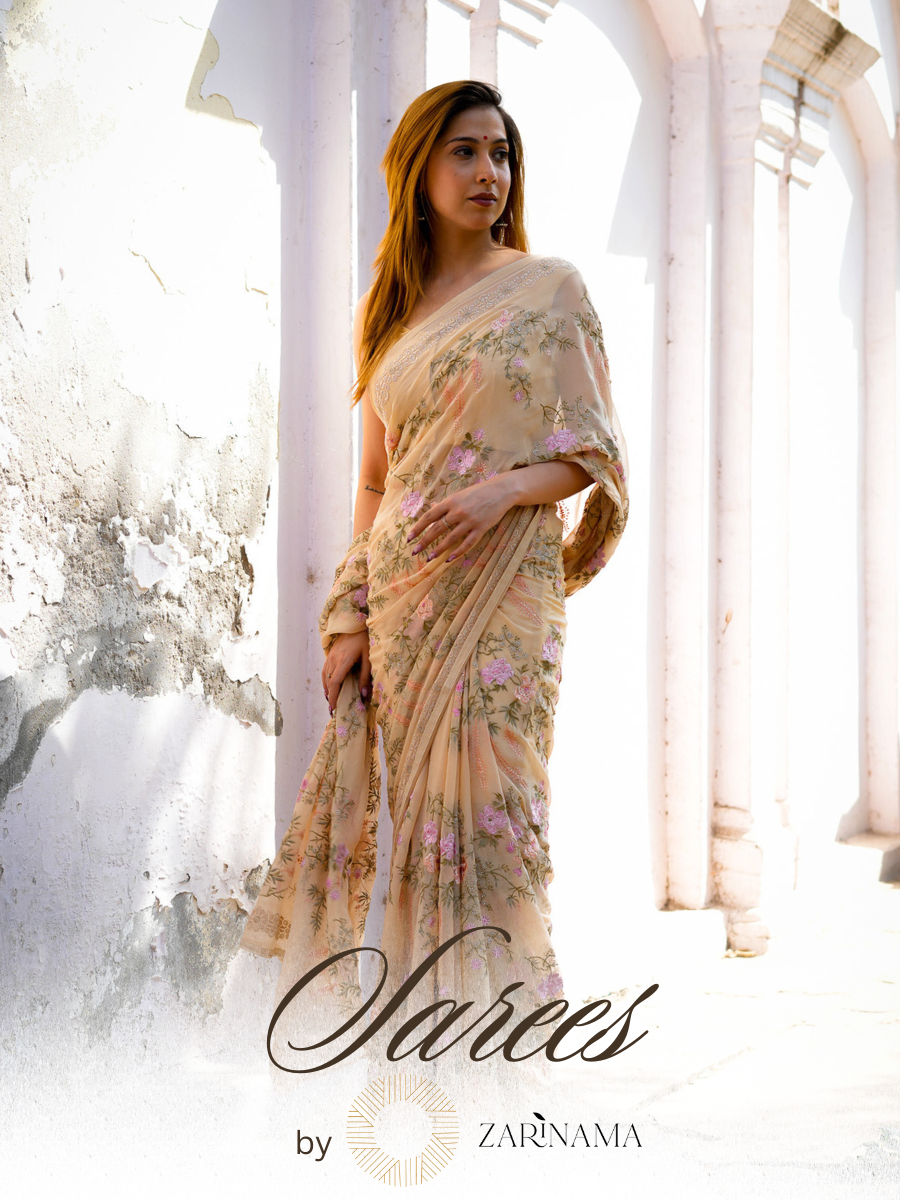
For a wedding-guest saree, an embroidered organza, cotton silk, or tussar silk strikes the right balance of festive and comfortable without upstaging the bride. Organza reads glamorous for evening receptions, cotton silk keeps you cool at daytime functions, and tussar offers rich traditional character. Pick a fabric and embroidery level suited to the event's timing and formality. A mid-weight embroidered saree in a flattering colour photographs well and carries you comfortably through ceremonies, meals, and dancing across a long celebration.