



FAQ
1.What is embroidered silk linen fabric and what makes it unique?
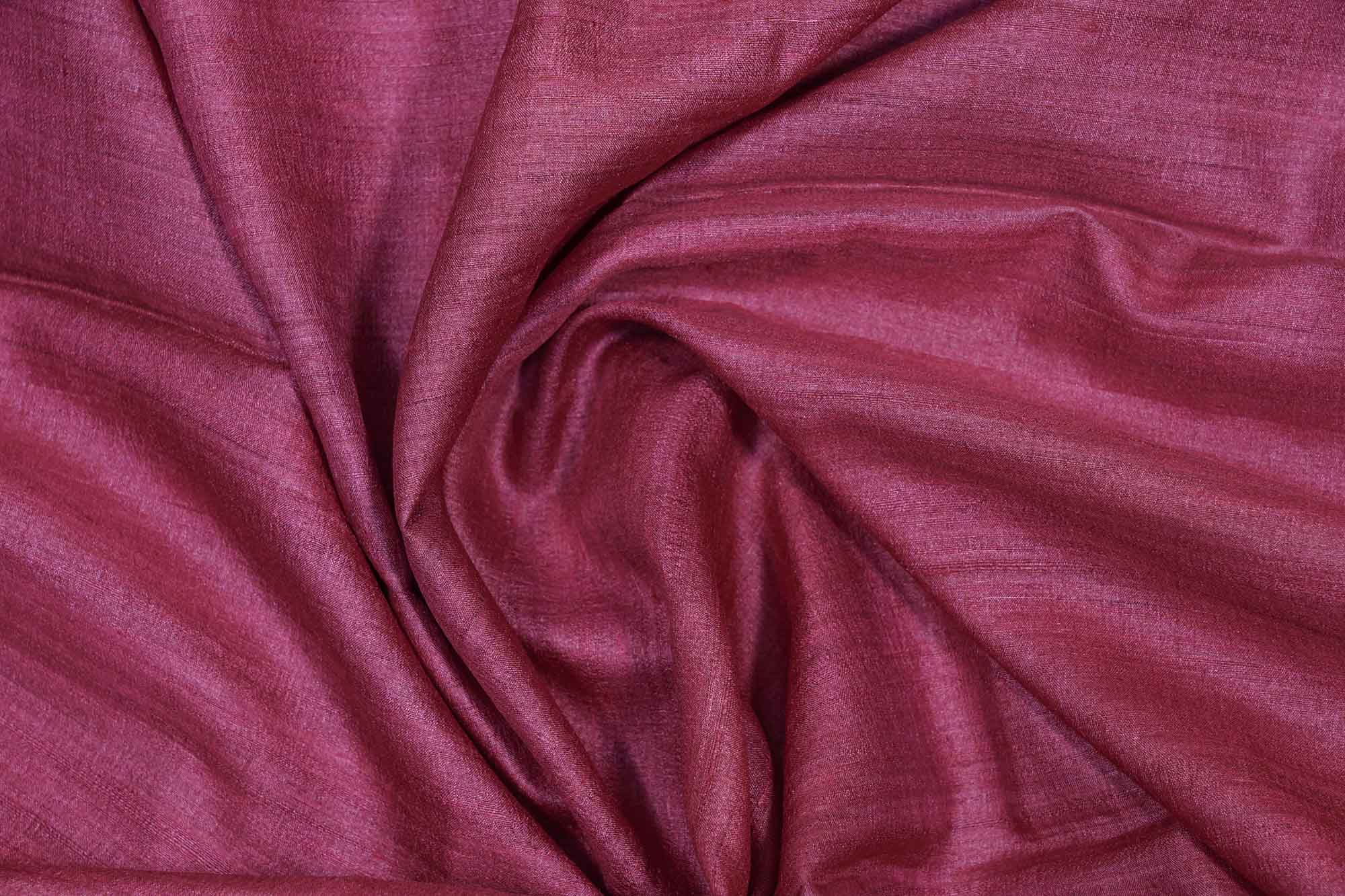
Embroidered silk linen is a blend of silk and linen fibres that combines the natural lustre of silk with the breathability and earthy texture of linen. The result is a fabric that drapes elegantly, has a subtle natural sheen, and feels cool and comfortable against the skin. The linen component gives it a slightly textured, organic quality that makes each piece feel distinct and refined. Embroidery on silk linen has a clean, clear definition due to the structured weave of the fabric.
2.Is embroidered silk linen suitable for Indian summer wear?
Yes, embroidered silk linen is one of the best fabric choices for Indian summers. Linen is naturally breathable and moisture-wicking, keeping you cooler than most silk-only fabrics. The silk component adds drape and a refined finish that linen alone cannot achieve. Together, the blend is ideal for summer weddings, daytime functions, and warm-weather festive occasions where you want to look elegant without overheating.
3.What types of embroidery work best on silk linen fabric?
The slightly textured surface of silk linen provides a firm grip for embroidery threads, making it ideal for resham threadwork, kantha-style stitching, and delicate floral embroidery. Zari work also looks beautiful on silk linen, though lighter zari is generally preferred to maintain the natural, organic feel of the fabric. The structured weave of linen means embroidery stitches sit clearly and maintain their definition well, even after multiple gentle washes.
4.What outfits can be made from embroidered silk linen?
Embroidered silk linen is a versatile fabric for kurtas, salwar kameez, casual sarees, and wide-leg trousers. It is especially popular for Indo-western fusion styles where the earthy texture of linen combined with the elegance of silk embroidery creates a contemporary aesthetic. Unstitched silk linen can be tailored into anything from a simple kurta for everyday wear to a more formal anarkali suit for festive occasions, depending on the embroidery style chosen.
5.How do I wash and care for embroidered silk linen fabric?
Lightly embroidered silk linen can often be hand-washed gently in cold water with a mild detergent, though dry-cleaning is recommended for heavily embroidered pieces. Avoid hot water, which can cause linen to shrink. Dry flat in shade to prevent colour fading and misshaping. Iron while slightly damp on a medium heat setting to smooth out linen's natural tendency to crease. For intricate embroidery, always place a pressing cloth between the iron and the fabric surface.
6.Does silk linen wrinkle easily and how do I manage creasing?
Linen naturally tends to crease more than silk or synthetic fabrics, and silk linen inherits some of this characteristic. However, the slight wrinkling that linen develops with wear is generally considered part of its natural, relaxed aesthetic rather than a flaw. For a crisper look, iron immediately after washing while the fabric is slightly damp. Choosing darker colours and thicker linen blends can also reduce the visibility of creases in everyday wear.
7.What is gauge fabric or gauge linen and is it different from silk linen?
Gauge fabric typically refers to a very loosely woven, open-weave cotton or cotton-blend fabric. It is much more loosely structured than silk linen and has a gauzy, lightweight quality. Silk linen is a denser blend with more body and a noticeable silk sheen. While both are breathable, silk linen has a more refined, formal appearance suitable for festive wear, whereas gauge fabric is better suited for very casual everyday clothing.
8.What colours are available in Zarinama's embroidered silk linen collection?
Zarinama's embroidered silk linen collection typically includes both earthy neutrals - ivory, off-white, camel, and slate grey - that complement linen's natural character, as well as vibrant festive tones like bottle green, deep red, and navy blue. Pastels in silk linen have a particularly beautiful quality because the fabric softens colours slightly, giving them a subtle, organic feel. Current colour availability can be confirmed directly on Zarinama's website or through their customer team.
9.Is embroidered silk linen good for blouse material?
Embroidered silk linen can make beautiful, structured blouse material for pairing with cotton sarees, linen sarees, or casual silk drapes. The natural texture of linen lends a handcrafted, artisanal quality to the blouse, while the silk content ensures it looks polished and refined rather than overly casual. It is particularly well-suited to blouses for daytime sarees and informal silk sarees where you want a complementary but not overly formal blouse aesthetic.
10.How is embroidered silk linen priced compared to pure silk fabric?
Silk linen blend fabrics are generally priced lower than pure silk fabrics because linen is a more affordable fibre than silk. However, premium silk linen blends with fine embroidery can still command significant prices, especially when the embroidery work is intricate and handcrafted. At Zarinama, the silk linen collection sits in the accessible-premium range - offering excellent quality and craftsmanship at a price point that makes luxury fabric more attainable.
11.What is cotton silk fabric and how does it compare to silk linen?
Cotton silk blends combine cotton and silk fibres, resulting in a fabric that is softer and smoother than silk linen. Cotton silk has less of the natural slubbed texture that linen contributes, making it feel closer to pure silk in hand feel while being more affordable and easier to care for. Silk linen, on the other hand, has a more distinct earthy character and open, breathable weave. Both are excellent choices for summer and festive Indian wear, with silk linen offering a slightly more casual, artisanal aesthetic.
12.Why should I consider buying embroidered silk linen from Zarinama over other fabric options?
Zarinama's embroidered silk linen combines authentic fabric quality with thoughtfully crafted embroidery designs that respect both the natural character of the fabric and the traditions of Indian textile craftsmanship. For buyers who want the breathability of linen, the refinement of silk, and the beauty of embroidery in a single fabric, their silk linen collection offers a compelling choice. It is particularly suited to those who love elegant ethnic wear but prefer comfortable, wearable fabrics over heavier luxury options.


-
Fabrics


