



Embroidered Tussar Silk


FAQ
1.What is tussar silk fabric?
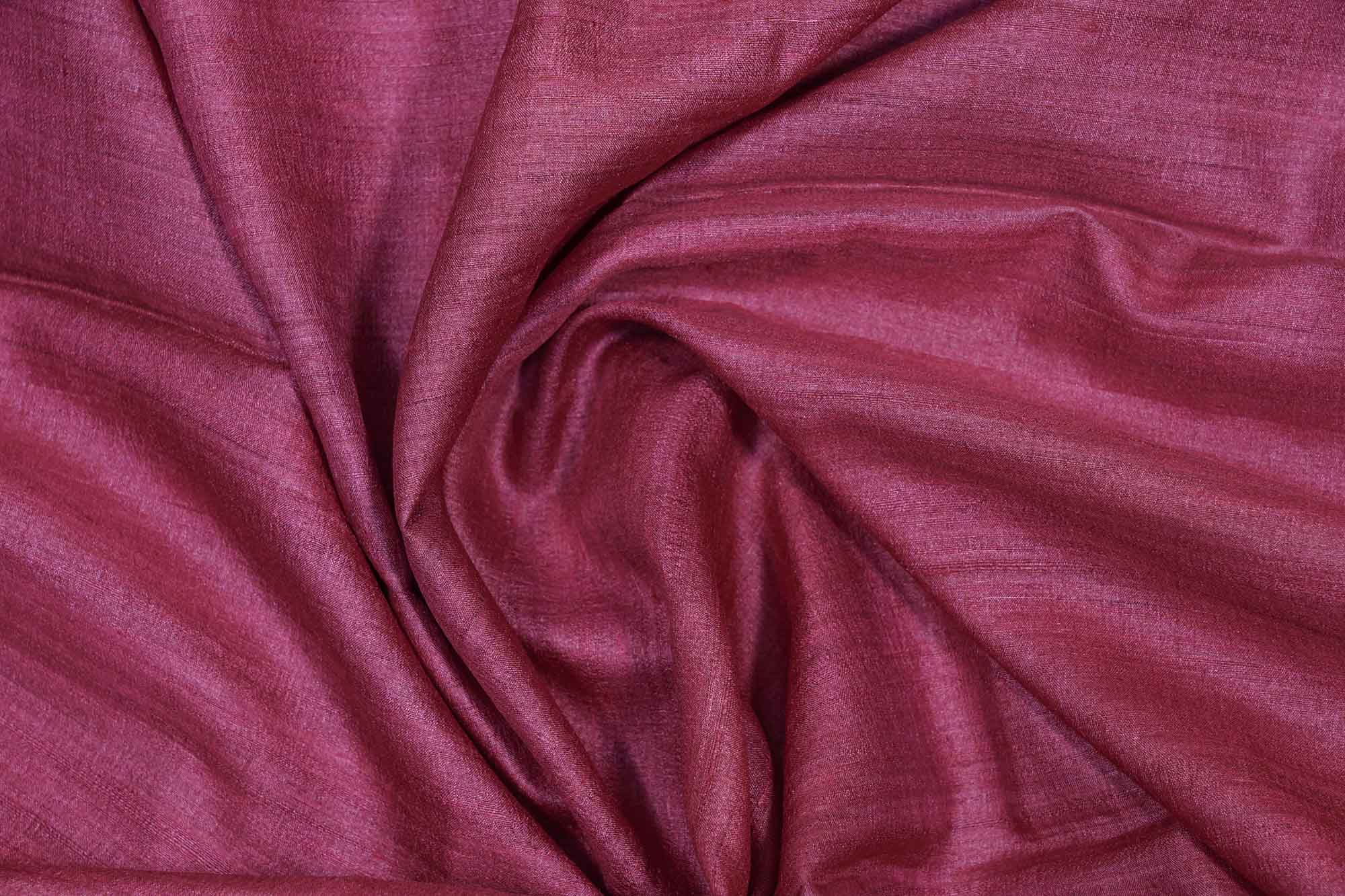
Tussar silk is a wild silk woven from cocoons of forest silkworms, known for its natural golden sheen, slightly coarse texture, and rich, earthy character. Unlike cultivated mulberry silk, it has a more textured, slubbed surface and a warm, organic colour. This distinctive look makes it a favourite for ethnic and handcrafted-feel outfits. Buyers choose tussar silk for sarees and suits when they want a fabric with traditional character and a luxurious matte glow rather than high-gloss shine.
2.Tussar silk vs mulberry silk: what's the difference?
Tussar silk has a textured, slubbed surface and a natural golden tone, while mulberry silk is smoother, finer, and more uniformly glossy. Tussar comes from wild silkworms and reads earthy and handcrafted, with a matte luxury. Mulberry silk, the cultivated variety, is softer to the touch, brighter in sheen, and more refined. Choose tussar for traditional character and rustic richness, and mulberry when you want smooth, lustrous silk with a polished, even finish for formal, high-shine looks.
3.Why is tussar silk popular for ethnic wear?
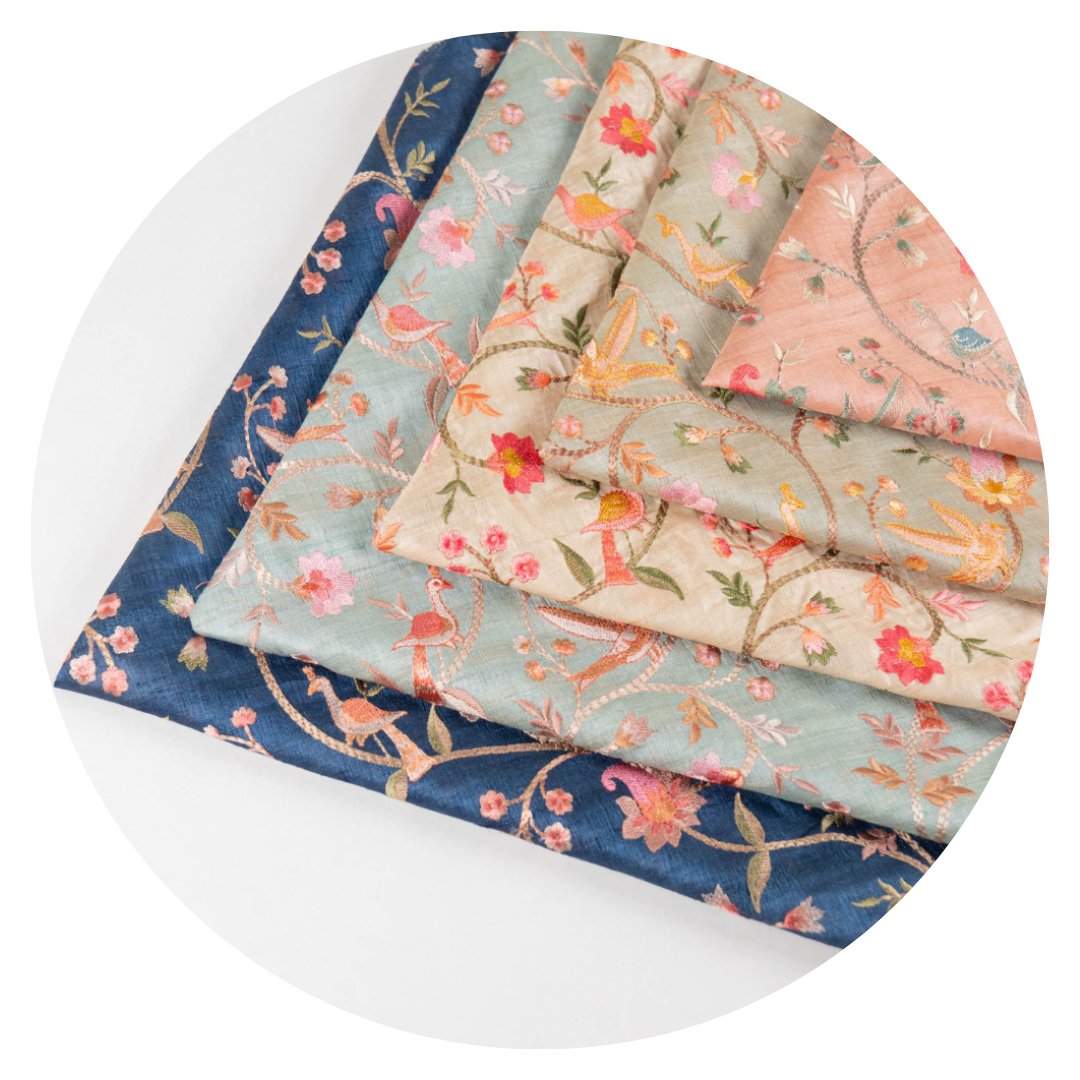
Tussar silk is popular for ethnic wear because its natural golden sheen and textured surface give outfits a rich, traditional, handcrafted look that synthetic fabrics cannot match. It carries hand-painted, printed, and embroidered work beautifully, and its earthy character suits classic Indian aesthetics. The fabric reads as understated luxury rather than flashy shine. Buyers frequently select tussar sarees and suits for festivals and cultural occasions where they want a fabric rooted in heritage with a warm, organic elegance.
4.Is tussar silk suitable for weddings?
Tussar silk suits weddings well, particularly daytime and traditional ceremonies where its natural golden sheen and rich texture stand out without harsh shine. It works beautifully for guests wanting an elegant, heritage-style look, and its body holds embroidery and zari work for added grandeur. For evening receptions with dramatic lighting, glossier silks may photograph brighter, but for daytime functions and culturally rooted celebrations, tussar offers warm, dignified richness that feels both festive and timeless on the wearer.
5.Can tussar silk be worn in summer?
Tussar silk can be worn in summer, since it is lighter and more breathable than many heavier silks, though it is warmer than cotton or chanderi. Its textured weave allows some airflow, making it manageable for daytime functions in moderate heat. For peak summer, choose lighter tussar weights and avoid the densest embroidery. Buyers who want a silk look with reasonable comfort in warm weather often pick tussar, balancing its rich appearance against fabrics that breathe more freely.
6.What garments can be stitched from tussar silk?
Tussar silk suits sarees, suits, kurtas, dupattas, and blouses, working especially well where a rich, textured fabric elevates the look. Its body holds structure for tailored suits and blouses, while its drape carries sarees with graceful weight. The natural sheen makes simple cuts look refined without heavy embellishment. Buyers commonly choose tussar for statement sarees and festive suit sets, since one fabric delivers a traditional, luxurious finish across both draped and stitched ethnic garments.
7.How do I care for tussar silk fabric?
Tussar silk is best dry-cleaned, since its natural fibres and textured weave can be damaged by machine washing, which may cause shrinkage or stiffness. Avoid wringing and direct sun, which dulls the golden sheen over time. Store it folded in a soft cloth or muslin to let the fabric breathe and prevent moisture damage. Iron on a low silk setting from the reverse with a press cloth, and refresh embroidered areas with gentle steam rather than direct pressing.
8.Why does tussar silk have a natural golden sheen?
Tussar silk has its golden sheen because of the wild silkworms that produce it, whose cocoons yield fibres with a naturally warm, dull-gold tone rather than the white of cultivated silk. This colour comes from the insects' forest diet and the undyed fibre itself, giving the fabric its signature earthy glow. The slightly irregular, textured weave scatters light softly, creating a matte rather than mirror shine. That organic richness is exactly why buyers prize tussar for traditional, heritage-style outfits.