



Embroidered Raw Silk


FAQ
1.What is raw silk fabric?
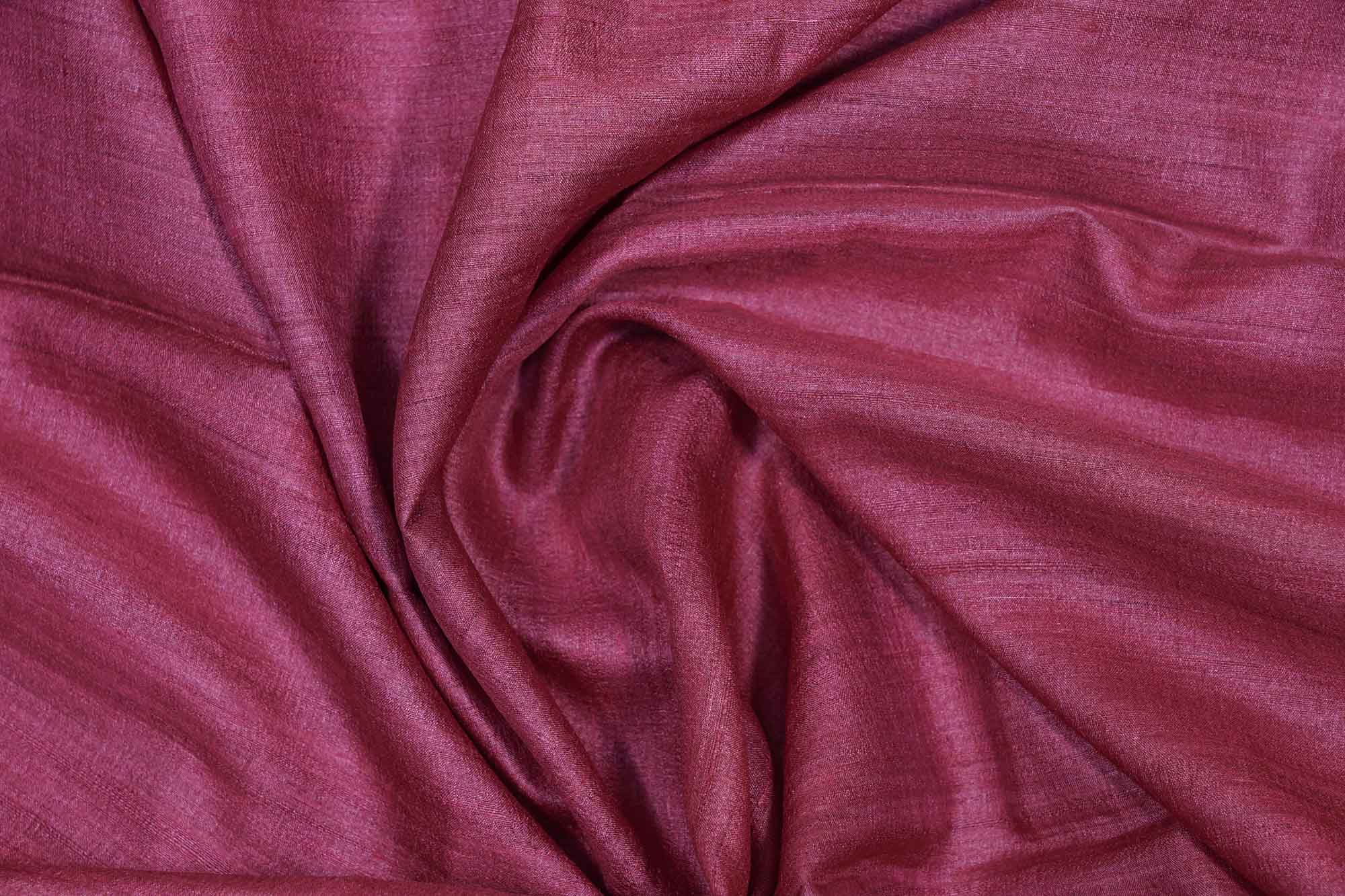
Raw silk is silk in a less-processed form, woven with the natural gum and slubs left in, giving it a textured surface, matte-to-soft sheen, and substantial body. It feels firmer and more structured than smooth cultivated silk, with visible irregularities that read as handcrafted luxury. This body makes it hold shape well for tailoring. Buyers choose raw silk for structured blouses, suits, and sarees where they want a rich, textured fabric that tailors crisply and supports heavy embroidery.
2.Raw silk vs tussar silk: what's the difference?
Raw silk and tussar overlap, but raw silk is a broad term for minimally processed silk with slubs and body, while tussar is a specific wild silk with a natural golden tone and coarser texture. Raw silk can come in many colours and has firm structure, suiting tailored garments. Tussar has a distinctive earthy sheen and handcrafted character rooted in its wild origin. Choose raw silk for structured, embellished pieces in varied colours, and tussar for its signature golden, traditional richness.
3.Raw silk vs pure silk: which should I choose?
Choose raw silk for structure and texture, and pure silk for smooth drape and high shine. Raw silk is firmer, with a slubbed, matte-rich surface that holds shape for tailored blouses and suits and supports heavy embroidery. Pure silk is softer, smoother, and glossier, flowing more fluidly with a luxurious sheen for sarees and formal drapes. Decide by garment and finish: raw silk when you want body and a handcrafted look, pure silk when you want liquid drape and bright lustre.
4.Is raw silk suitable for weddings?
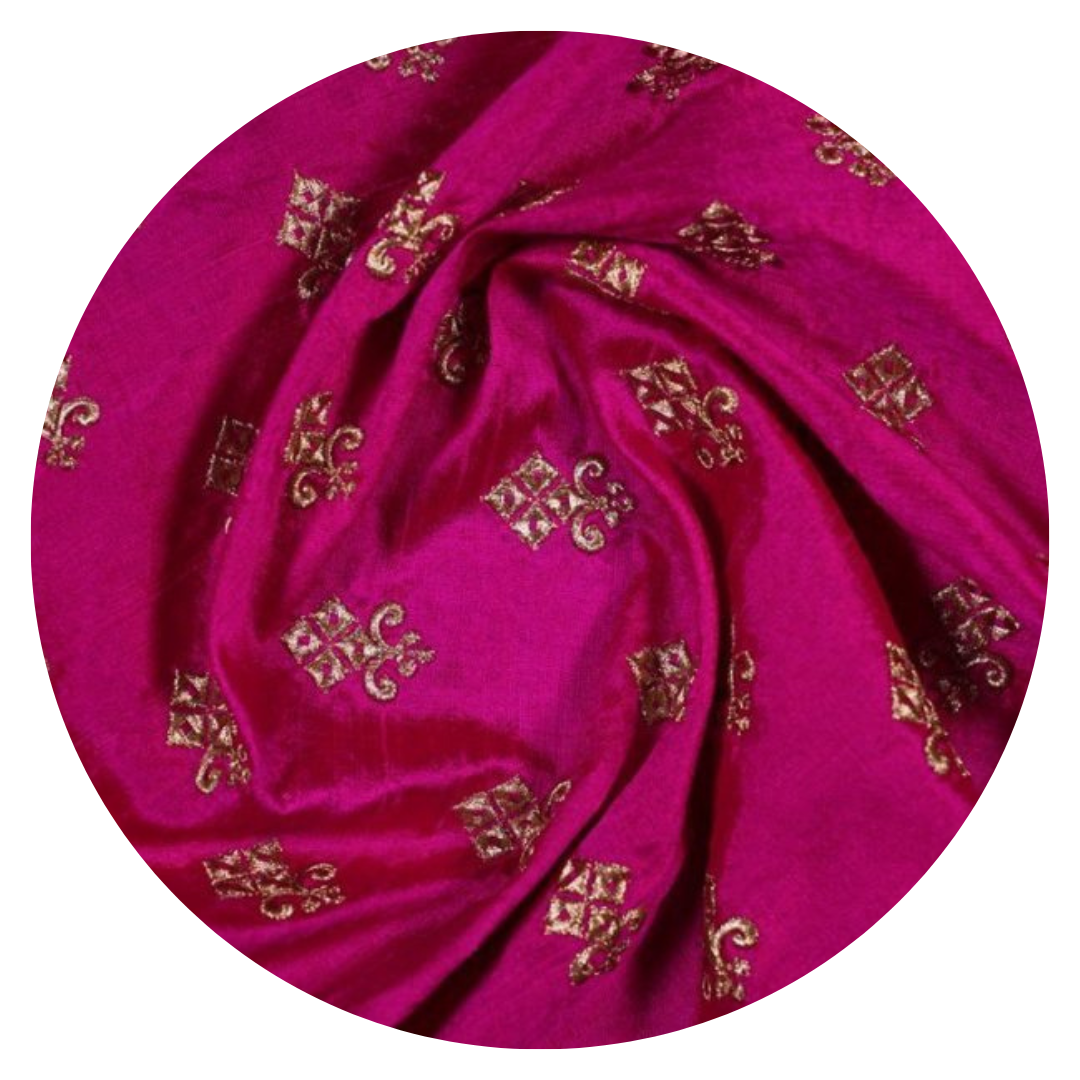
Raw silk is well suited to weddings, since its rich texture and firm body hold heavy embroidery, zari, and beadwork beautifully for structured bridal and guest outfits. It reads as understated luxury and tailors into sharp blouses, lehengas, and suits that keep their shape. The matte-rich surface photographs elegantly without harsh glare. For evening and winter weddings especially, raw silk delivers presence and structure, while lighter fabrics may suit hot daytime functions where its body feels warmer to wear.
5.What can I make with raw silk fabric?
Raw silk suits structured garments like blouses, suits, lehengas, jackets, and sarees, working best where body and shape matter. Its firmness tailors into crisp, well-defined silhouettes and supports heavy embellishment without sagging, which is why designers favour it for statement blouses and bridal wear. It also makes elegant, substantial sarees with a textured drape. Buyers reach for raw silk when they want a rich, structured fabric that holds its form and elevates a garment through texture rather than shine alone.
6.Why do designers prefer raw silk?
Designers prefer raw silk because its firm body and textured surface hold structured shapes, sharp tailoring, and heavy embellishment that softer fabrics cannot support. The natural slubs give a handcrafted, luxurious character, and the matte-rich finish photographs elegantly without glare. It takes embroidery, beadwork, and zari cleanly, keeping intricate detail crisp. For statement blouses, structured lehengas, and architectural silhouettes, raw silk gives designers a dependable canvas that maintains form, which is why it appears so often in couture and bridal collections.
7.How do I care for raw silk fabric?
Raw silk is best dry-cleaned, since its natural gum and slubbed weave can stiffen, shrink, or watermark if machine washed. Keep it away from direct sun, which dulls colour, and from moisture, which can stain. Store it folded in a breathable cloth rather than plastic, and refold occasionally to avoid permanent creases. Iron on a low-to-medium silk setting from the reverse with a press cloth, and steam embroidered areas gently instead of pressing directly to protect the surface work.
8.How much raw silk fabric is needed for a saree or suit?
A raw silk saree typically needs about 5.5 metres including the blouse, while a suit requires roughly 6.5 metres total, covering kurta, bottom, and dupatta. Because raw silk has body and structured cuts use fabric efficiently, but heavy borders or placed embroidery may need extra for matching. Tall heights or fuller styles also add to the requirement. When ordering online, buy slightly more from the same dye lot, since raw silk shades are difficult to match exactly later.