



Embroidered Dupatta
FAQ
1.What is an embroidered dupatta?
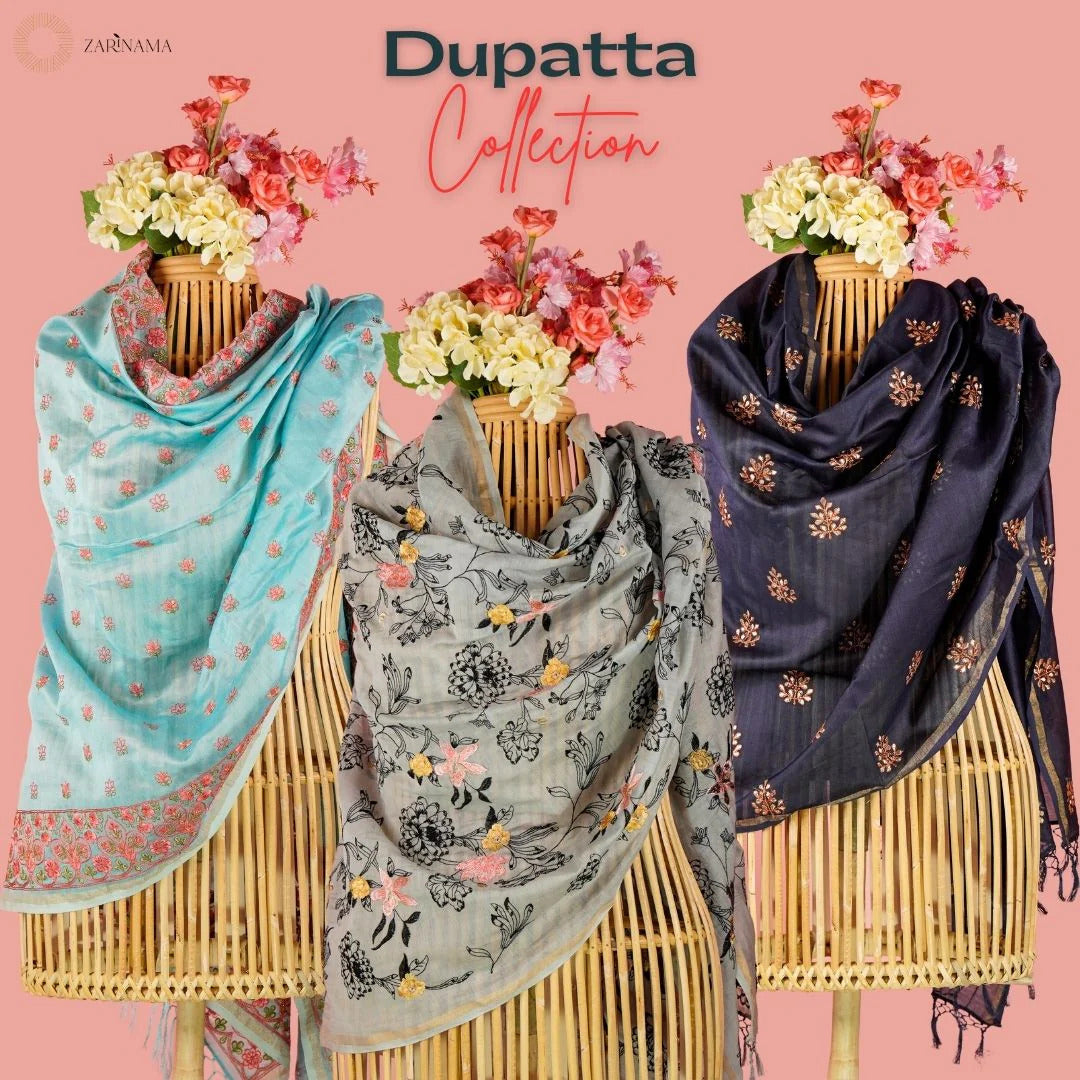
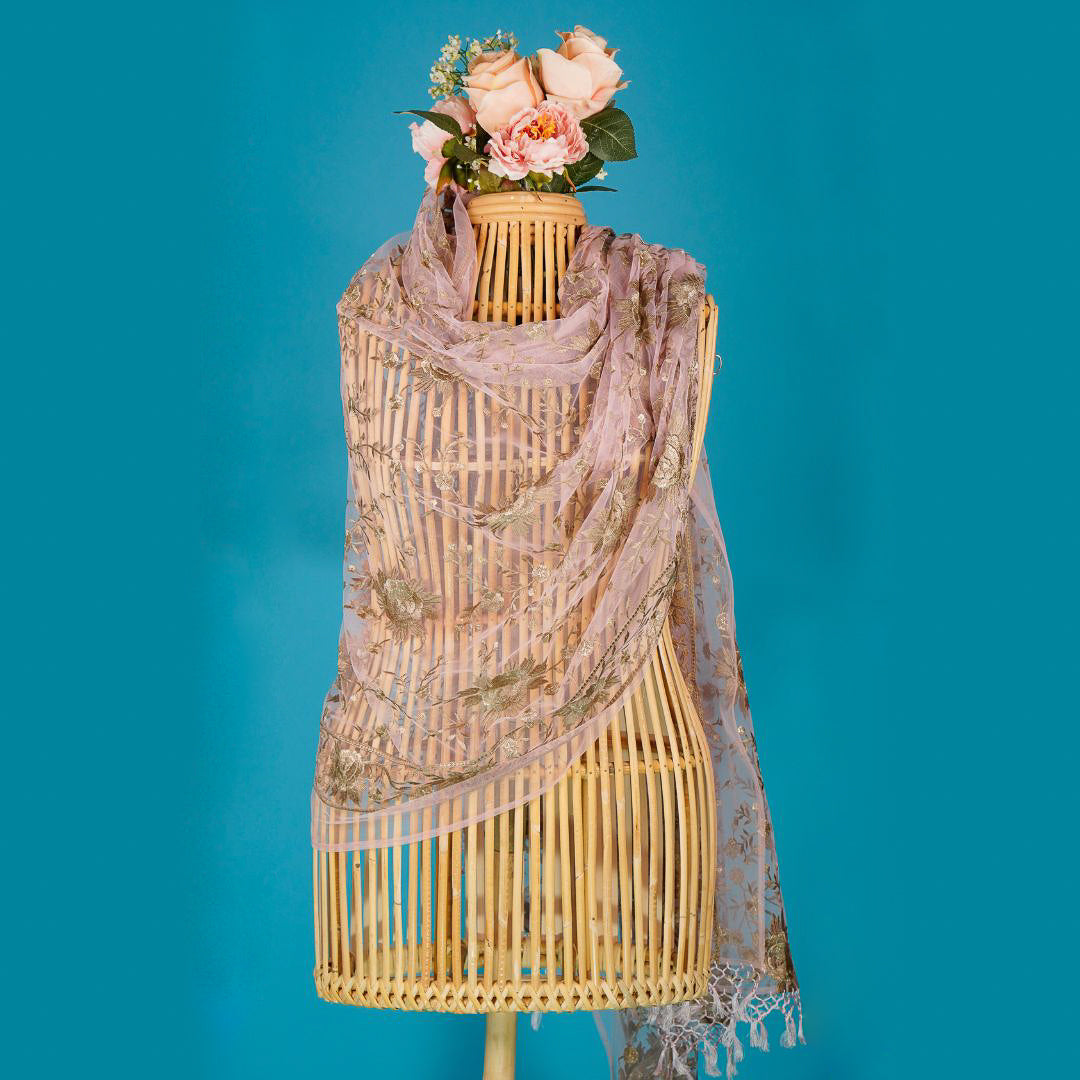
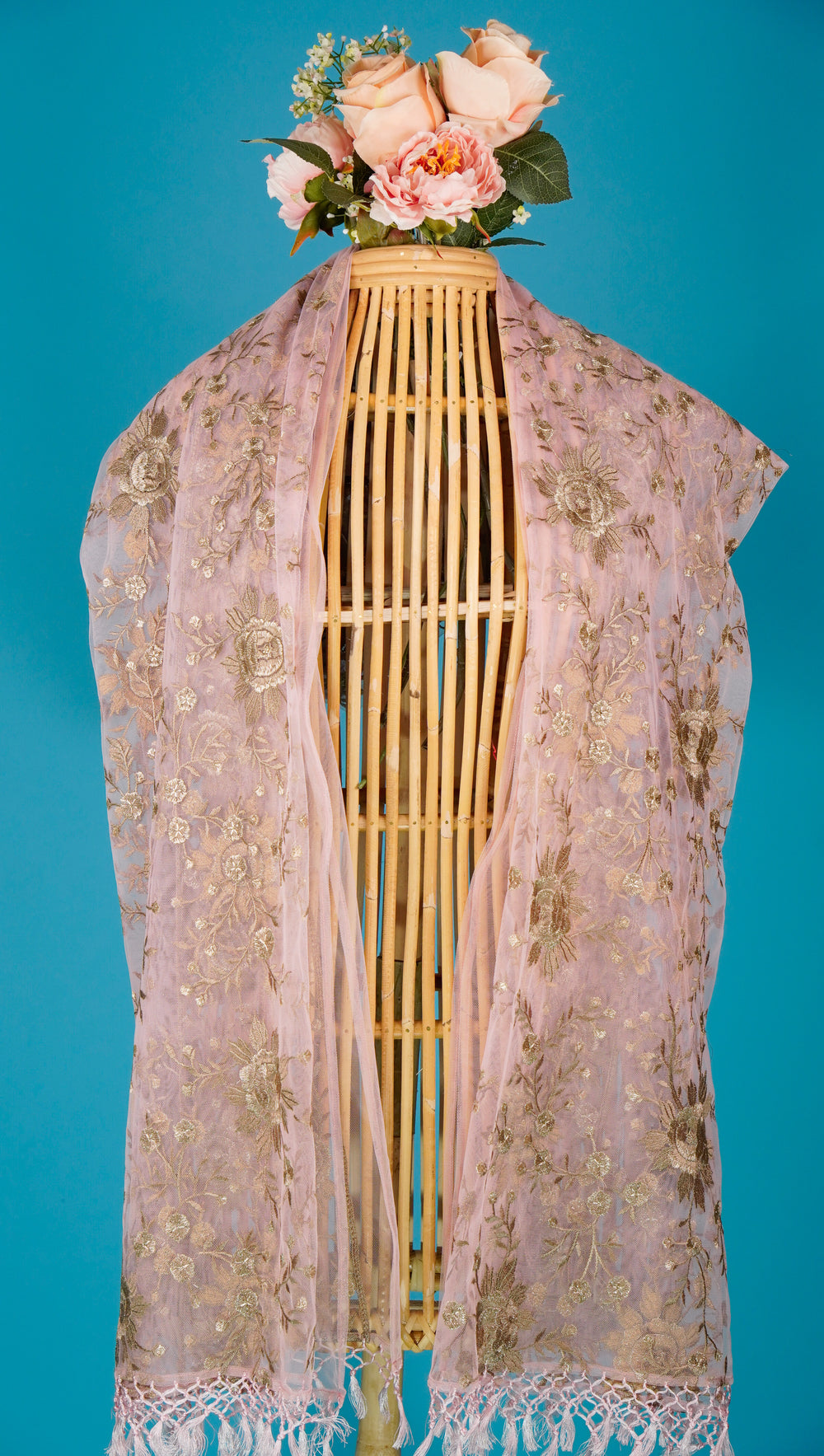
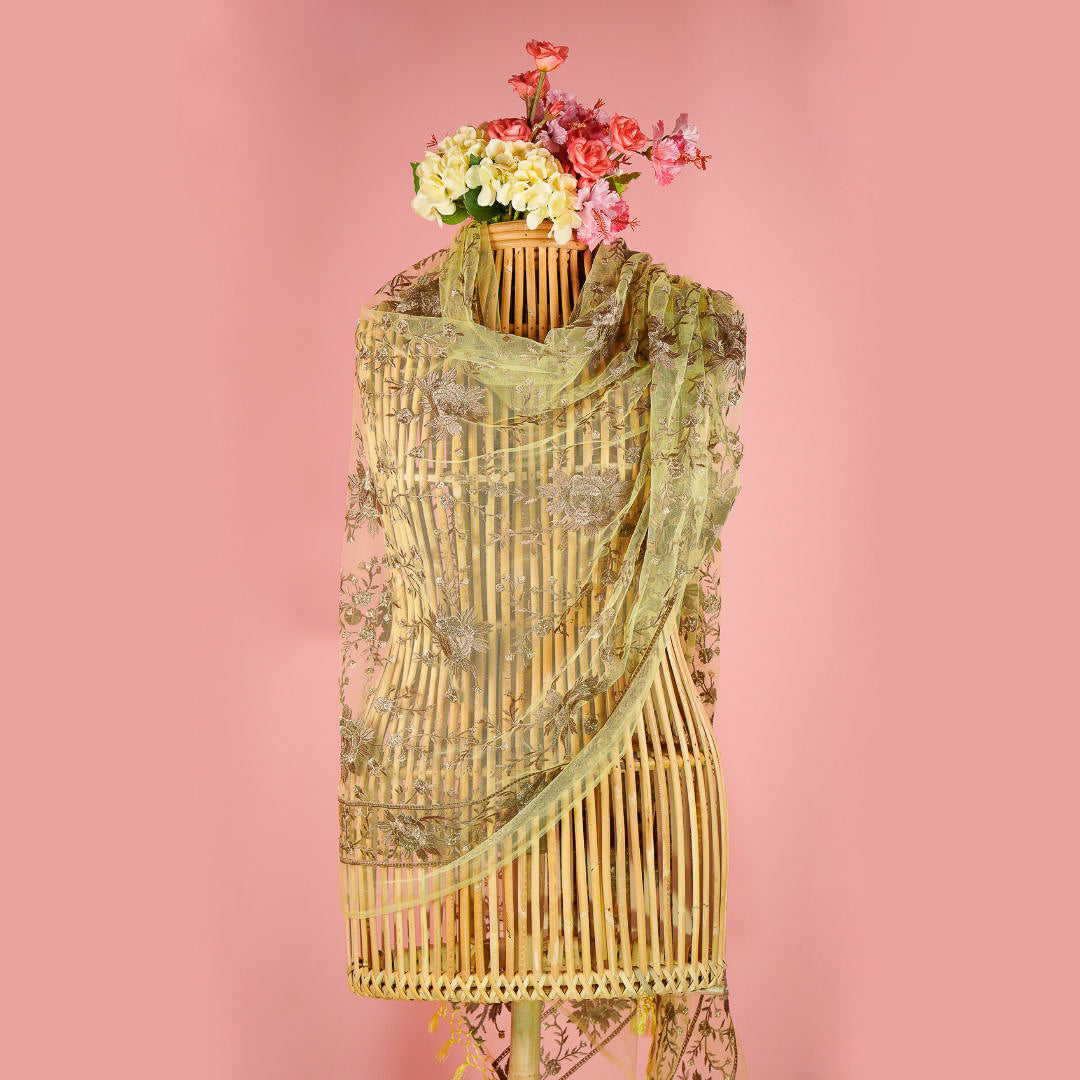
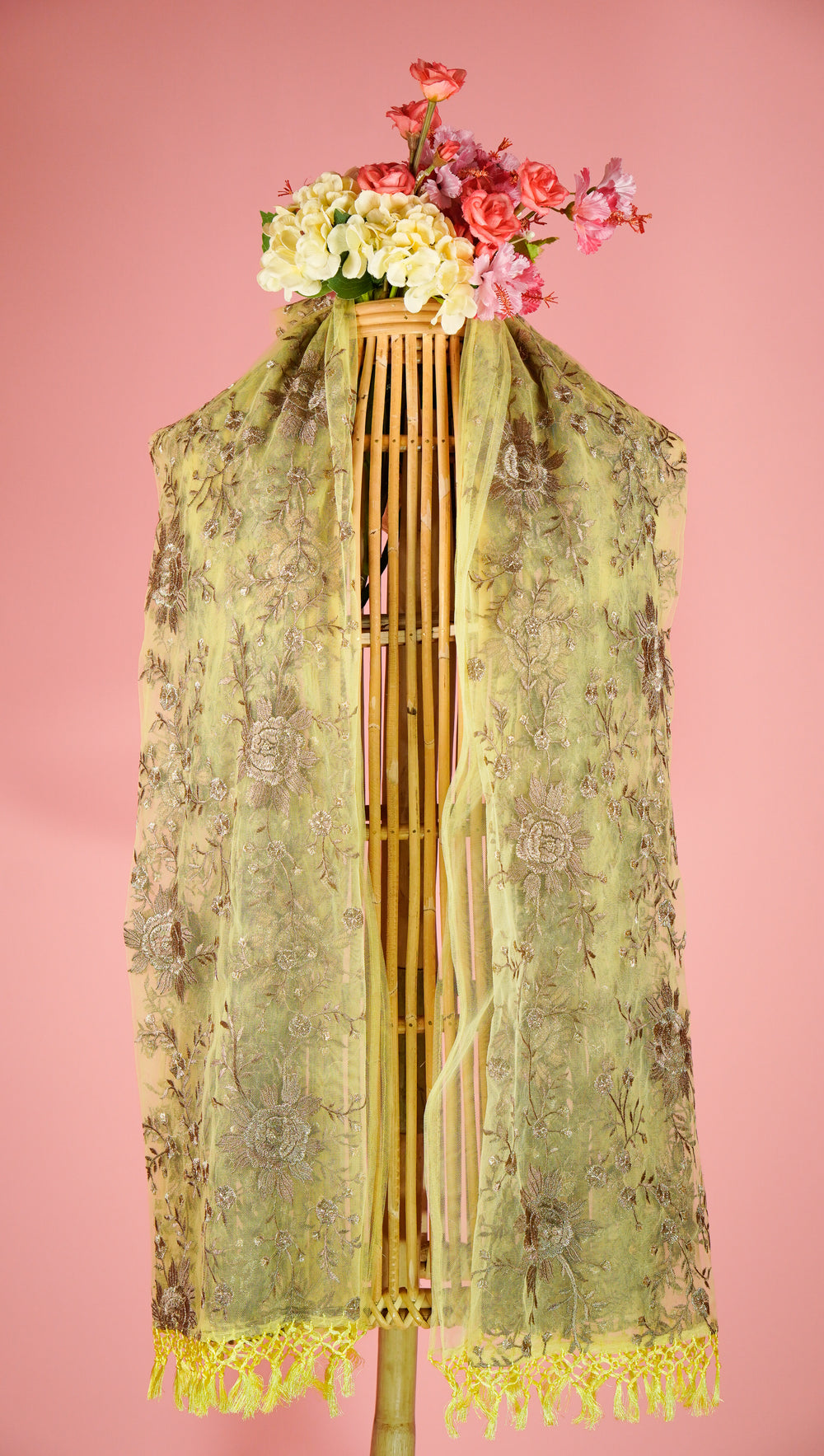
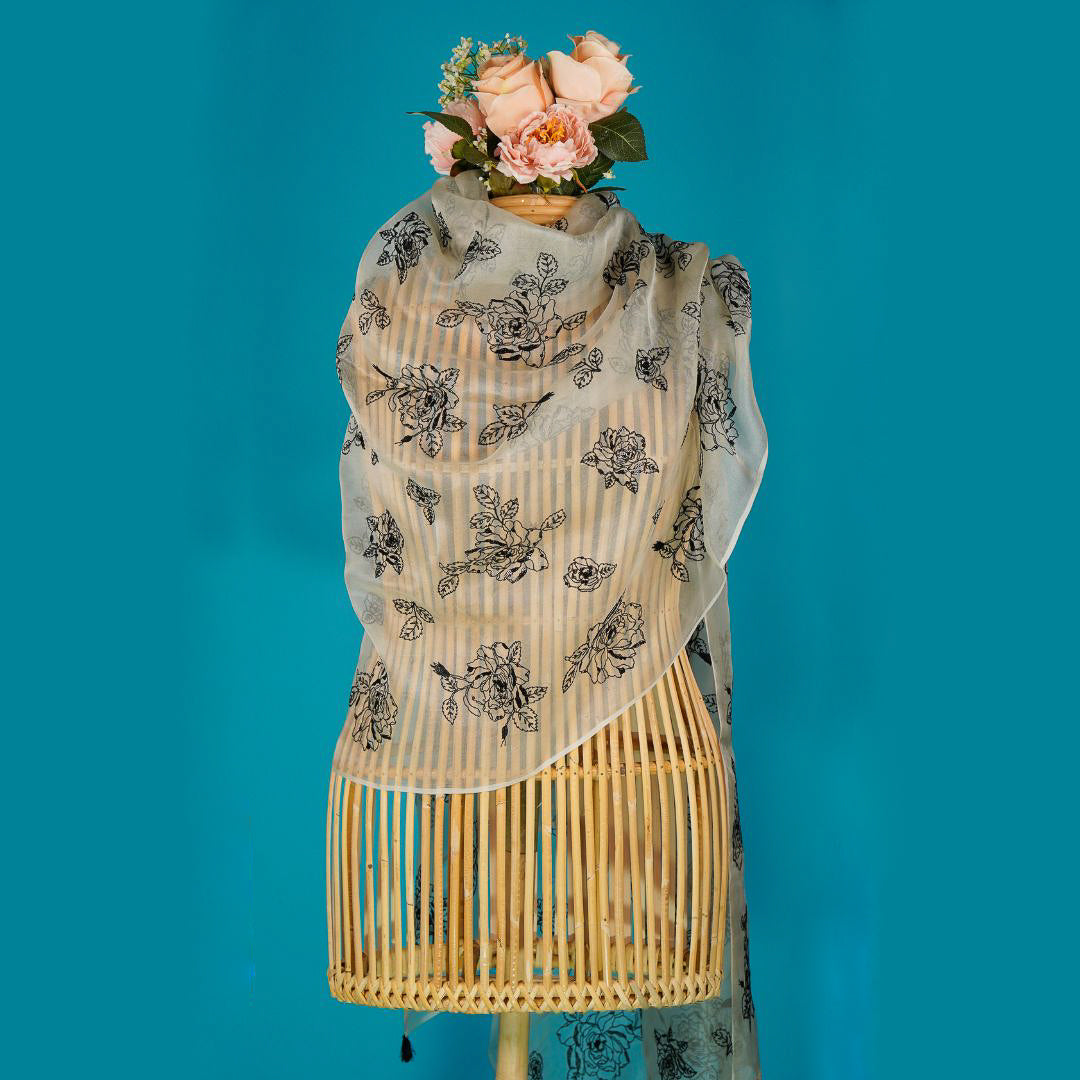
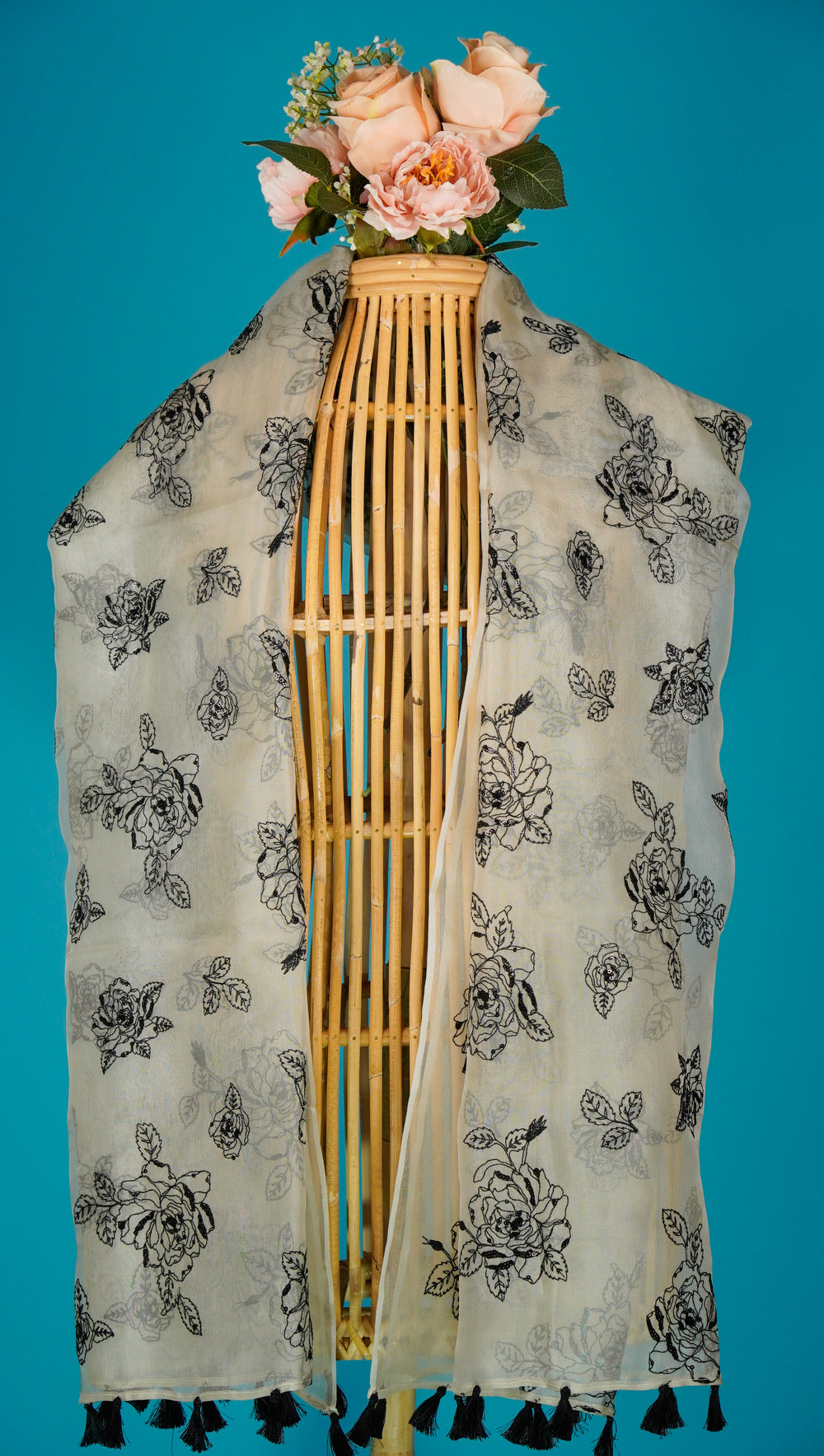
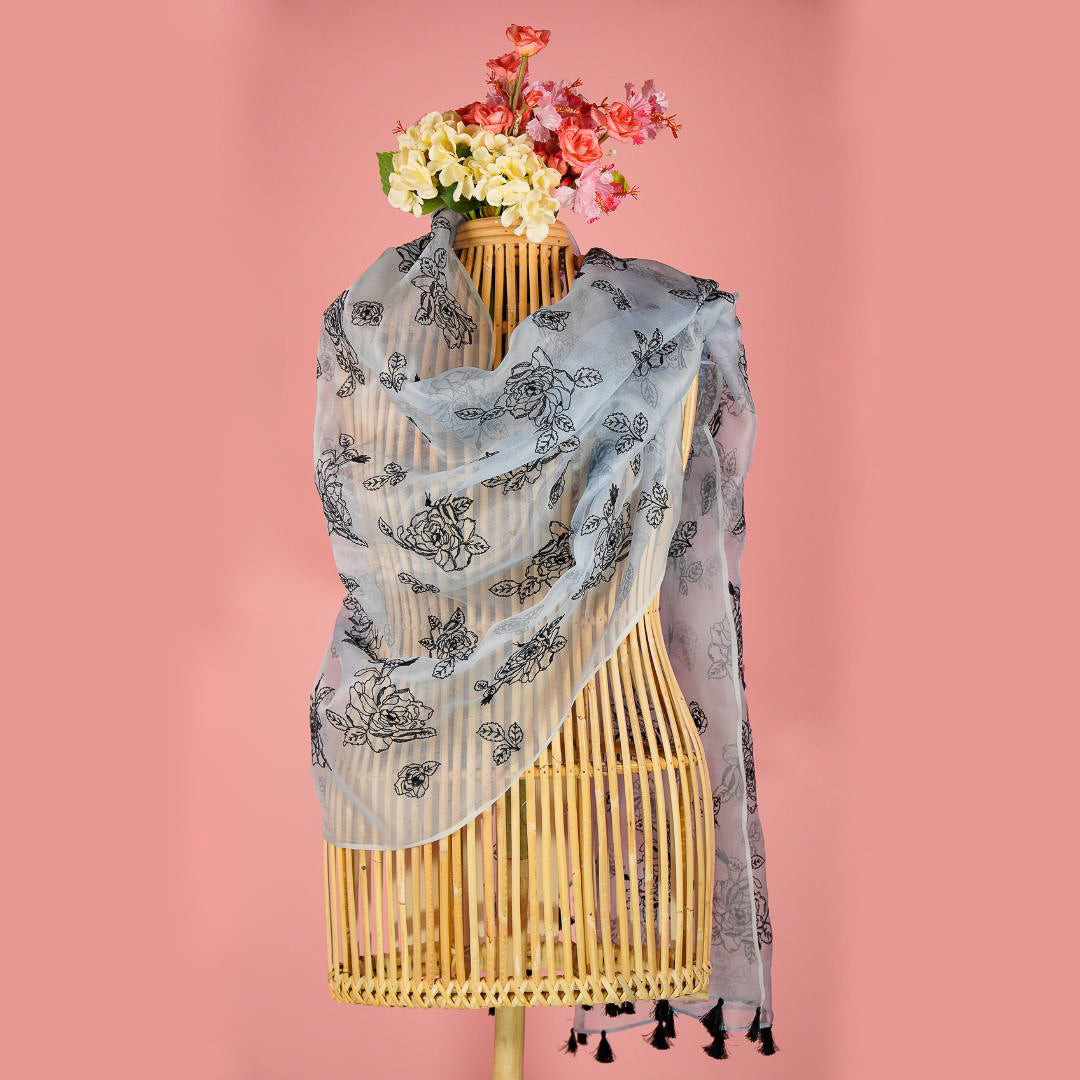
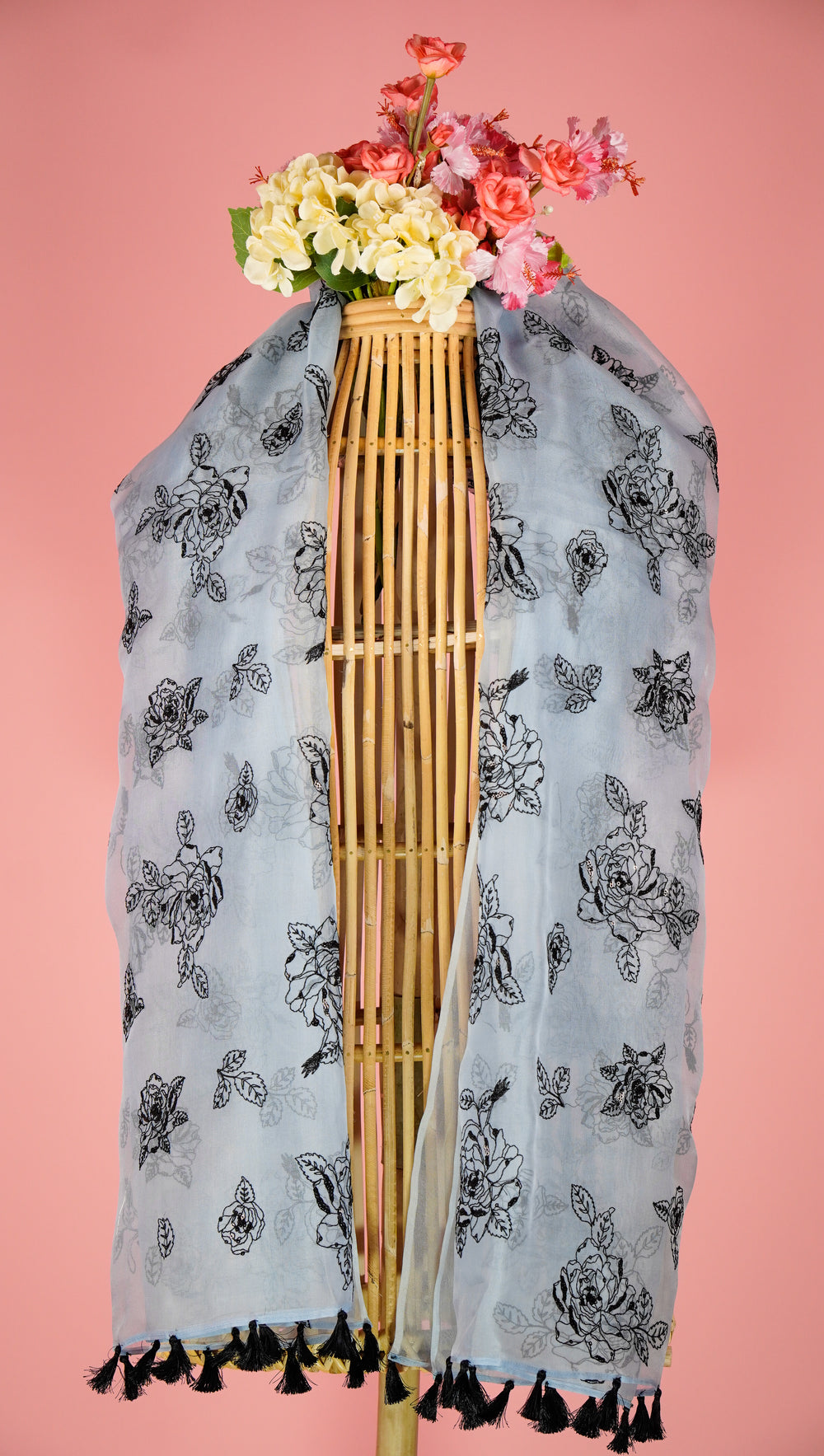
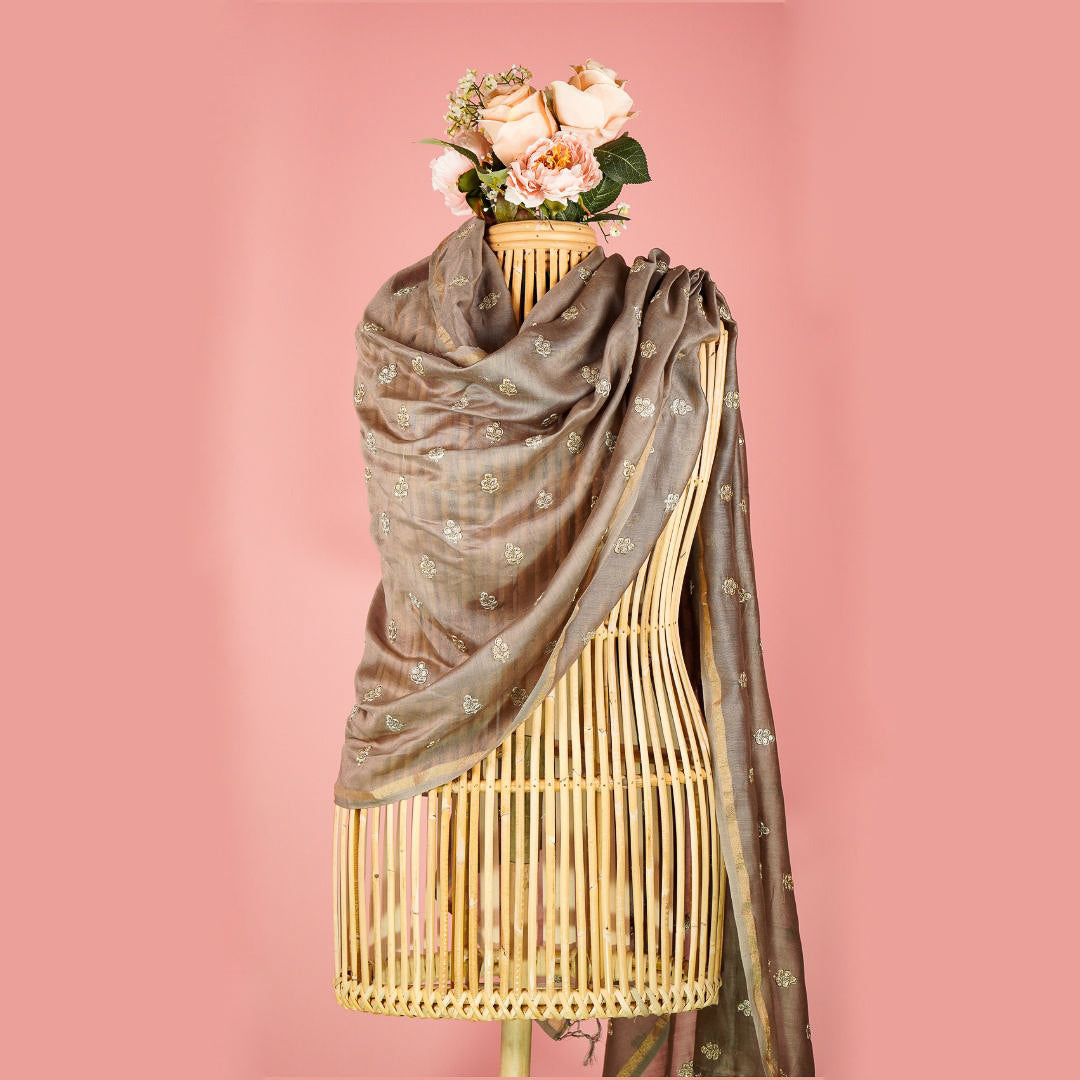
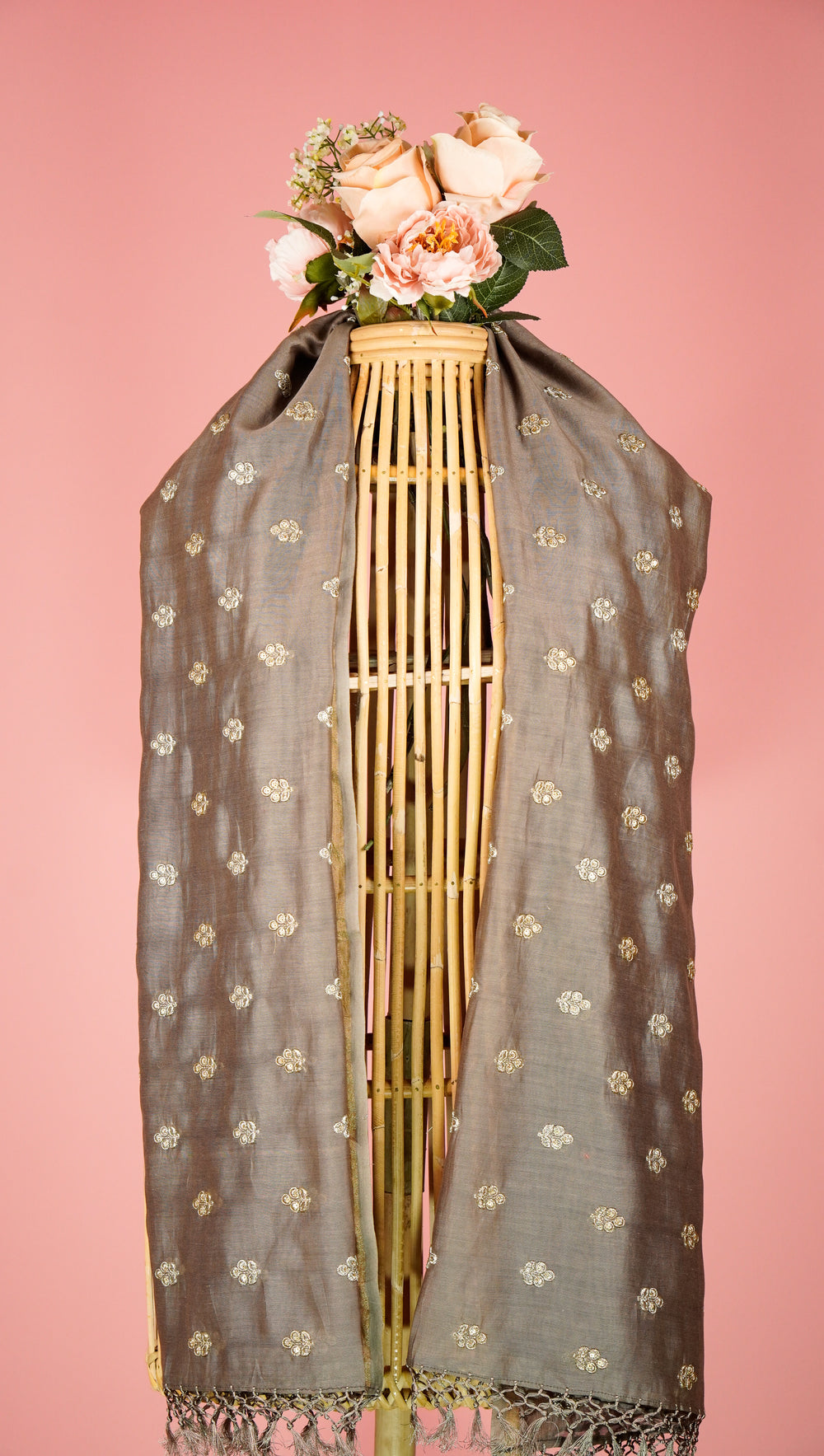
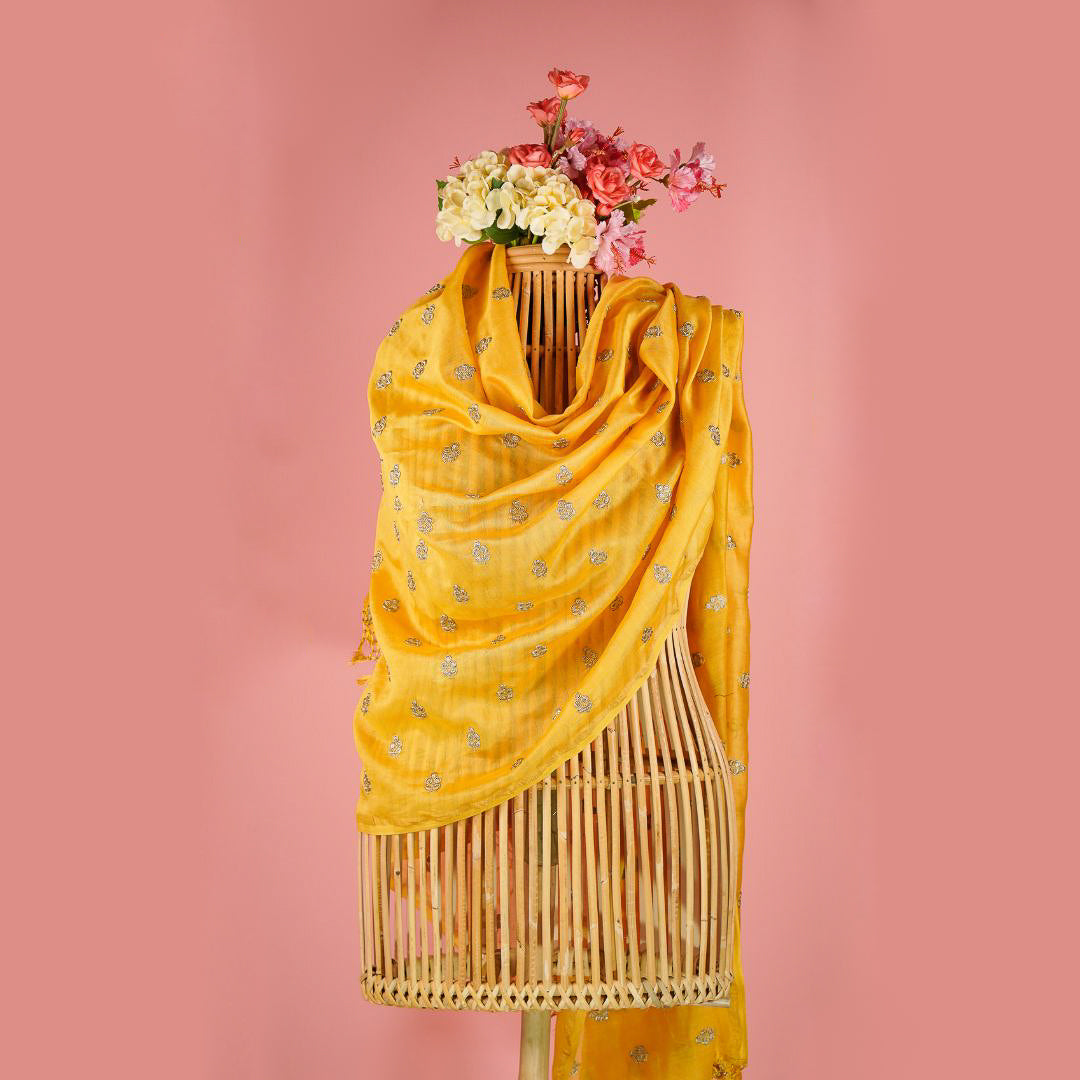
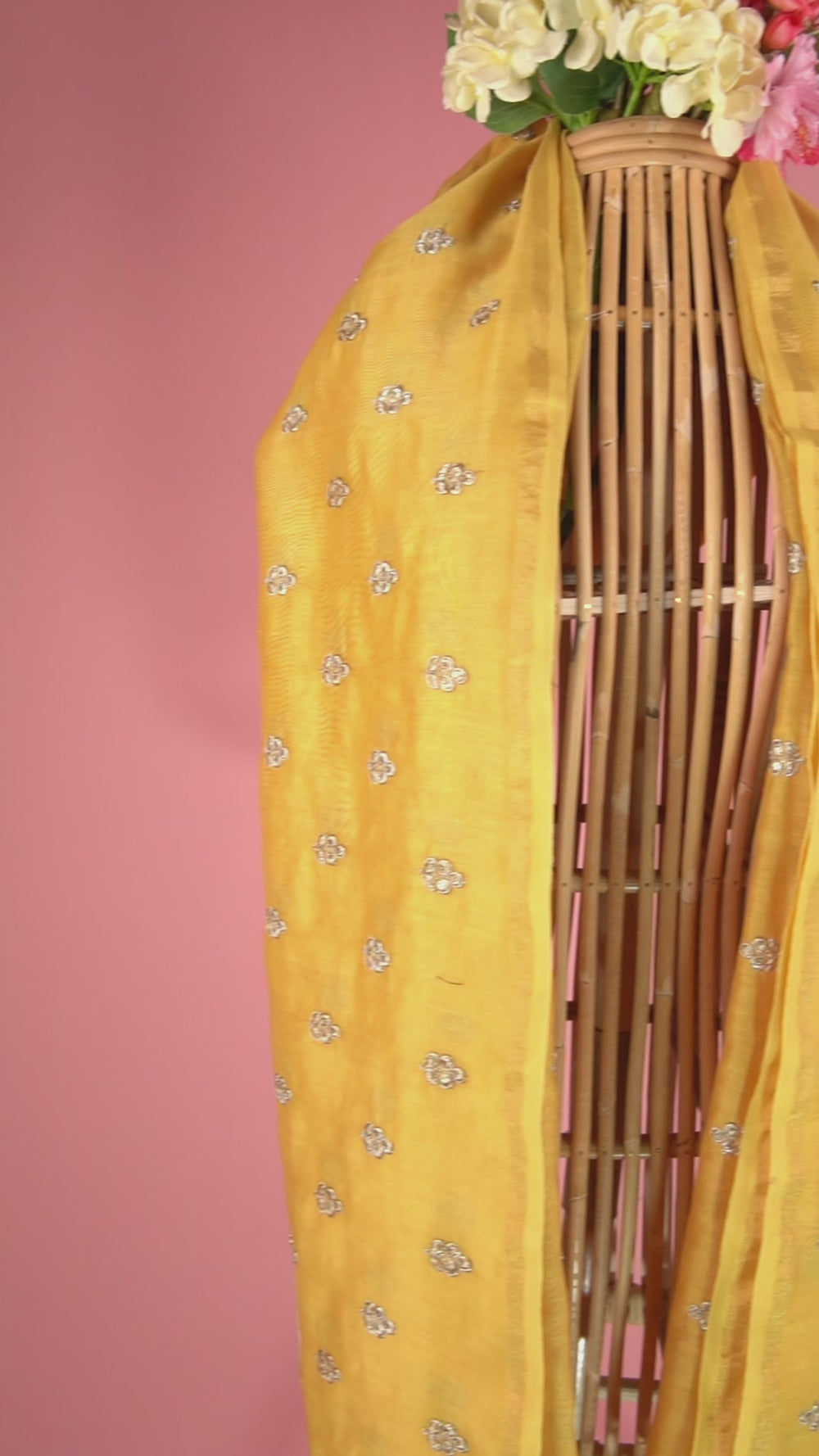
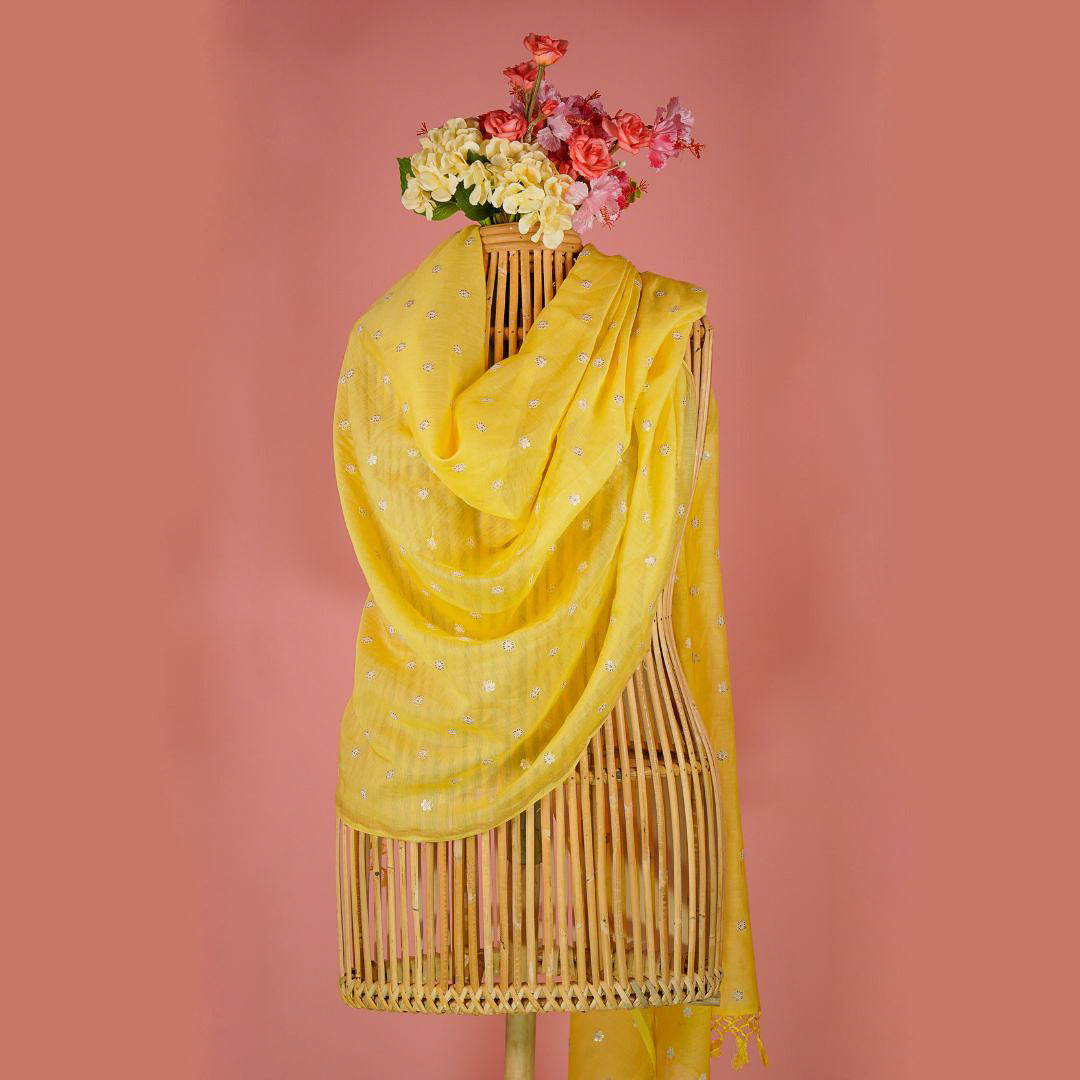
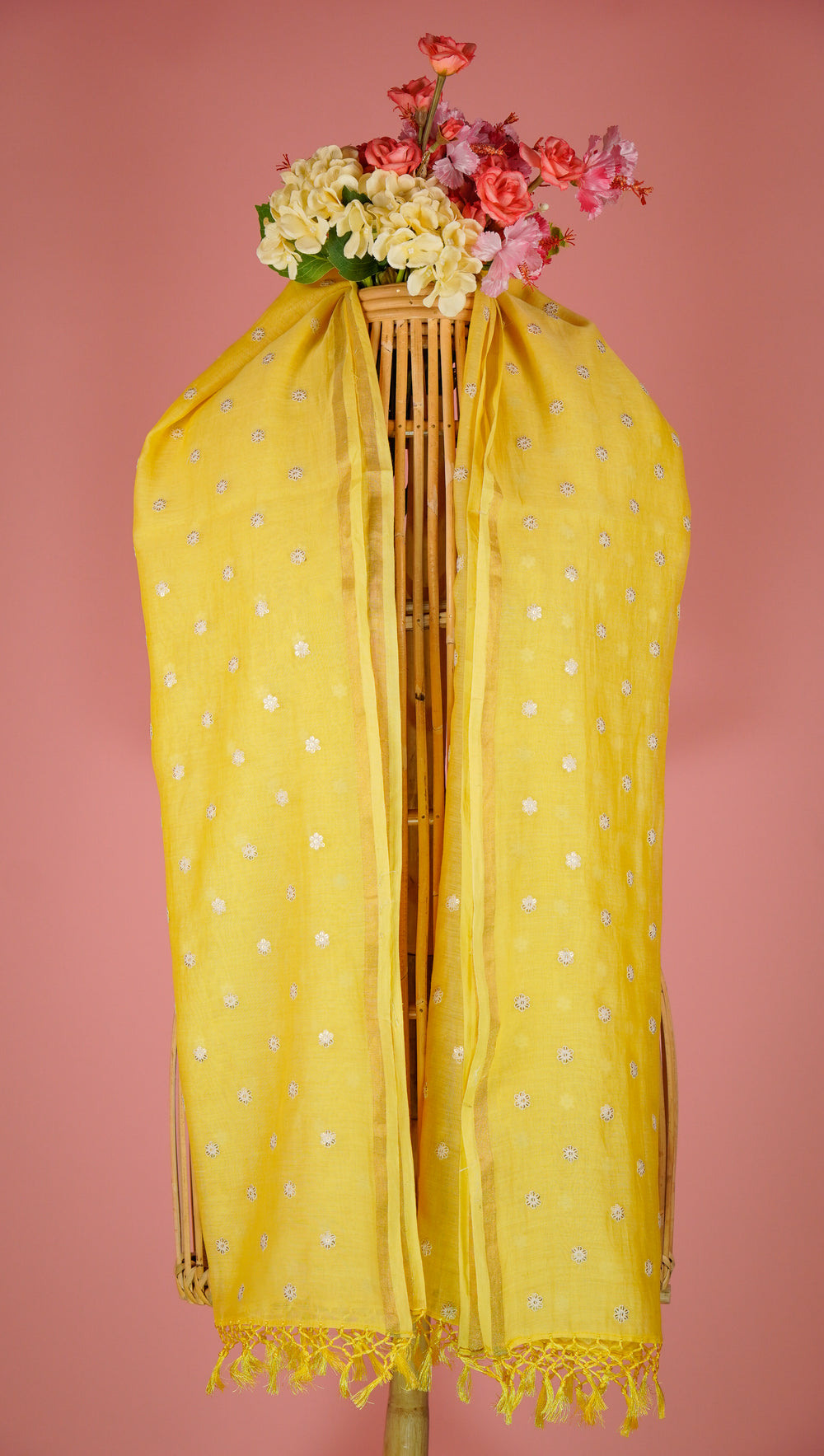
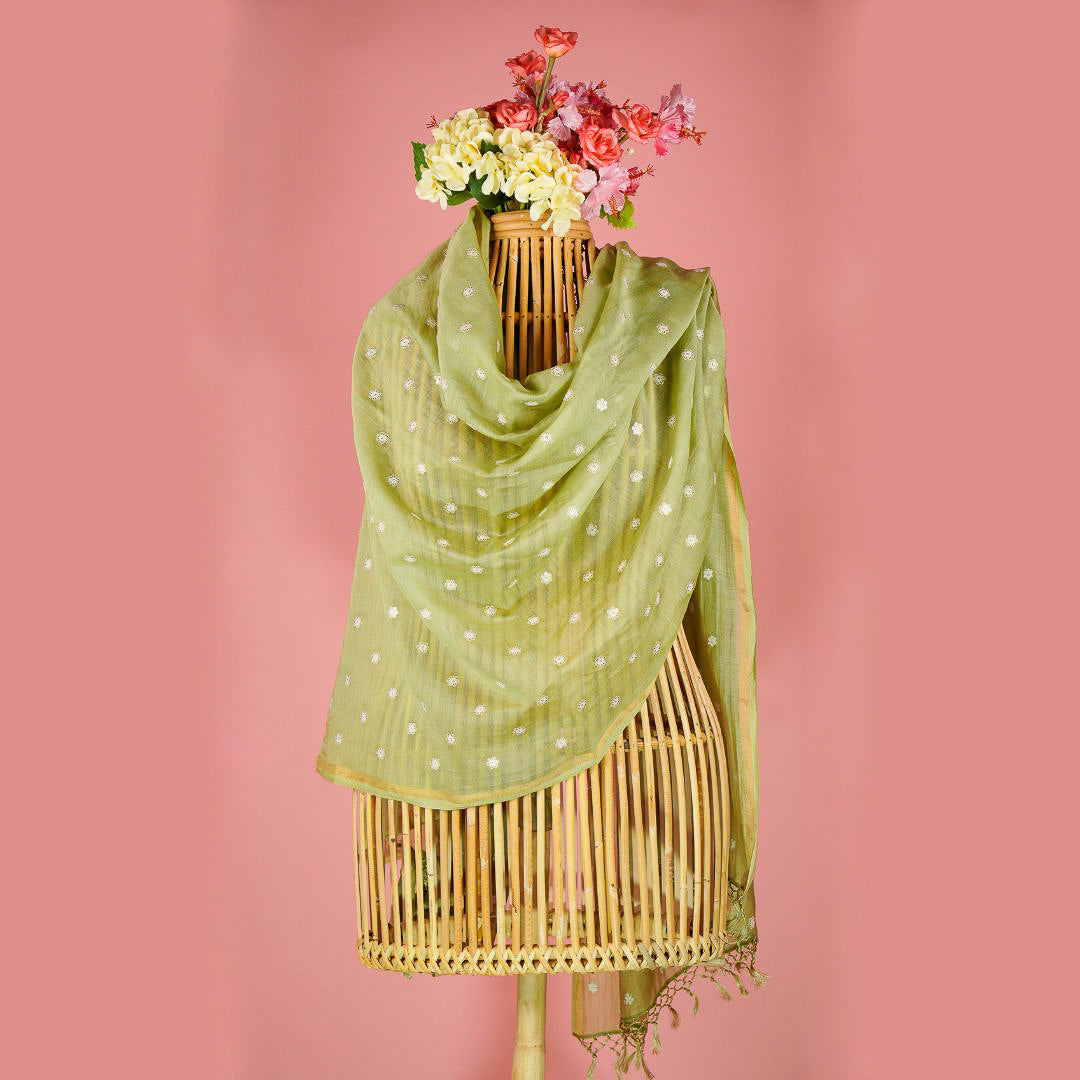
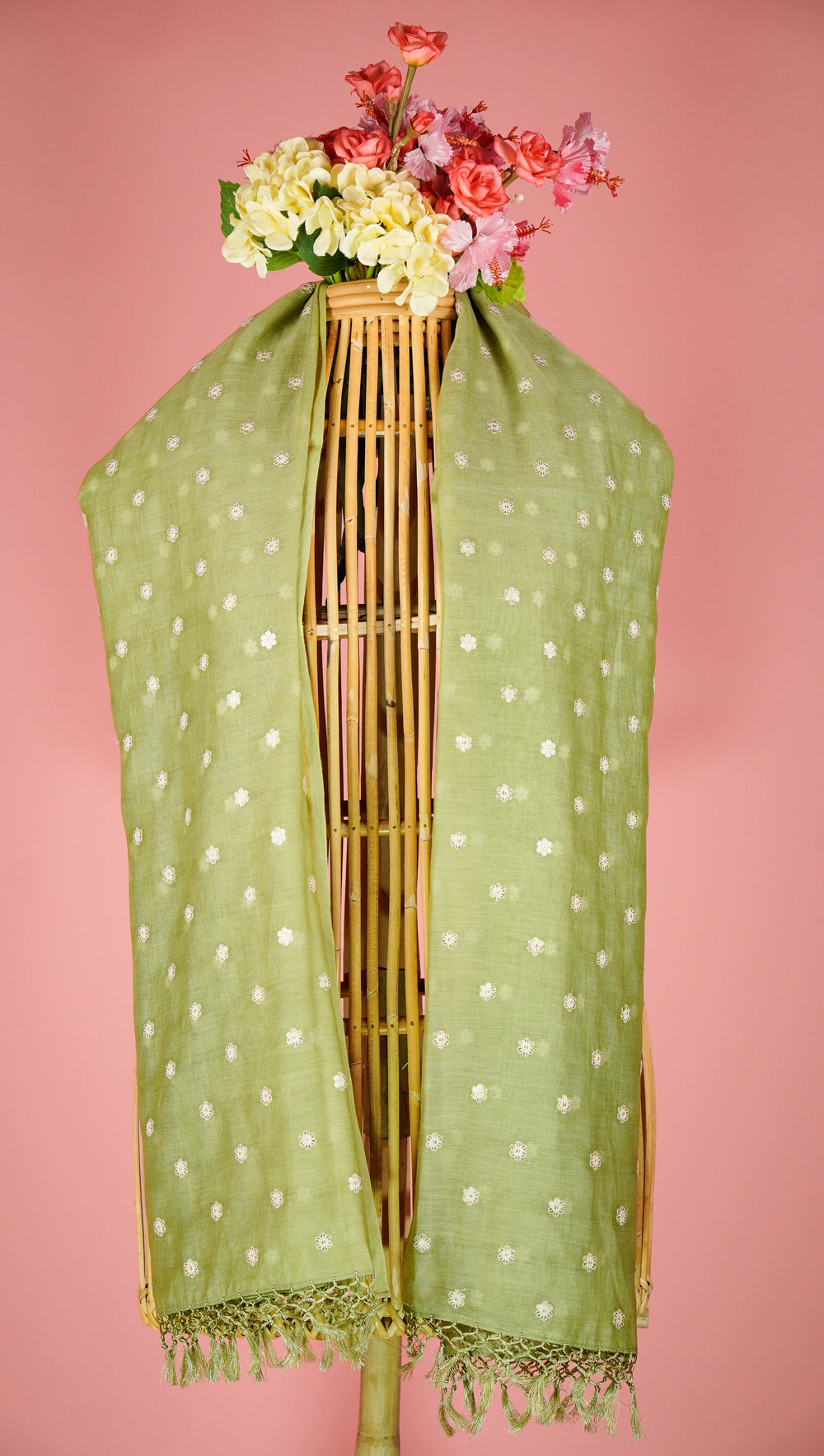
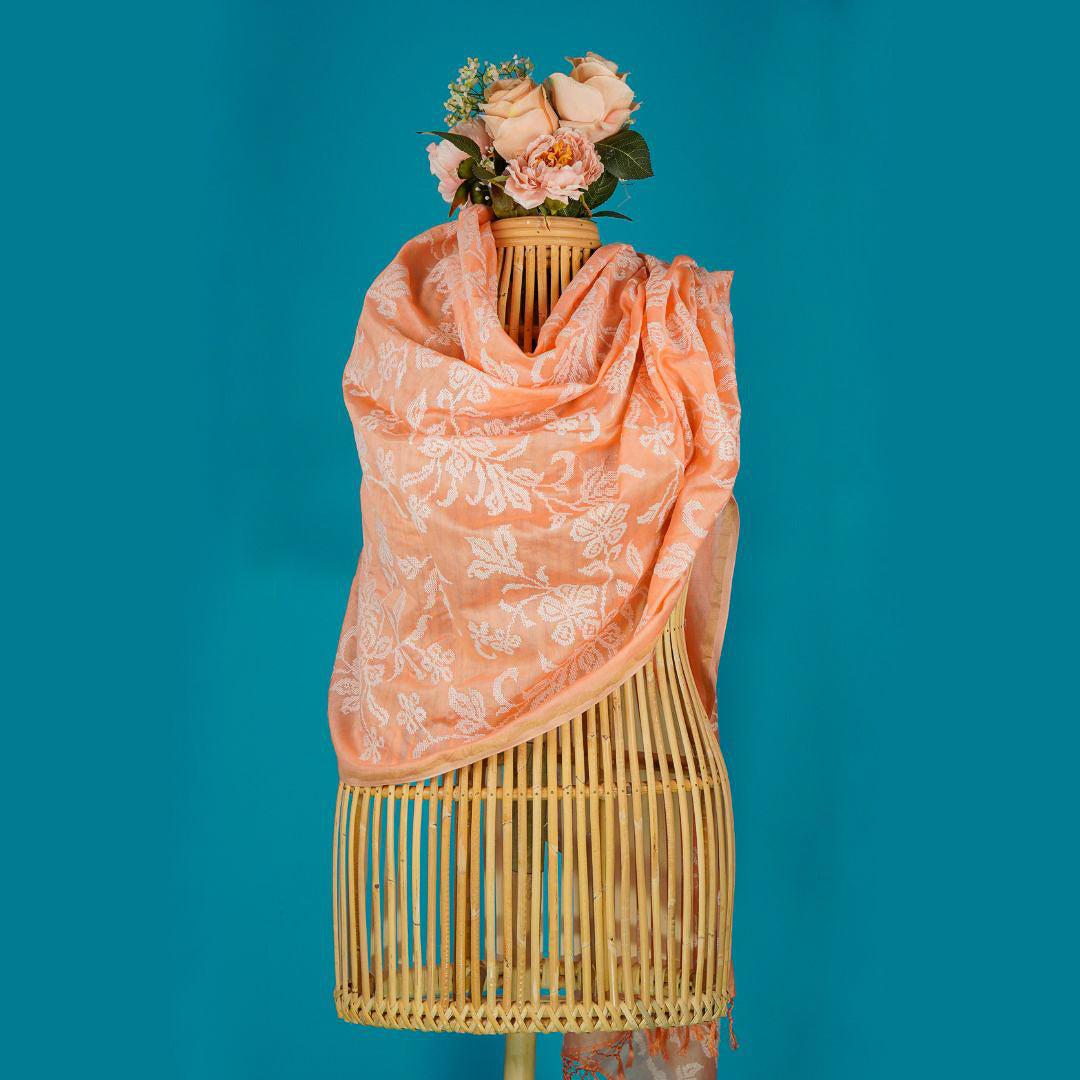
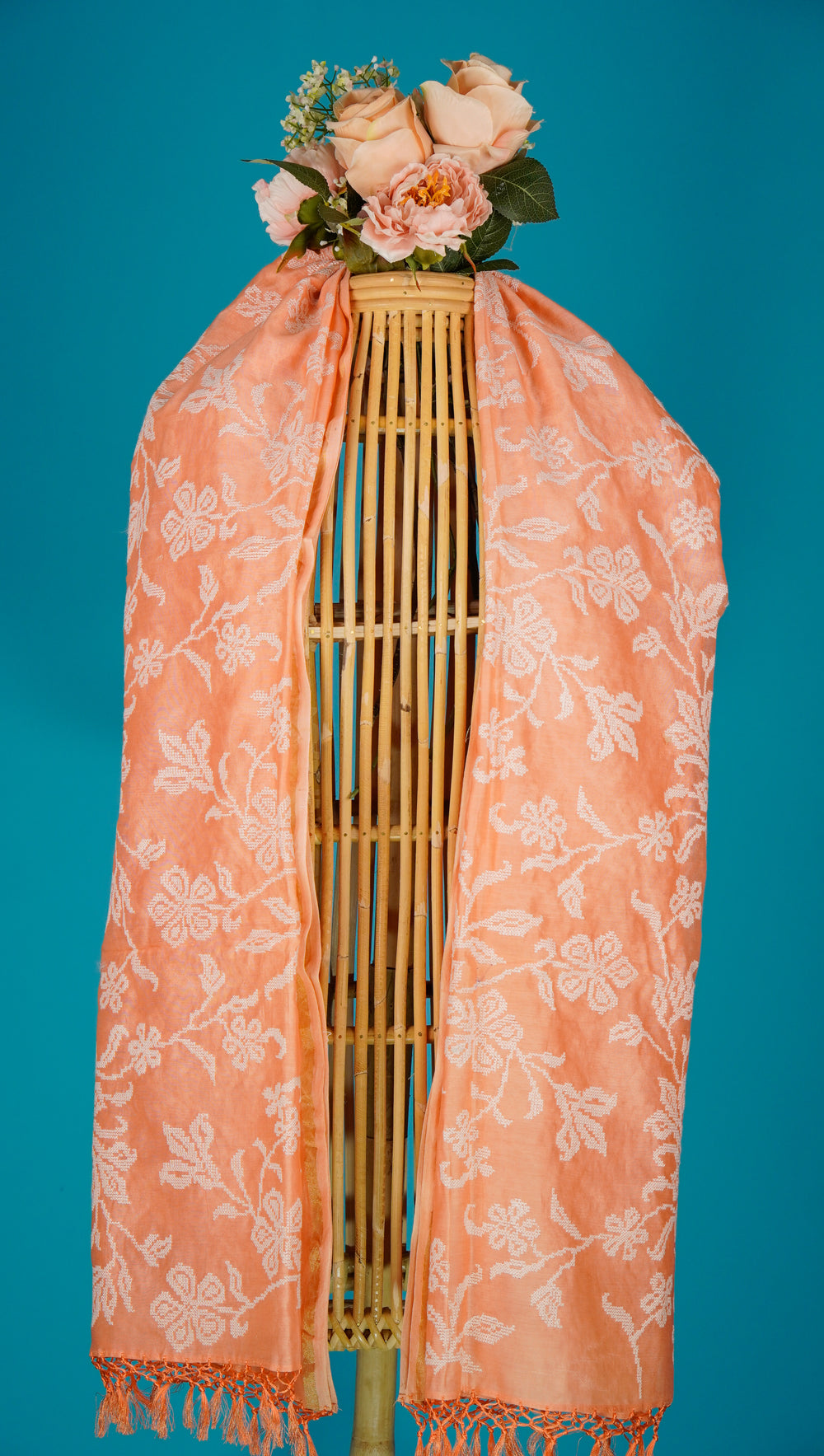
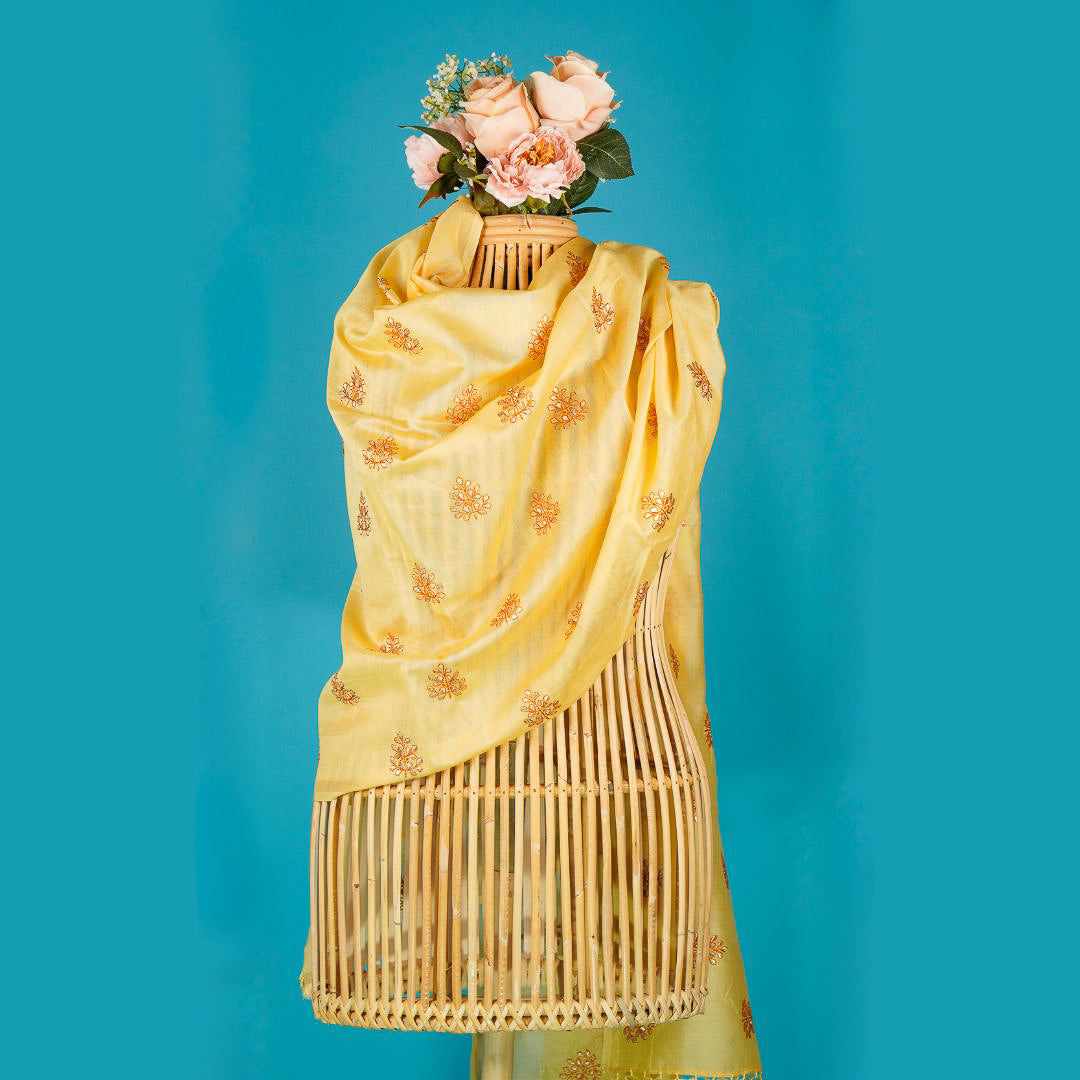
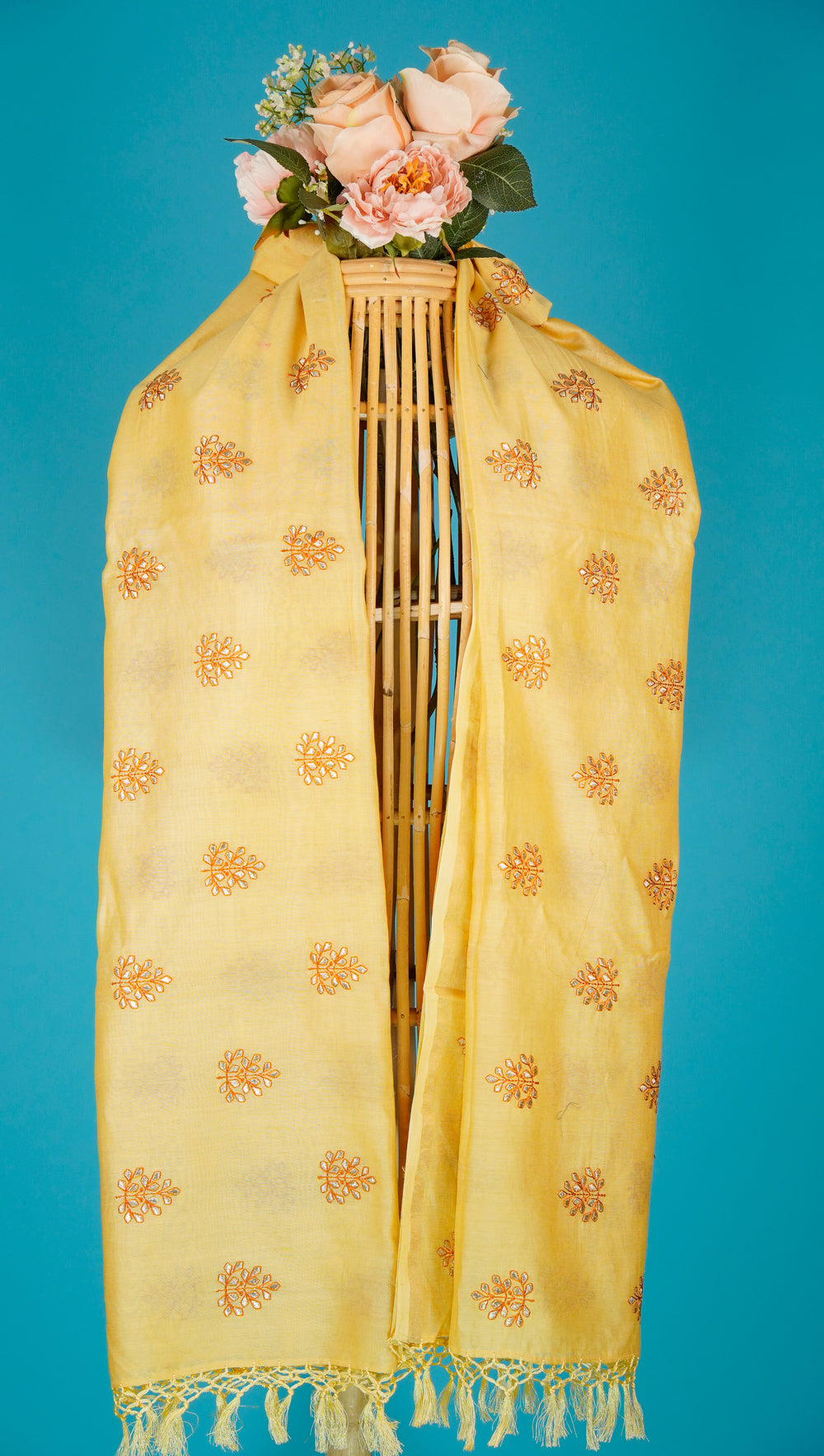
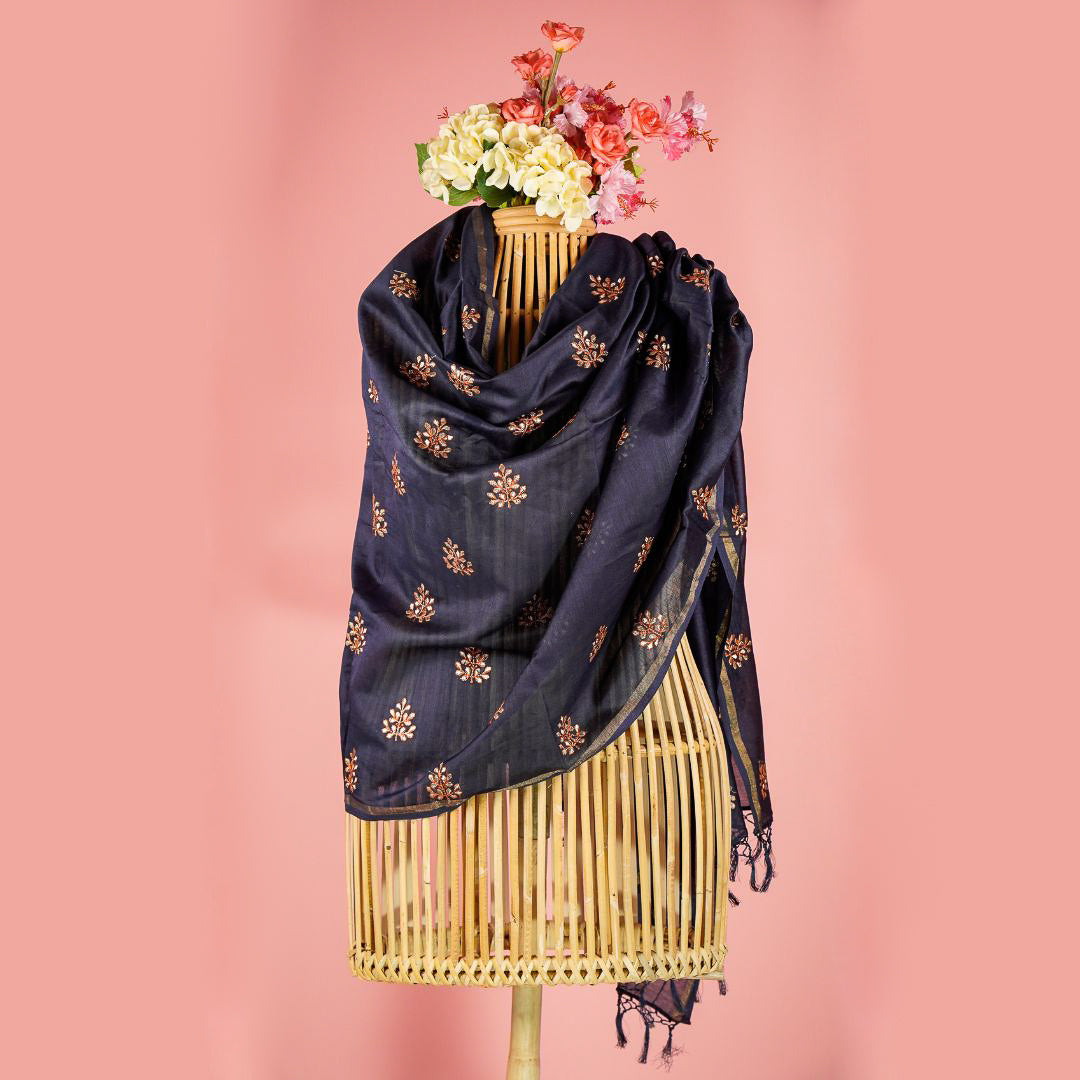
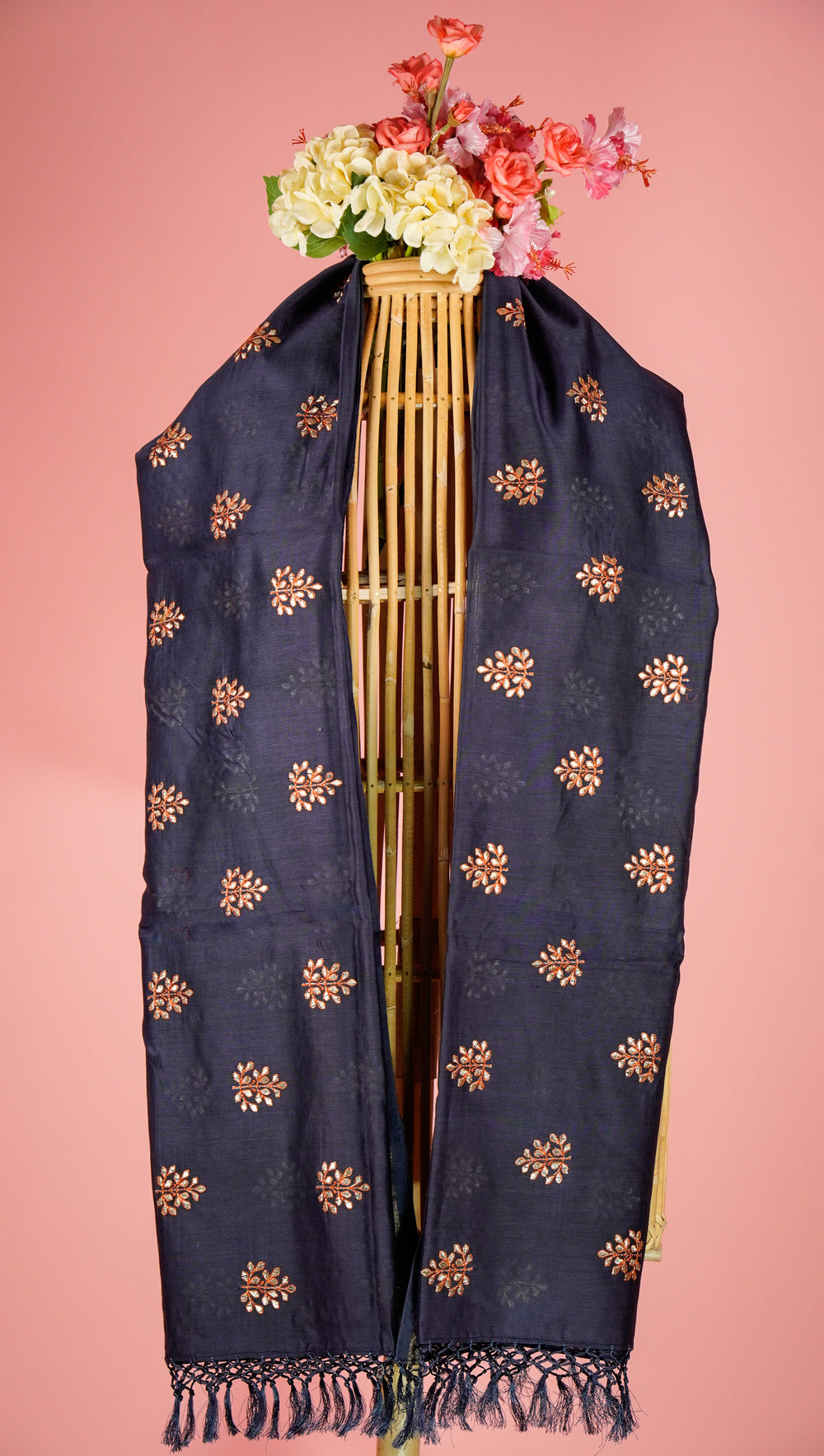
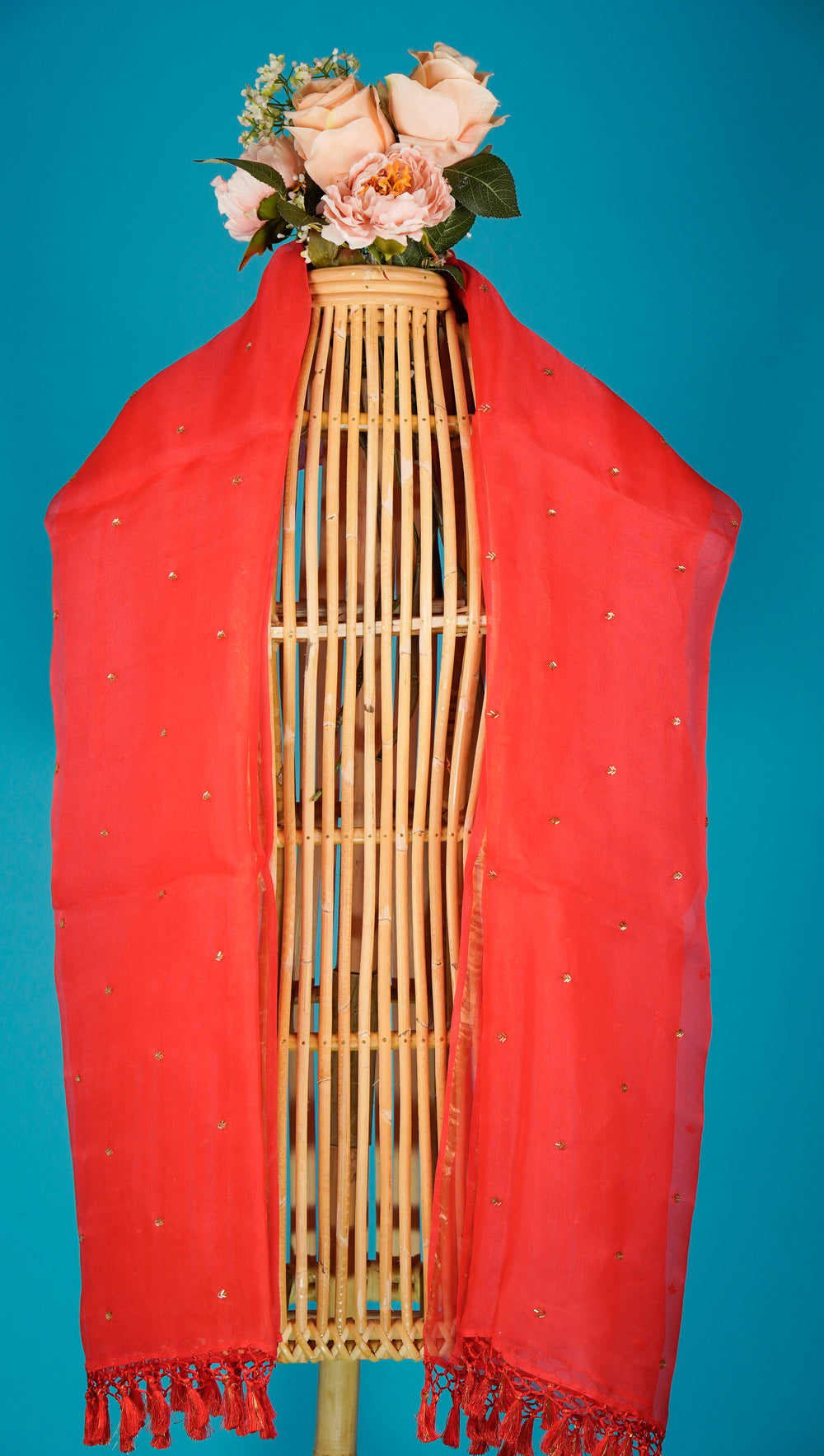
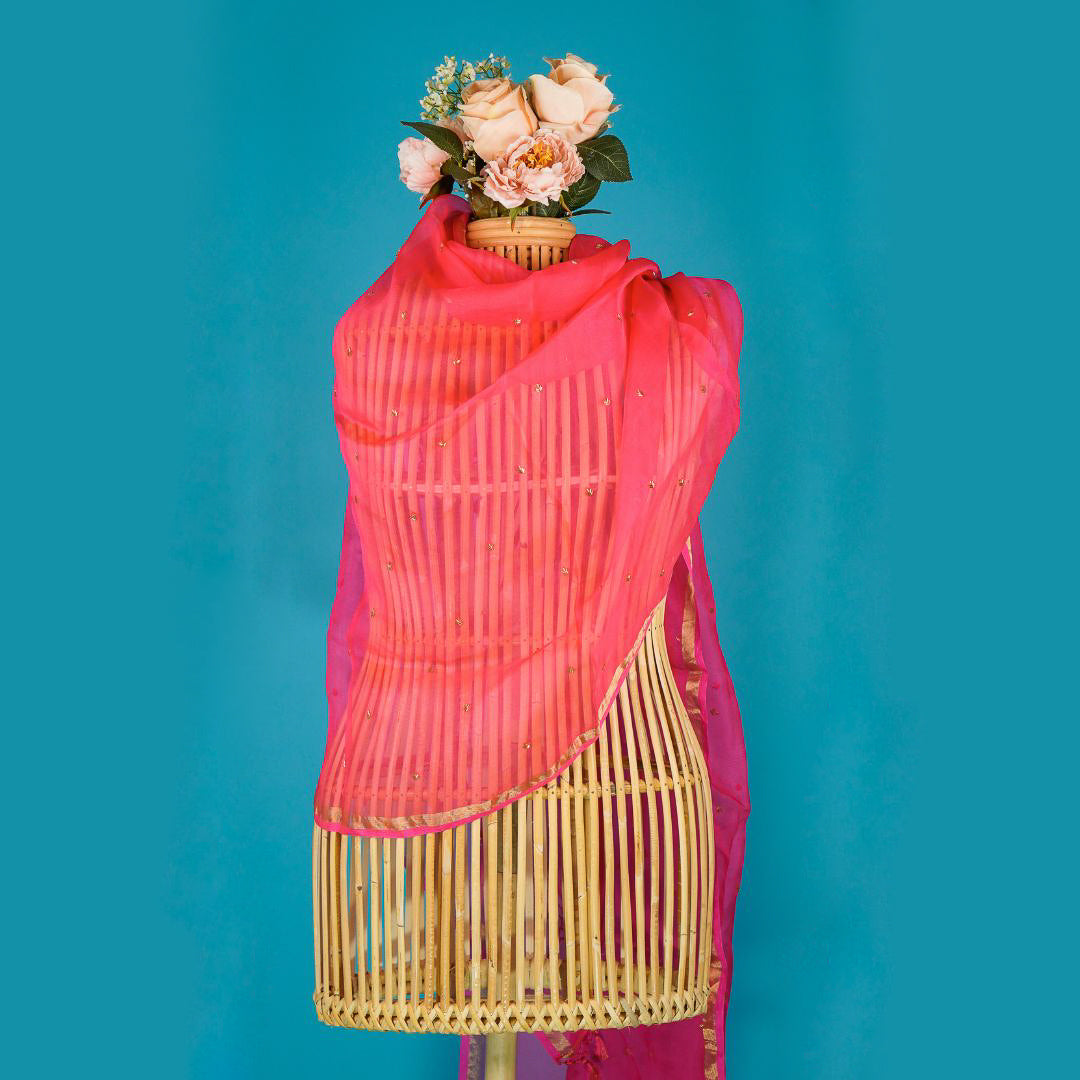
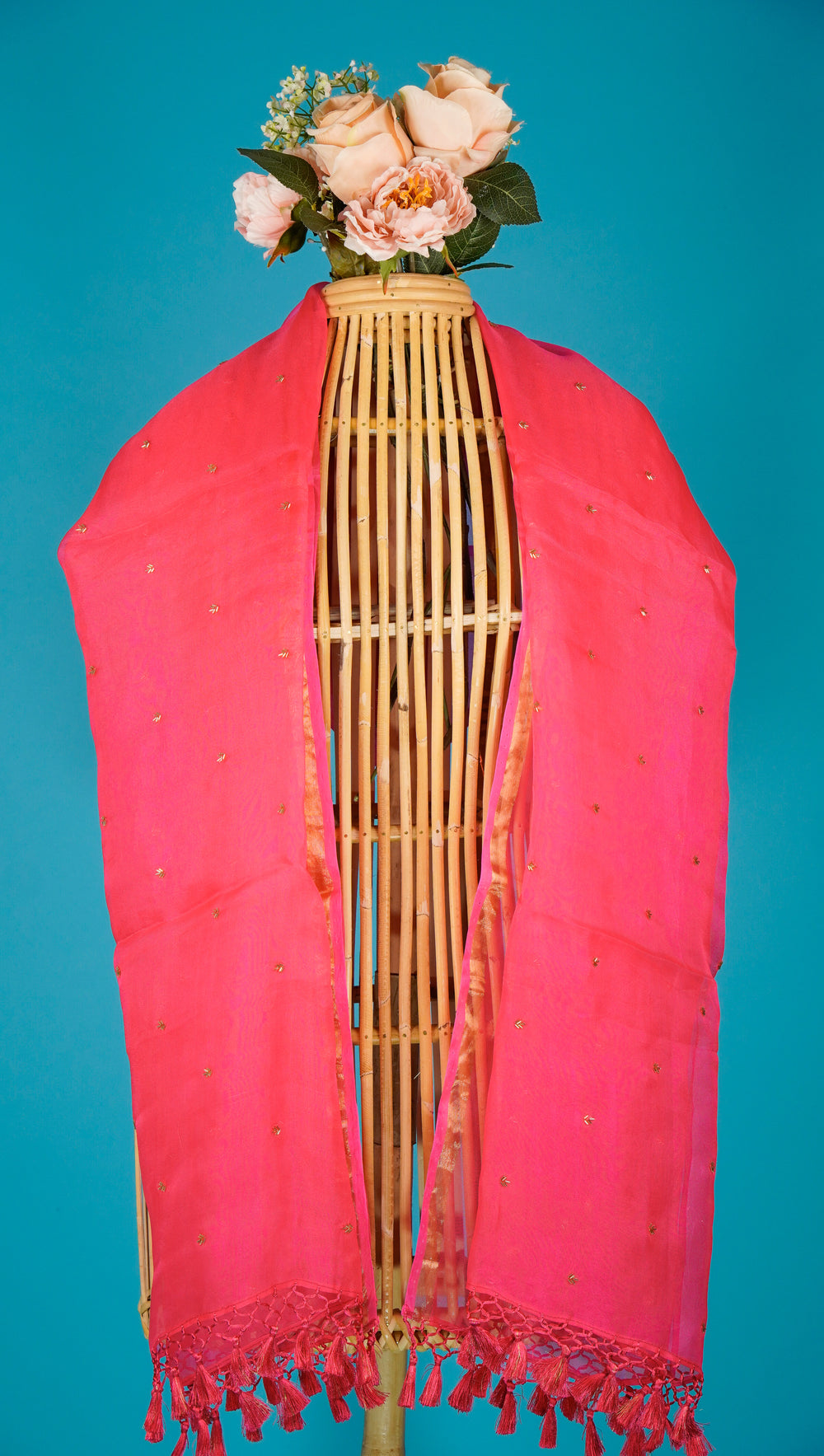
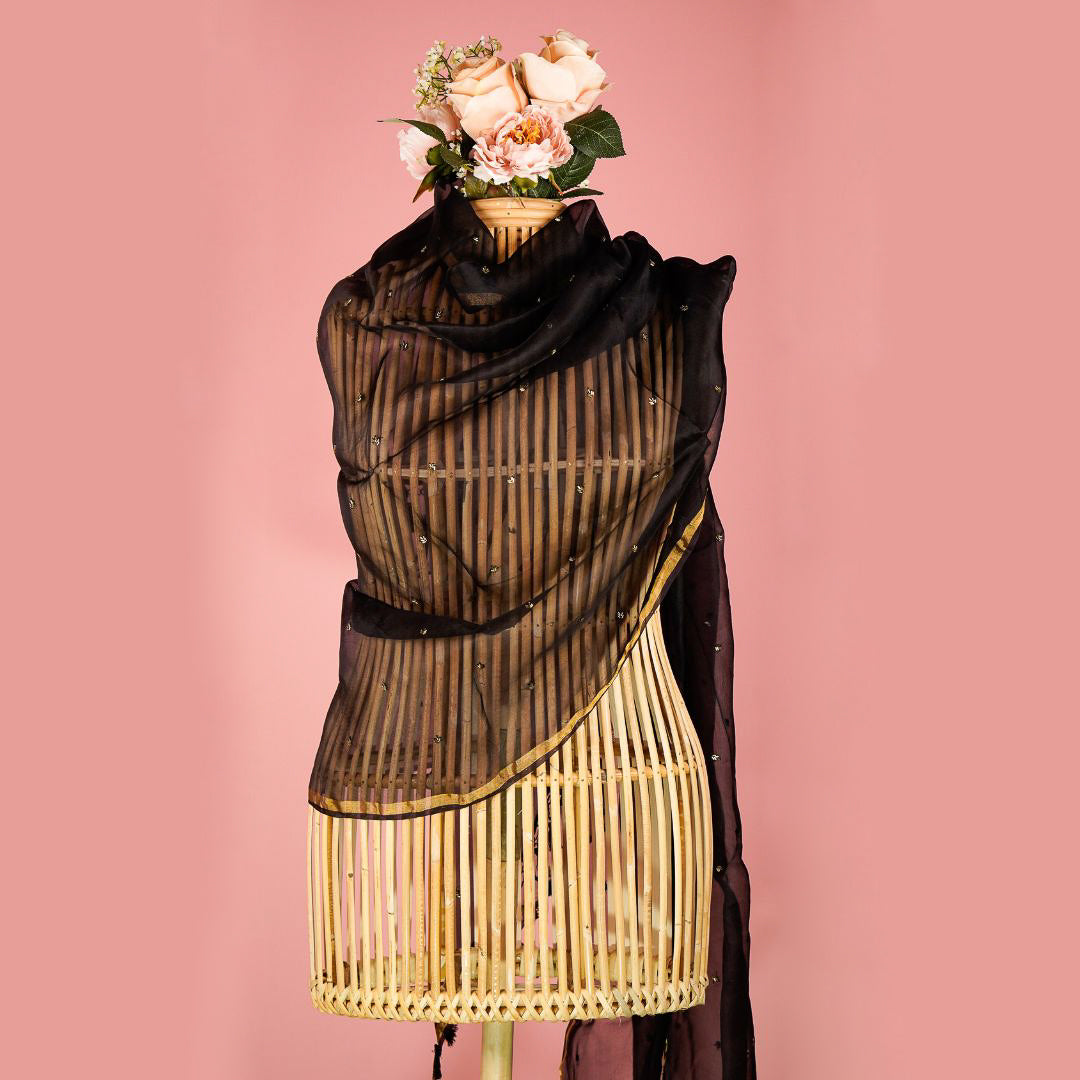
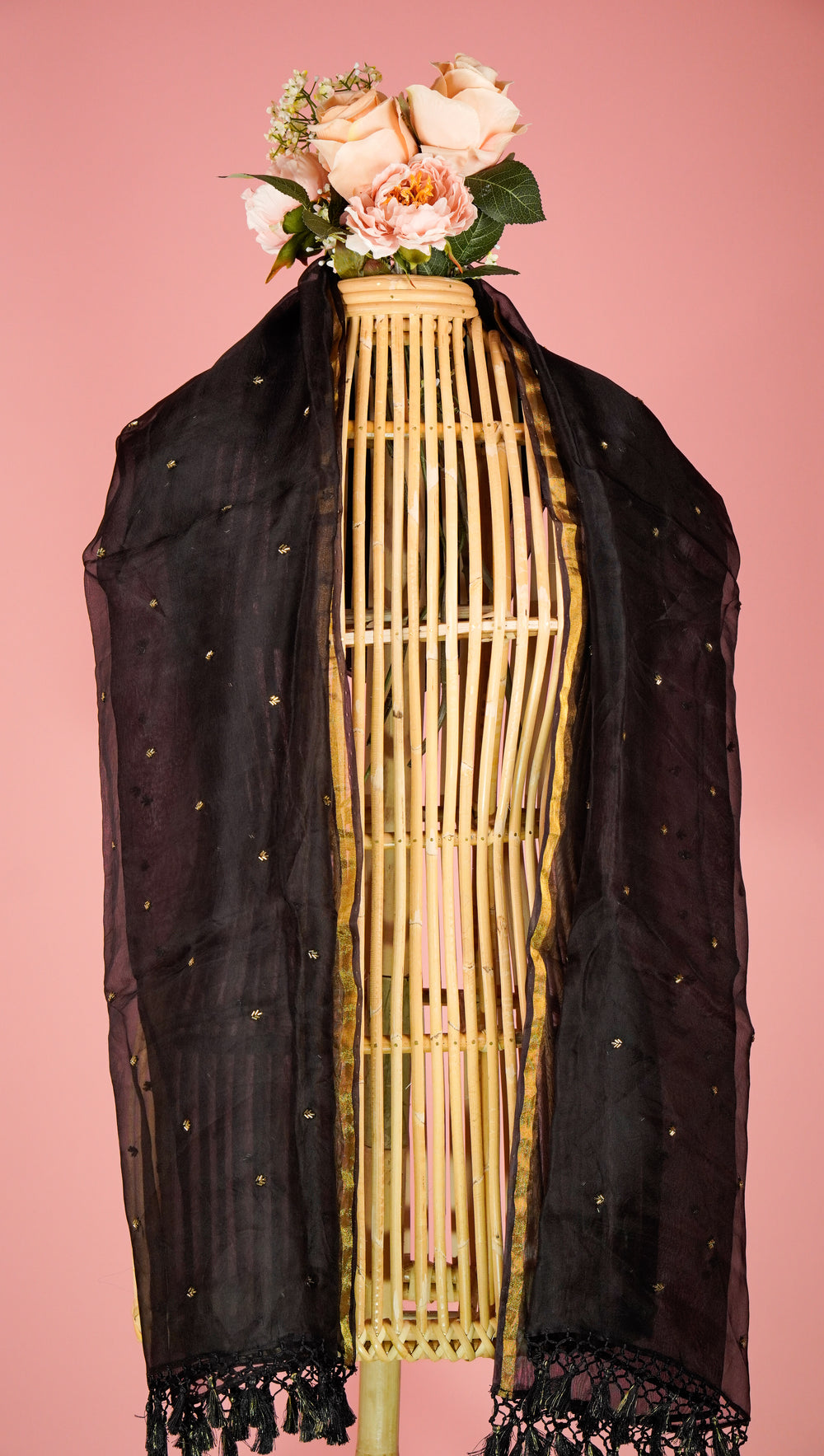
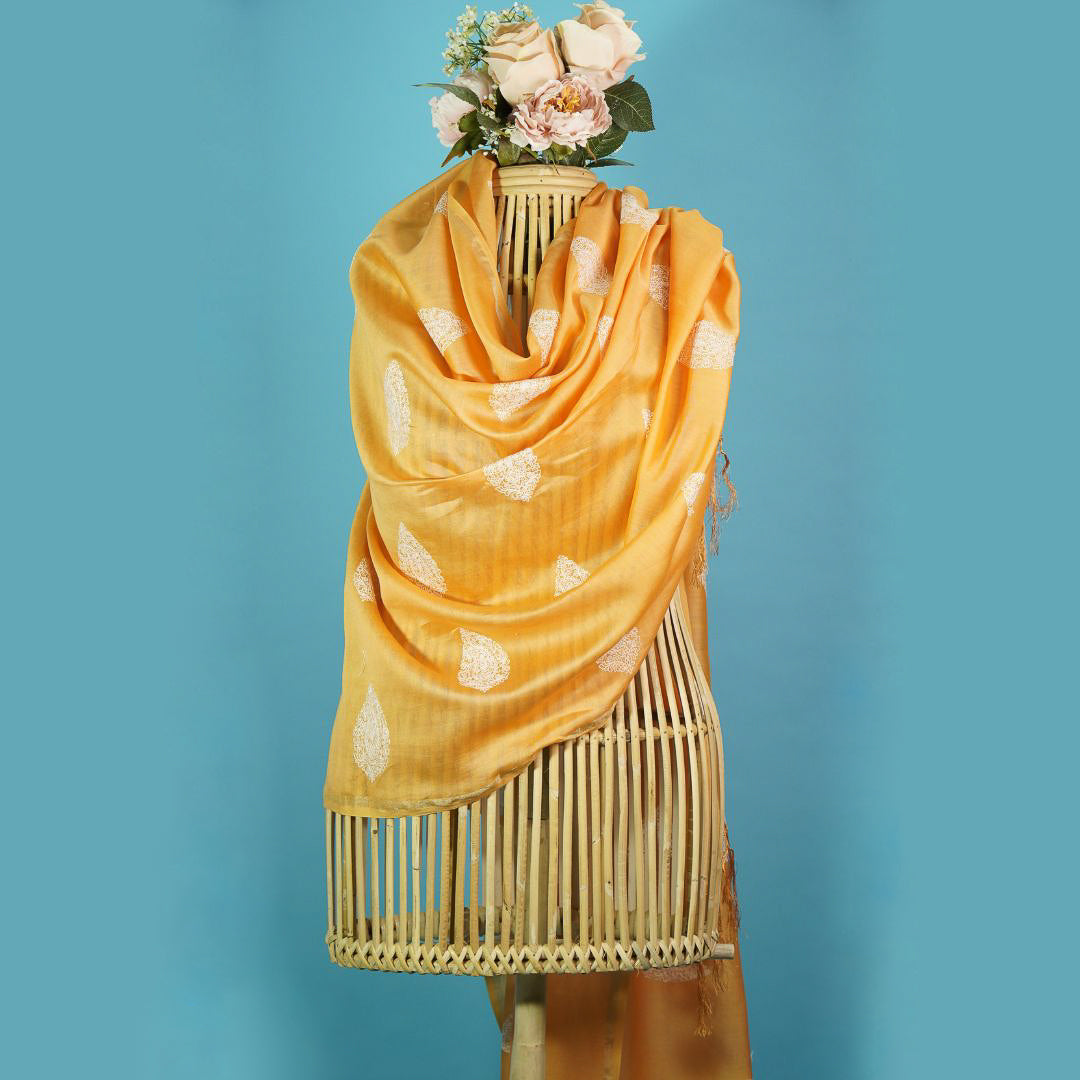
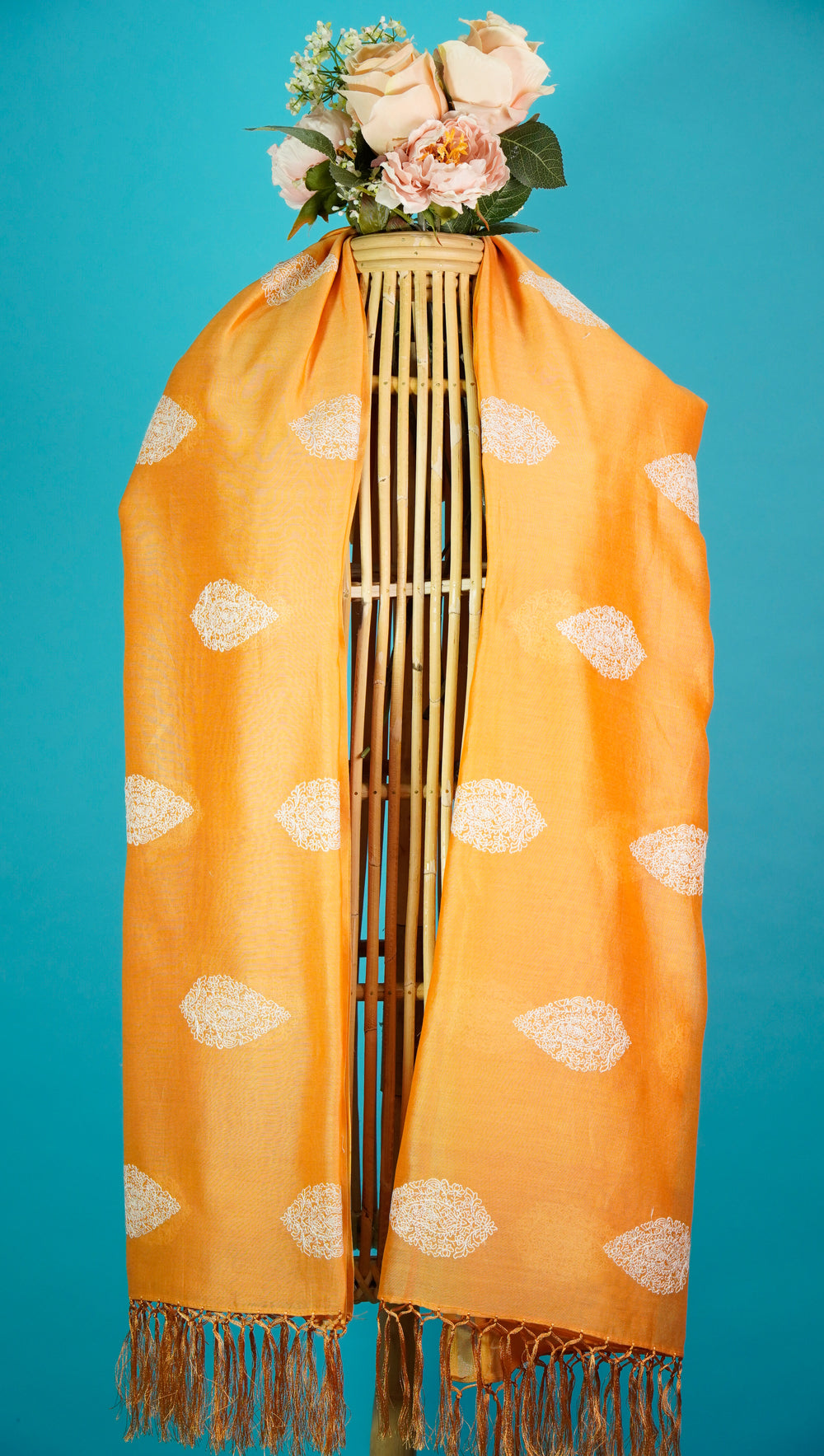
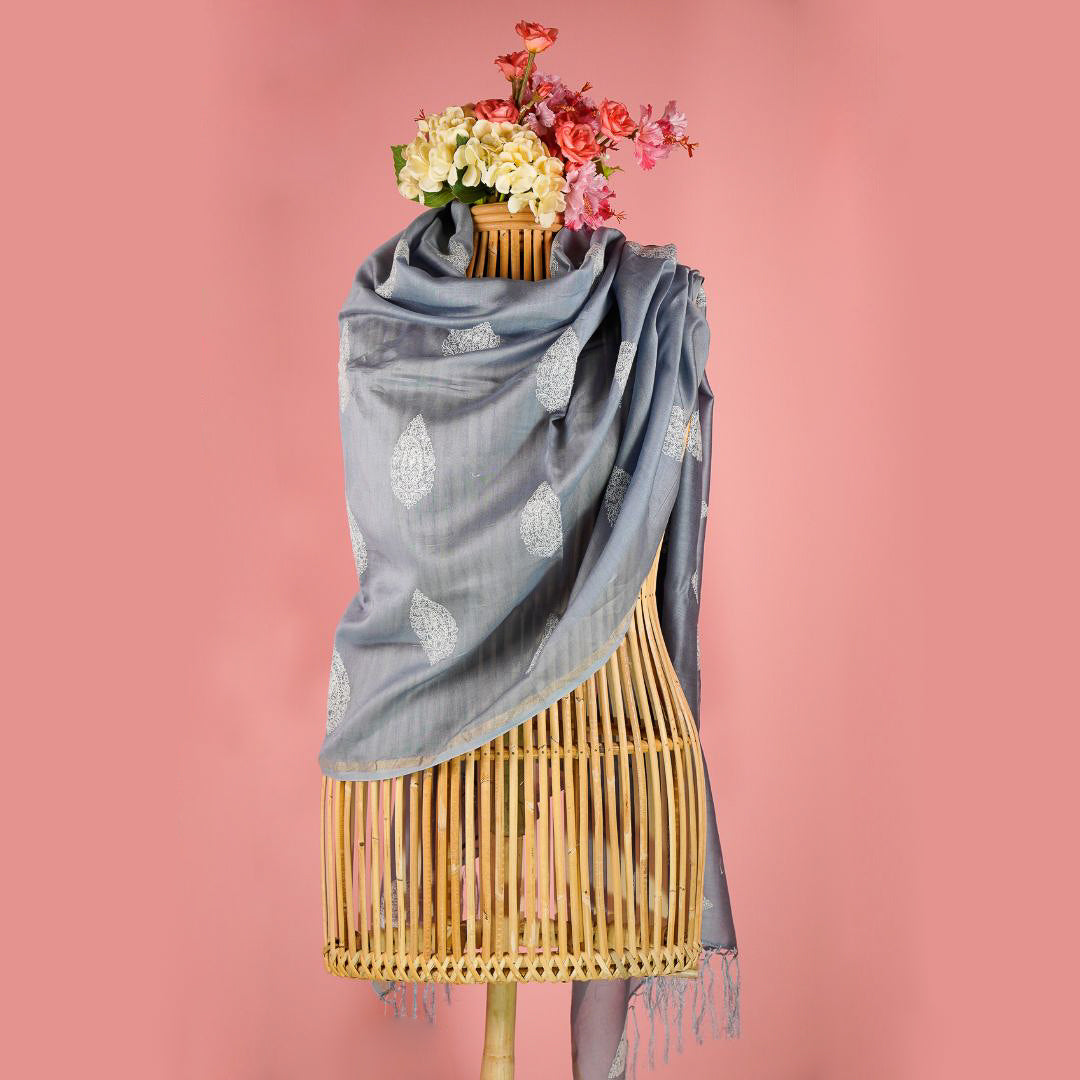
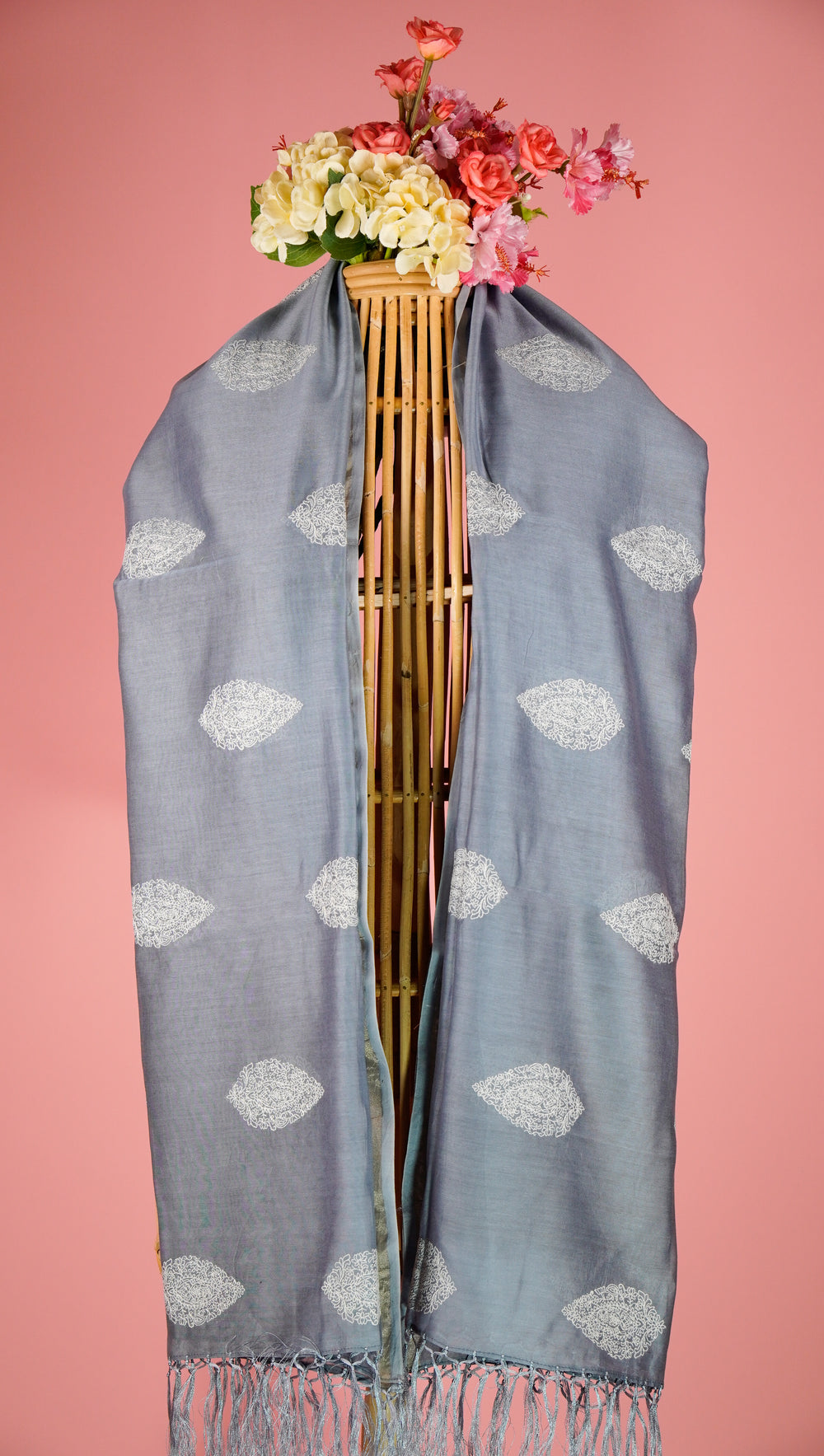
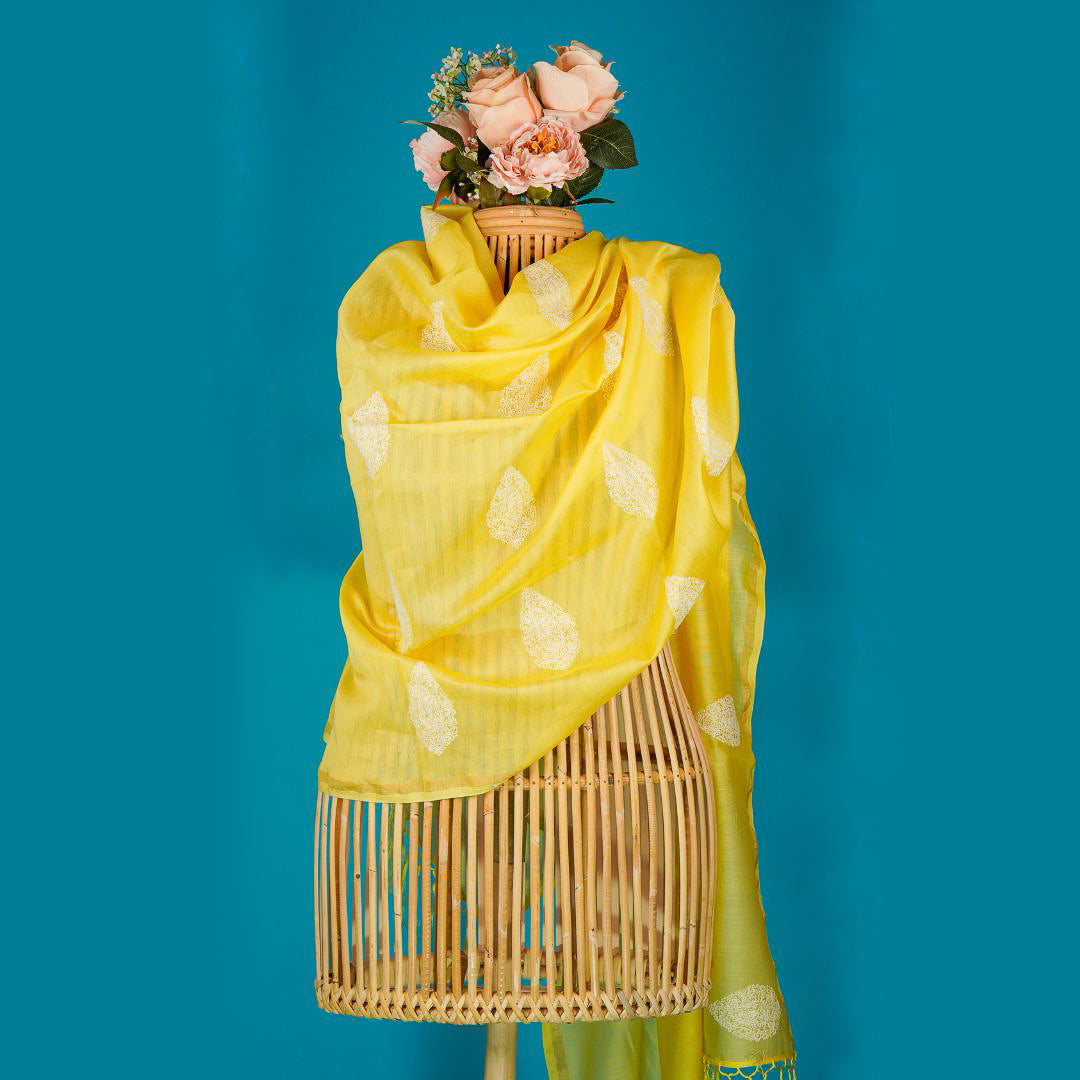
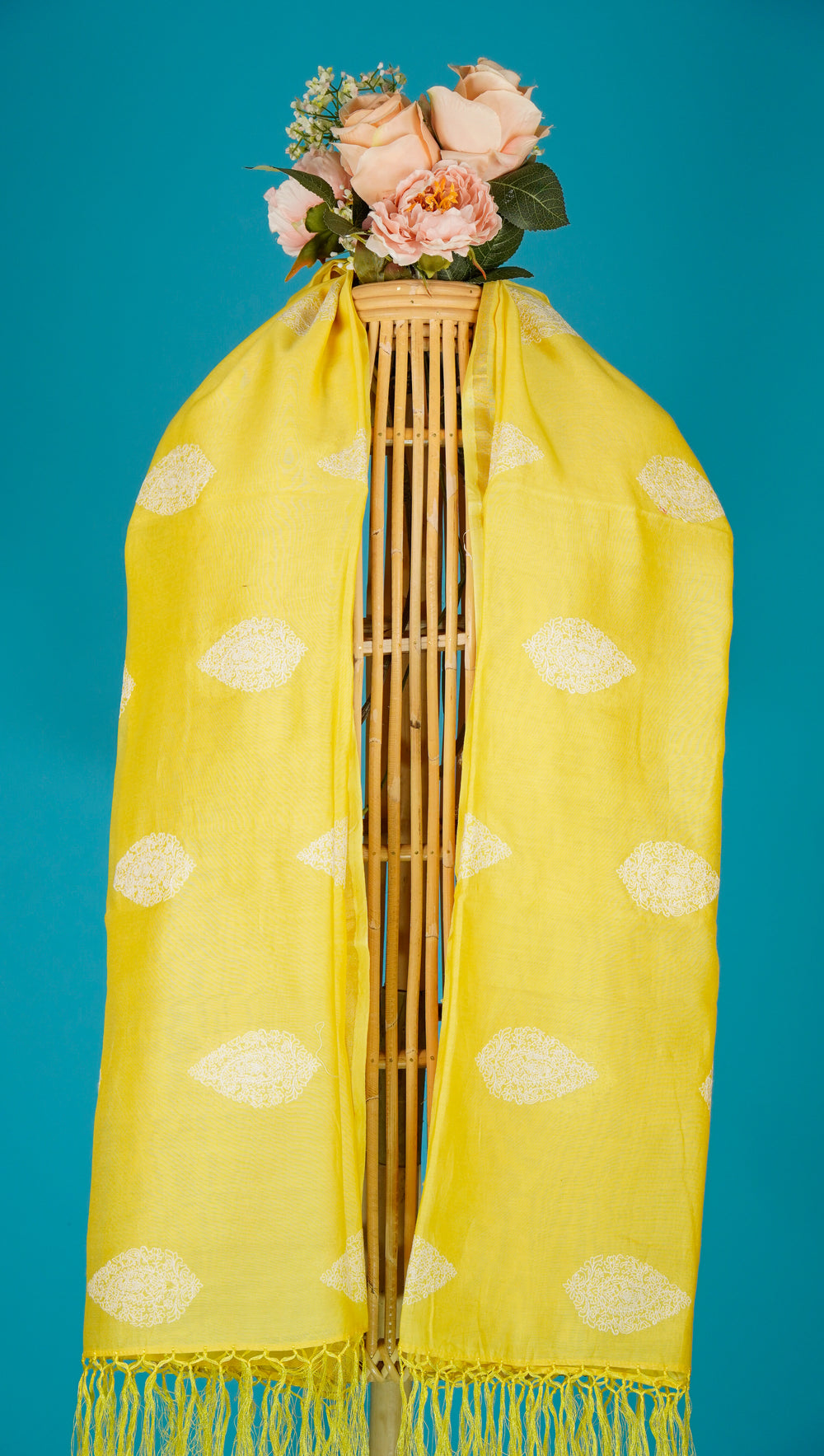
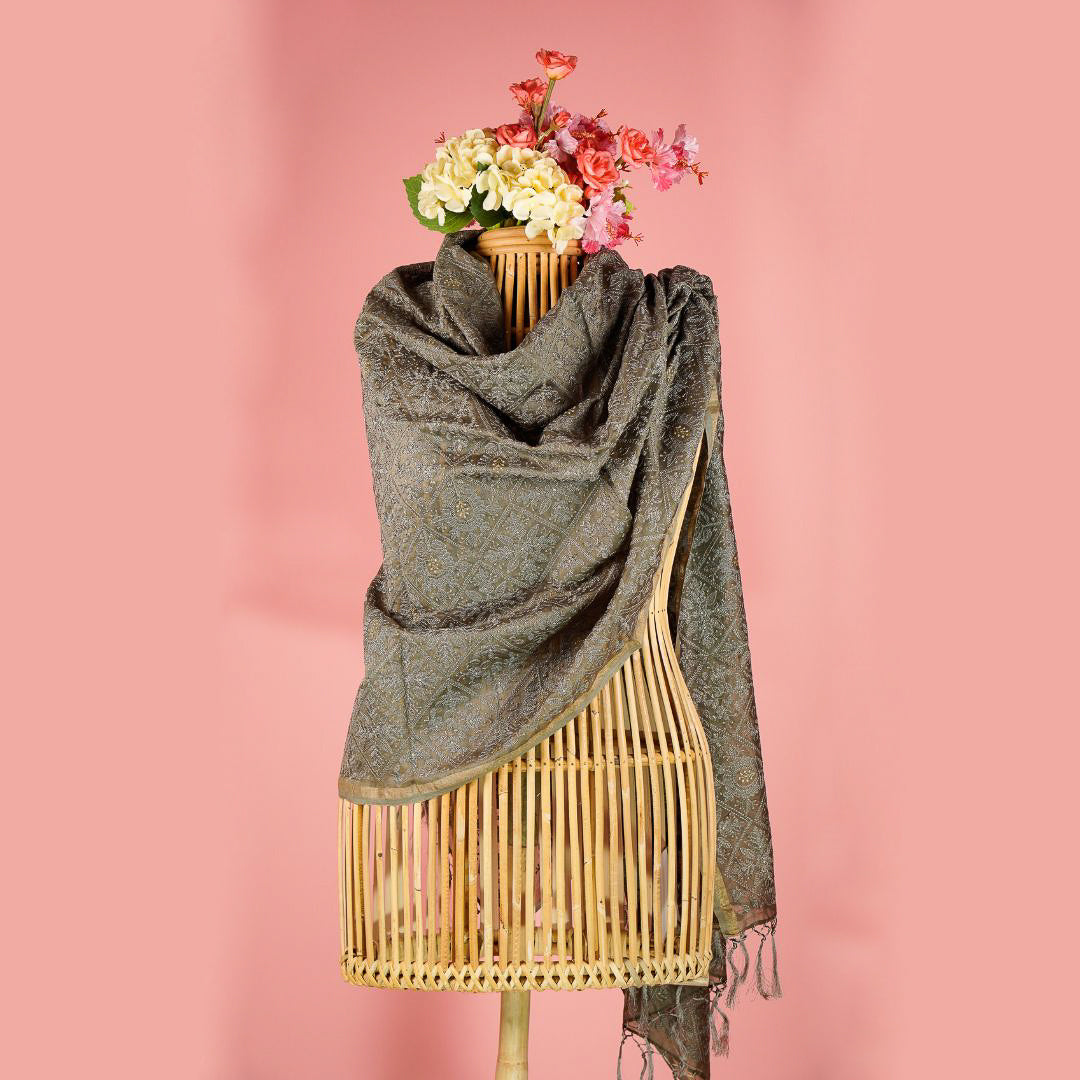
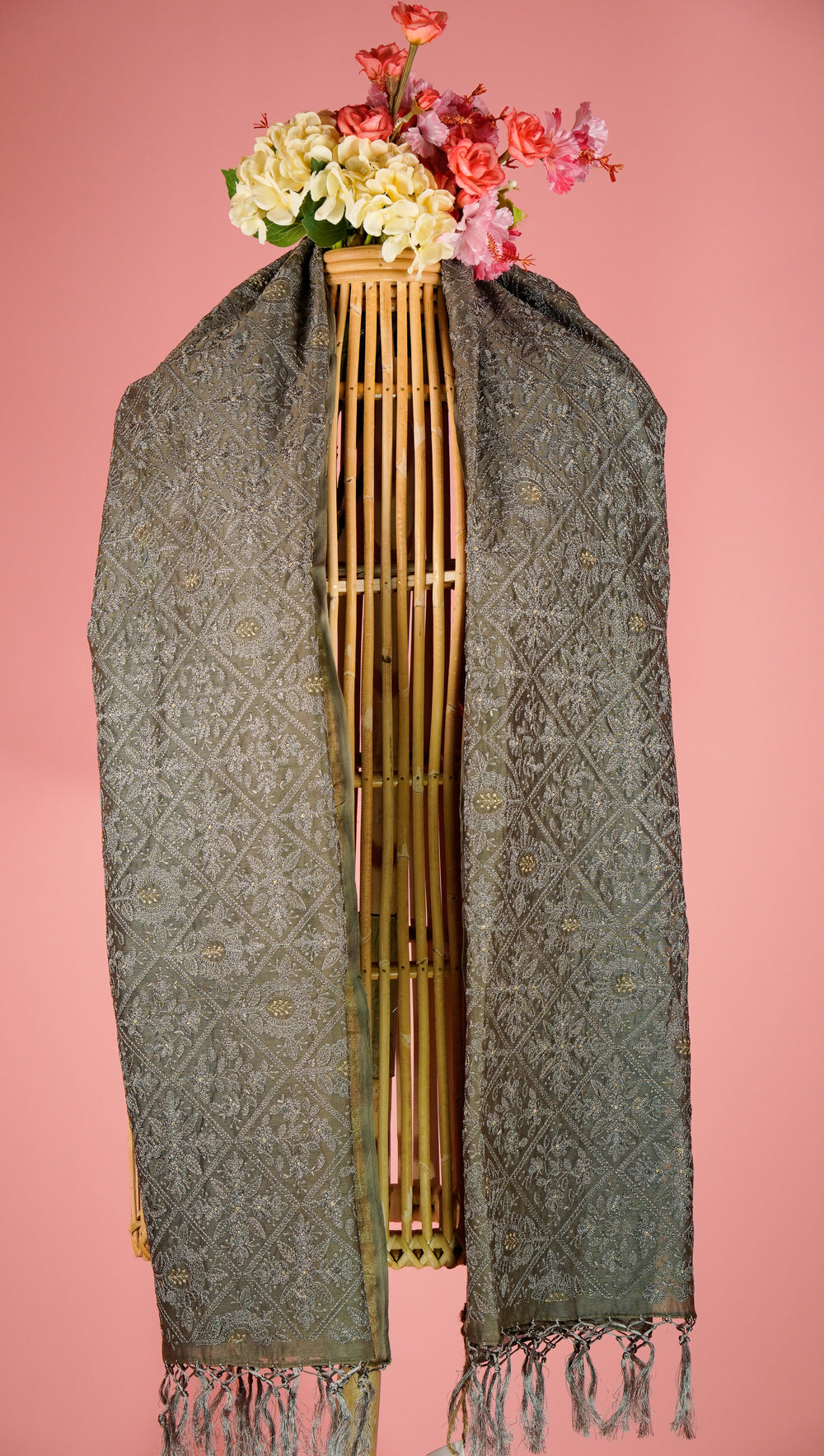
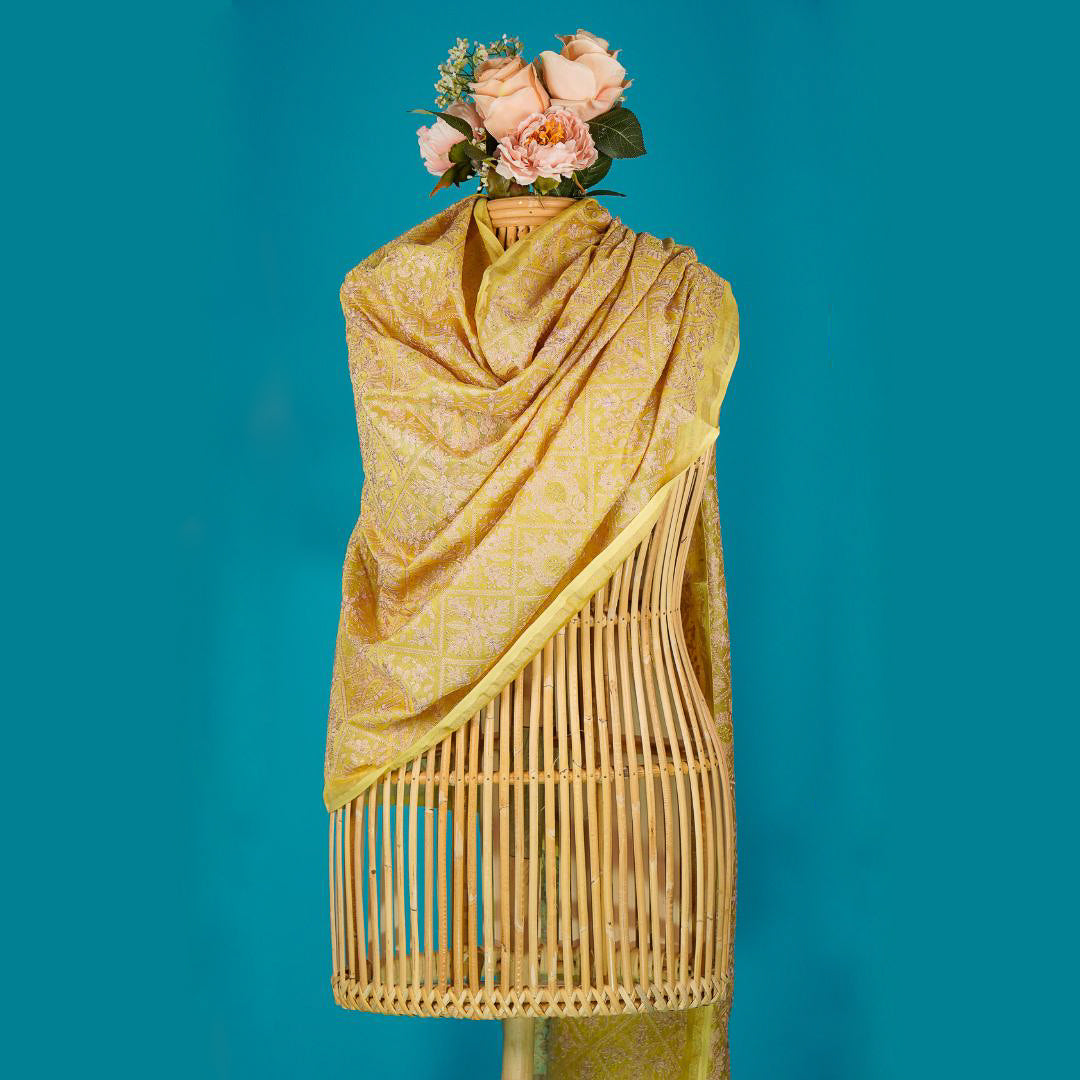
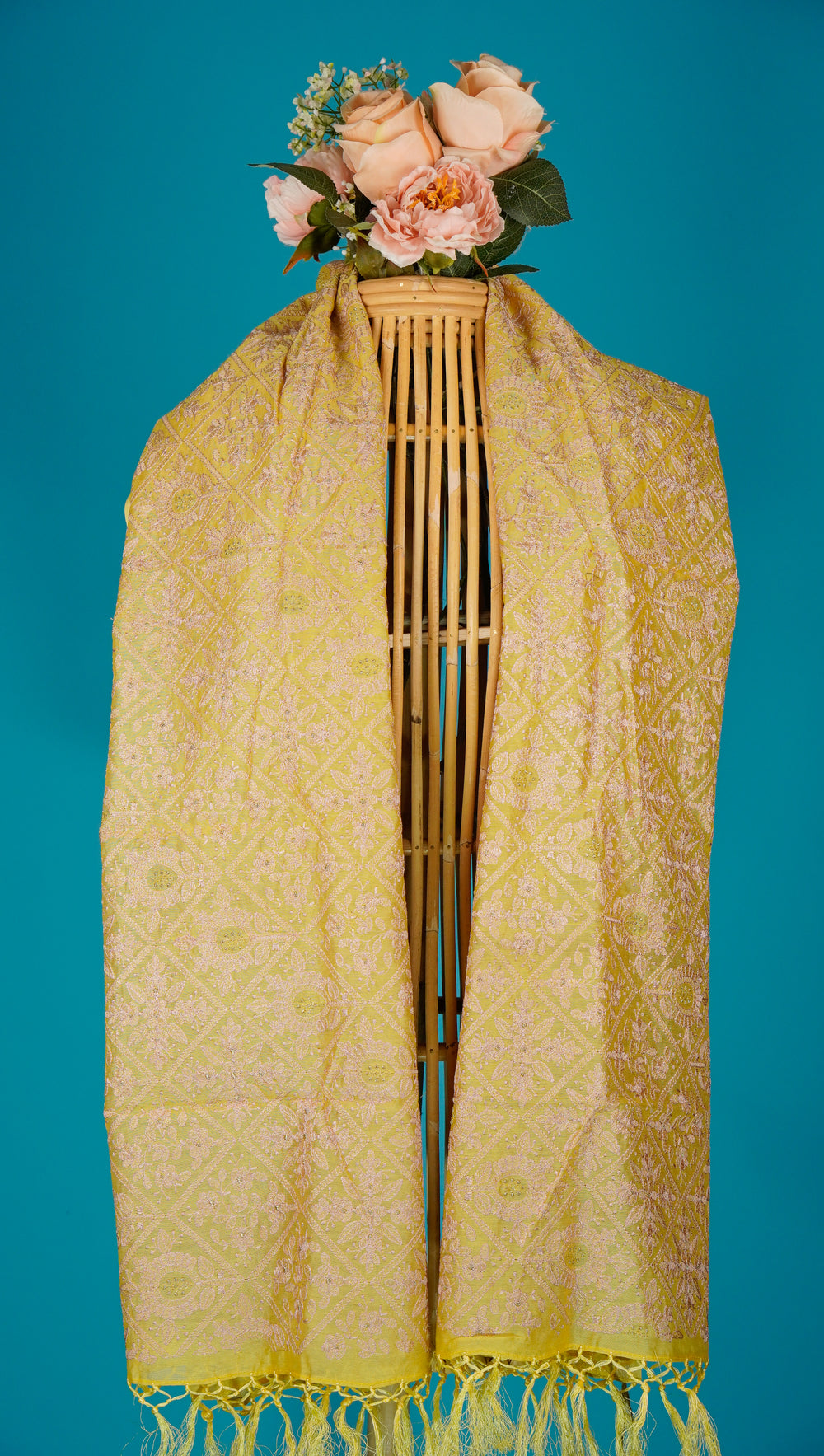
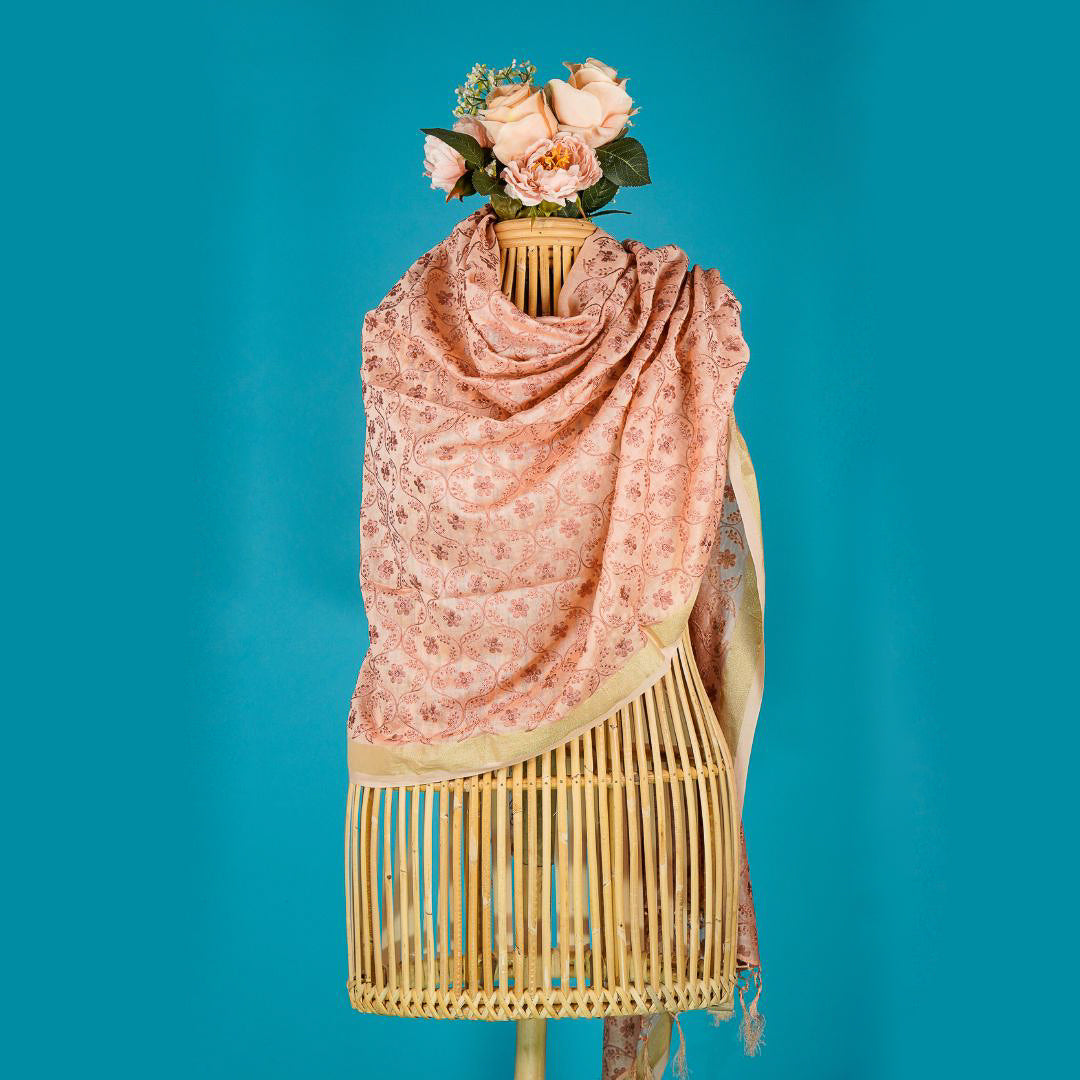
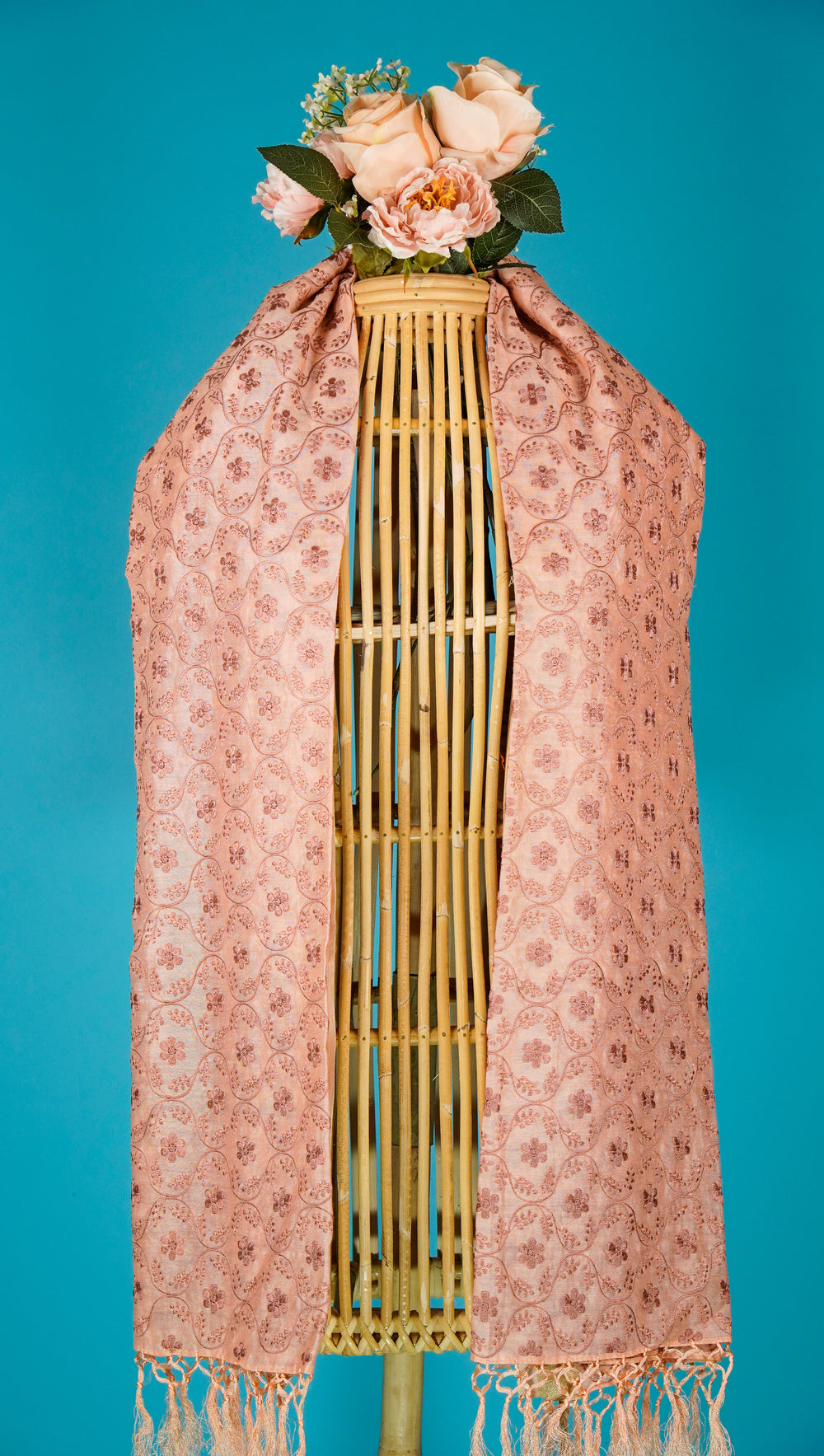
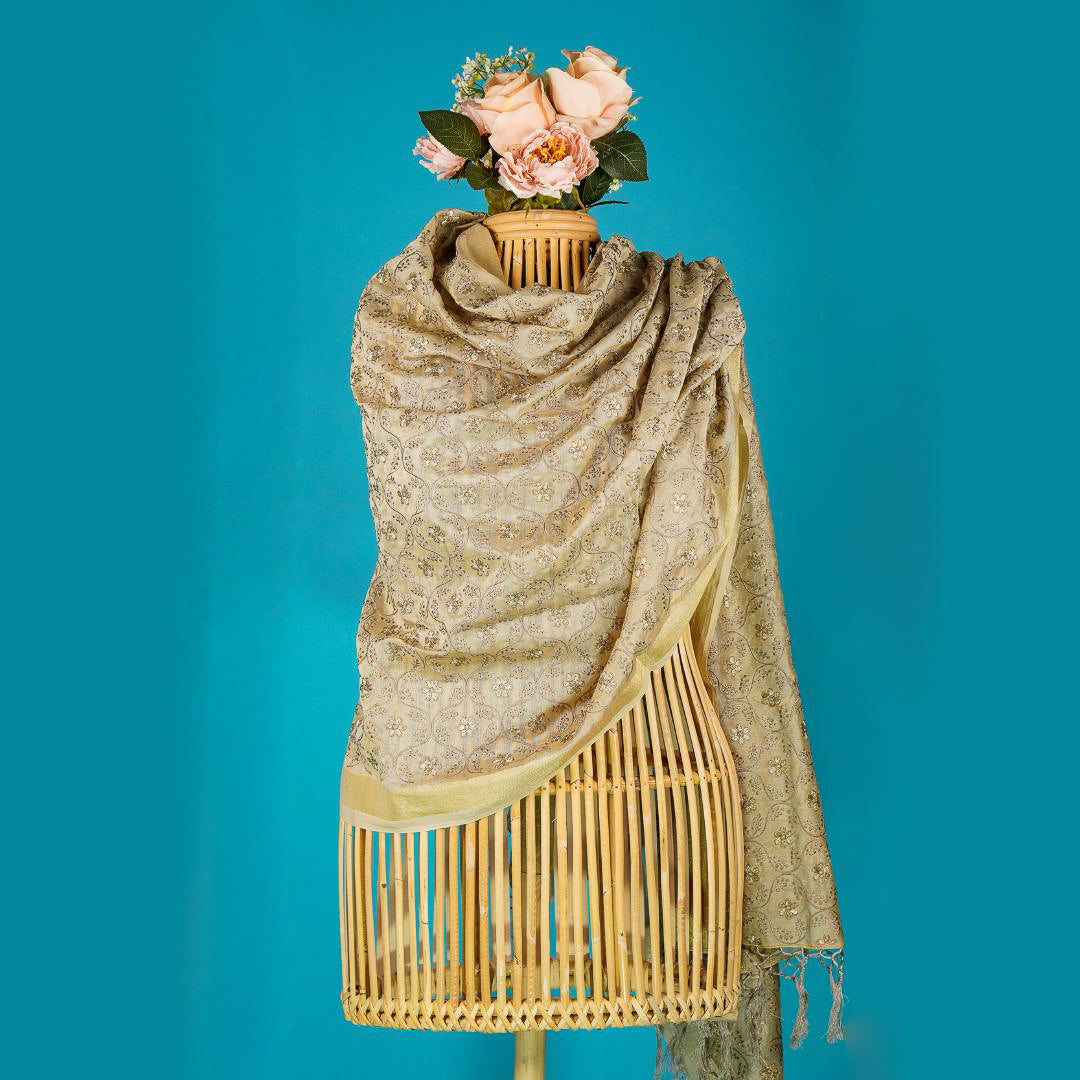
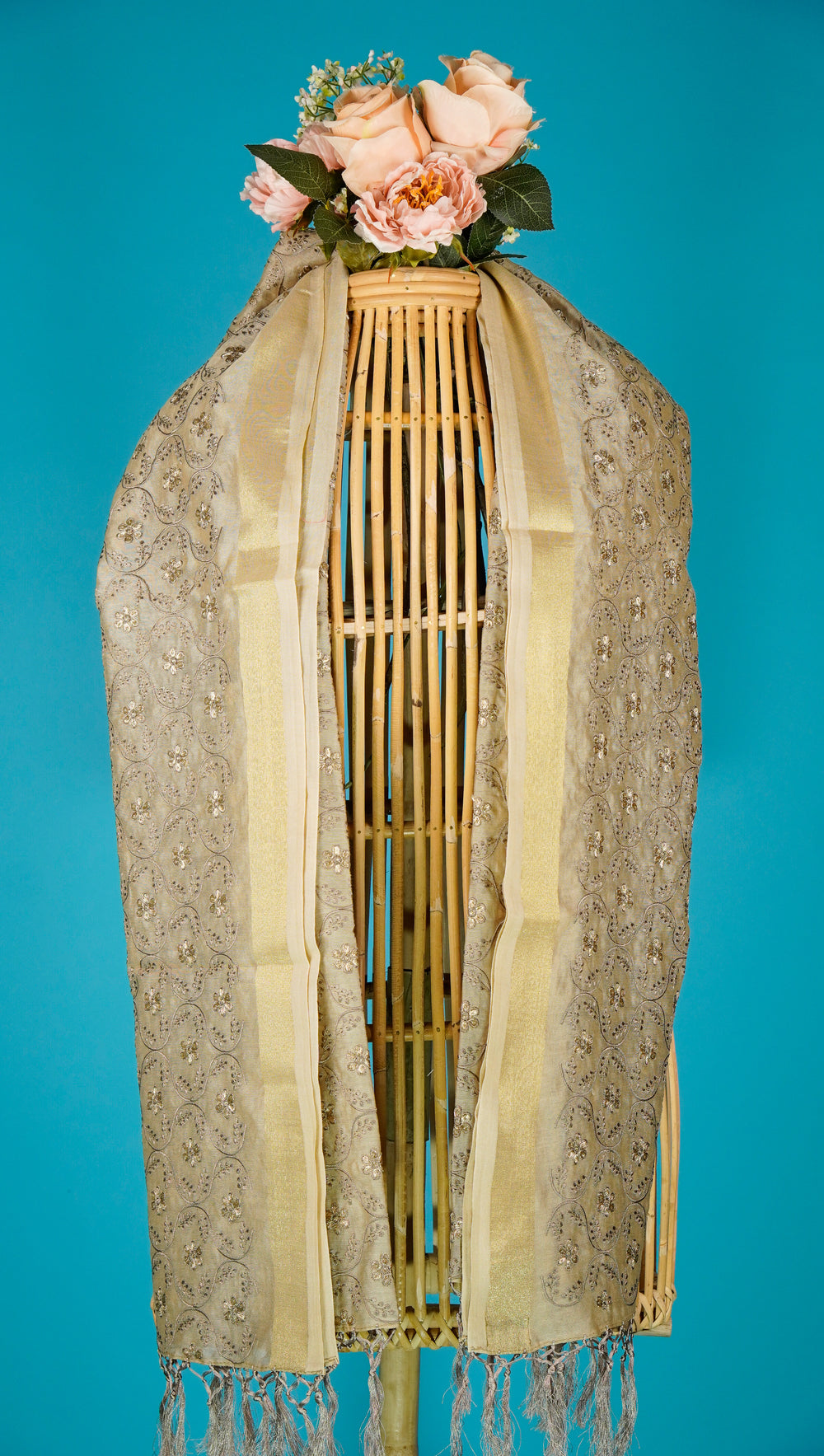
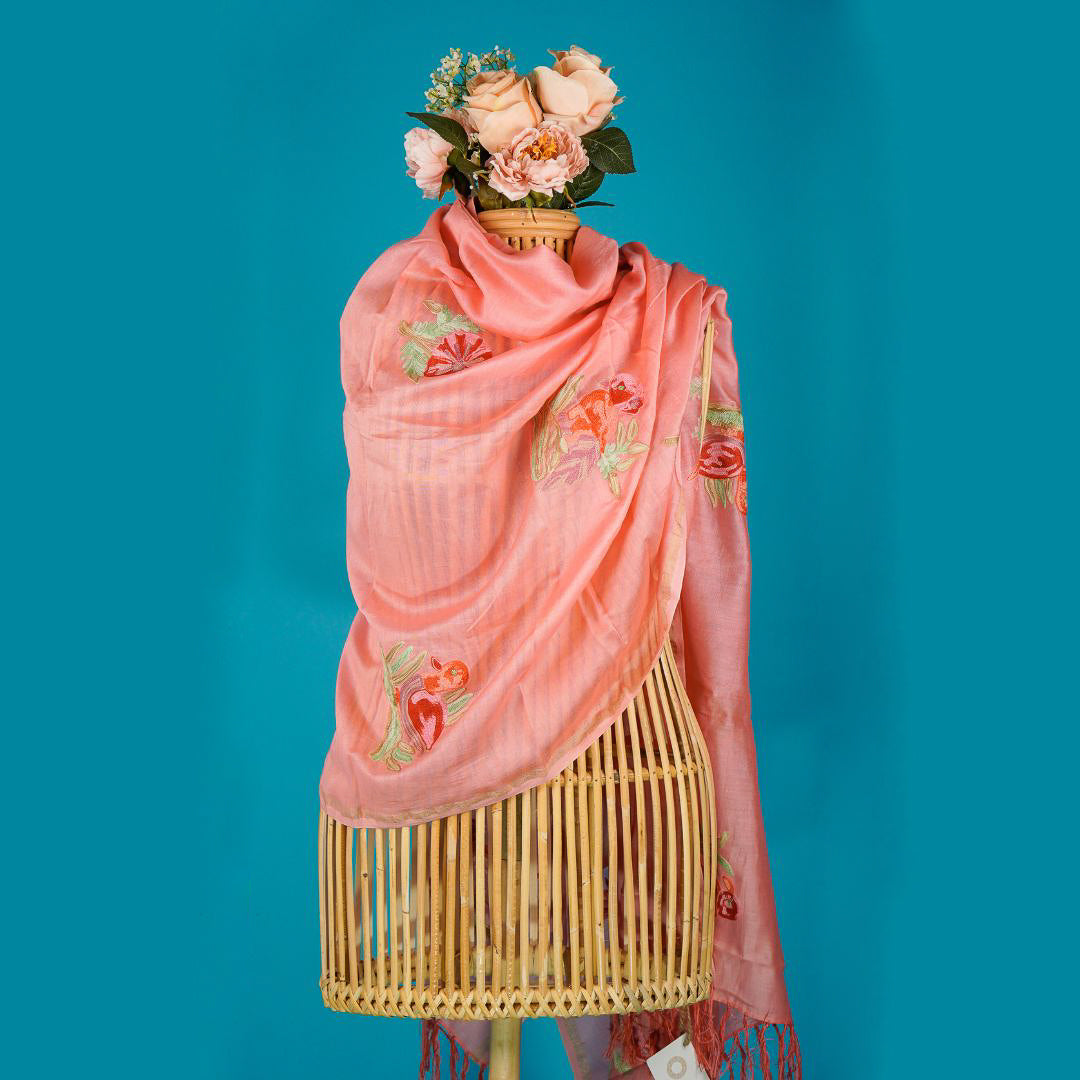
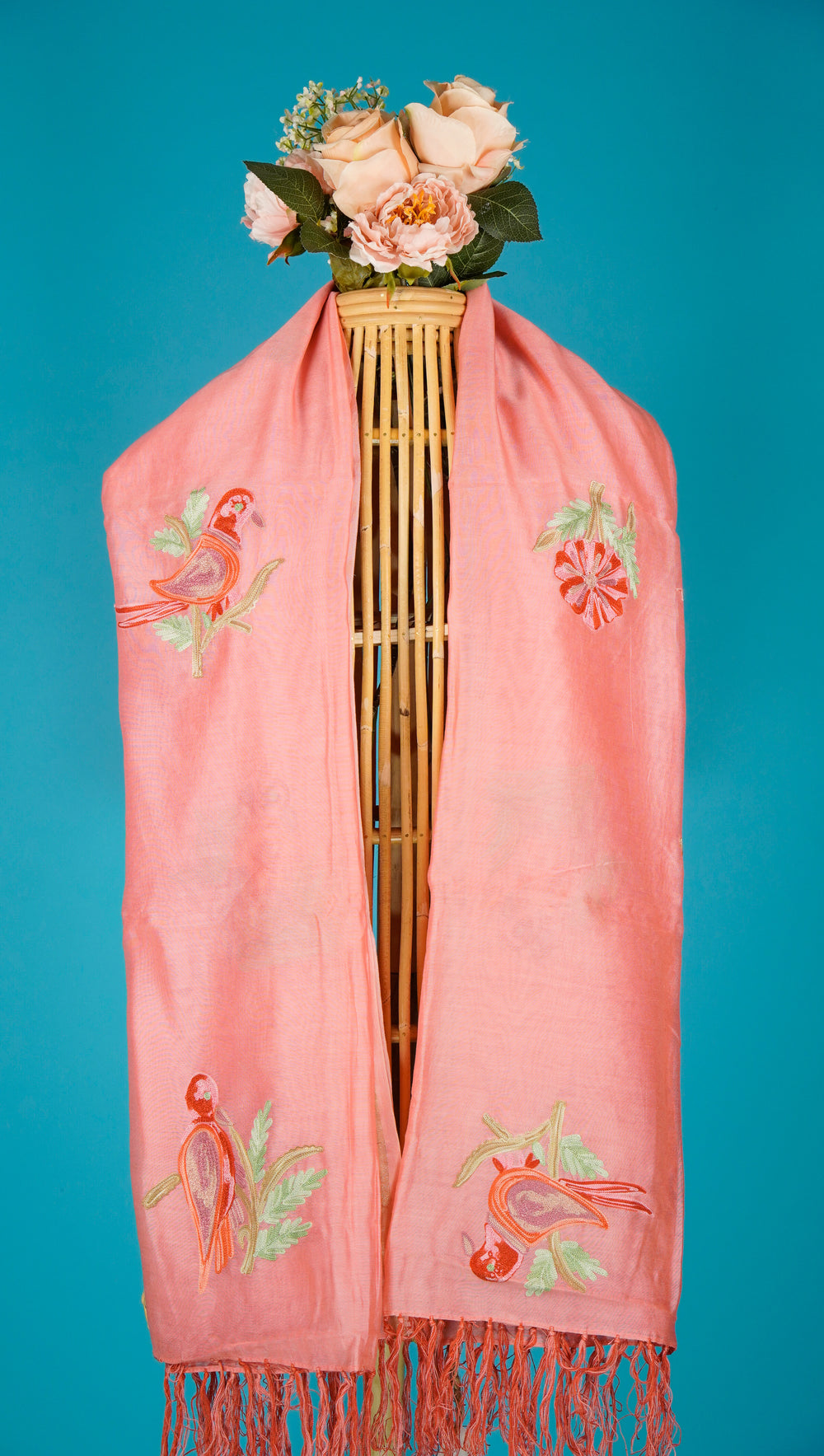
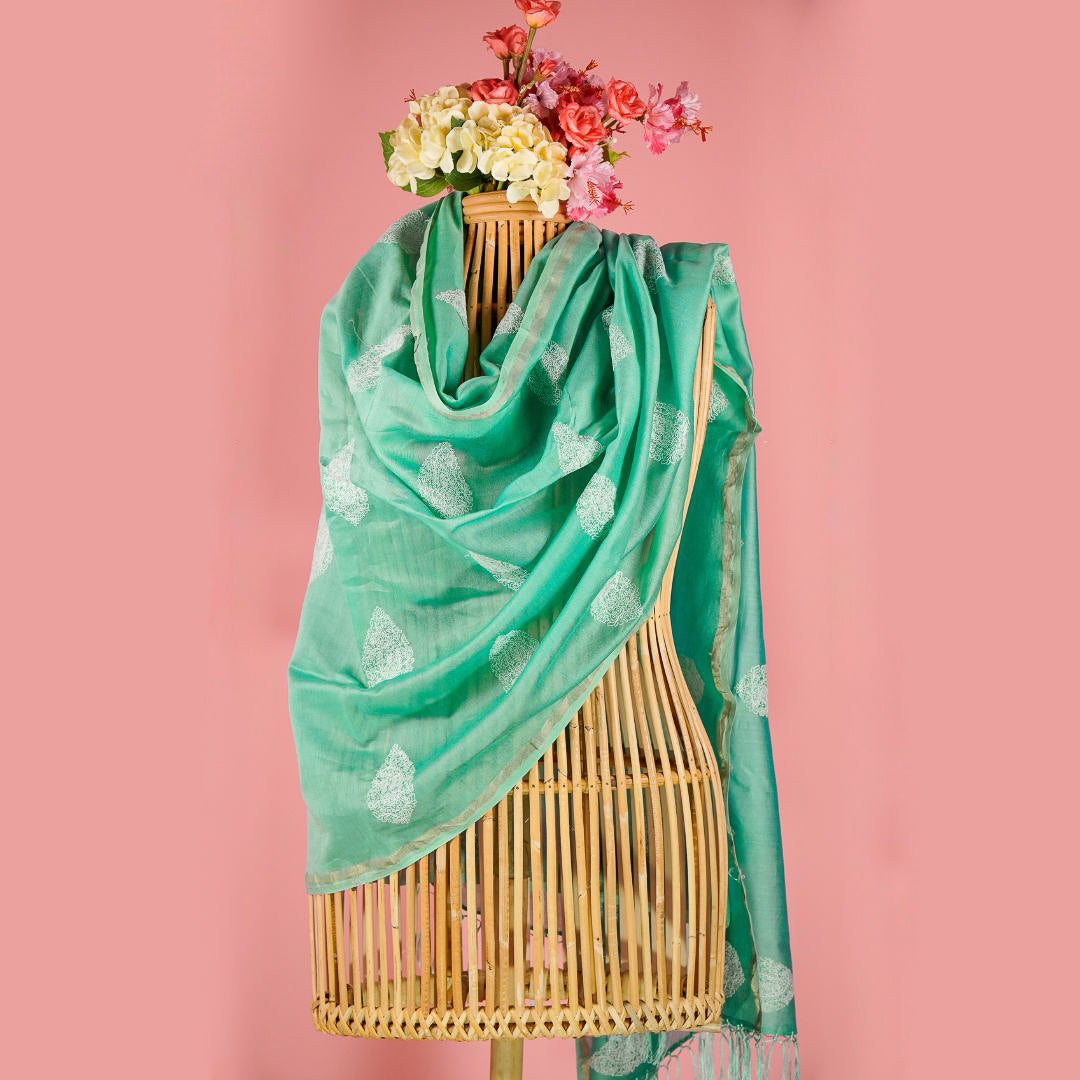
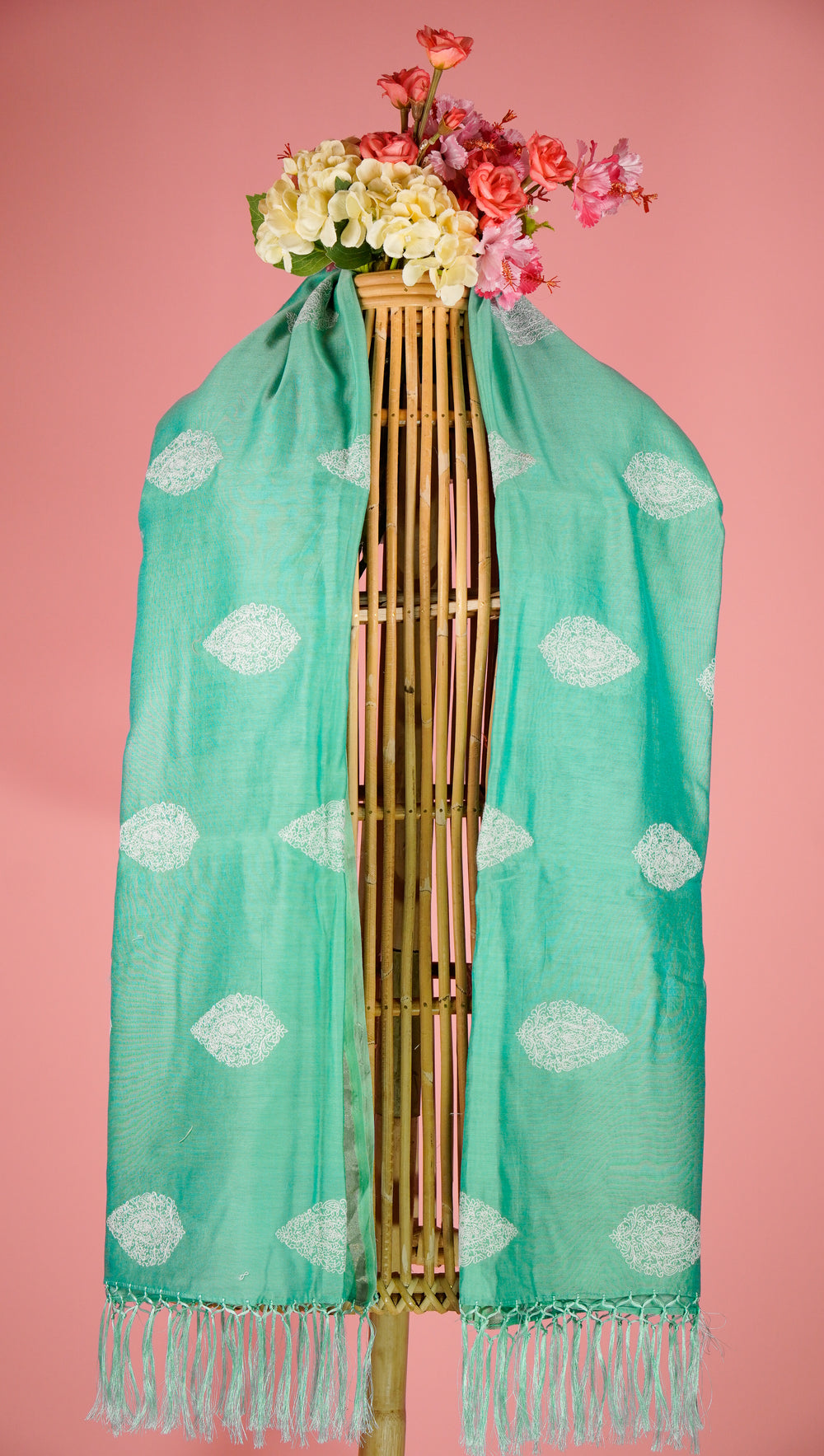
An embroidered dupatta is a long scarf or stole decorated with thread, zari, or sequin work, worn draped over a suit or lehenga. It acts as the finishing layer of an outfit, adding colour, movement, and ornamentation. Common base fabrics include organza, net, chanderi, and silk, each giving a different drape and weight. Buyers often use a statement embroidered dupatta to dress up a plain kurta, letting one accessory transform a simple outfit into something festive.
2.How do I style an embroidered dupatta with a plain suit?
Pair a heavily embroidered dupatta with a plain, solid-colour suit so the dupatta becomes the focal point without competing patterns. Pick a dupatta that either matches the suit tonally for an elegant look or contrasts boldly for a festive pop. Drape it down one shoulder to show the embroidery, or spread it across both for fuller coverage at formal events. This pairing is a favourite because it stretches a simple wardrobe, letting one plain suit feel new with different dupattas.
3.Which dupatta fabric is best for weddings?
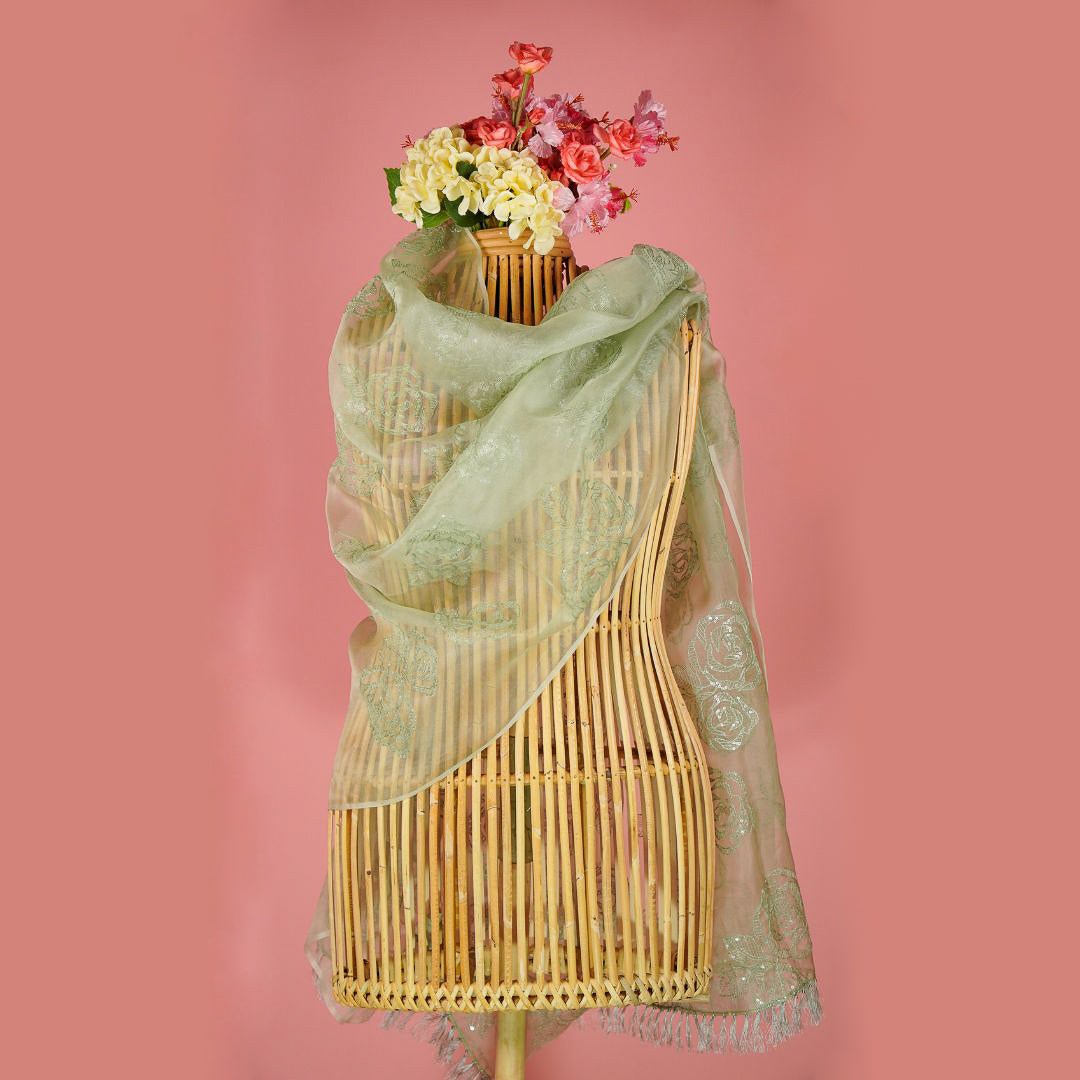
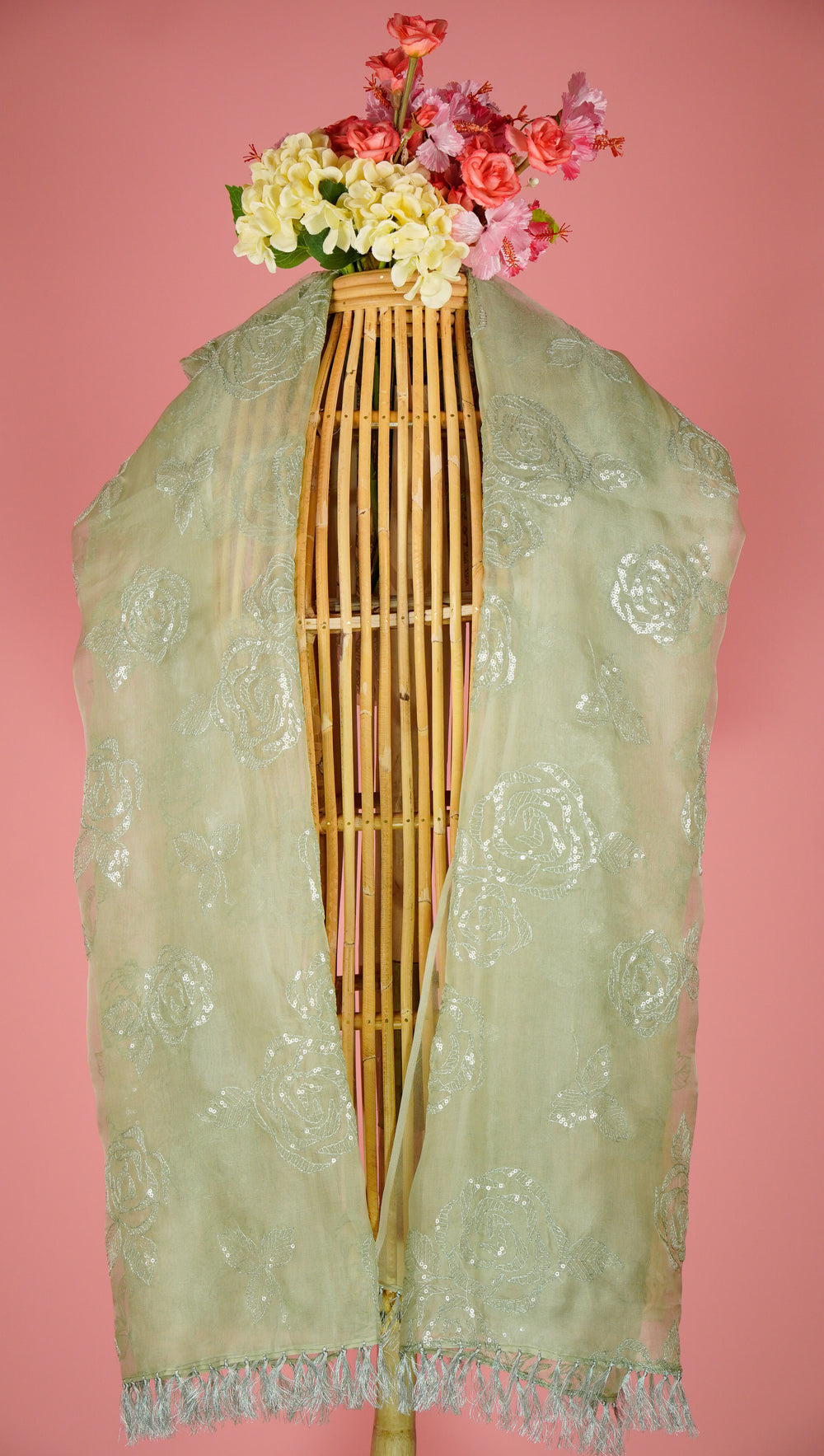
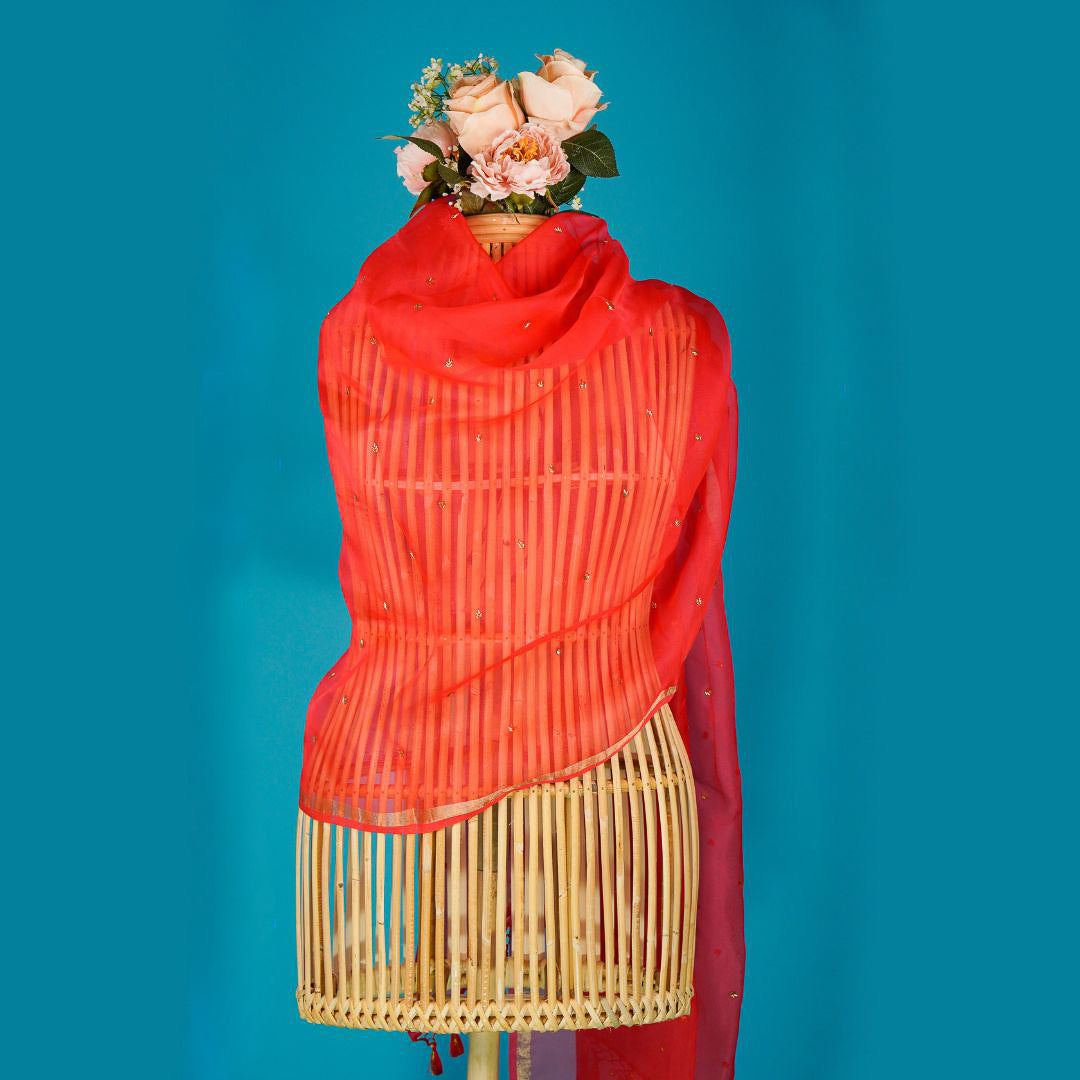
Organza and net dupattas are the top wedding choices, both light enough to drape elegantly while showcasing dense embroidery beautifully. Organza gives a crisp, structured fall with a glossy sheen, while net feels airy and floats softly with movement. Silk dupattas add richness for traditional looks. For a wedding-guest outfit, an embroidered organza dupatta over a plain suit reads polished and photographs well, balancing presence with comfort across a long event.
4.Organza dupatta vs net dupatta: which should I choose?
Choose an organza dupatta for structure and sheen, and a net dupatta for softness and lightness. Organza holds its shape, drapes crisply, and gives a glossy, formal finish that suits structured outfits and photographs. Net is more delicate and airy, floating gently and feeling lighter over the shoulders, which suits flowing or layered looks. Both display embroidery well. Decide by the effect you want: sculpted and shiny points to organza, soft and weightless points to net.
5.Which embroidered dupatta is best for festive occasions?
For festive occasions, an embroidered organza or silk dupatta carries the most impact, with organza offering glossy structure and silk adding traditional richness. Dense zari or sequin work catches festive lighting and lifts even a plain suit into celebration territory. Net works well too for a lighter, floatier feel. Choose based on the outfit underneath: pair a shiny organza dupatta with a matte suit for contrast, or a silk dupatta with a classic ensemble for a richer, more traditional finish.
6.How do I care for an embroidered dupatta?
Embroidered dupattas are best dry-cleaned, especially organza, net, and silk bases with delicate surface work, since washing can snag threads and distort the weave. Store them folded loosely or rolled to avoid hard creases across the embroidery, and keep them away from hooks that catch sequins. Steam gently rather than hard-pressing, and iron from the reverse on a low setting when needed. Keeping each dupatta in a soft cloth pouch protects the work between wears and prevents colour transfer.
7.Can embroidered dupattas be worn with lehengas?
Embroidered dupattas pair well with lehengas and are a common way to complete or upgrade the look. A lighter organza or net dupatta layers nicely without adding bulk, while a richer silk one adds traditional weight for weddings. Many people use a second contrasting dupatta to add dimension to a lehenga set. Match the embroidery weight to the lehenga: keep it lighter if the skirt is already heavily worked, or bolder if the lehenga base is relatively plain.
8.Which embroidered dupatta is easiest to maintain?
A chanderi or cotton-based embroidered dupatta is the easiest to maintain, tolerating gentle care better than delicate organza, net, or silk. It resists snagging more readily and presses without as much fuss. Organza and net look stunning but need careful handling and usually dry cleaning to protect their surface work. If low-maintenance daily use is your priority, choose a sturdier base; if you want maximum drama for occasions and accept professional care, the more delicate fabrics remain worth it.