



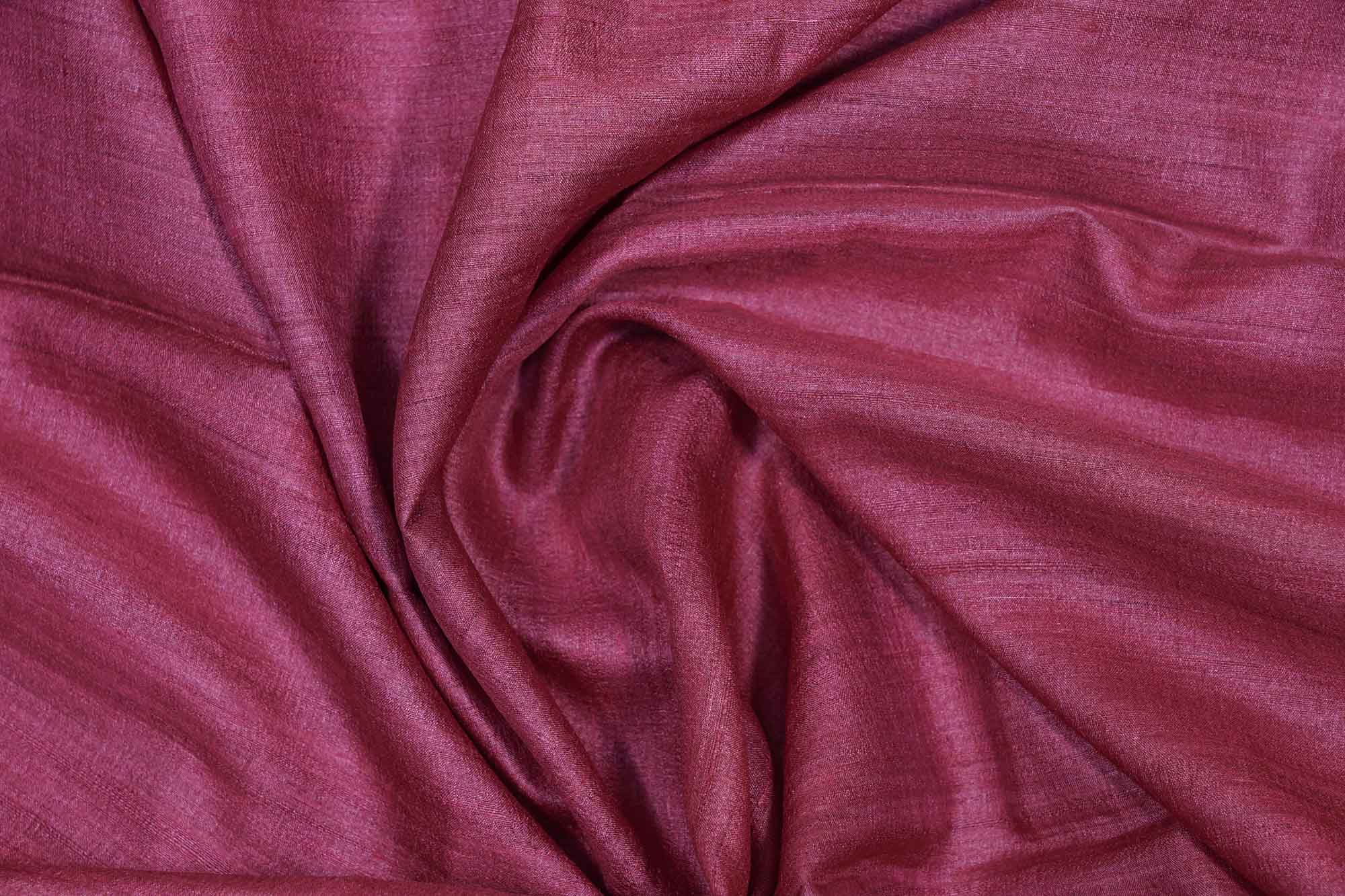
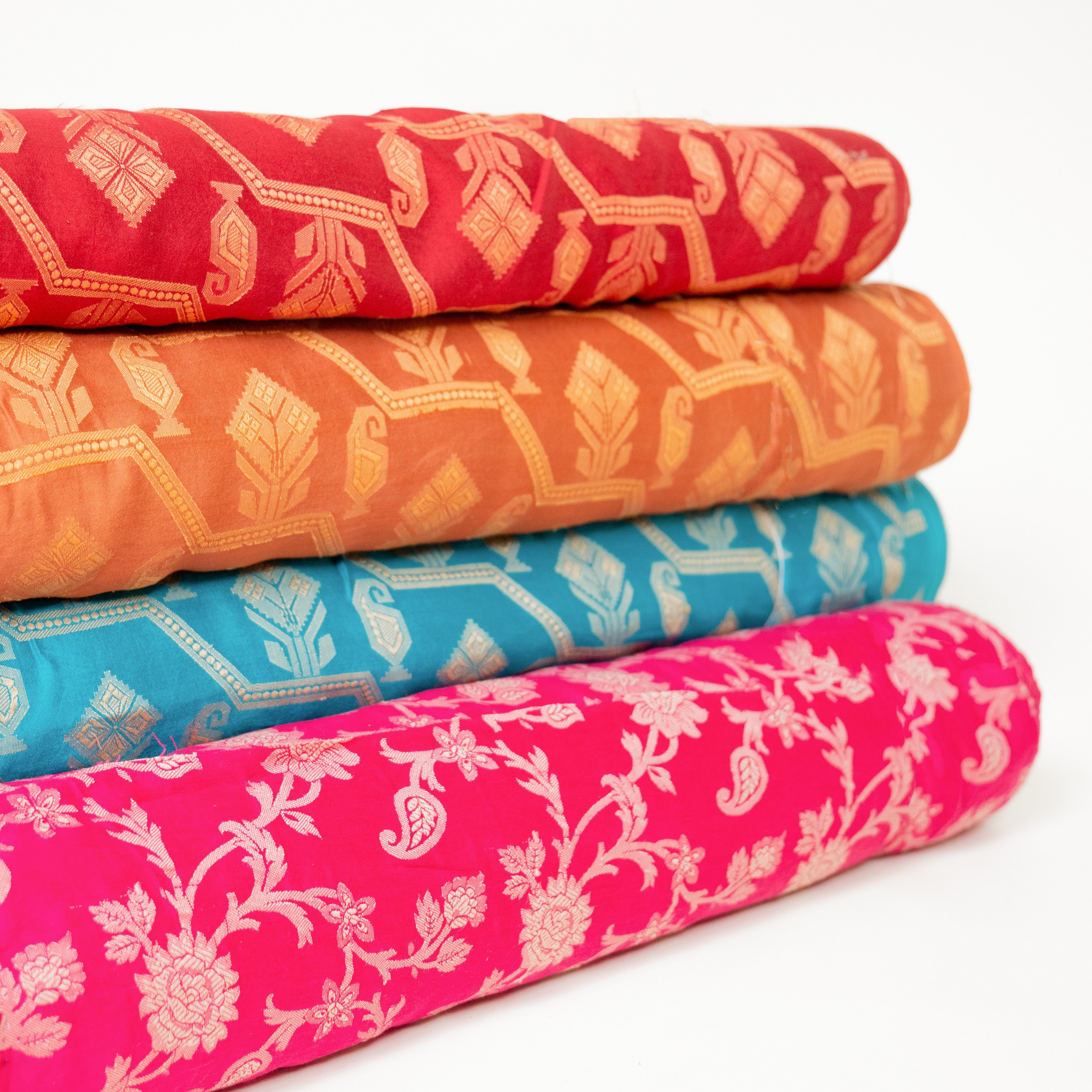

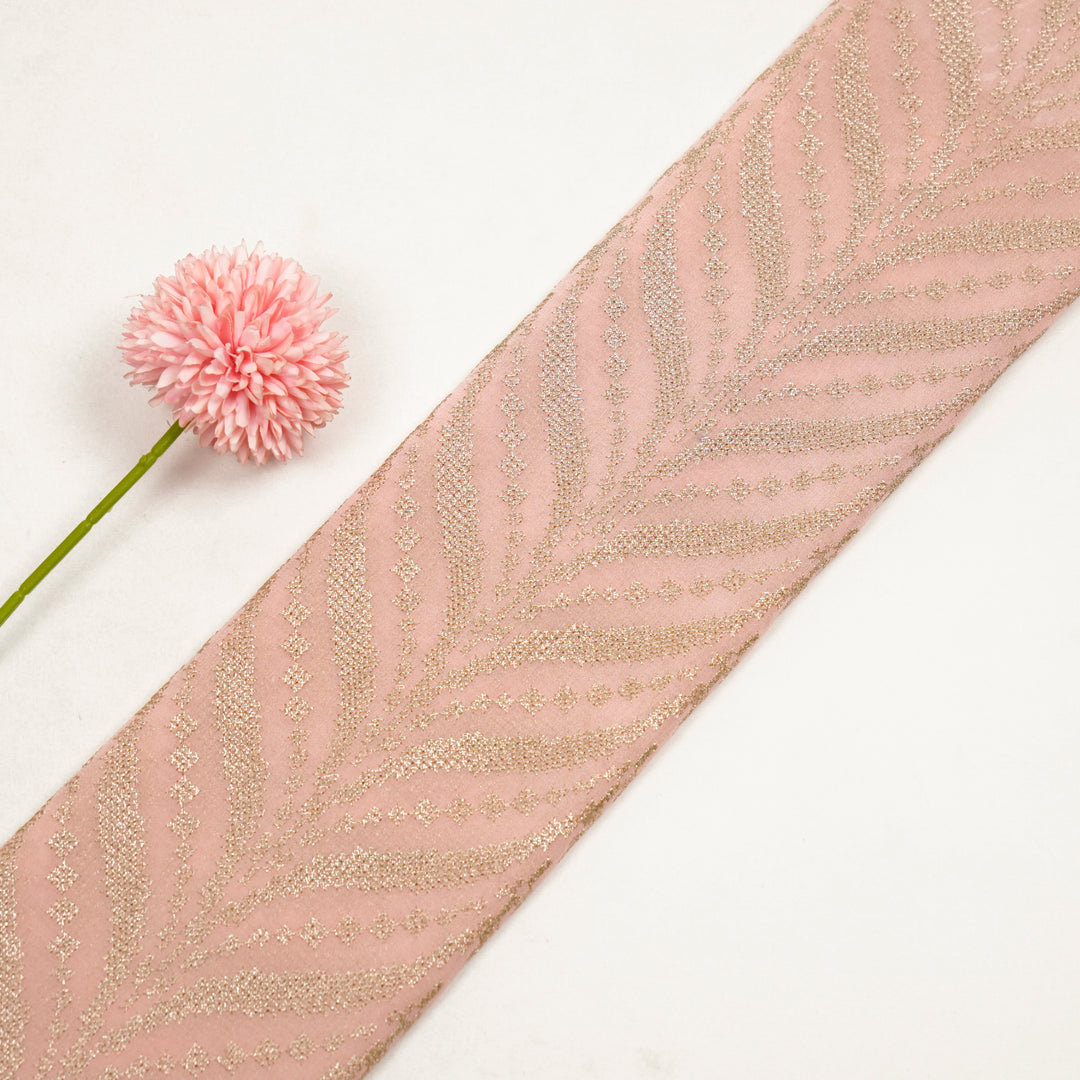
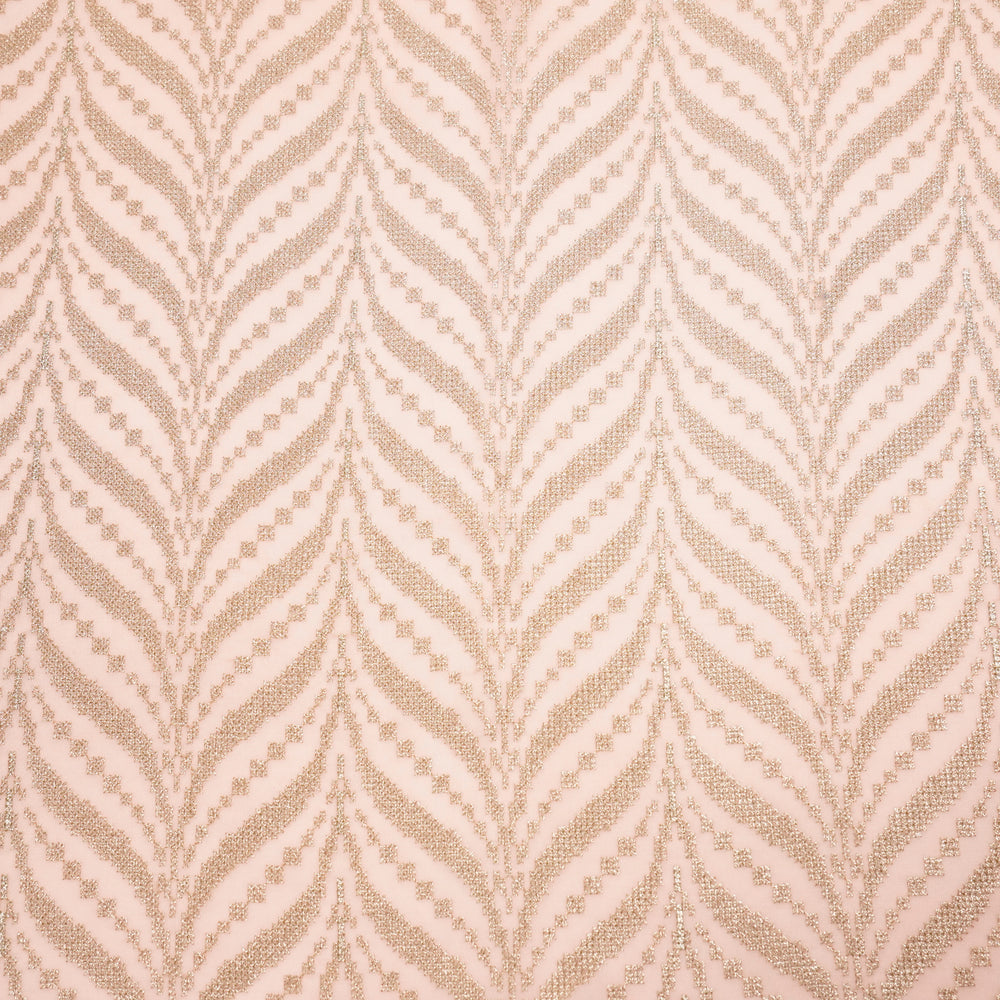
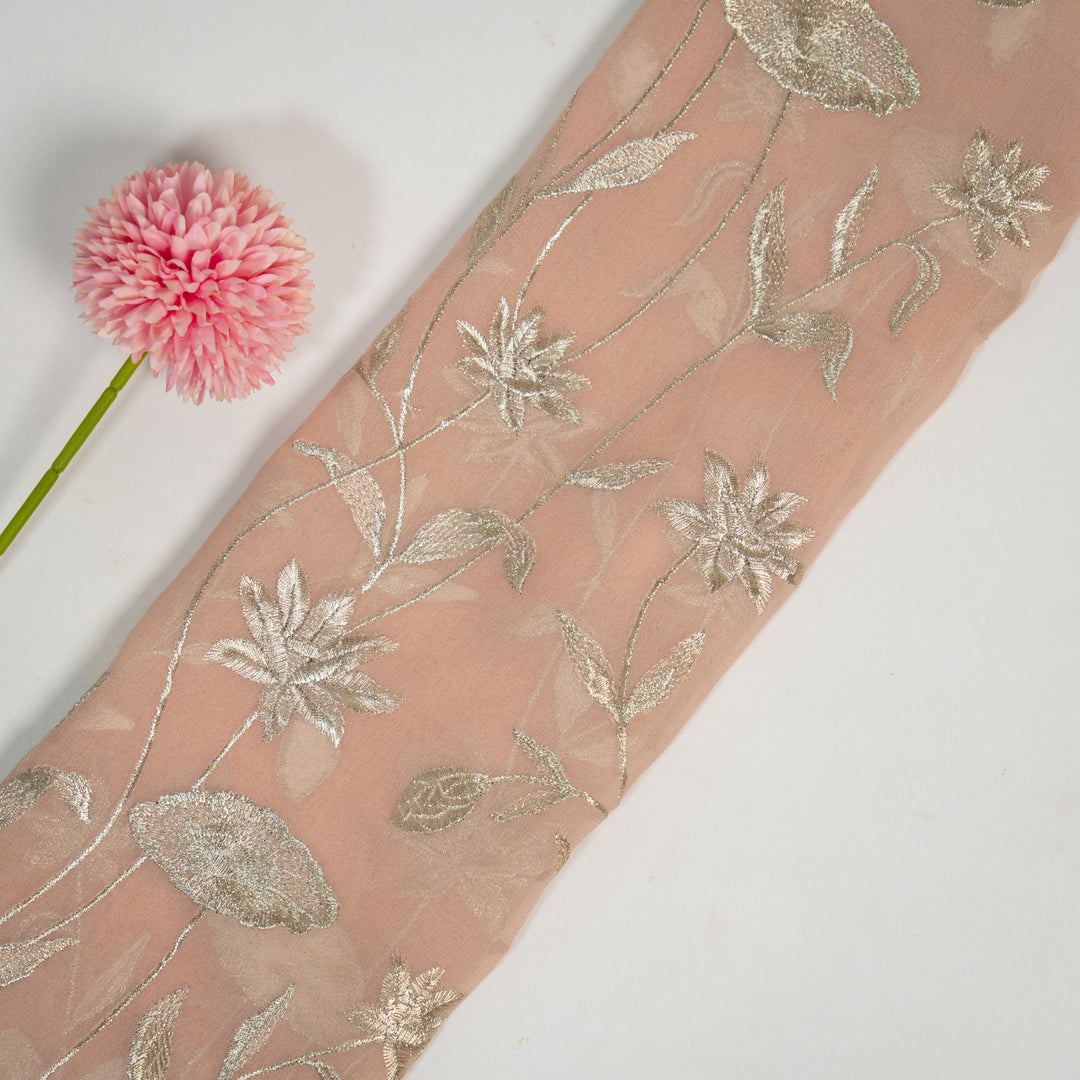
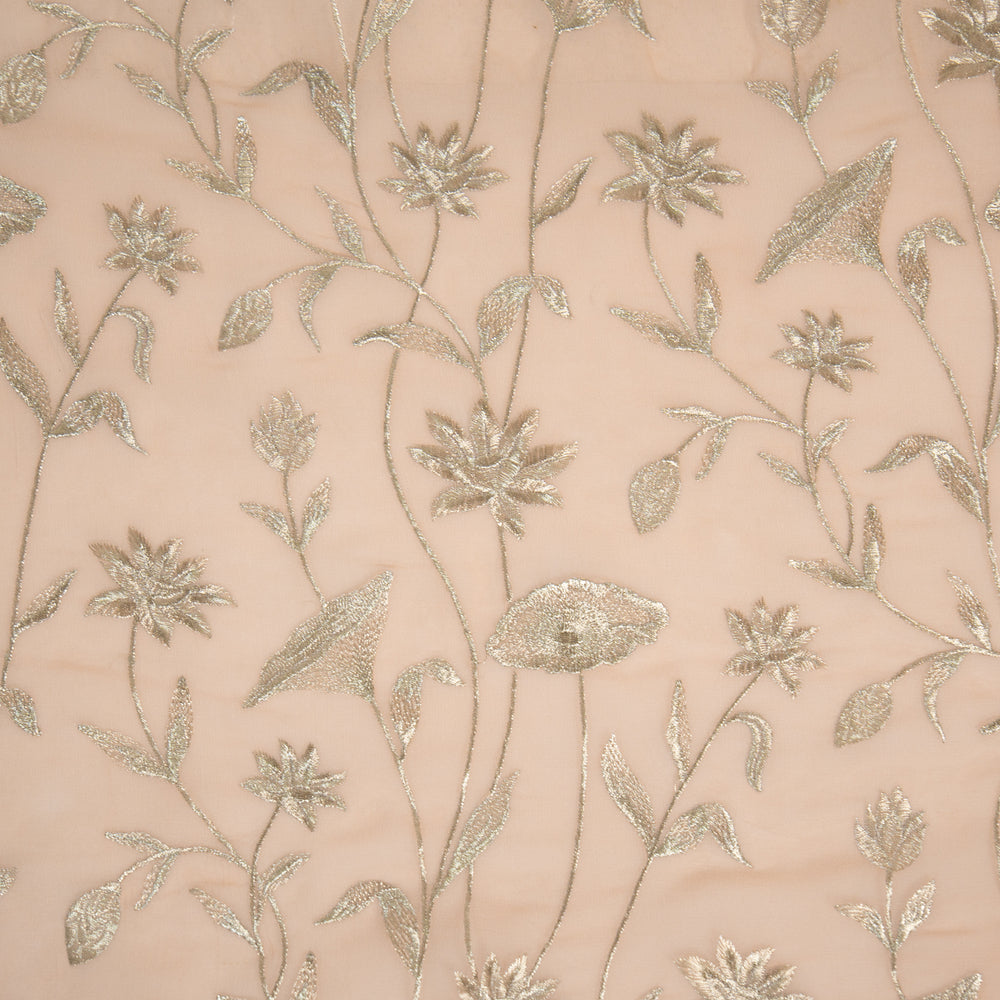
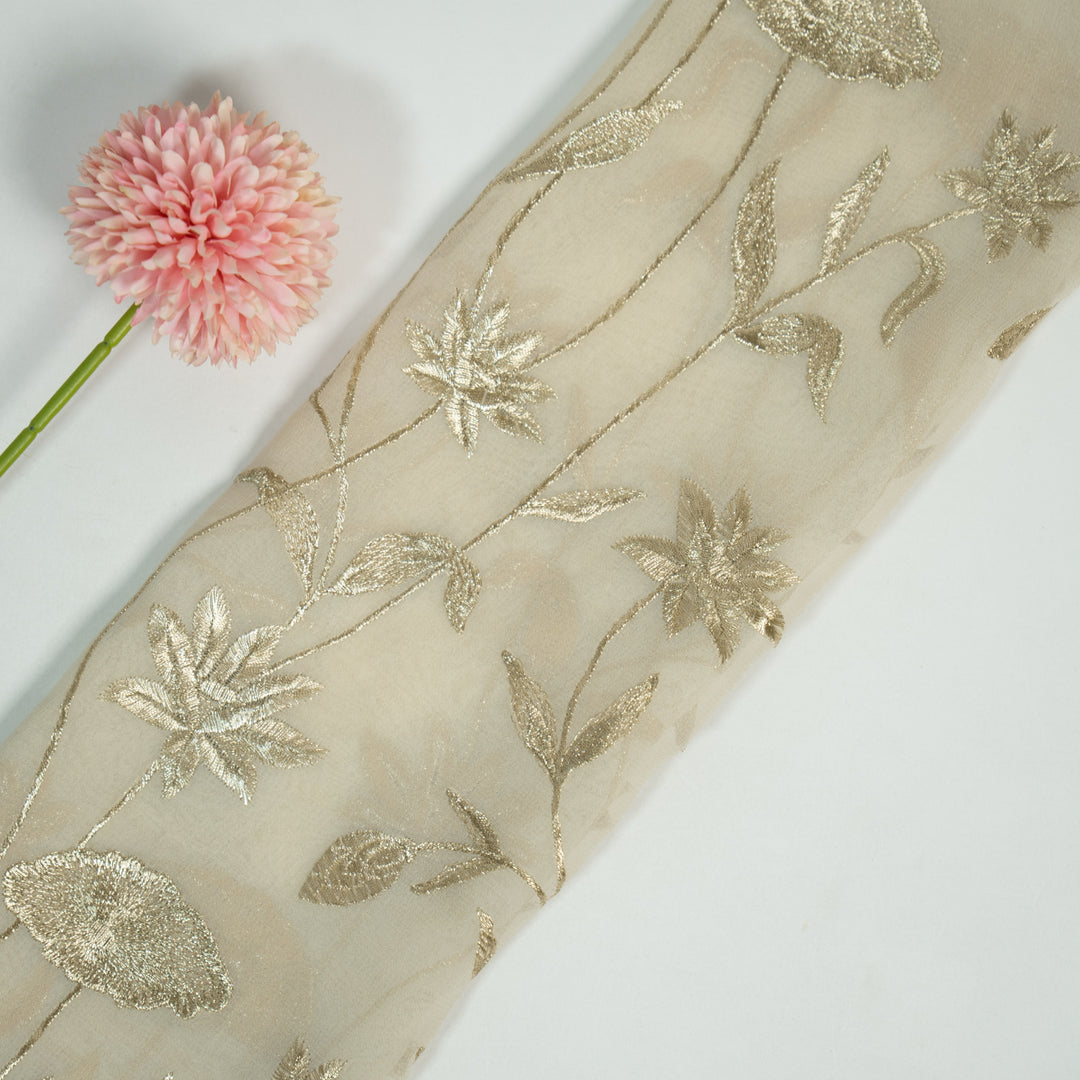
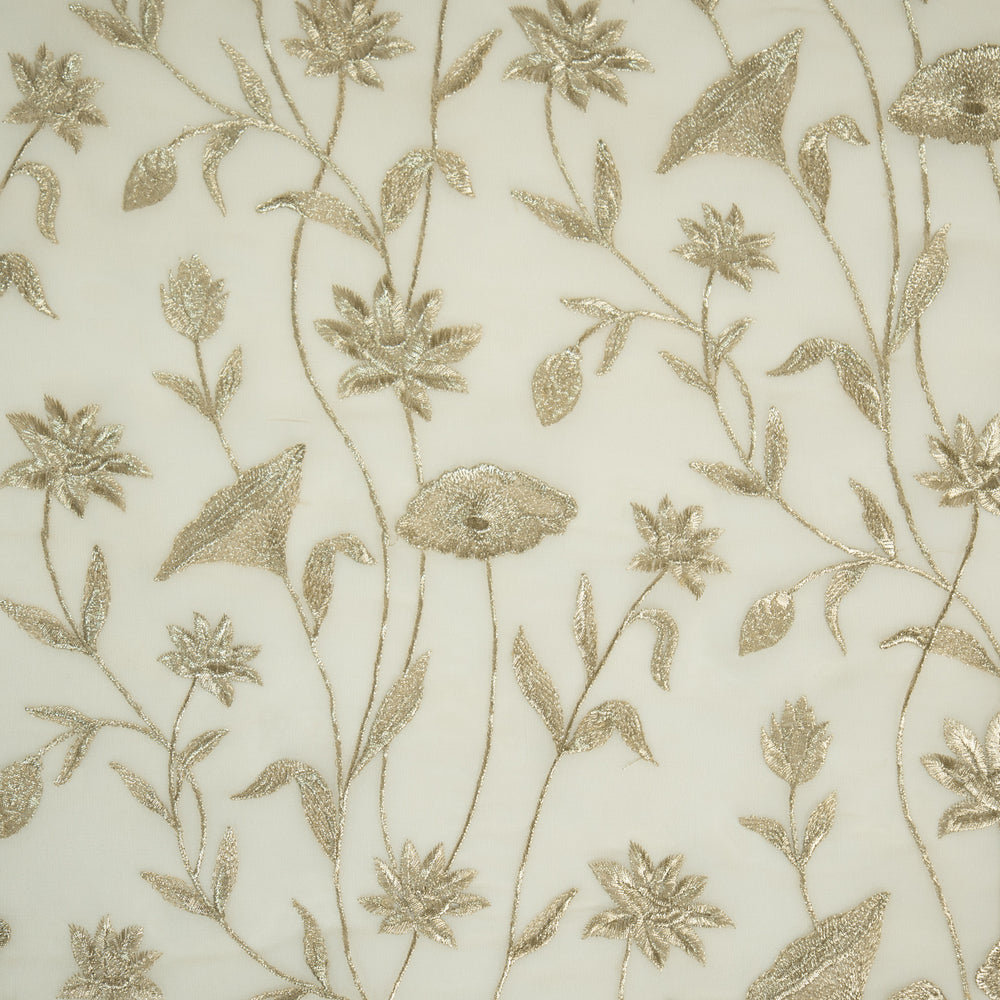
Embroidered Silk Georgette




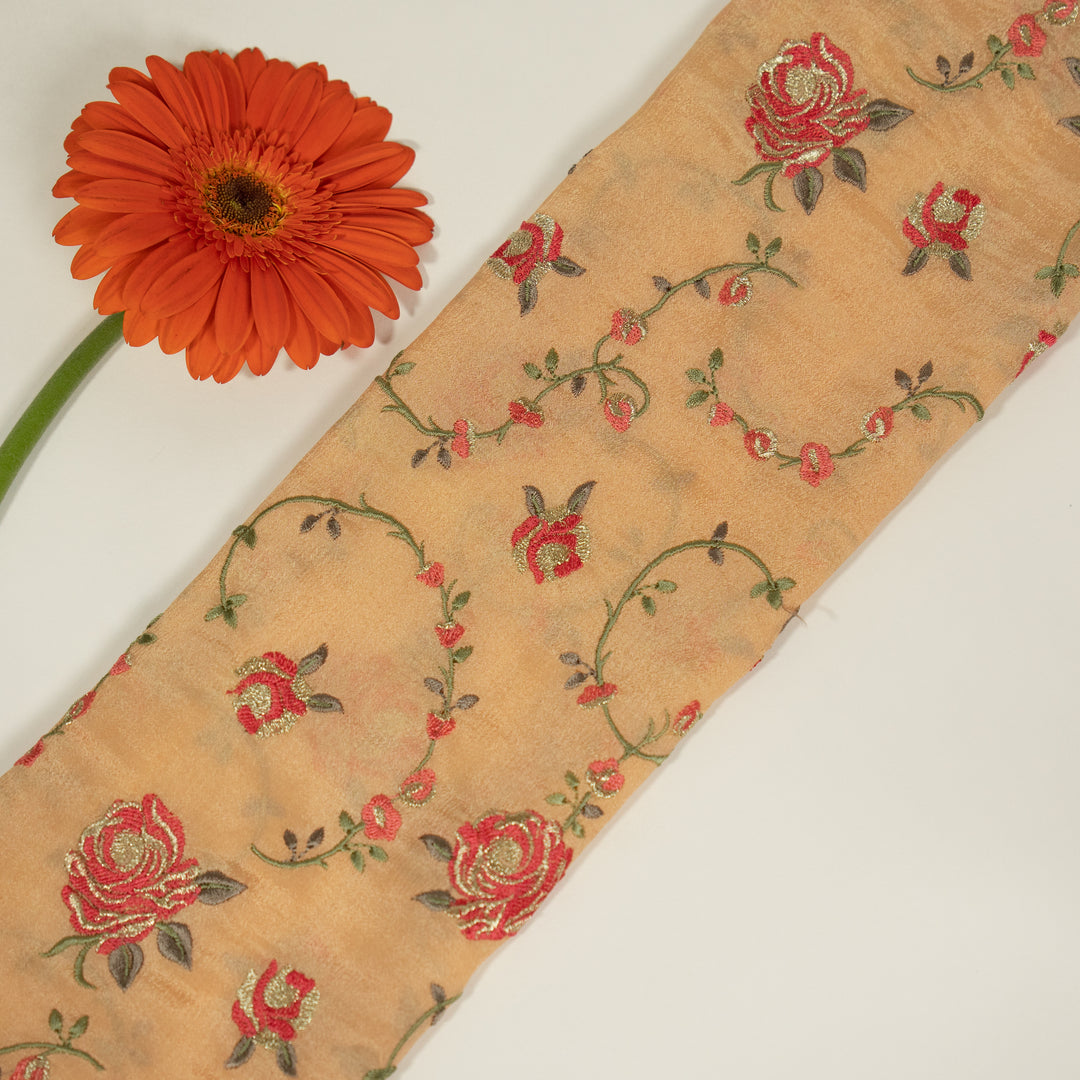
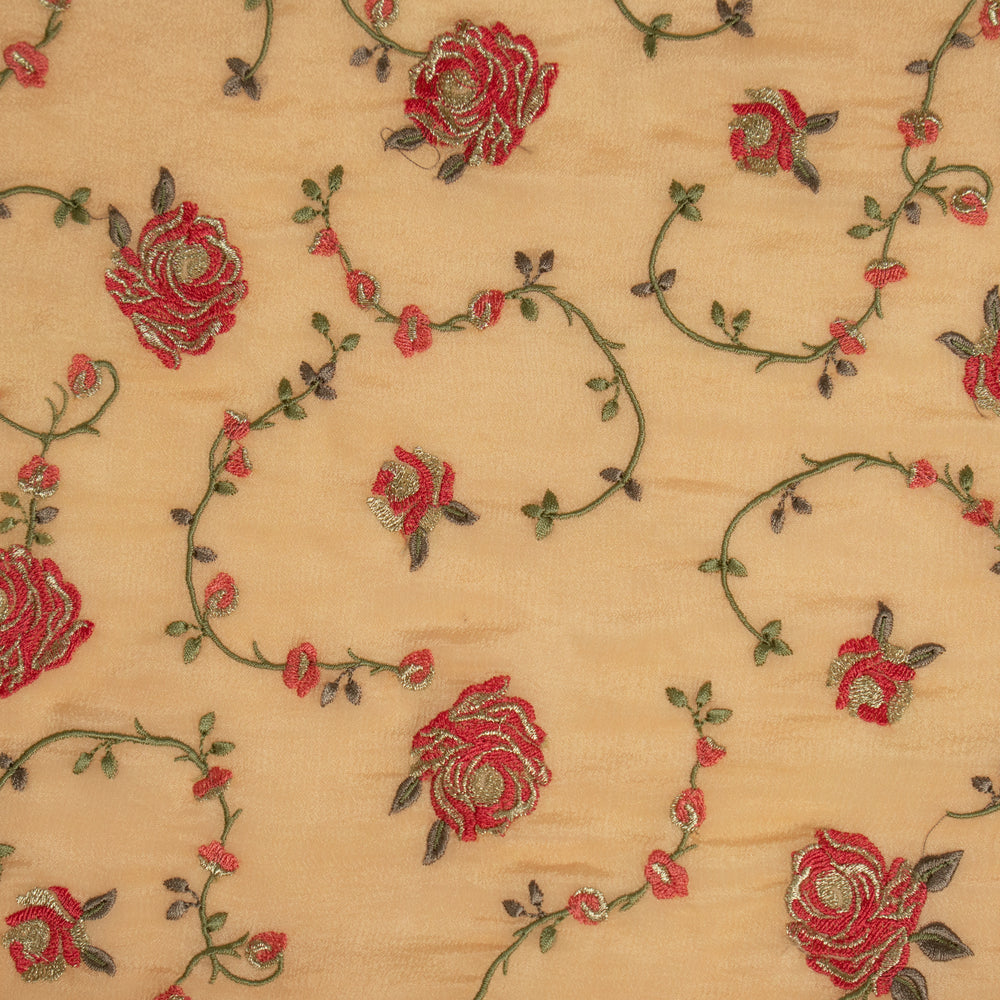
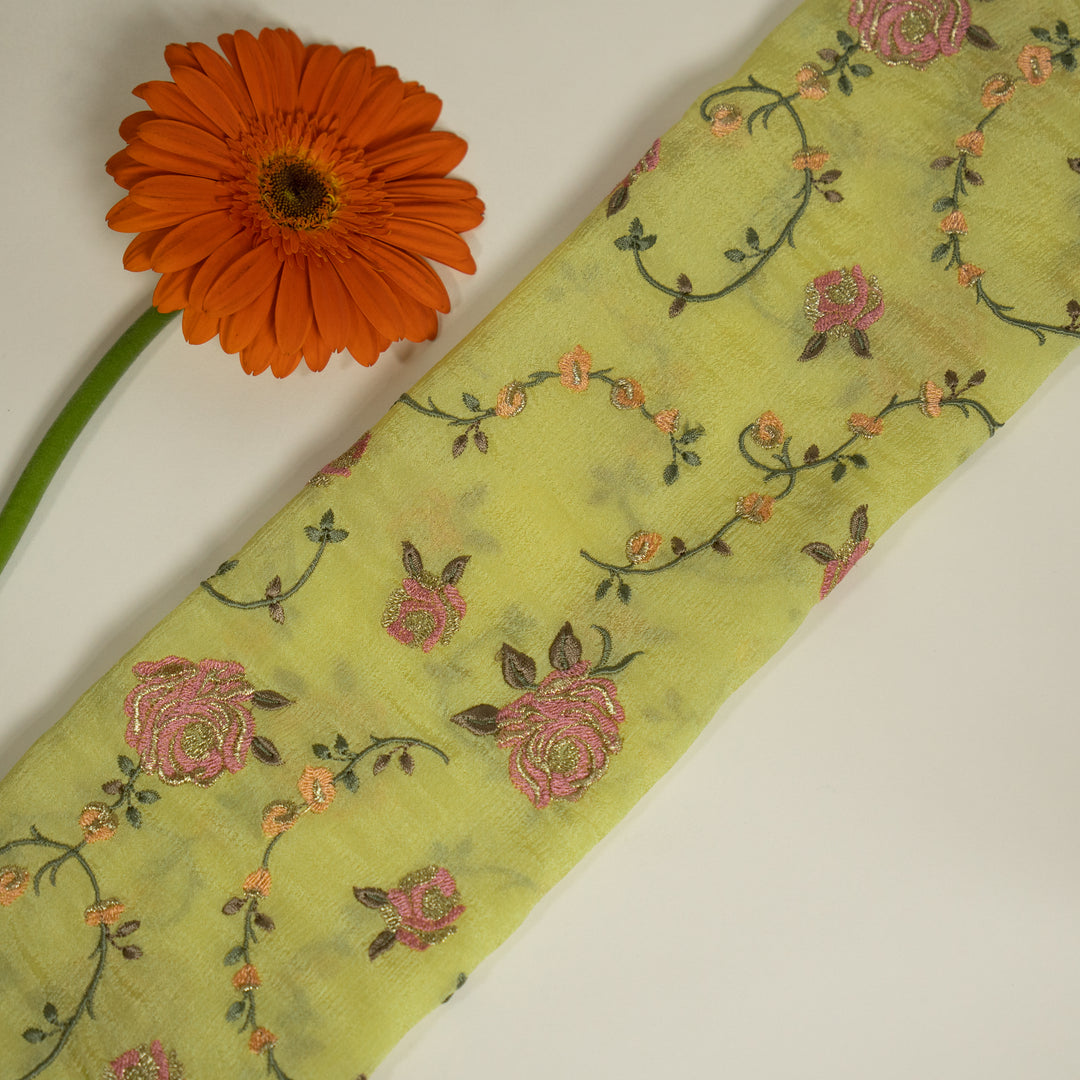
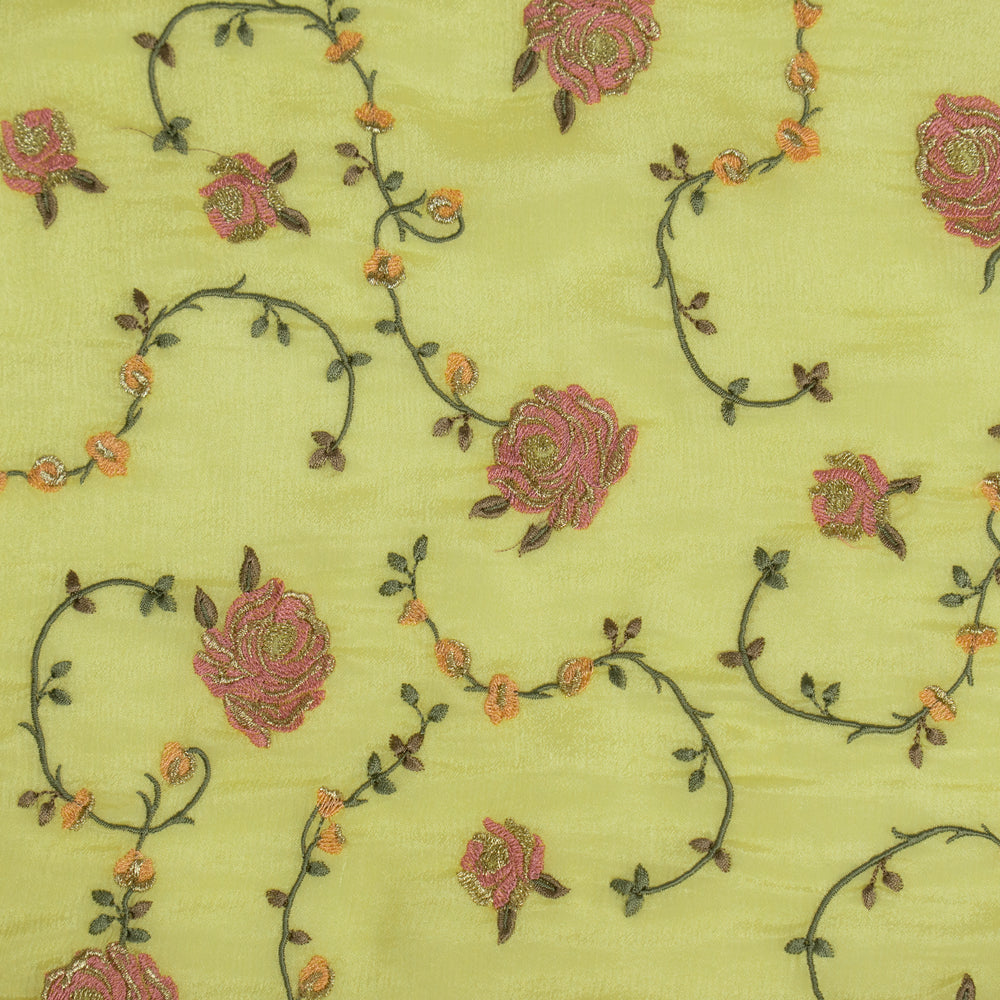






FAQ
1.What makes embroidered silk georgette different from polyester georgette?
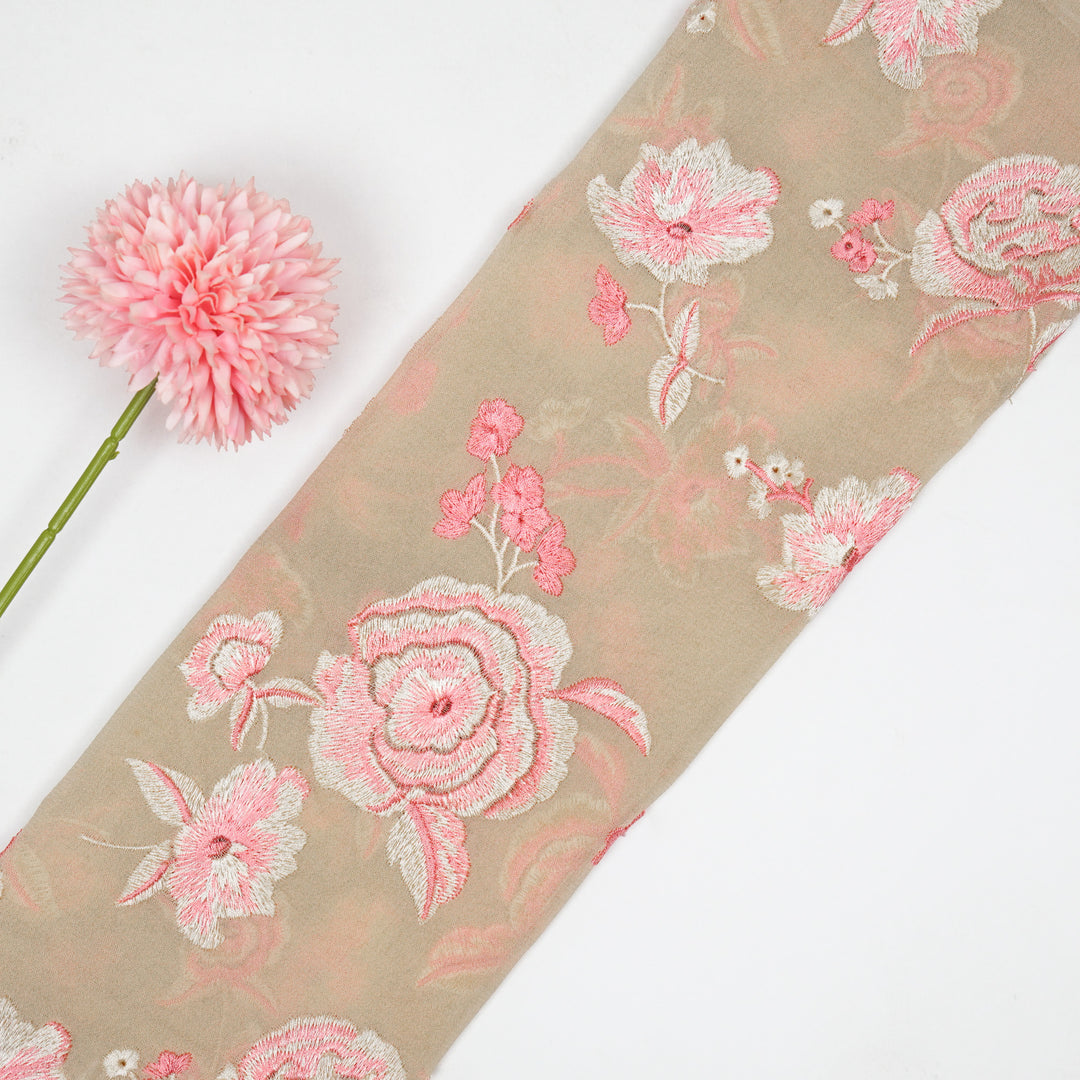
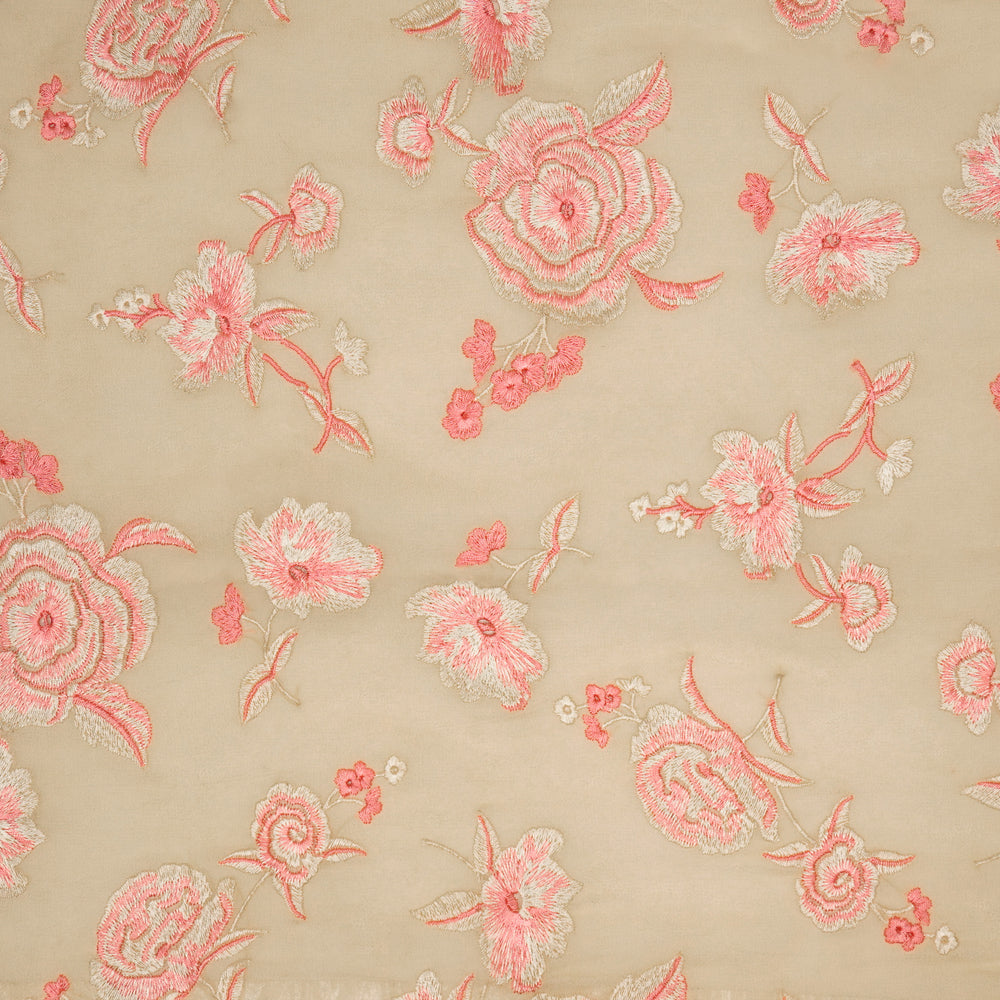
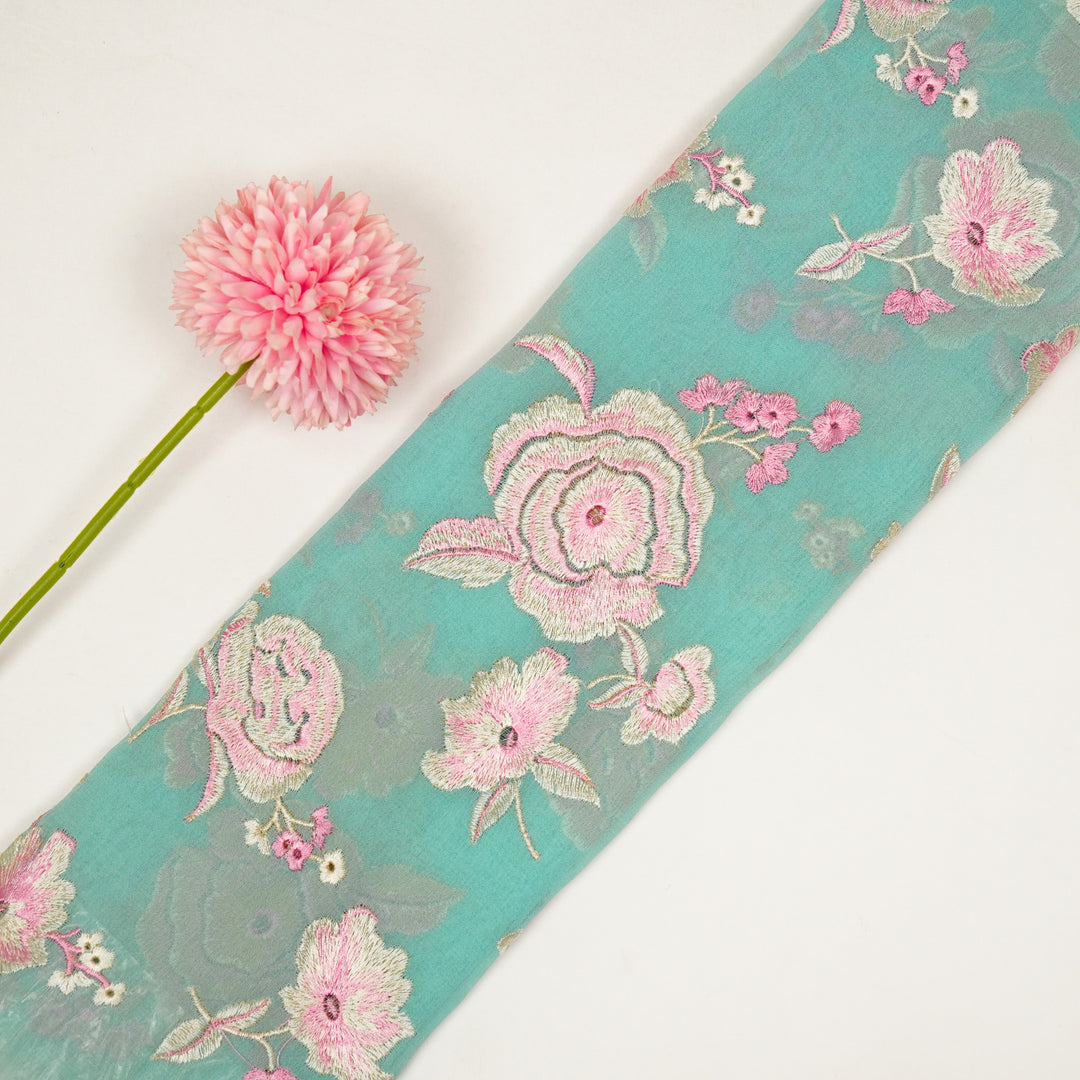
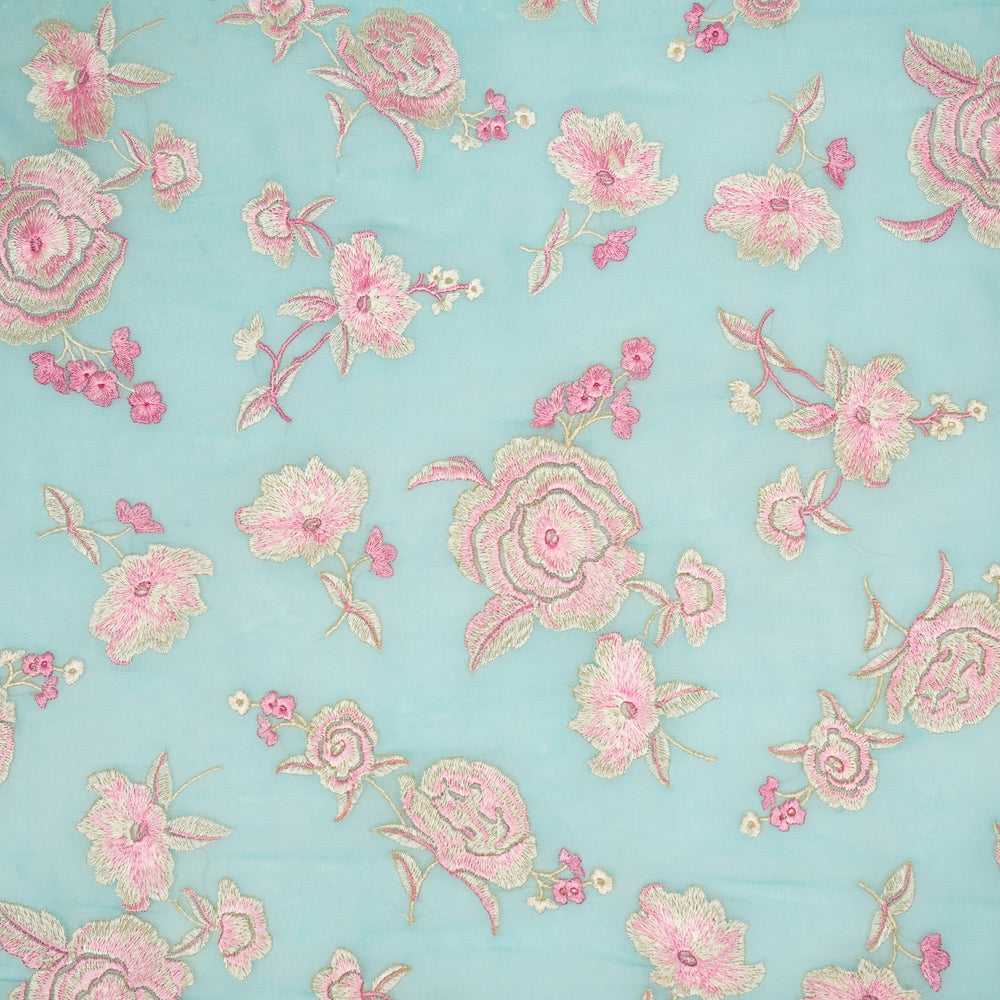
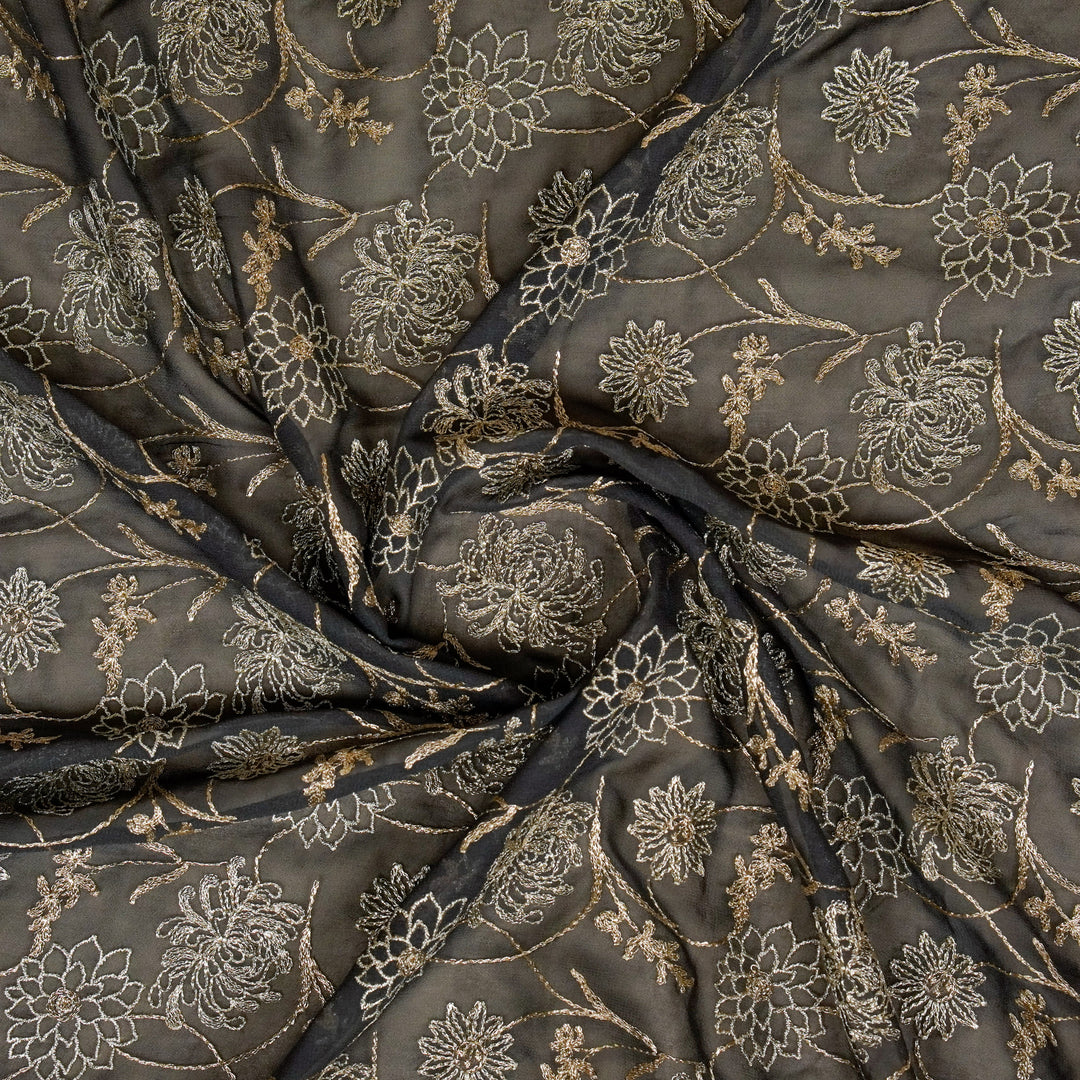
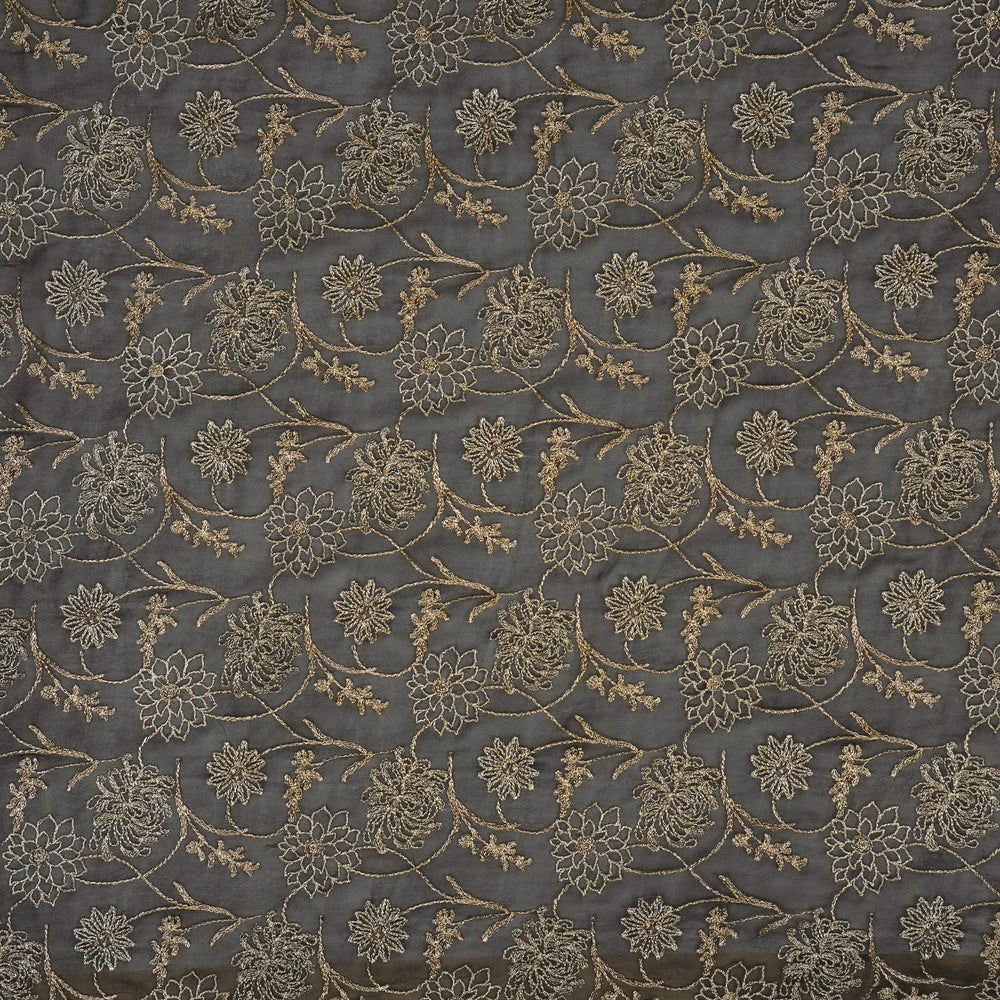
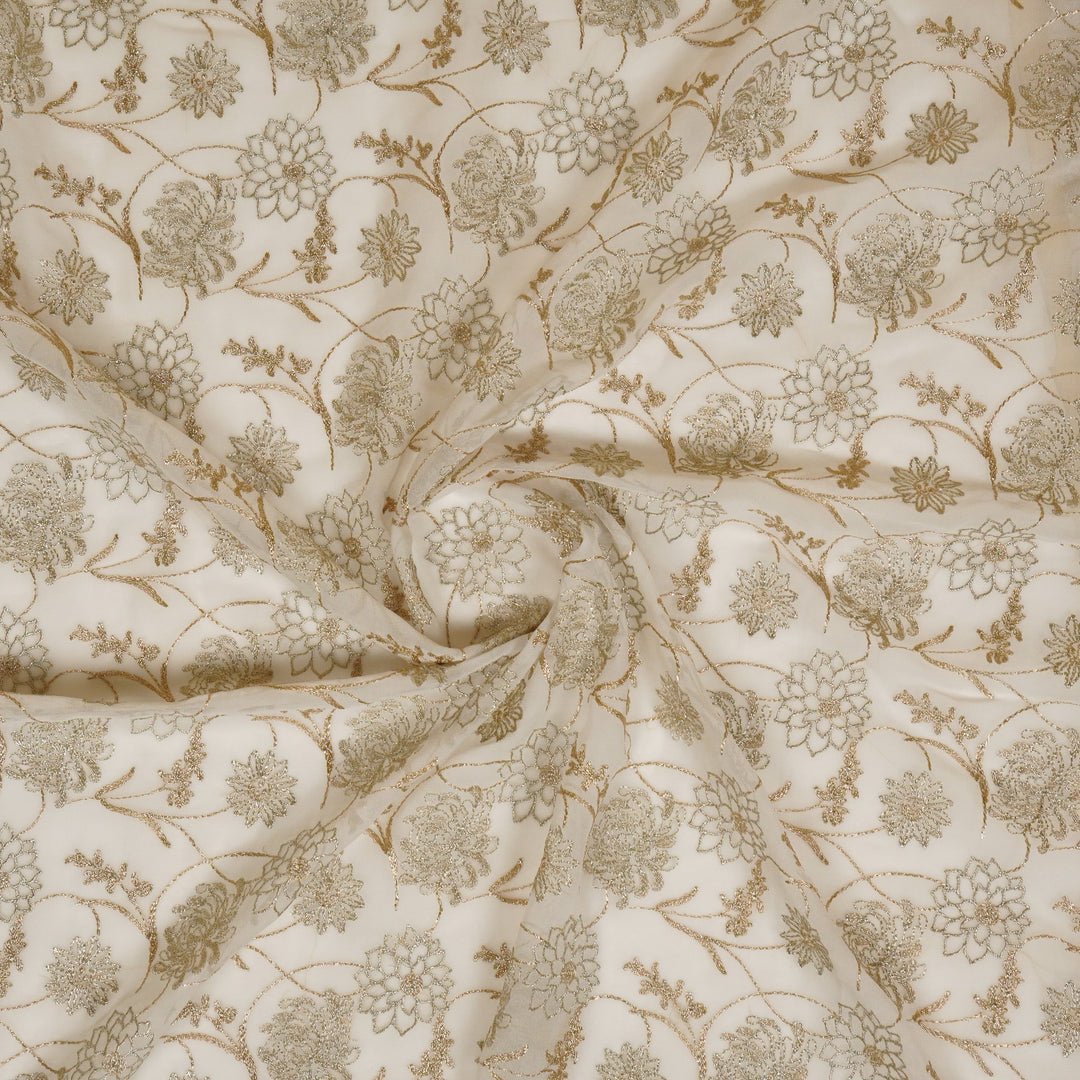
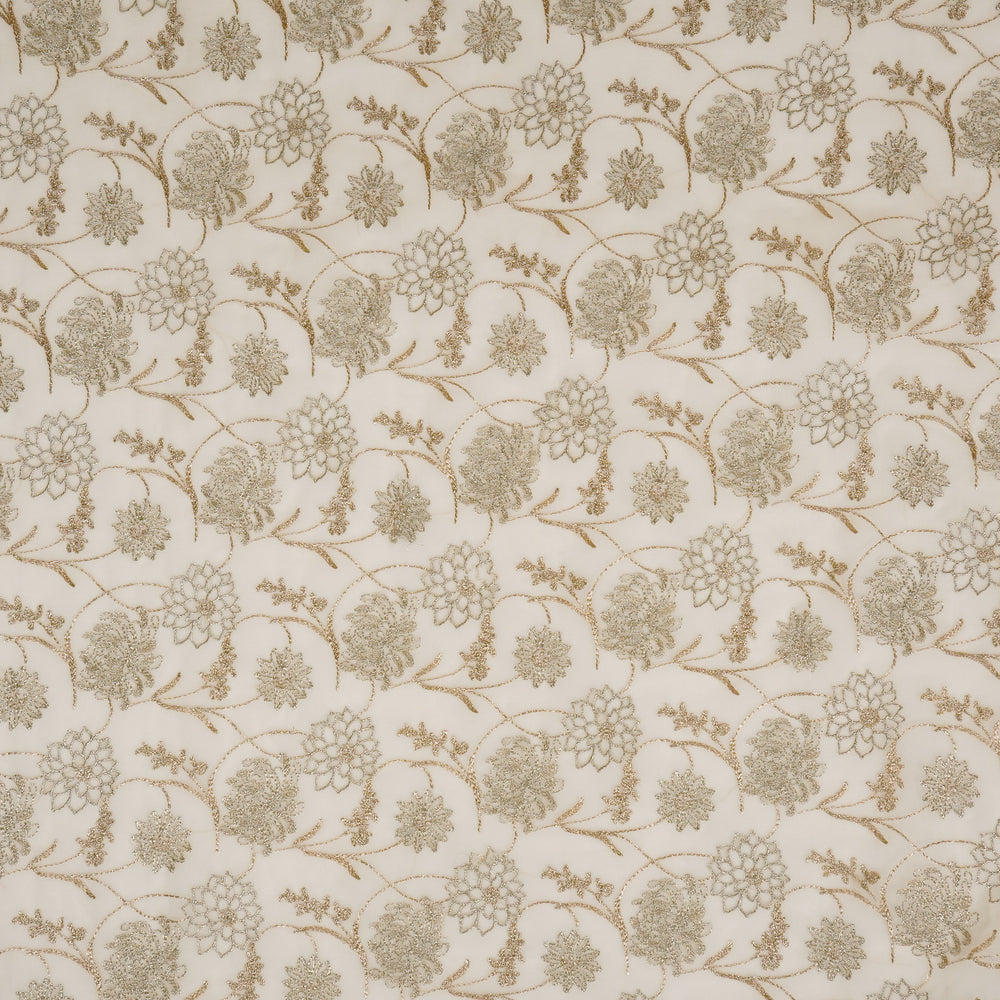
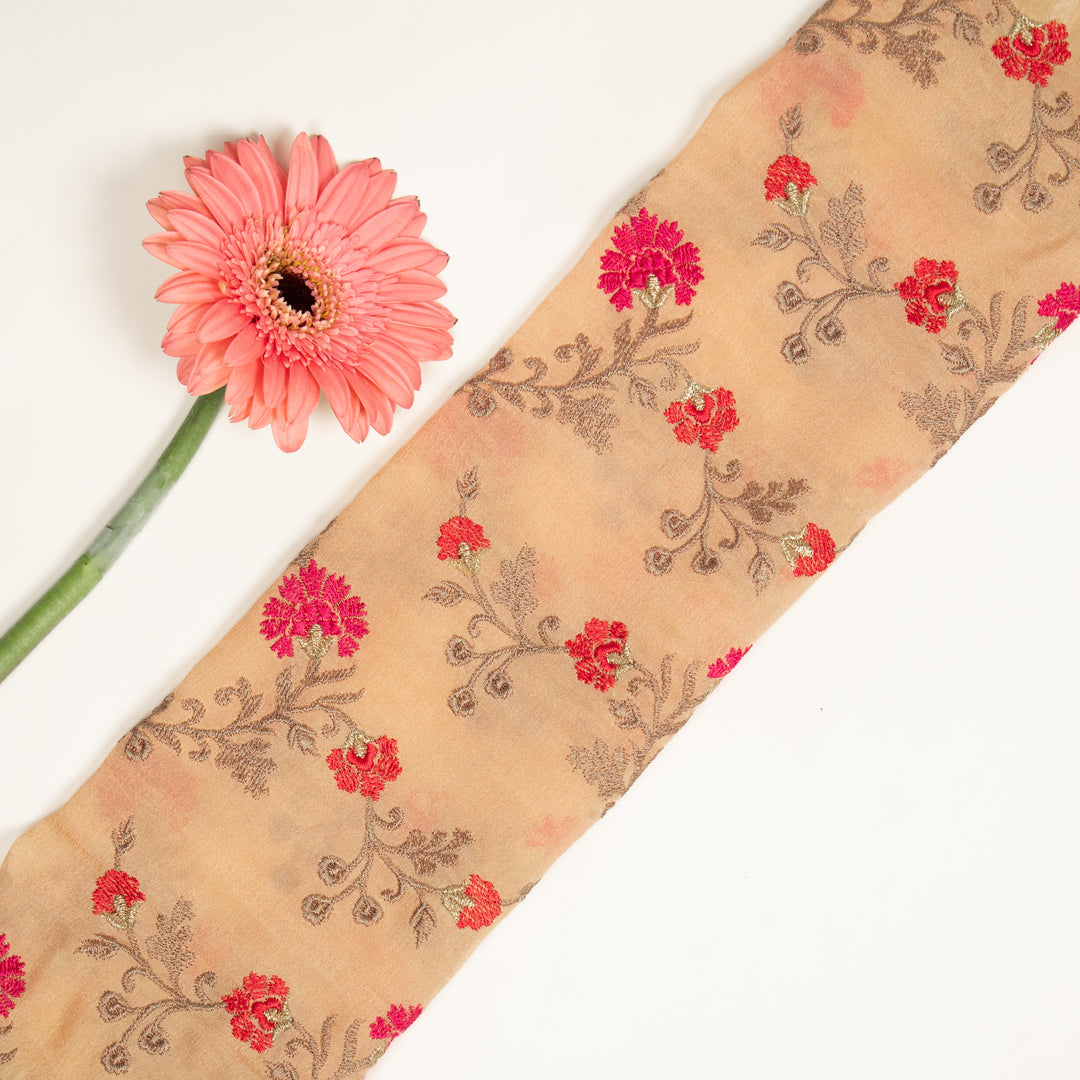
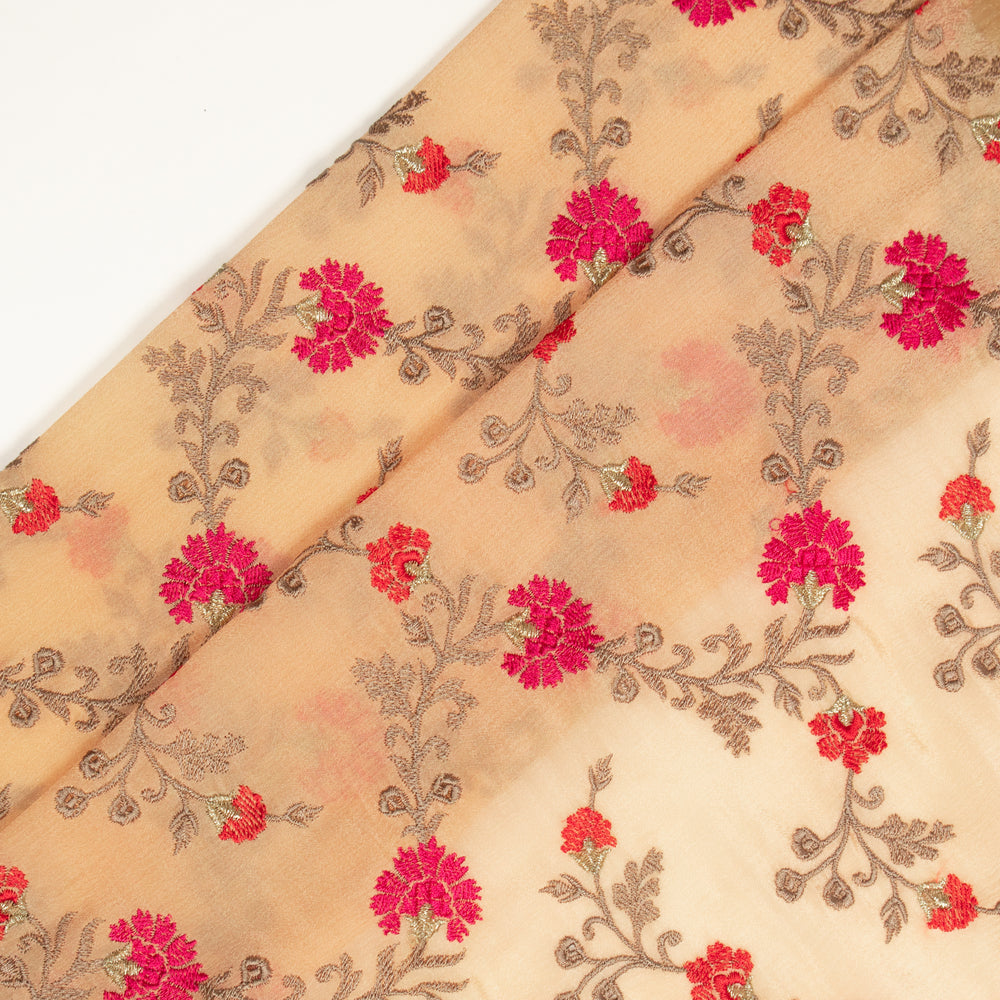
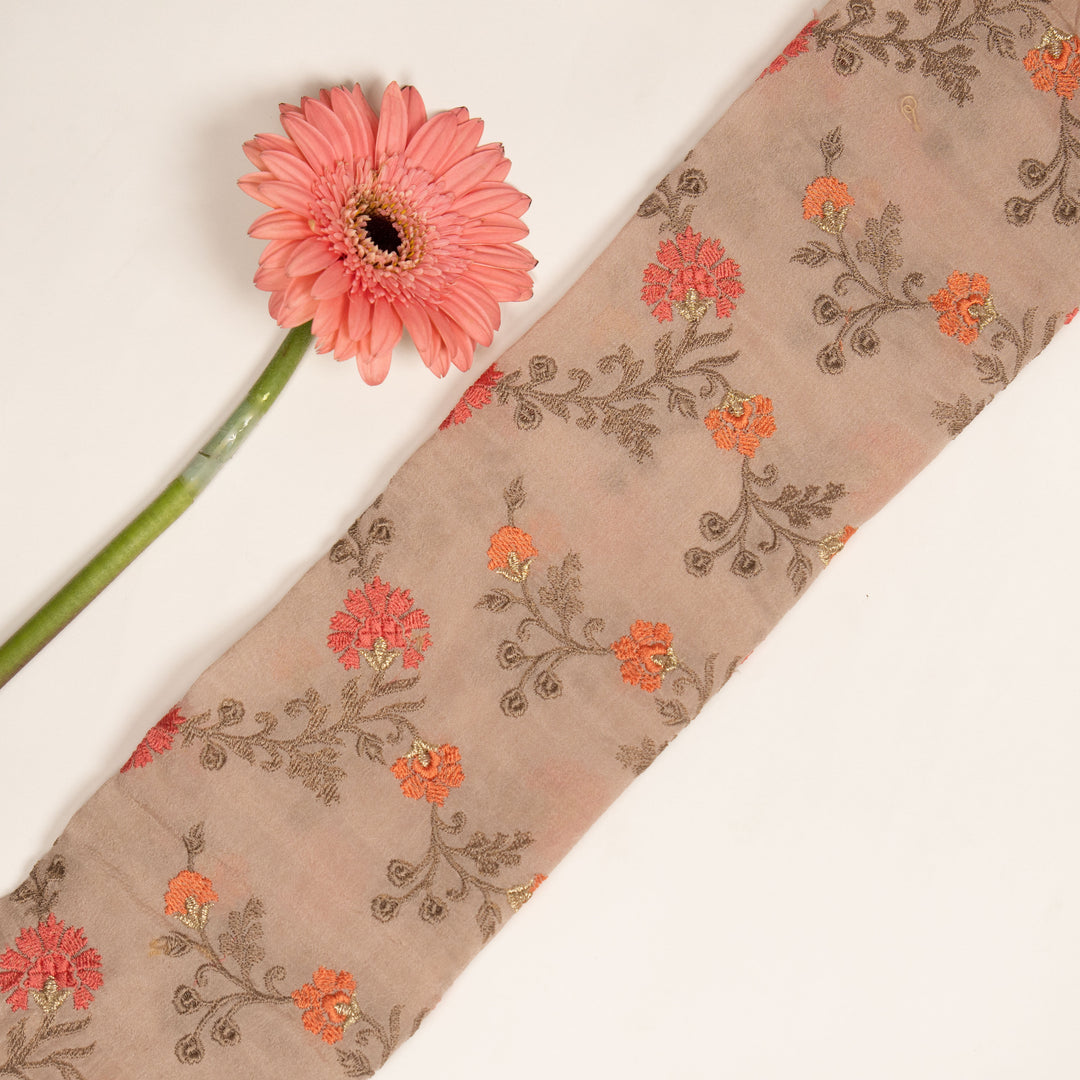
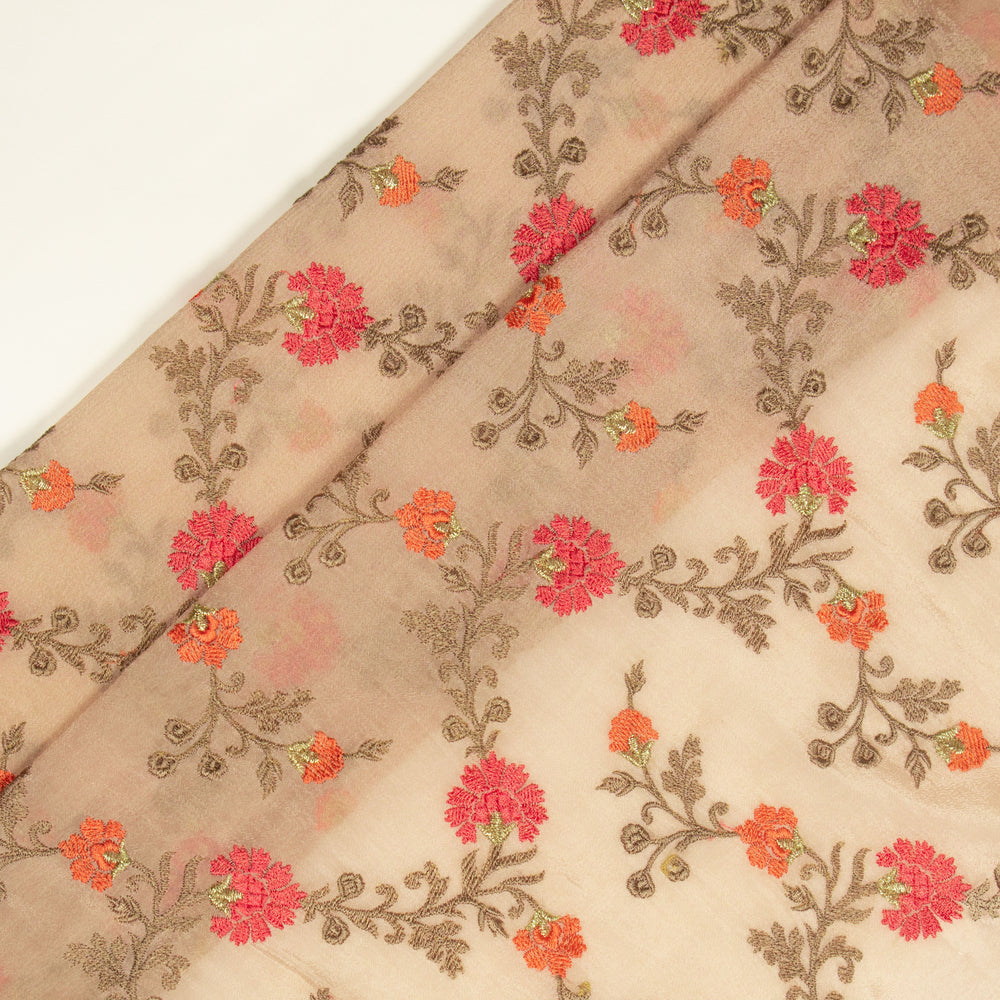
Silk georgette is made from pure silk threads, giving it a natural warmth, a soft matte finish, and far superior drape compared to polyester georgette. Embroidery on silk georgette sits more naturally and integrates with the fabric rather than sitting stiffly on top. Polyester georgette is more affordable and easier to maintain, but it lacks the breathability, texture depth, and luxury feel that makes silk georgette a preferred choice for high-end ethnic wear.
2.What kind of outfits can I make from embroidered silk georgette fabric?
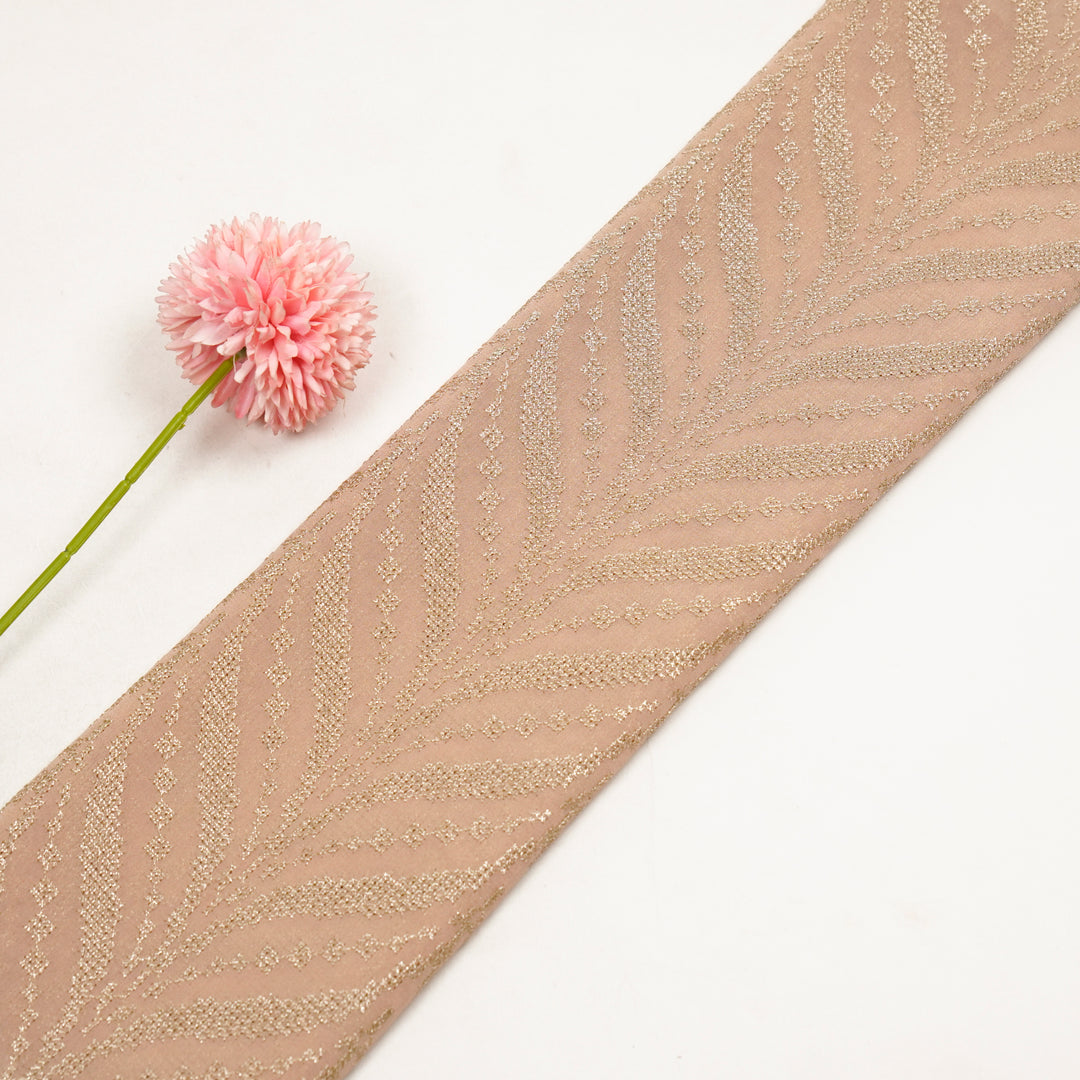
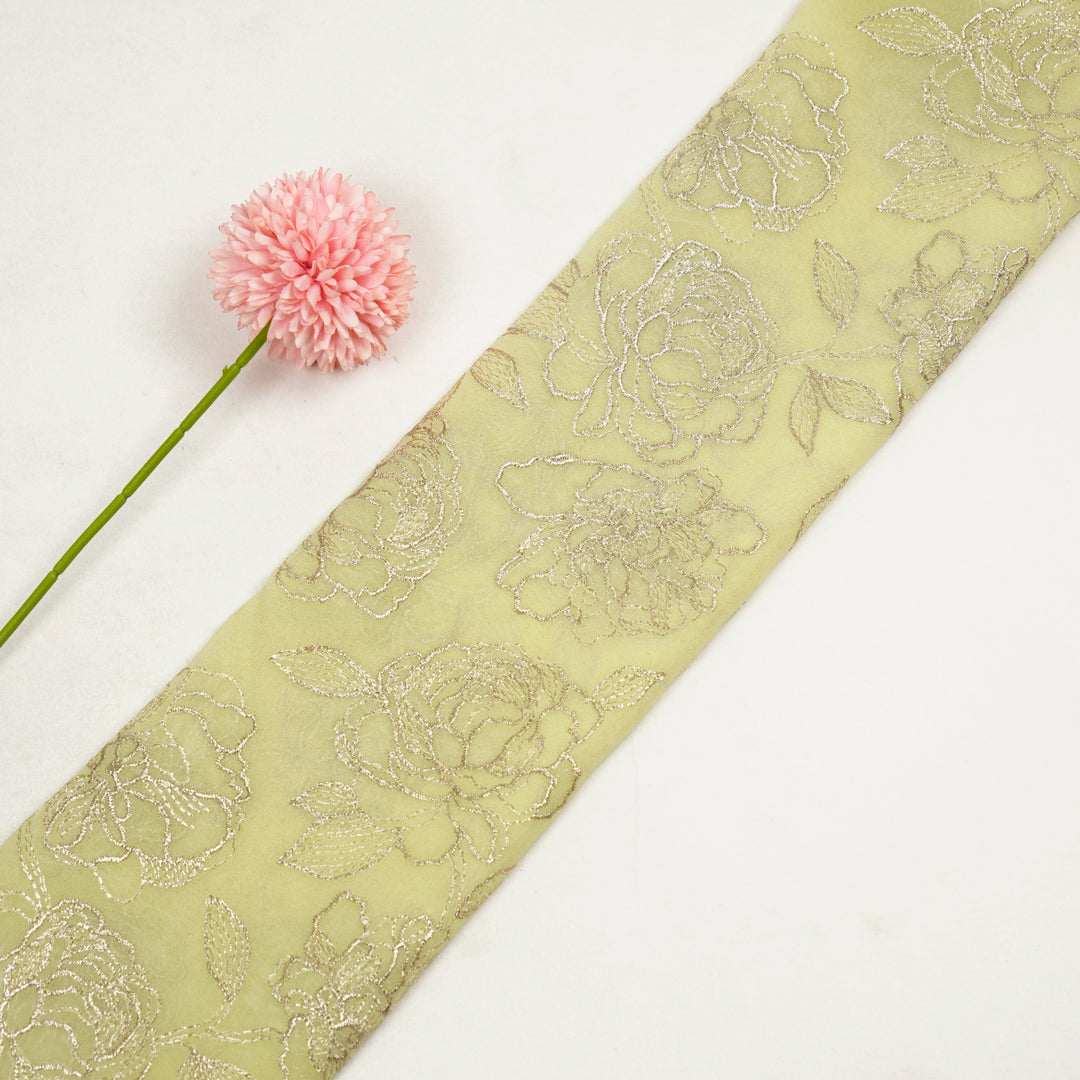
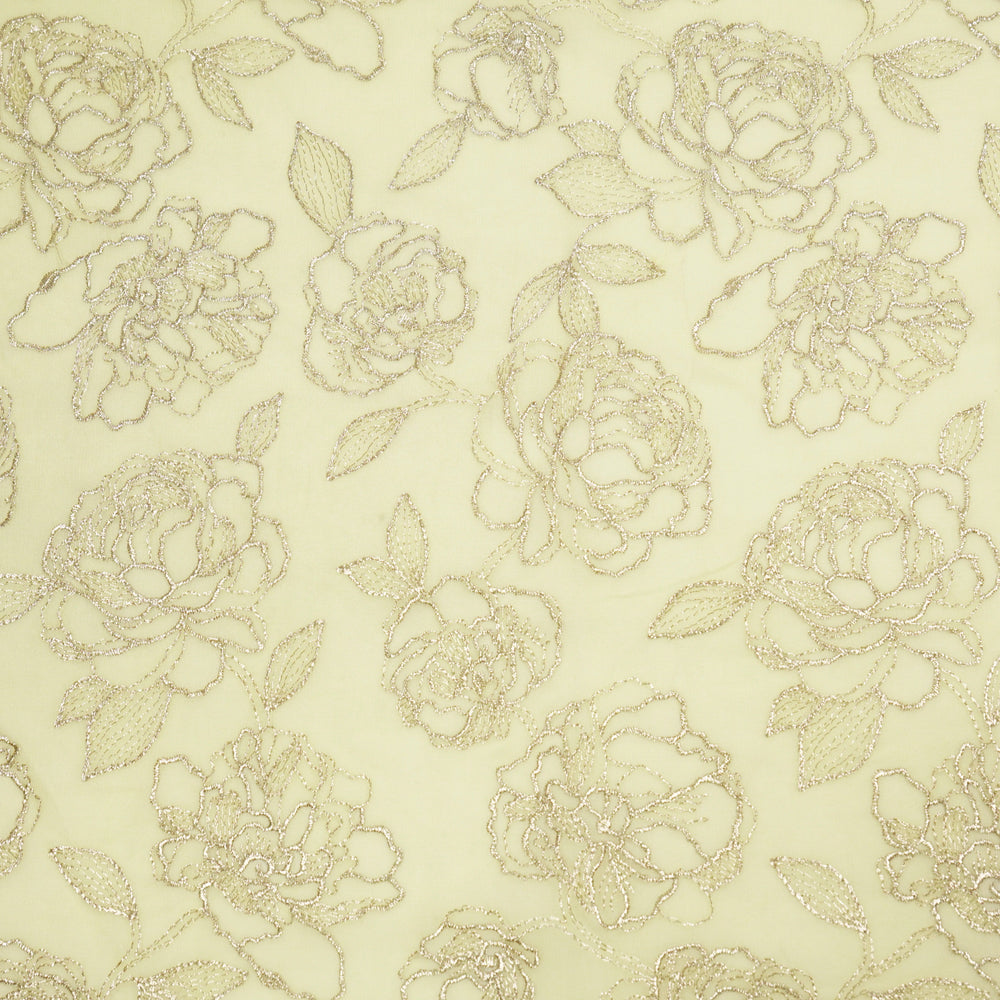
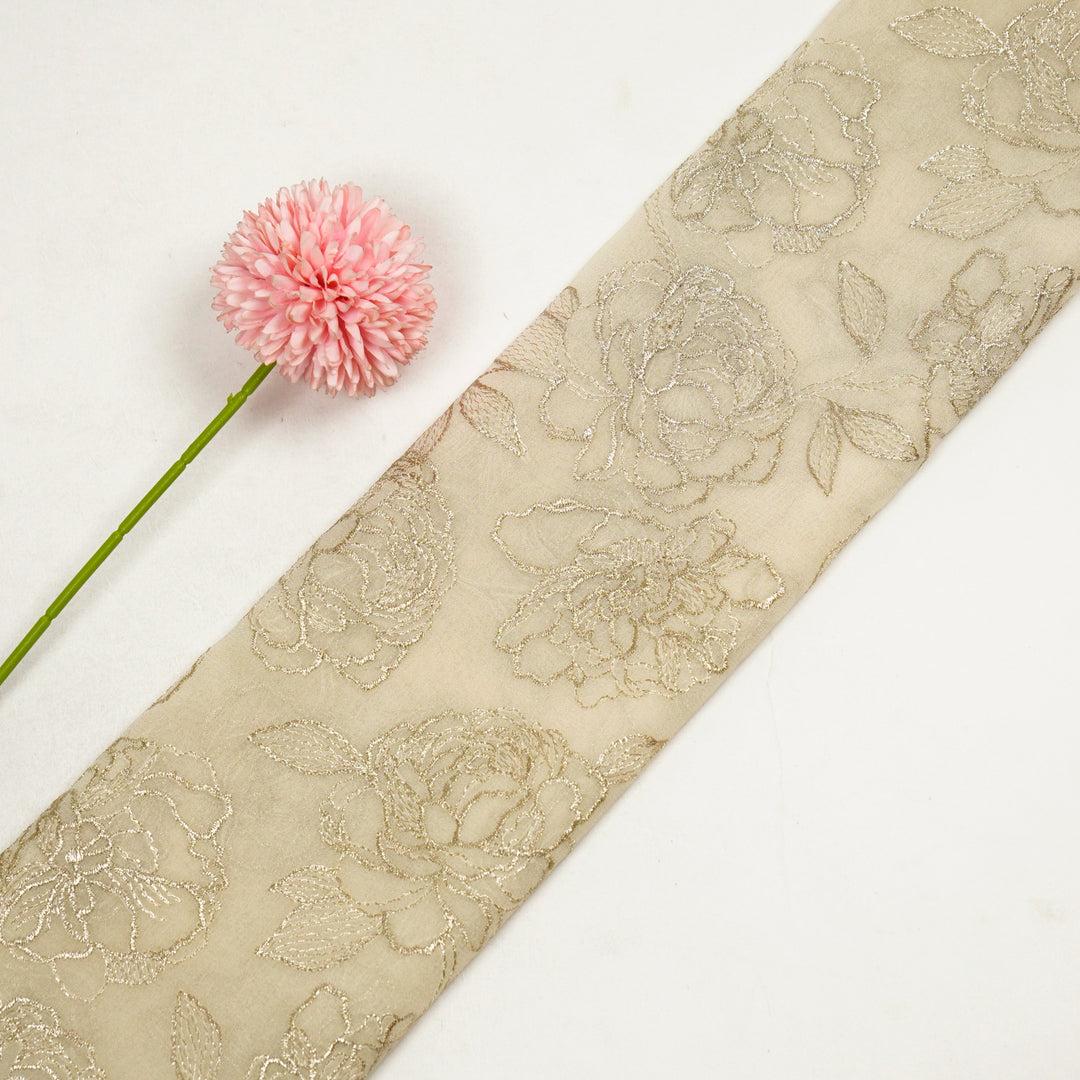
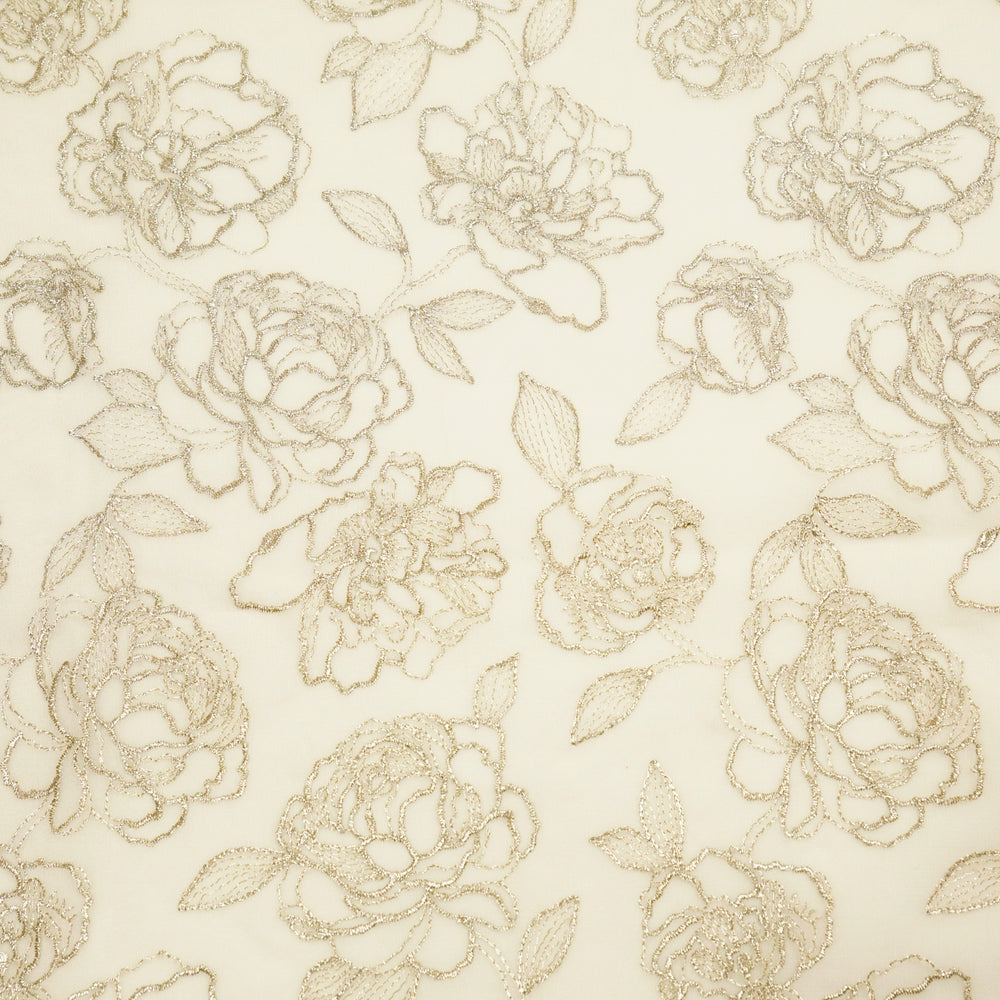
Embroidered silk georgette is a favourite for sarees, salwar suits, dupattas, and kurtas. Its excellent drape makes it especially suitable for sarees worn at weddings and formal events. Unstitched suit fabric in embroidered georgette can be stitched into anarkali kurtas, palazzo sets, or A-line salwar kameez. The fabric also works well as a lehenga skirt lining or as a blouse material for a softer, more textured look.
3.Is heavy embroidered georgette suitable for bridal wear?
Yes, heavily embroidered silk georgette is a popular choice for bridal and trousseau wear. The rich embroidery on the fluid, flowing base creates a dramatic silhouette that photographs beautifully. Many brides choose embroidered georgette for their reception or mehendi outfits when they want something luxurious yet lighter than a lehenga. The natural drape of silk georgette also ensures the embroidery stays smooth and doesn't bunch or wrinkle easily.
4.How do I wash and care for embroidered silk georgette fabric?
Embroidered silk georgette requires dry-cleaning for best results. If hand-washing is necessary, use cold water and a silk-specific mild detergent, and avoid any rubbing or wringing. After washing, roll the fabric gently in a towel to remove excess water and dry flat in shade. Iron on a low-heat setting with a pressing cloth between the iron and the fabric to protect both the silk and the embroidery threads.
5.What embroidery styles look best on georgette fabric?
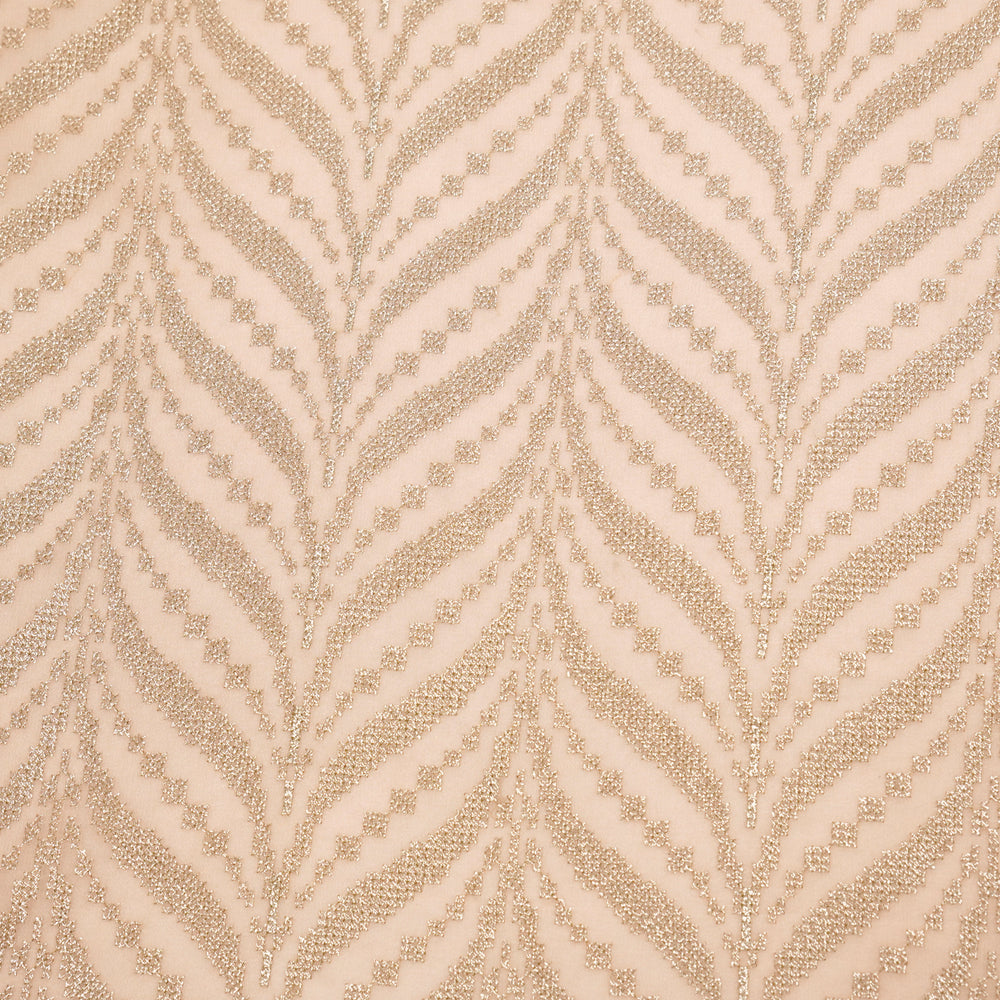
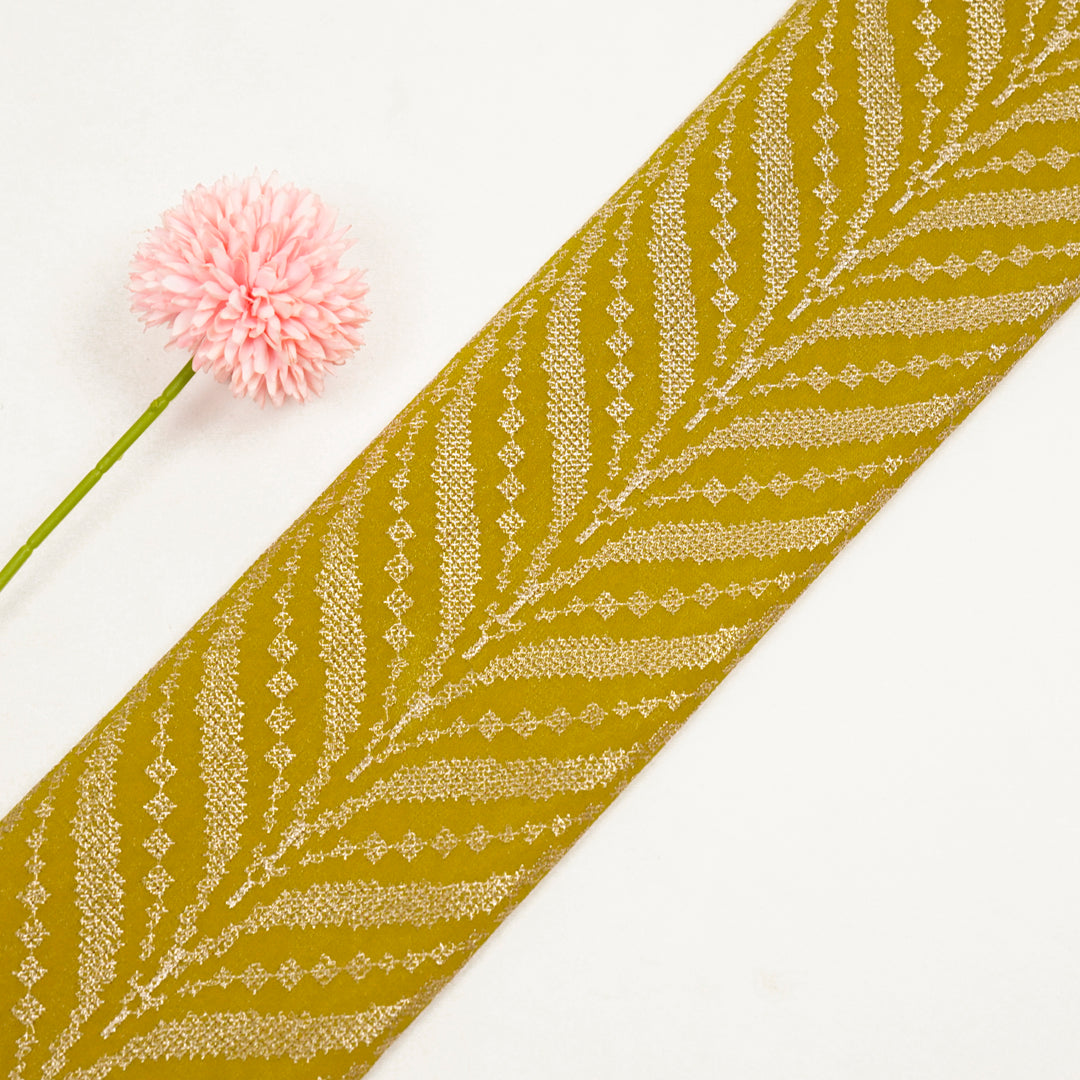
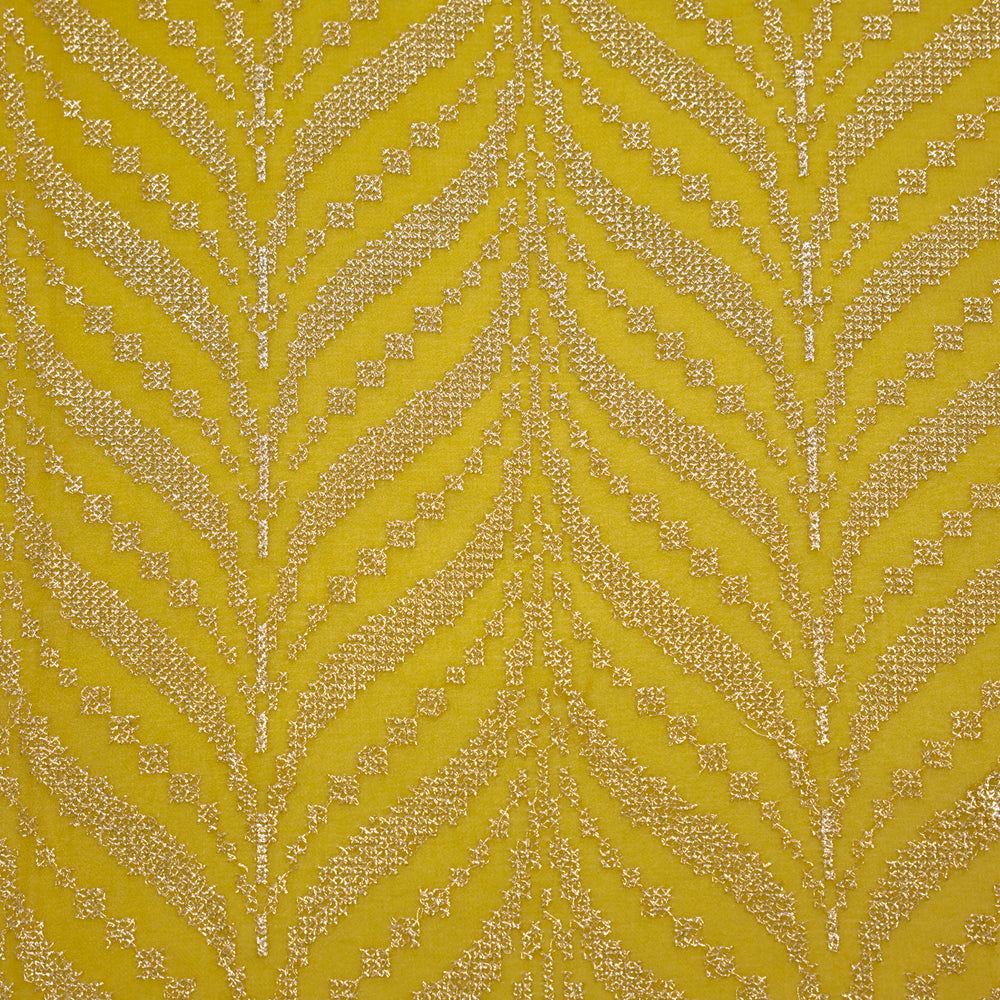
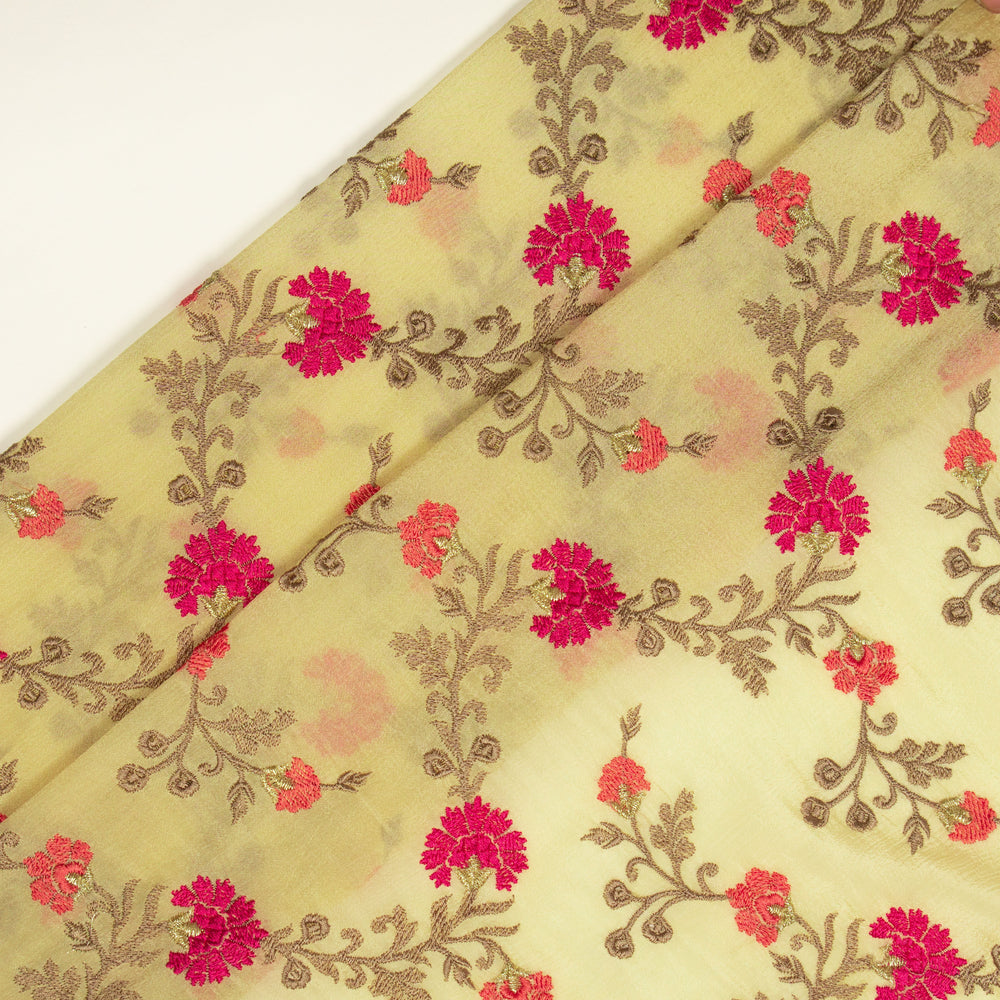
Thread-based embroidery styles like resham work, chikankari, and kashmiri threadwork are particularly well-suited to georgette because the fabric's crinkled texture provides natural grip for the stitches. Zari work also looks stunning on georgette, especially for festive pieces. Avoid overly heavy, stiff embroidery like dense zardosi on light georgette, as the weight can distort the fabric's natural drape over time.
6.What colours of embroidered georgette fabric are trending for weddings?
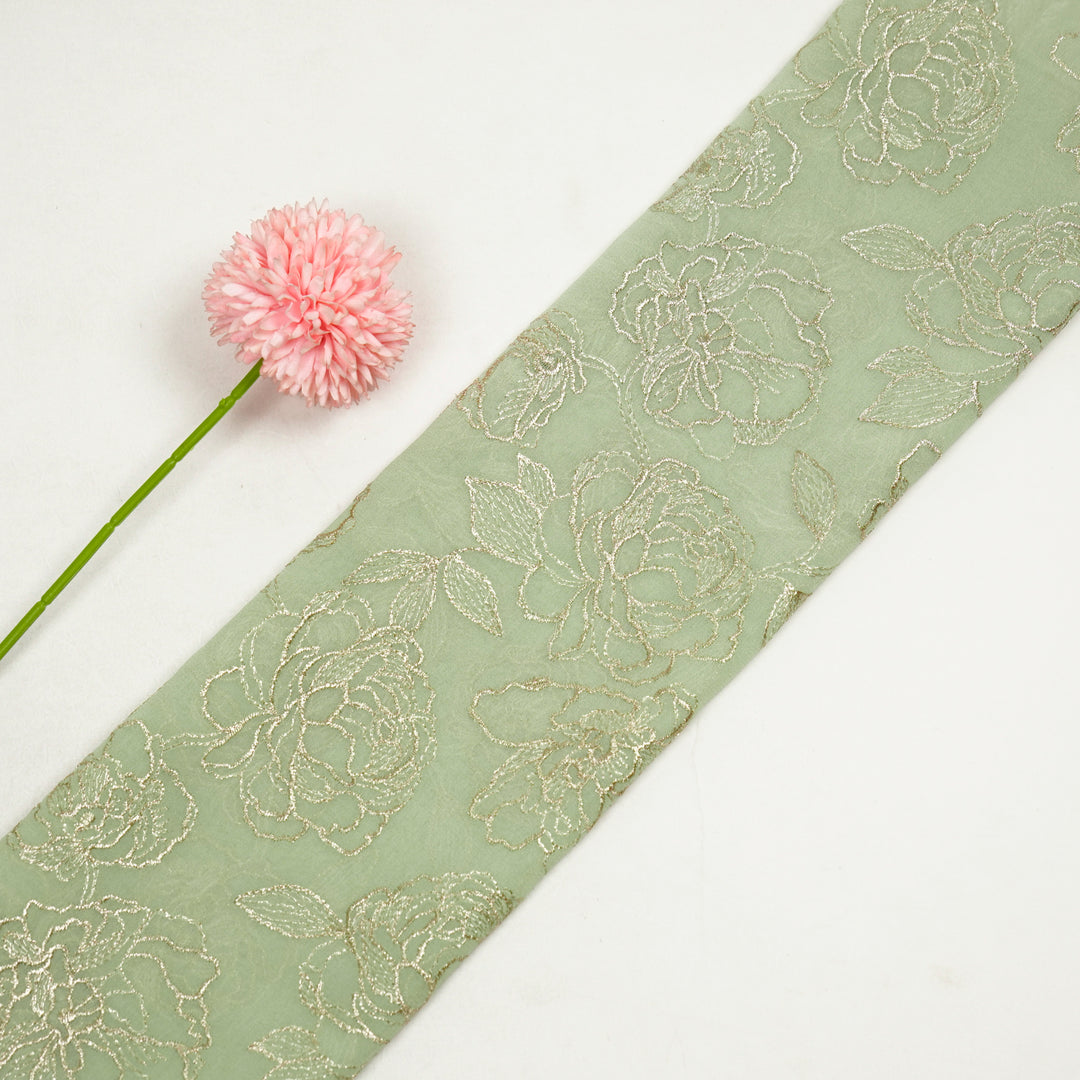
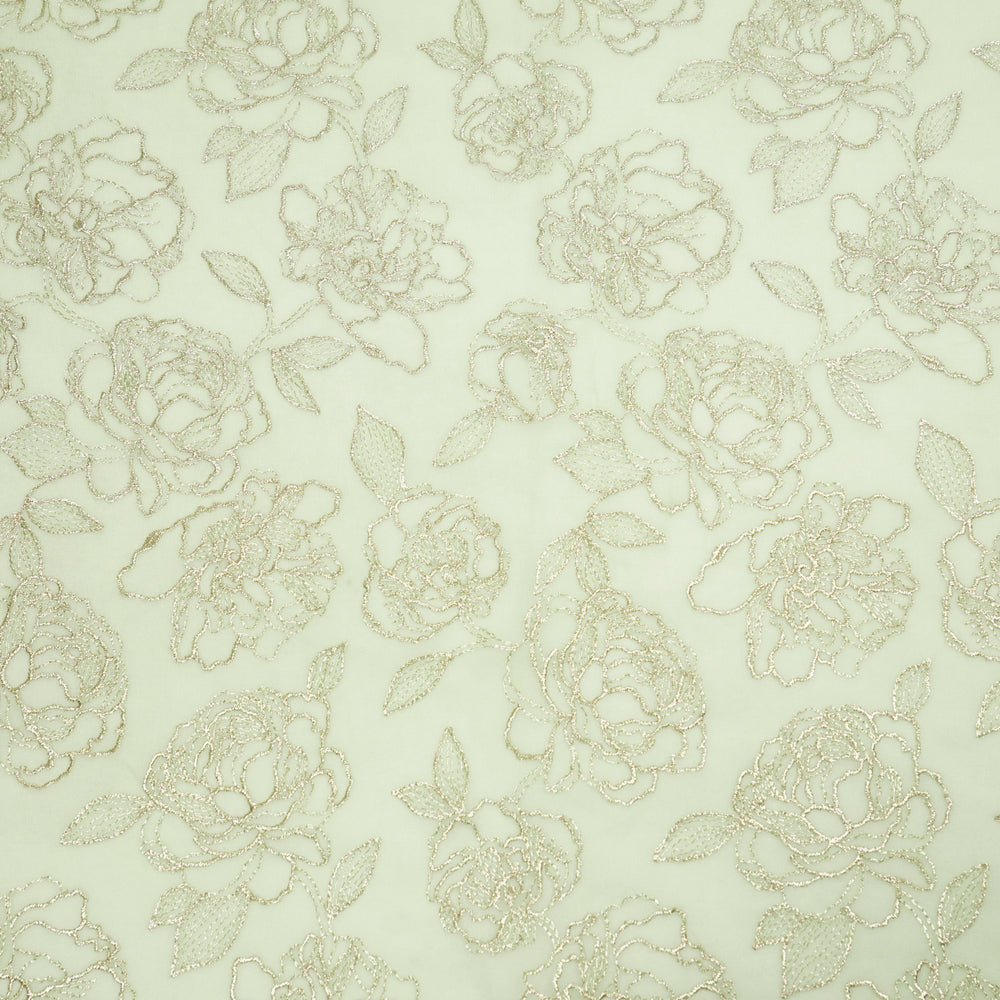
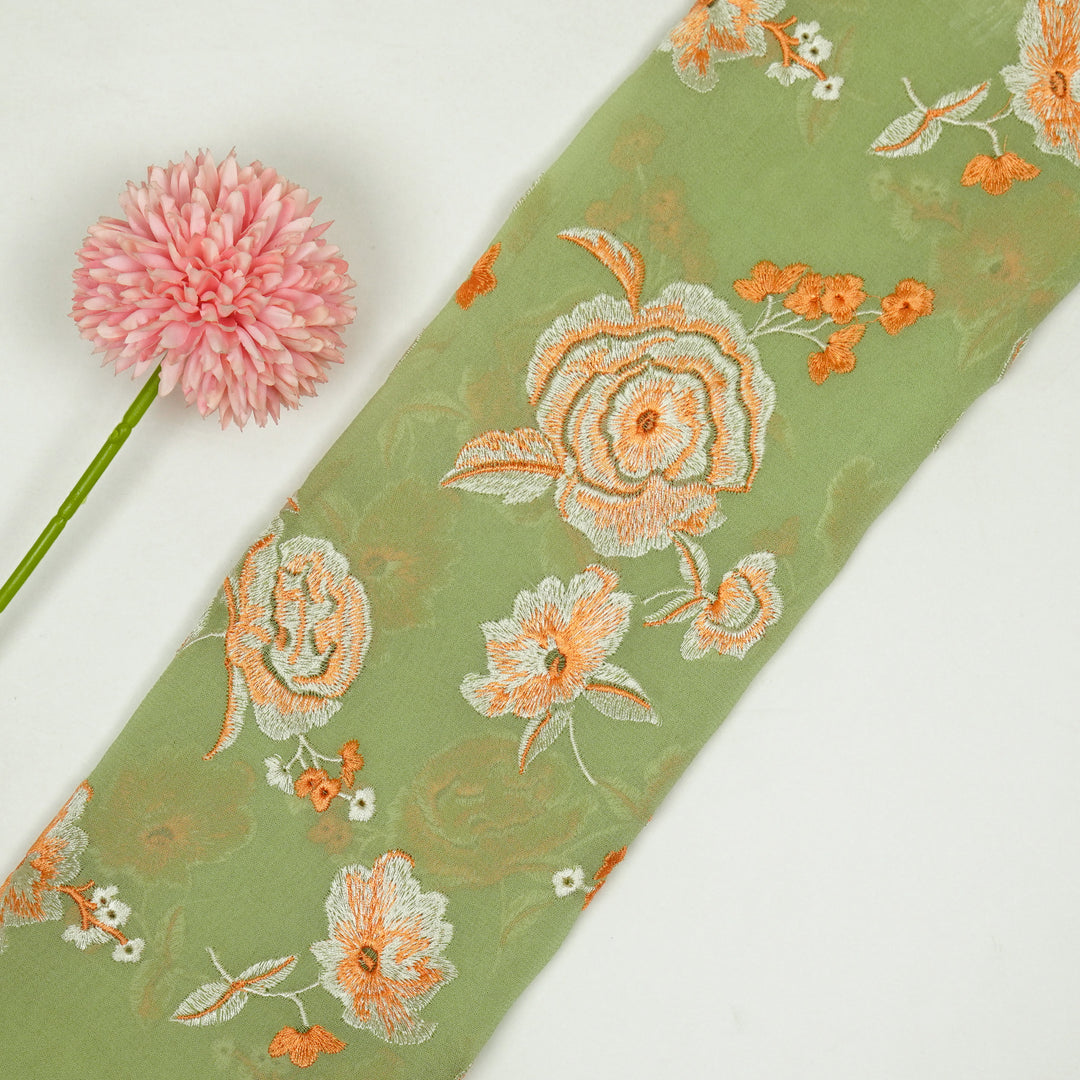
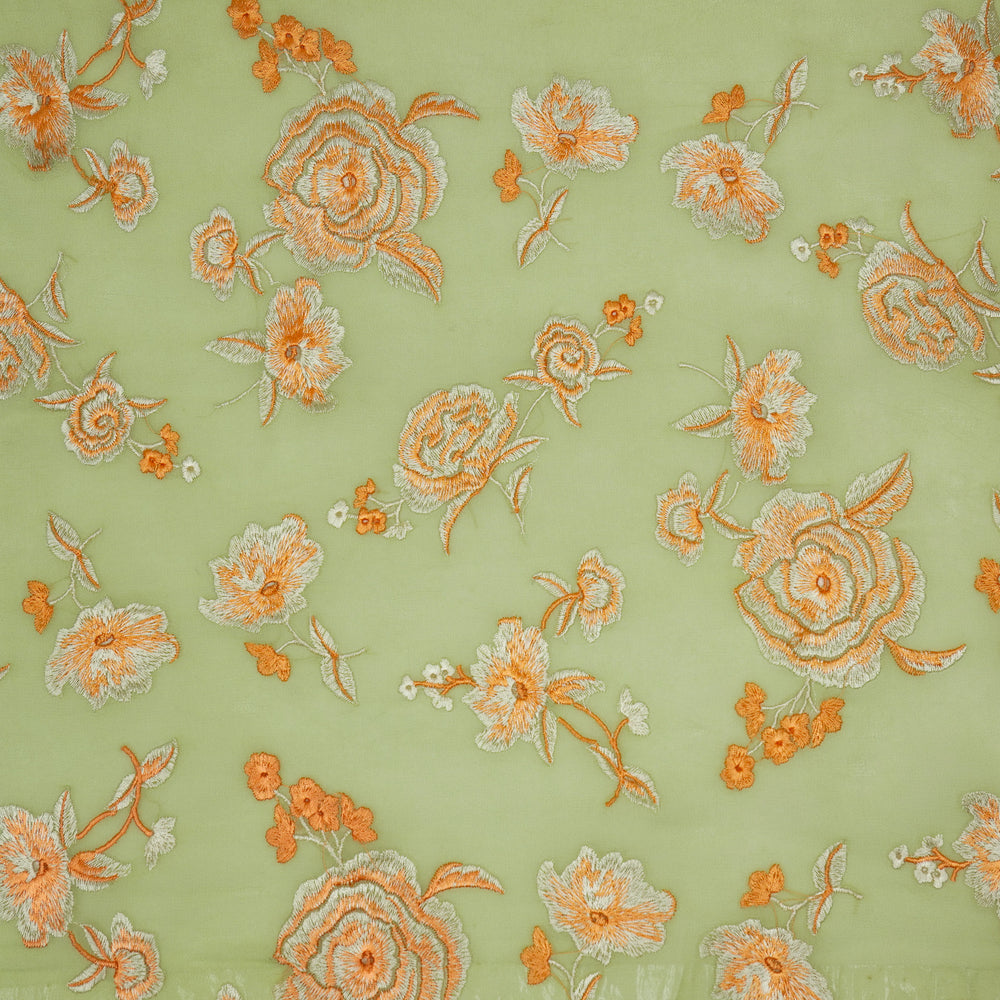
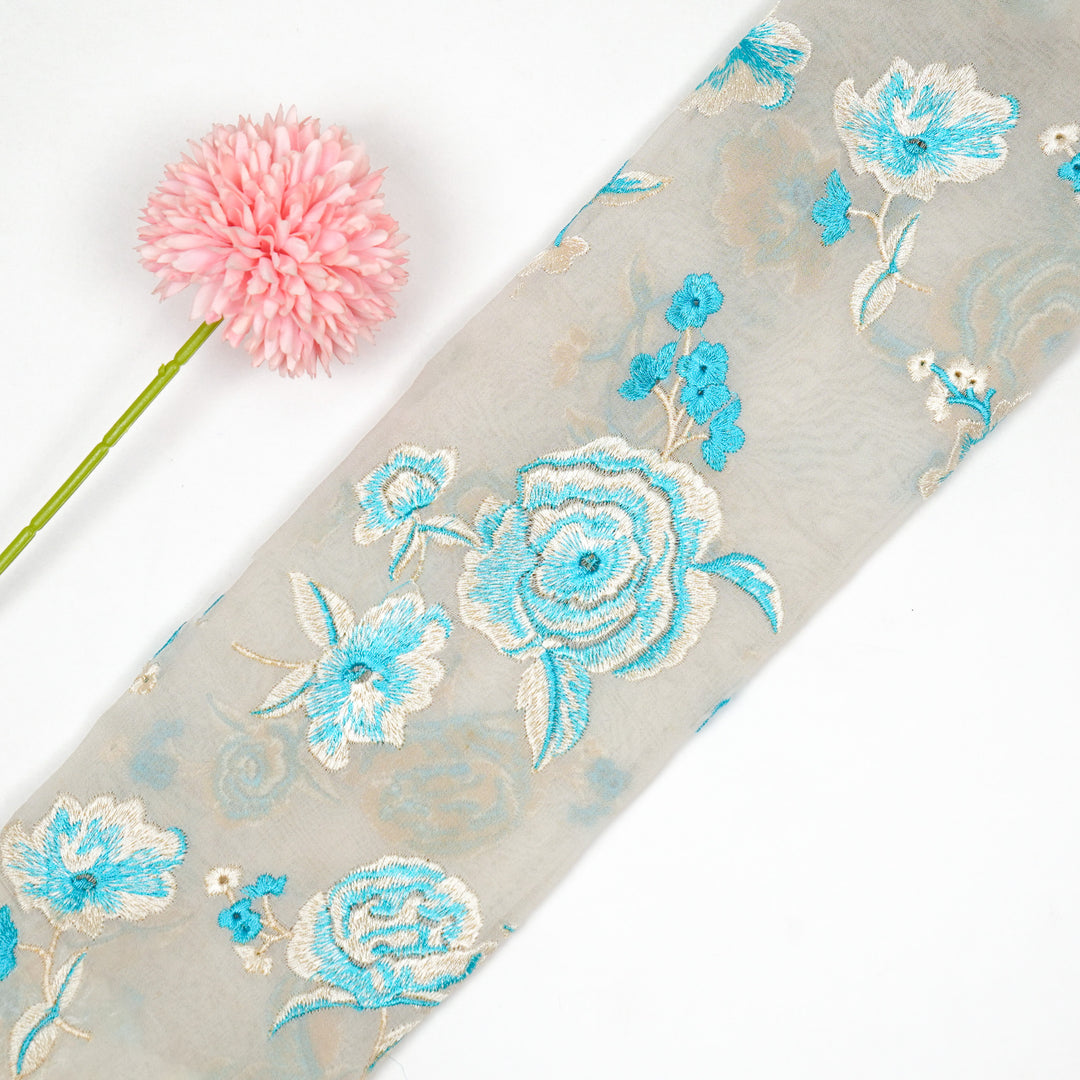
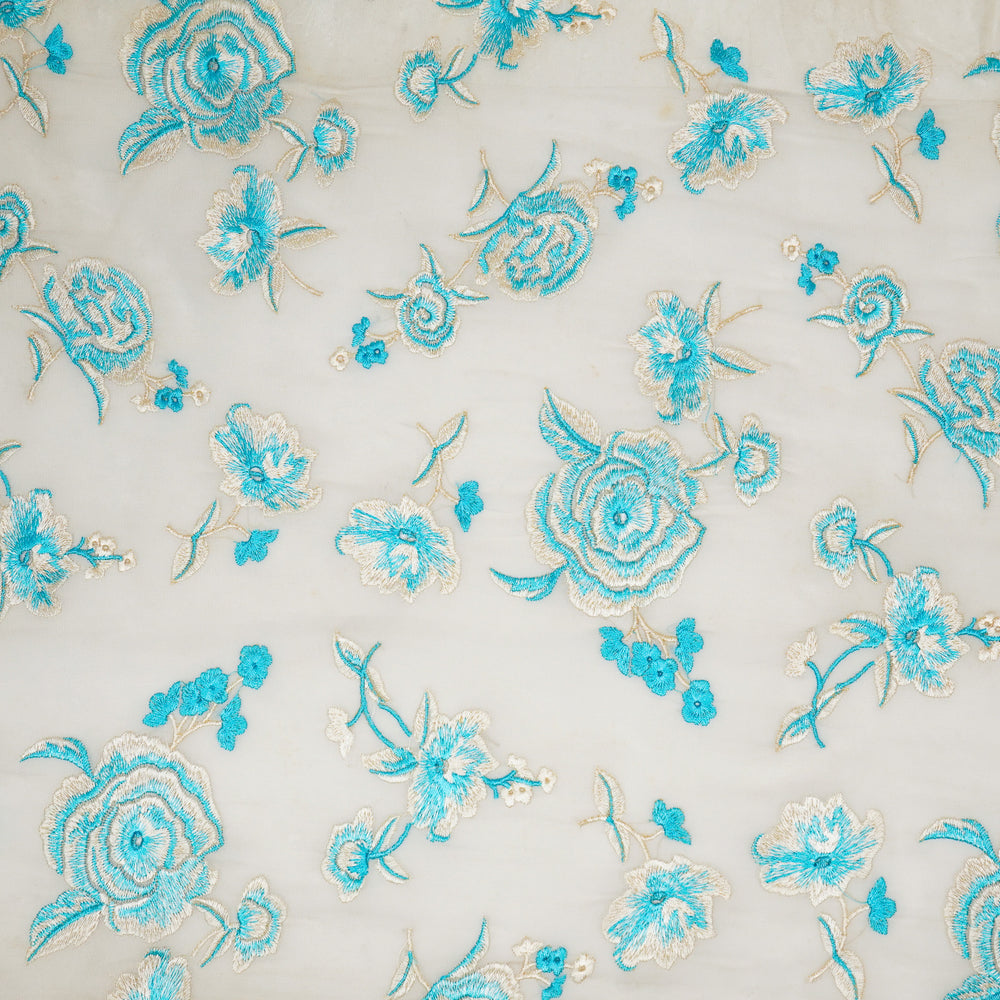
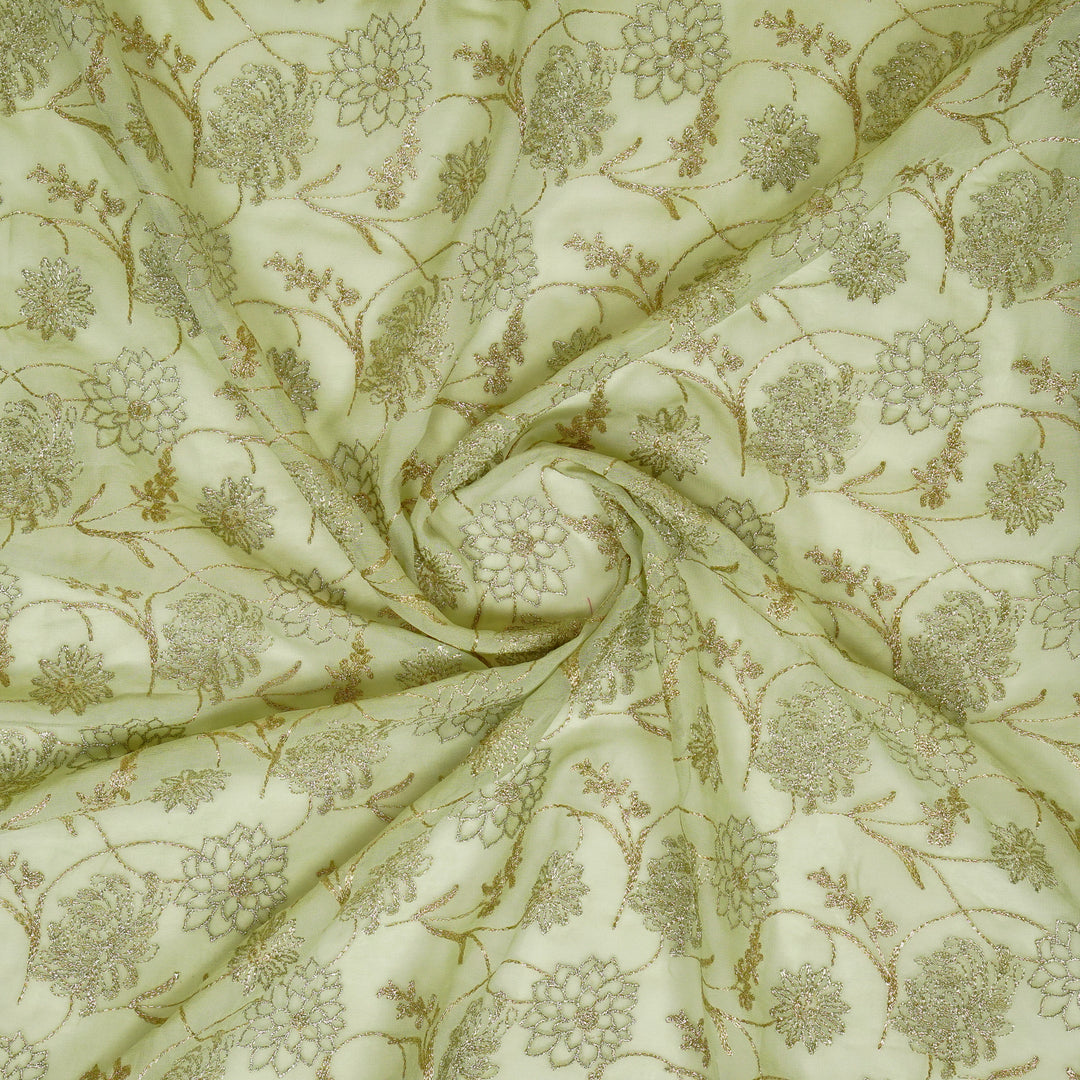
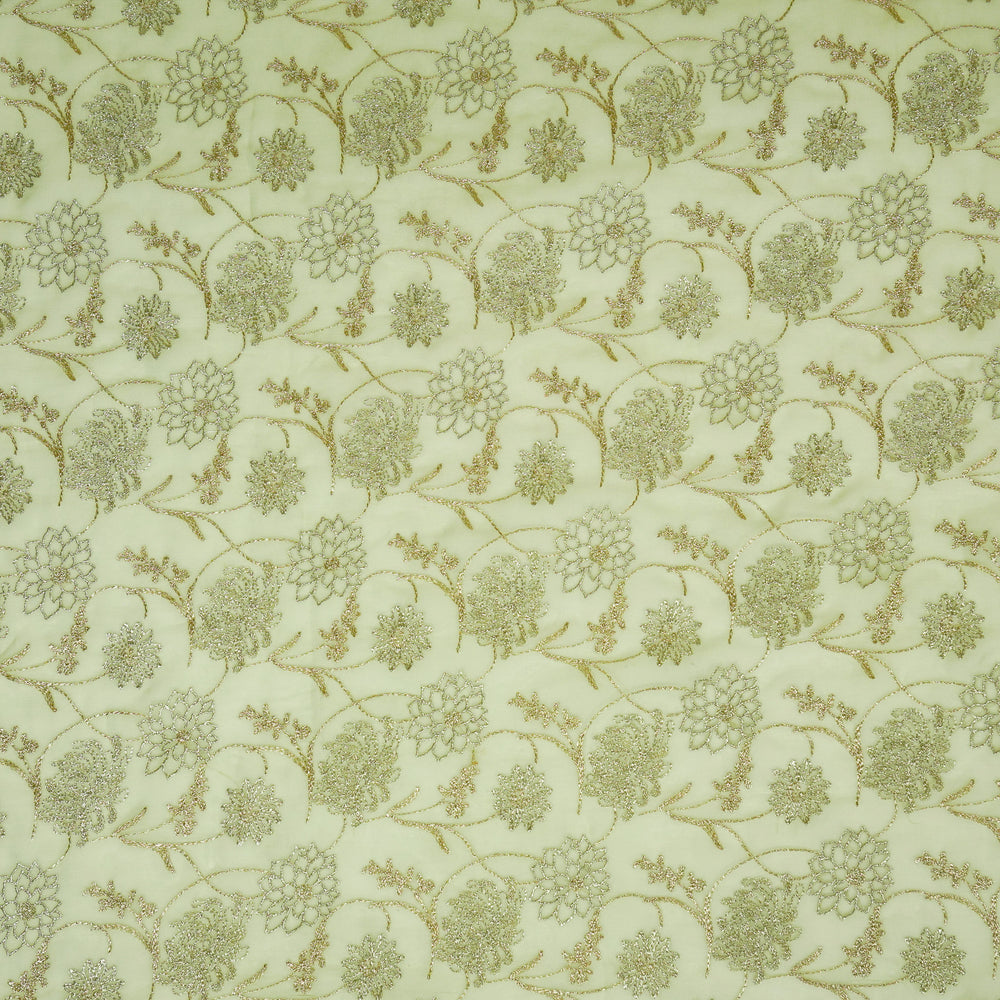
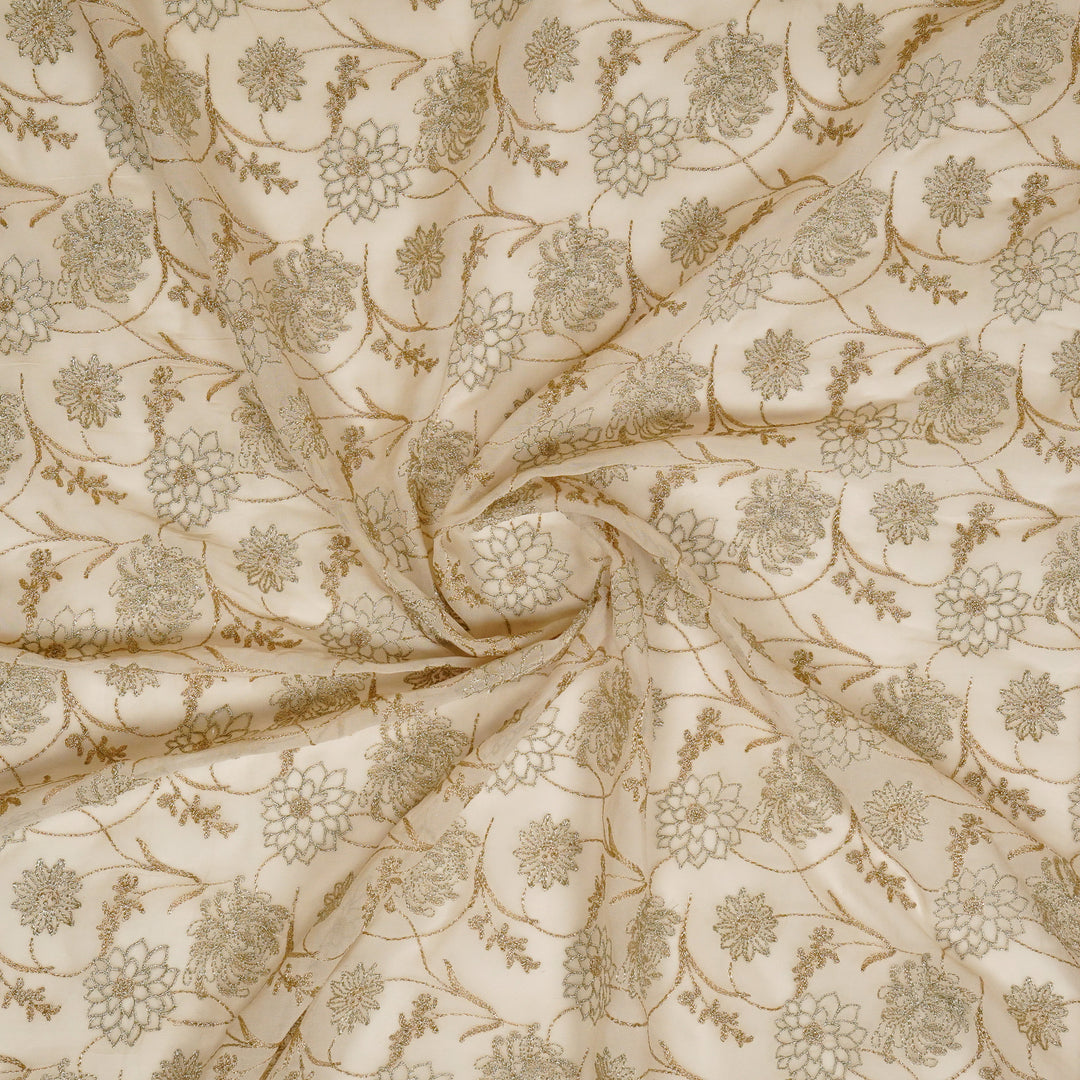
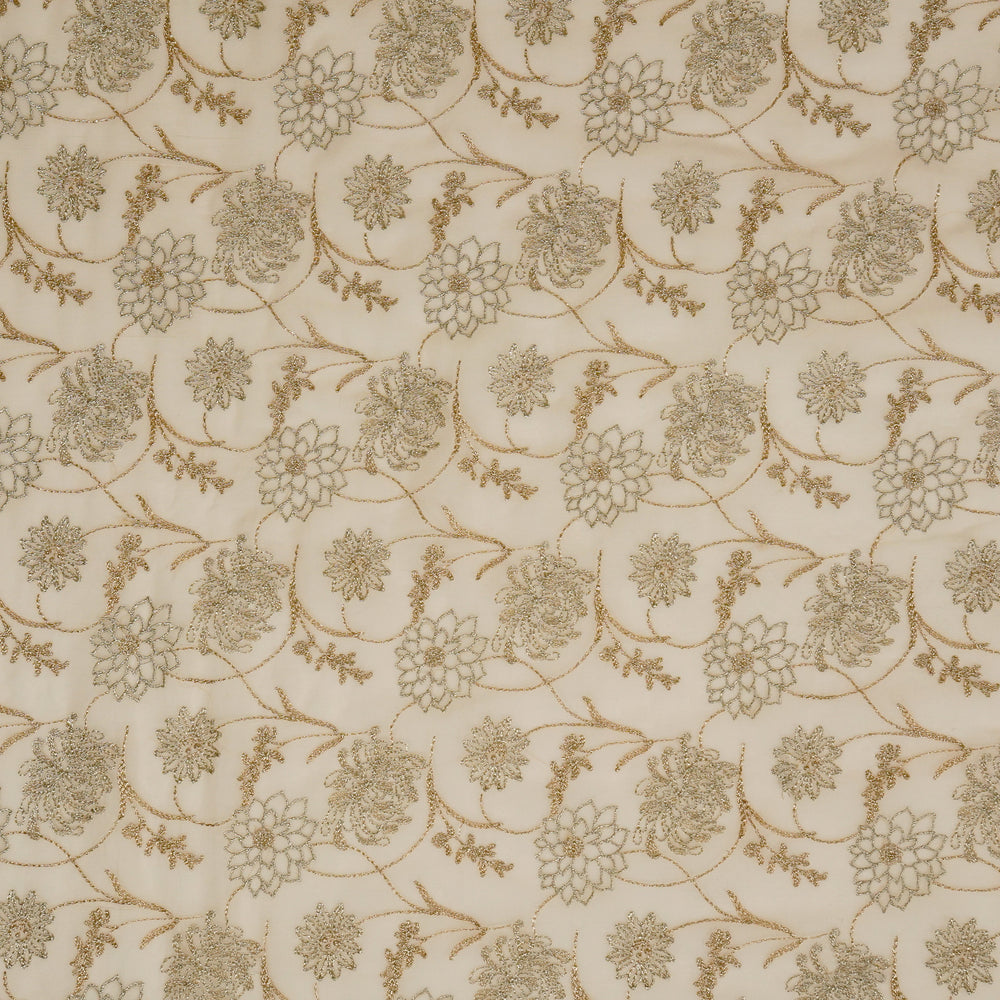
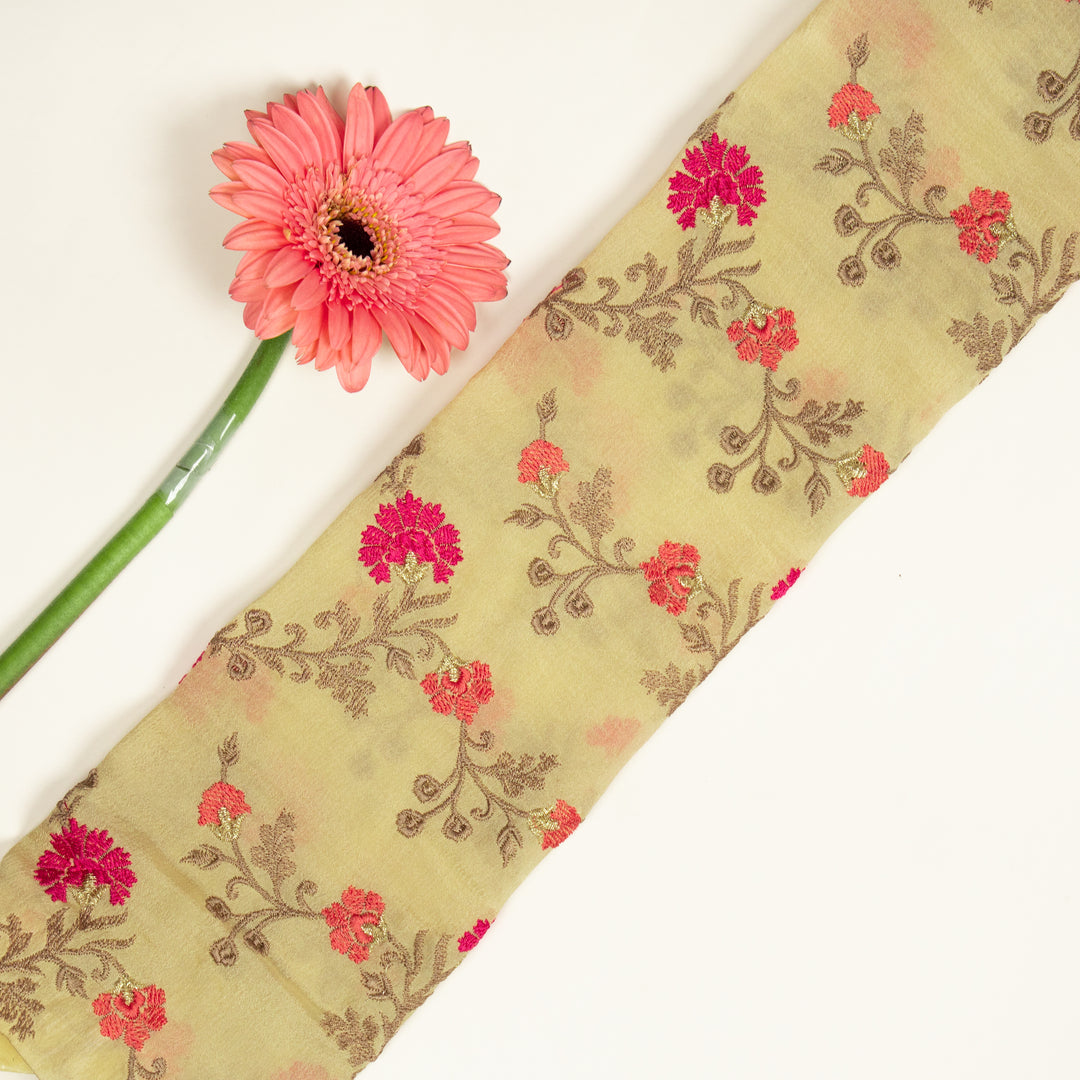
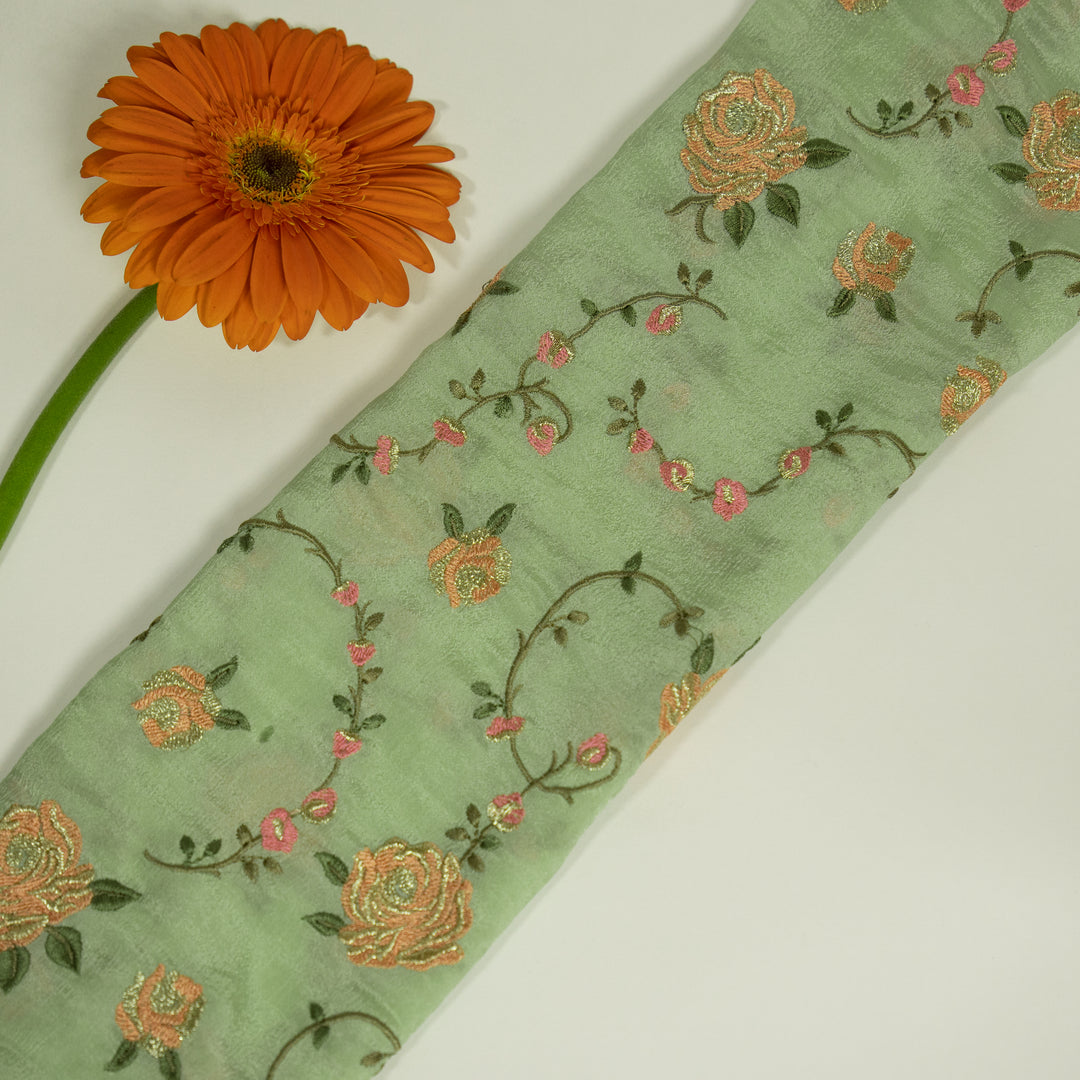
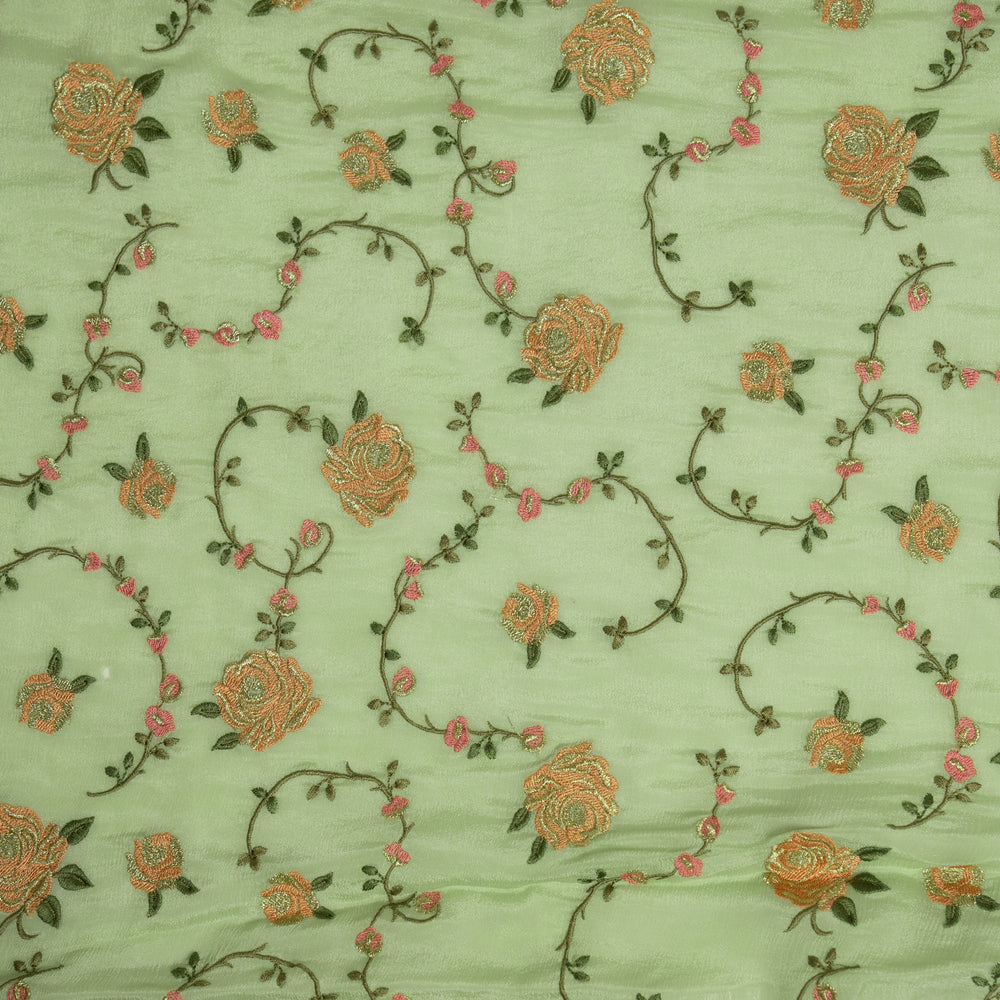
Deep jewel tones like royal blue, bottle green, sea green, and wine are consistently popular for wedding season georgette. Pista green georgette with gold embroidery has seen a significant rise in demand for festive occasions. For more understated elegance, powder blue and ivory georgette with delicate resham work are beautiful alternatives. Black embroidered georgette is also a sophisticated choice for evening receptions.
7.Can embroidered georgette be used for blouse material?
Yes, embroidered georgette makes a beautiful blouse material, especially for pairing with chiffon or net sarees. The fluid drape of georgette creates a soft, feminine blouse silhouette rather than the structured look of stiffer fabrics. Choose lightly embroidered georgette for everyday wear saree blouses and more heavily embroidered pieces for festive or bridal blouses. The sheer quality of georgette also allows the embroidery thread colours to shine through clearly.
8.What is the difference between chikankari georgette and regular embroidered georgette?
Chikankari is a specific style of hand embroidery originating from Lucknow that features delicate shadow-work, small floral motifs, and open-weave stitches on light fabrics like georgette, chiffon, or cotton. Regular embroidered georgette can feature any embroidery style, including resham, zari, or machine embroidery. Chikankari georgette tends to have a more subtle, refined look compared to the bolder patterns found in other embroidered styles.
9.Is embroidered georgette fabric good for summer?
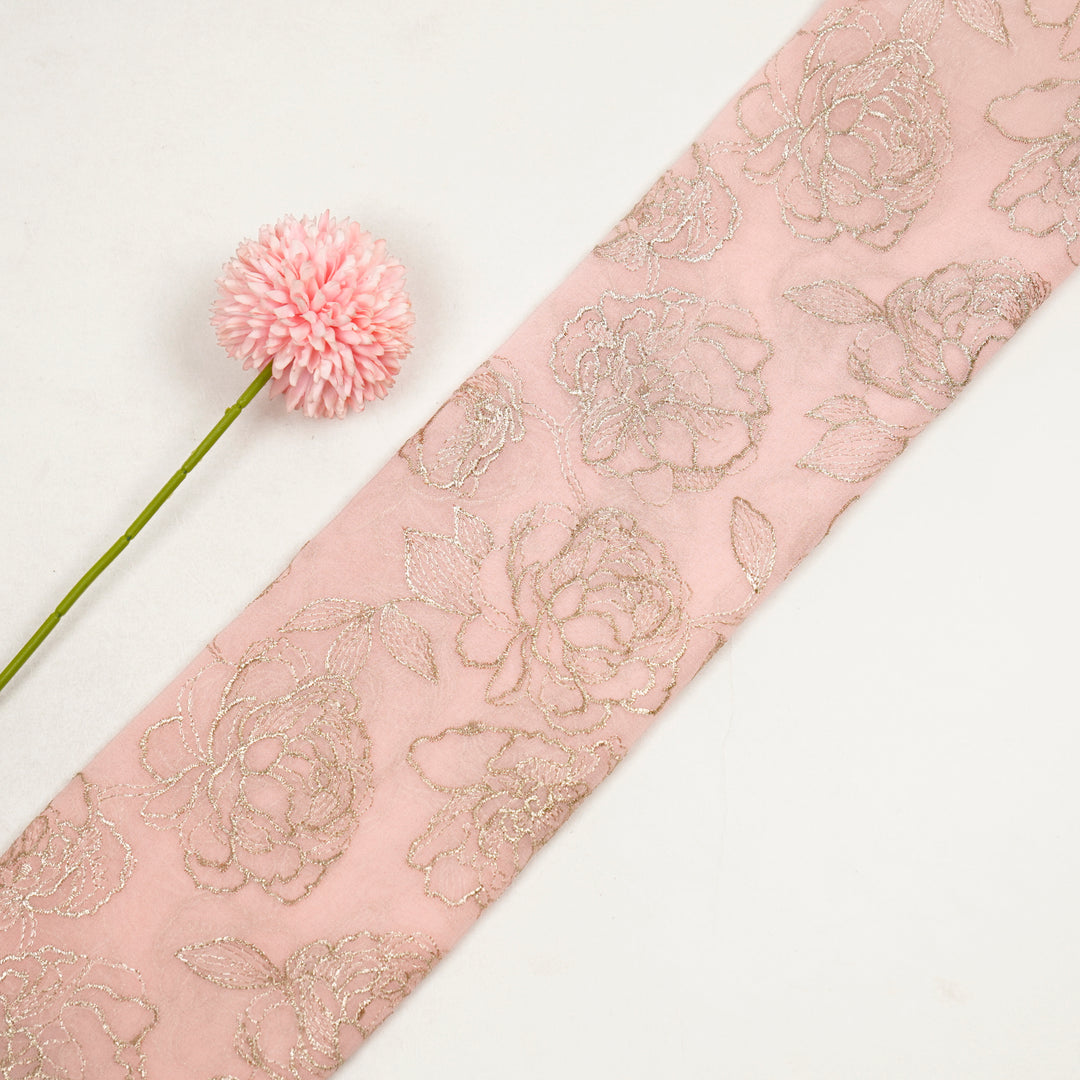
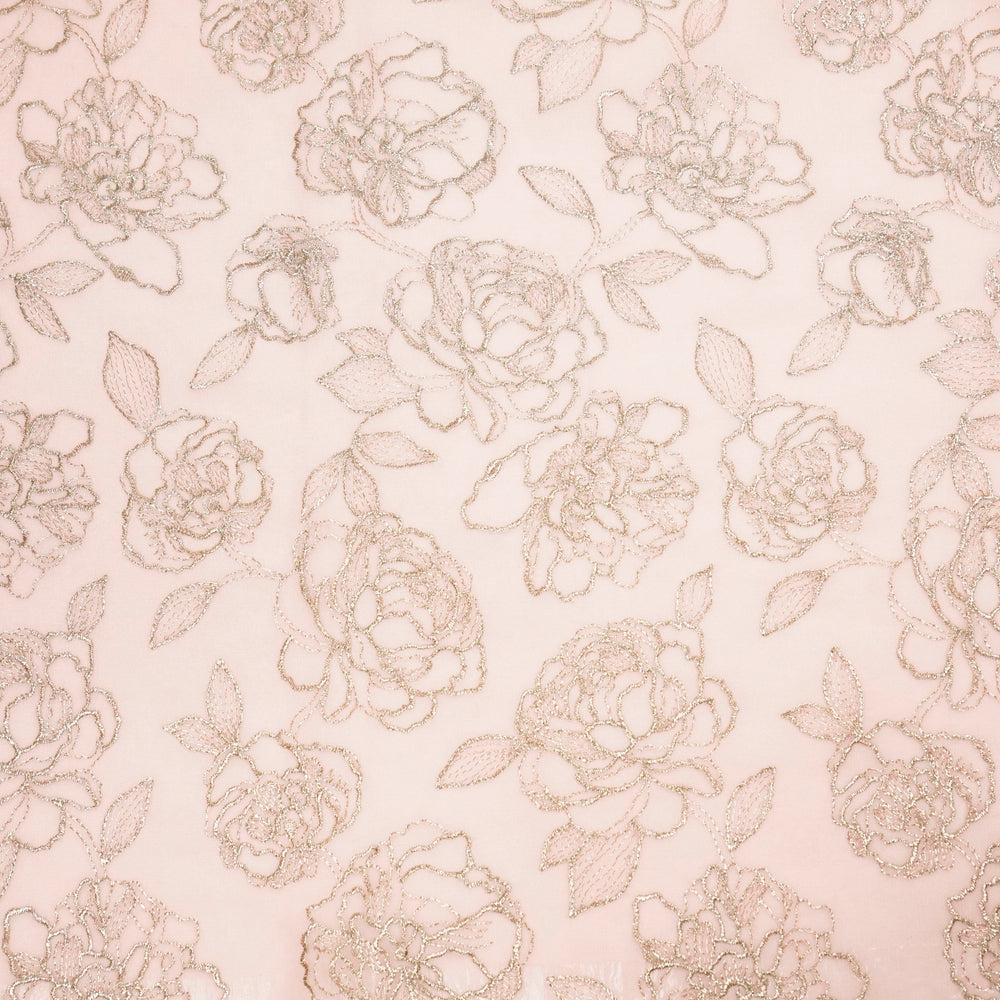
Silk georgette is relatively breathable compared to many synthetic fabrics, making it a reasonable choice for warm weather when cut into sarees or lightly layered outfits. However, for the hottest months, cotton-based or mulmul fabrics are more comfortable. Lightly embroidered georgette suits and sarees in lighter colours like ivory, mint green, or pastel pink work well for summer weddings and outdoor functions where you need to balance elegance with comfort.
10.How do I choose between embroidered silk georgette and embroidered silk organza for a saree?
Georgette drapes softly and flows with movement, making it ideal for sarees where you want a fluid, graceful silhouette. Organza has a crisper, stiffer quality that creates more structured pleats and a more architectural look. If you want a saree that moves elegantly, choose georgette. If you prefer sharp, defined folds and a slightly dramatic silhouette, organza is the better choice. Both are stunning for weddings and festive occasions.
11.What is the approximate price range for embroidered silk georgette fabric at Zarinama?
Prices for embroidered silk georgette at Zarinama depend on the density and style of embroidery, the base fabric quality, and the length purchased. Lightly embroidered pieces are more accessible, while heavily worked all-over embroidery in silk georgette is priced in the premium range. Zarinama's focus on luxury craftsmanship means these fabrics represent a significant quality step above mass-market alternatives.
12.Why does embroidered georgette fabric cost more than embroidered polyester?
The cost difference comes down to the raw material and craftsmanship. Genuine silk threads are significantly more expensive to produce than polyester, and the embroidery on quality georgette is often done by skilled artisans using finer techniques. Silk georgette also requires more careful handling during the embroidery process to maintain the fabric's drape and integrity. These factors collectively result in a higher price point that reflects genuine artisanal value.