



Embroidered Munga Silk


FAQ
1.What is munga silk and how is it different from other silk varieties?
Munga silk, also known as muga silk, is a rare variety of wild silk produced from the Antheraea assamensis silkworm found primarily in Assam, India. It has a naturally golden or champagne sheen that deepens with age and washing, unlike mulberry silk which tends to be white. Munga silk is known for its exceptional durability, natural lustre, and resistance to UV degradation, making it one of the most prized silk varieties in India.
2.What does munga silk look like and what colours does it naturally come in?
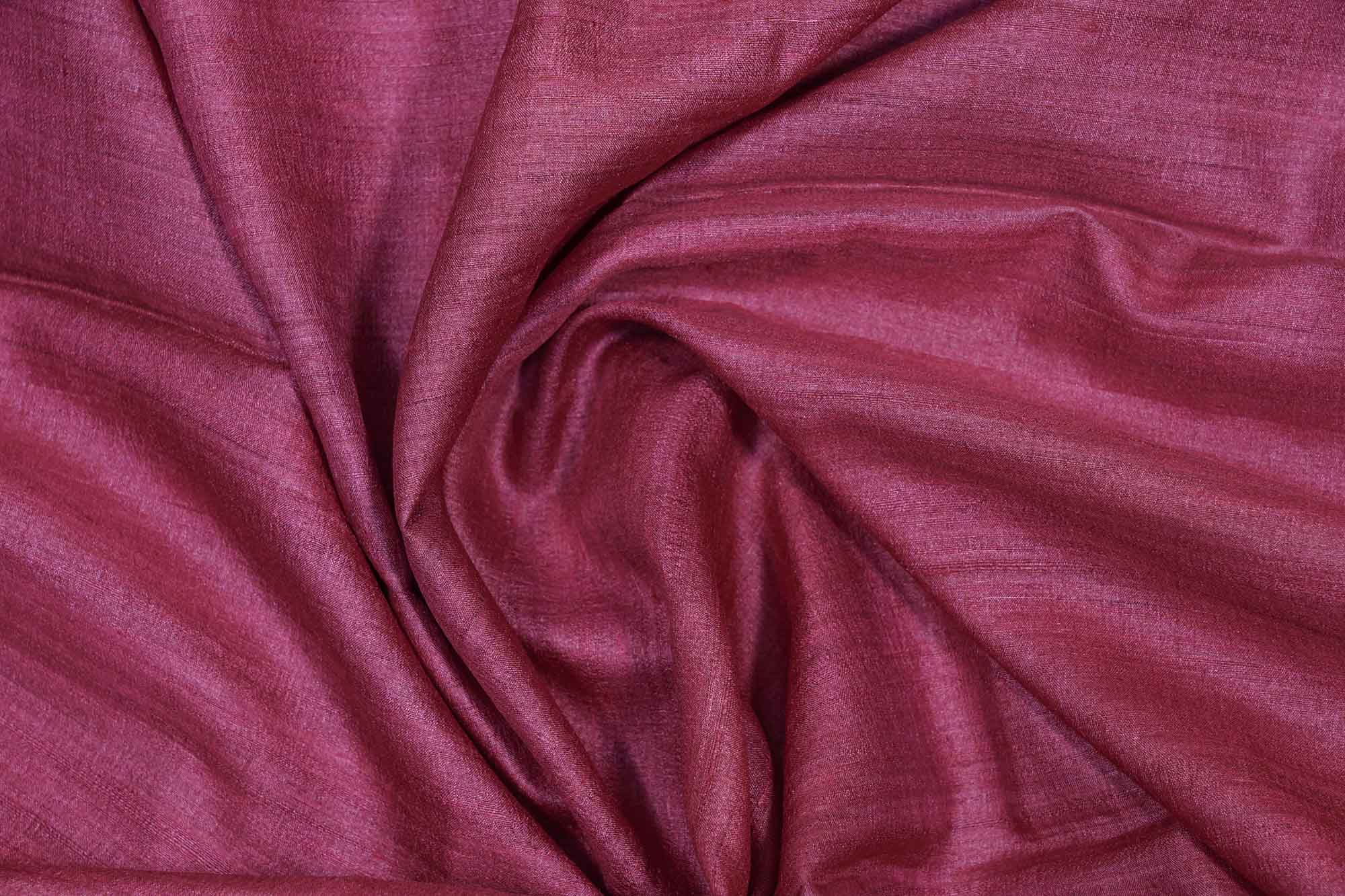
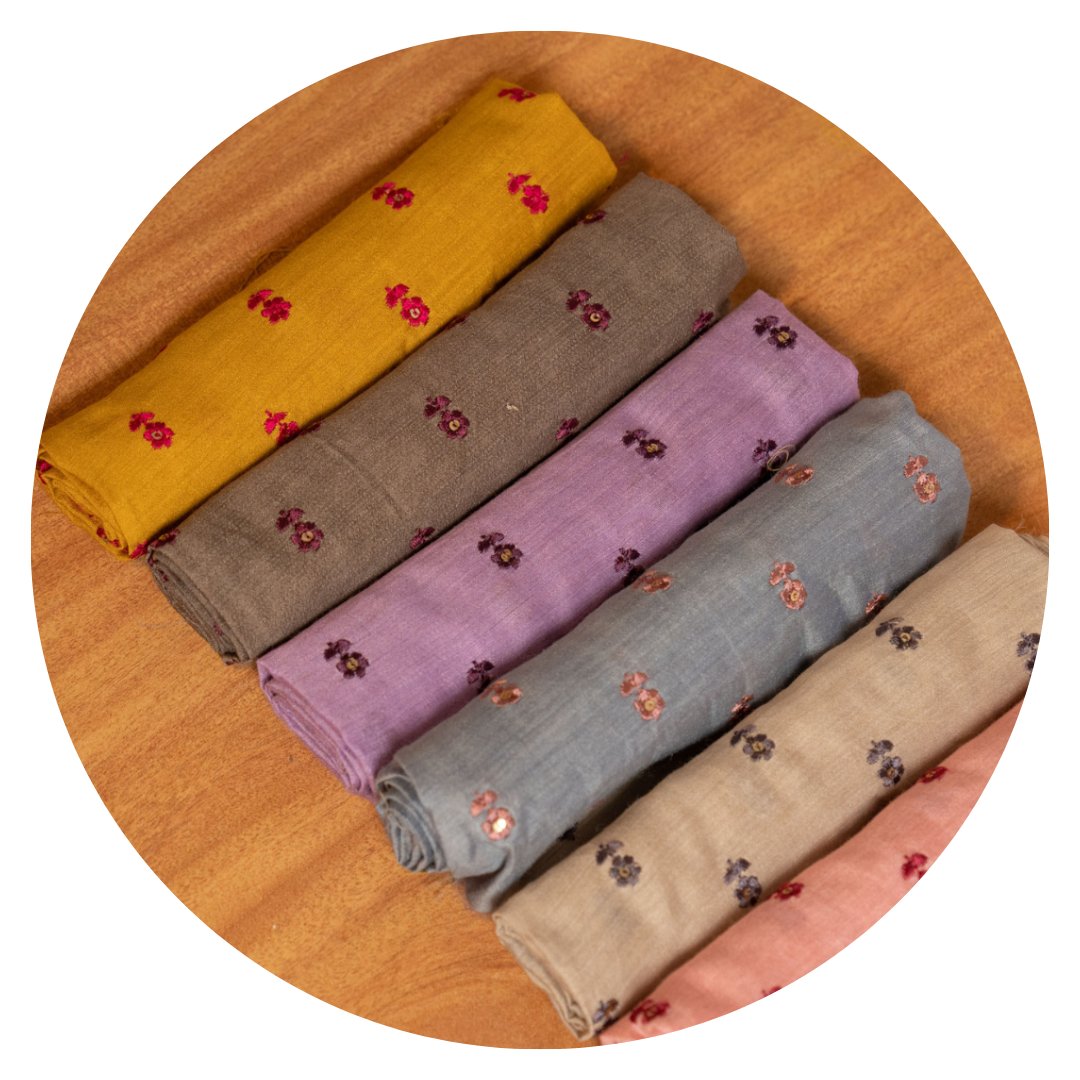
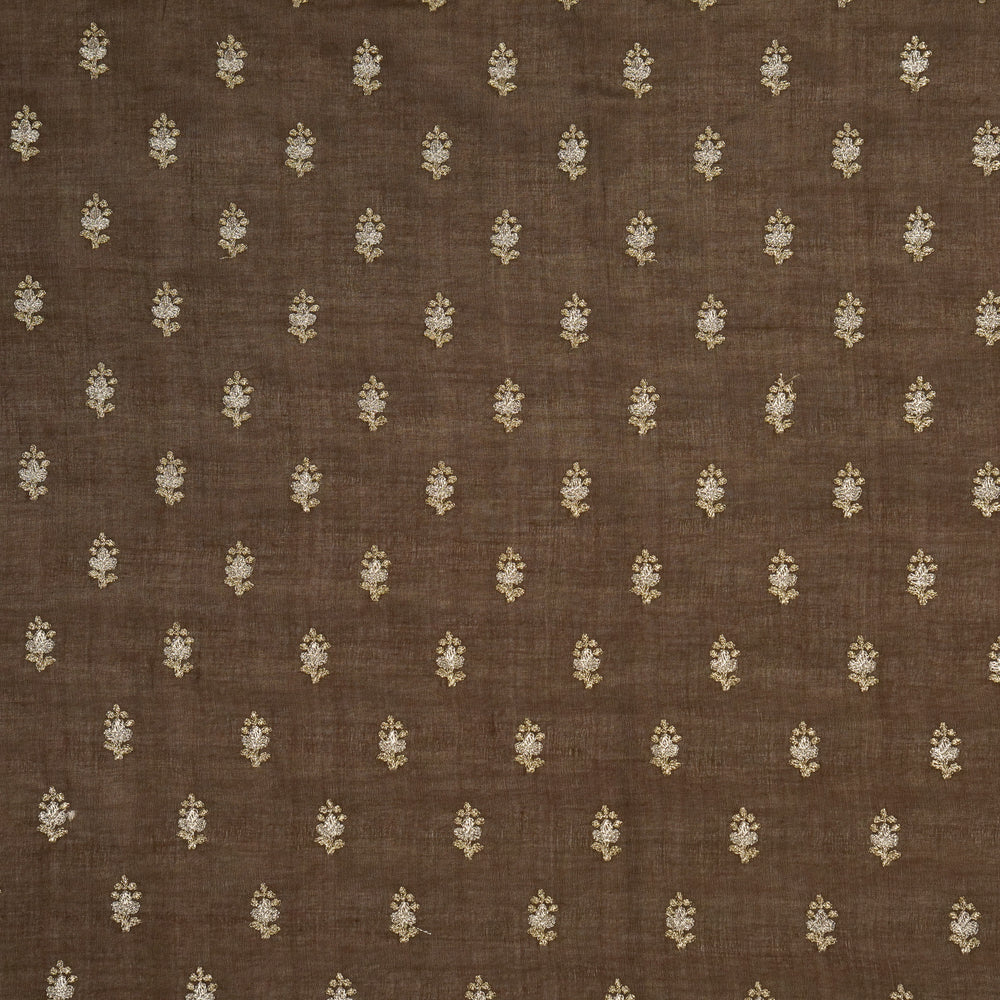
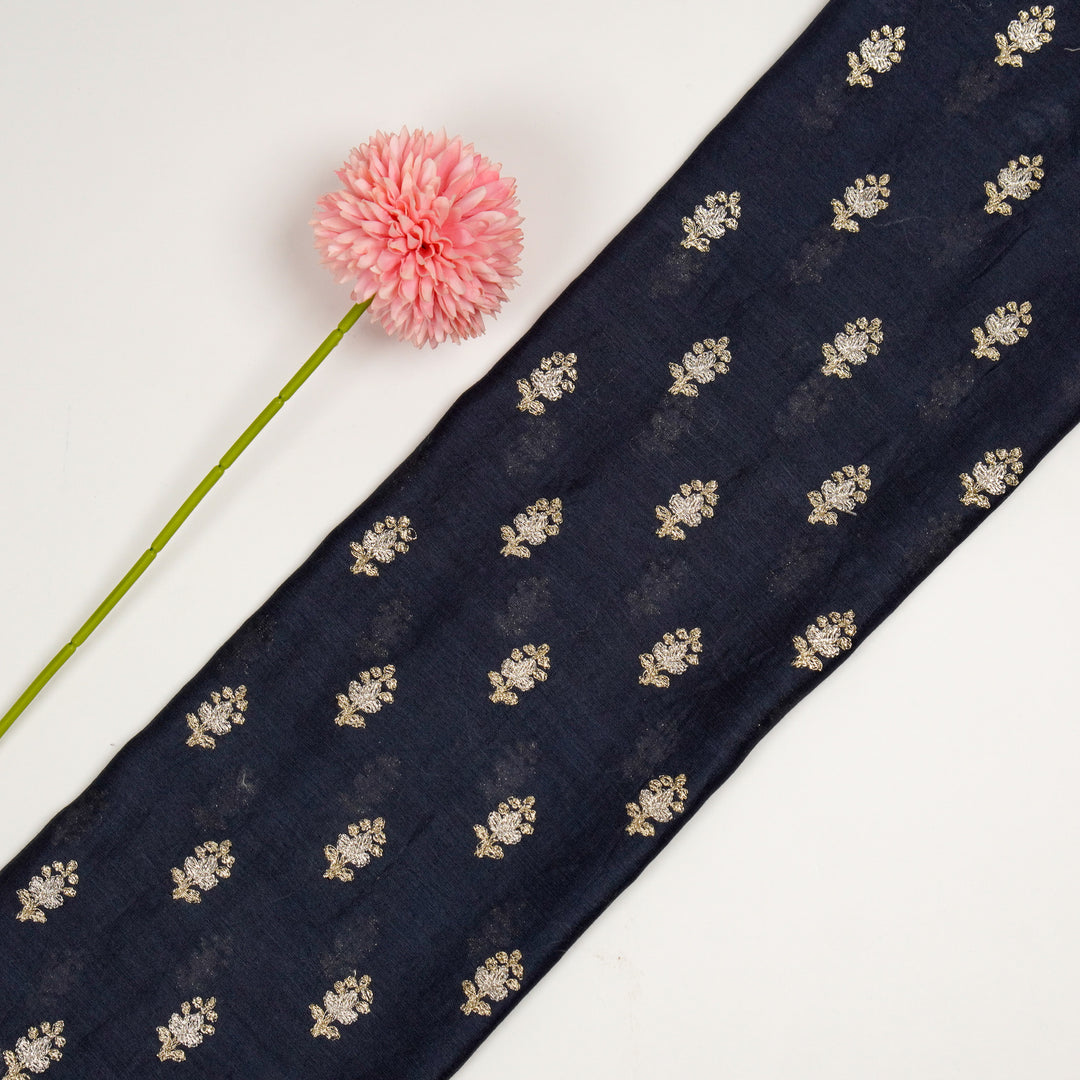
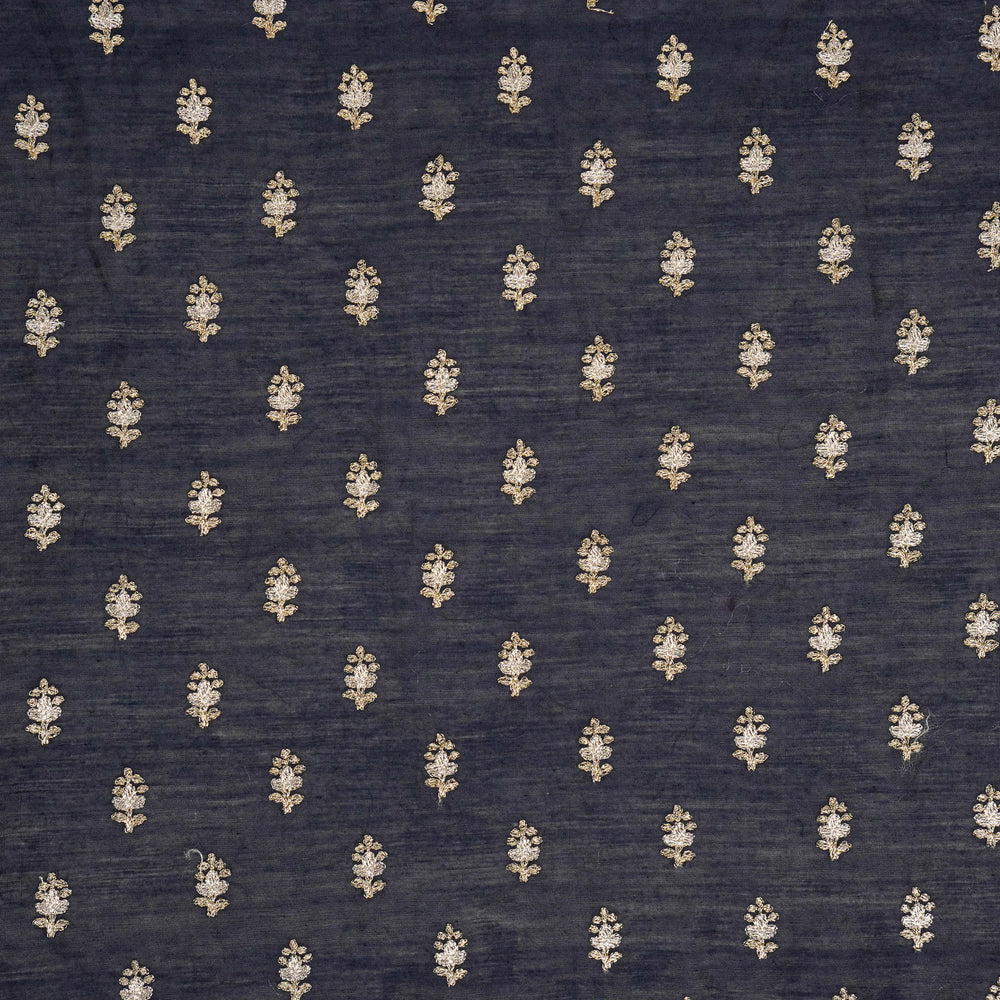
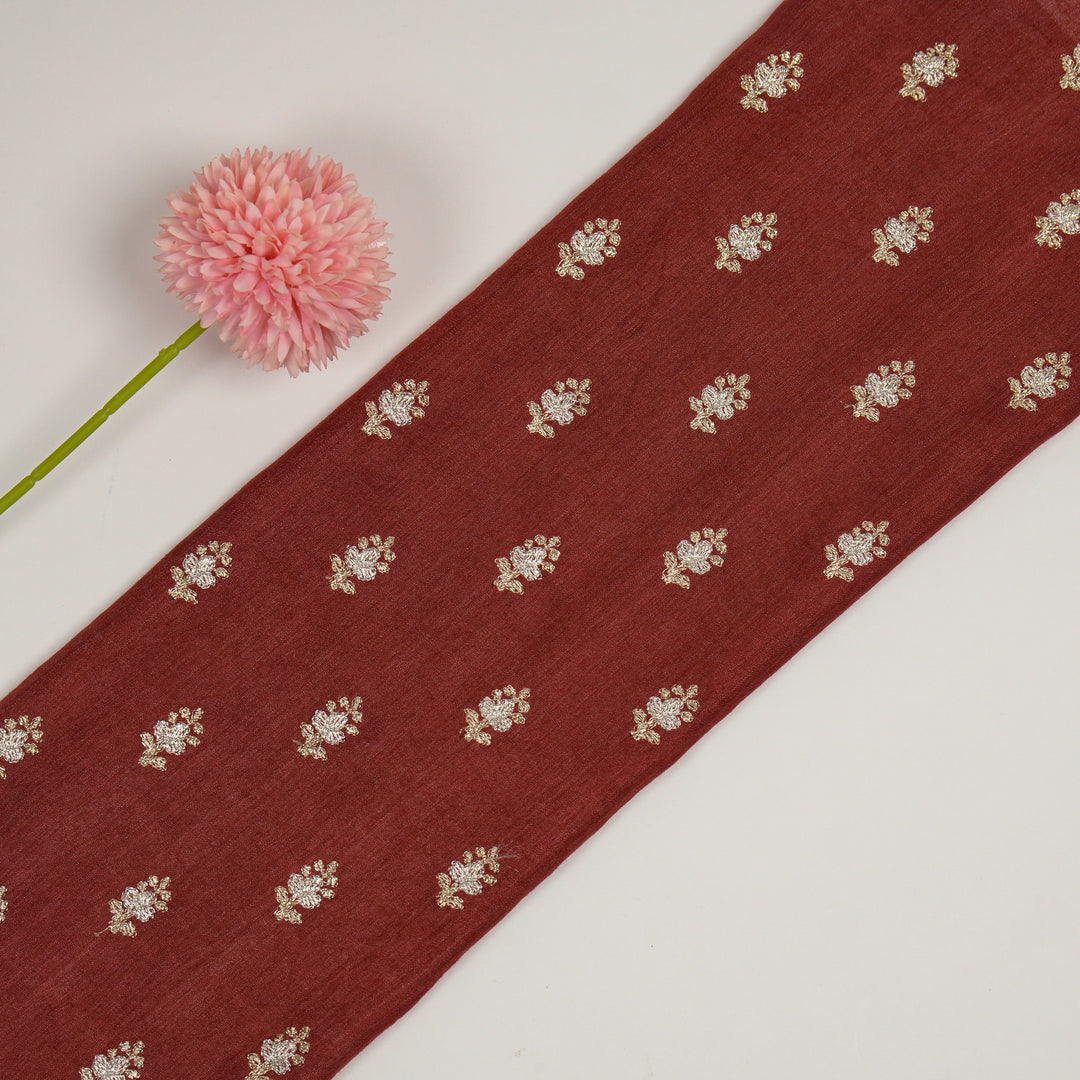
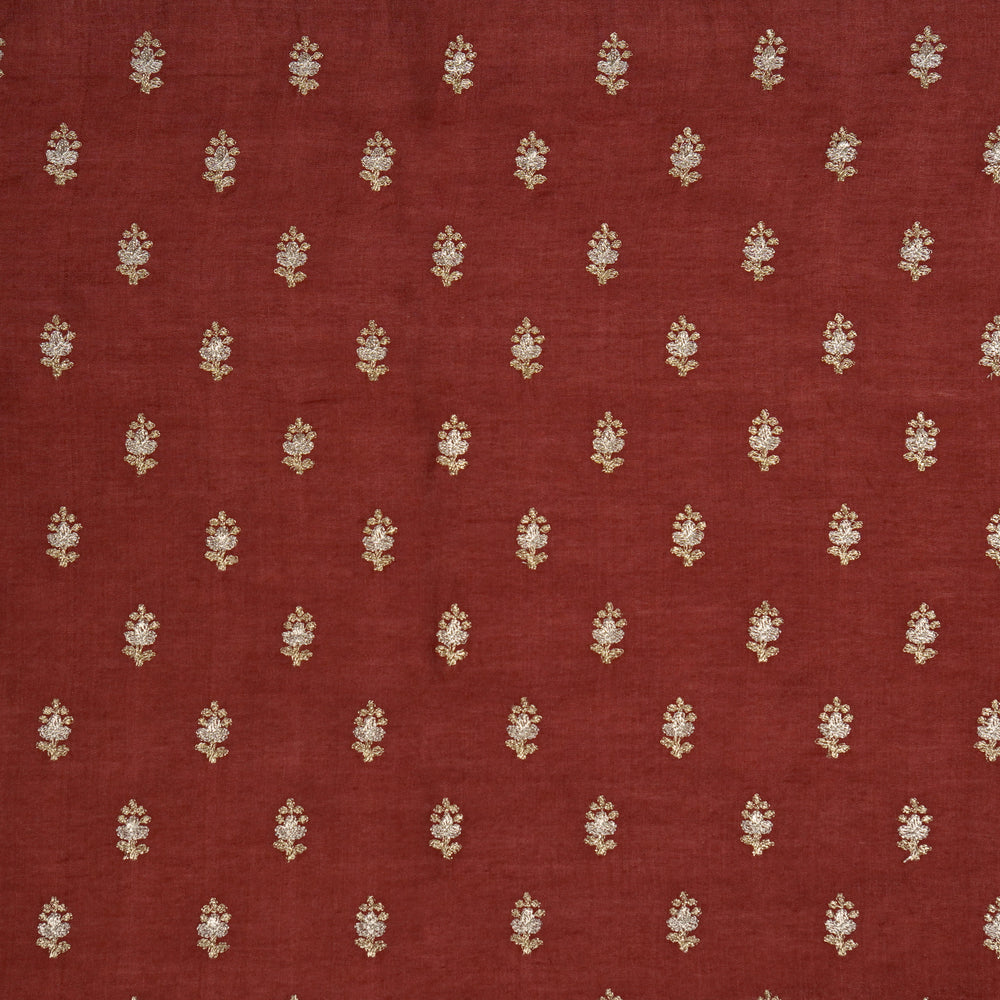
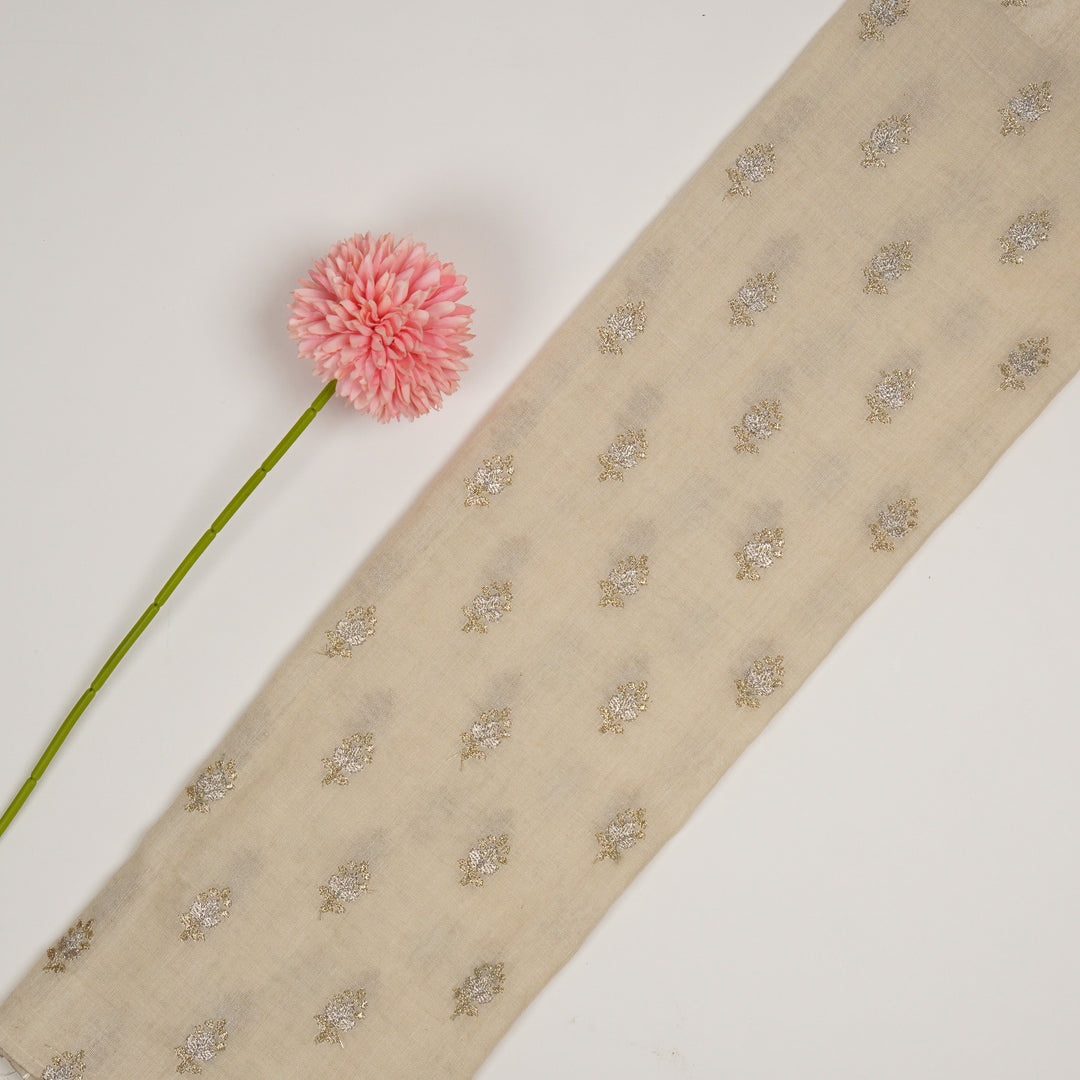
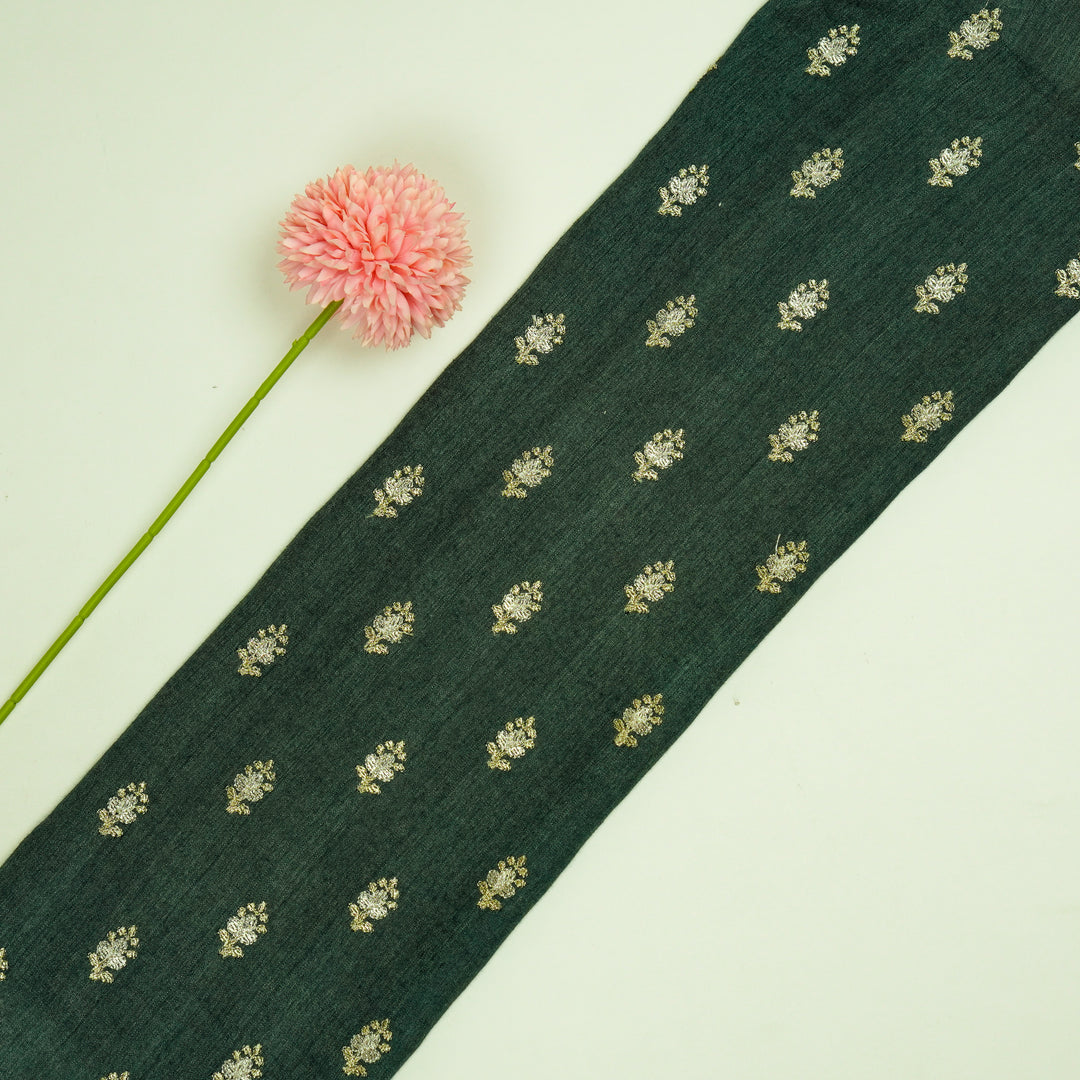
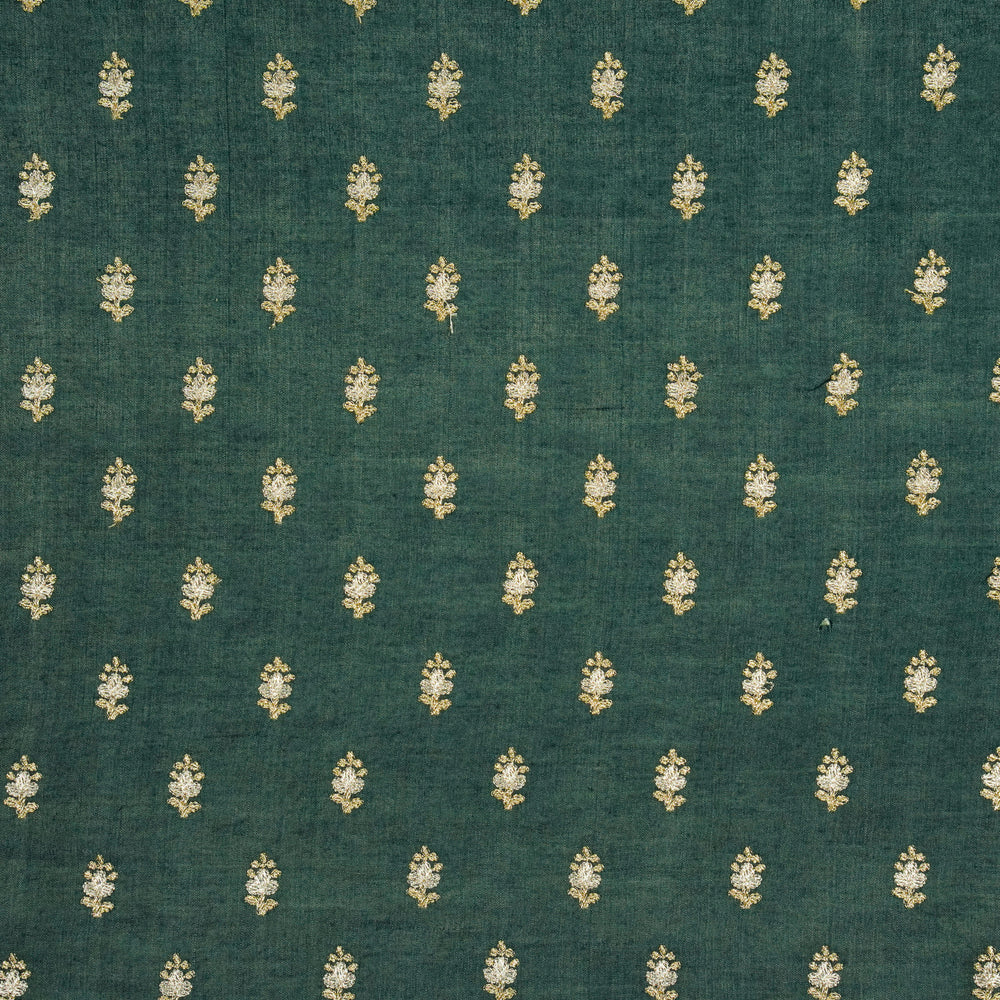
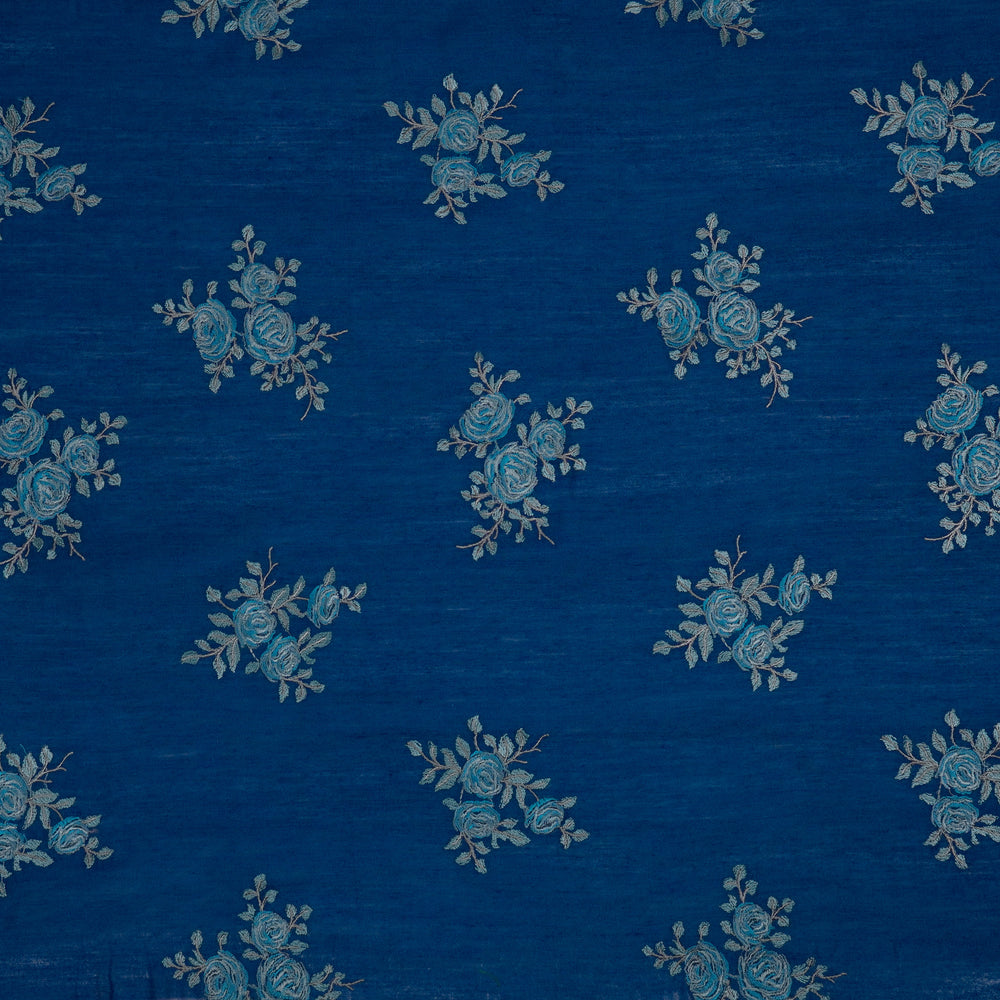
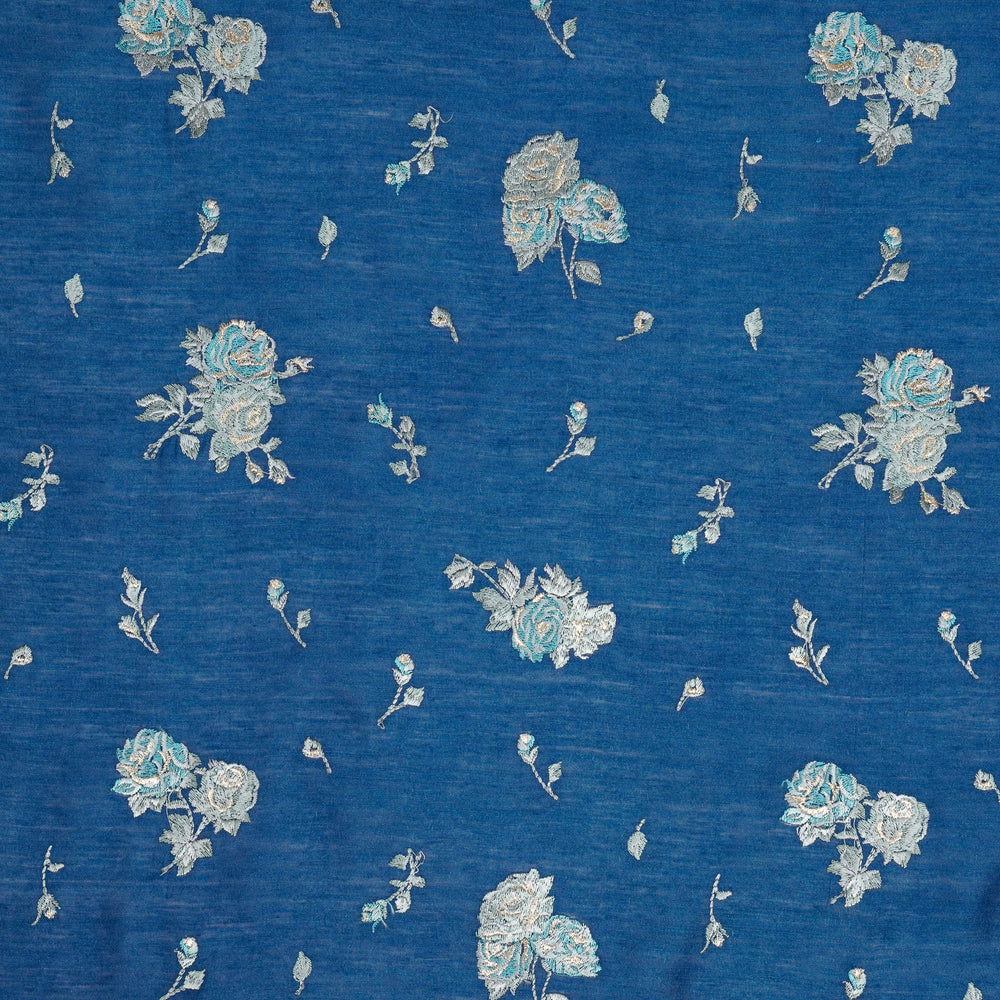
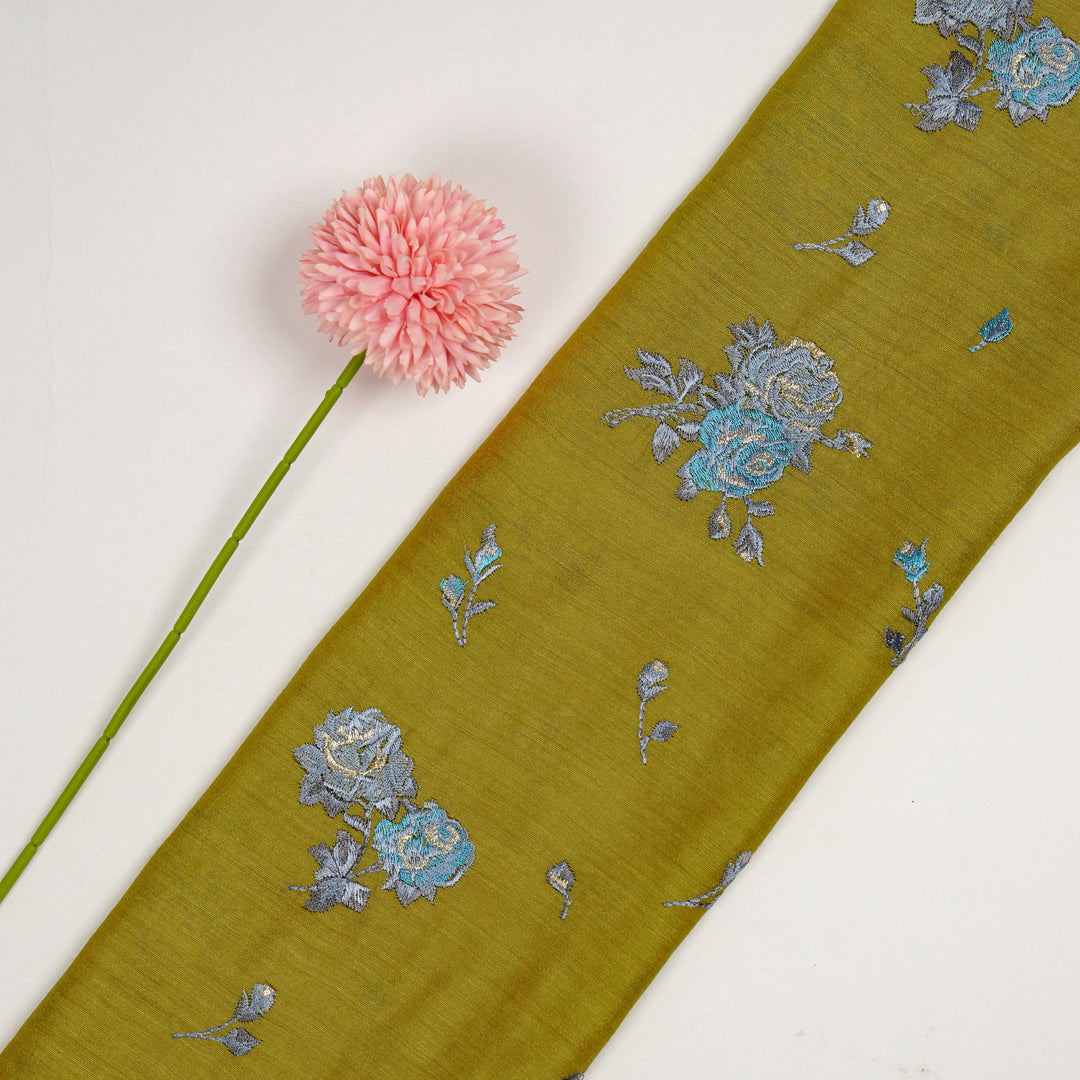
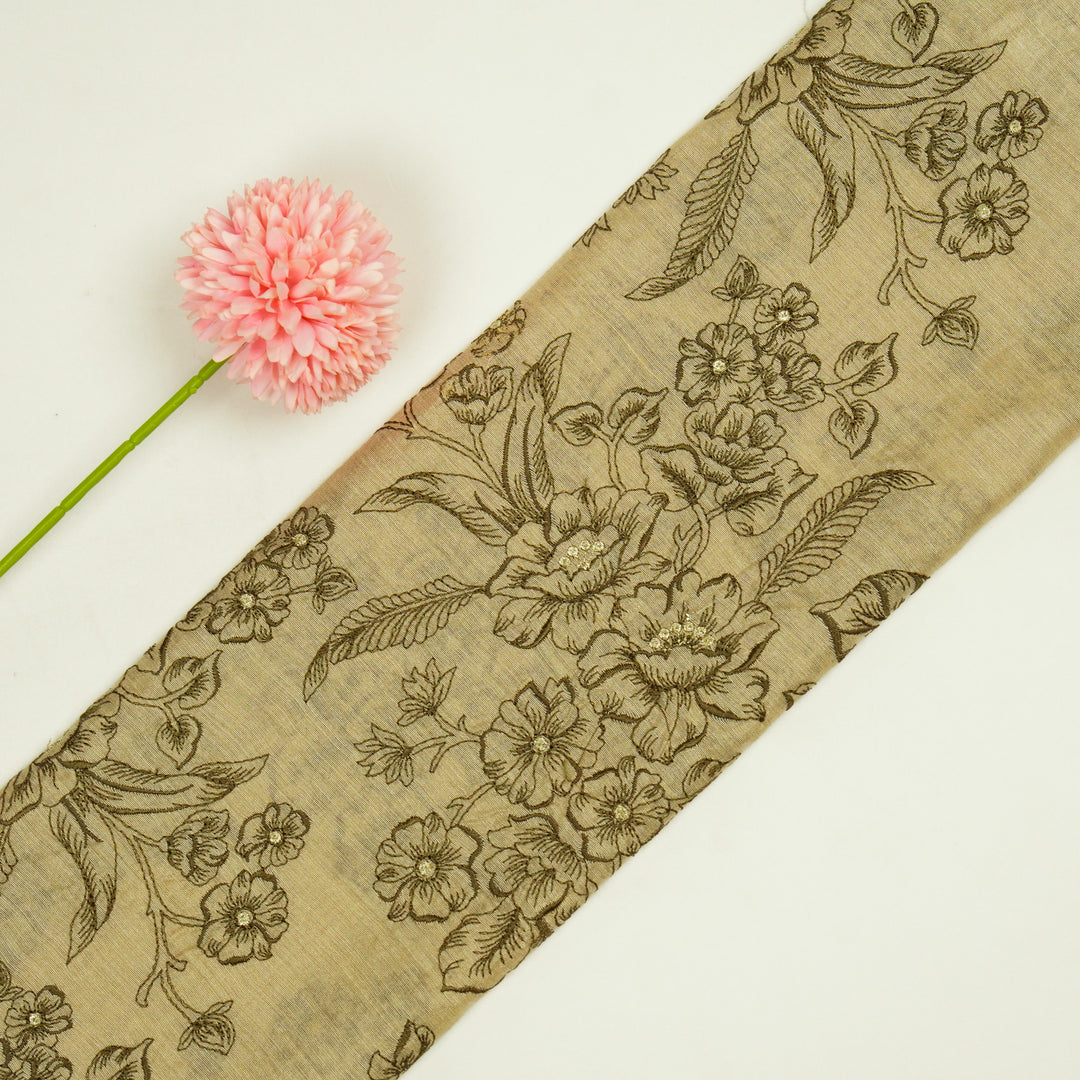
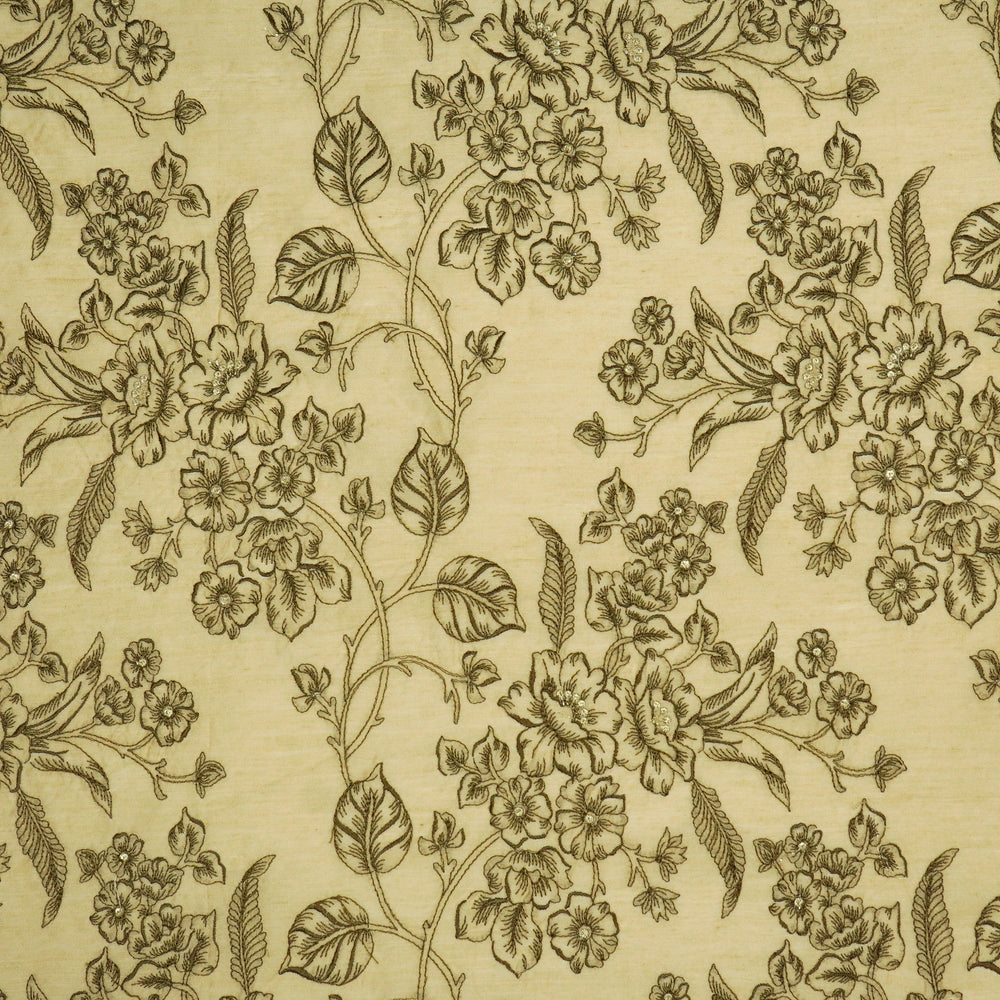
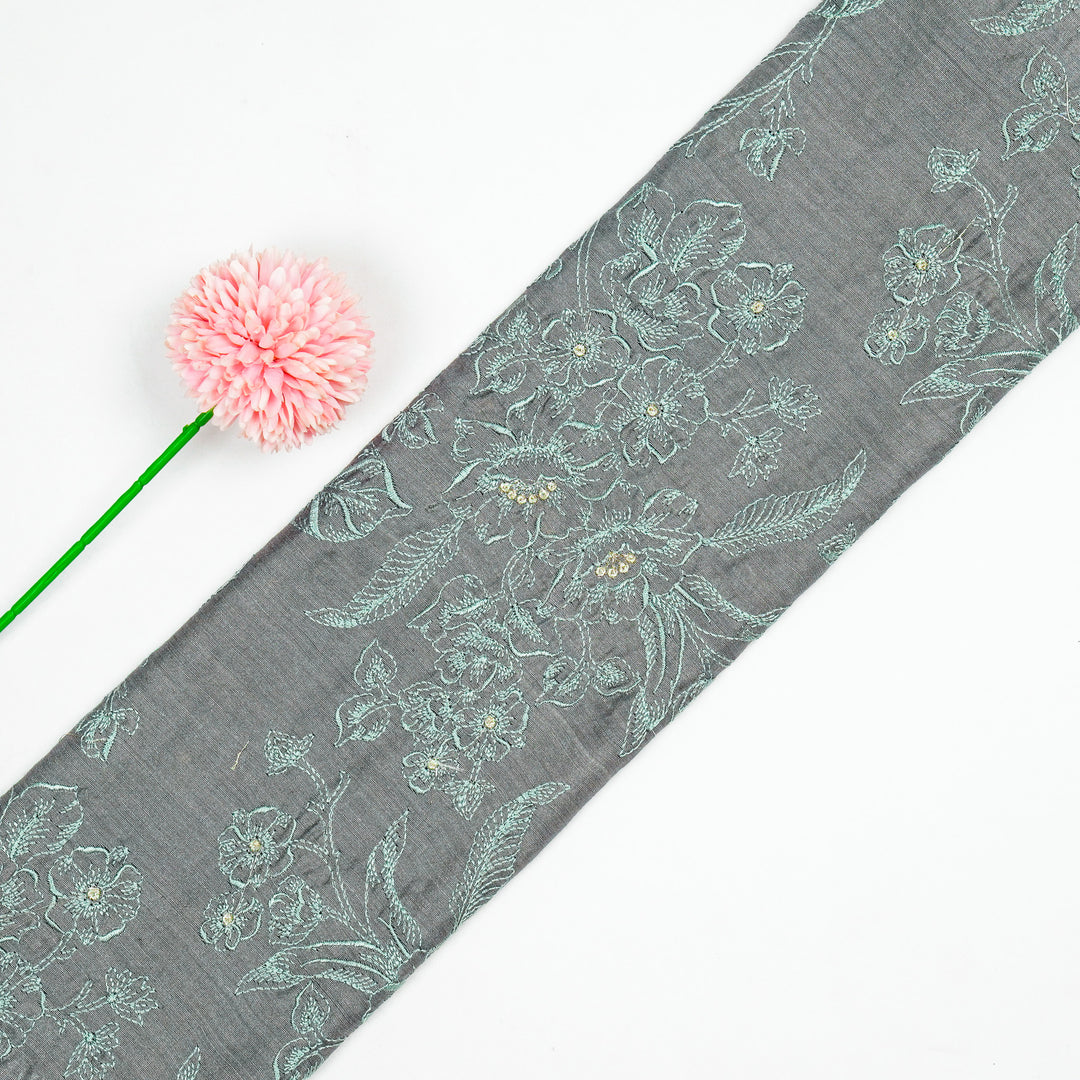
In its natural state, munga silk has a distinctive warm, golden-beige tone - often described as champagne or light gajri. This natural colour is what gives it its signature glow that becomes richer over time. It can also be dyed in vibrant shades like bottle green, mouse colour, deep red, and navy blue, though the natural golden undertone often lends a warm depth to any dye colour that other silks cannot replicate.
3.What are the benefits of buying embroidered munga silk fabric?
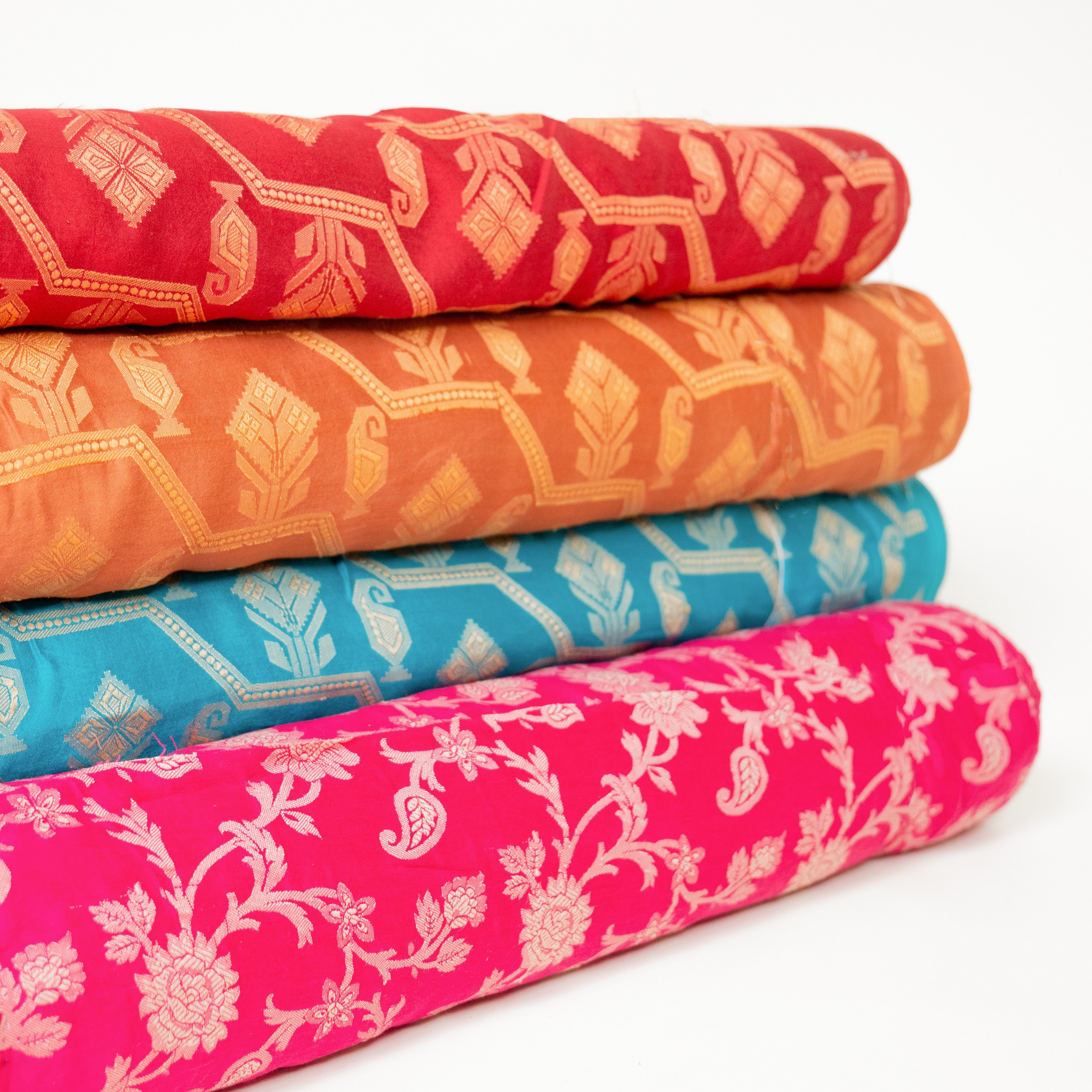
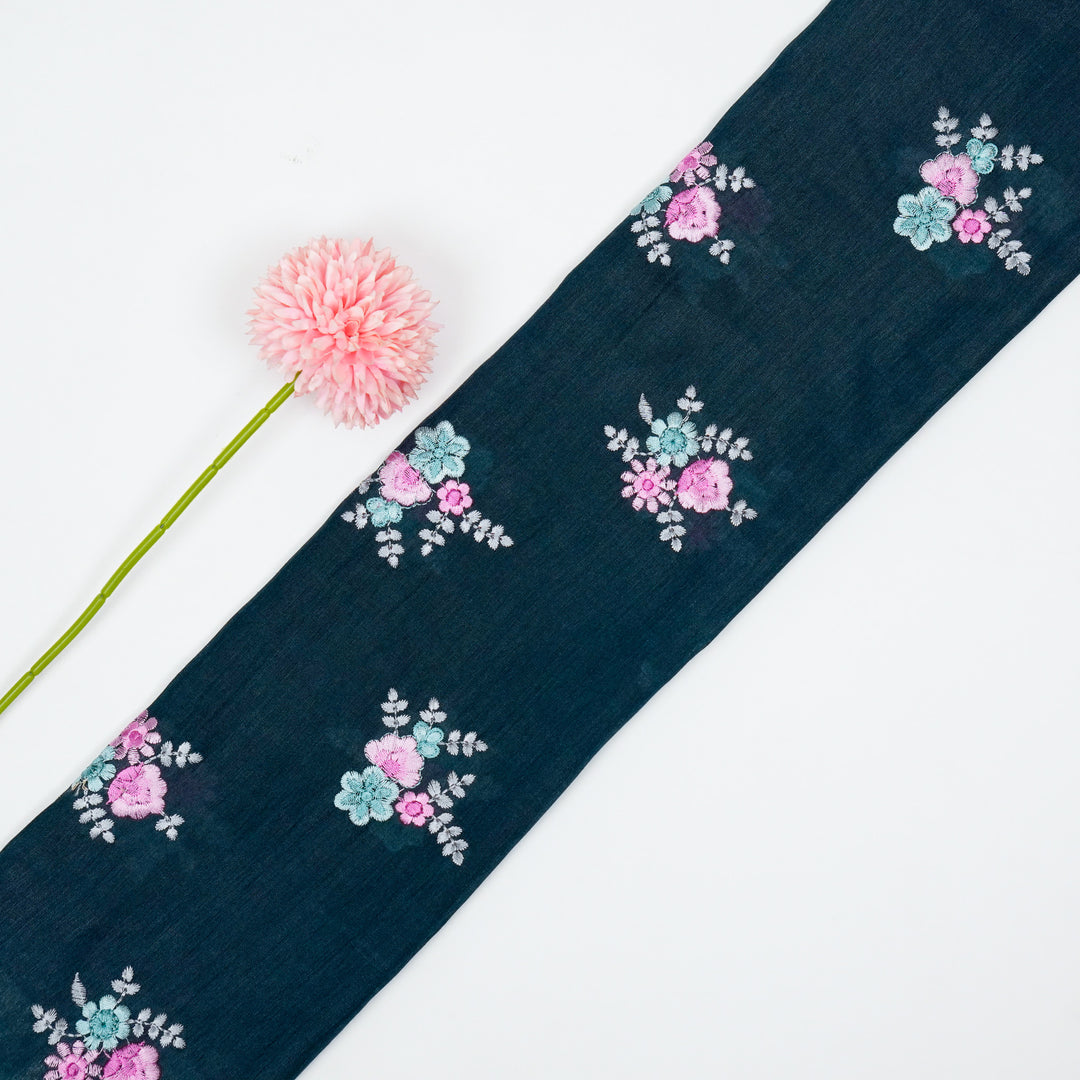
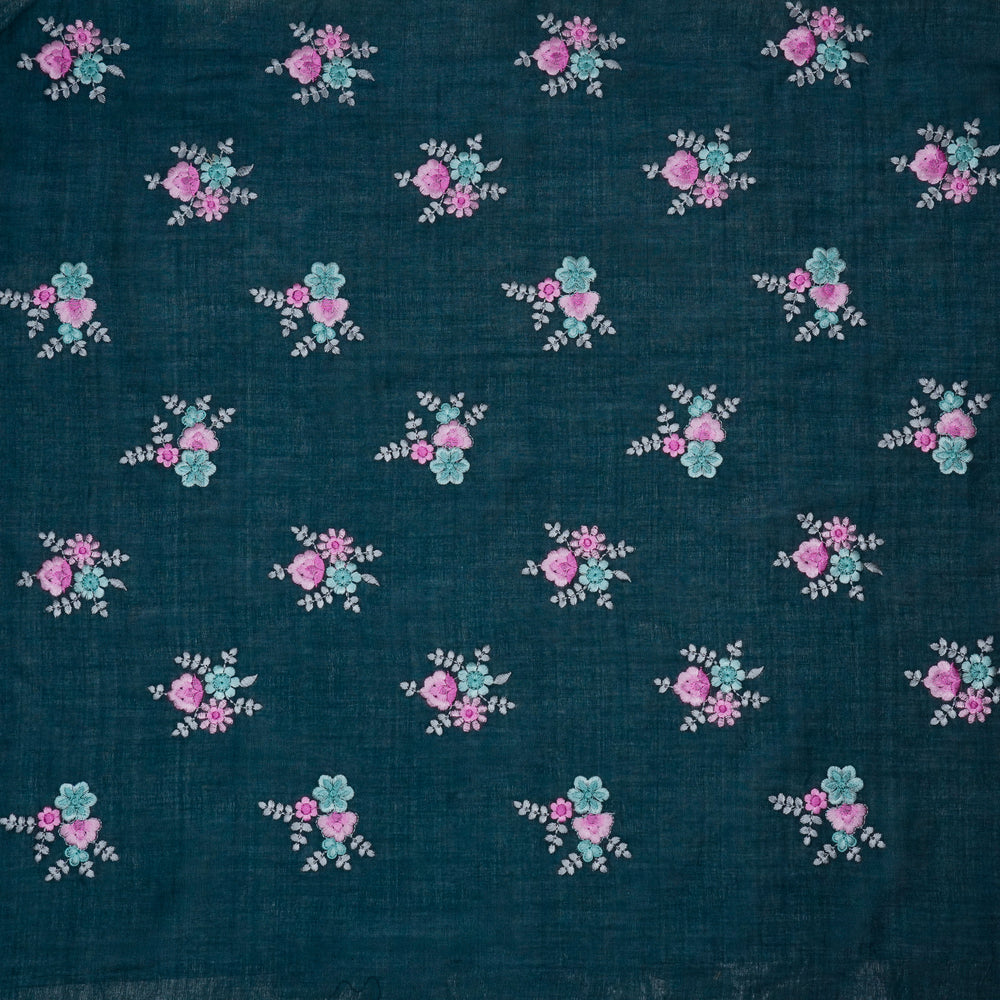
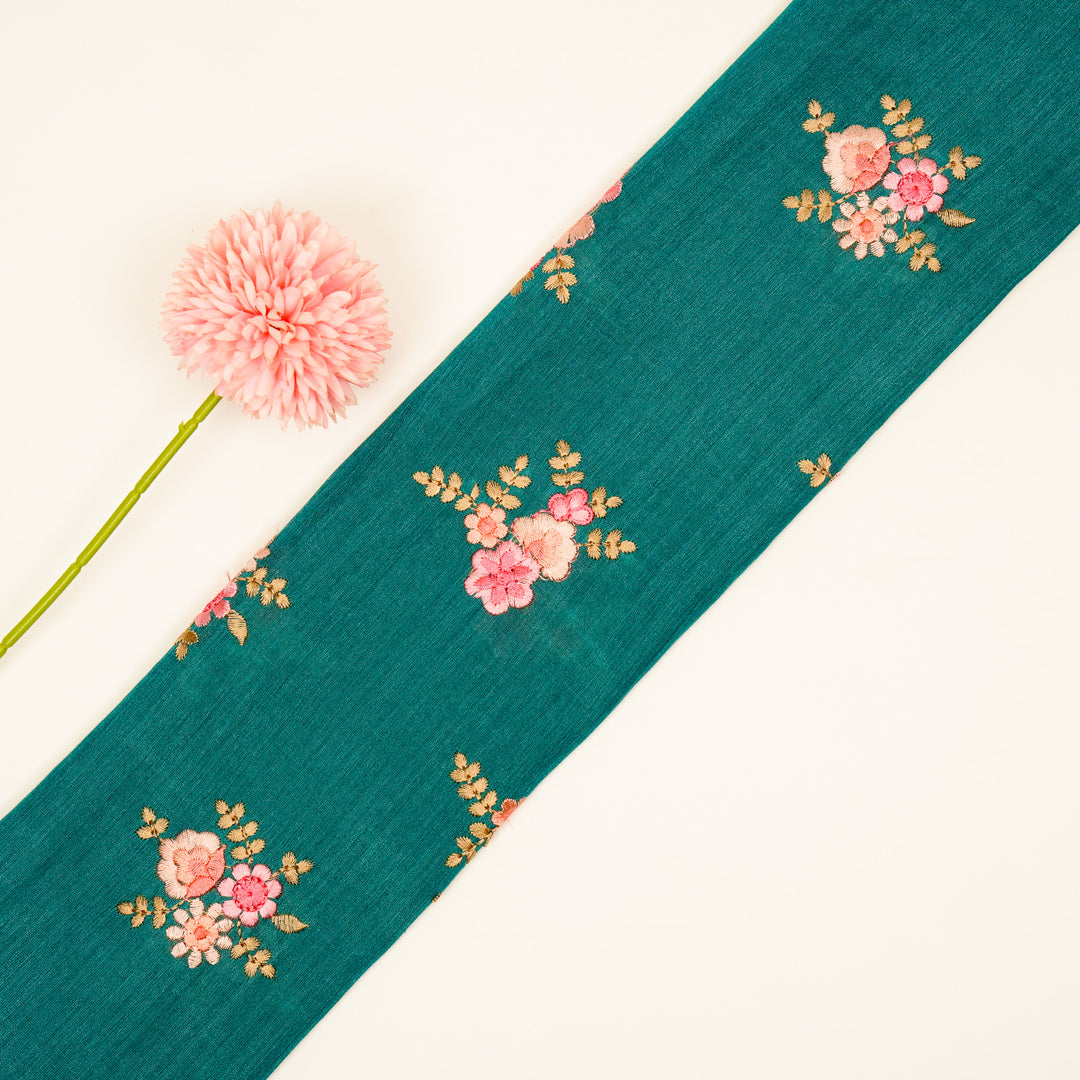
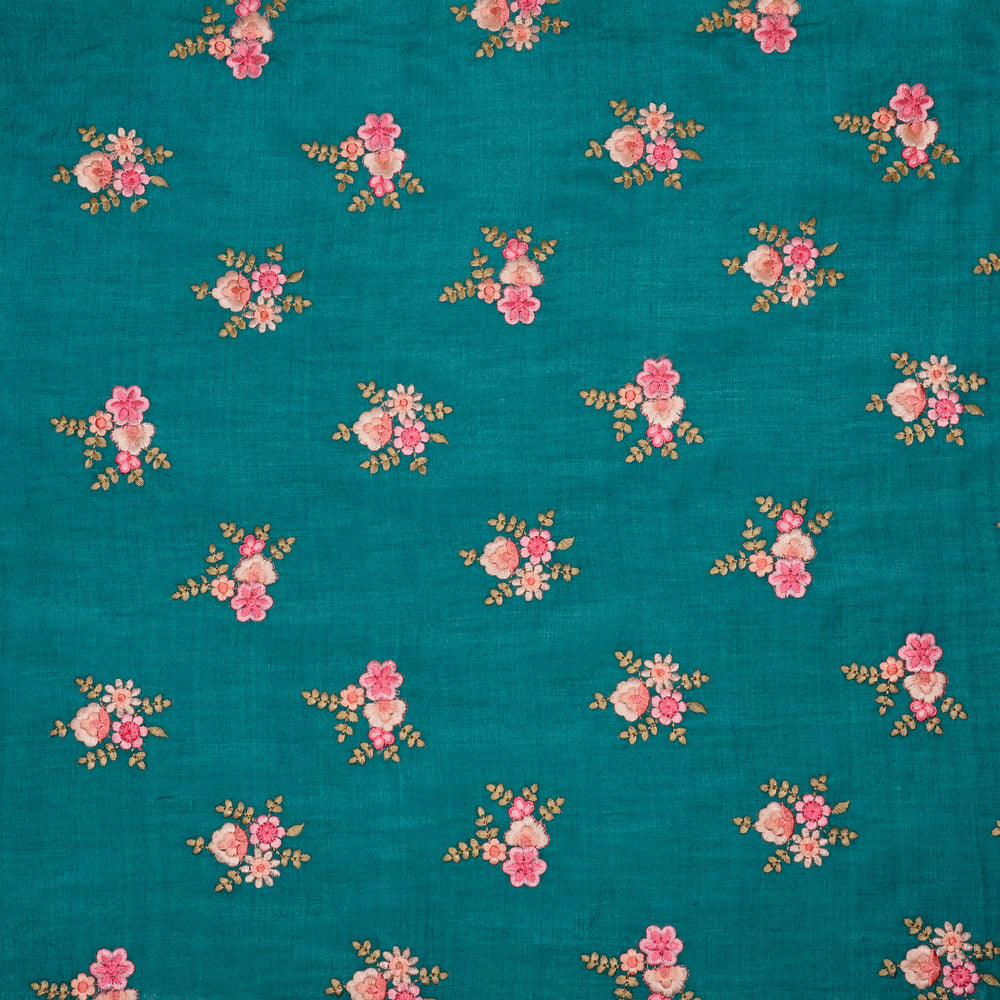
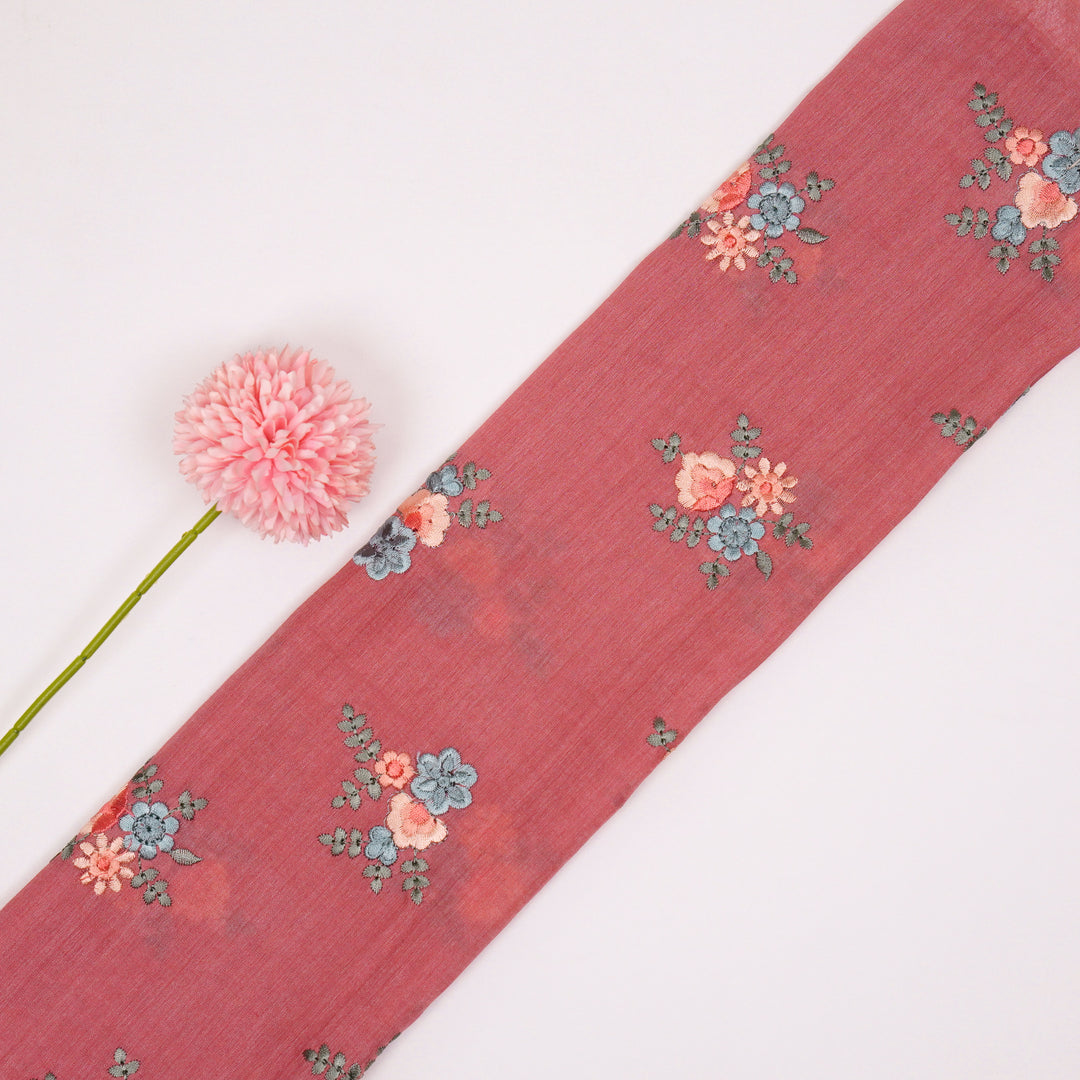
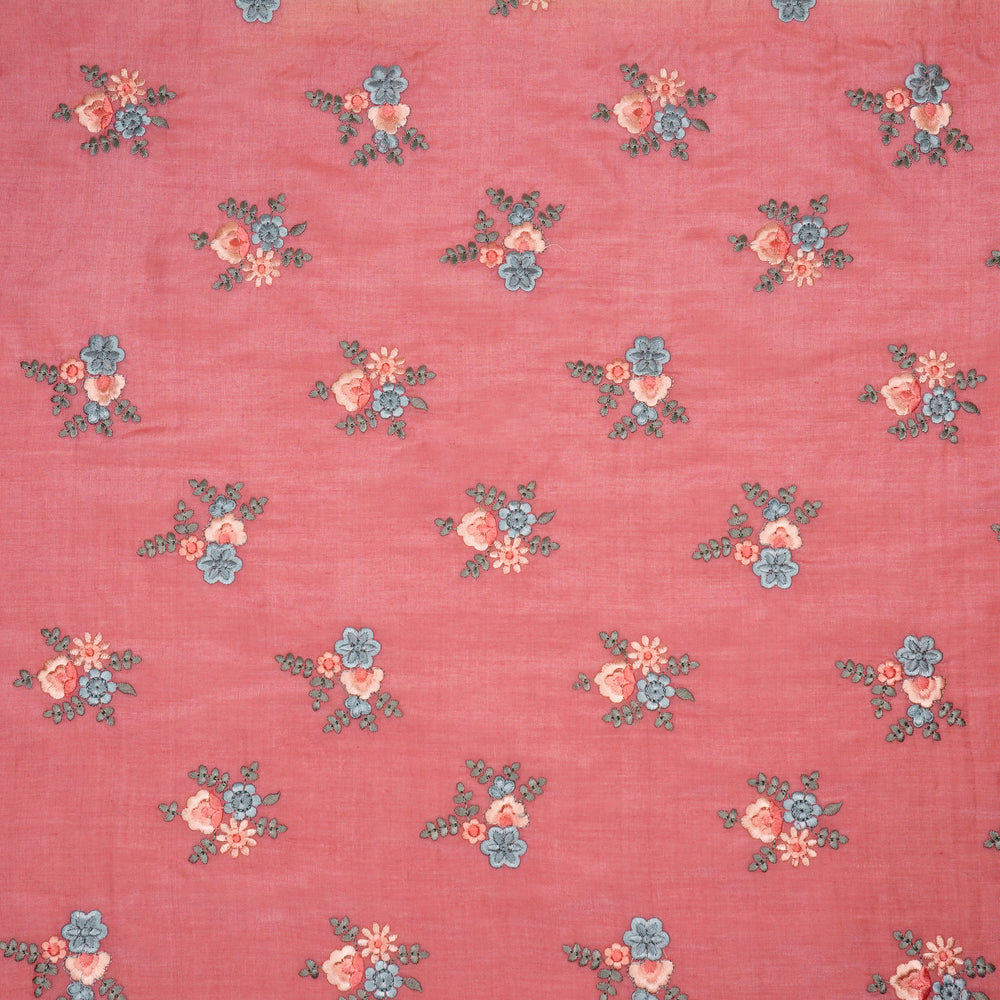
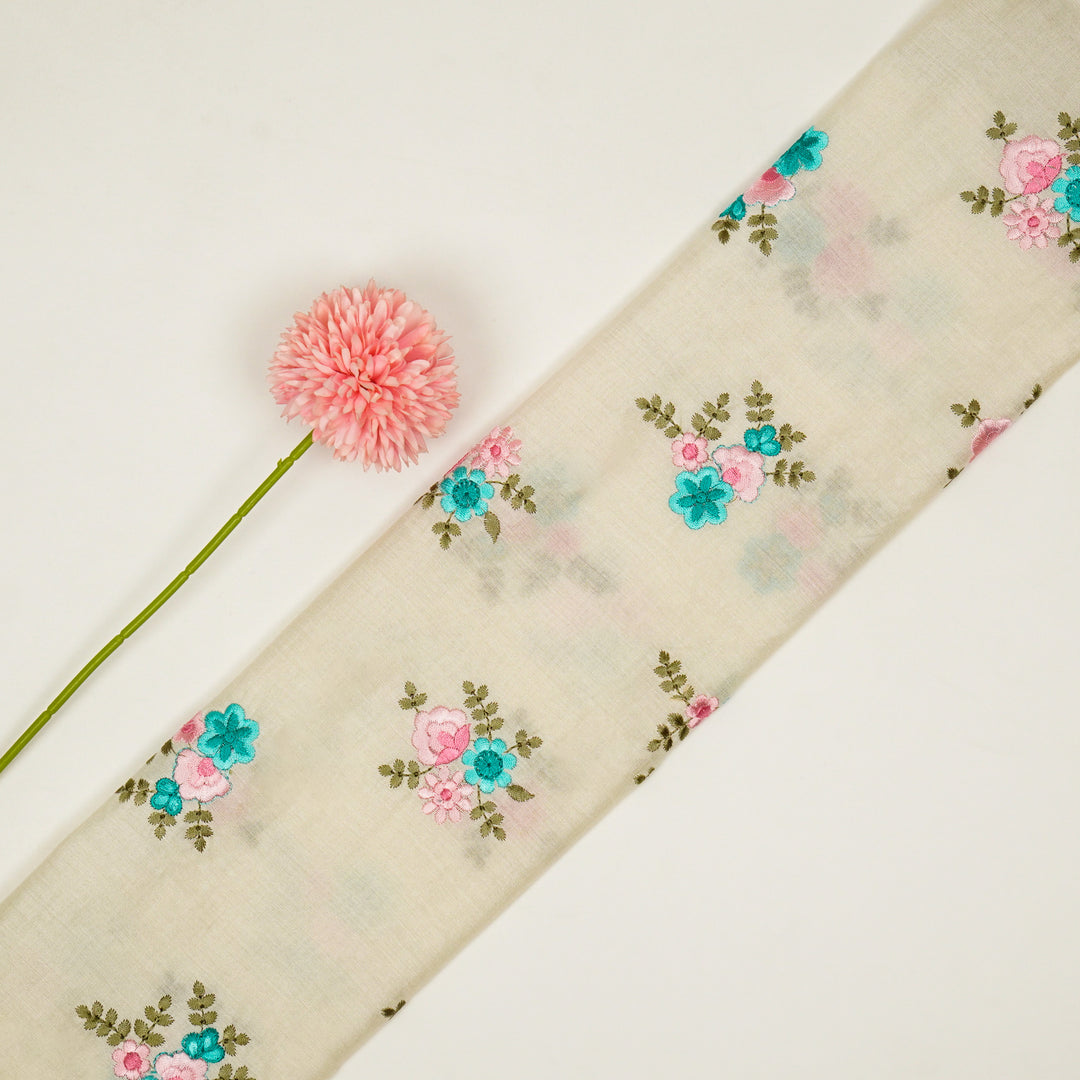
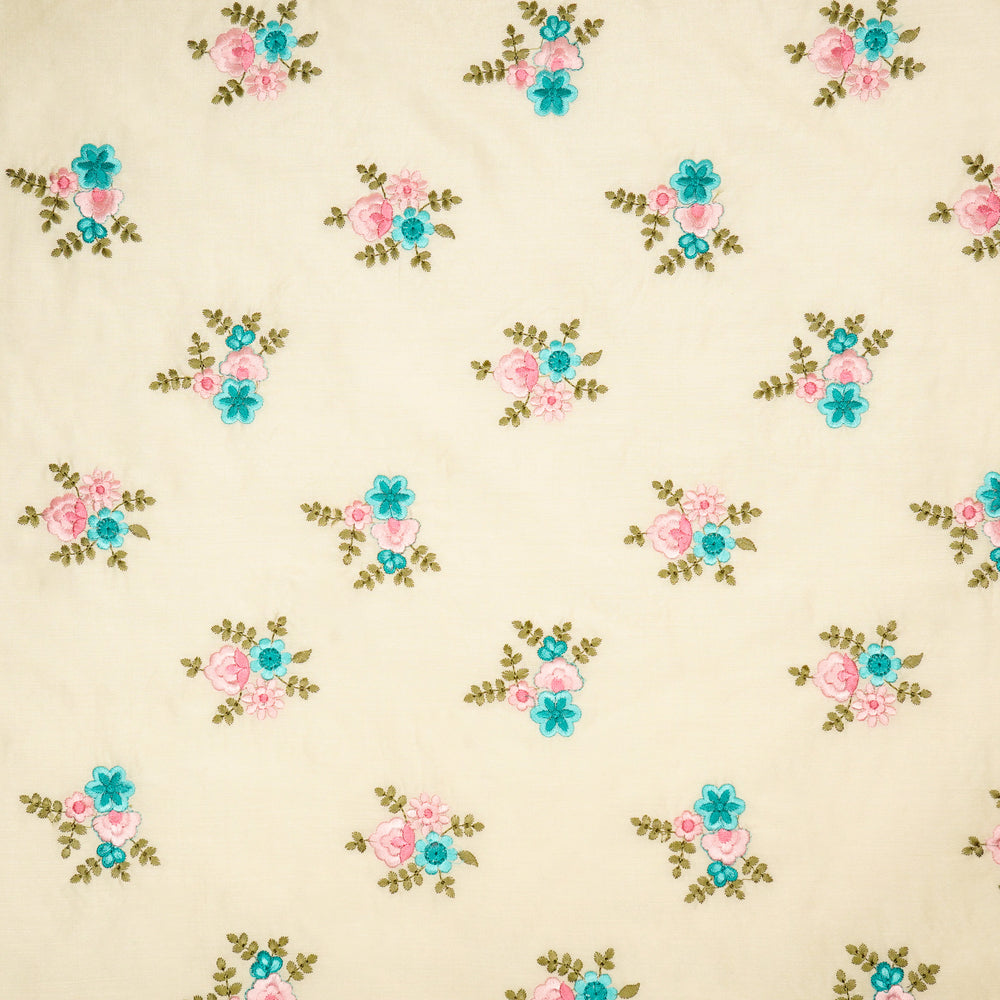
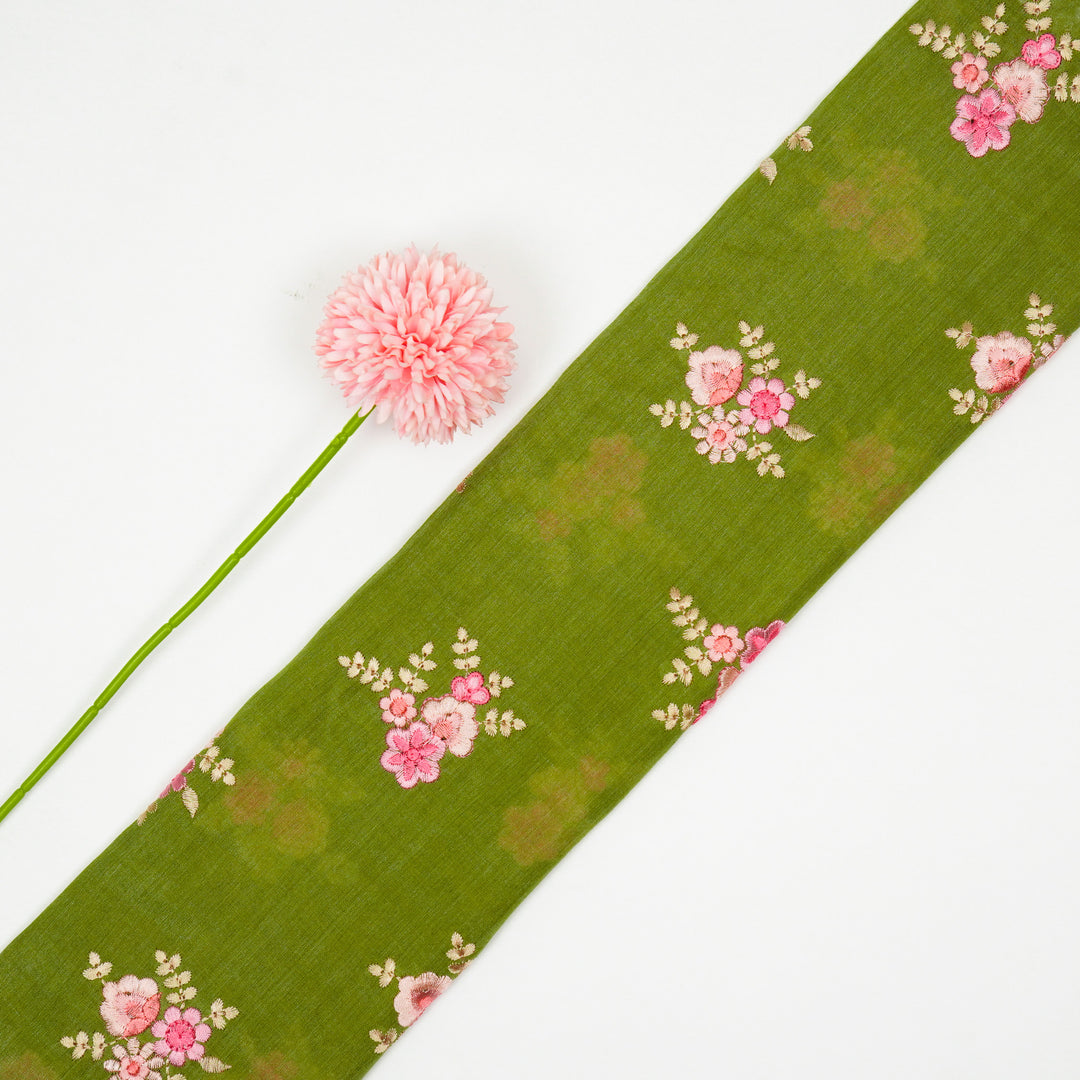
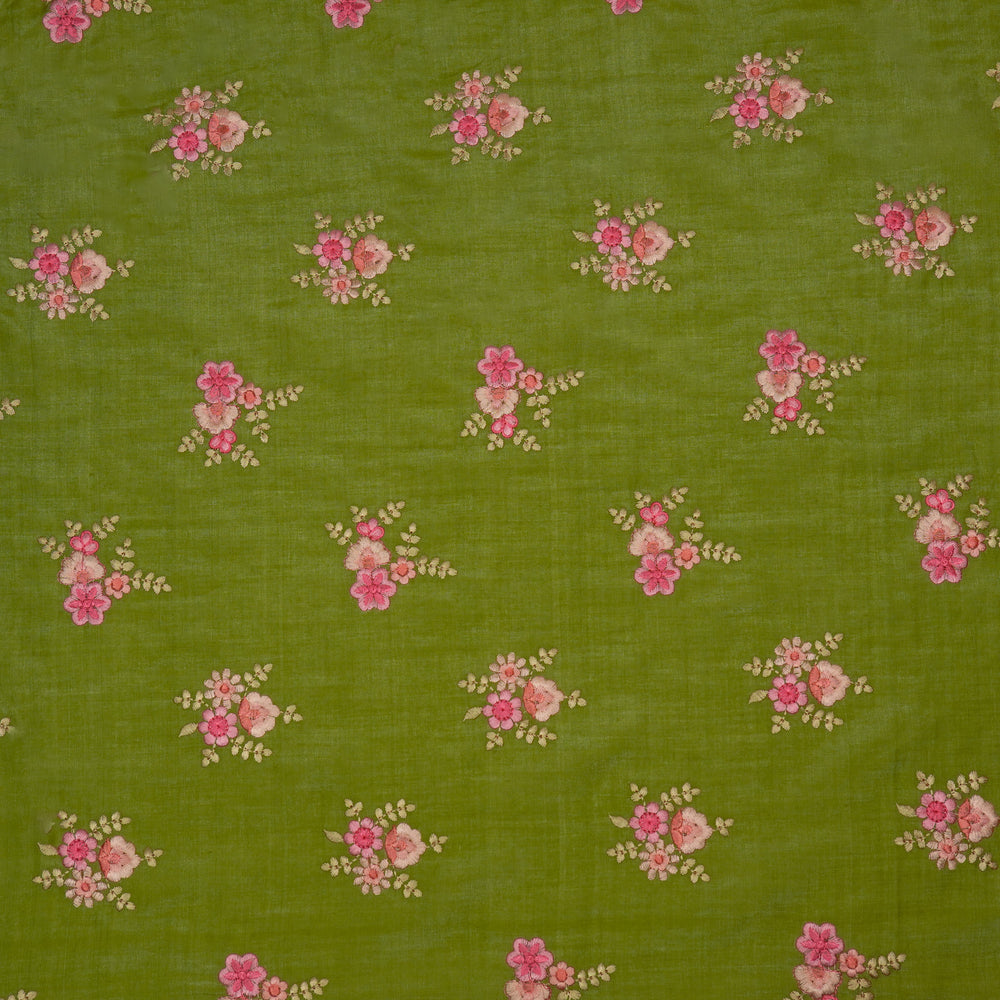
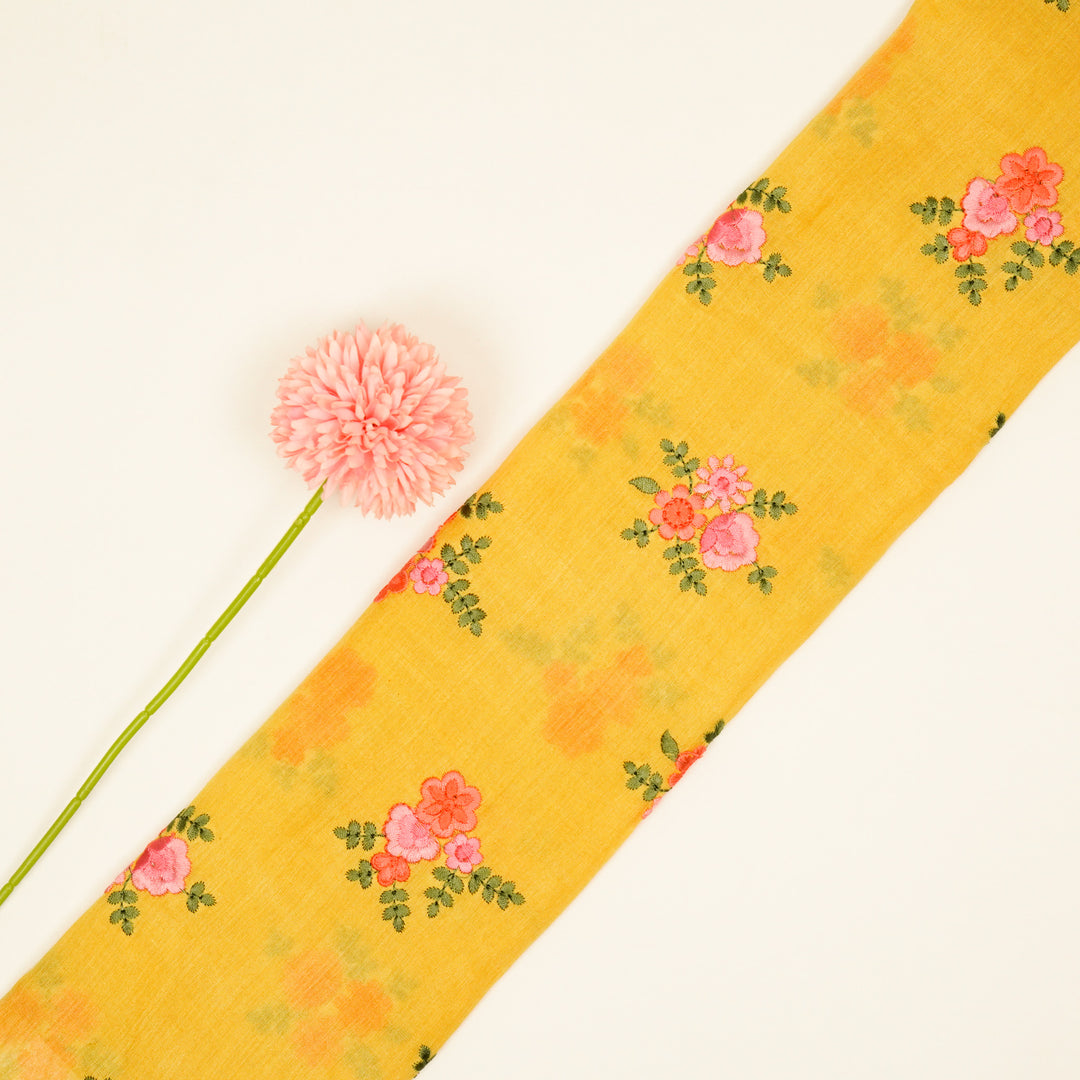
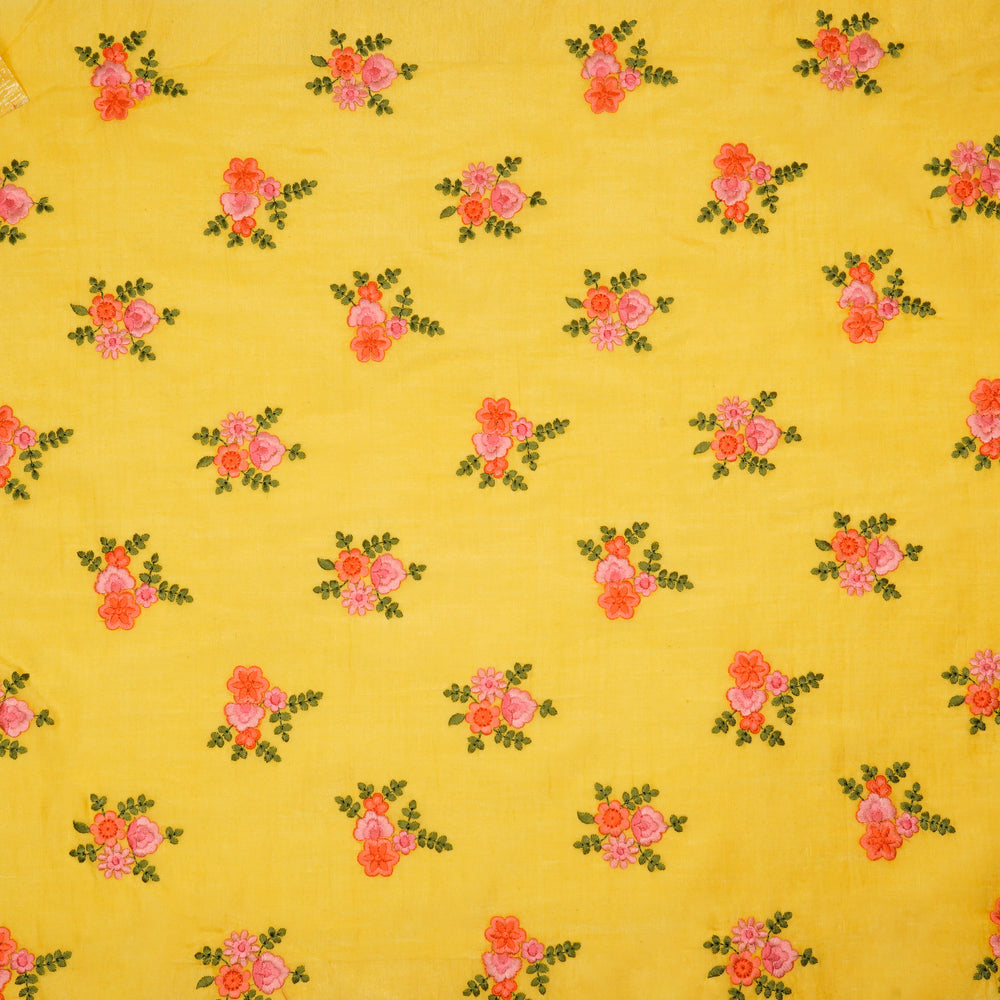
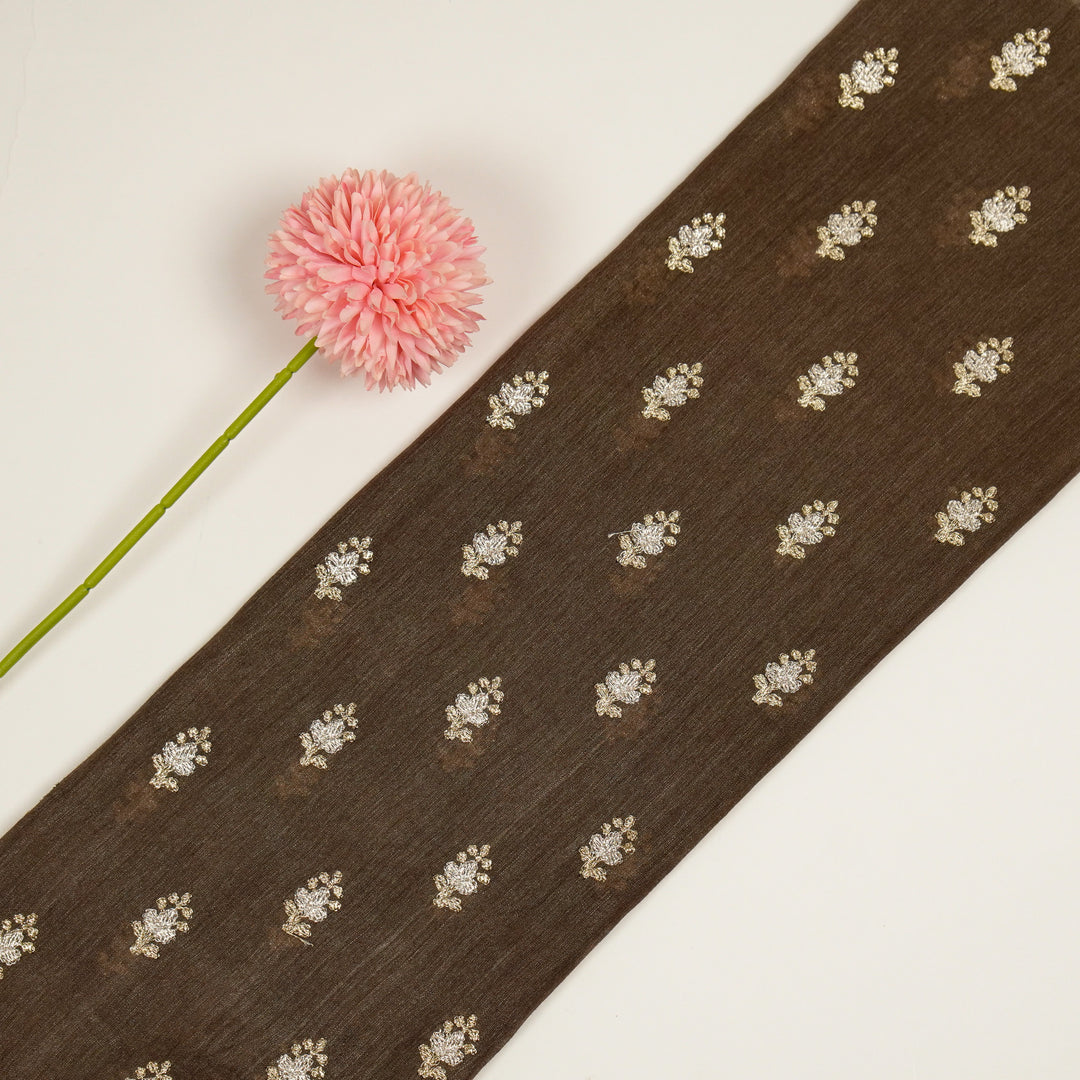
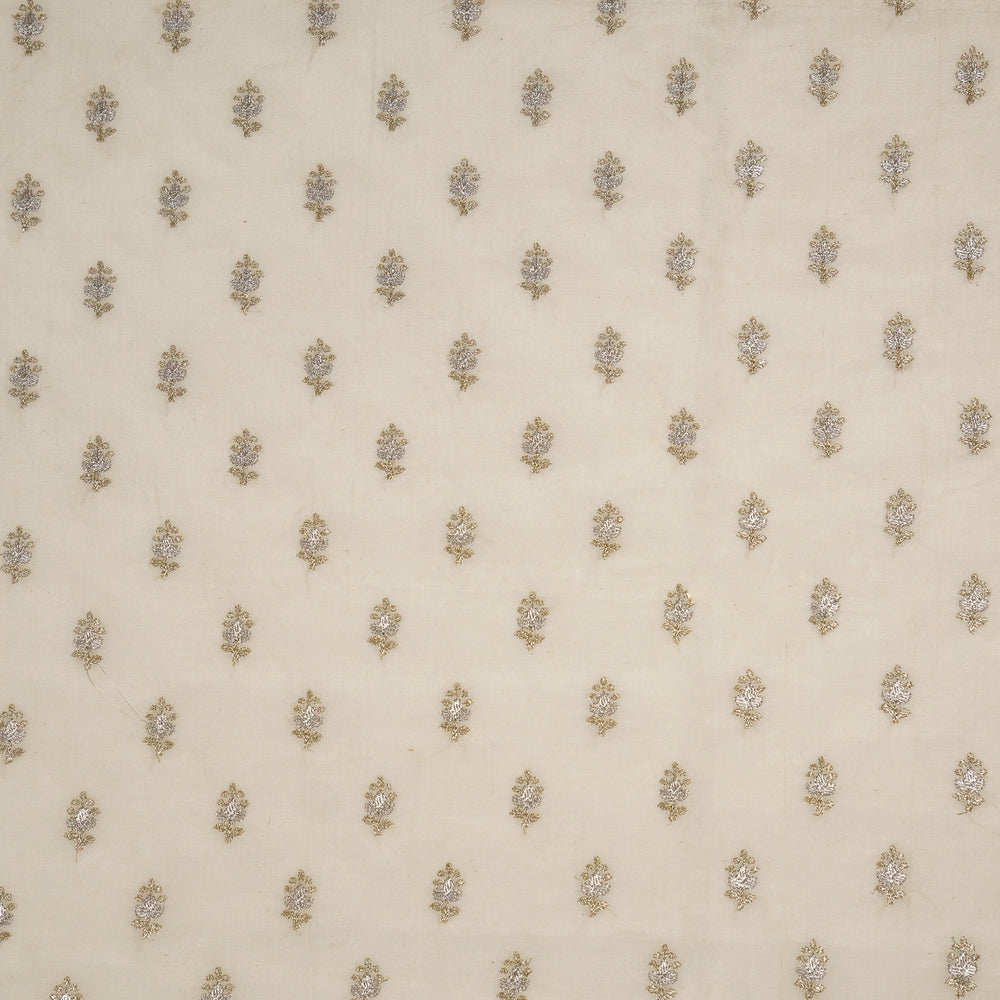
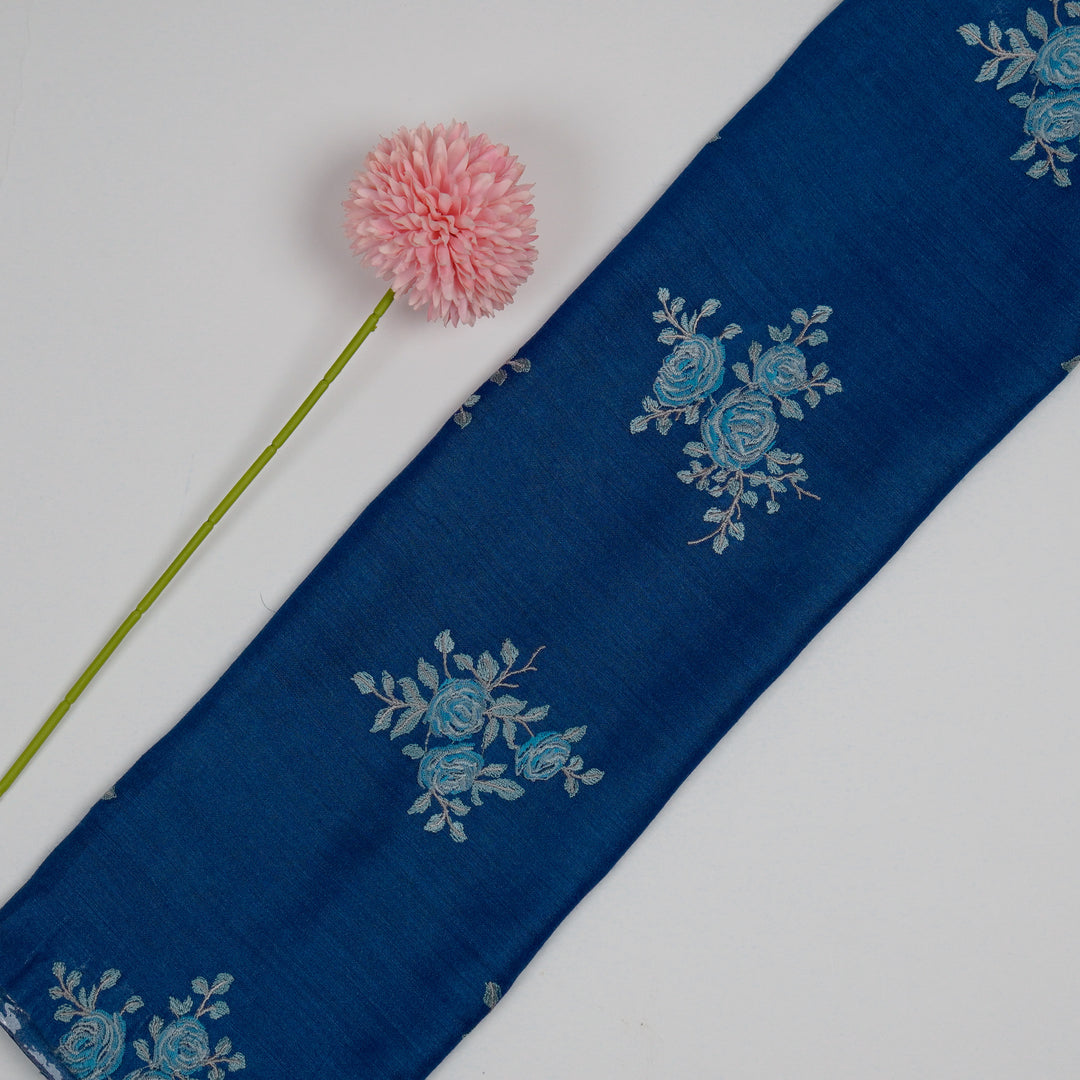
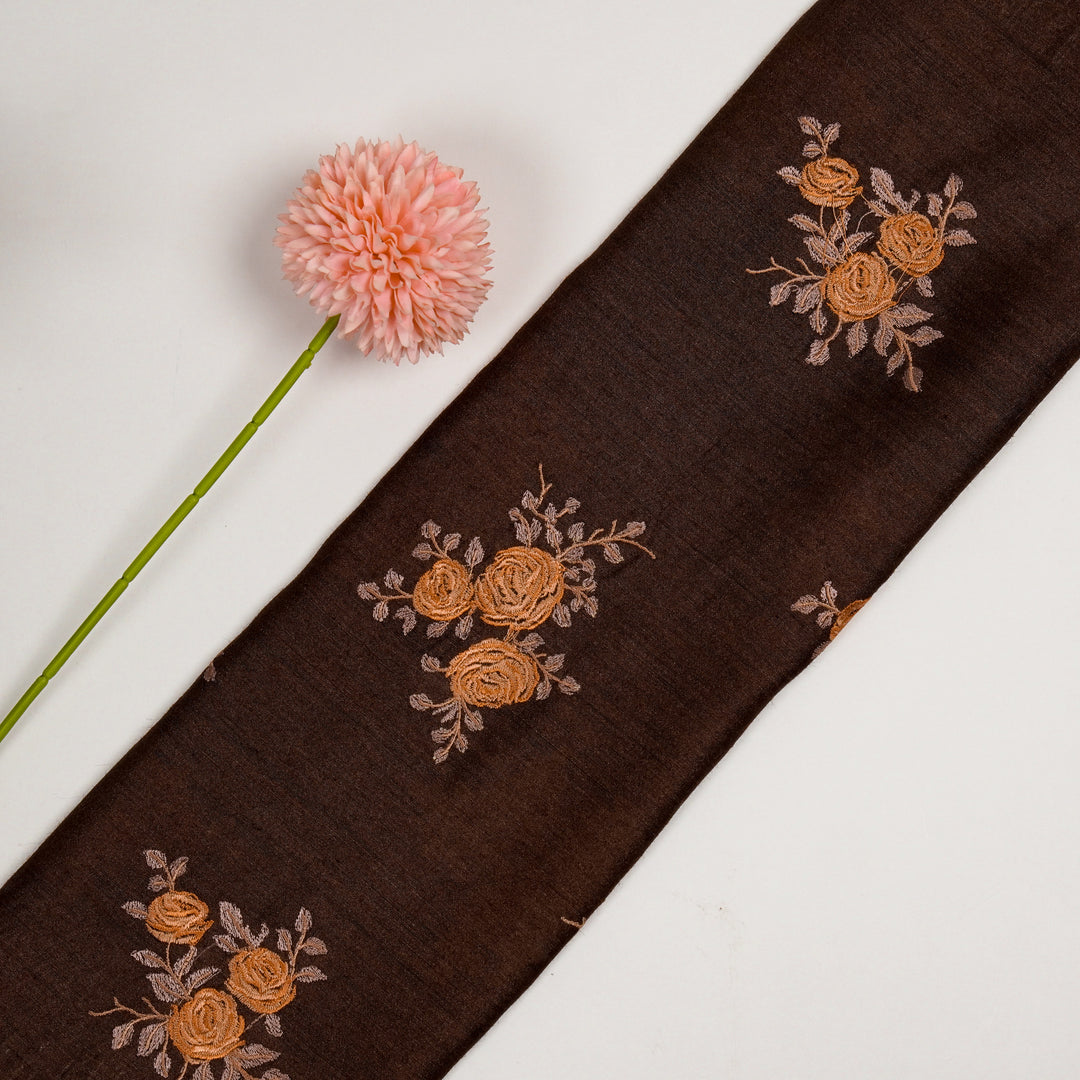
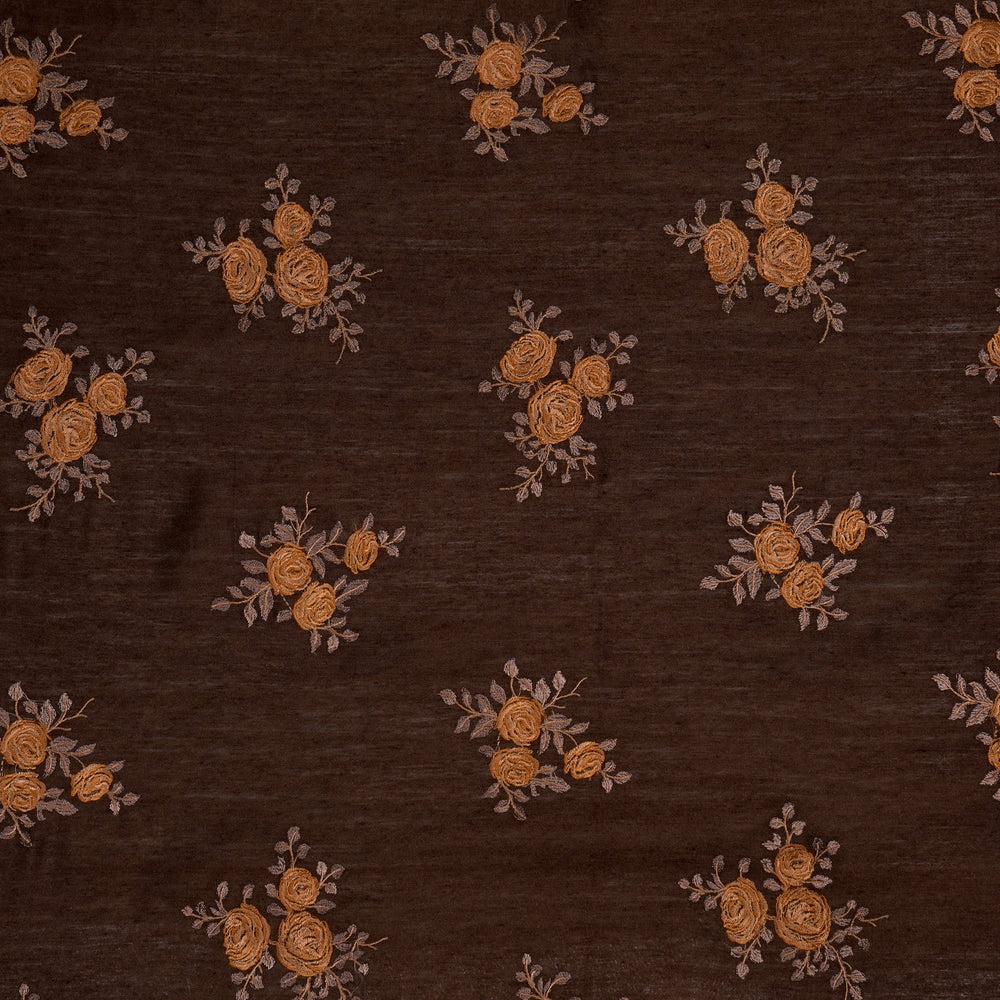
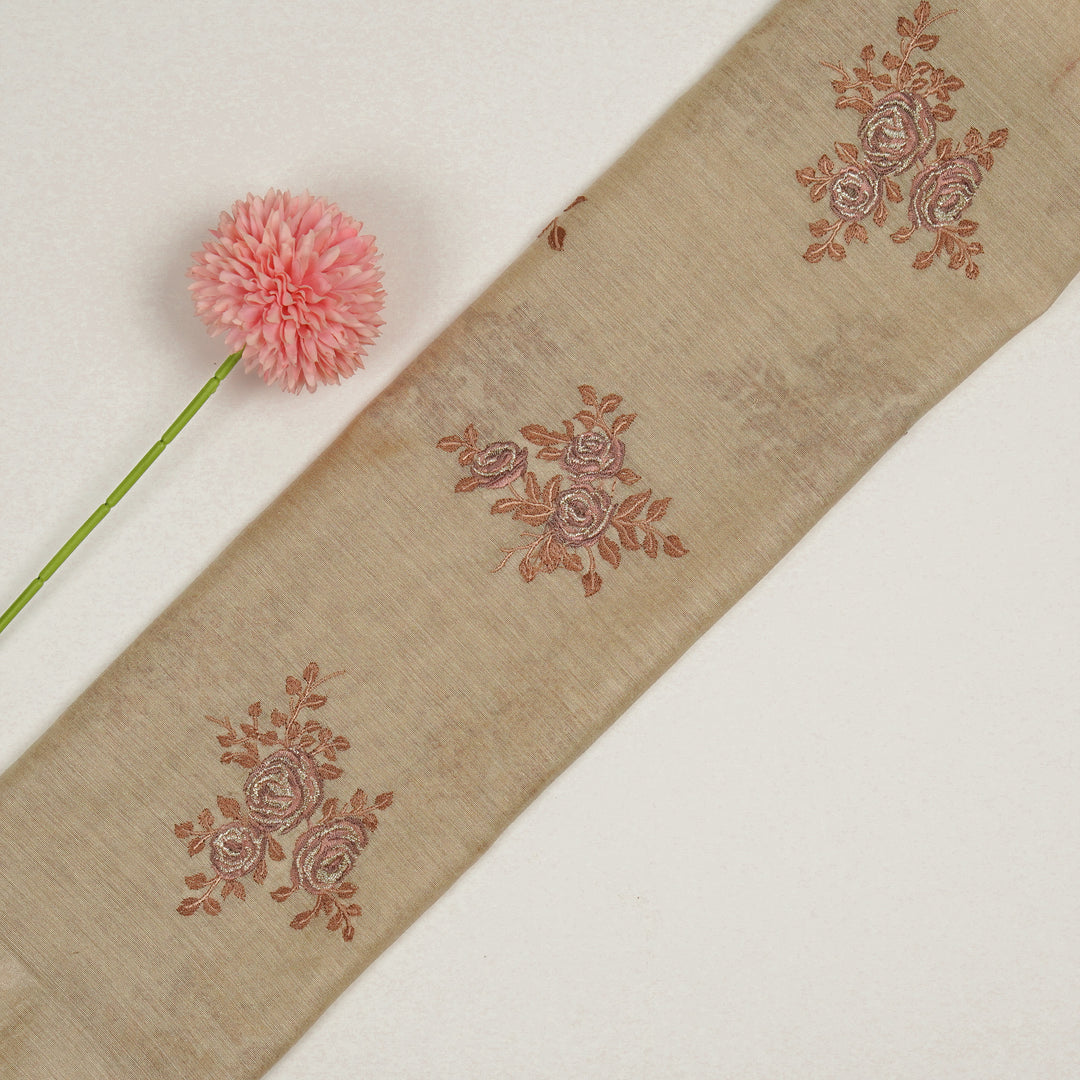
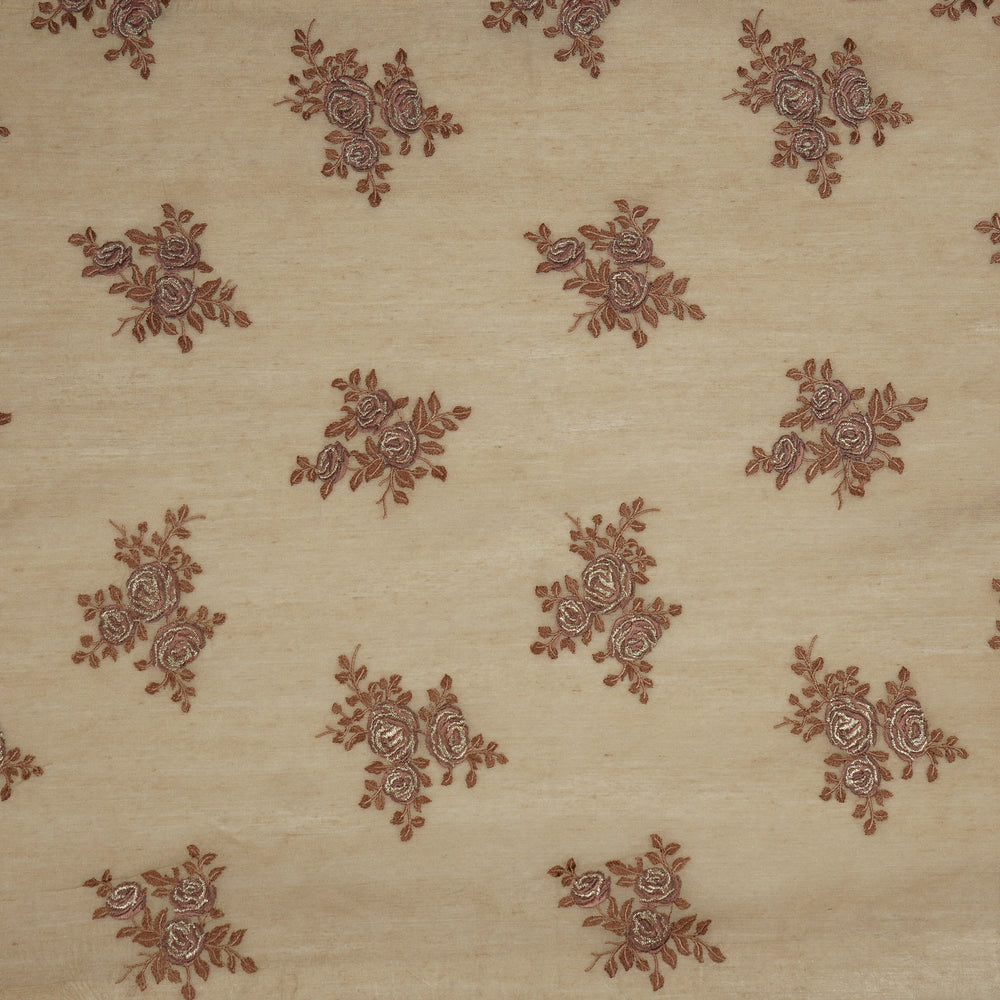
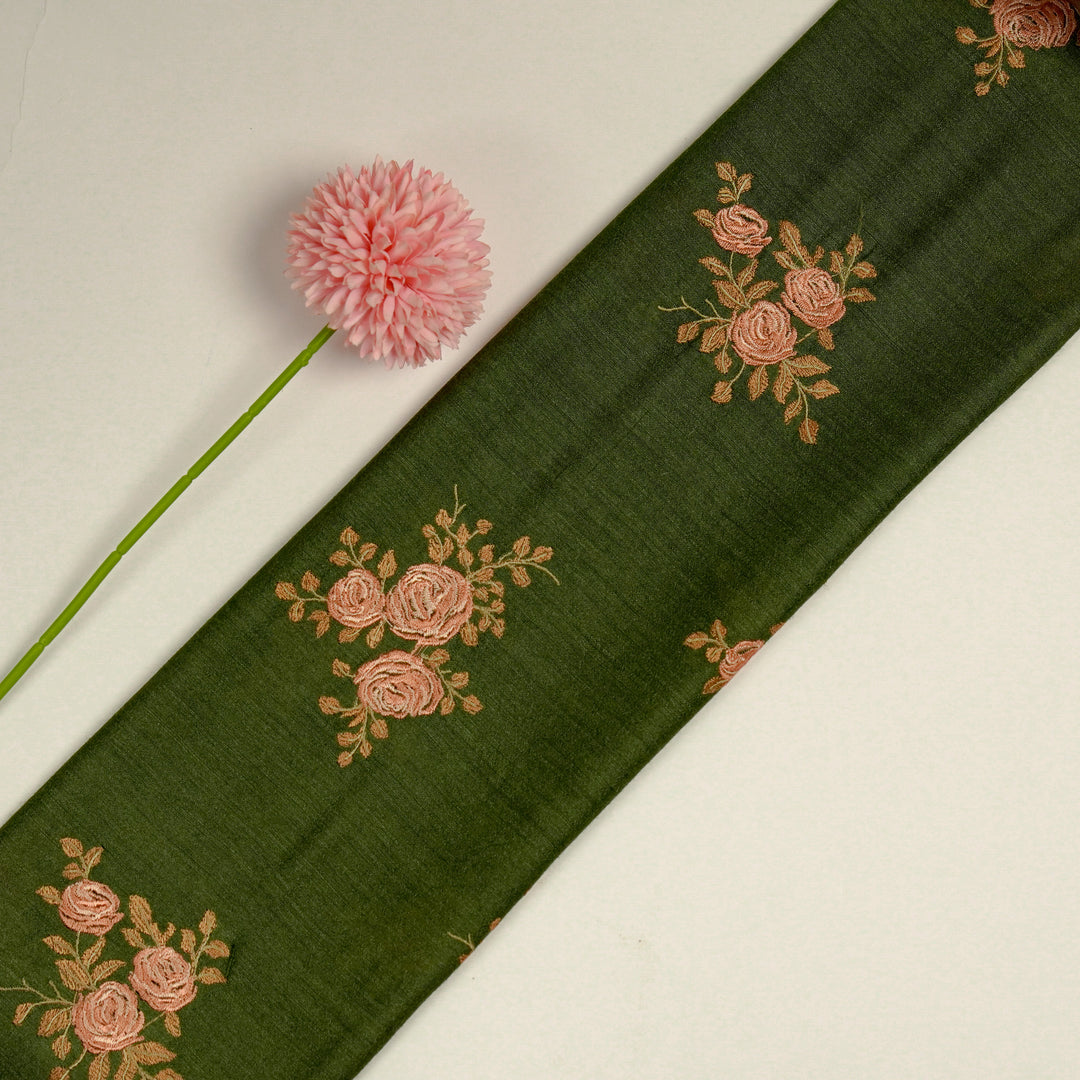
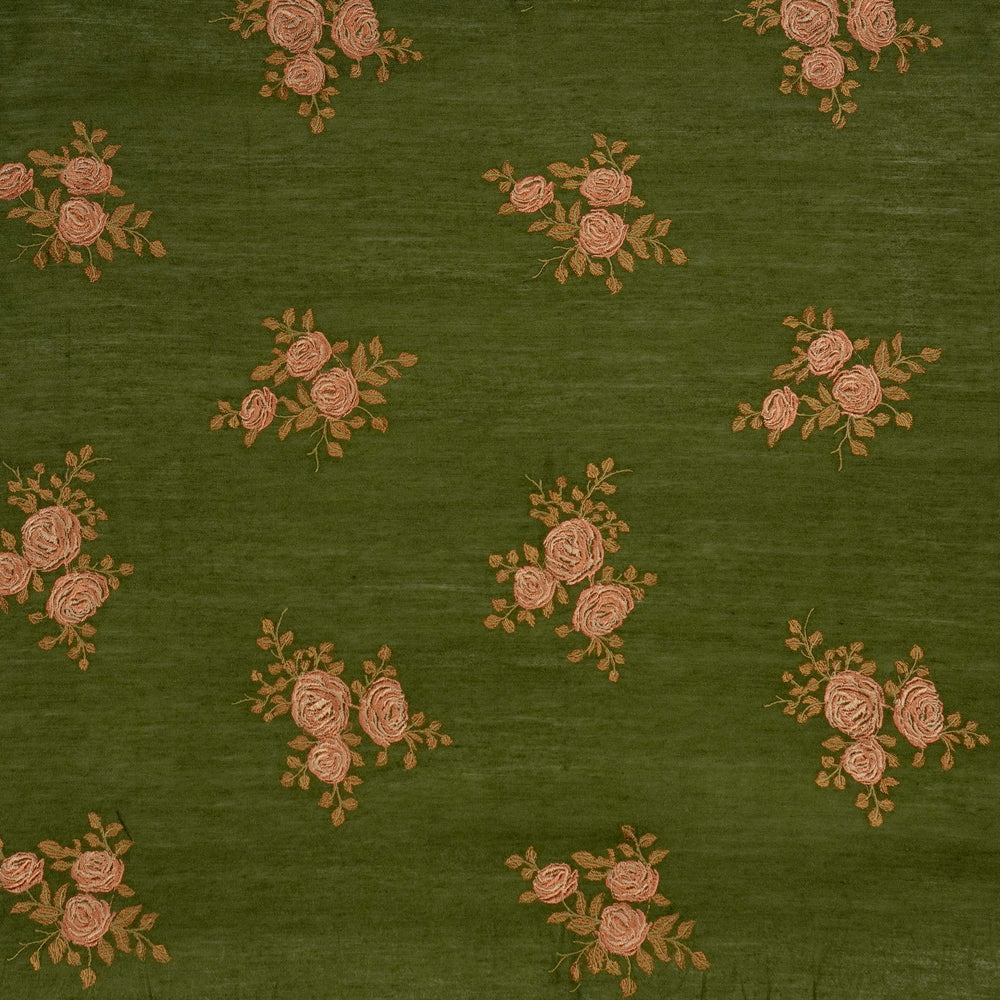
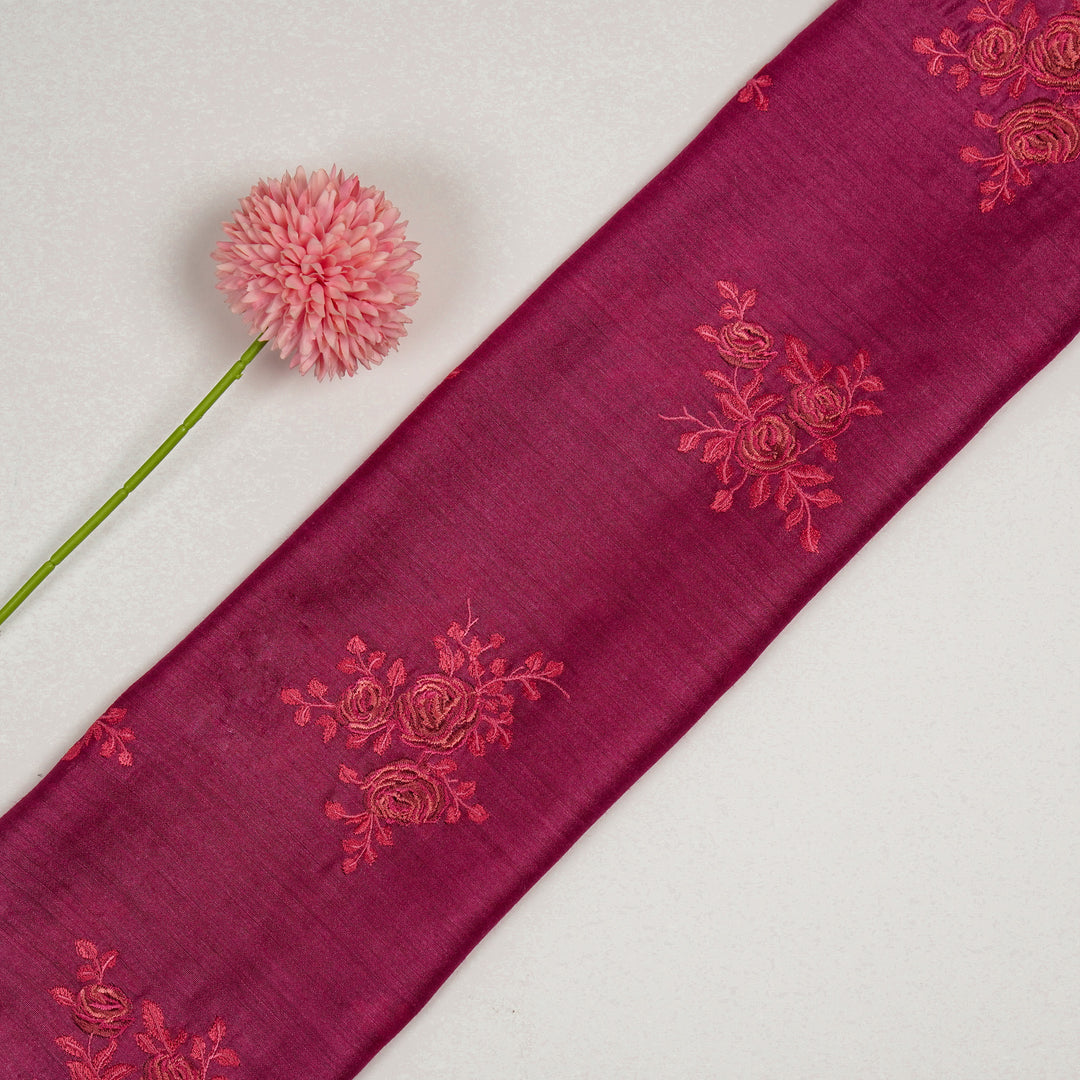
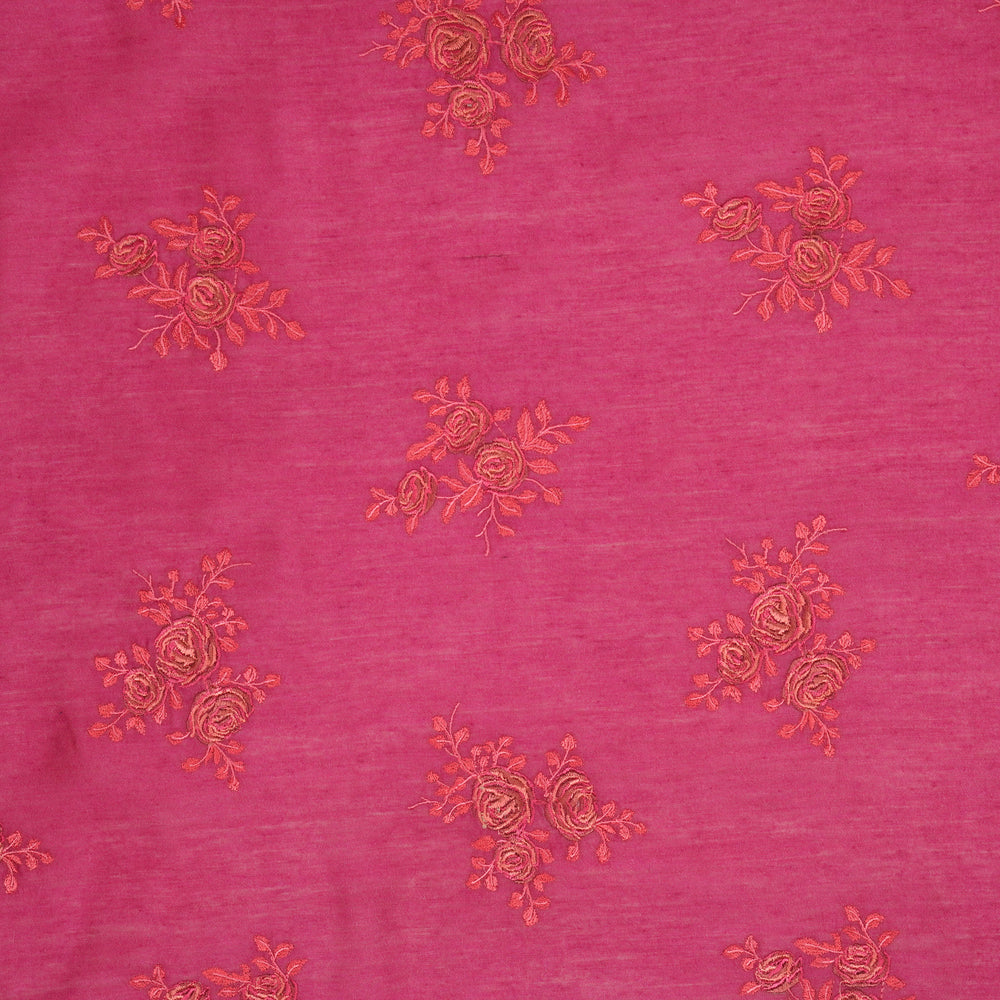
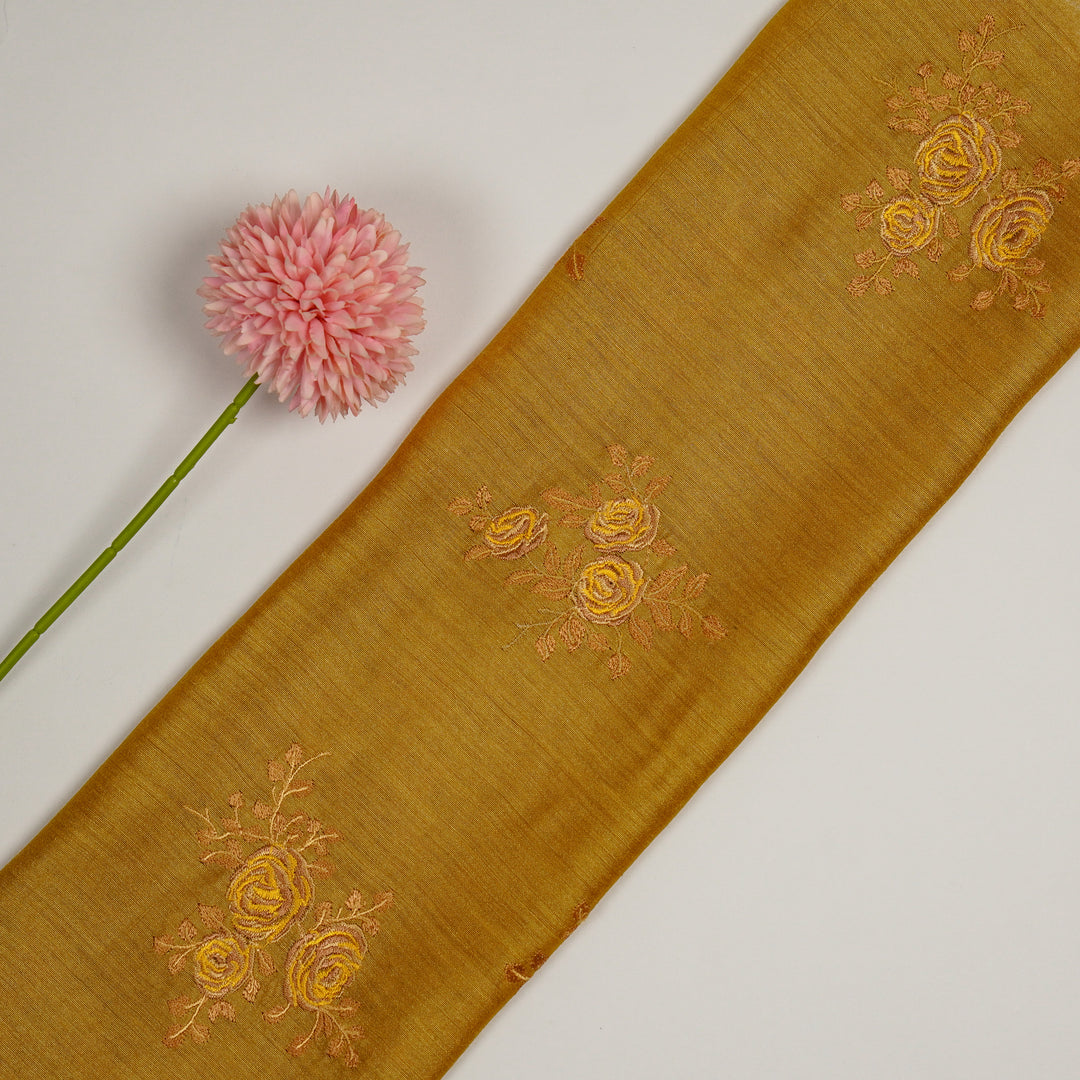
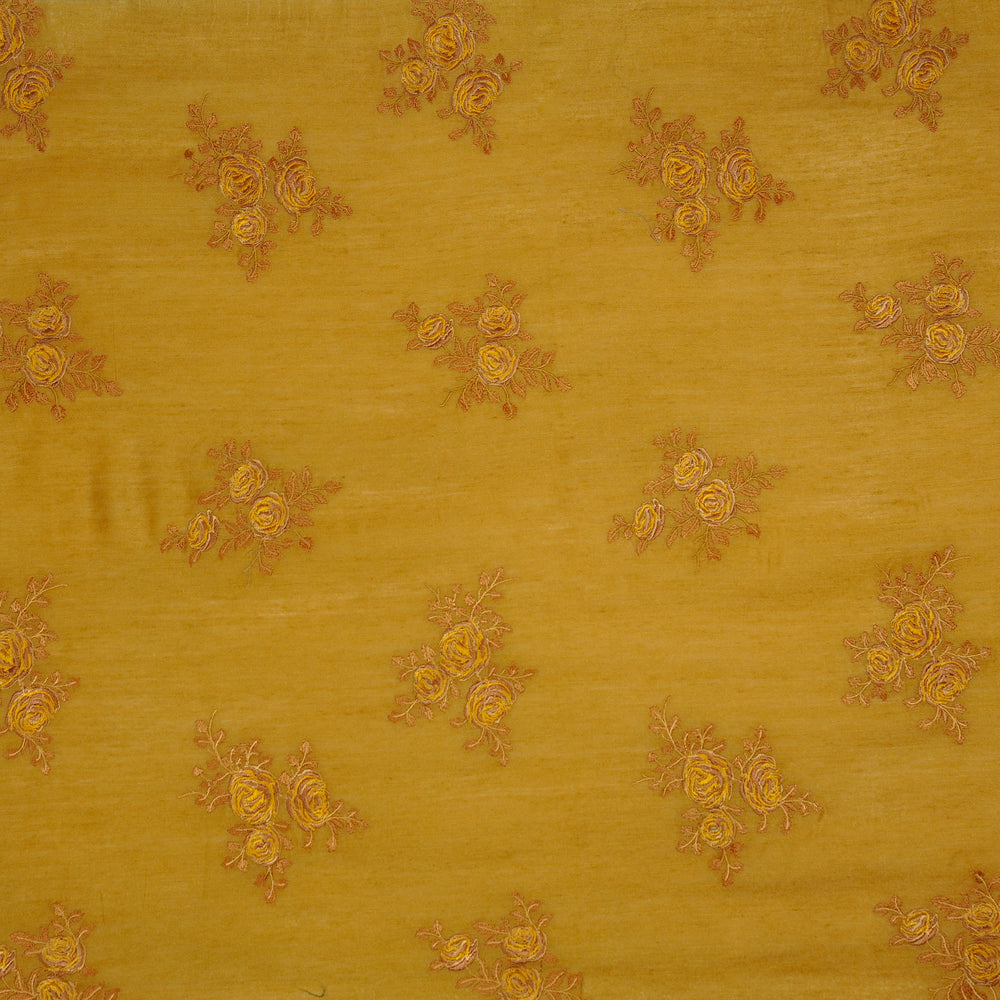
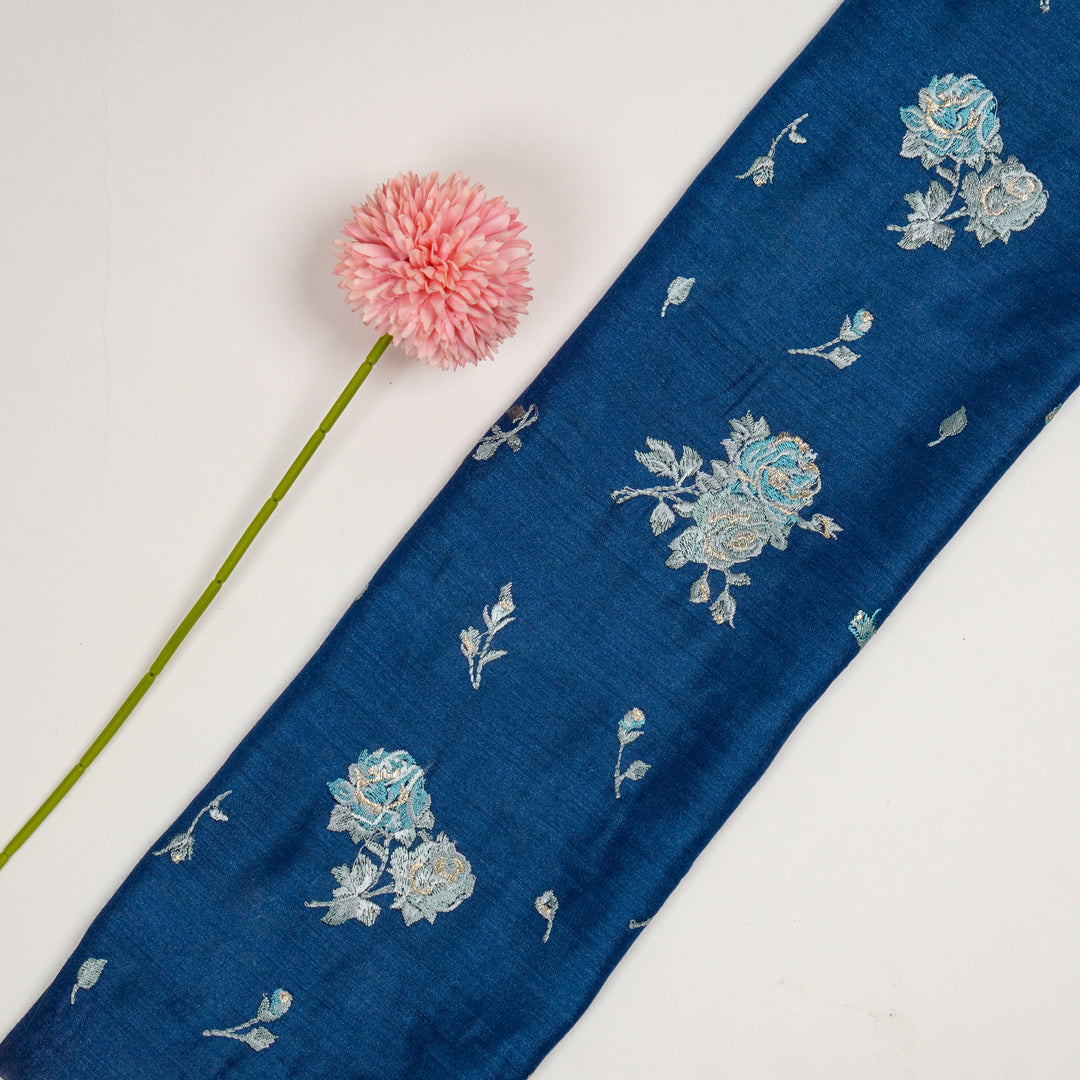
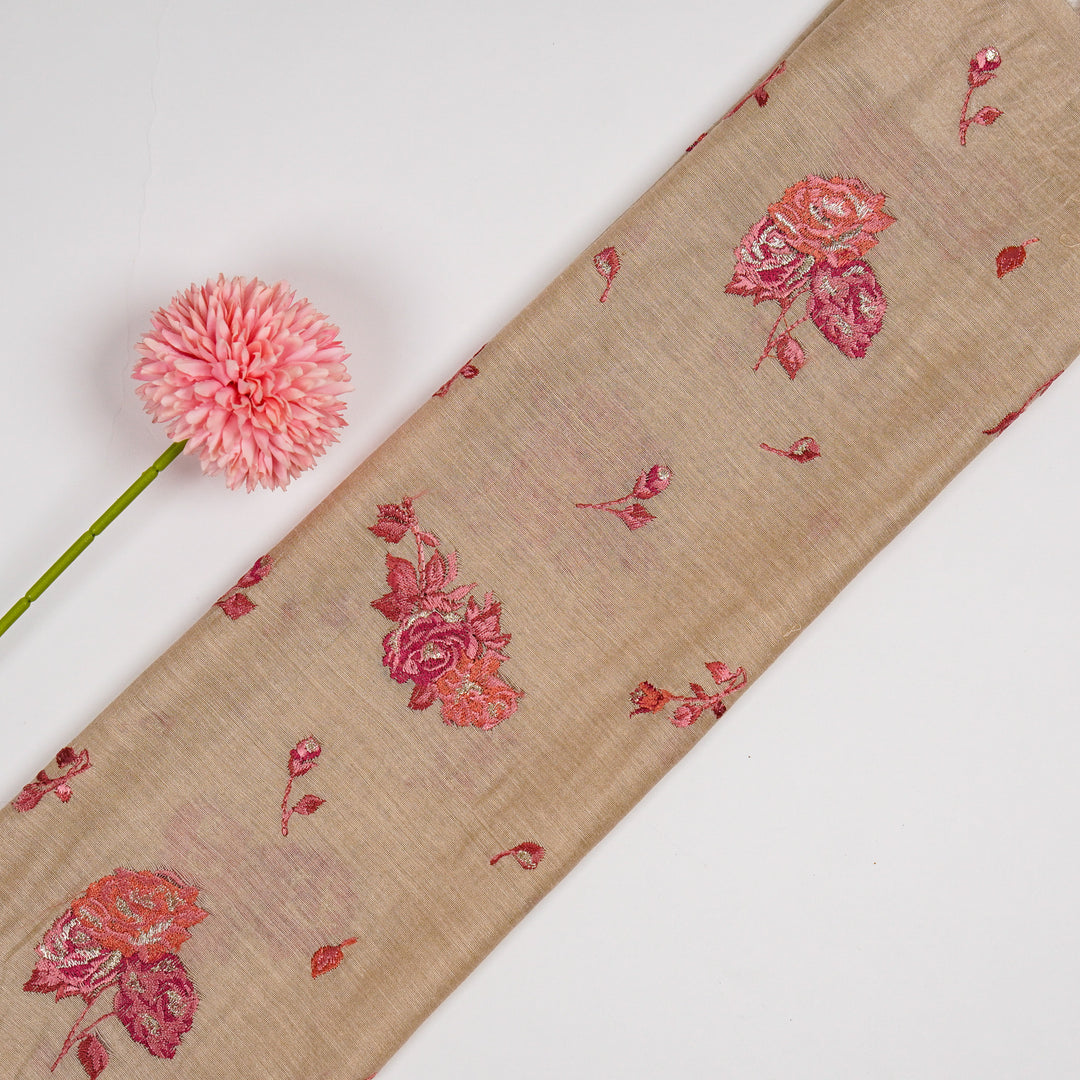
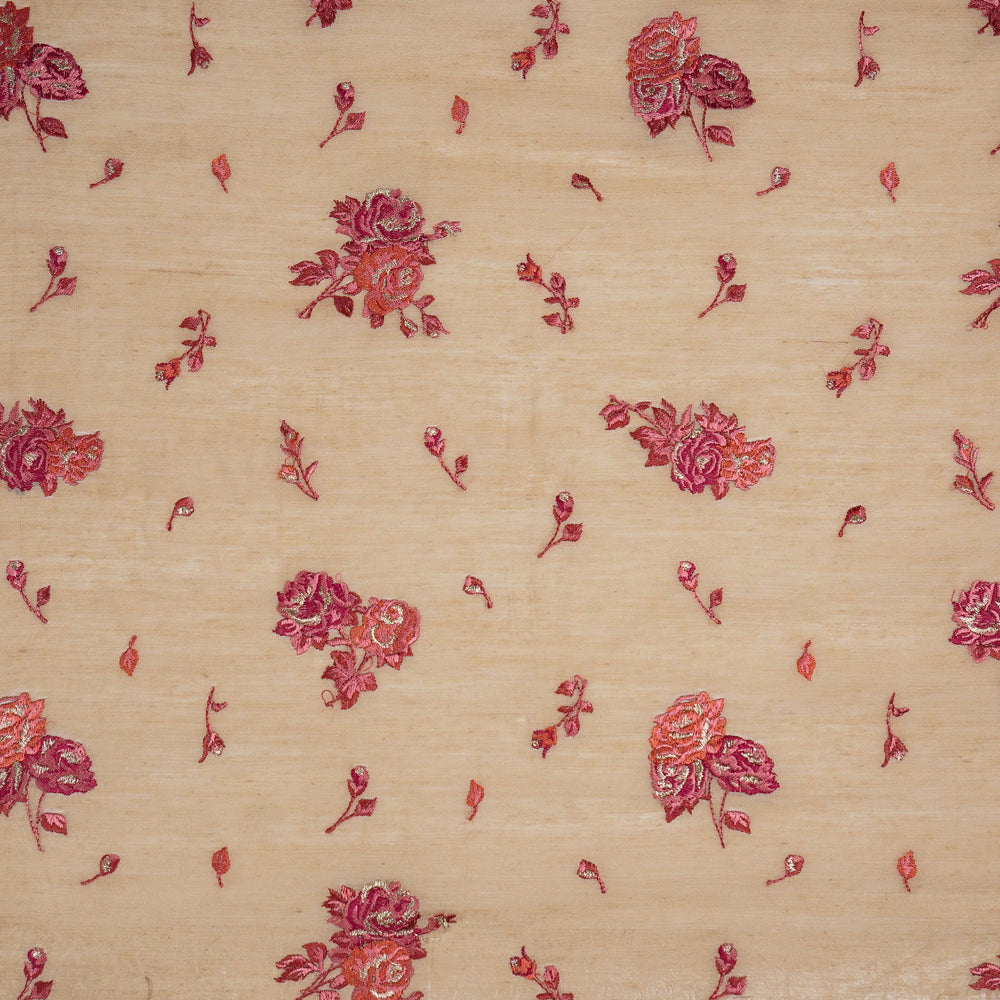
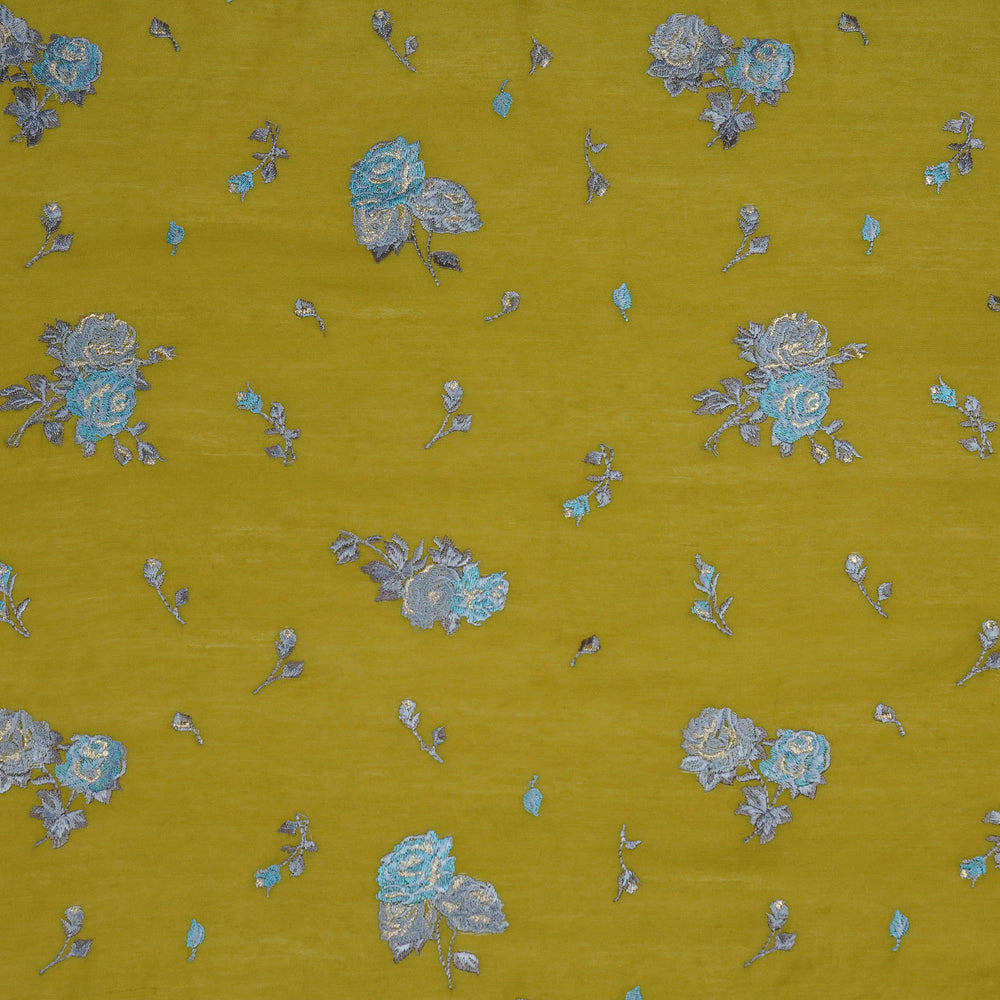
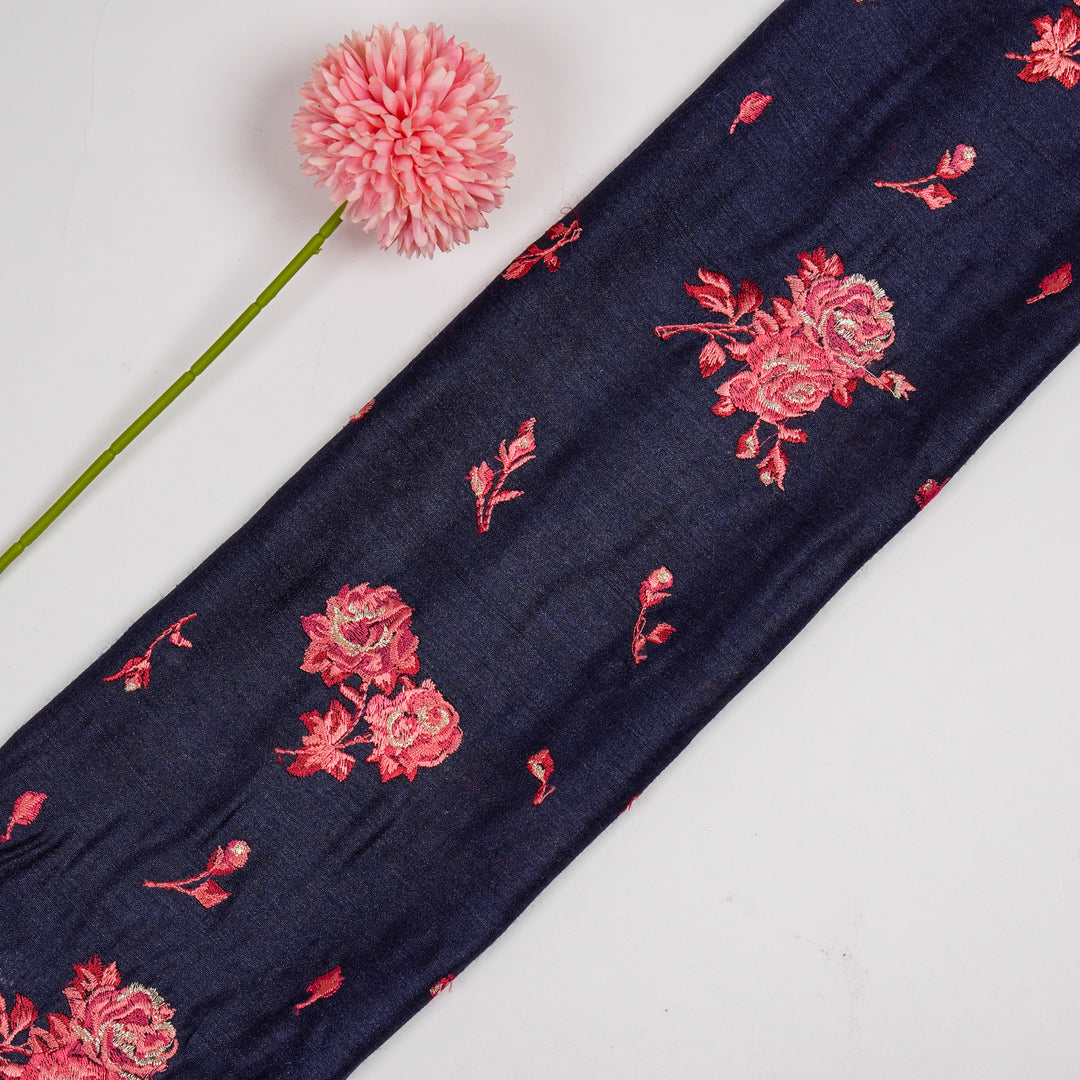
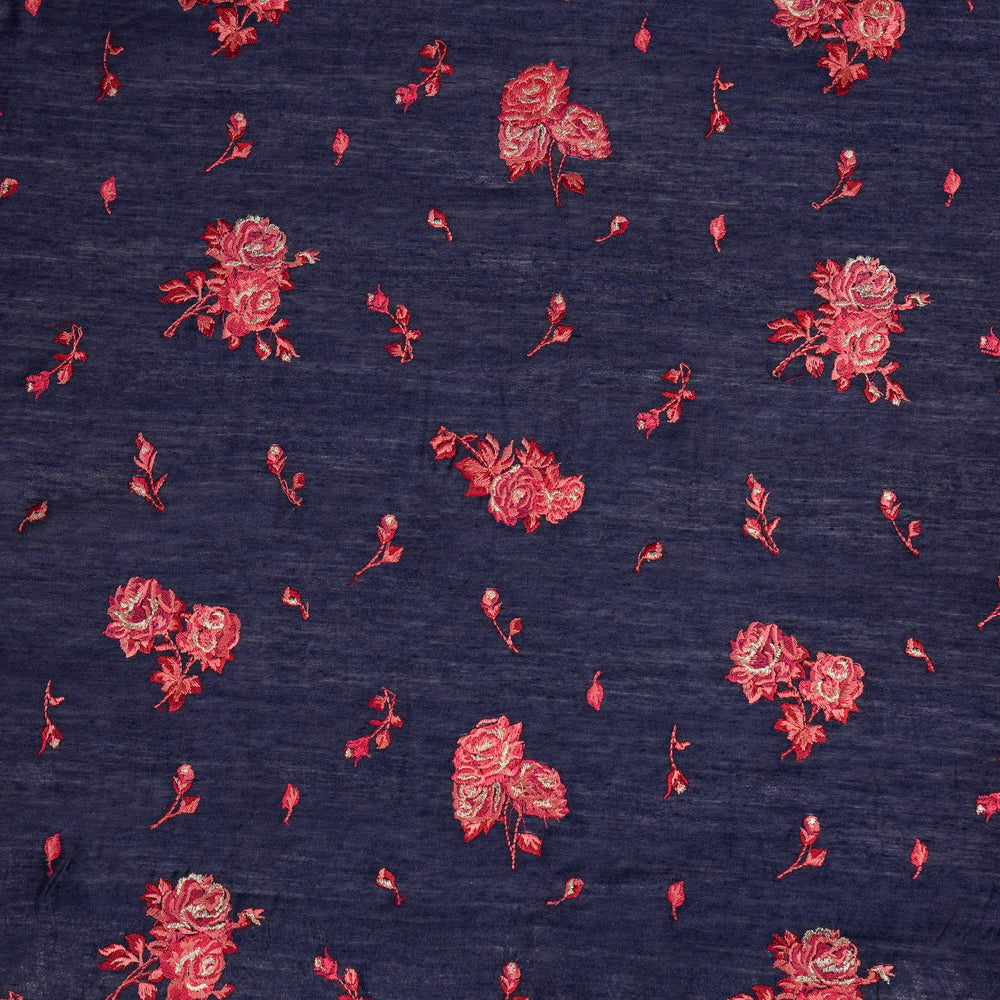
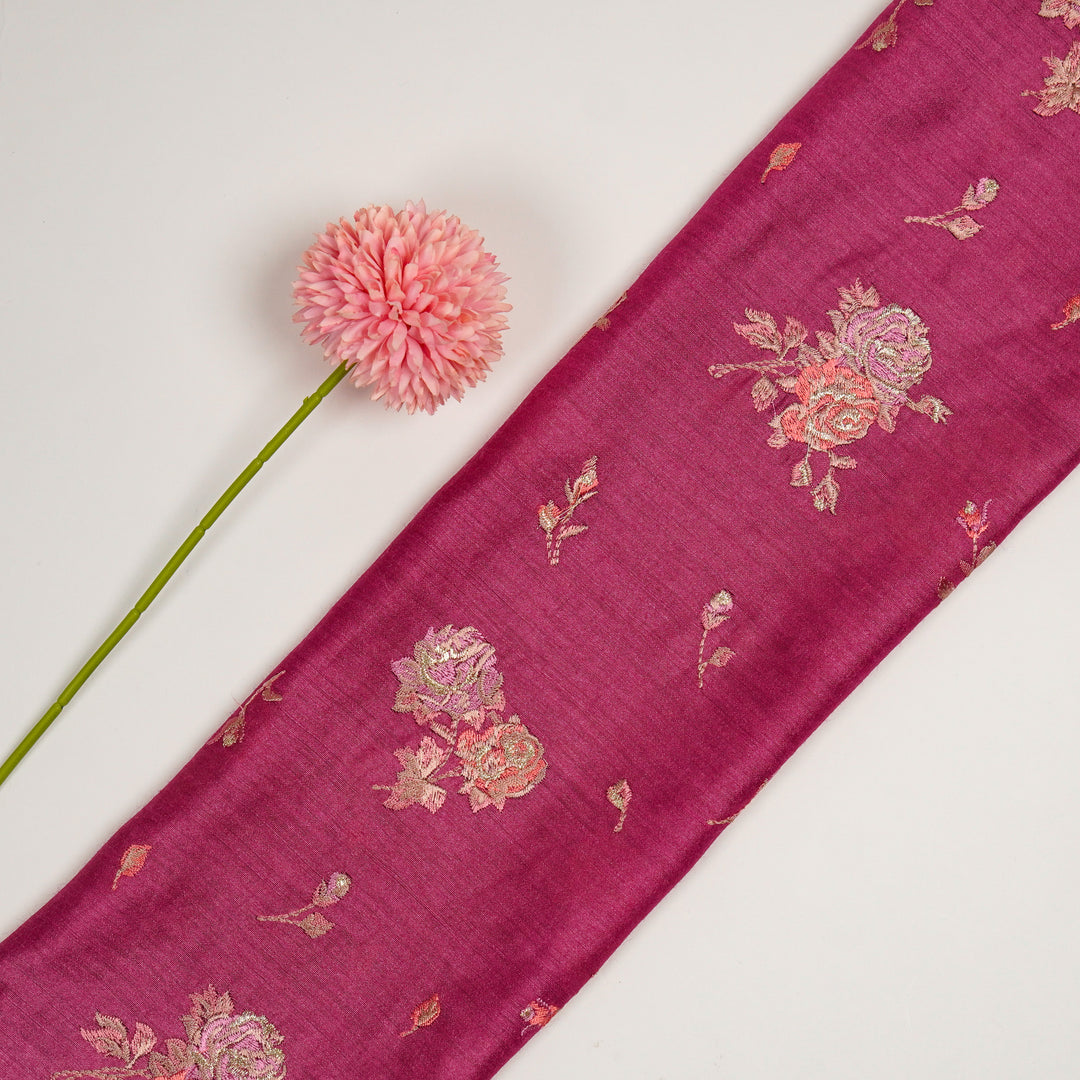
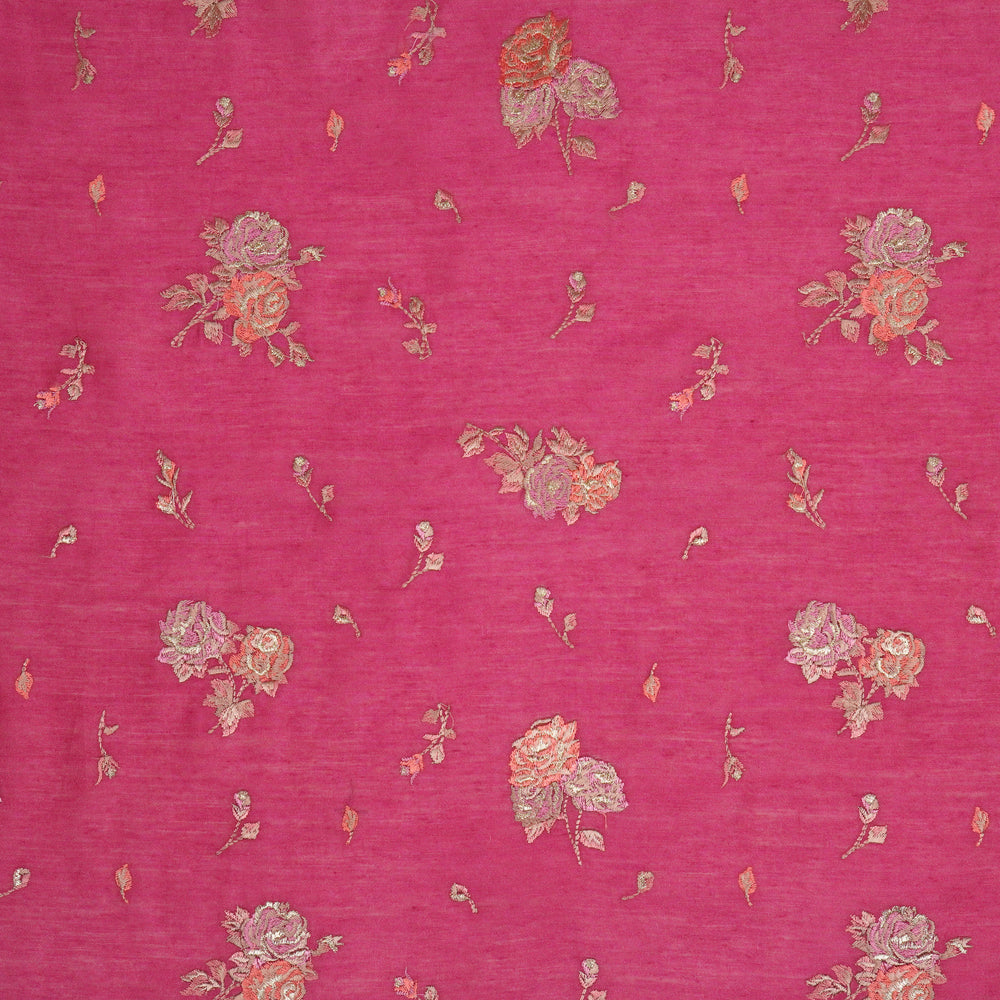
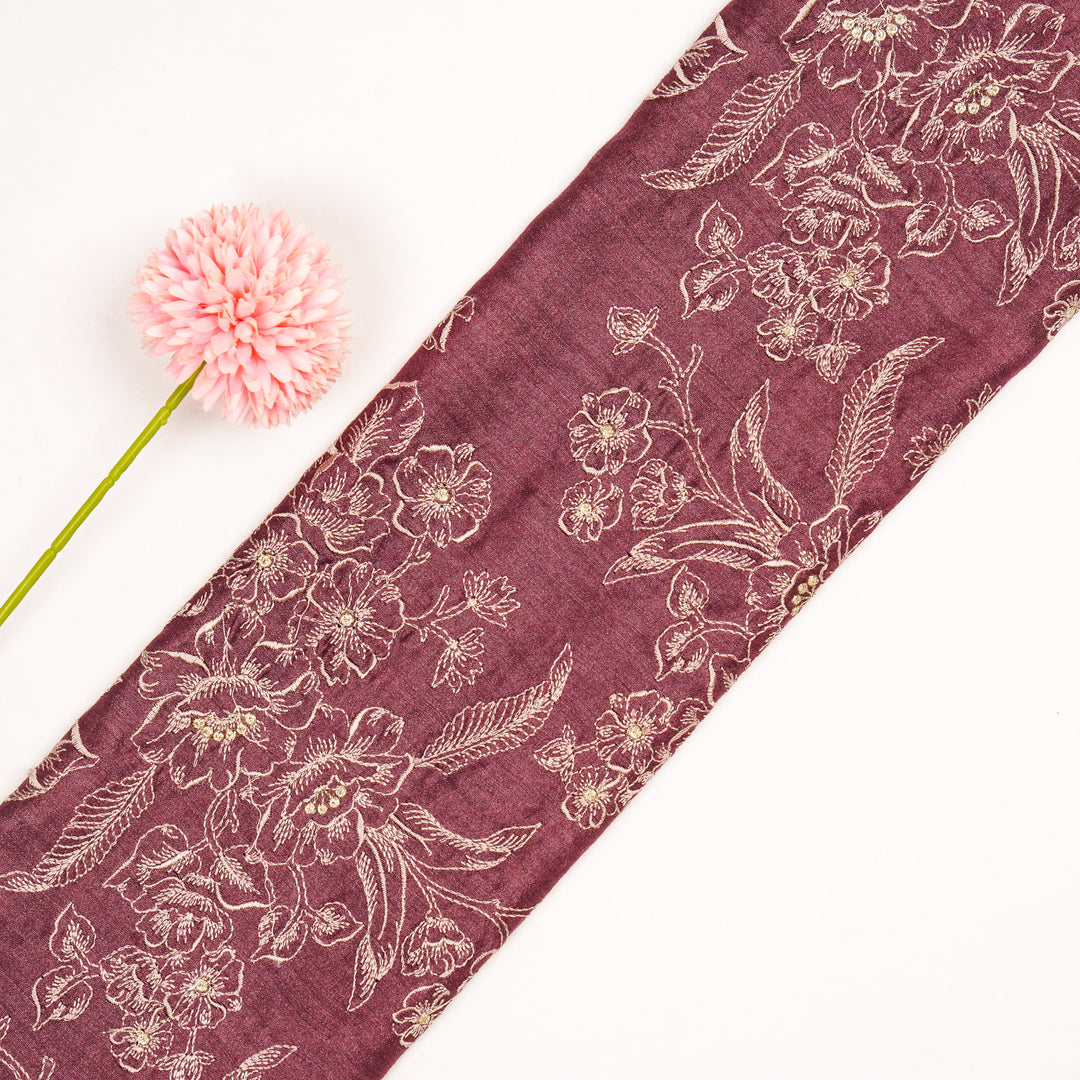
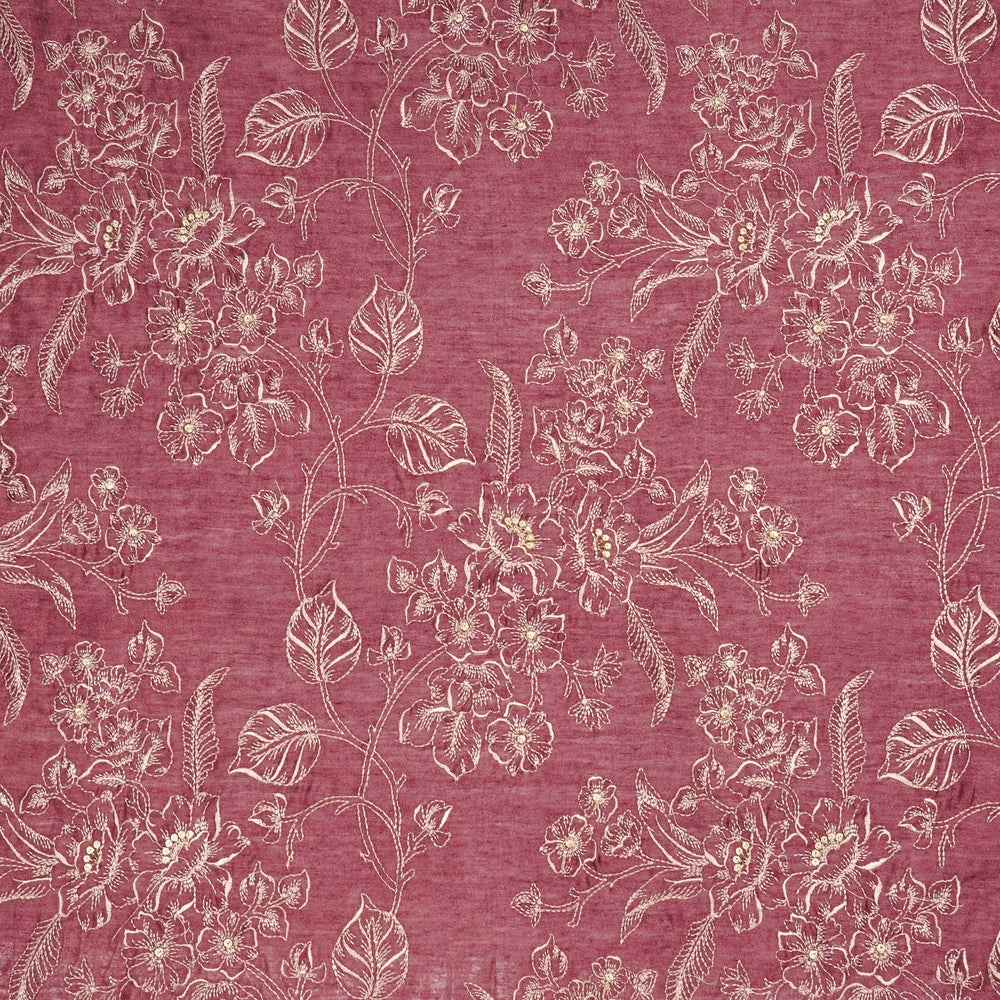
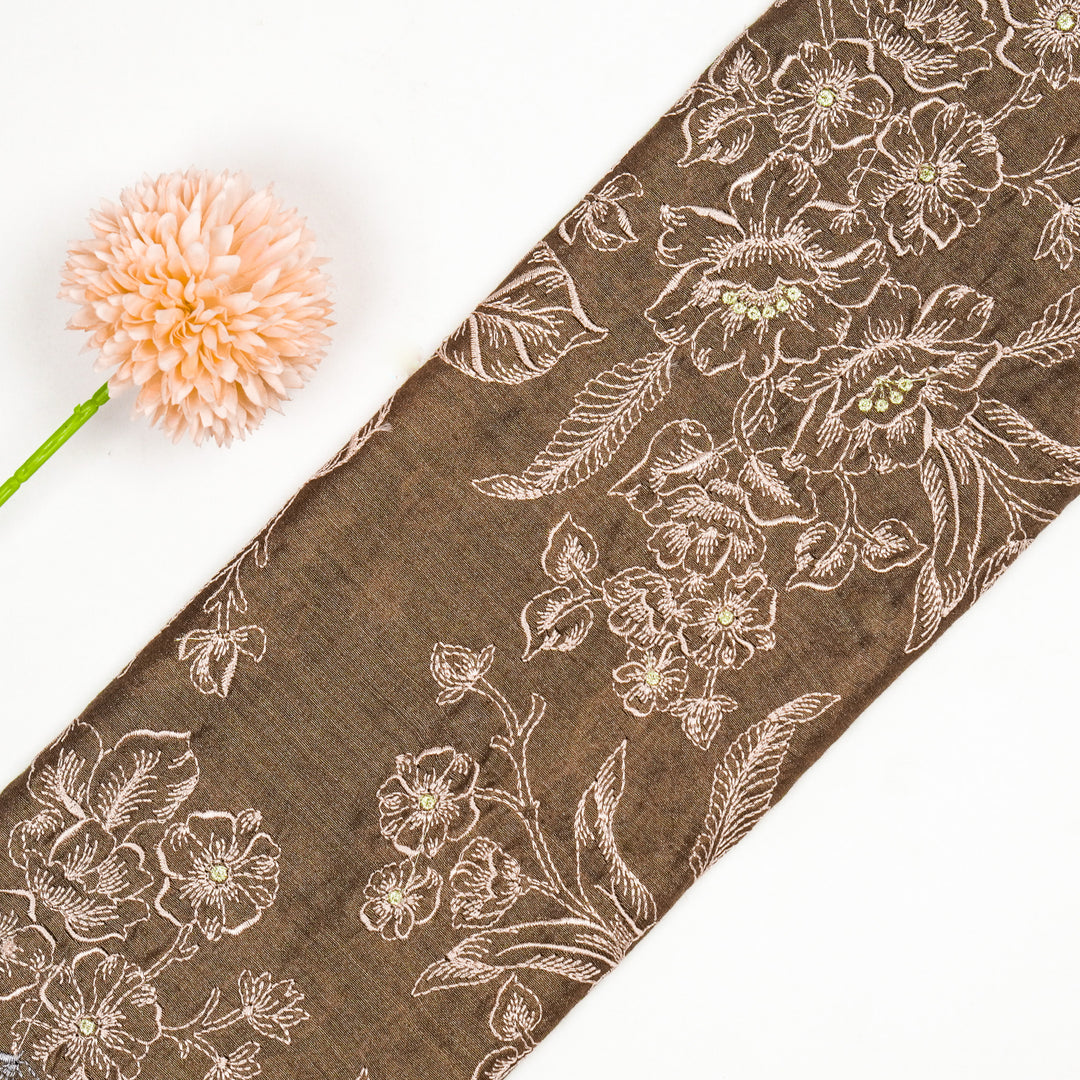
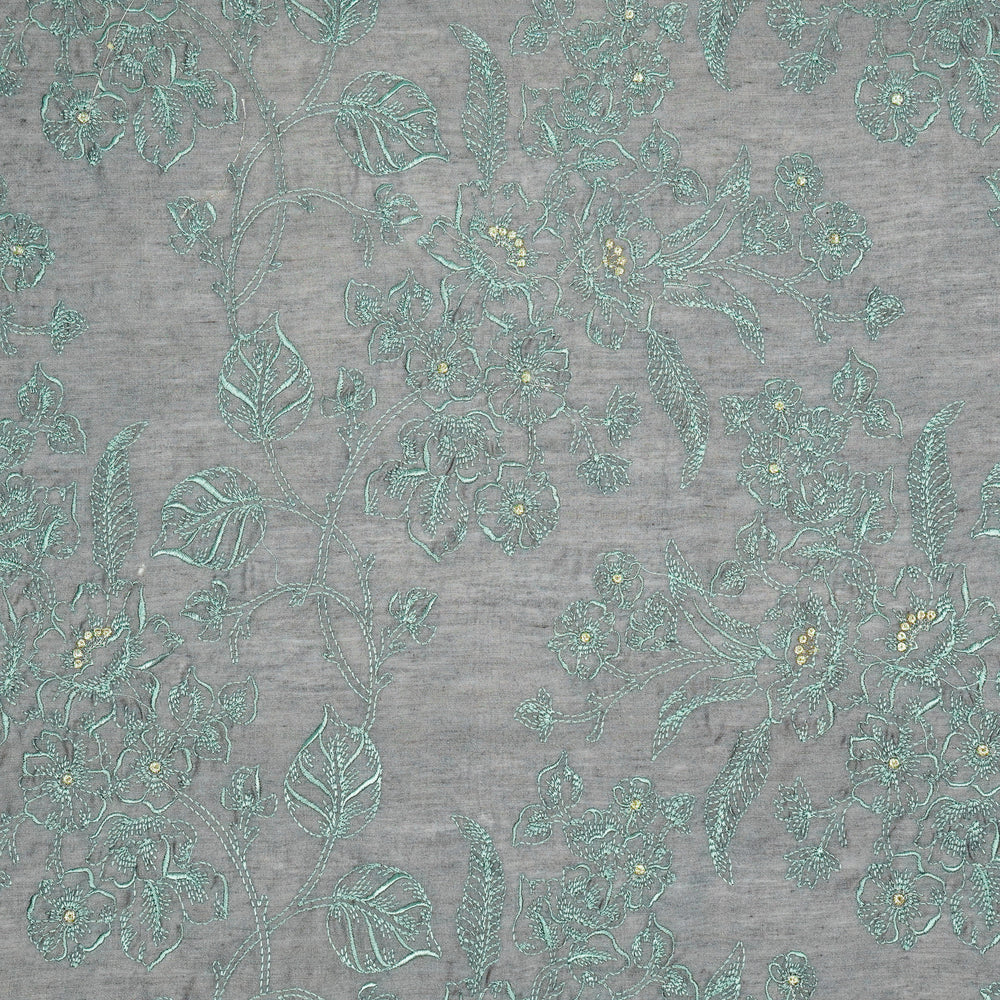
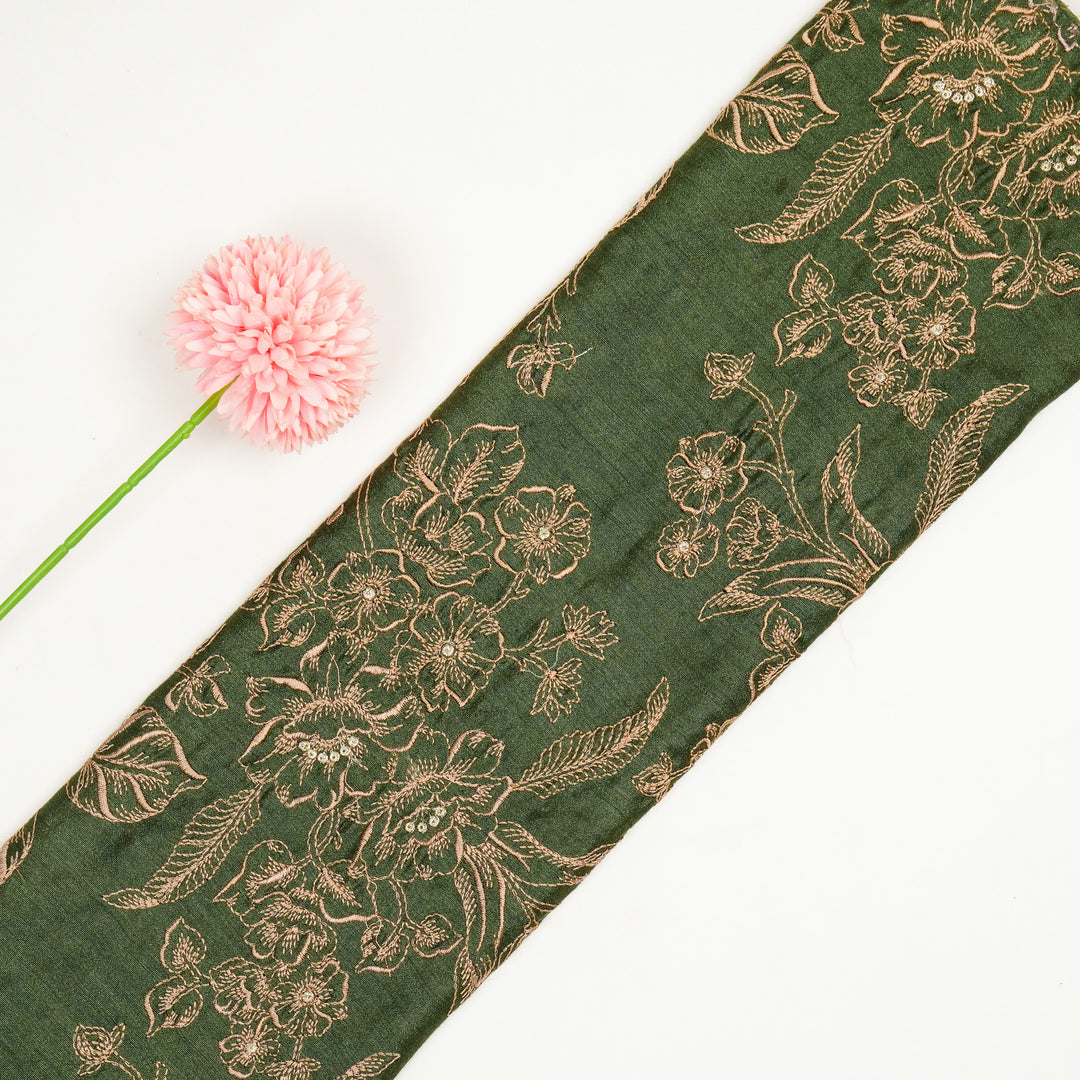
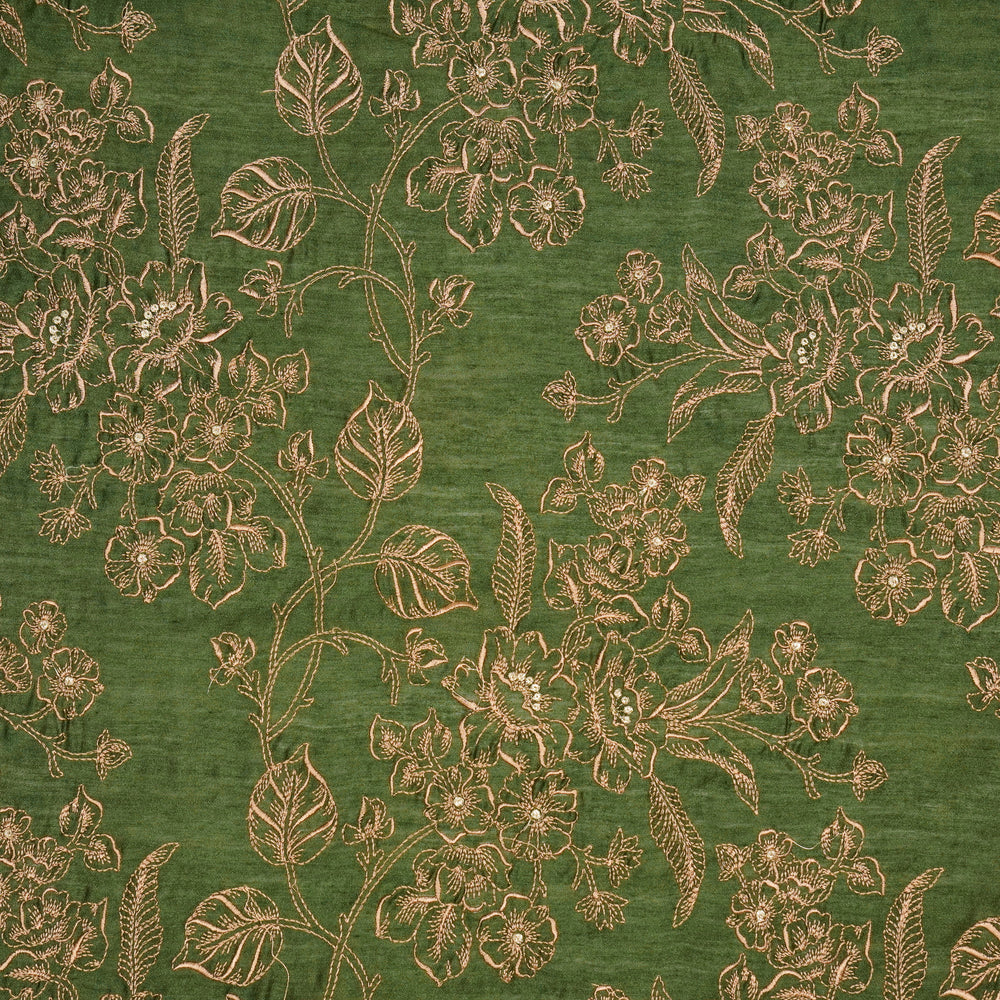
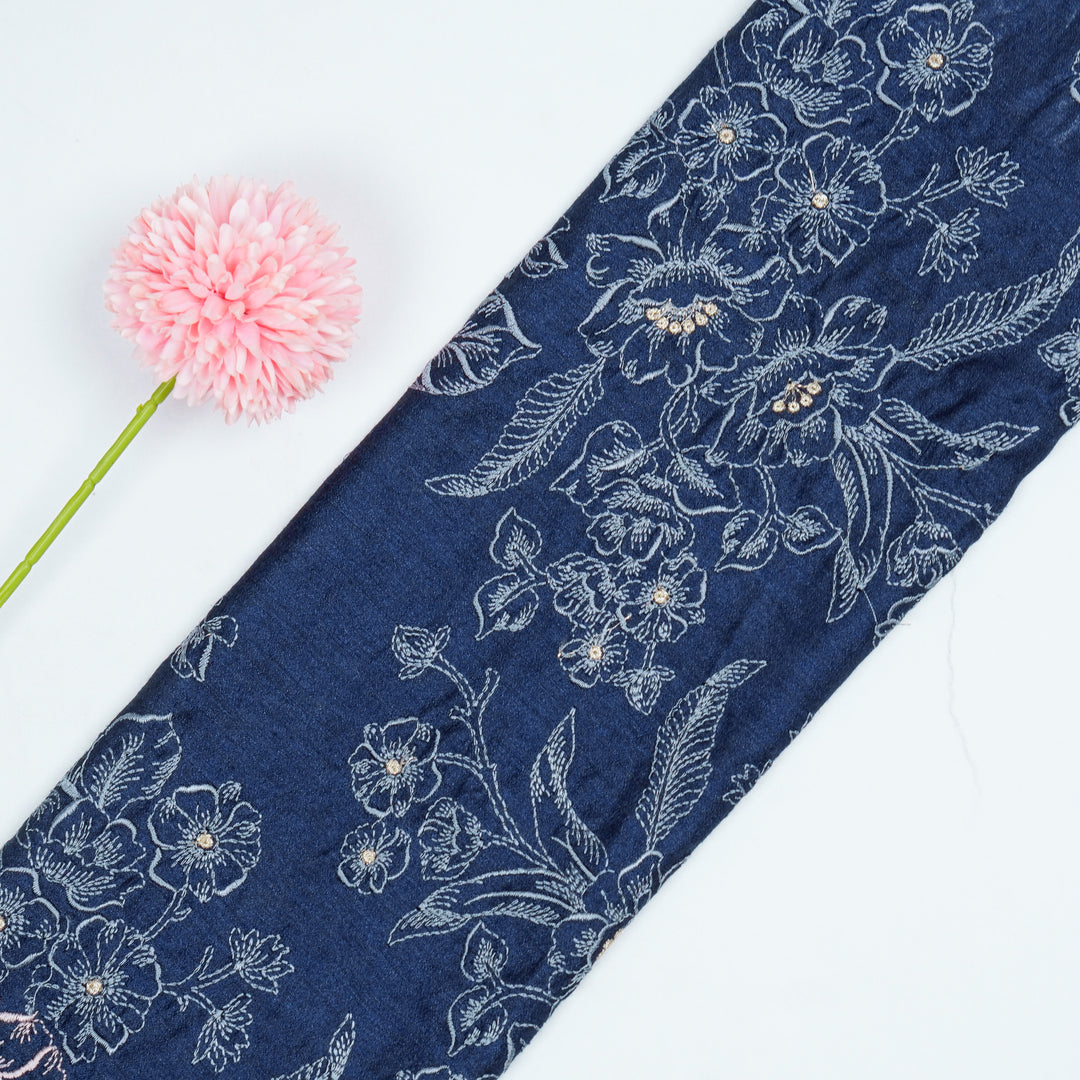
Embroidered munga silk combines the natural durability and golden lustre of muga silk with the added beauty of fine embroidery. The fabric becomes softer with each use, improves in sheen over time, and is more resistant to wear than mulberry silk. The natural texture of munga silk provides an excellent base for embroidery because the threads grip the surface firmly, keeping the embroidery intact even with regular use.
4.Is munga silk suitable for daily wear or only special occasions?
Munga silk is versatile enough for both daily wear and special occasions. Its durability sets it apart from more delicate silk varieties, and it is far less prone to snagging or tearing. Plain munga silk in neutral tones like ivory or light gajri is excellent for elegant everyday kurtas, while embroidered munga silk is better suited for festive functions, family gatherings, and ceremonial occasions where you want to make an impression.
5.What is the difference between munga silk and mouse-coloured silk?
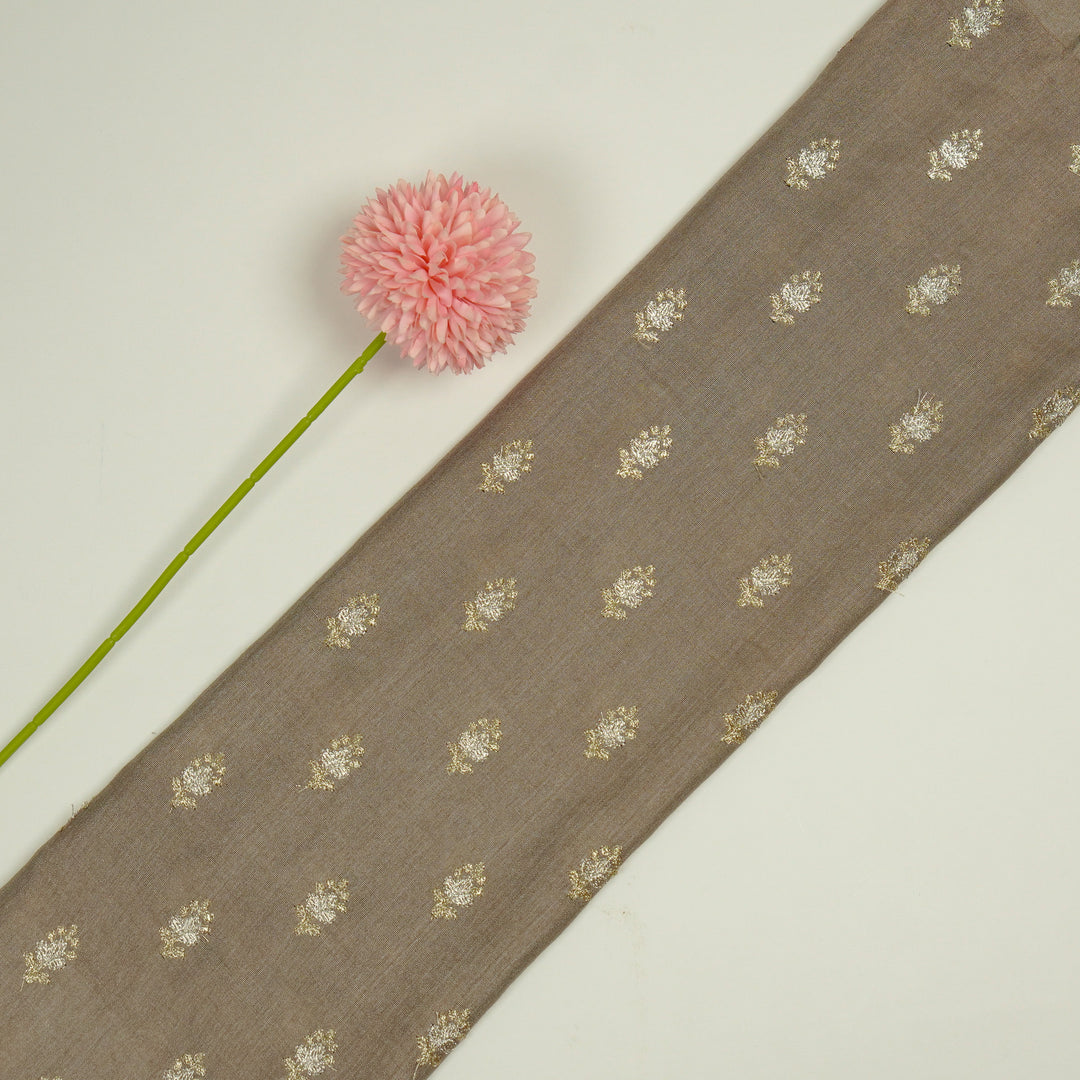
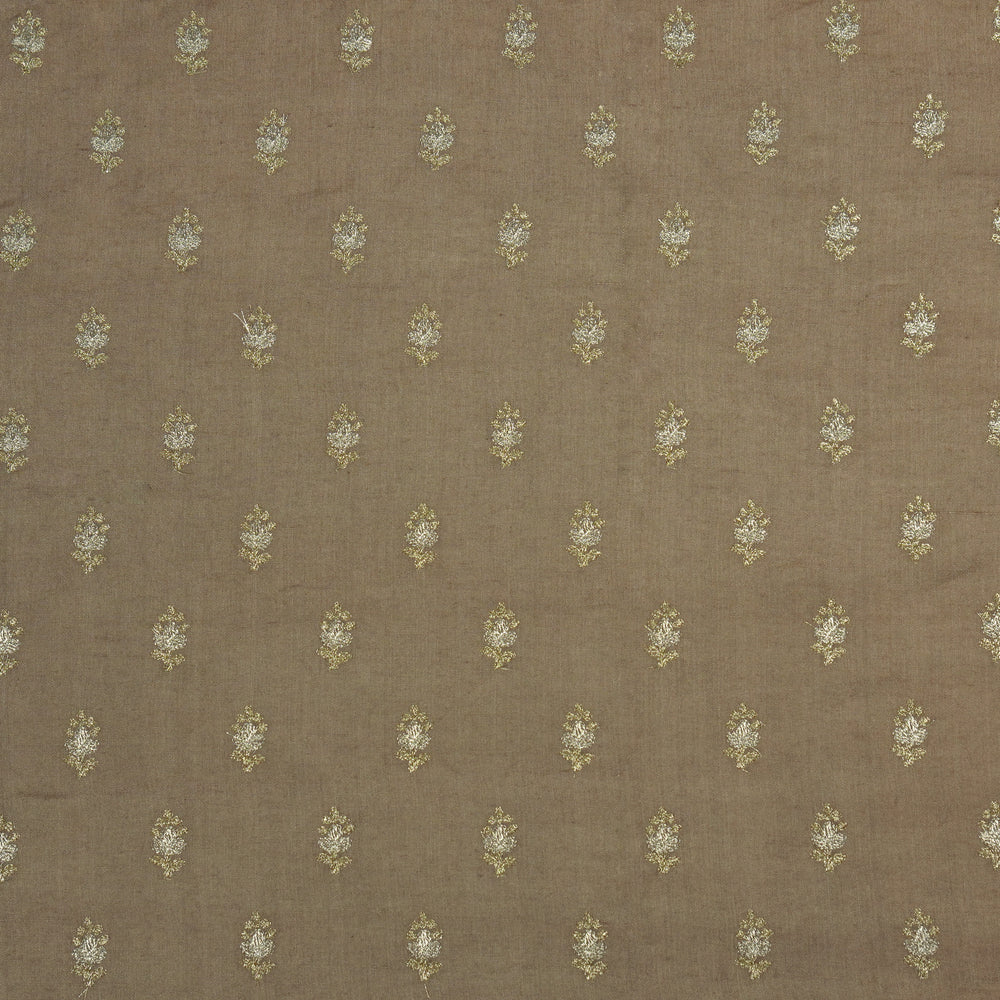
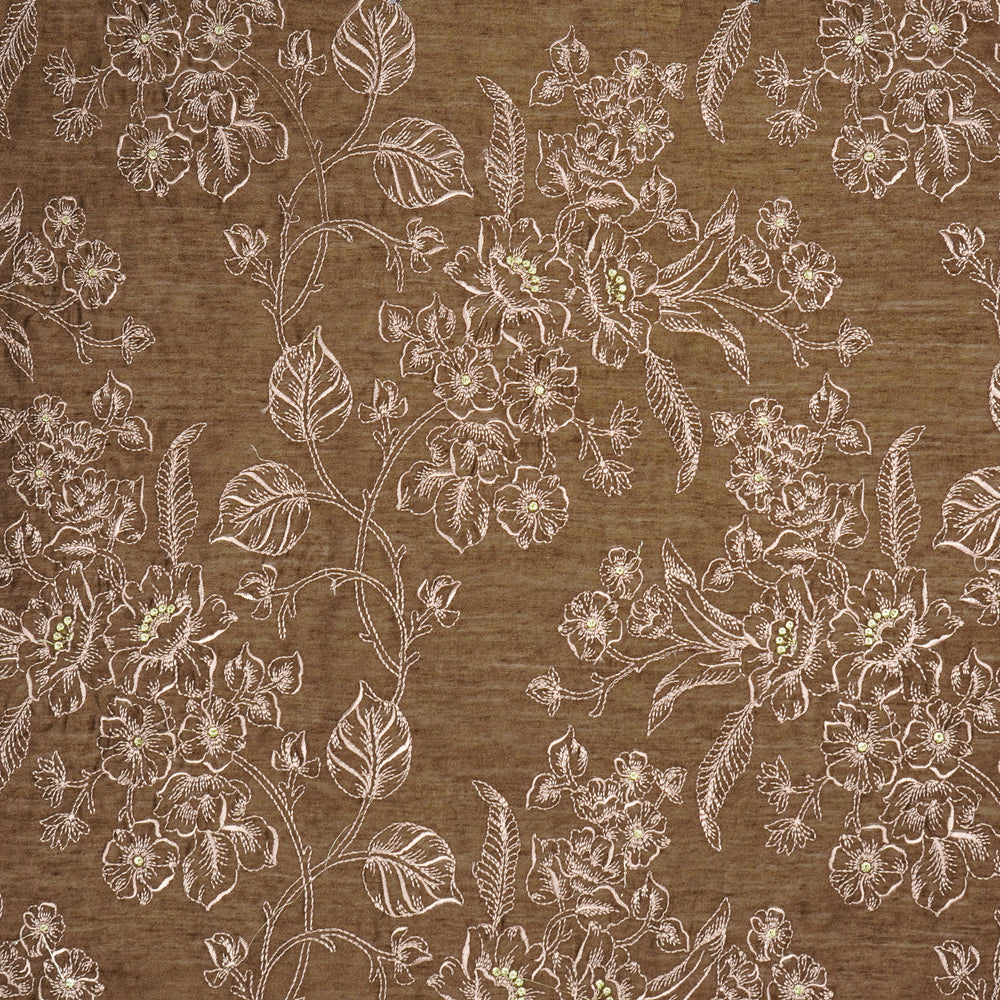
These are often confused but refer to different things. Munga silk is a variety of silk named after the silkworm it comes from. Mouse colour, on the other hand, refers to a specific warm grey-beige shade that is popular in silk fabrics. Munga silk in its natural state resembles a warm golden-champagne tone, not a grey. Mouse-coloured munga silk fabric refers to munga silk that has been dyed in the popular mouse shade.
6.How should I wash and care for munga silk fabric?
Munga silk is more resilient than most silk types but still benefits from careful handling. Hand-wash in cold water with a gentle, pH-neutral detergent, avoiding any rubbing or soaking. For embroidered pieces, dry-cleaning is recommended to protect the threadwork. Dry flat in shade and iron on a low silk setting with a pressing cloth. Munga silk naturally becomes more beautiful with use, so regular wear is actually encouraged.
7.What outfits can be made with embroidered munga silk fabric?
Embroidered munga silk is popularly used for sarees, salwar kameez, blouse material, and suit sets. Its natural weight and texture make it ideal for draped sarees that hold their shape without being stiff. For suit sets, munga silk provides a slightly structured silhouette that looks refined and polished. The fabric also works well as a blouse material, where its natural sheen makes it stand out against any saree.
8.What is moga mouse colour and why is it so popular?
Moga mouse colour refers to a warm, earthy grey-beige shade seen in munga silk fabric, particularly from the Moga region. It became popular because of its versatility - the neutral warmth of the shade pairs well with gold, silver, and jewel-tone accessories, making it easy to style for both formal and everyday wear. The natural undertone of munga silk gives the mouse colour a depth and richness that synthetic fabrics in similar shades simply cannot achieve.
9.Is munga silk GI-tagged or authenticity protected?
Yes, muga silk from Assam has Geographical Indication (GI) status in India, meaning authentic muga silk can only be produced in Assam from the specific Antheraea assamensis silkworm. This protects both the heritage craft and the consumer. When purchasing munga silk, look for sellers who source from verified Assam weavers and can provide provenance information, as synthetic imitations and blended fabrics are sometimes sold under similar names.
10.How is embroidery done on munga silk without damaging the fabric?
Skilled artisans embroider munga silk using fine needles and carefully selected thread weights to avoid putting stress on the fabric weave. The natural texture of munga silk actually makes it more forgiving than smoother silks because the slightly rough surface holds embroidery threads in place naturally. Zarinama's embroidered munga silk pieces are crafted by experienced embroiderers who understand how to work with the fabric's unique structure to create long-lasting, beautiful results.
11.What is the price range for embroidered munga silk fabric?
Genuine munga silk is priced as a premium fabric due to its rarity, the labor-intensive sericulture process, and GI protection. Embroidered munga silk commands even higher prices depending on the complexity of the embroidery. At Zarinama, pricing reflects both the quality of the base fabric and the artisanal embroidery work. It is a significant investment but one that pays off in longevity, beauty, and the fabric's unique ability to improve with age.
12.How do I style a munga silk saree or suit for a festive occasion?
Munga silk's natural golden undertone pairs beautifully with gold jewellery, antique silver accessories, and warm-toned embroidery in zari or resham. For a saree, let the fabric's natural sheen do the work and choose minimal accessories. For a suit, opt for embroidered munga silk in jewel tones like deep green or wine, paired with gold or silver earrings. The warmth of the fabric photographs especially well in natural light at outdoor functions.