




Pure Silk Fabrics

FAQ
1.What are the different types of pure silk fabrics available at Zarinama?
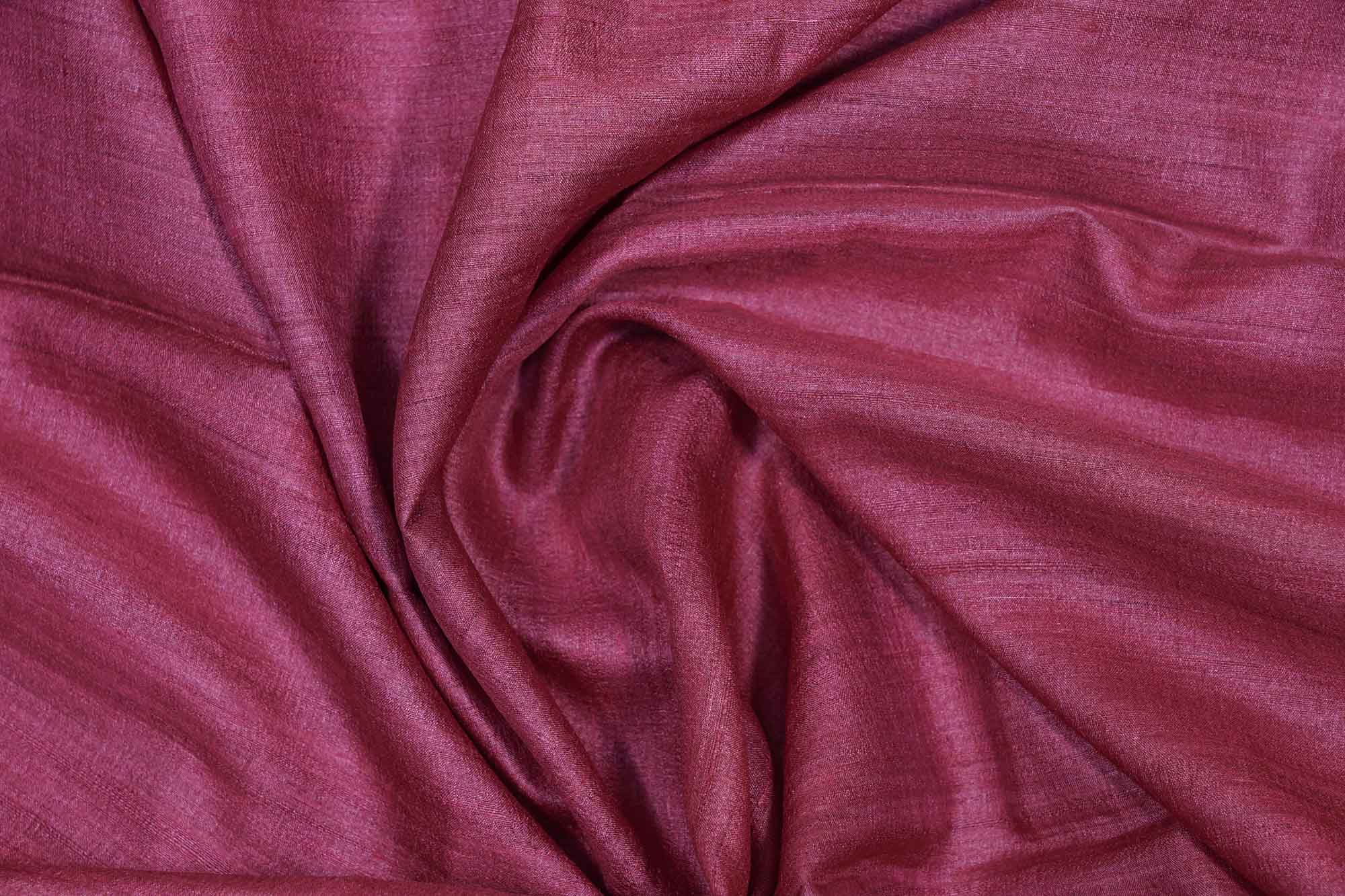
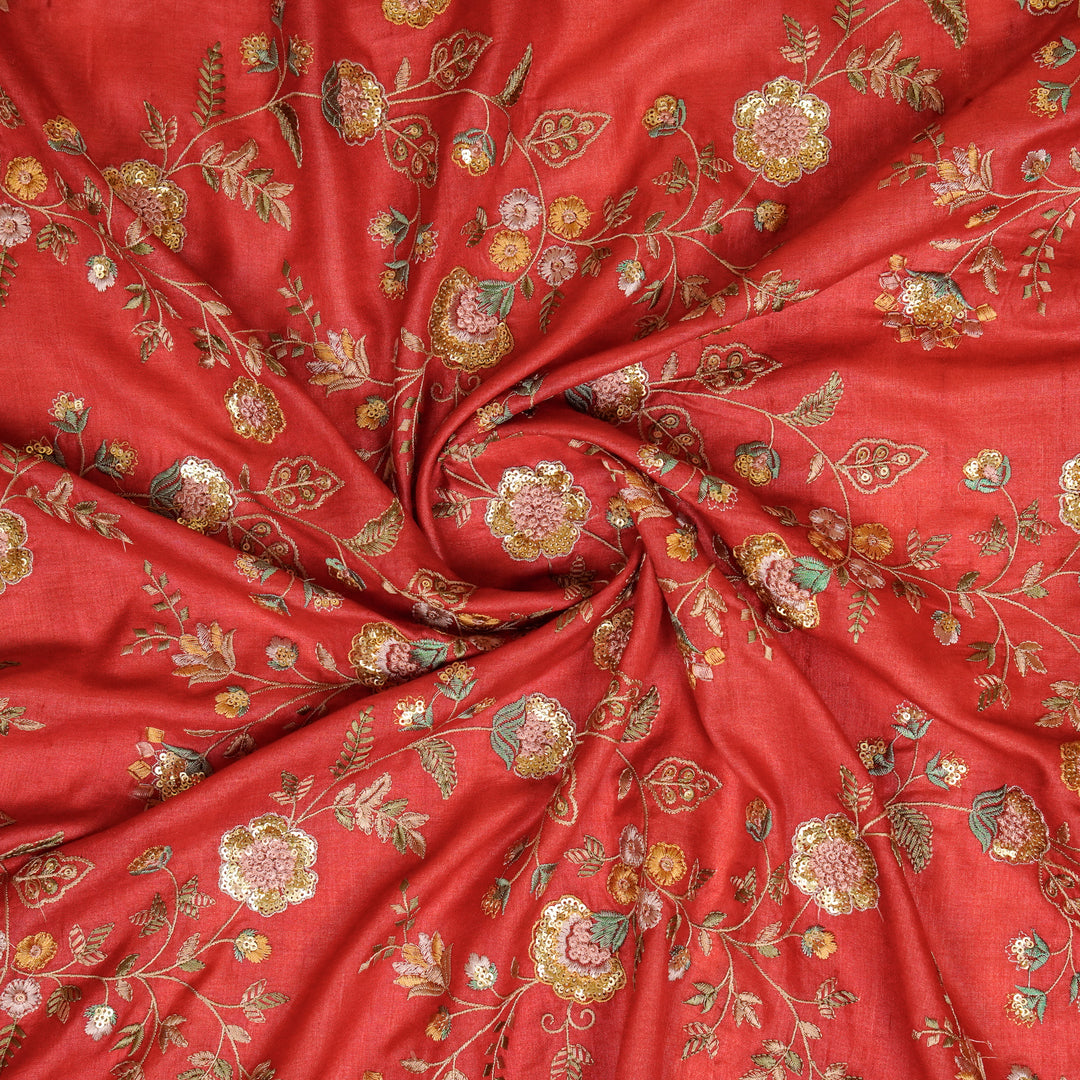
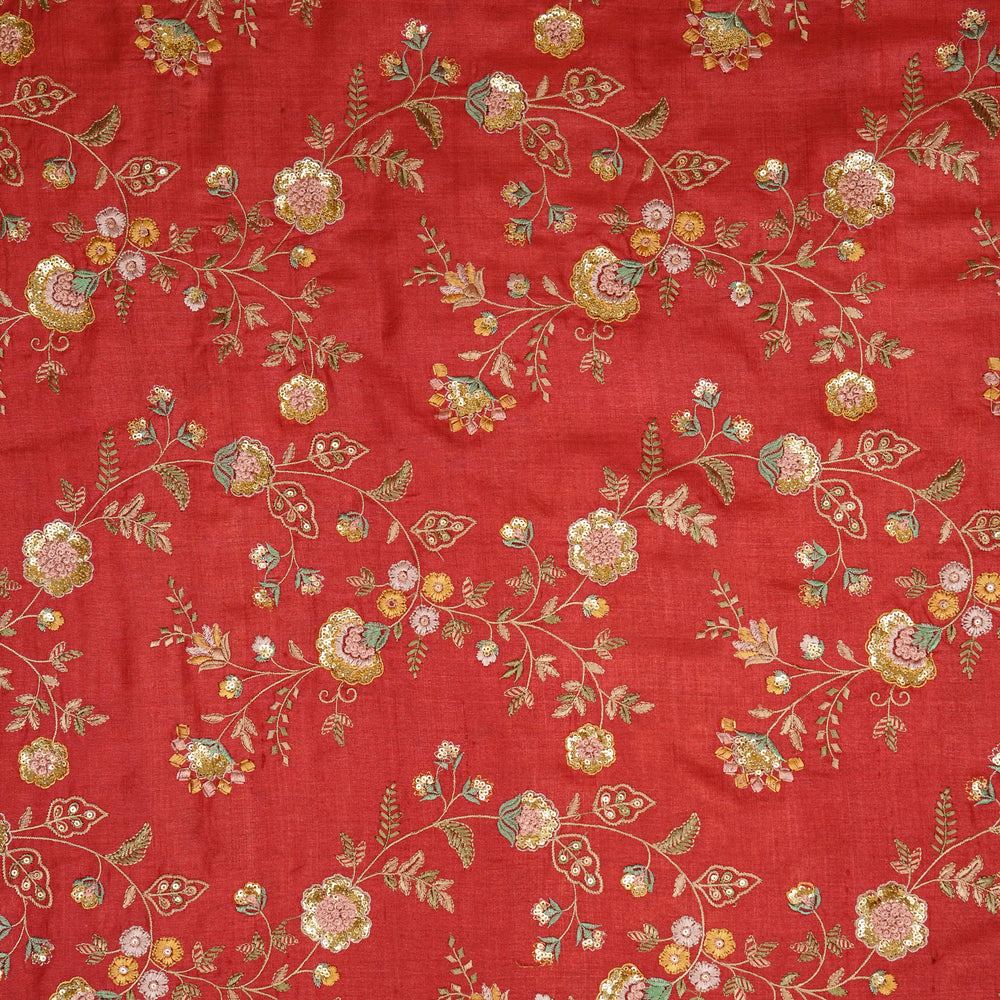
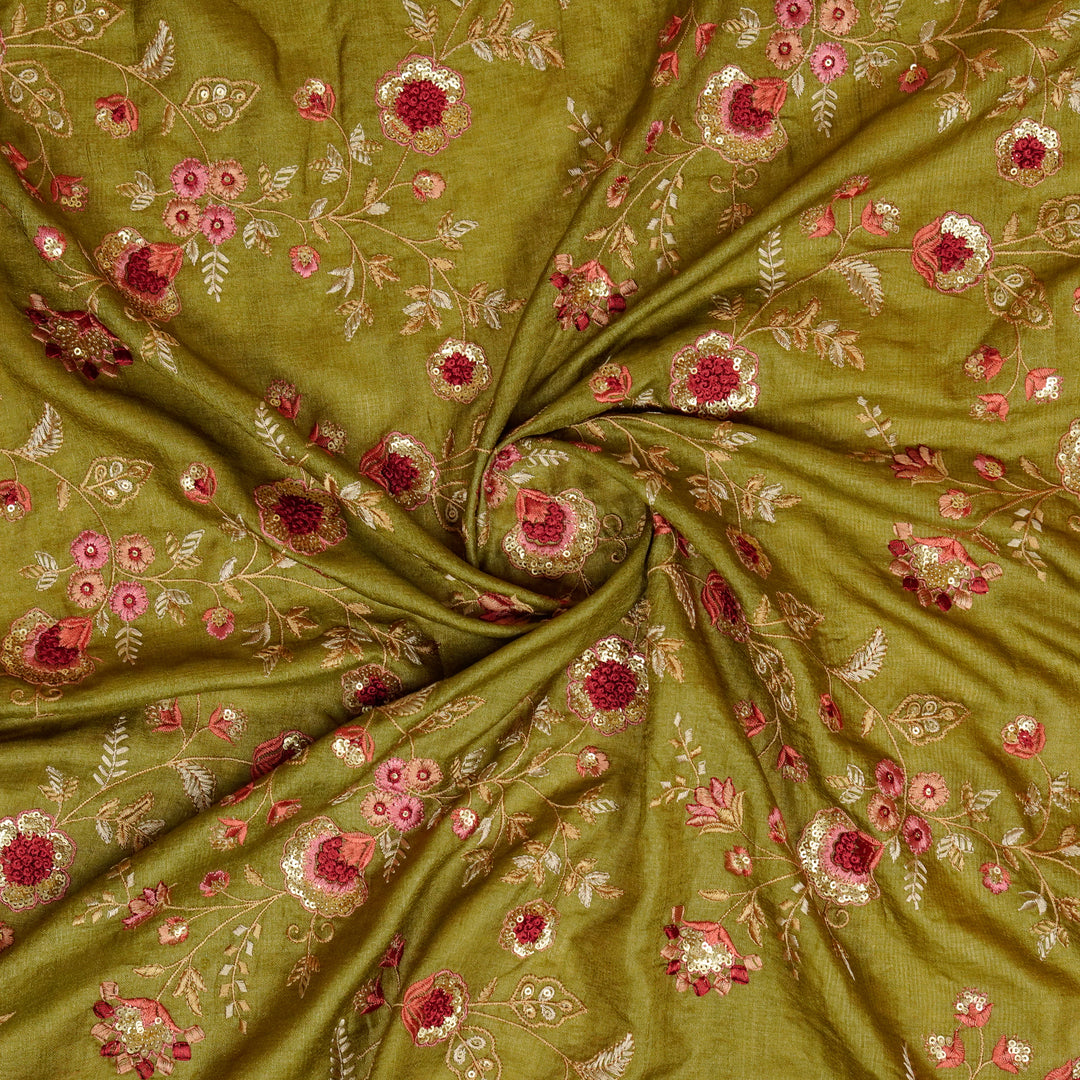
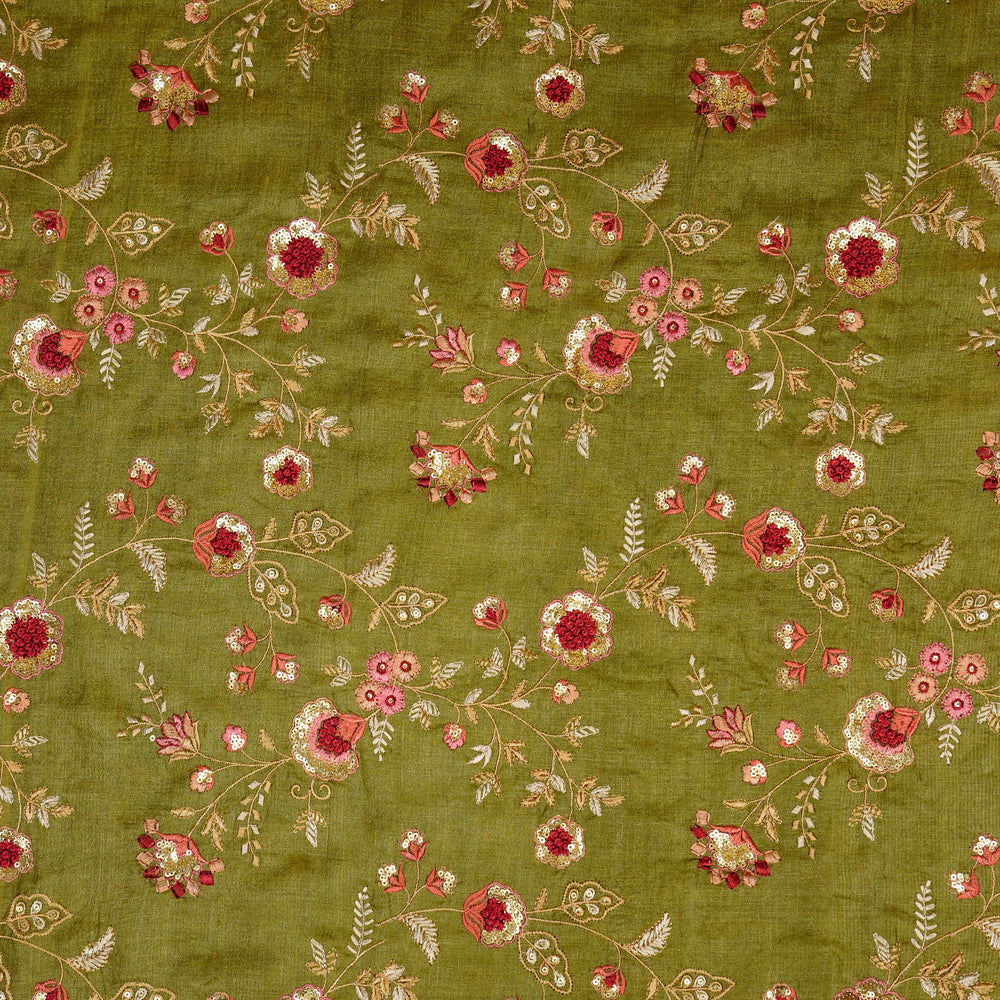
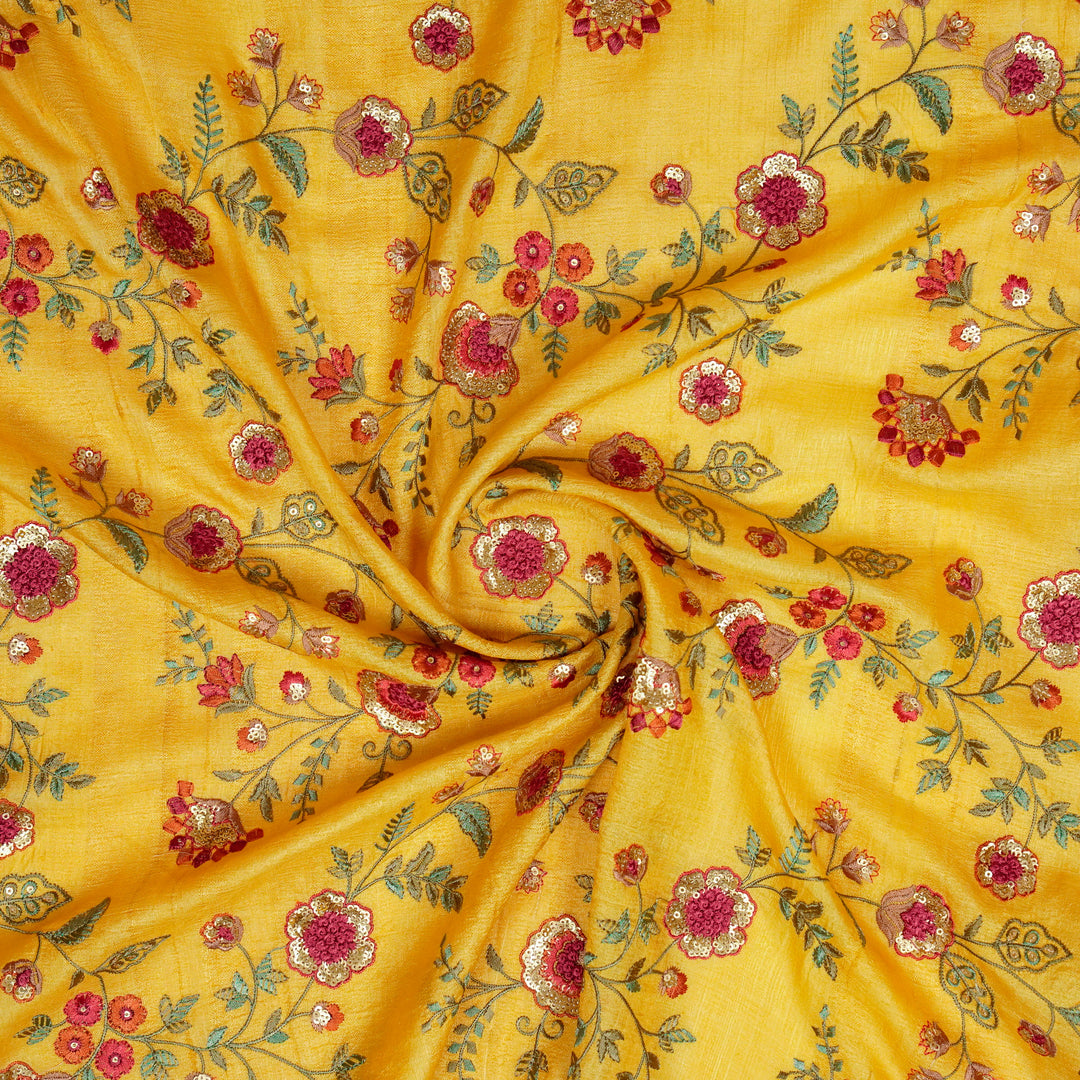
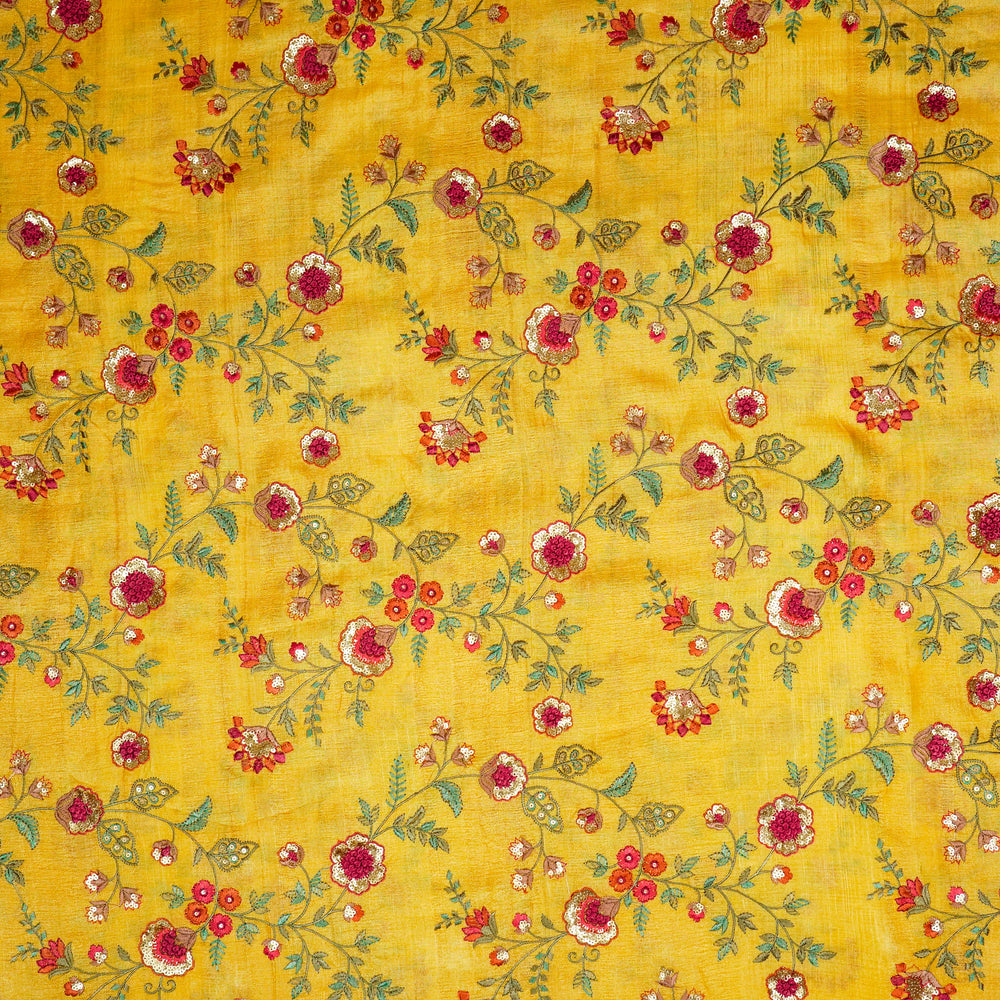
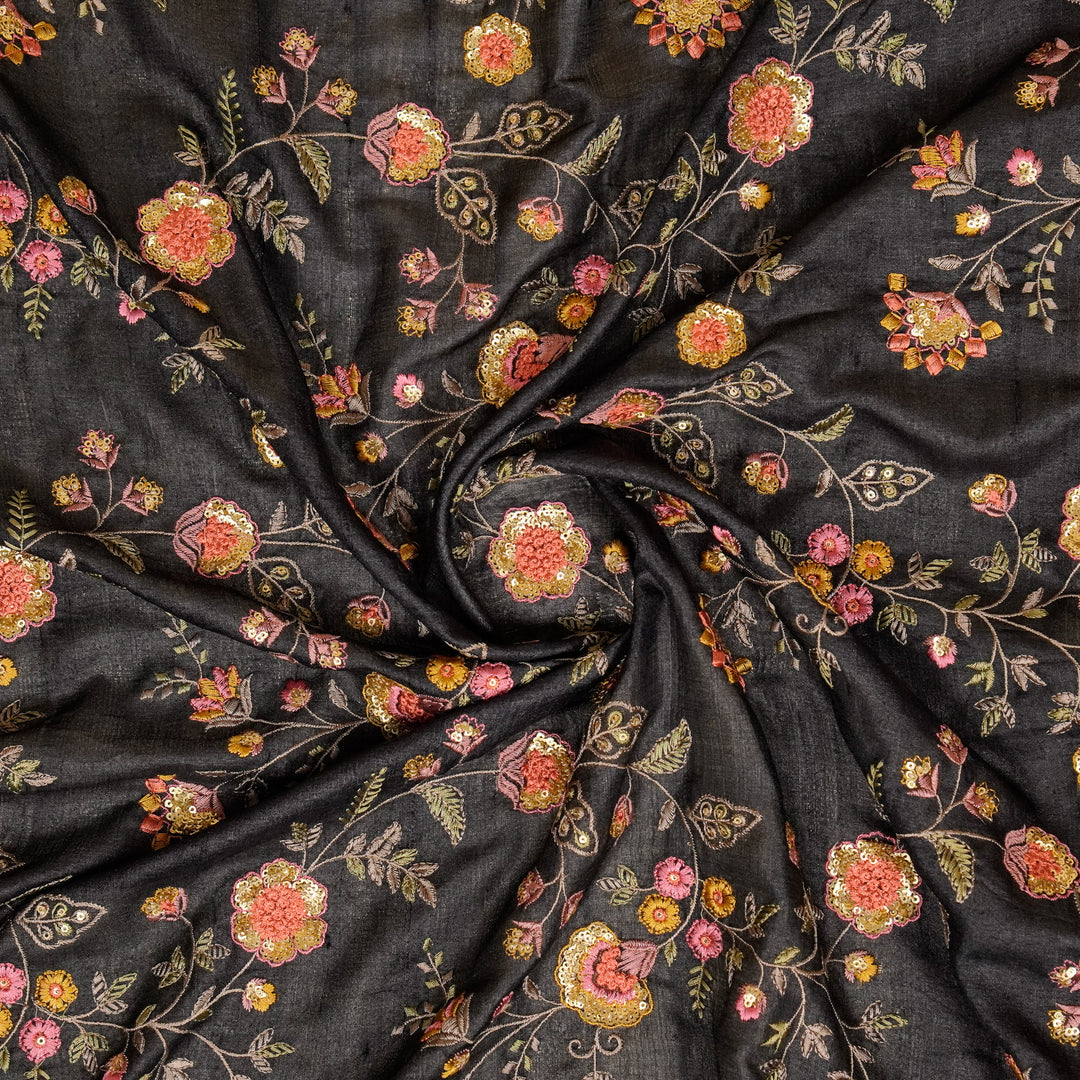
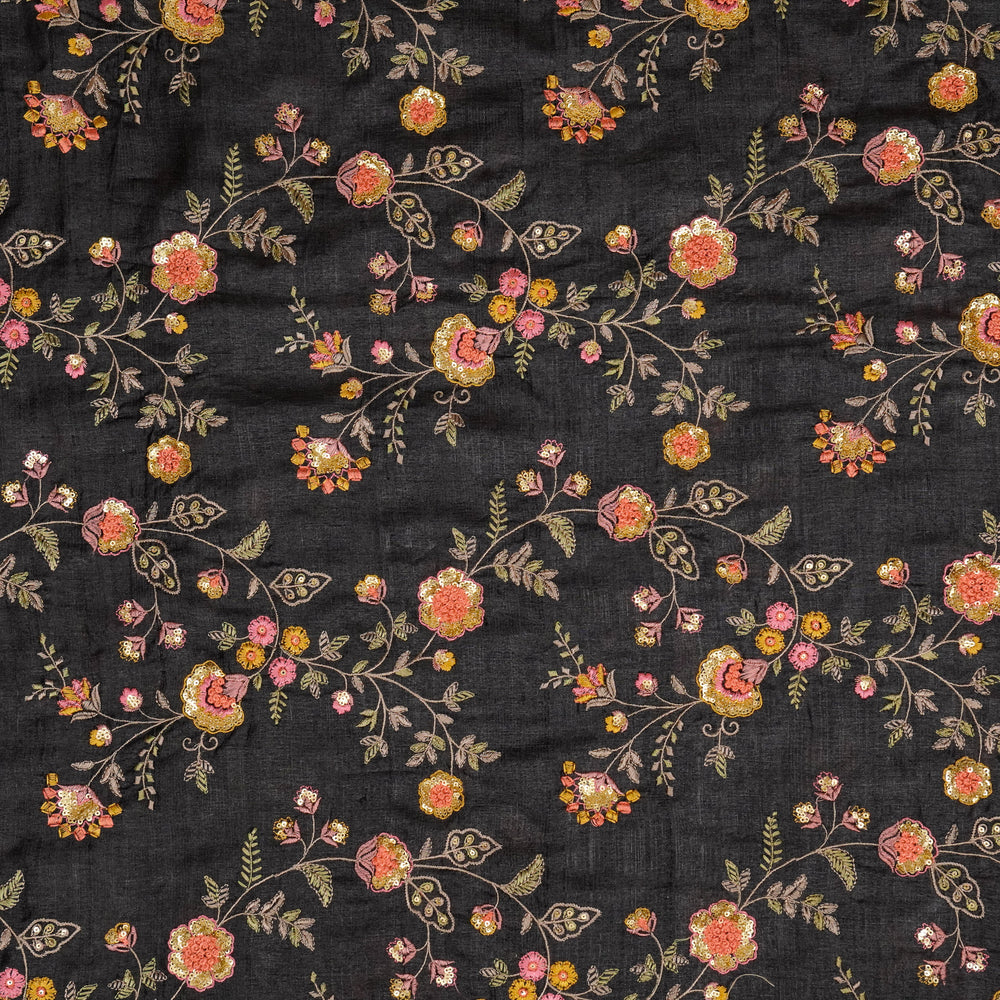
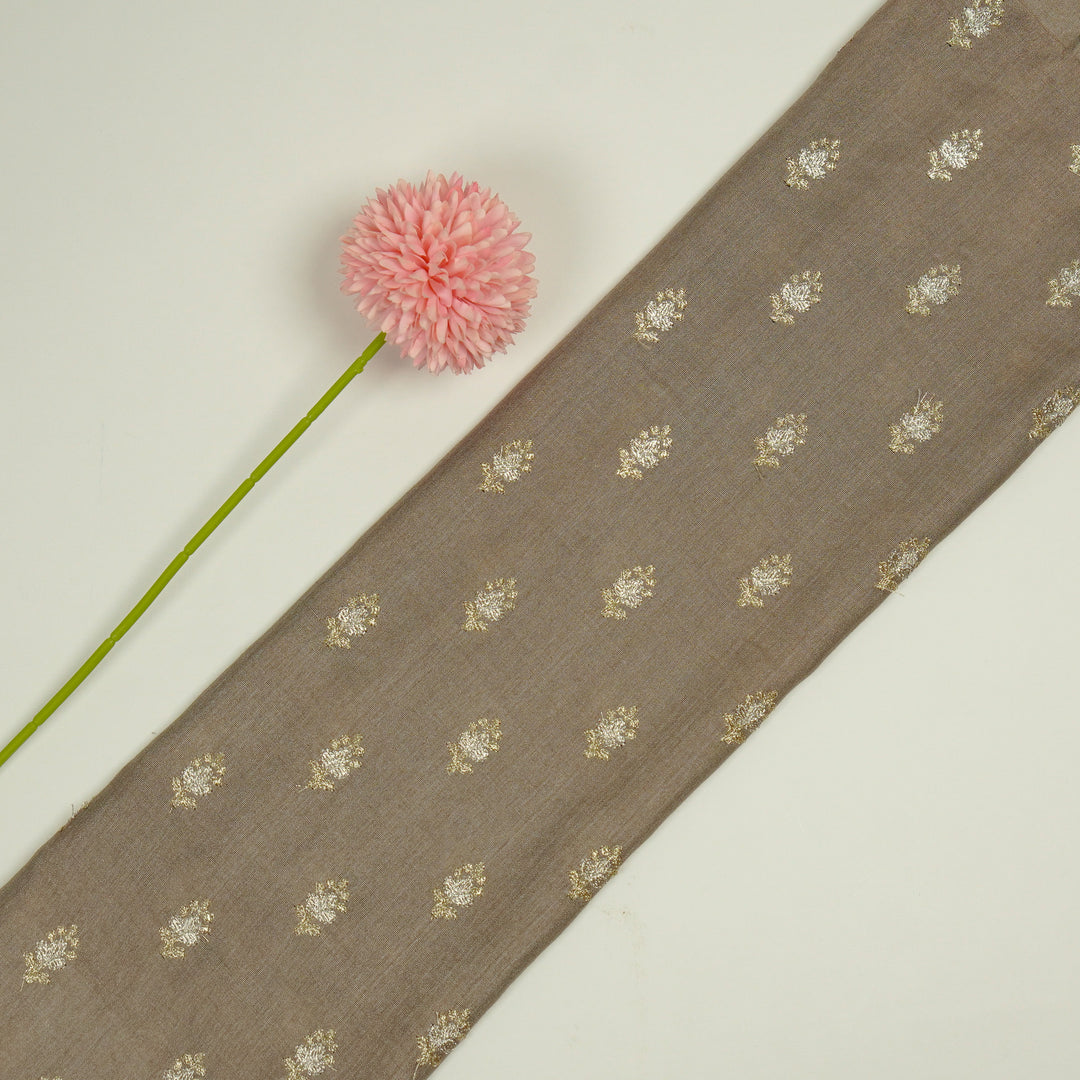
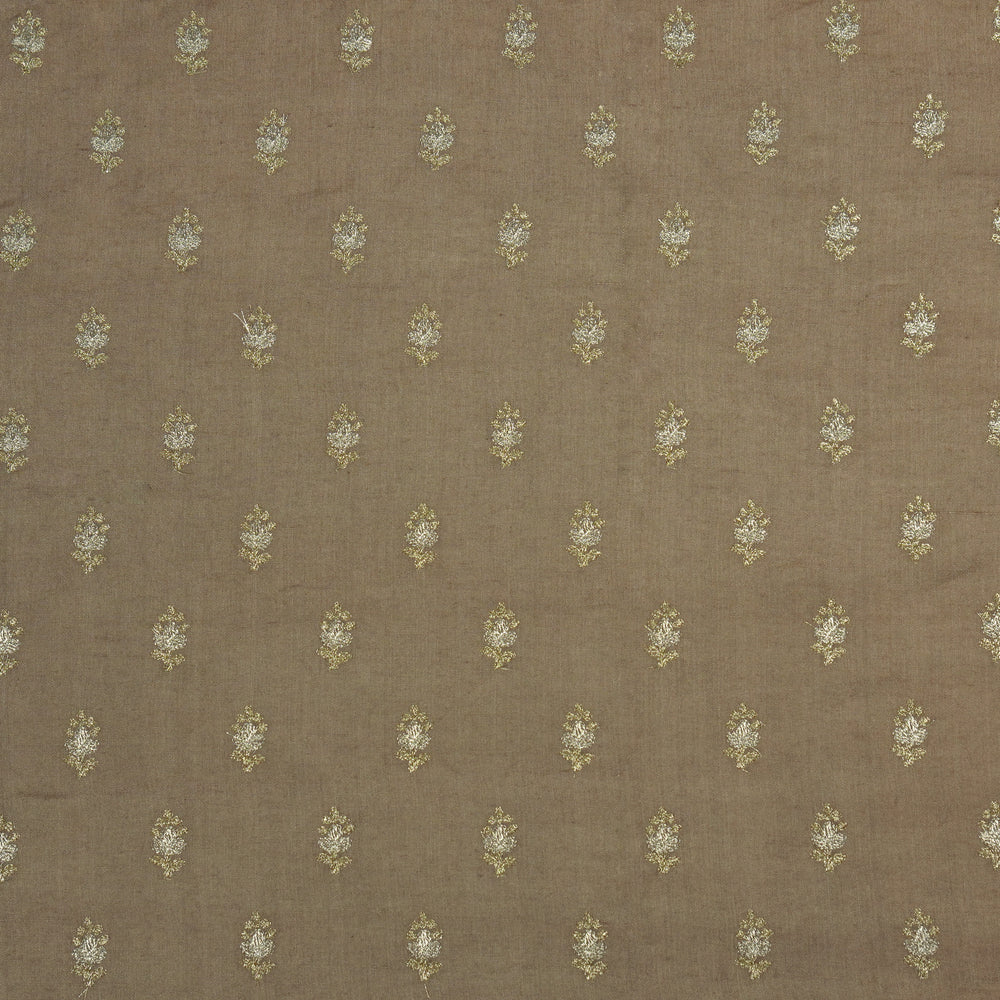
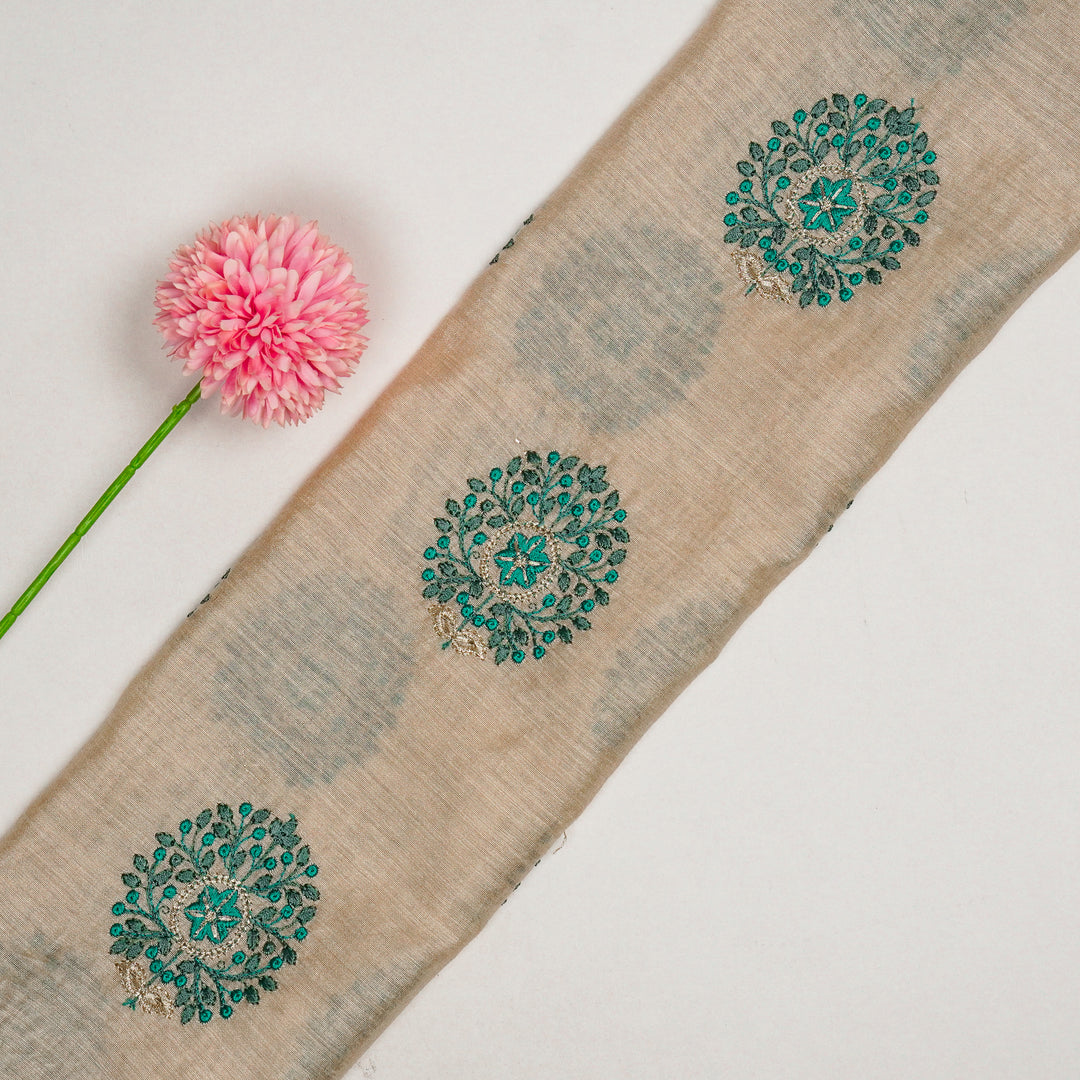
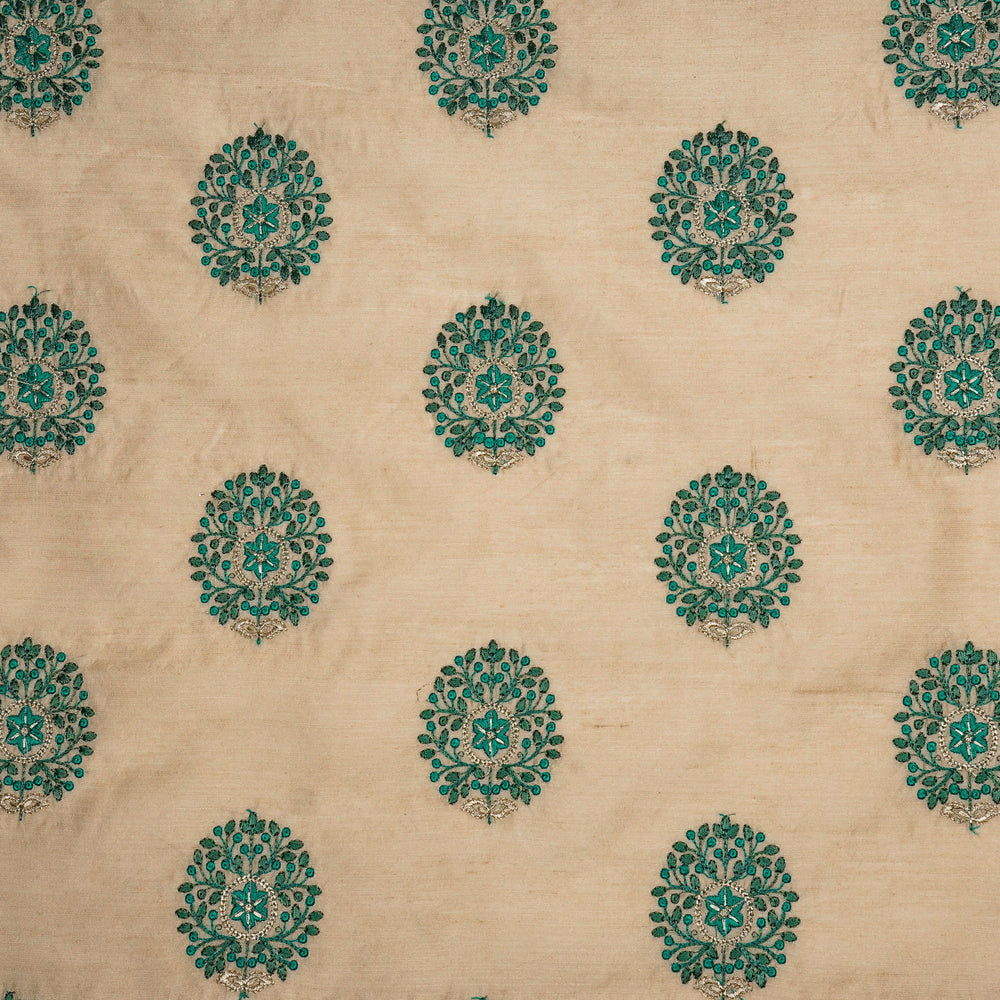
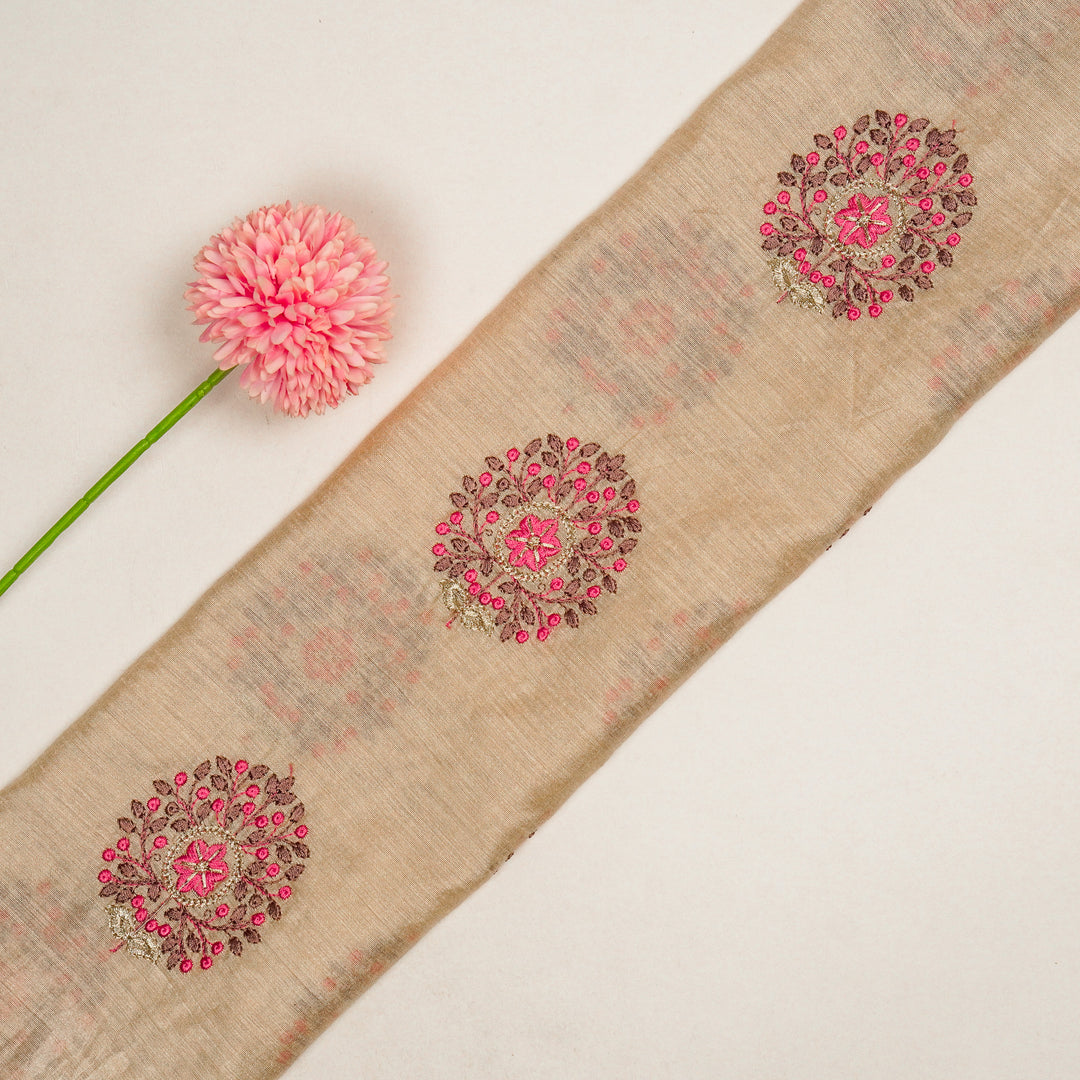
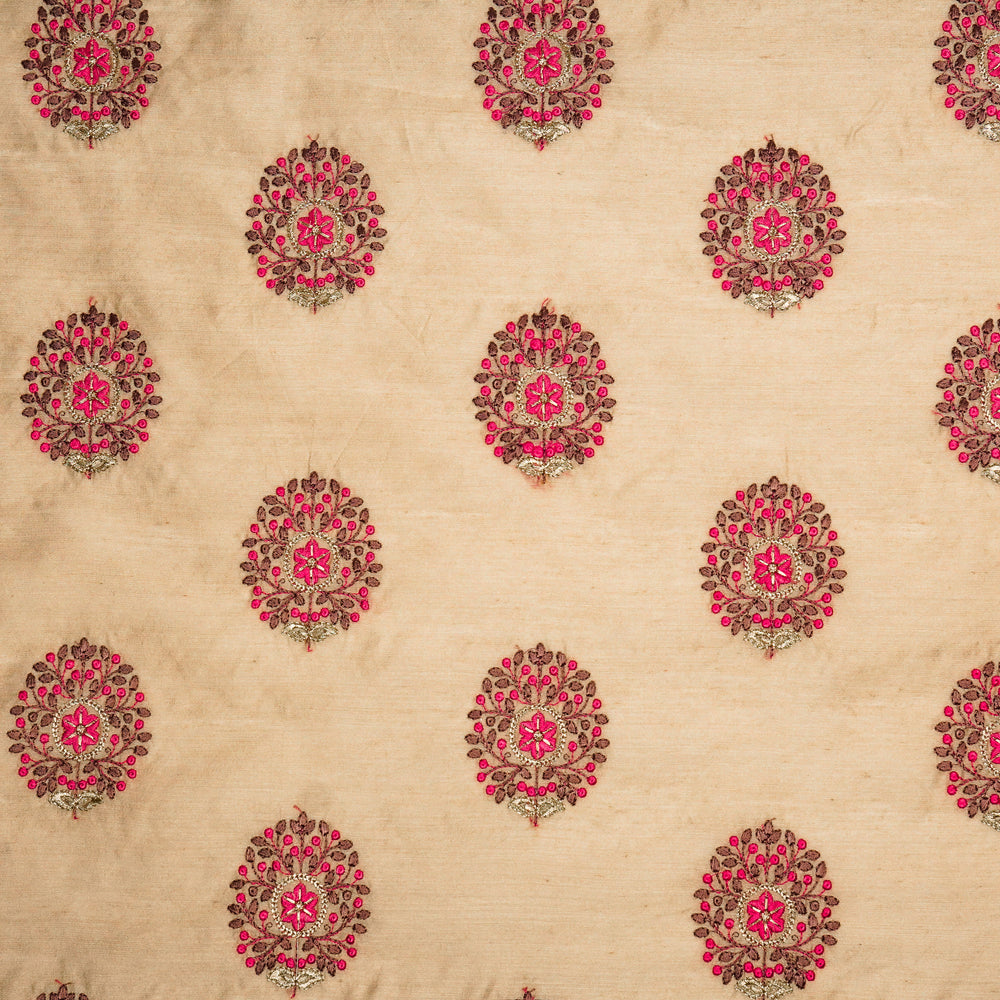
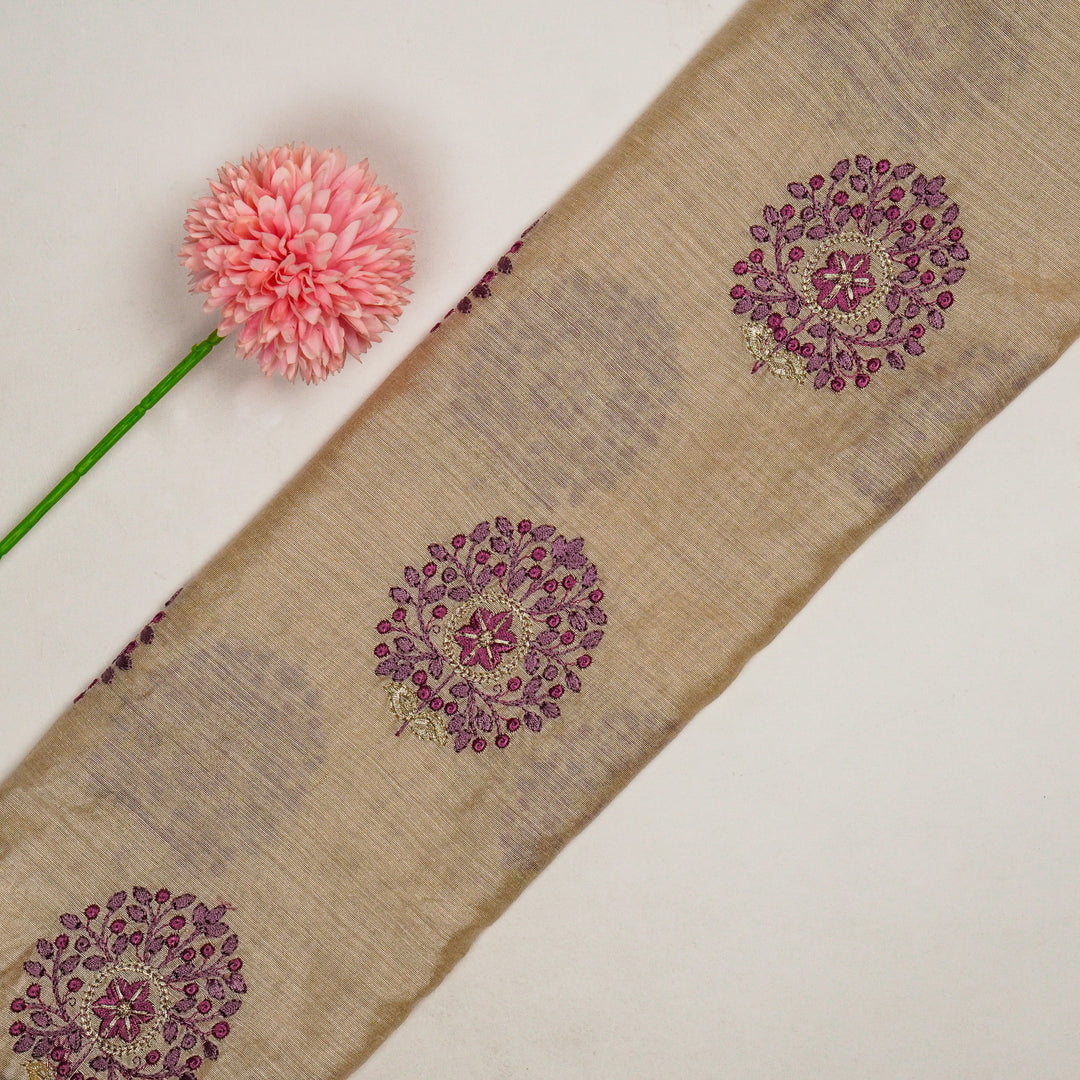
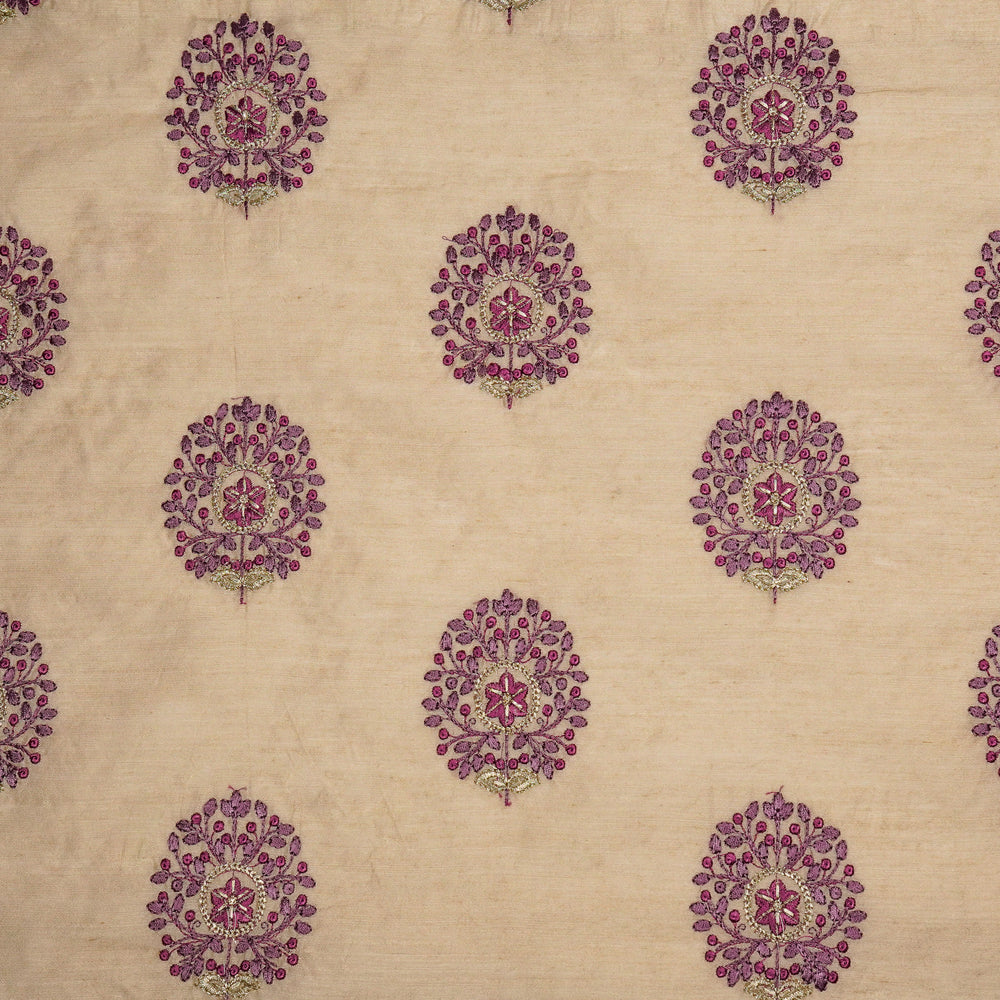
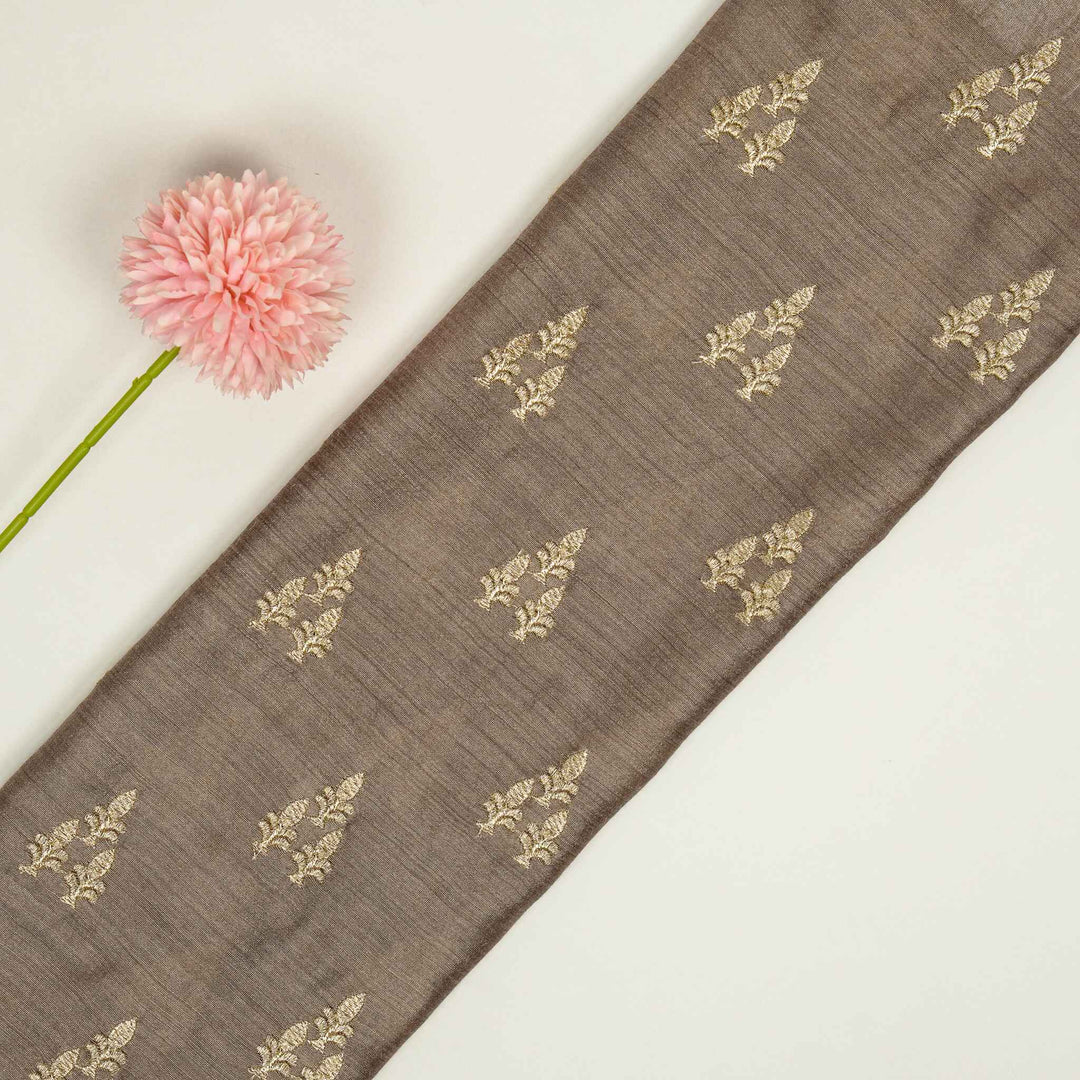
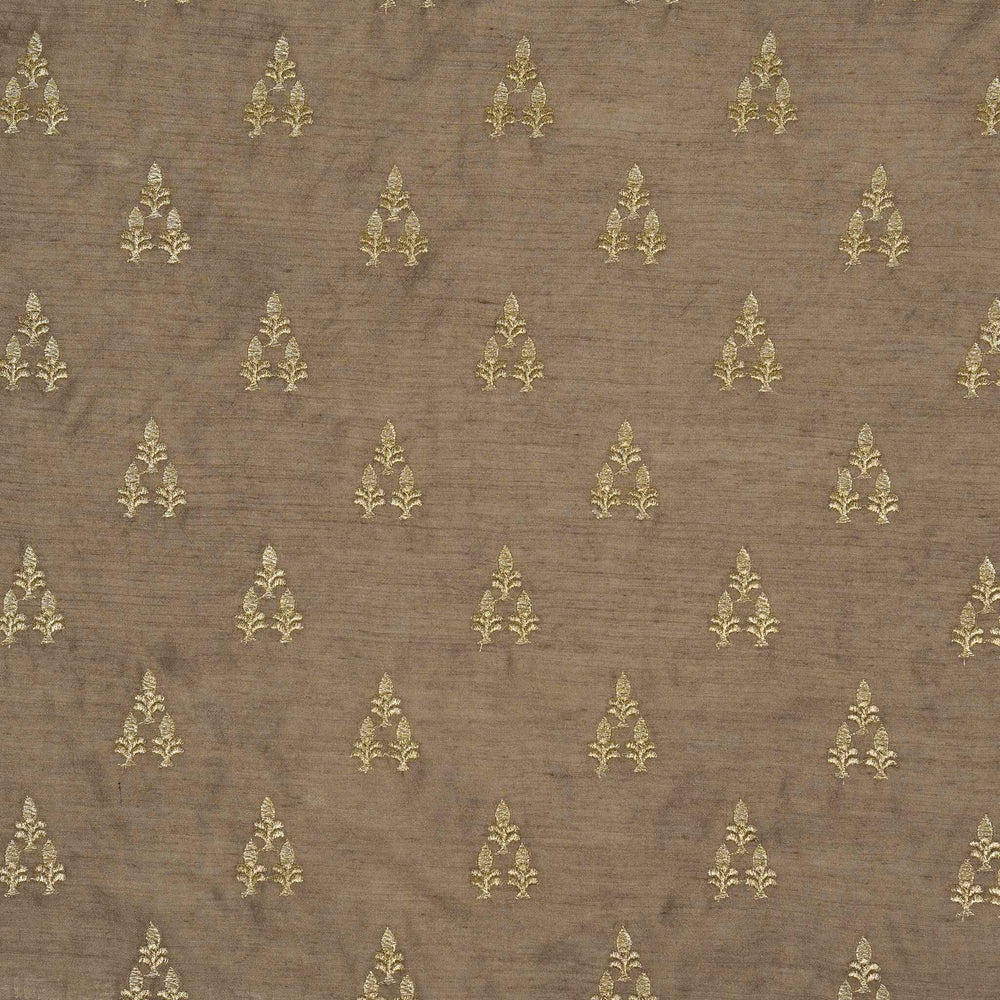
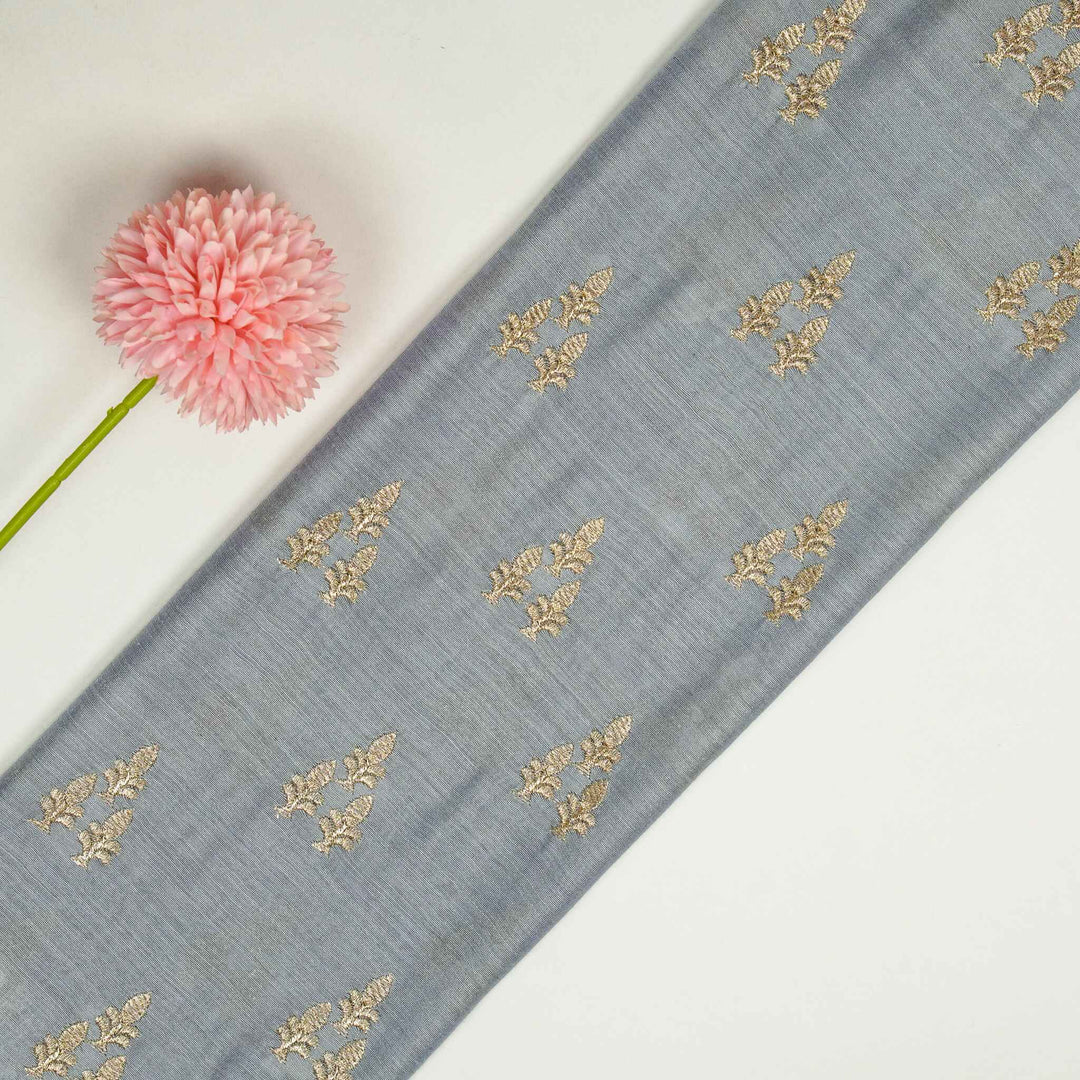
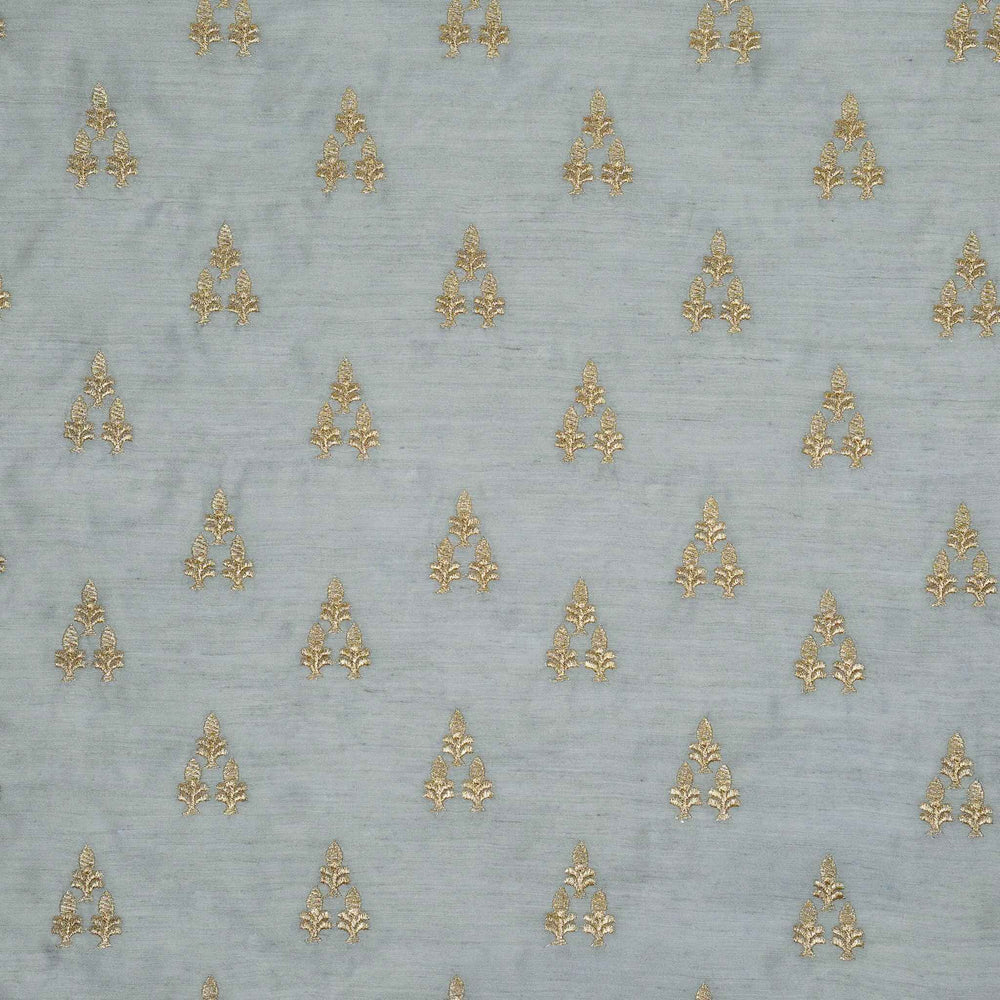
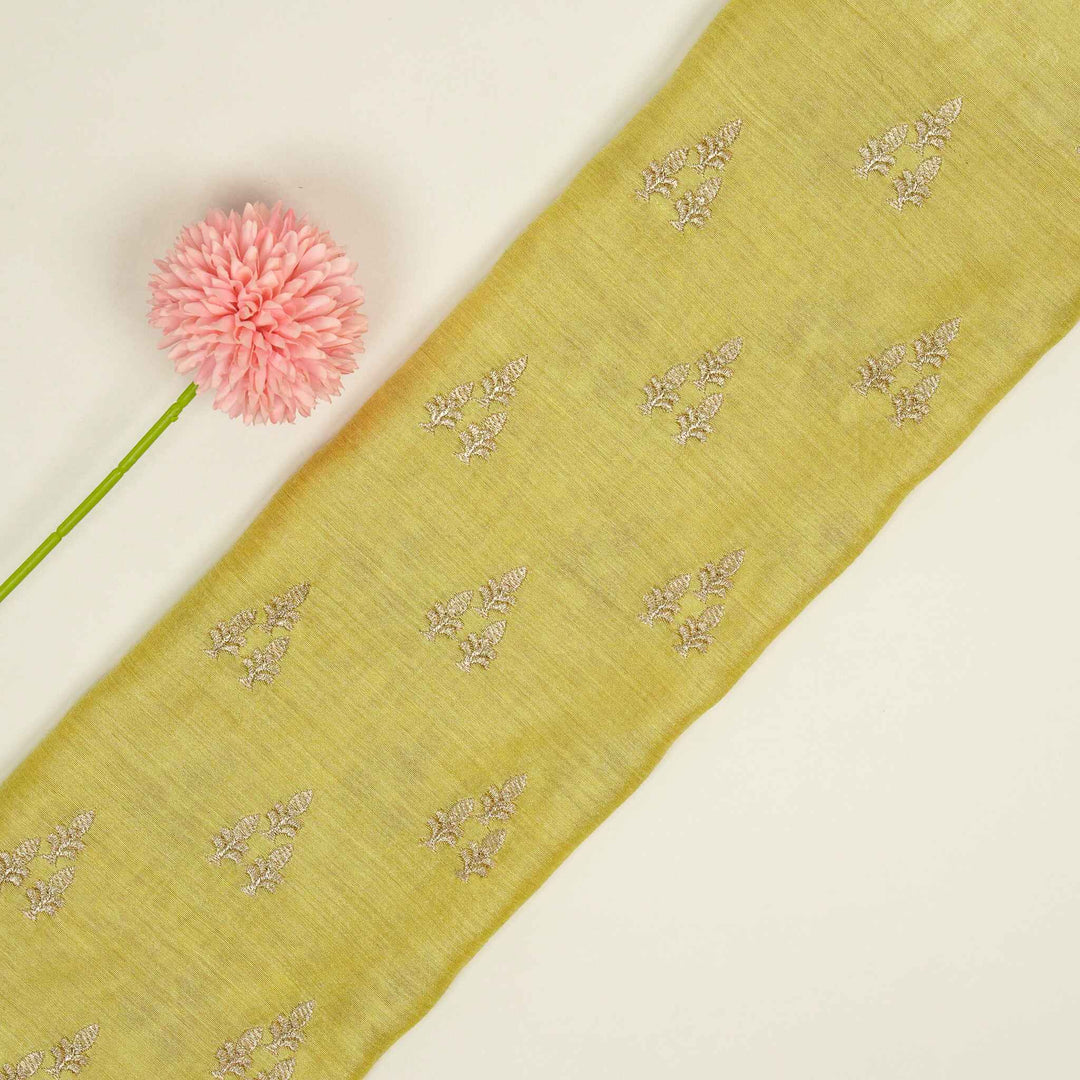
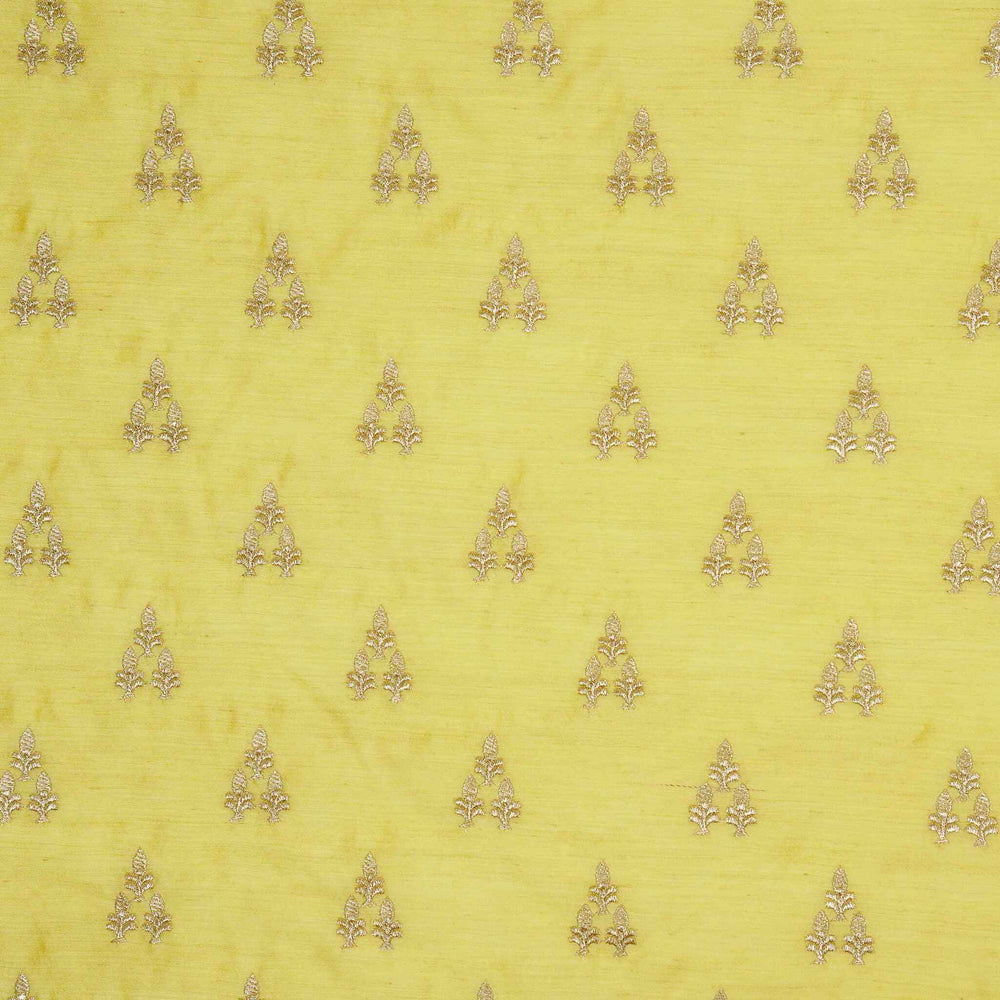
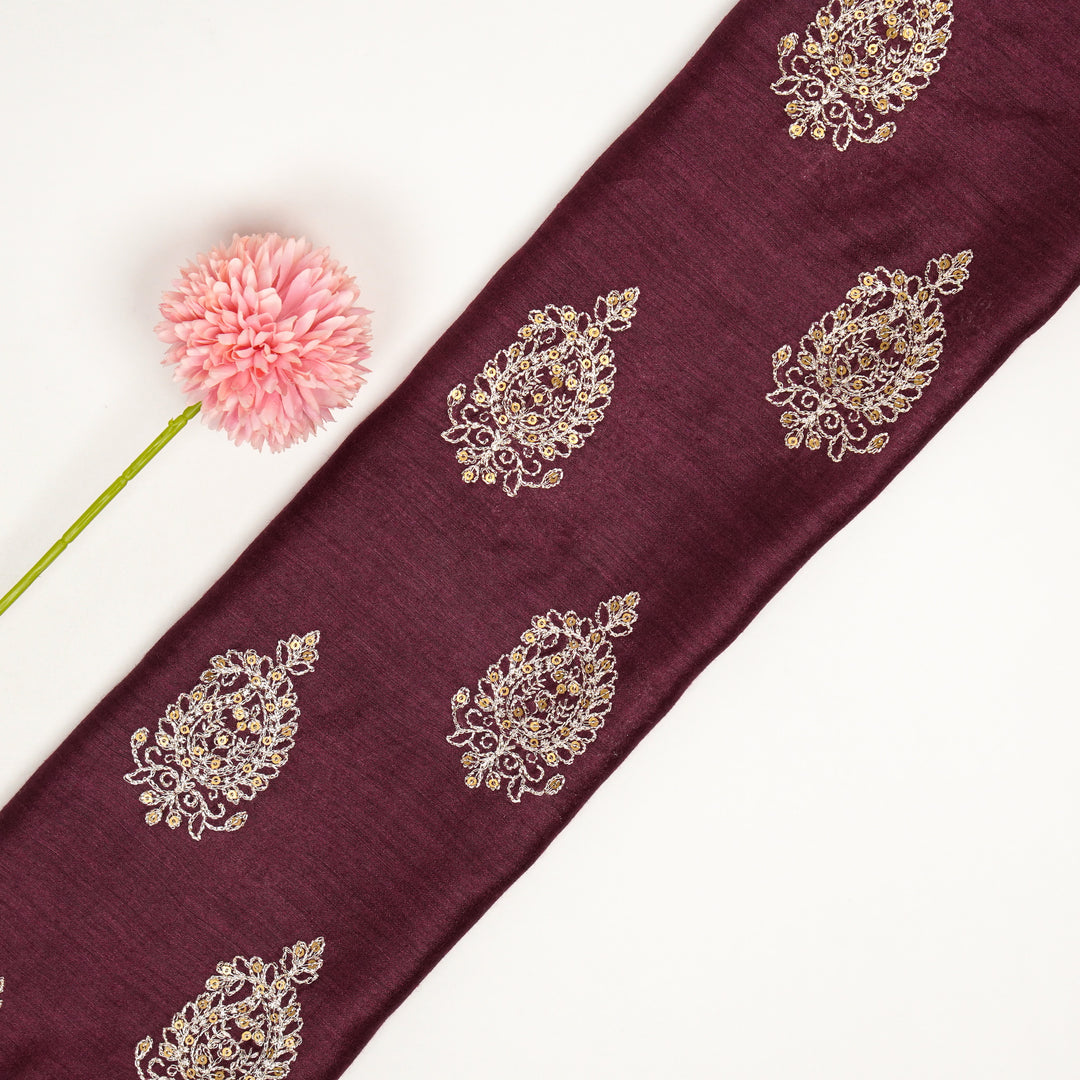
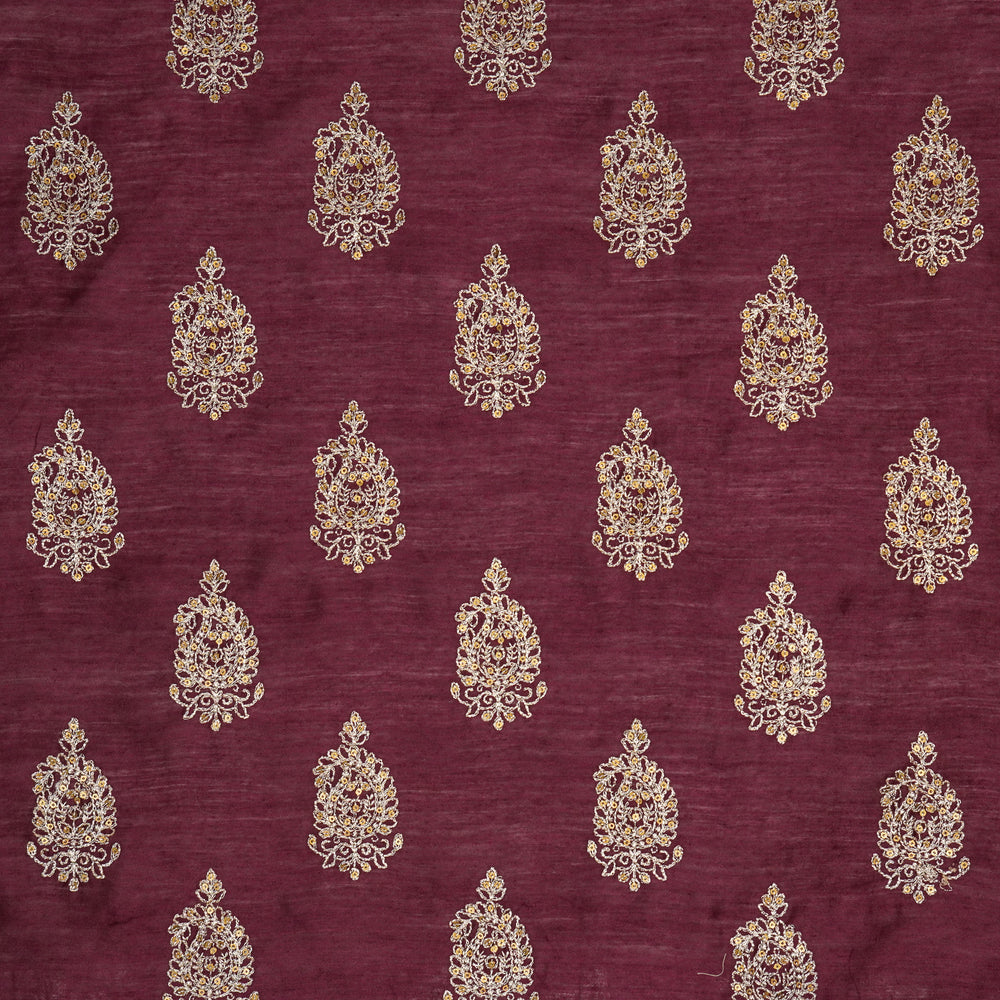
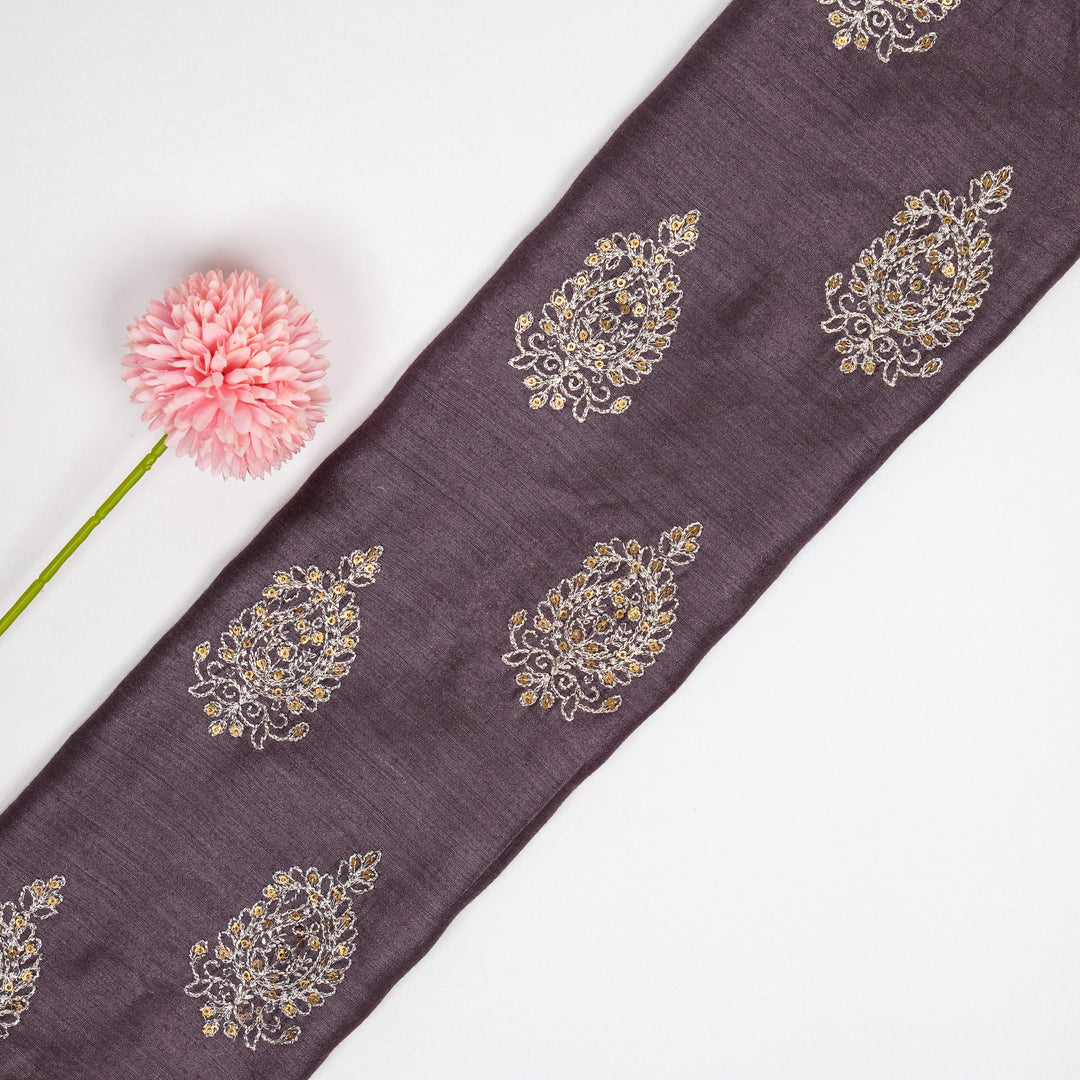
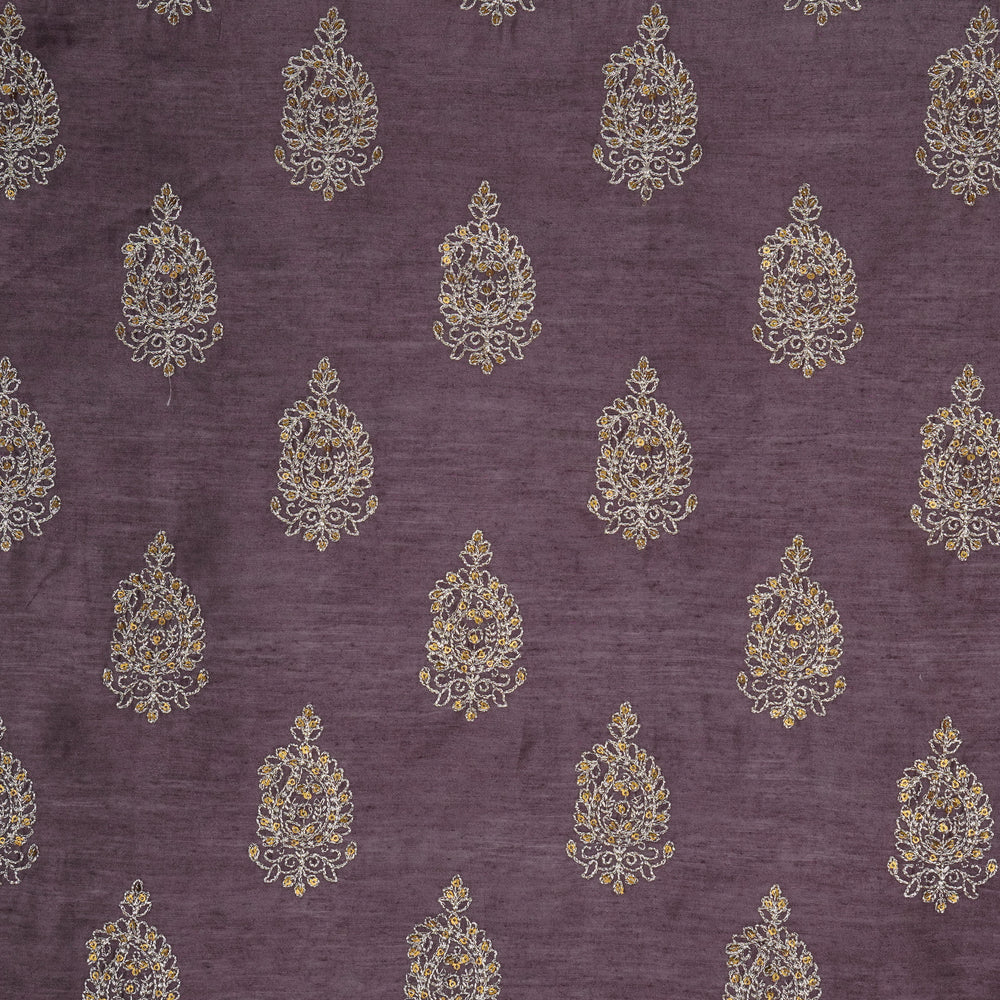
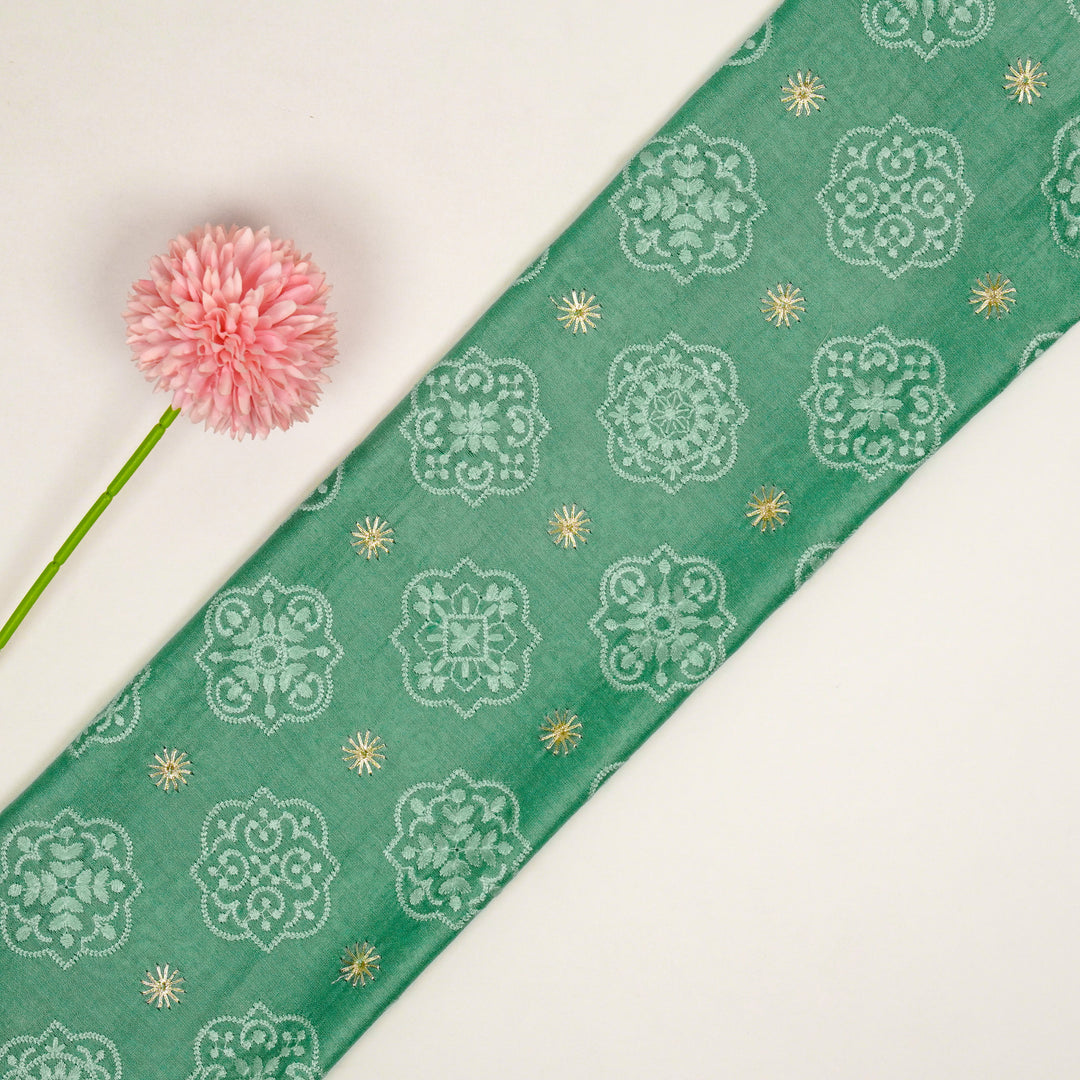
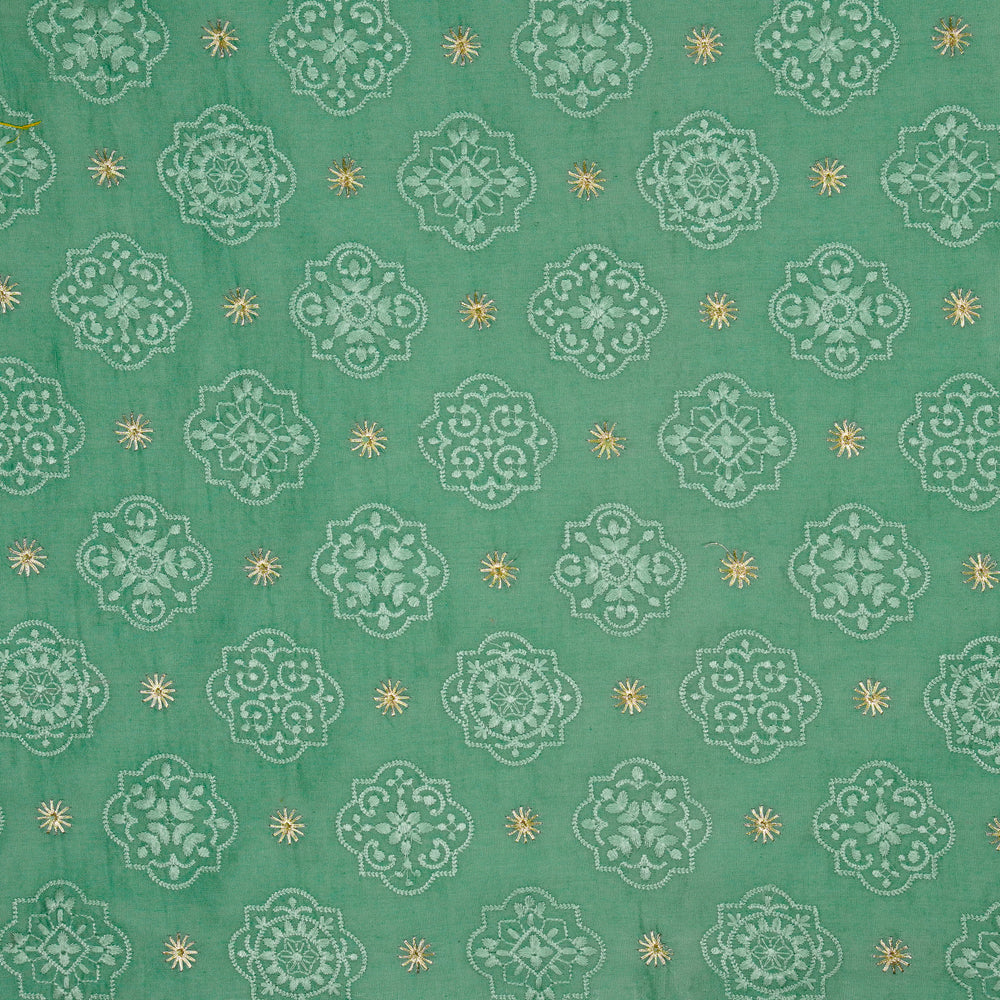
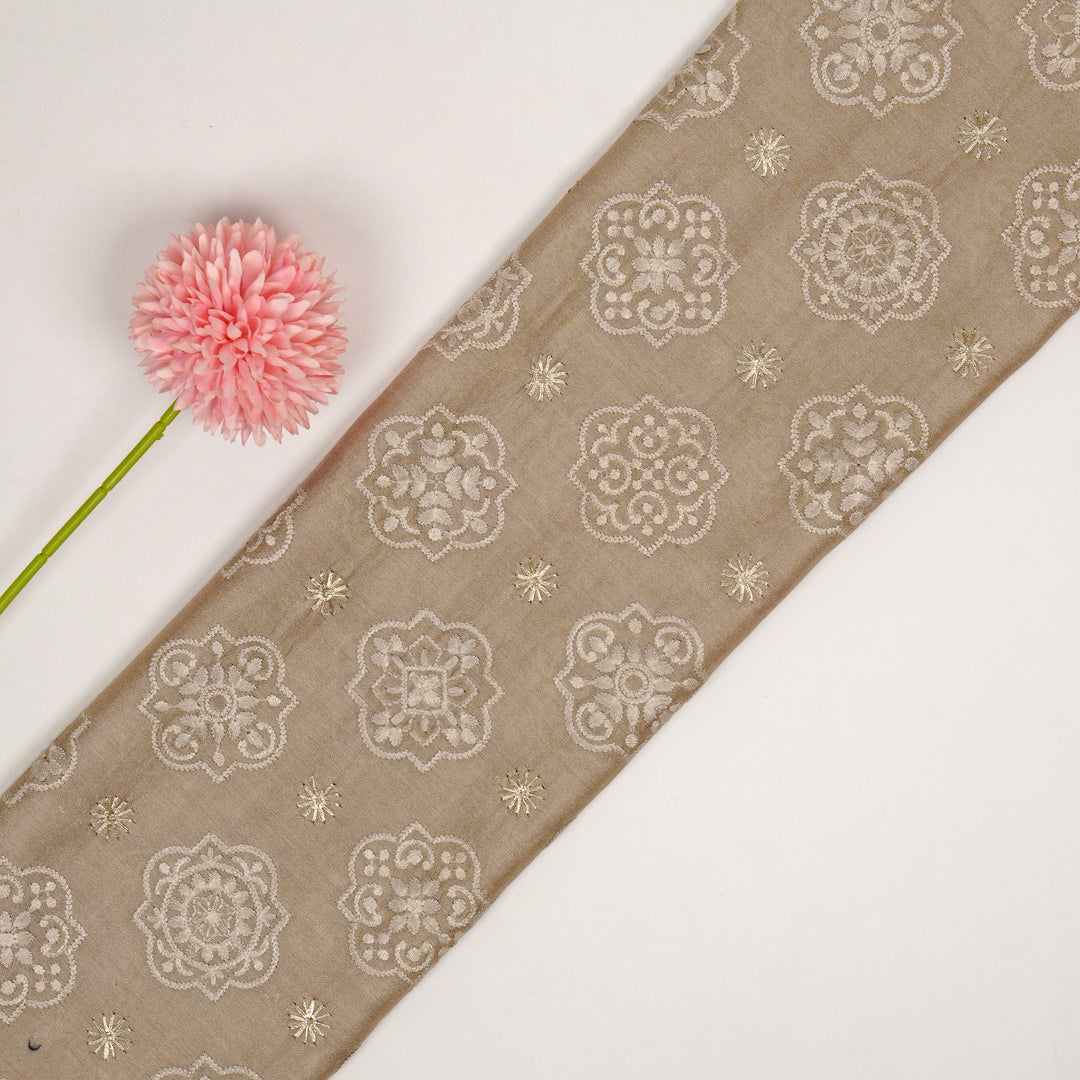
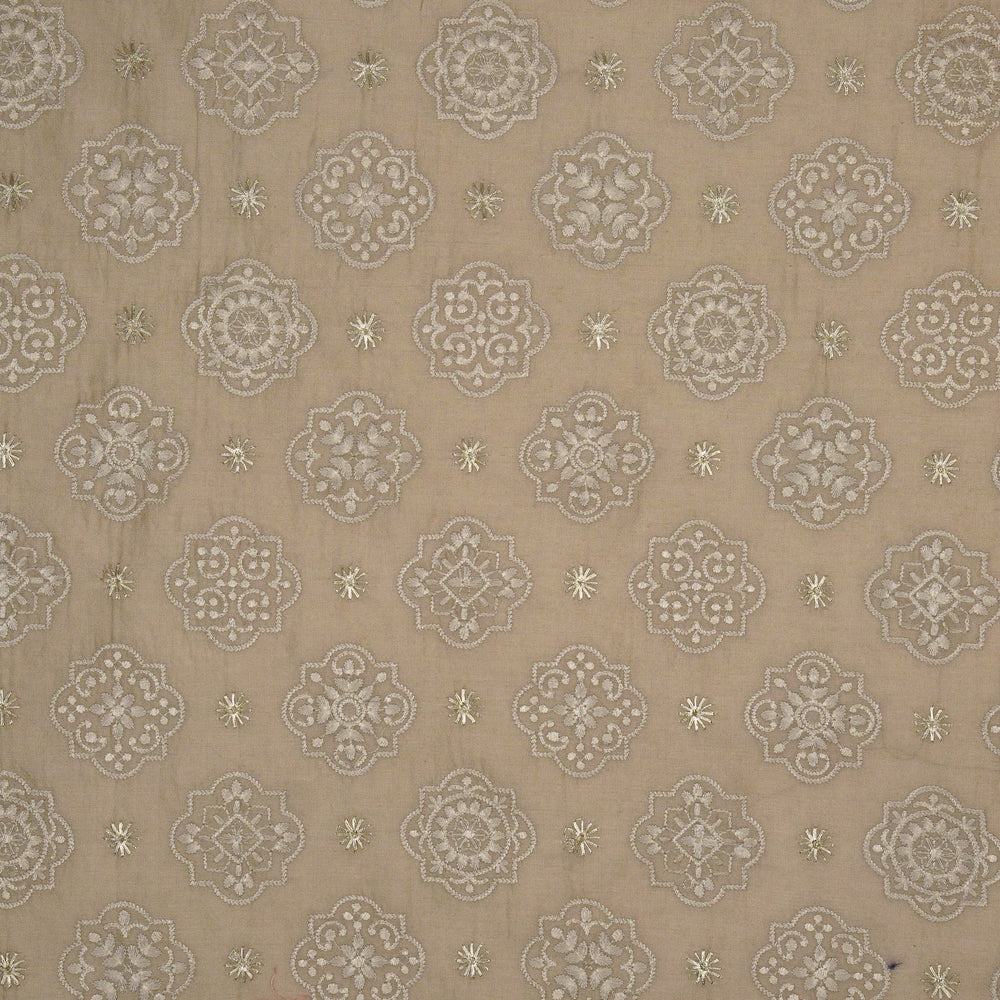
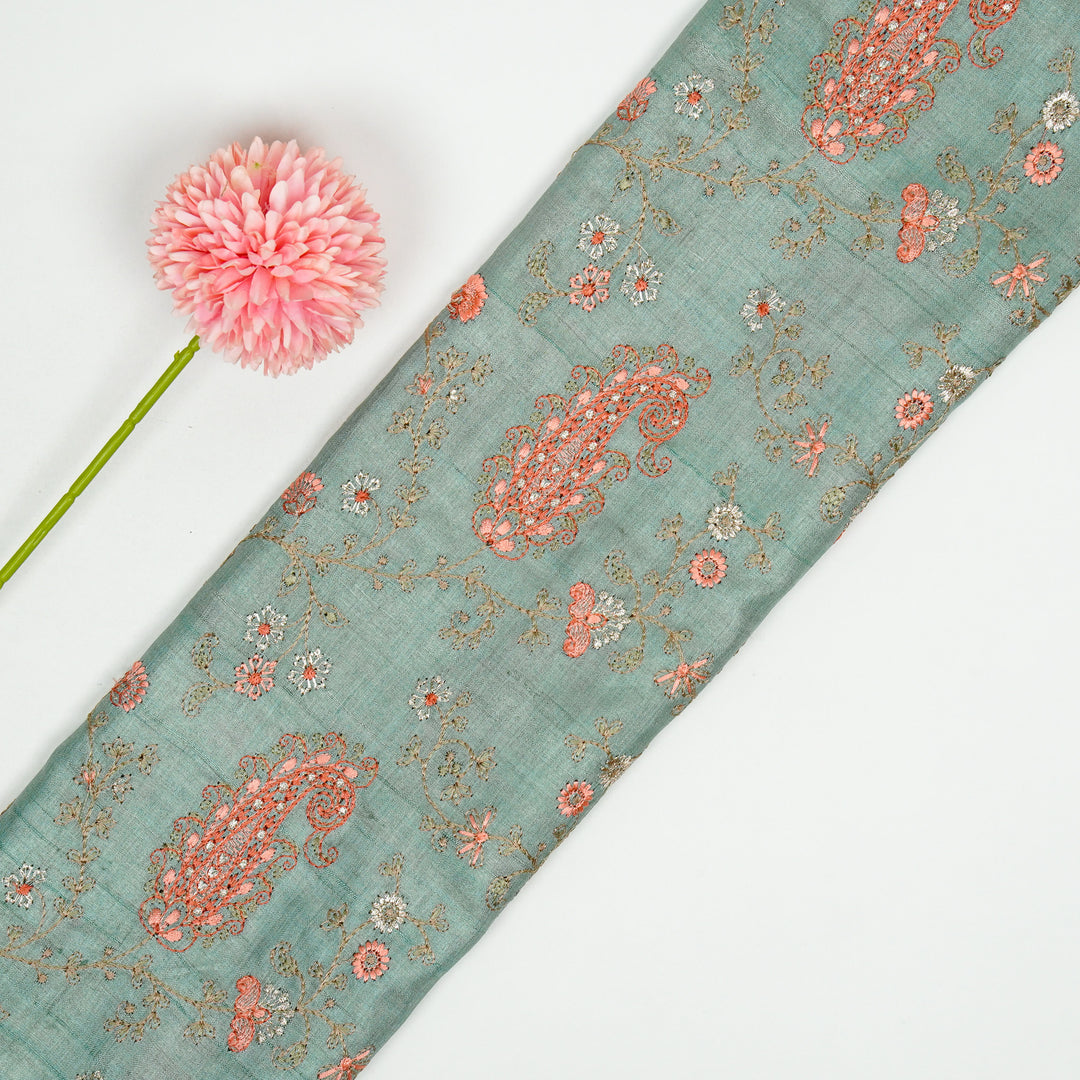
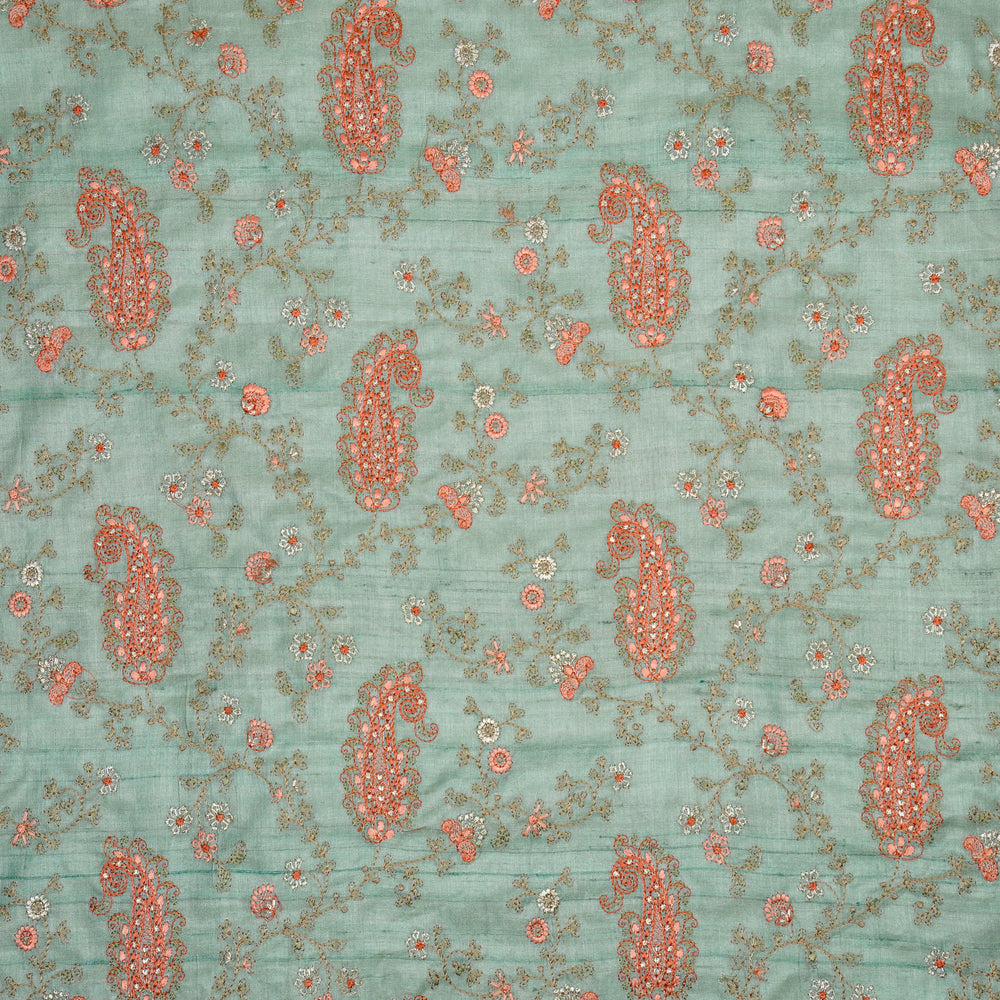
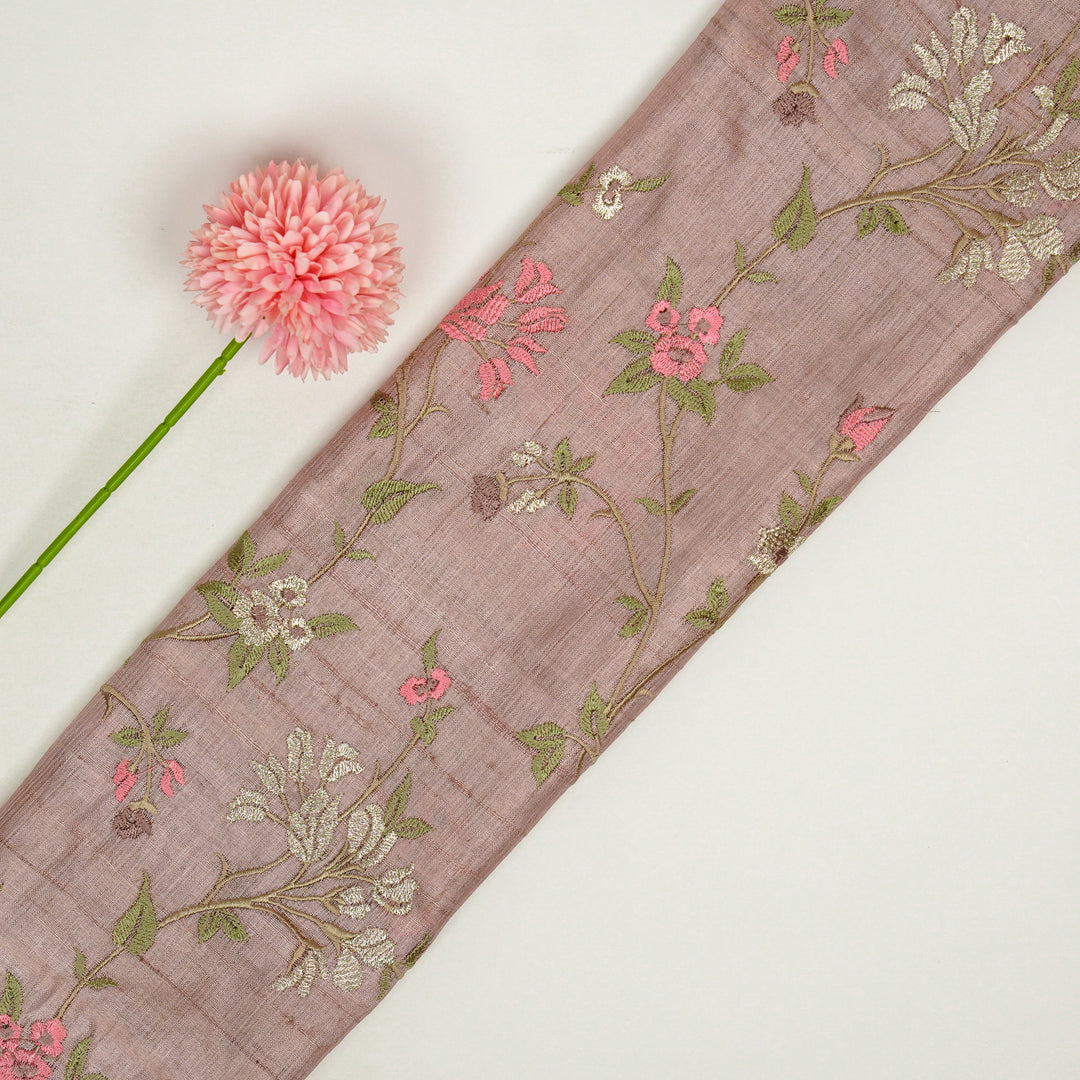
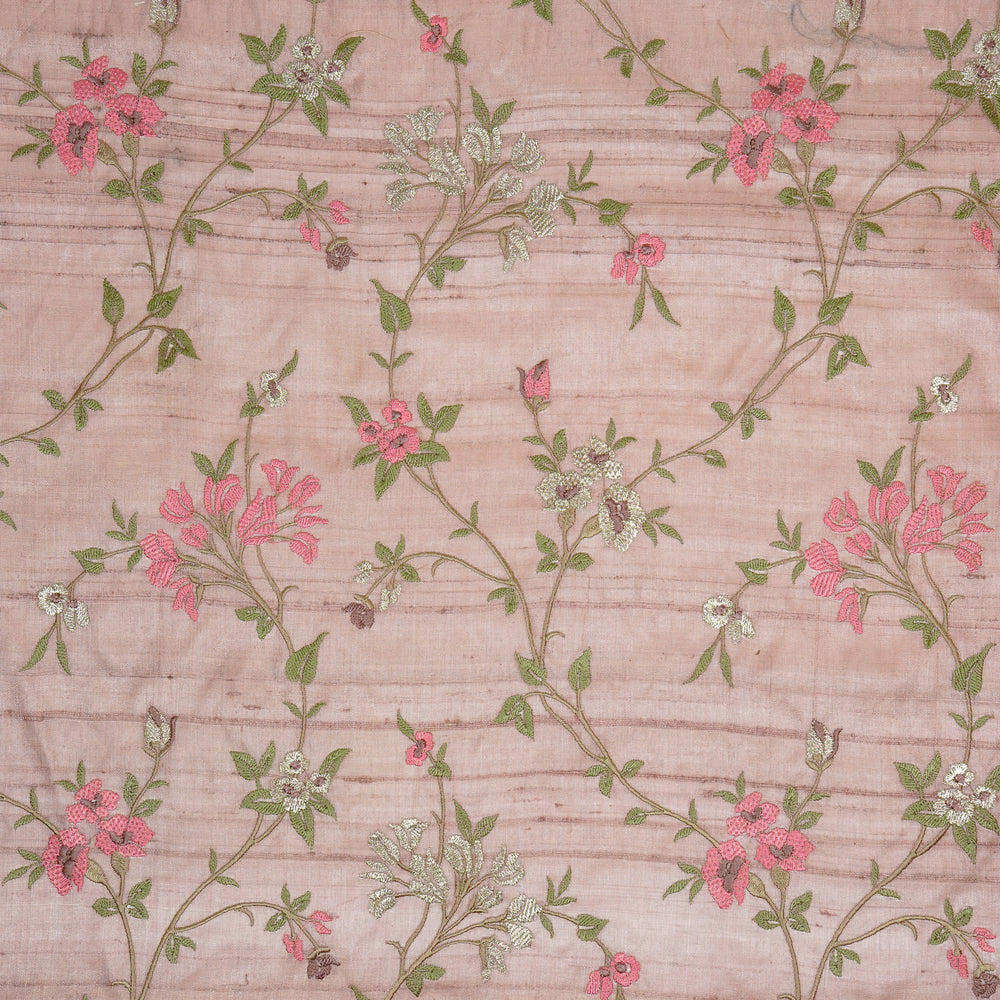
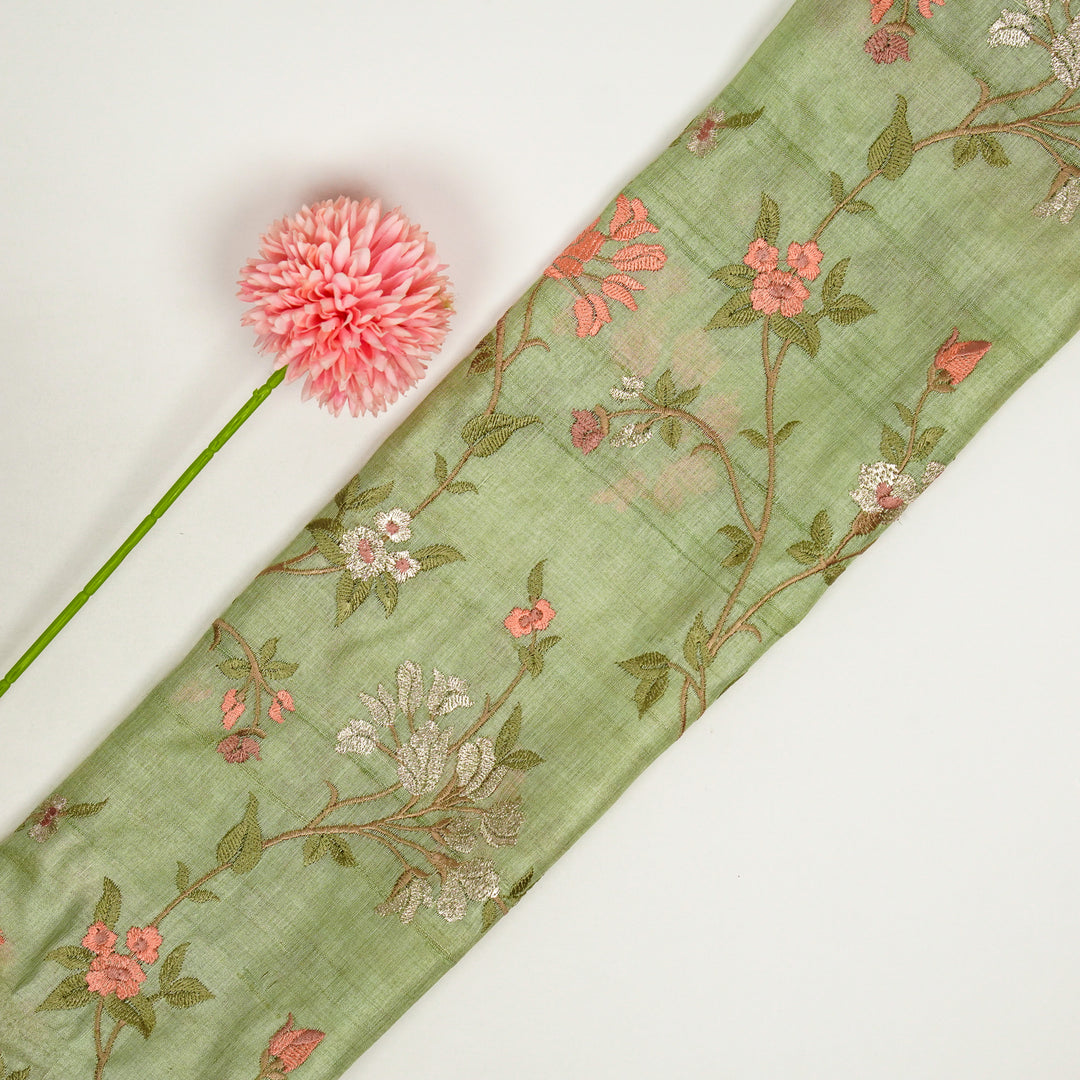
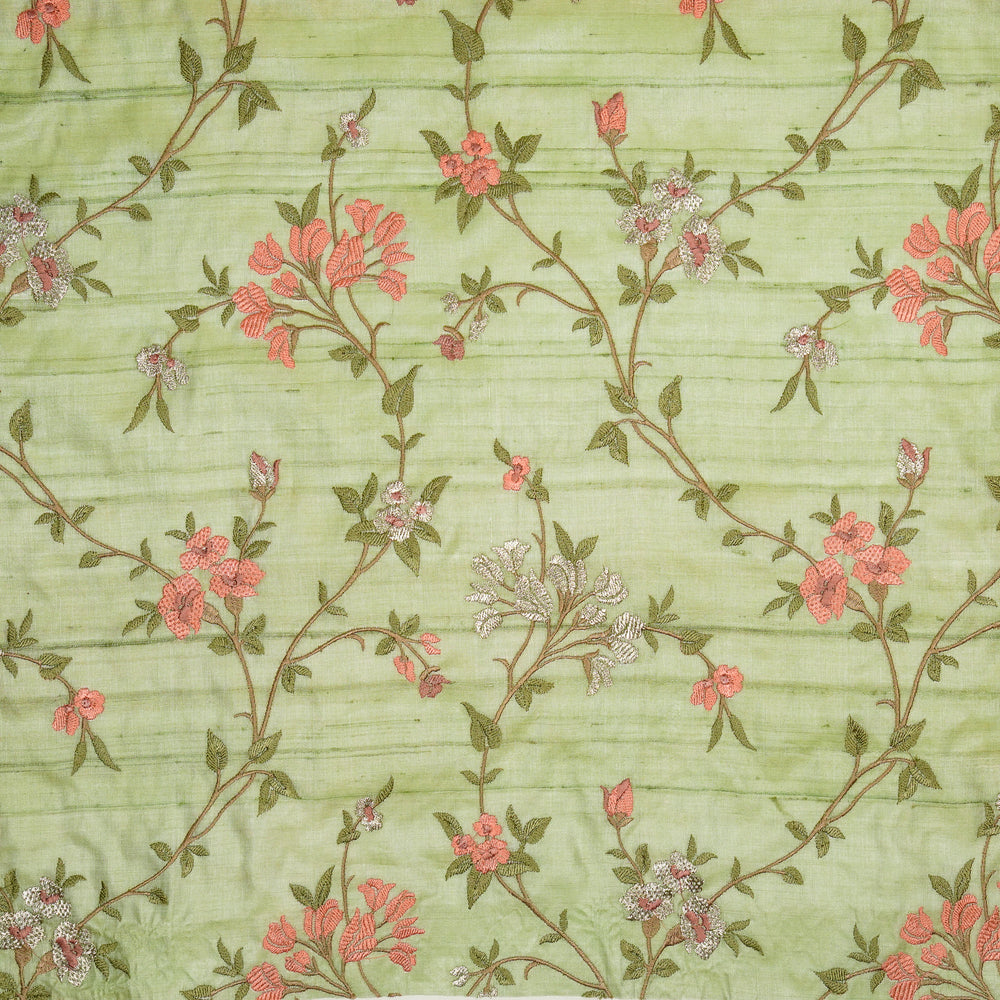
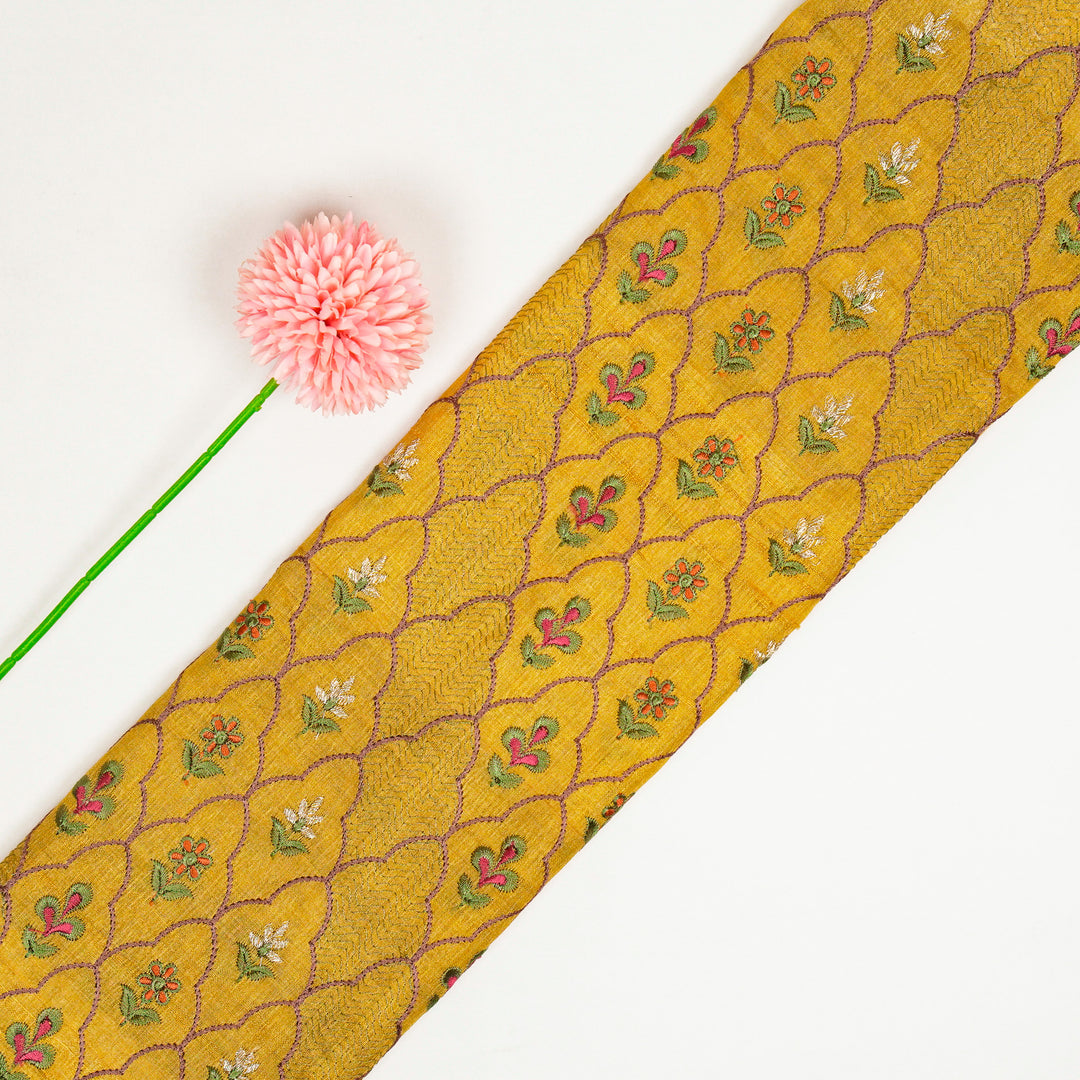
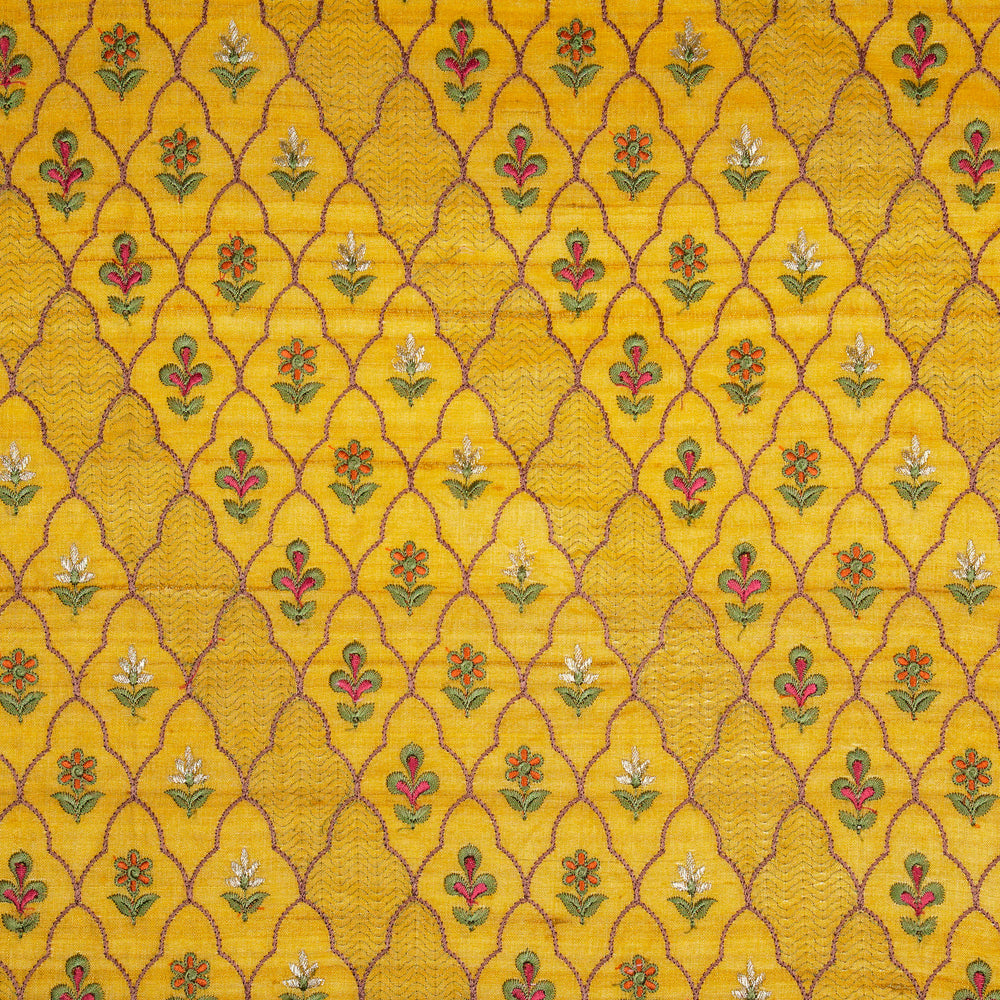
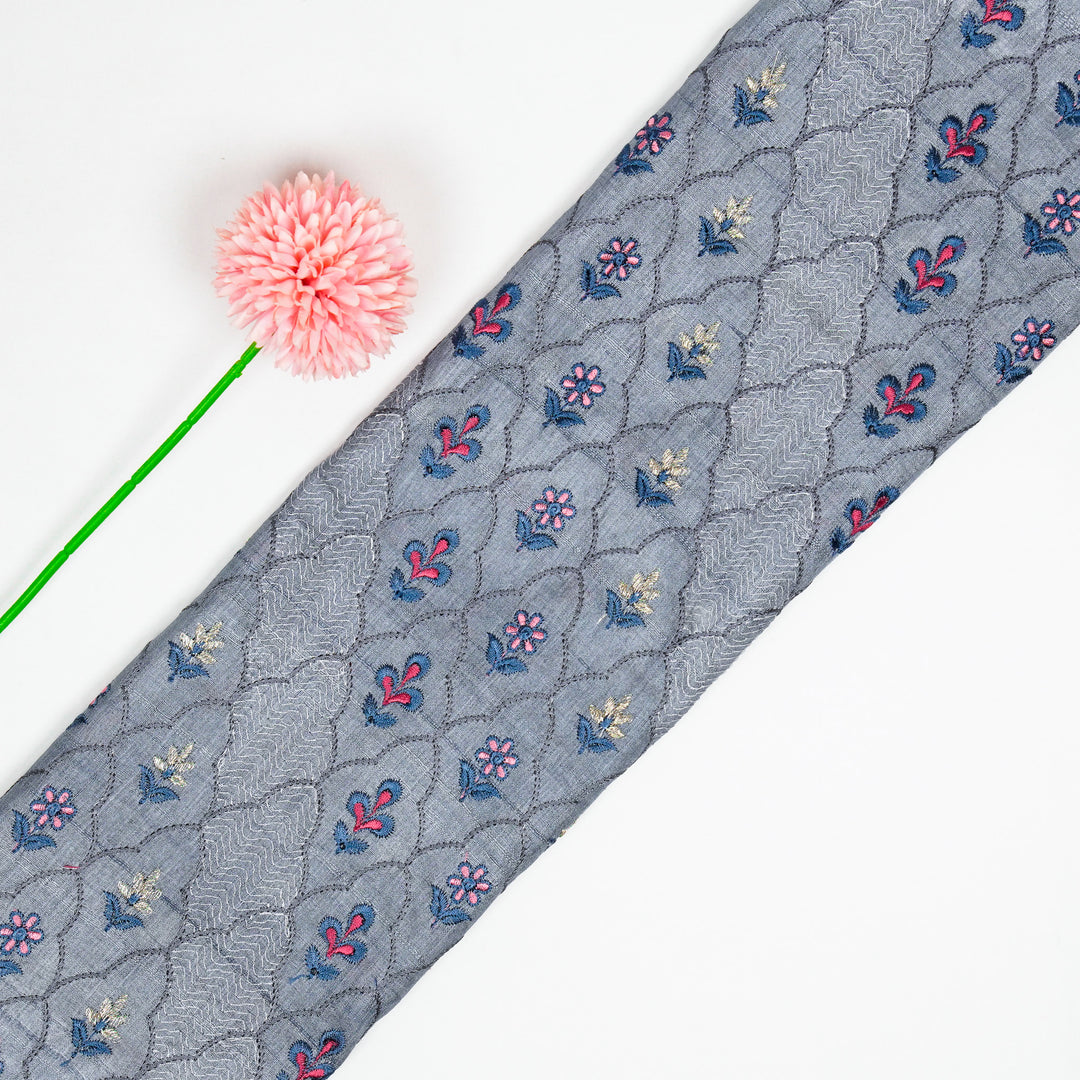
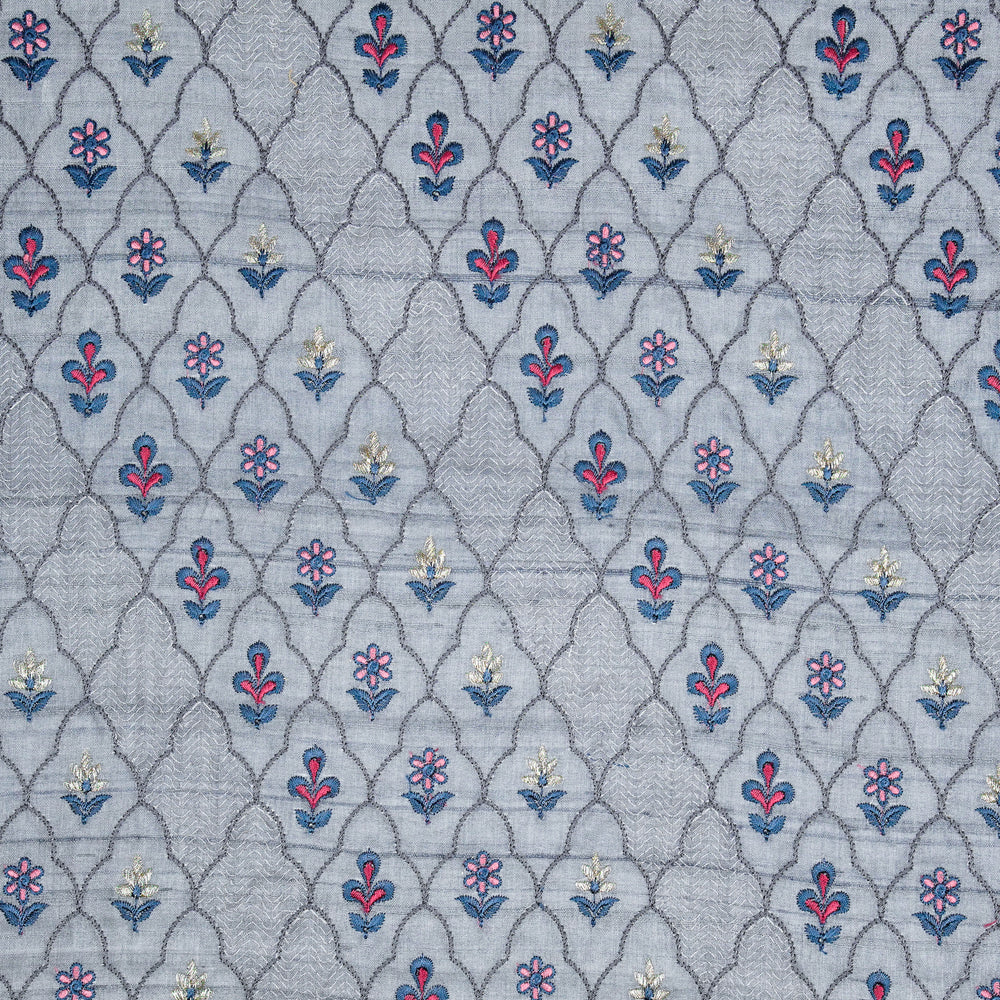
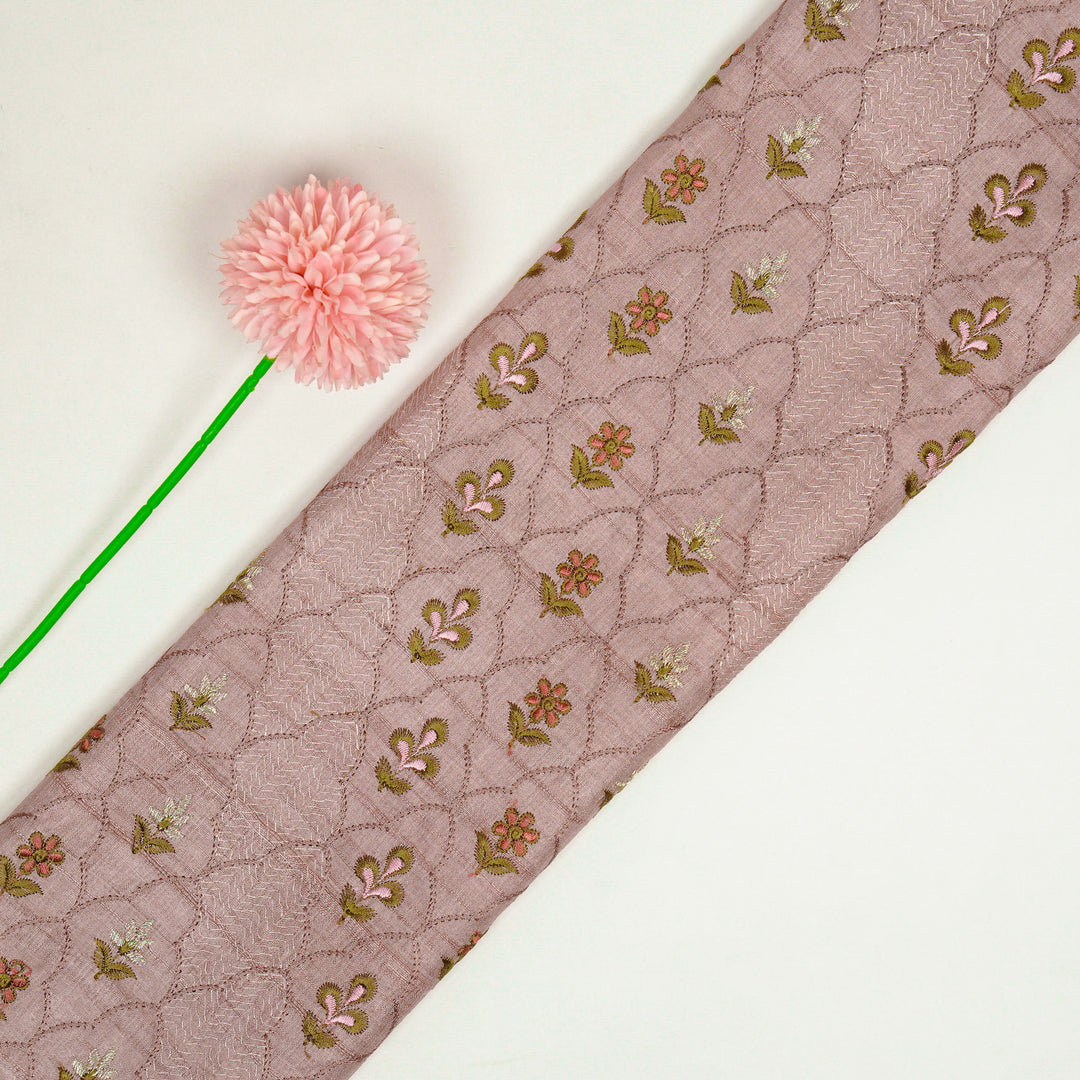
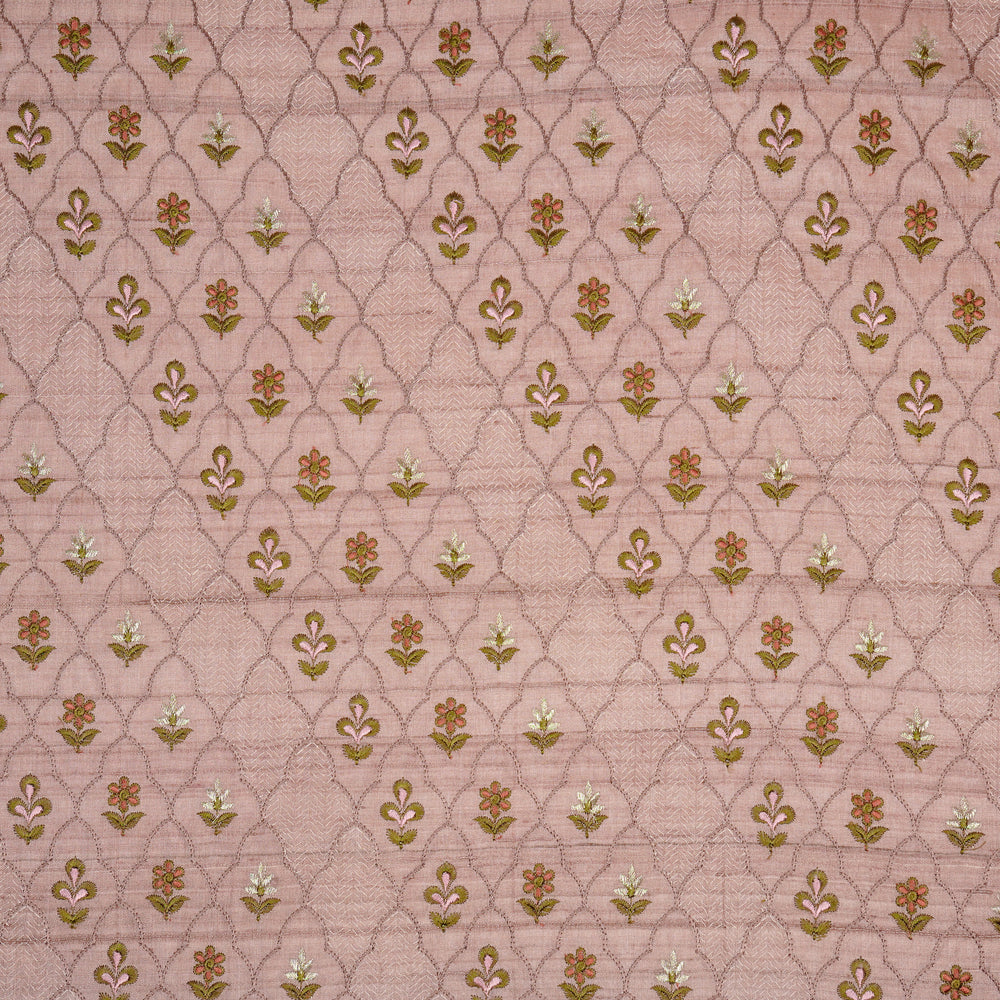
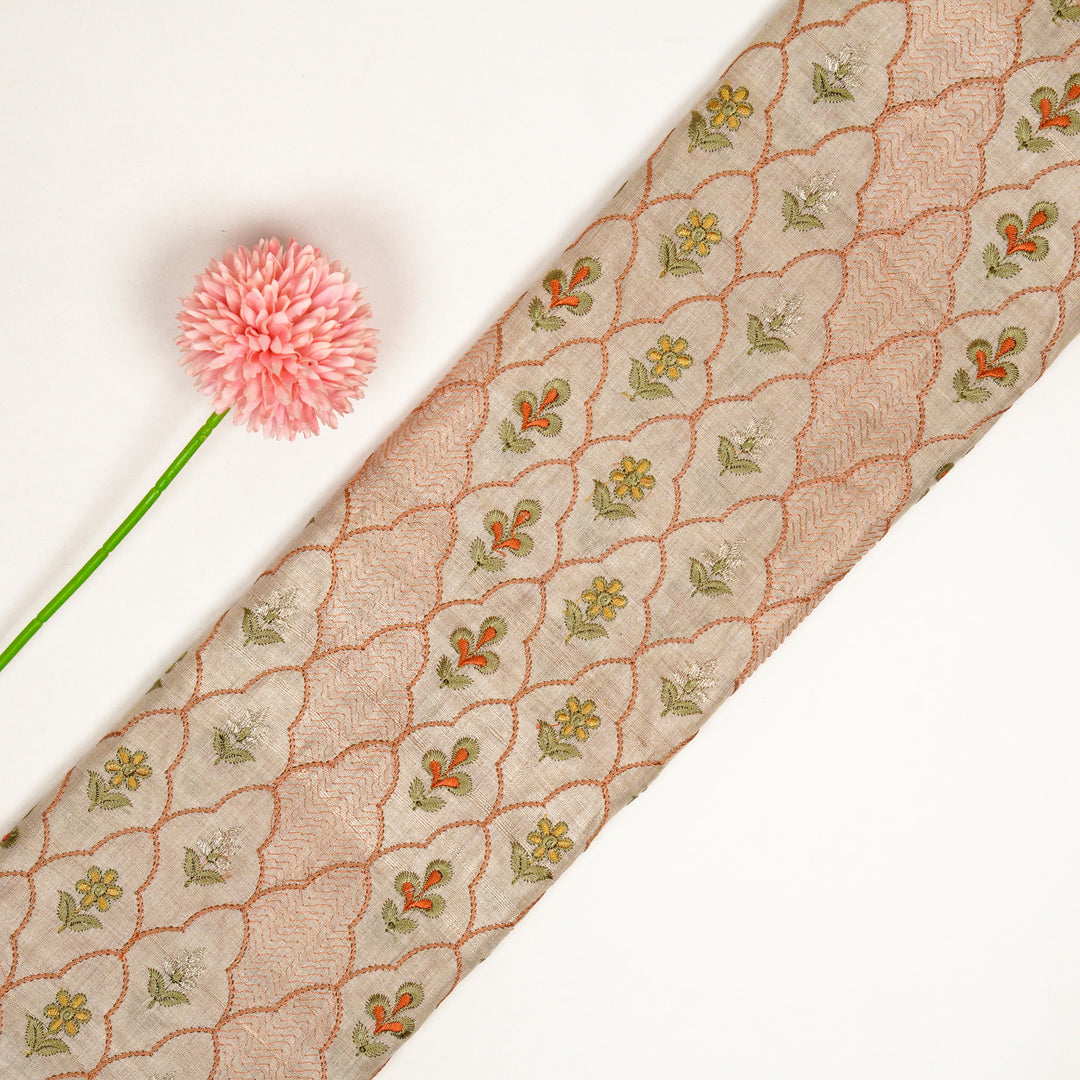
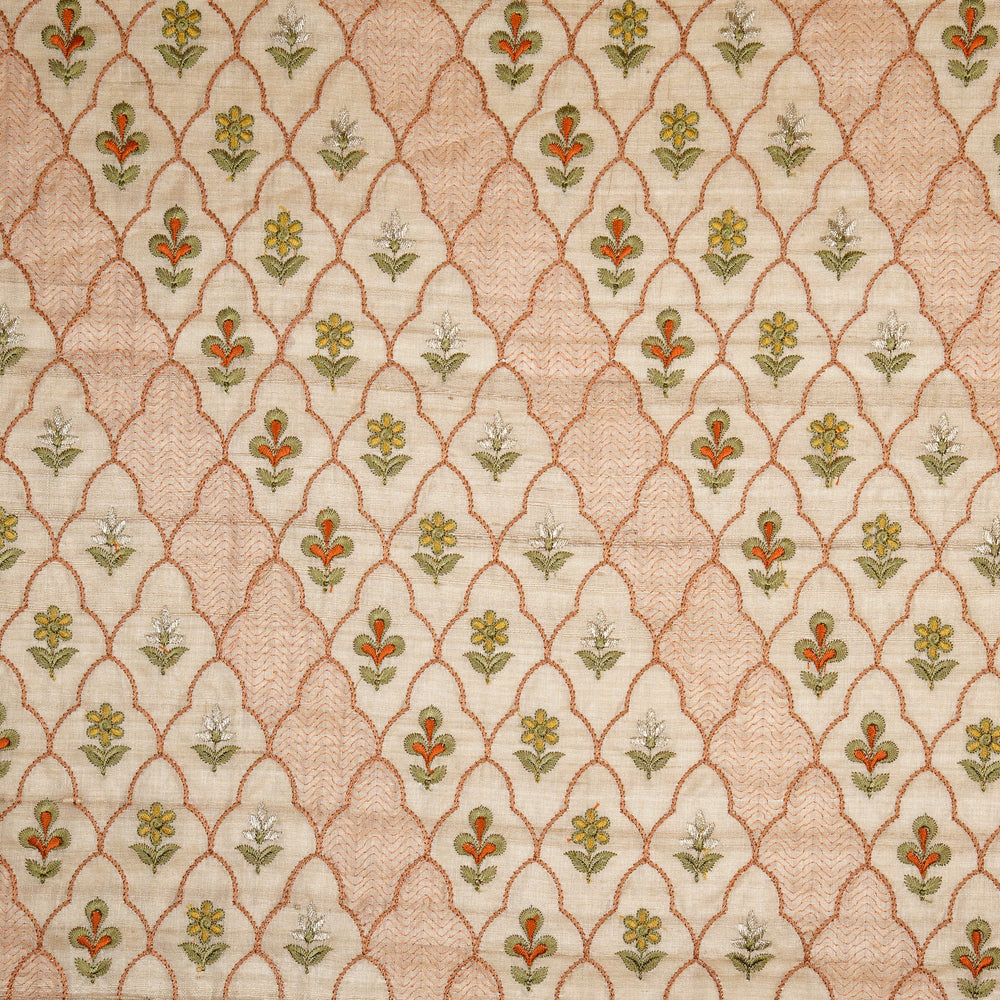
Zarinama offers a curated range of pure silk fabrics including raw silk, tussar silk, munga silk, silk organza, silk chanderi, silk georgette, and silk jacquard. Each variety has its own unique texture, drape, and finish. Raw silk has a naturally slubbed, textured surface; tussar silk is warm and earthy; silk organza is crisp and sheer; while silk georgette drapes fluidly. All are crafted from natural silk threads without synthetic blends.
2.How do I know if a fabric is genuine pure silk?
The most reliable test is the burn test: genuine silk burns slowly, smells like burning hair, and leaves a crushable, powdery ash. It does not melt or produce a plastic smell like synthetic fabrics do. You can also try the ring test - pure silk fabric pulls through a ring easily without bunching. Additionally, pure silk has a warm, natural sheen that changes with the angle of light, whereas synthetics have a uniform, plastic-like sheen.
3.What is raw silk fabric and what makes it special?
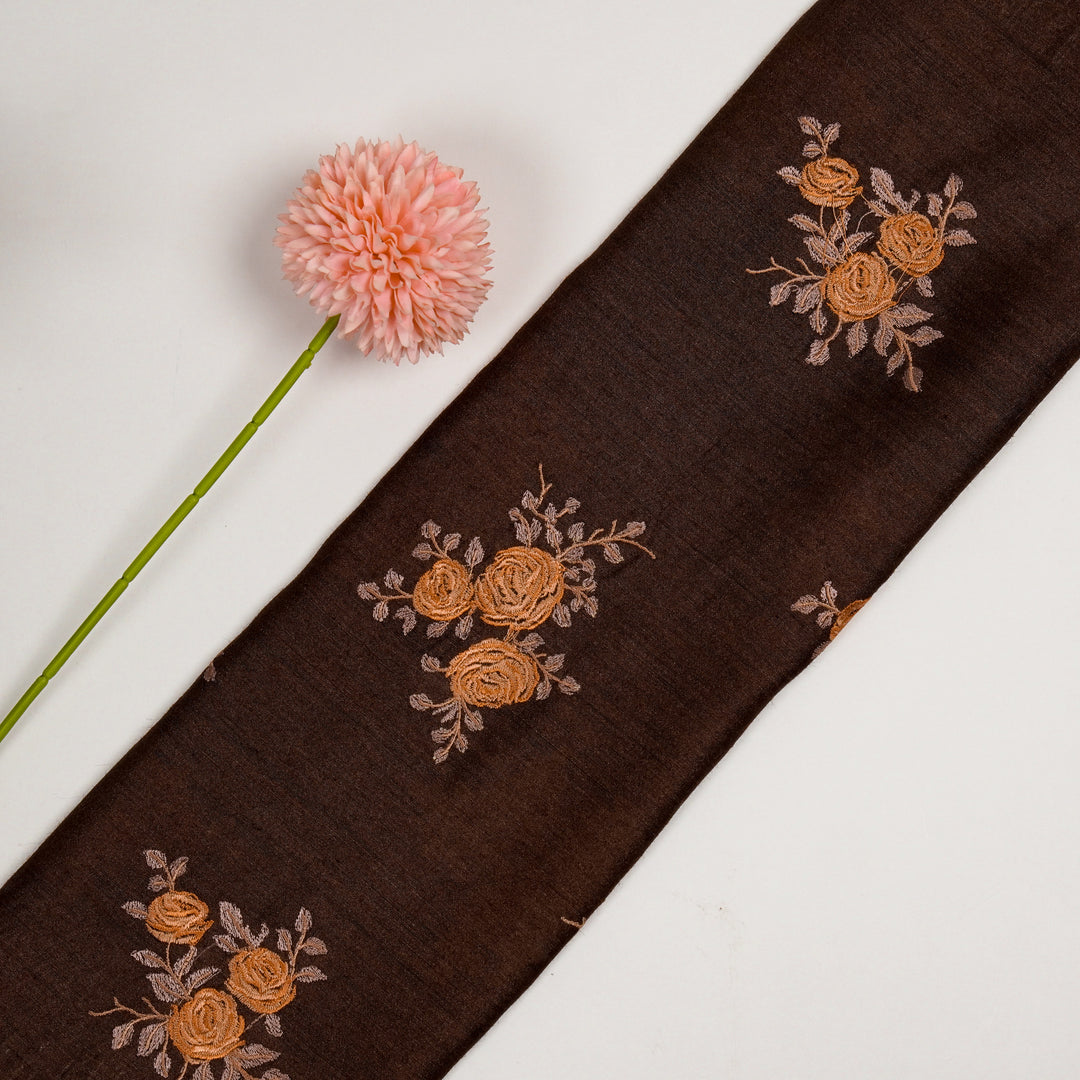
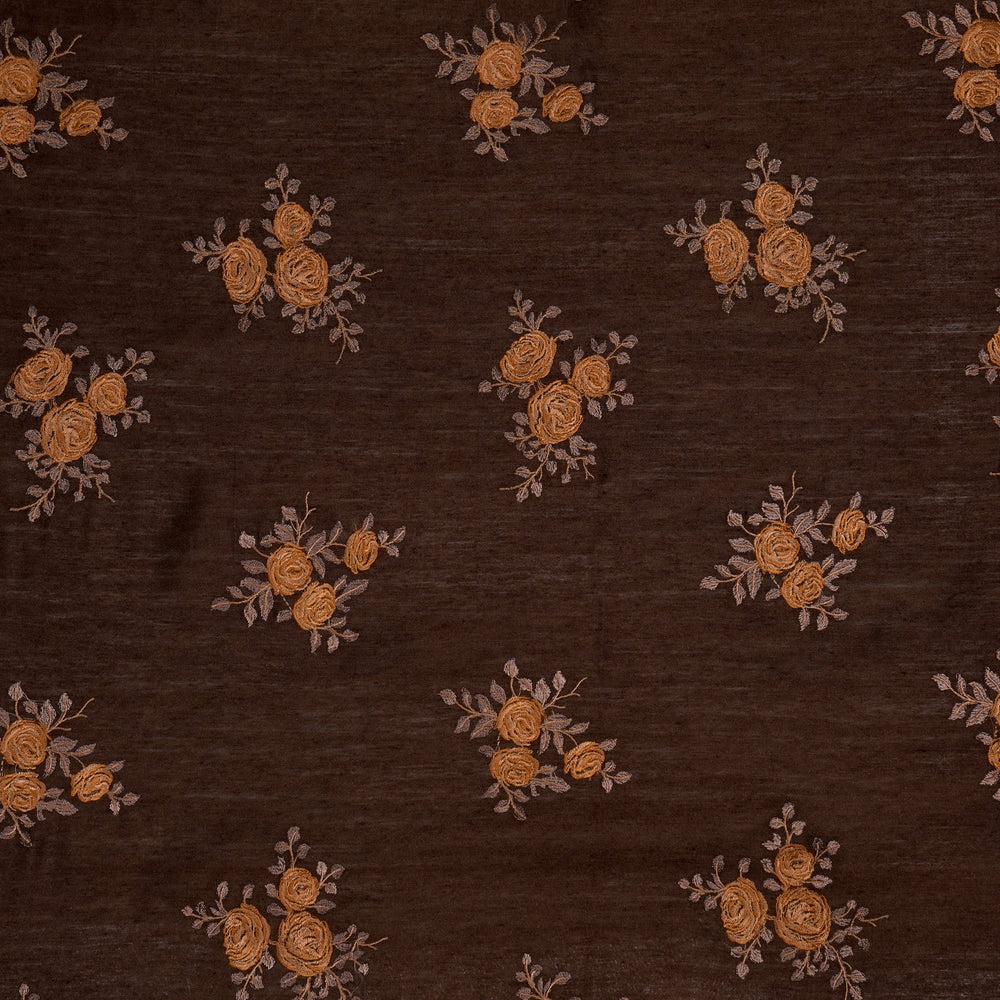
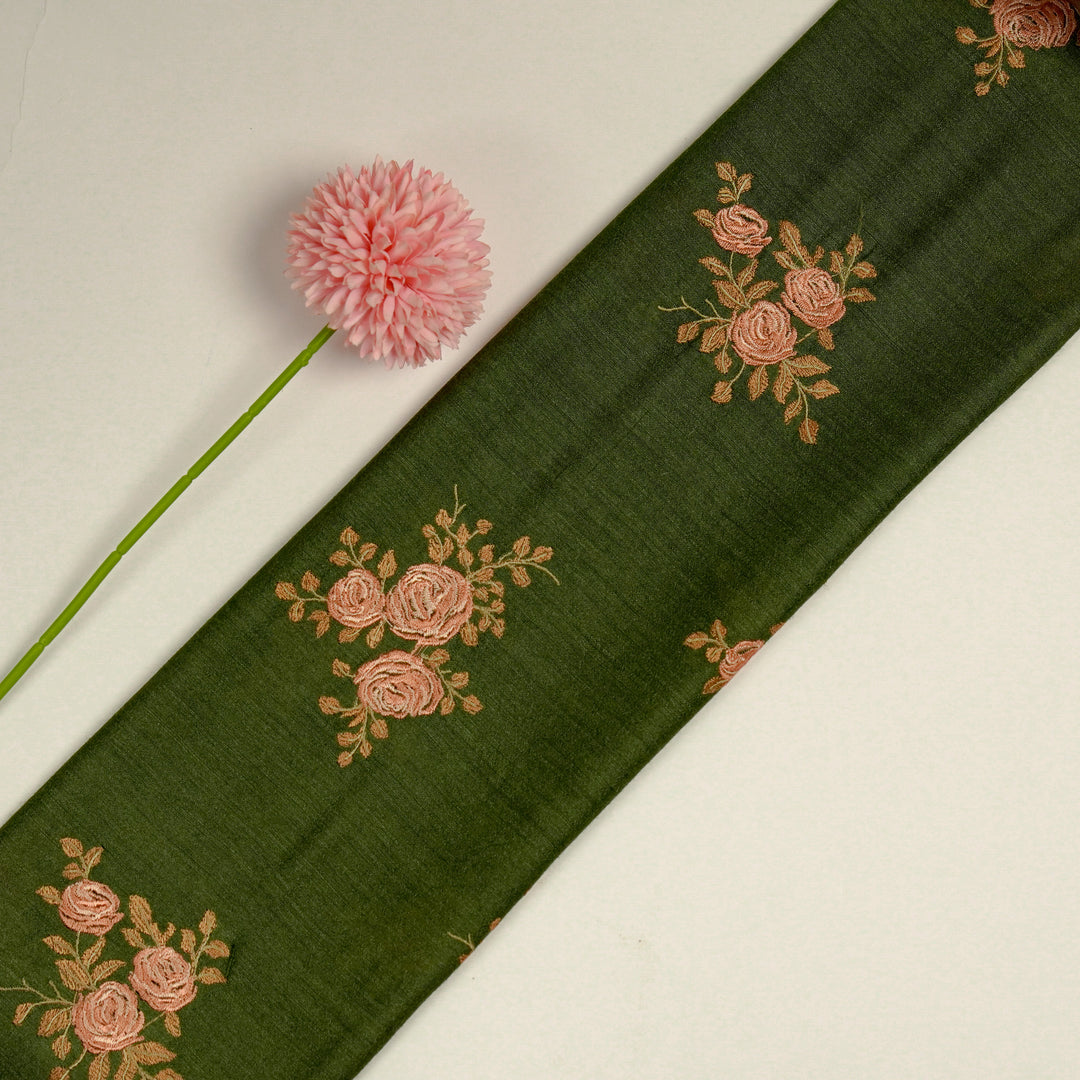
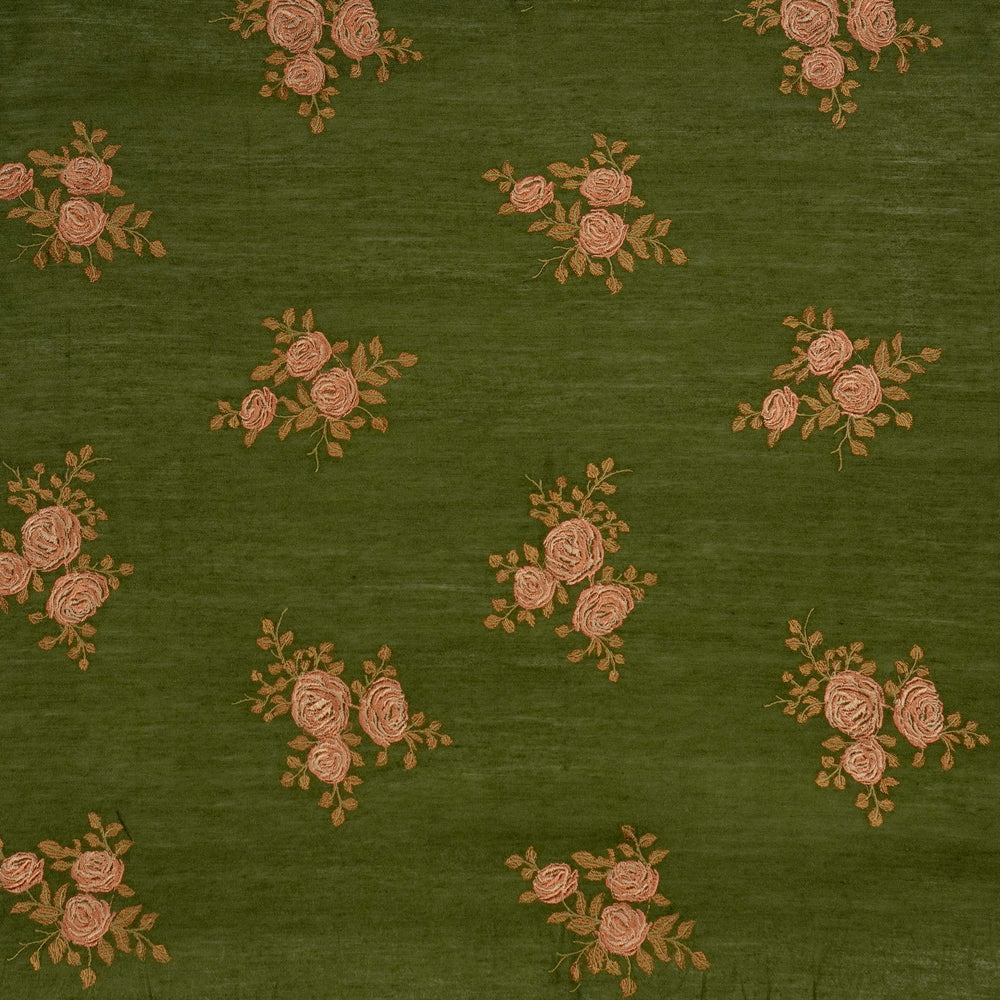
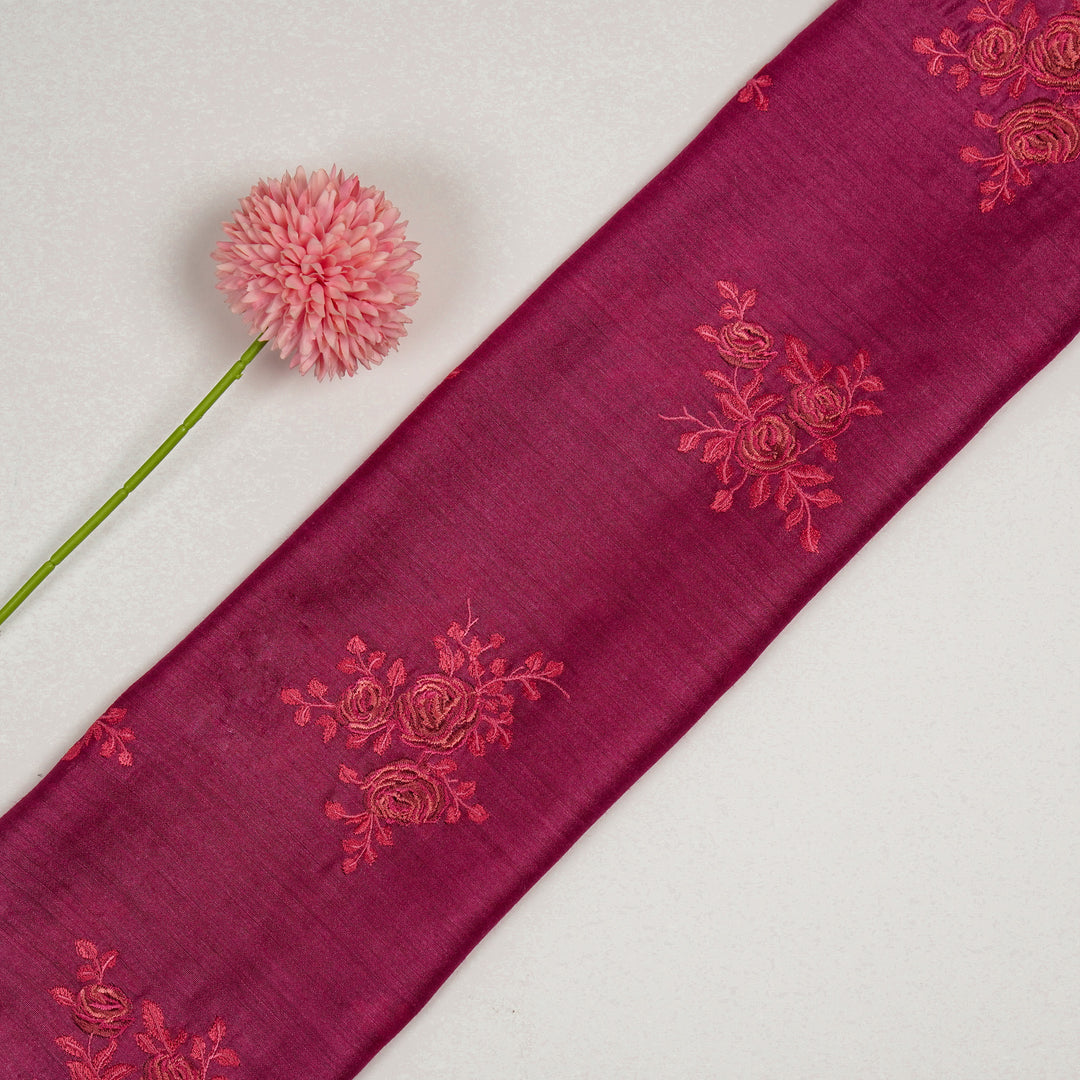
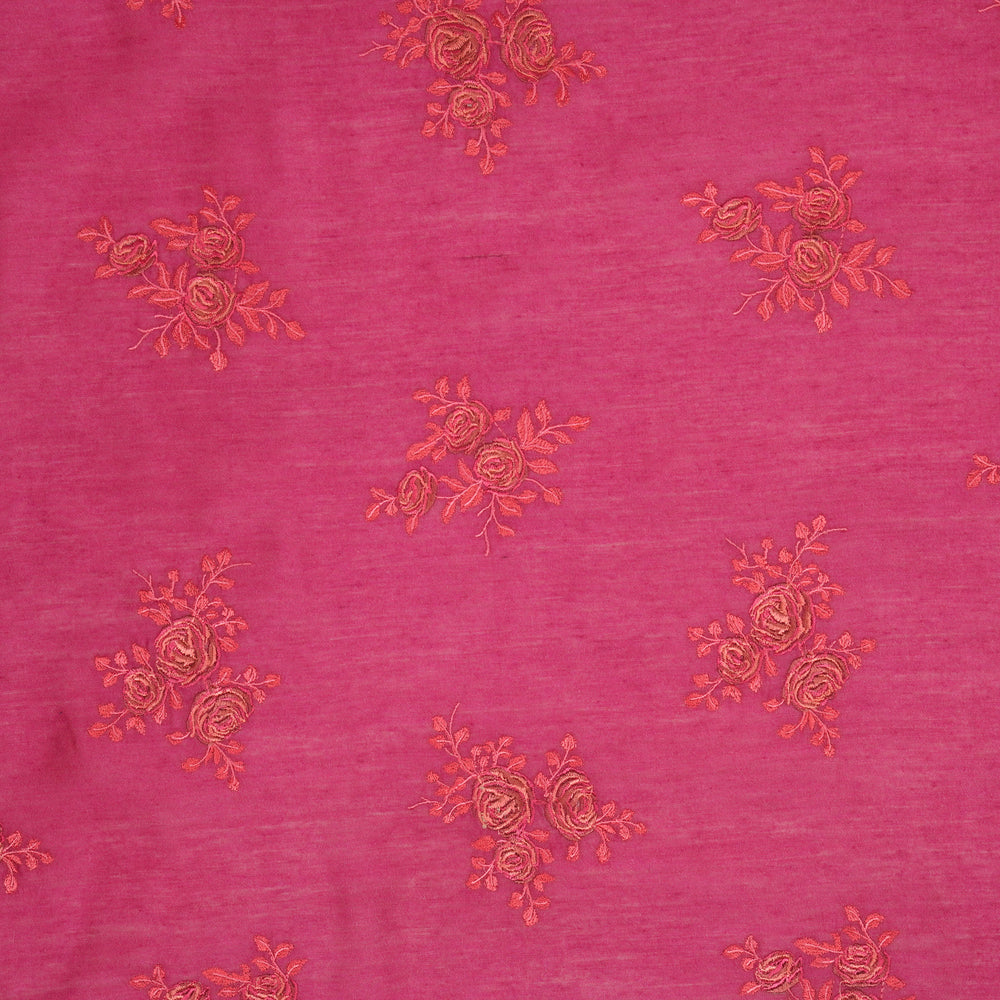
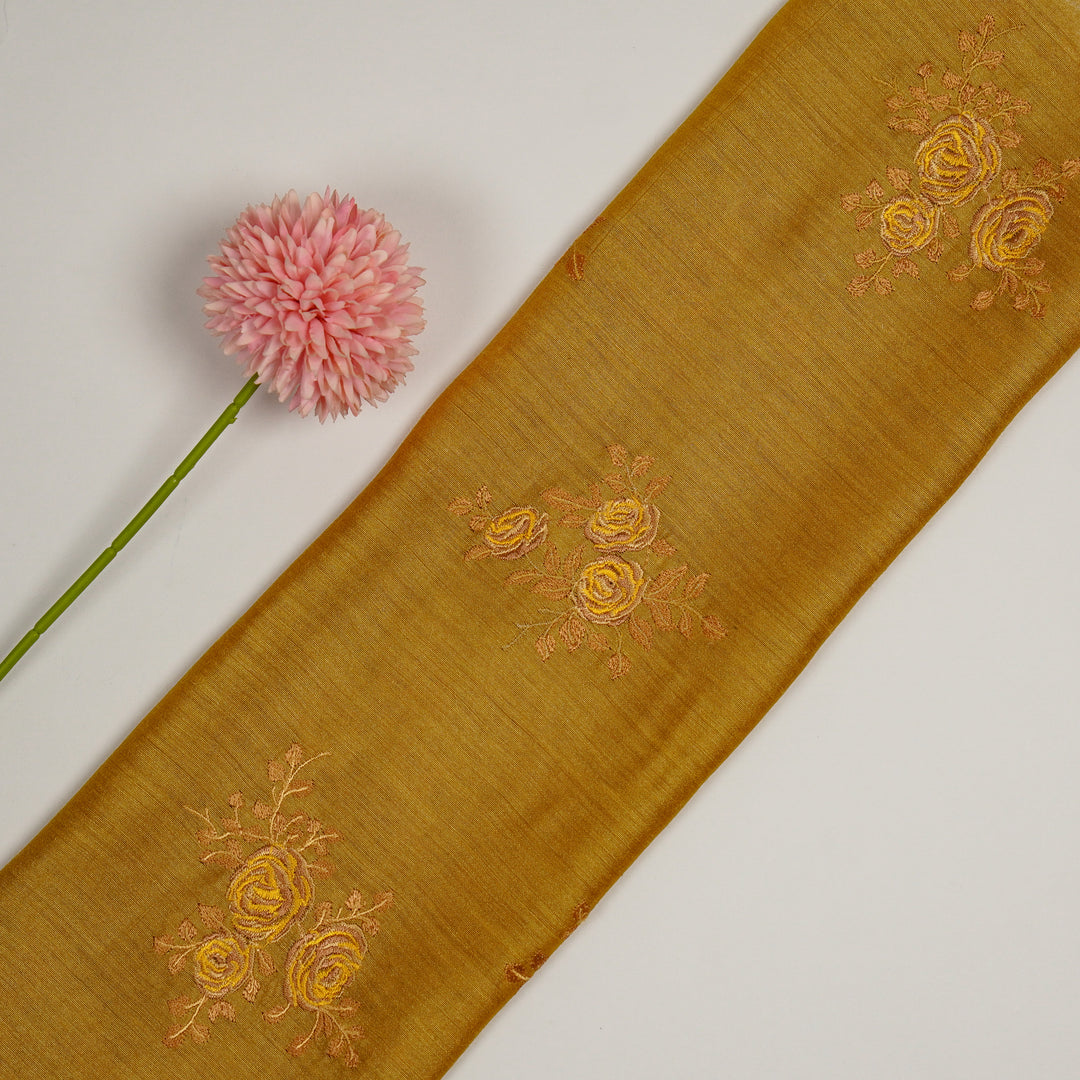
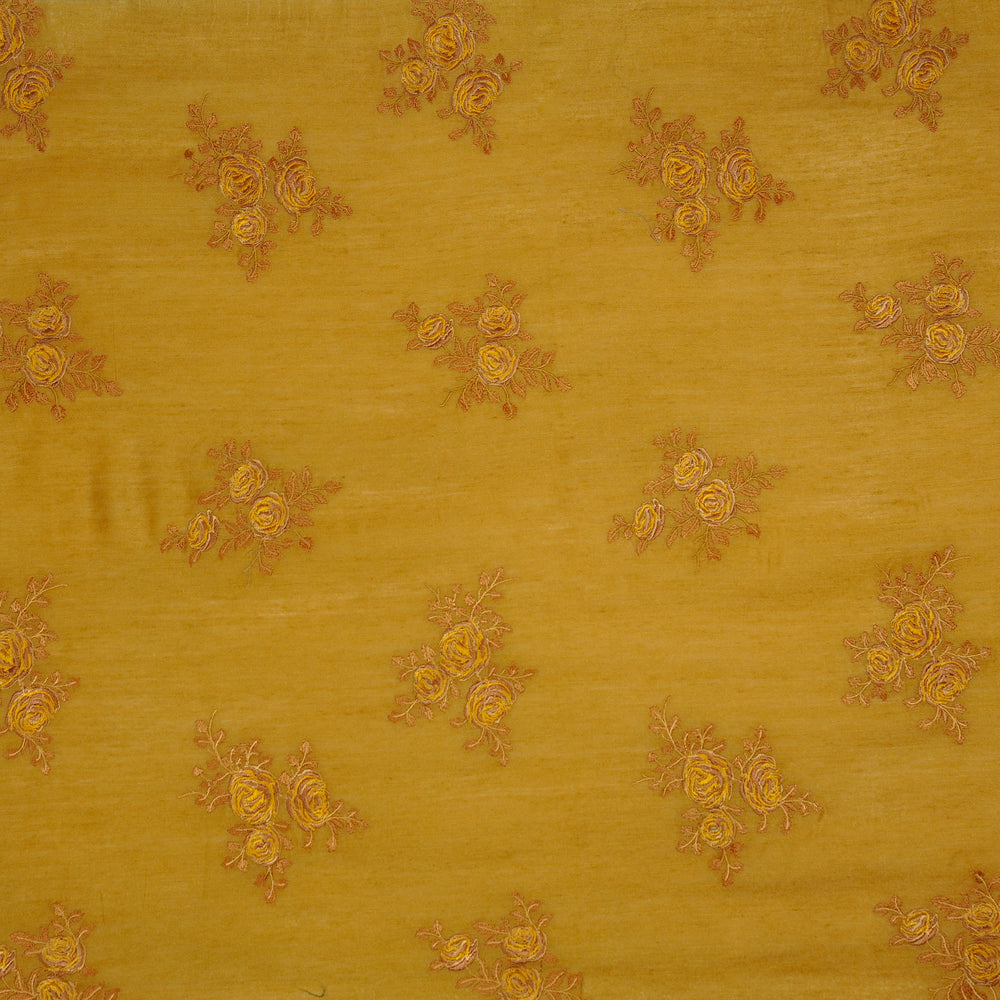
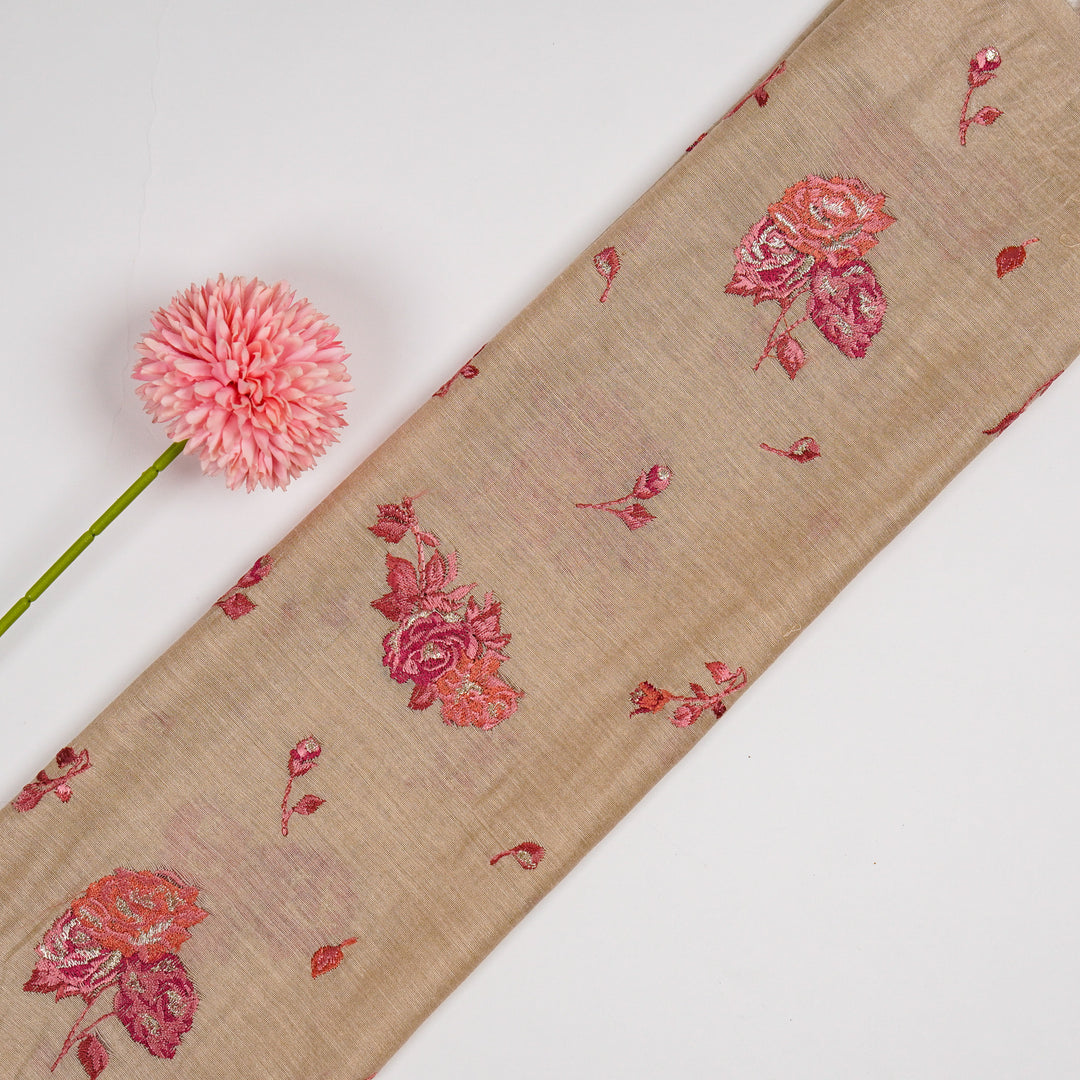
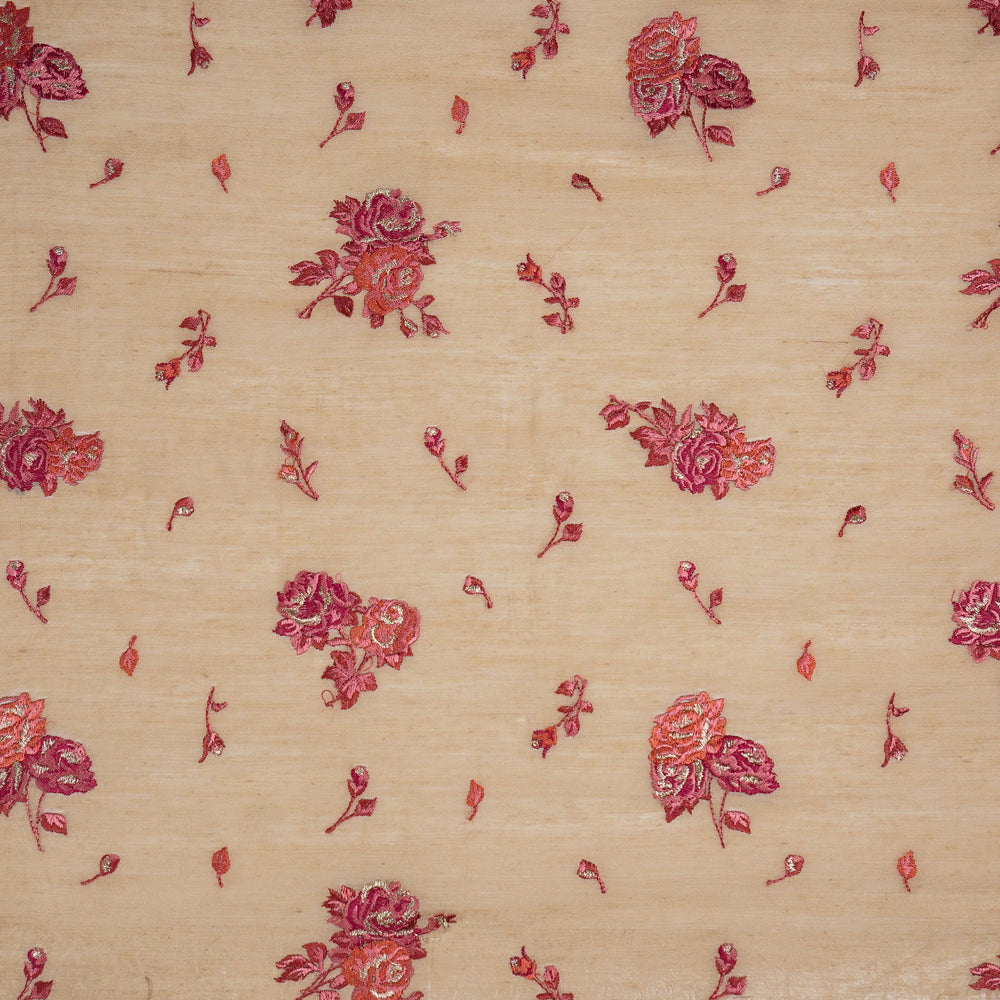
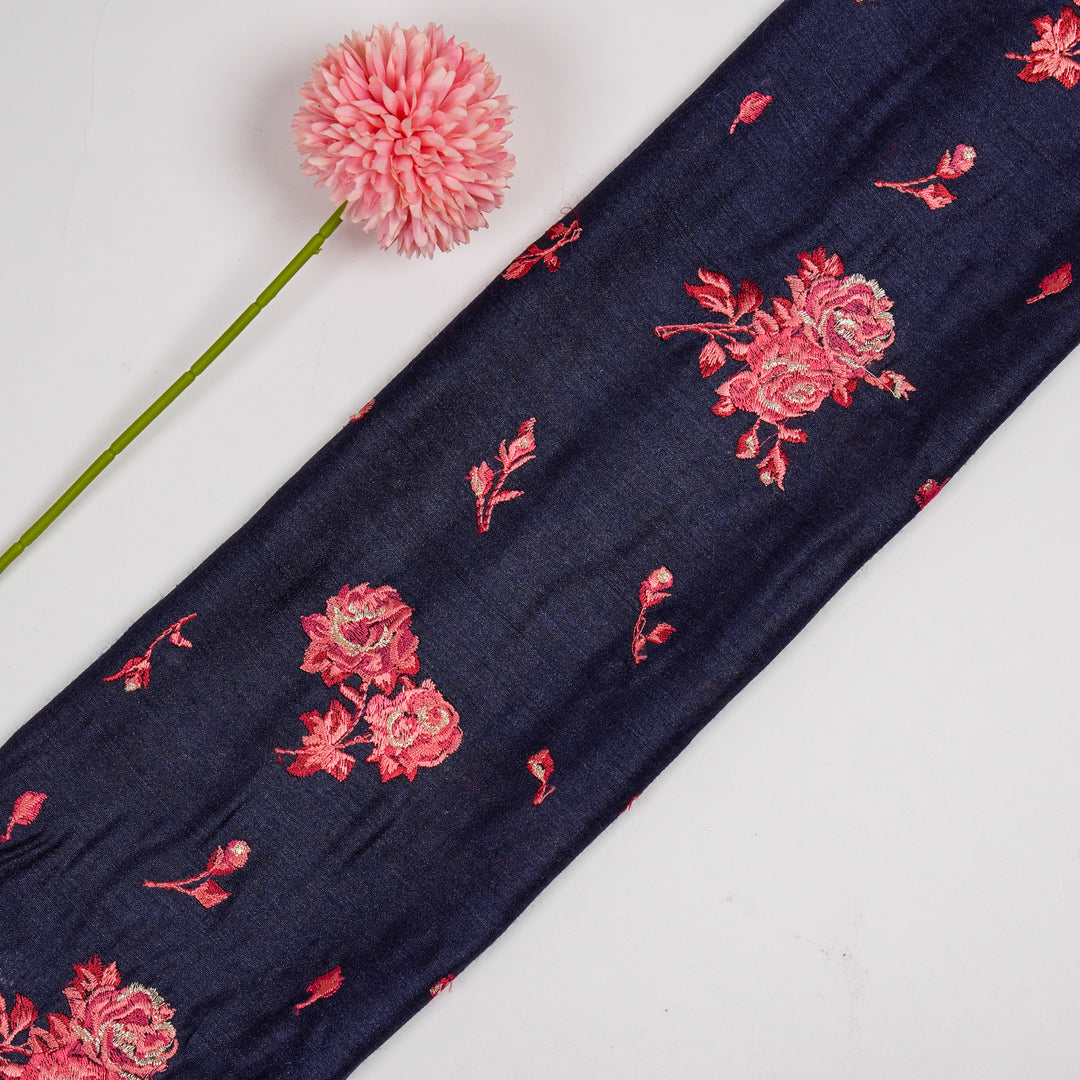
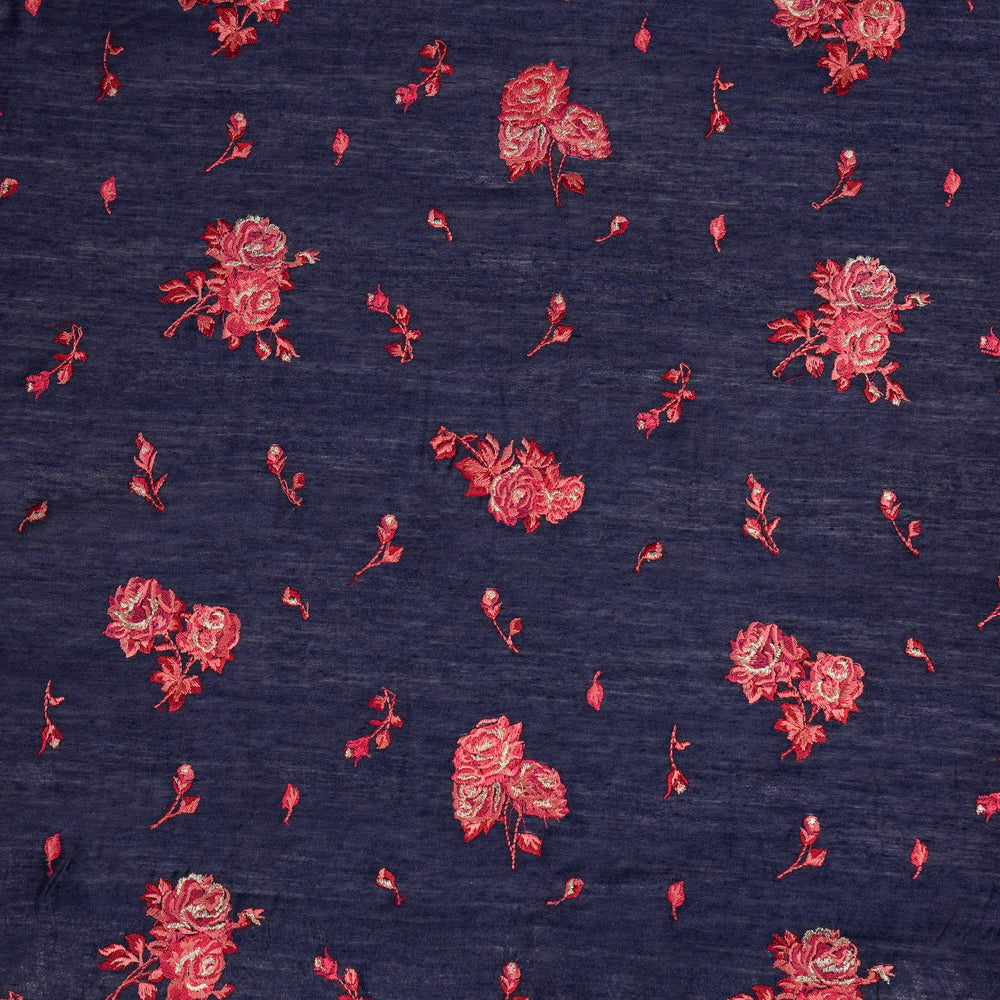
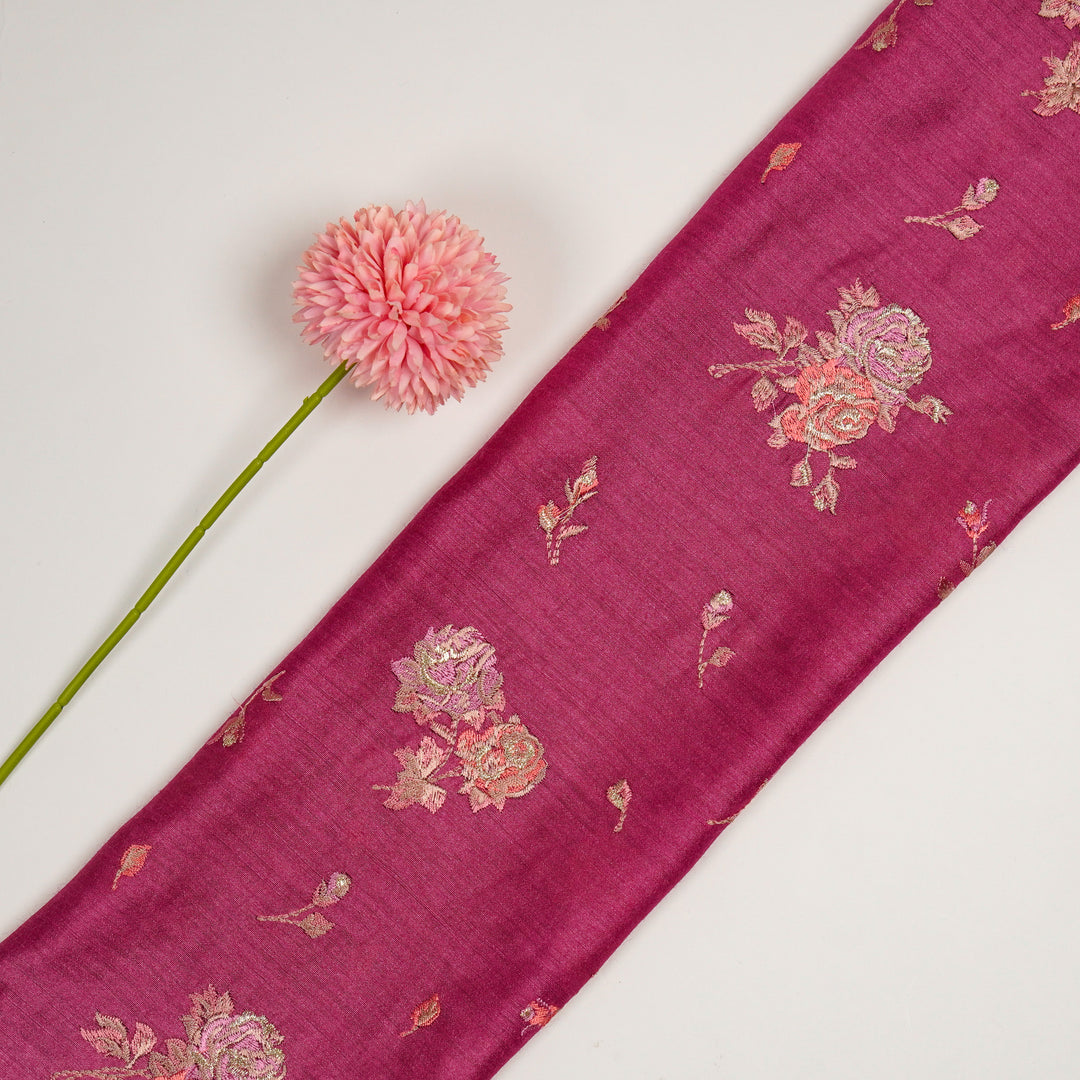
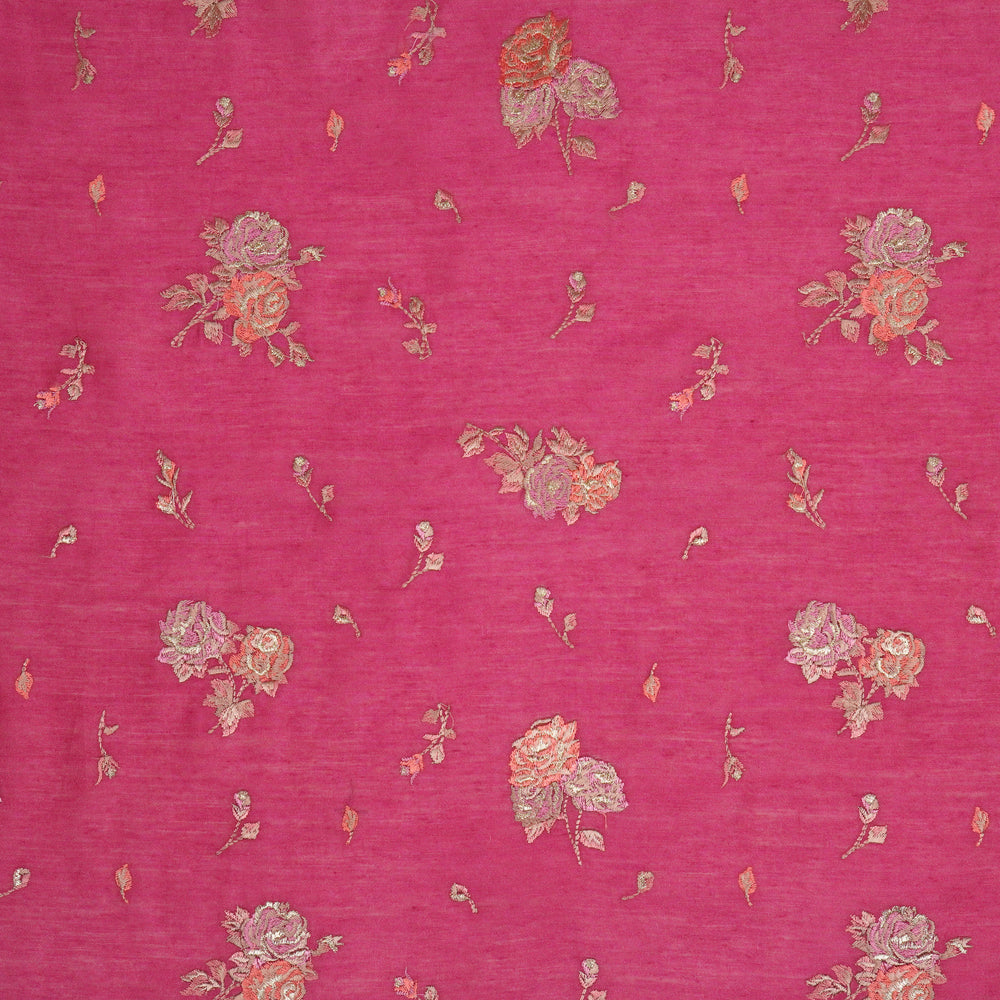
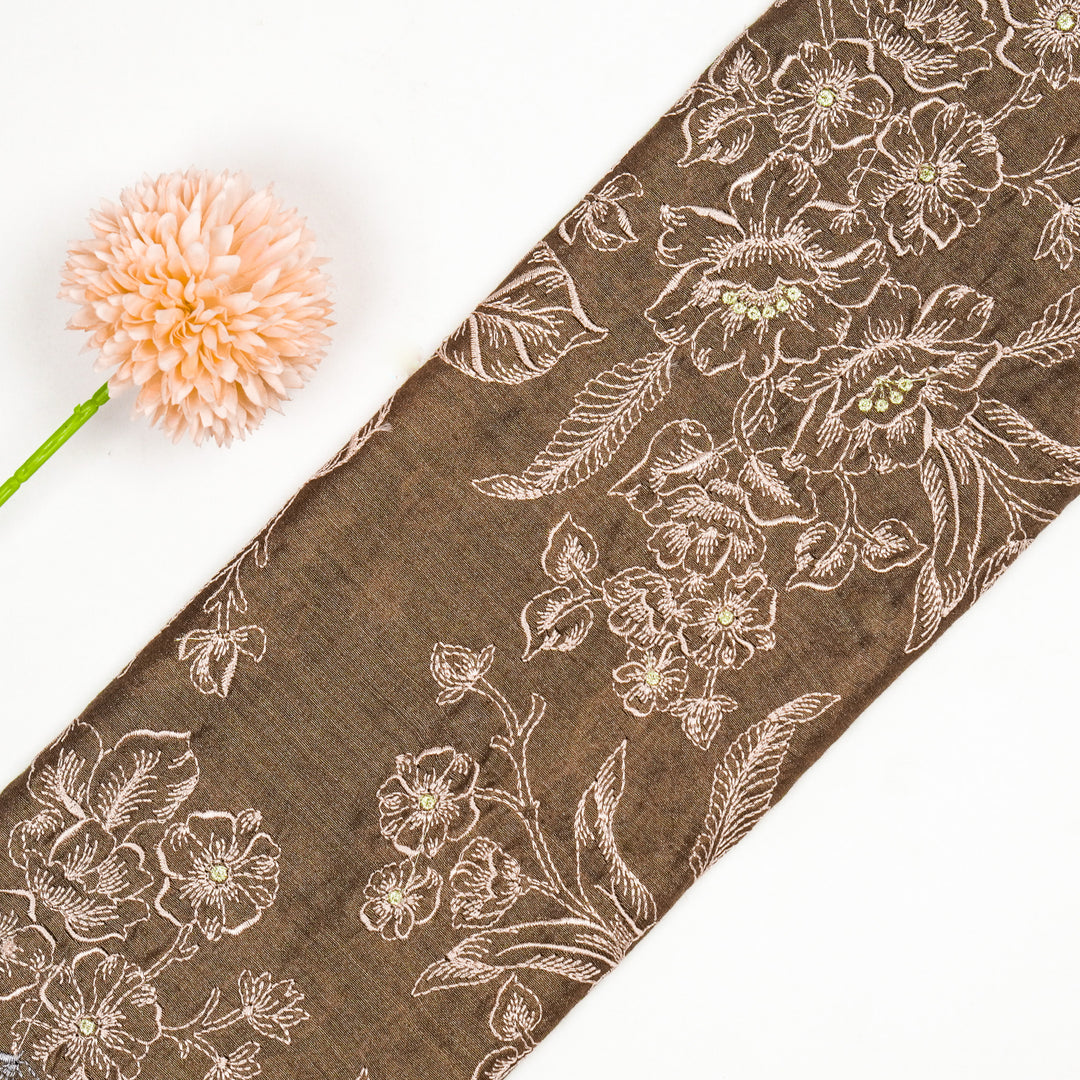
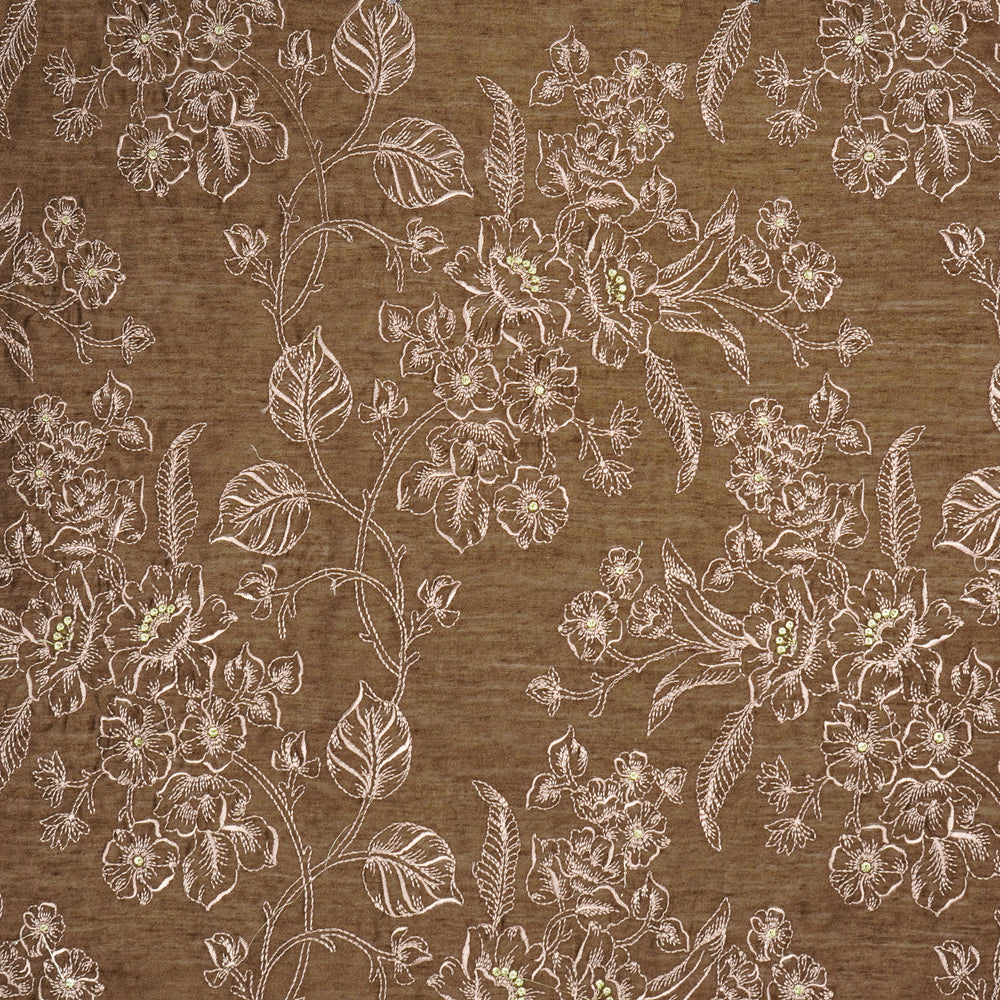
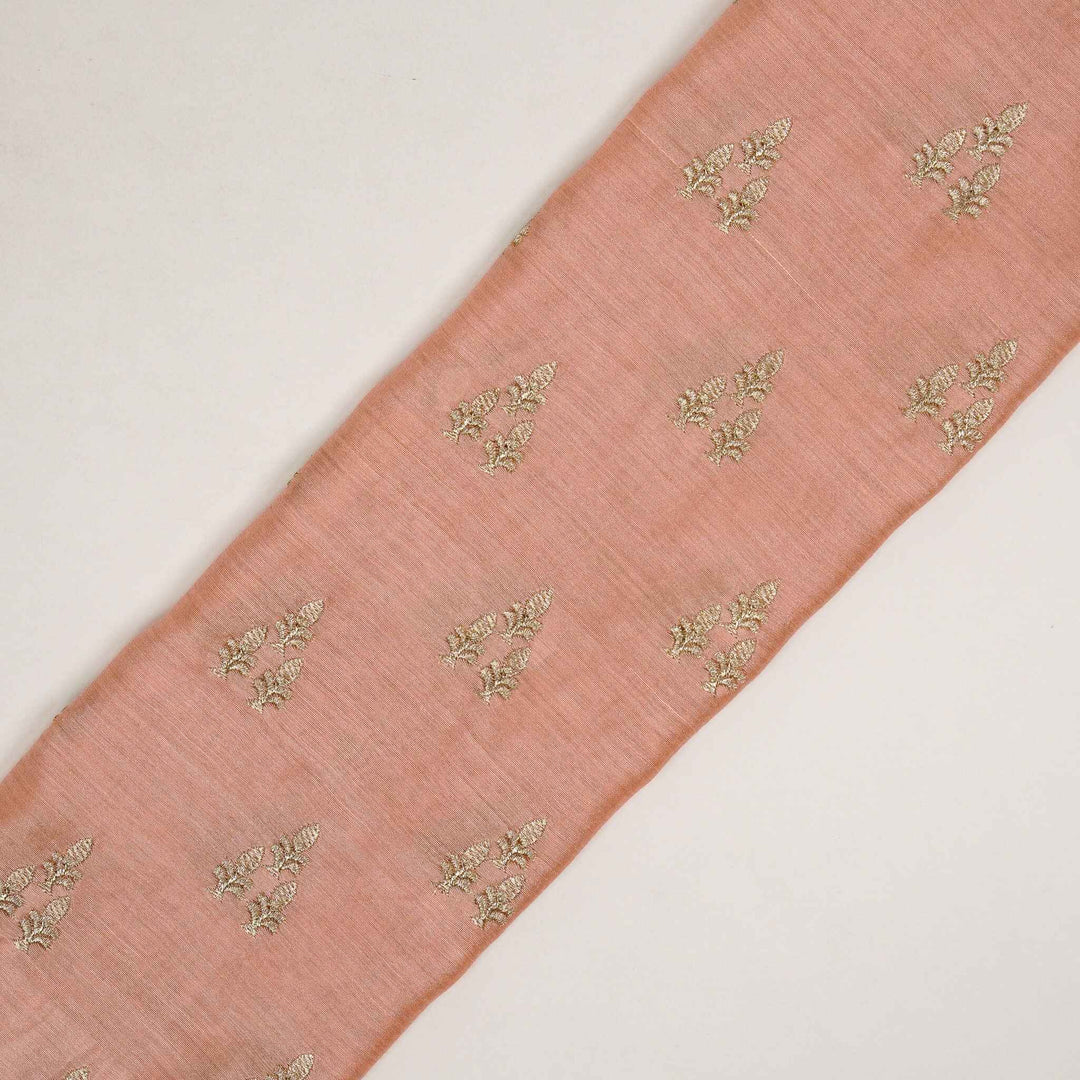
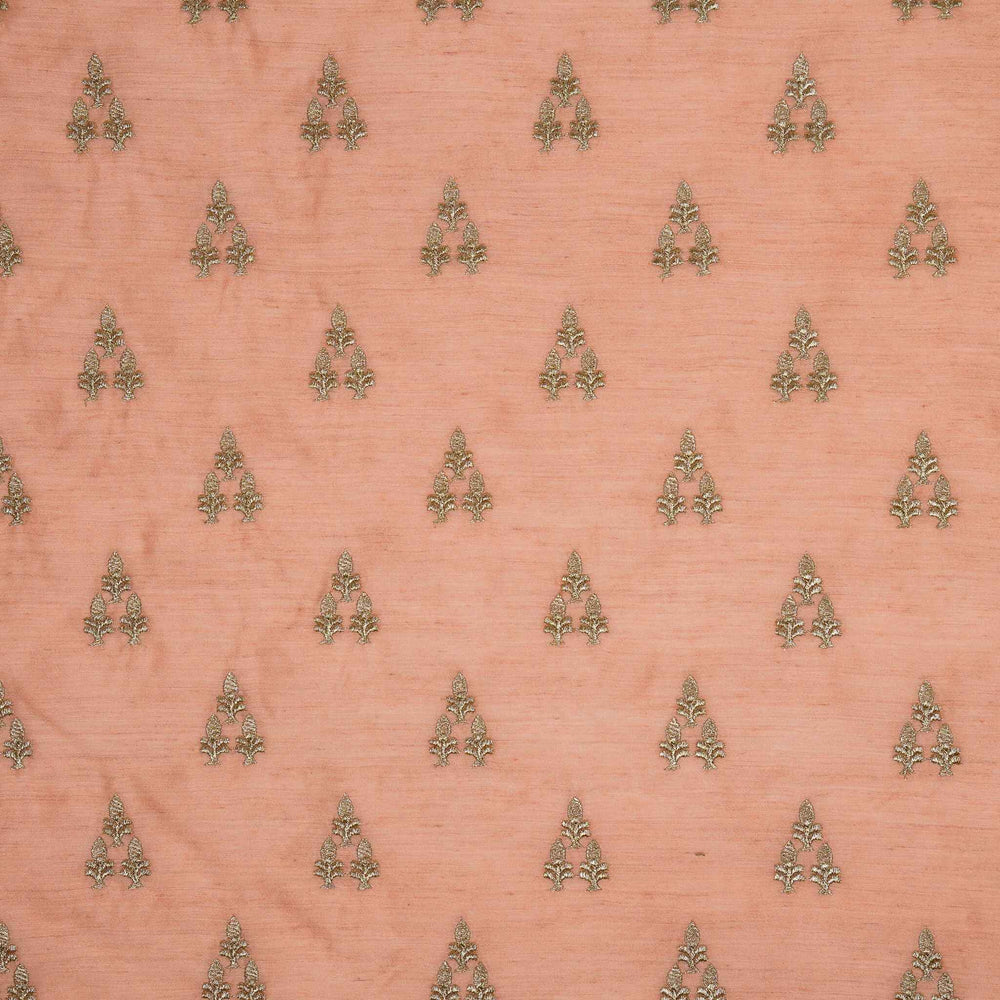
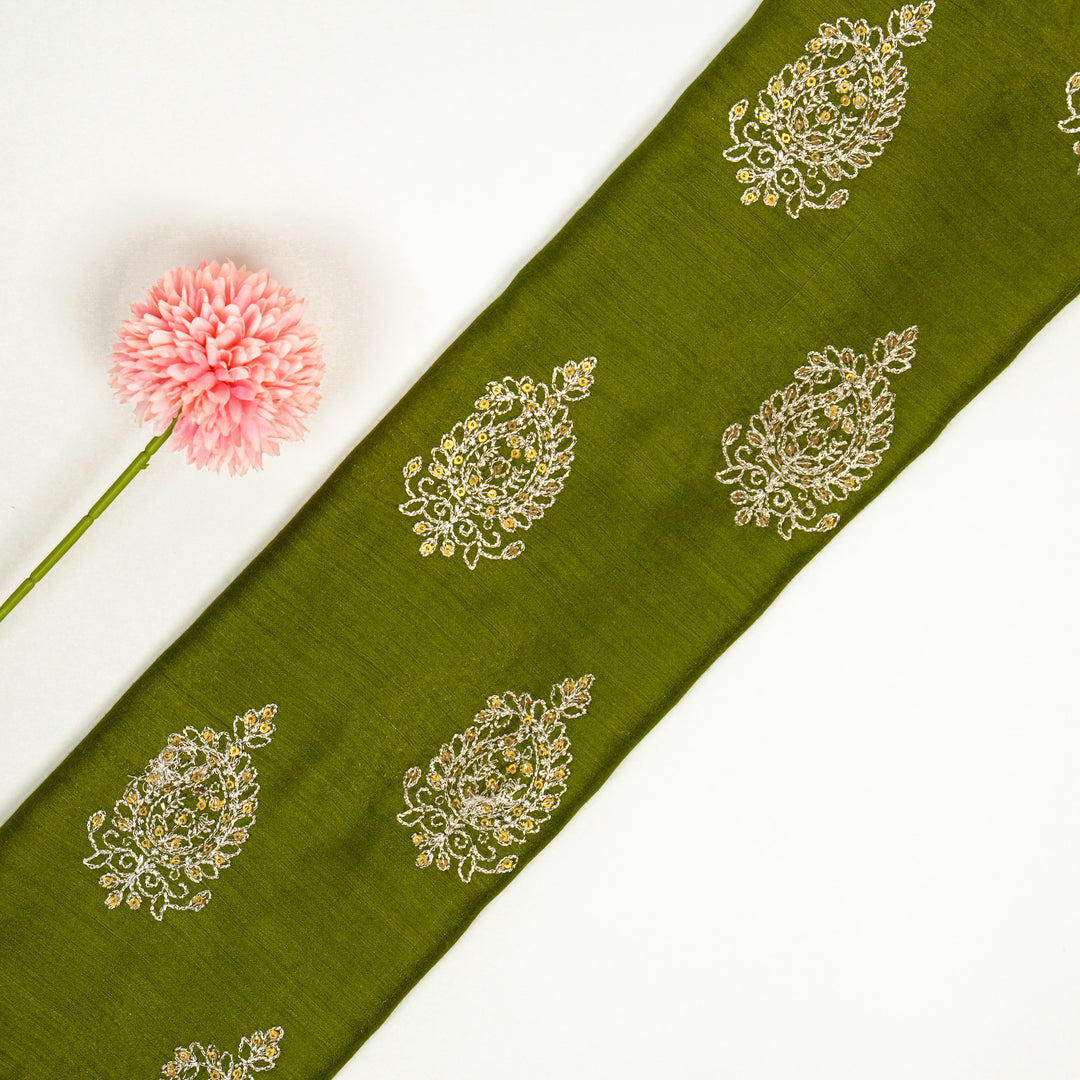
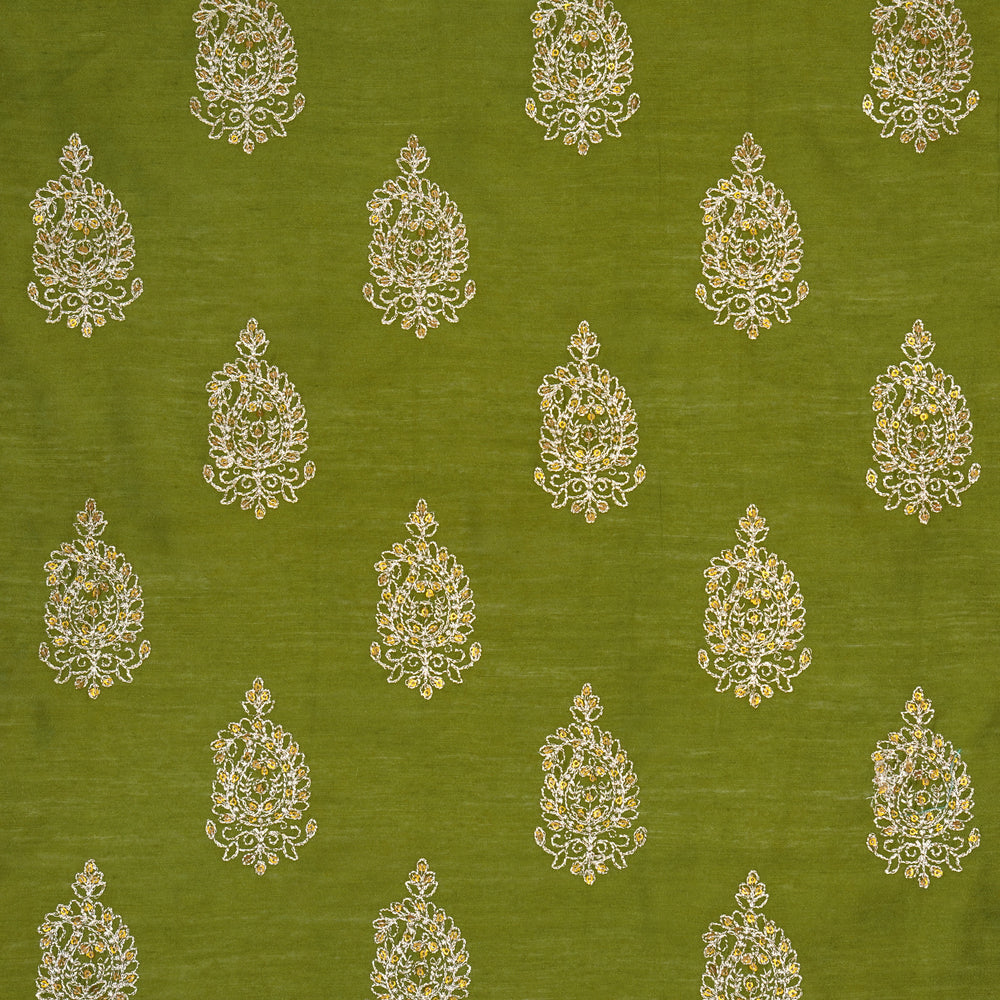
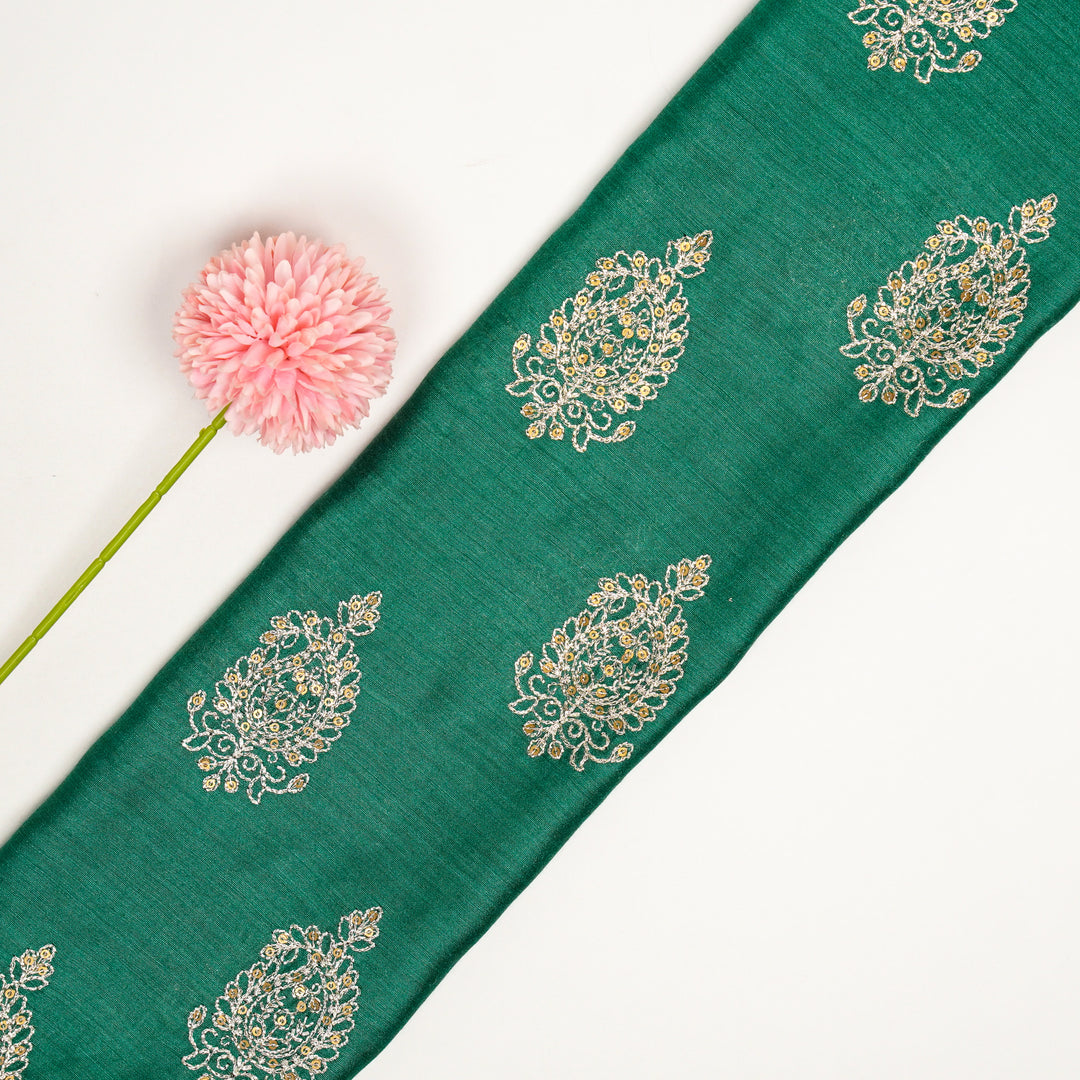
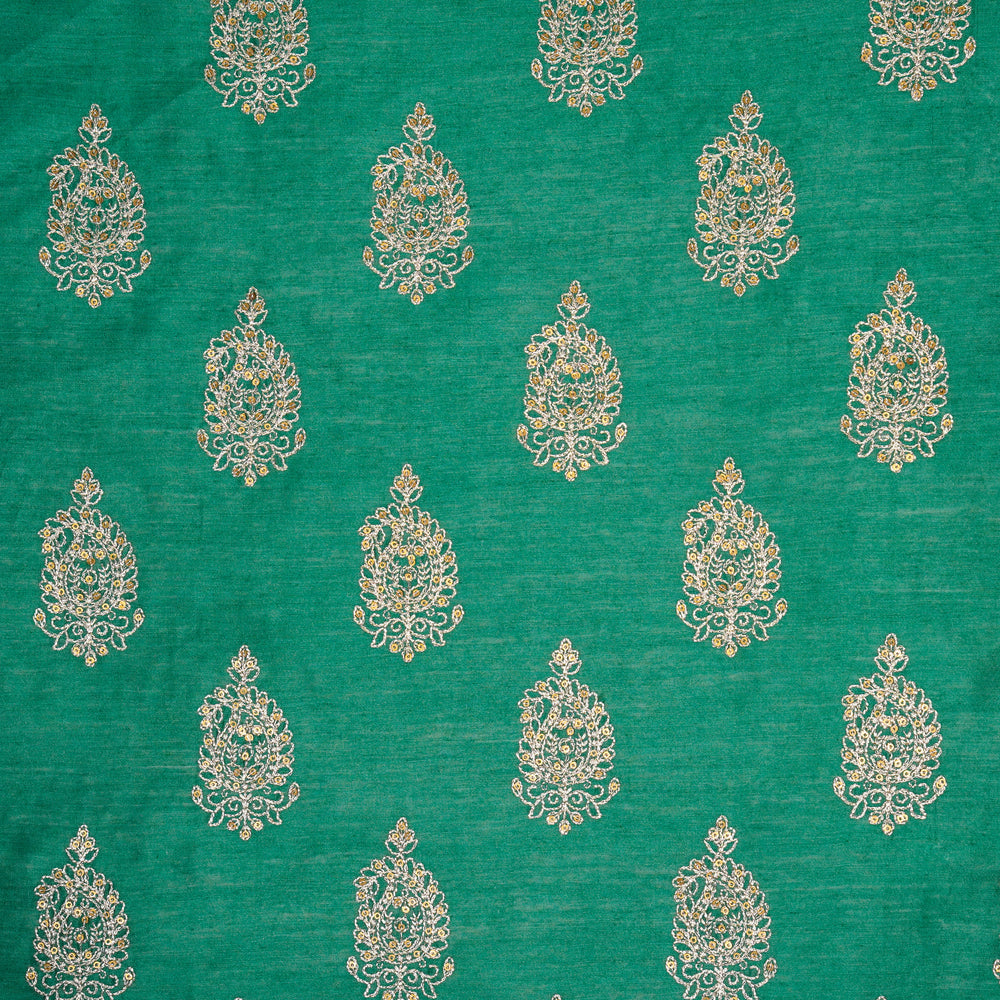
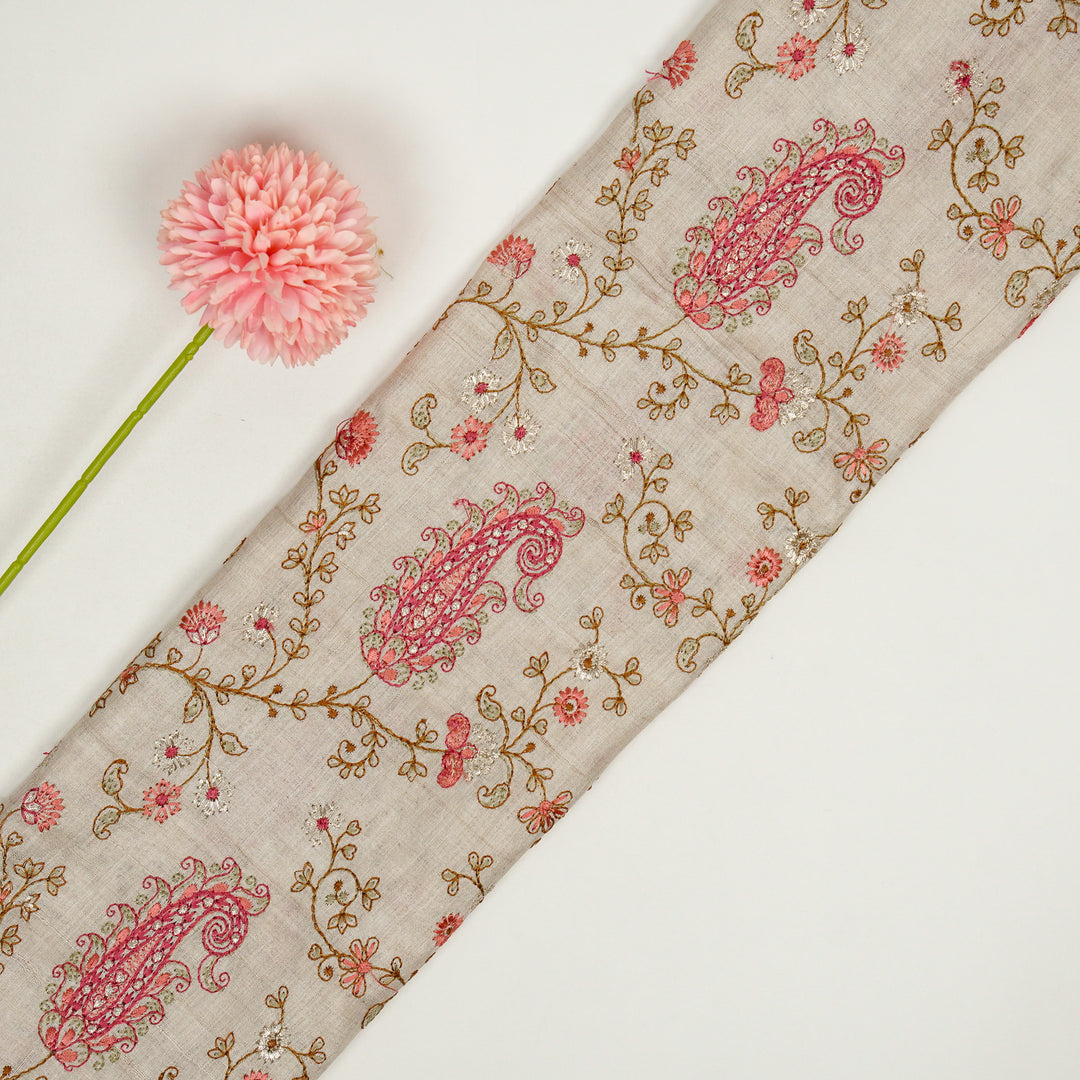
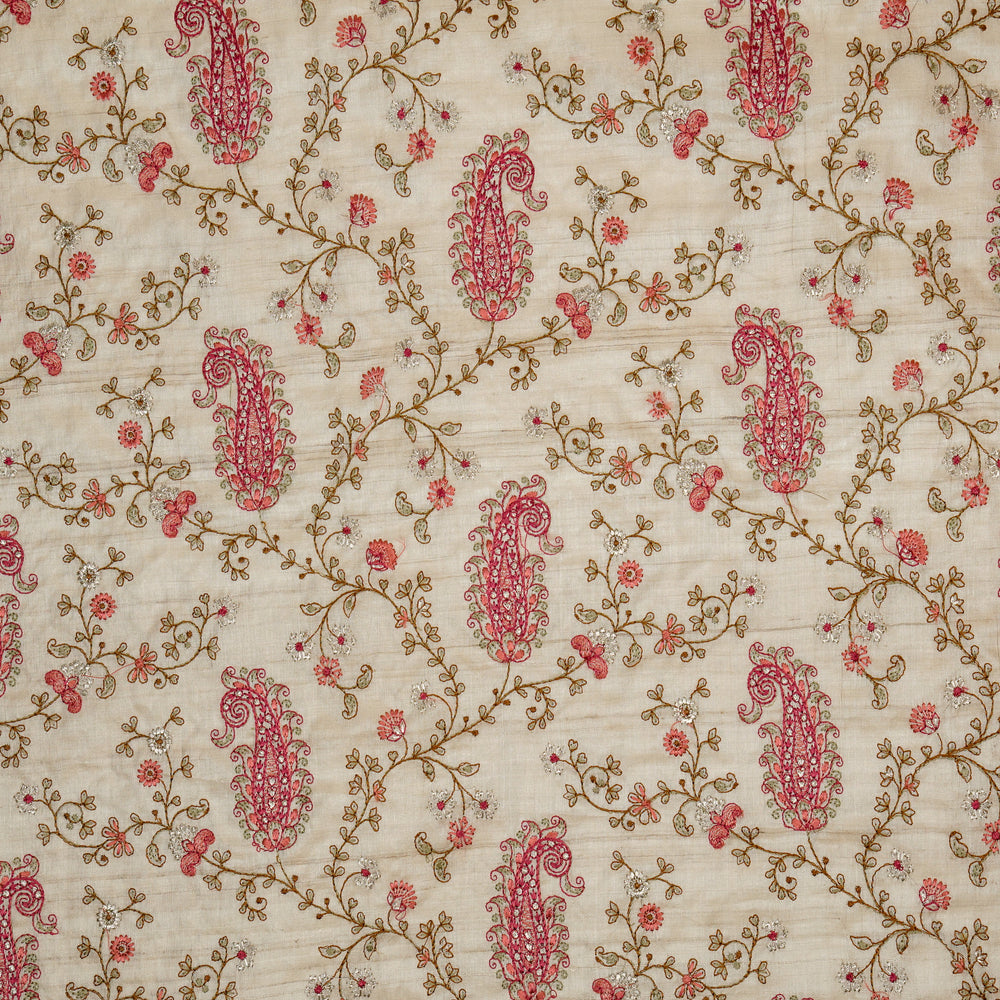
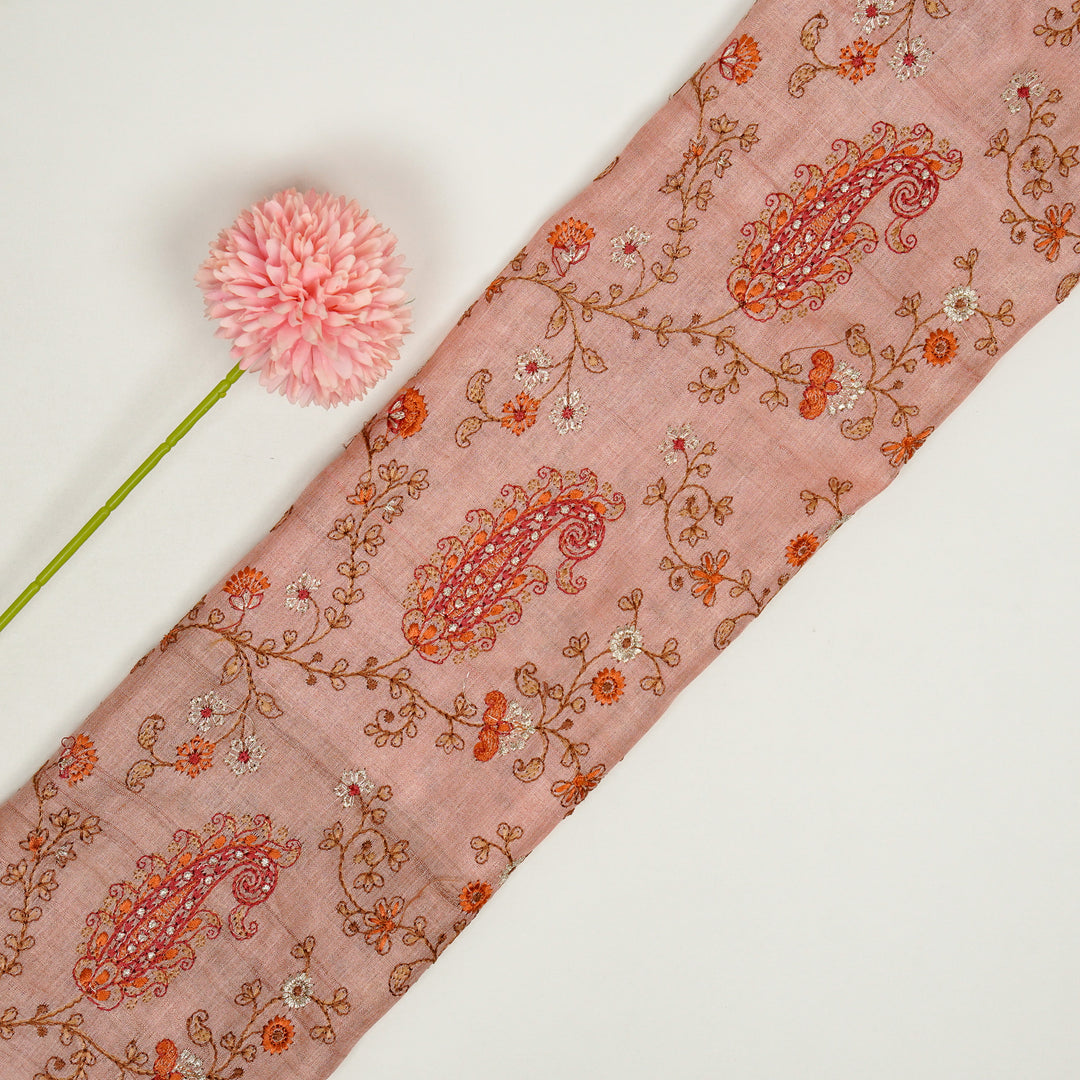
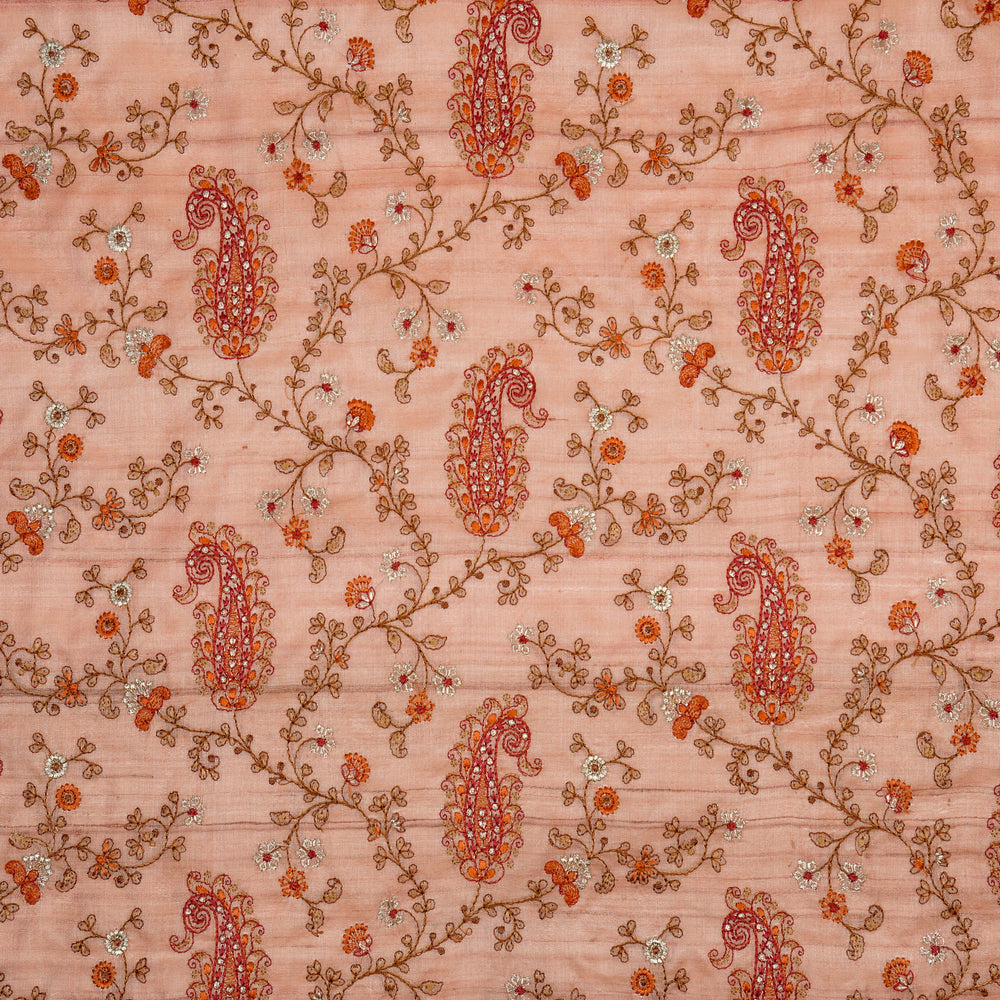
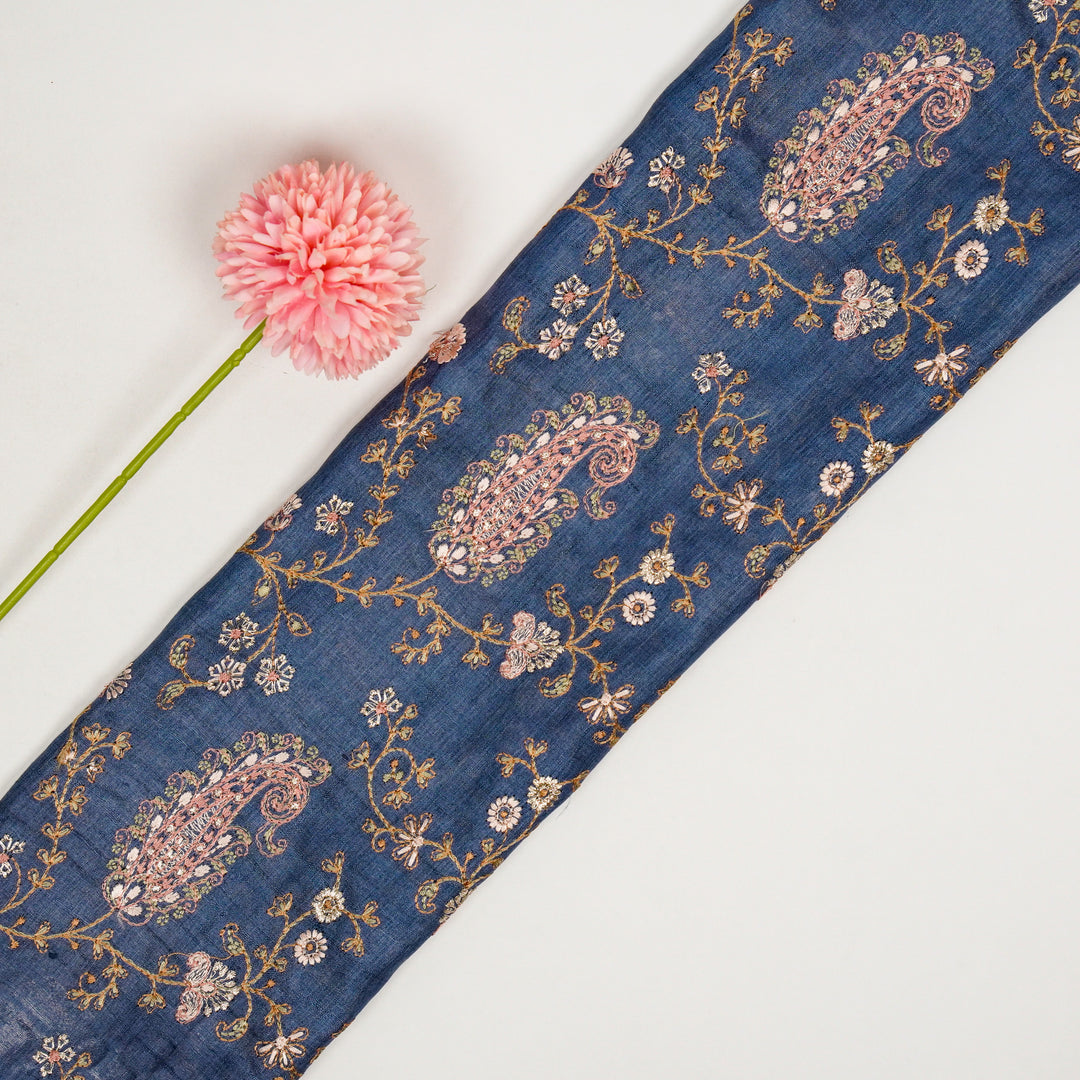
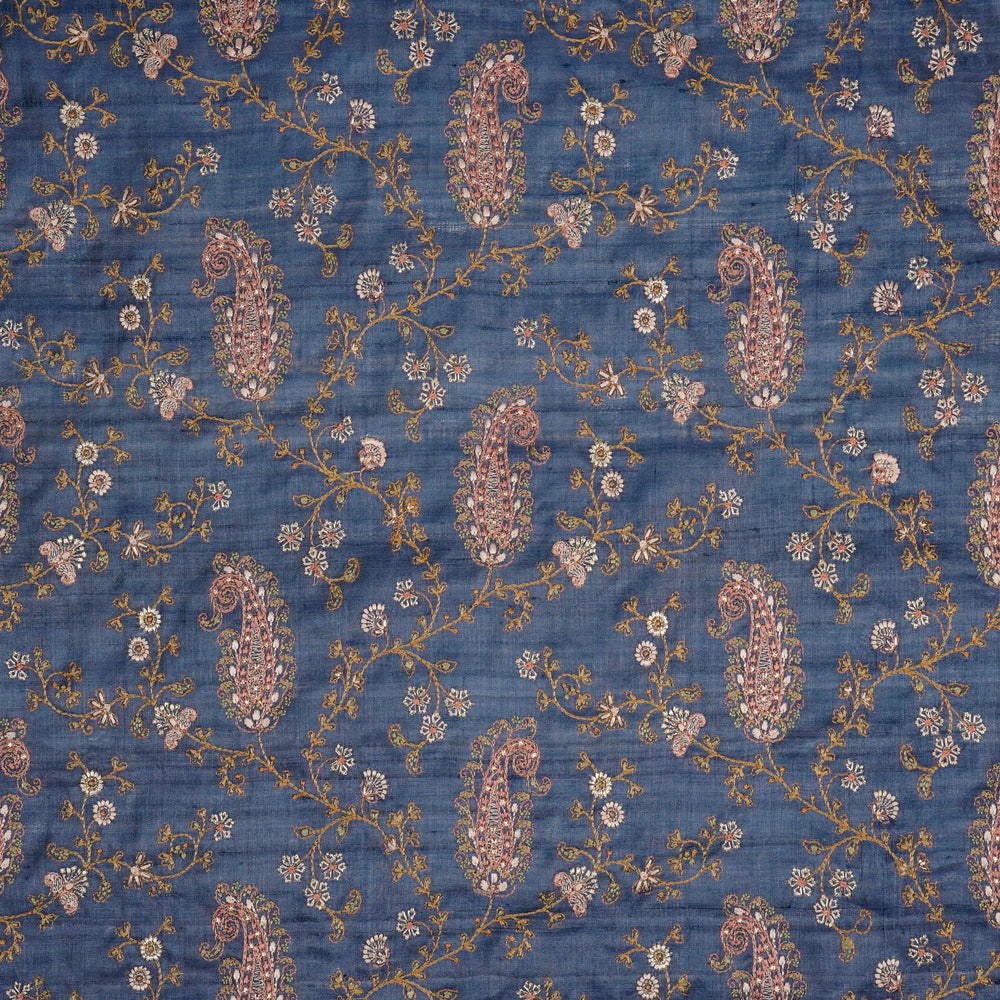
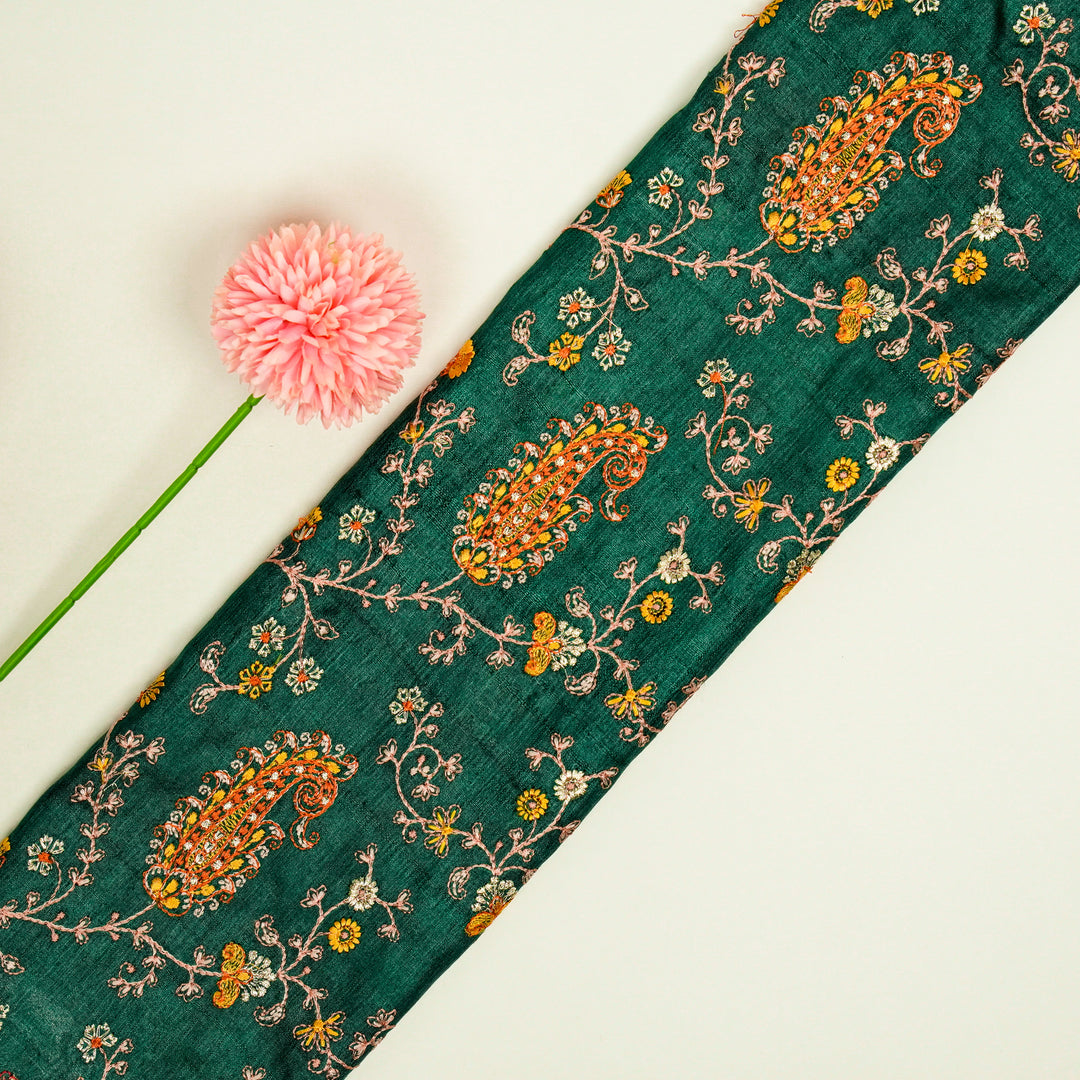
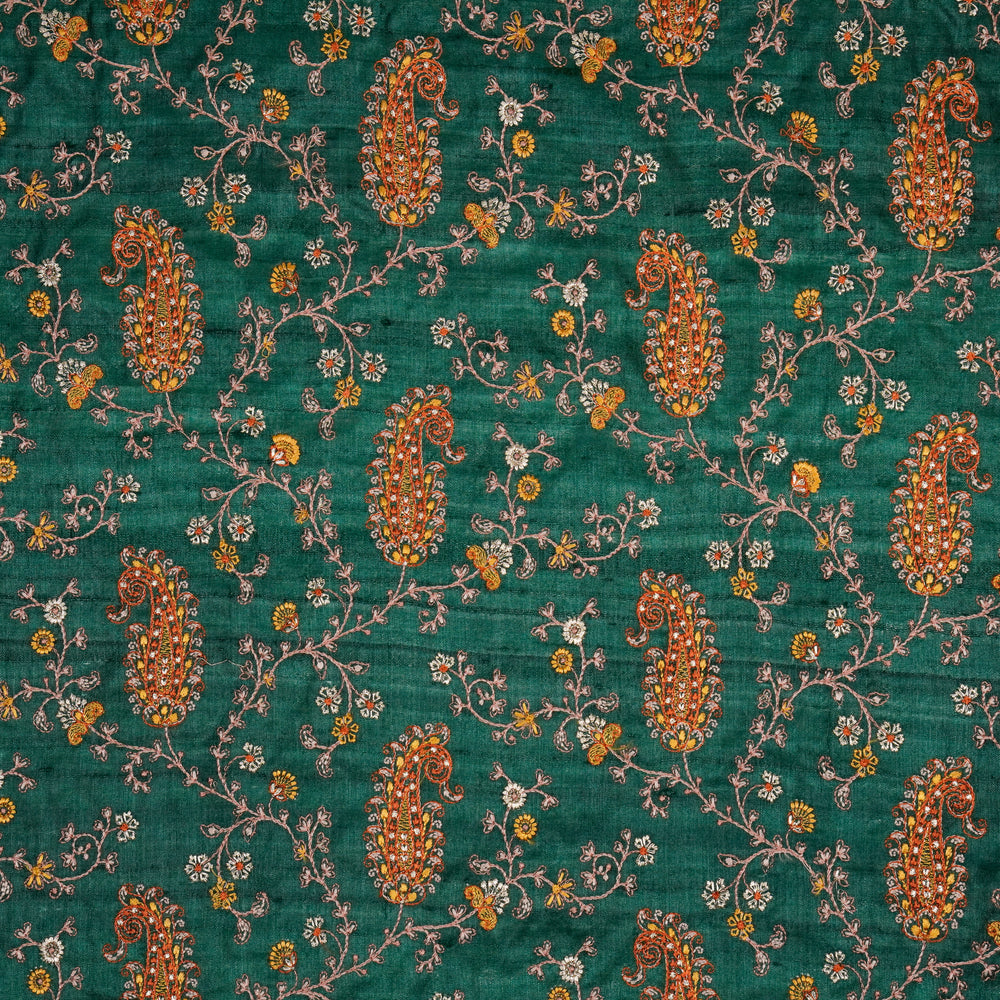
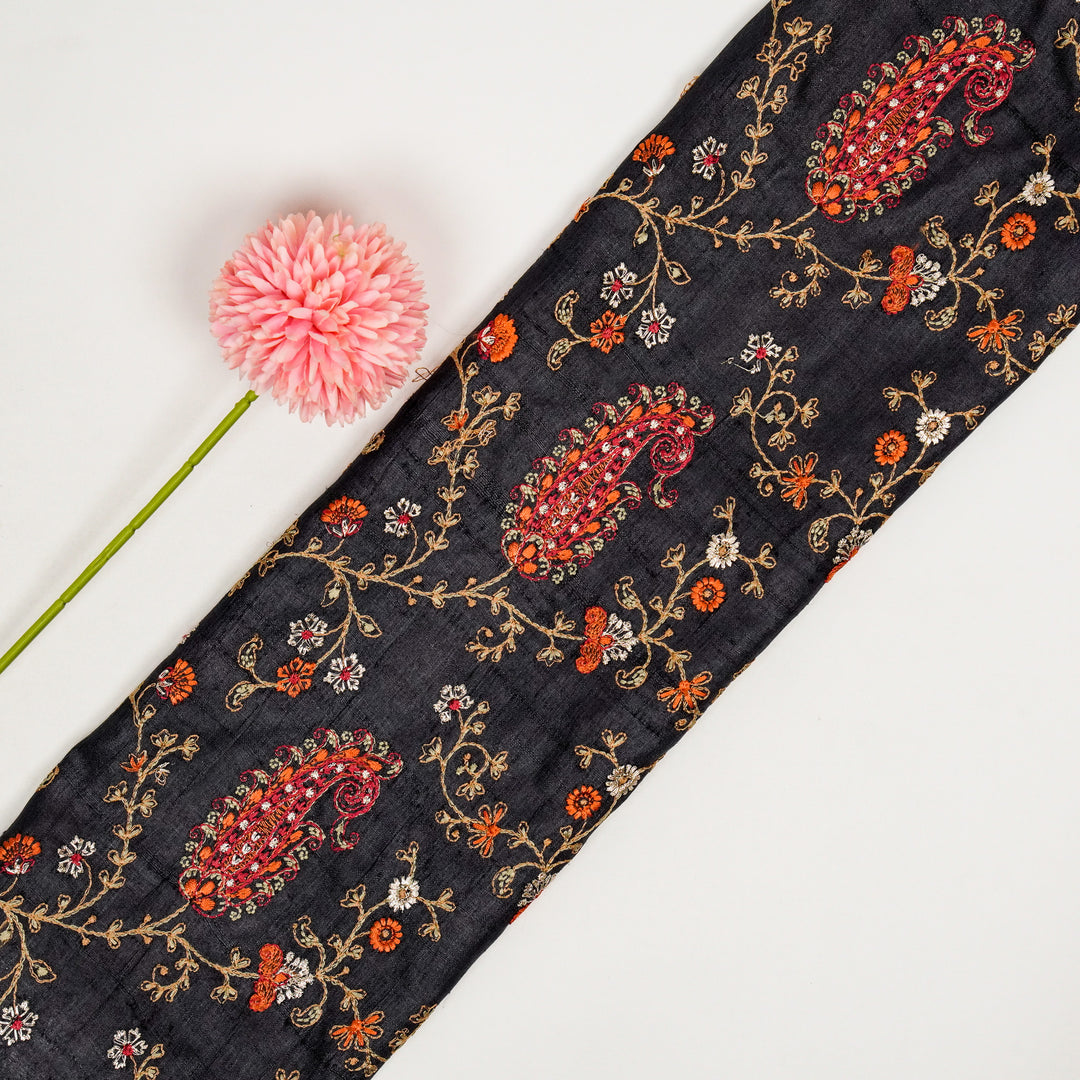
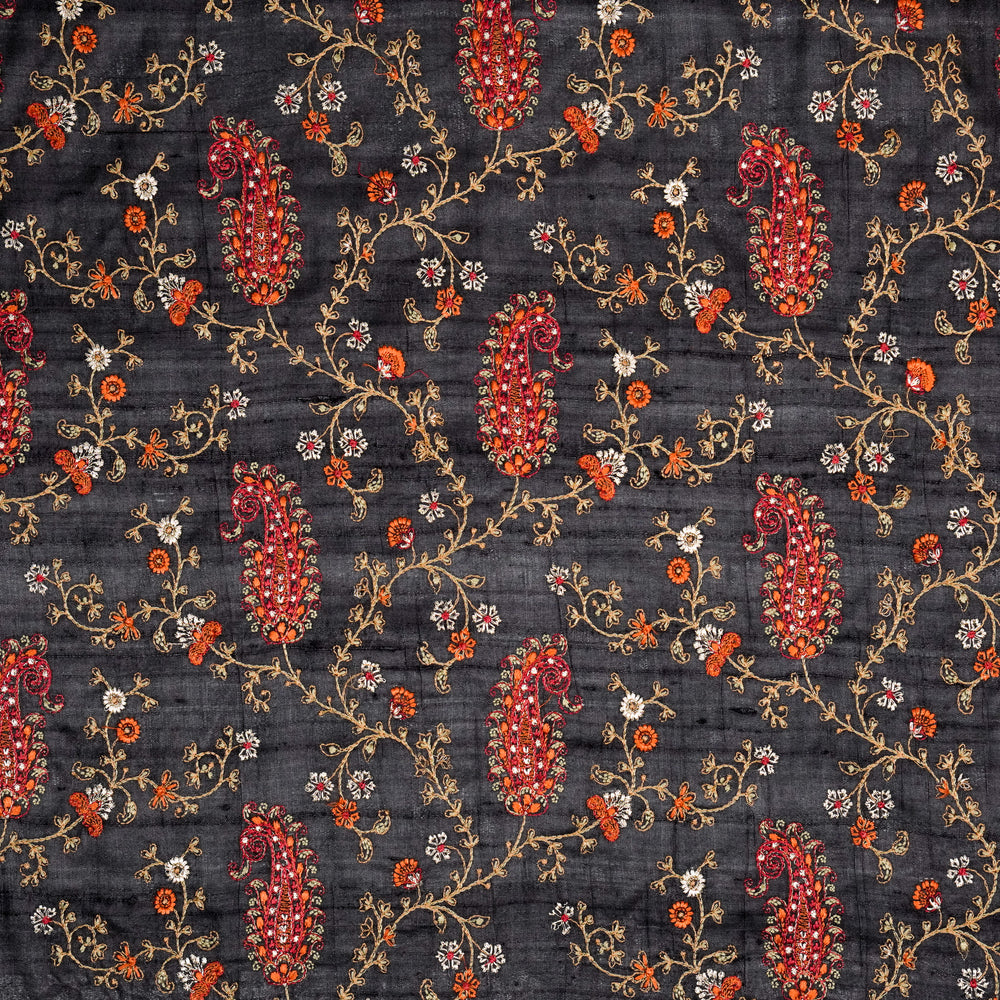
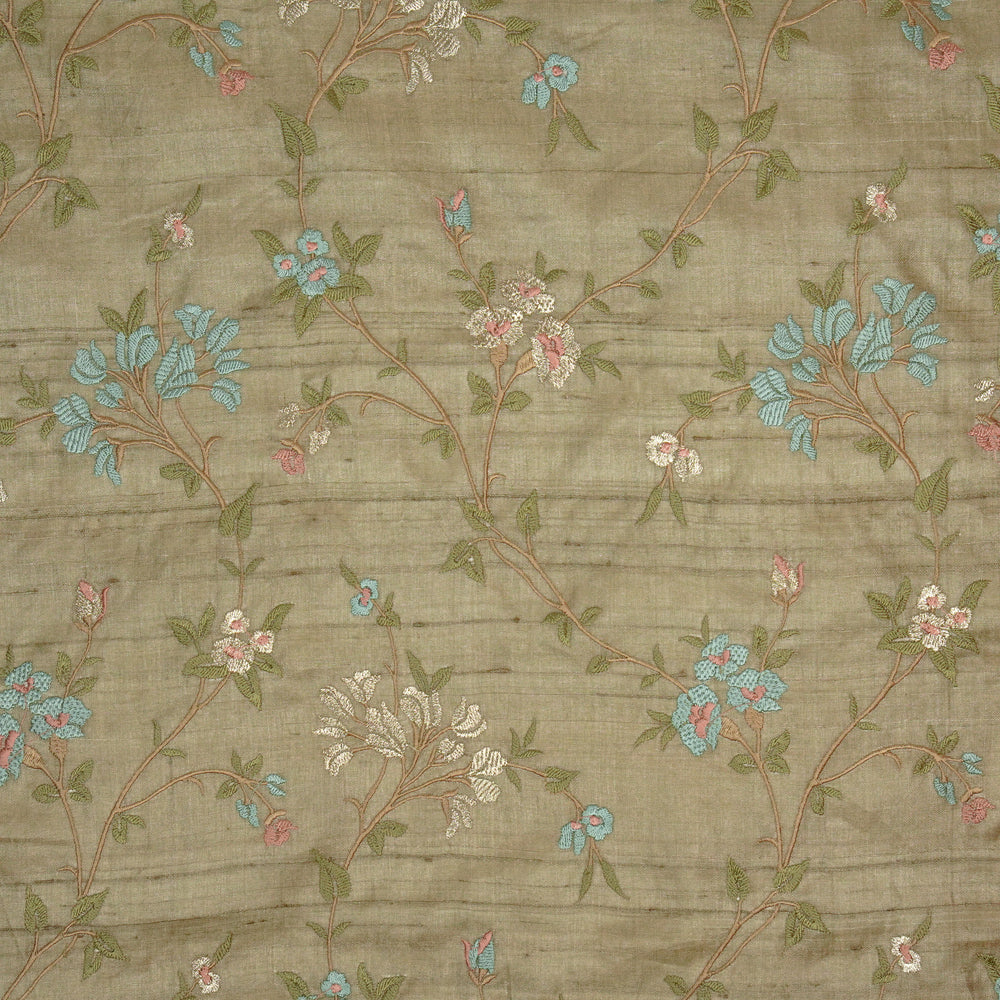
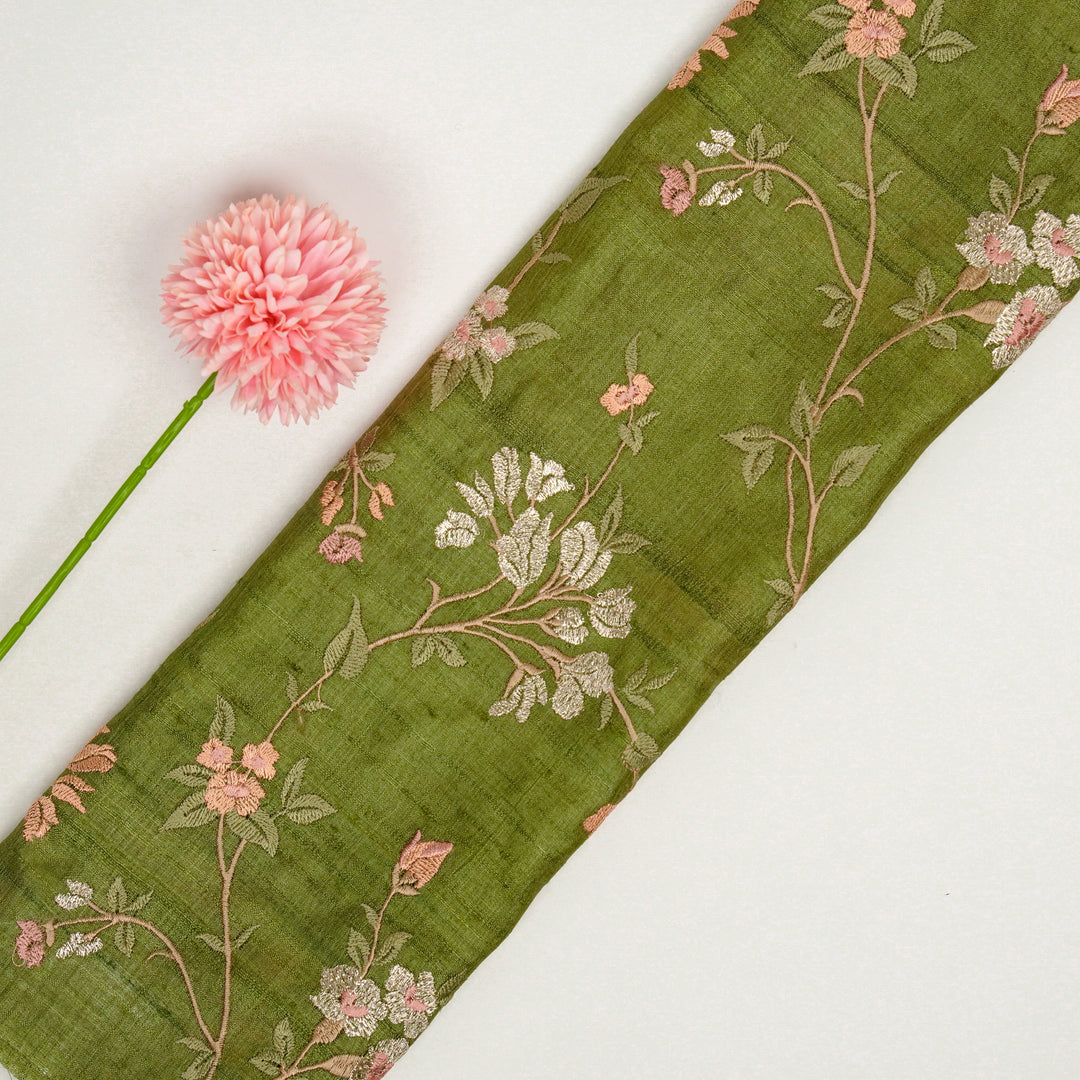
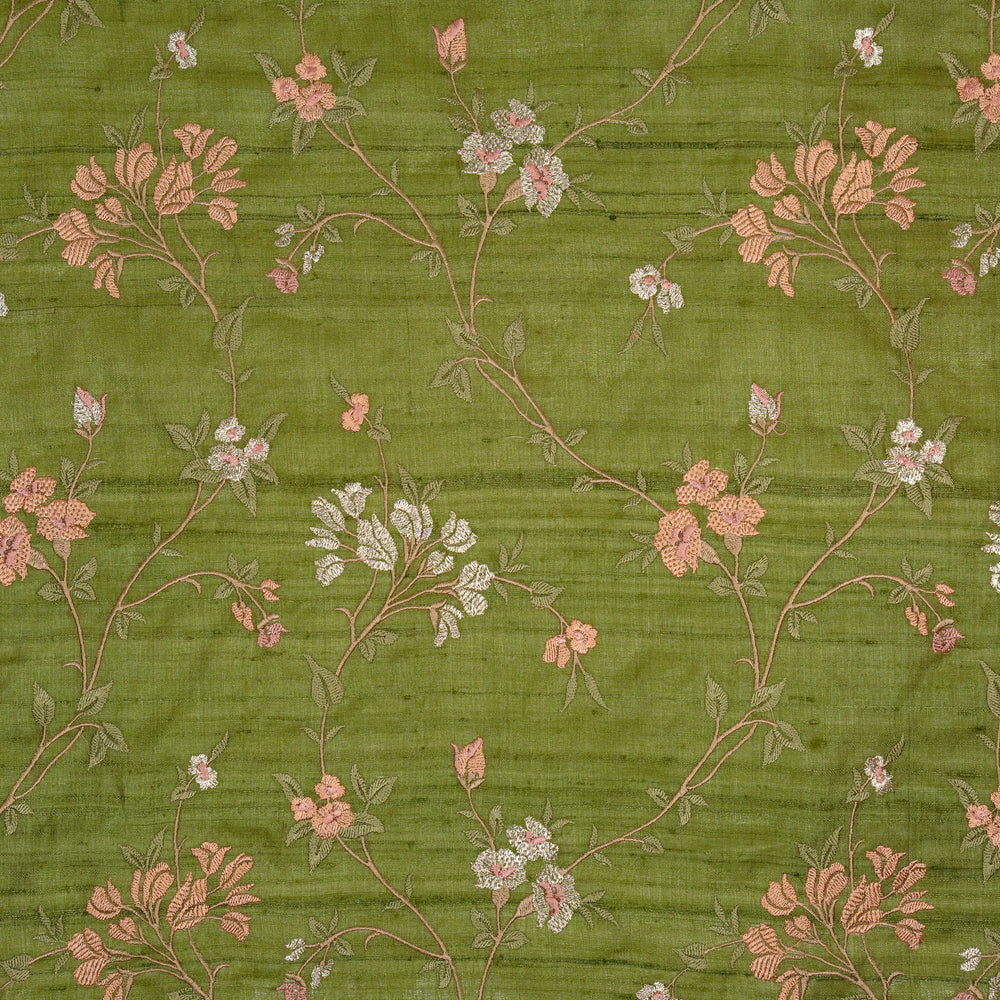
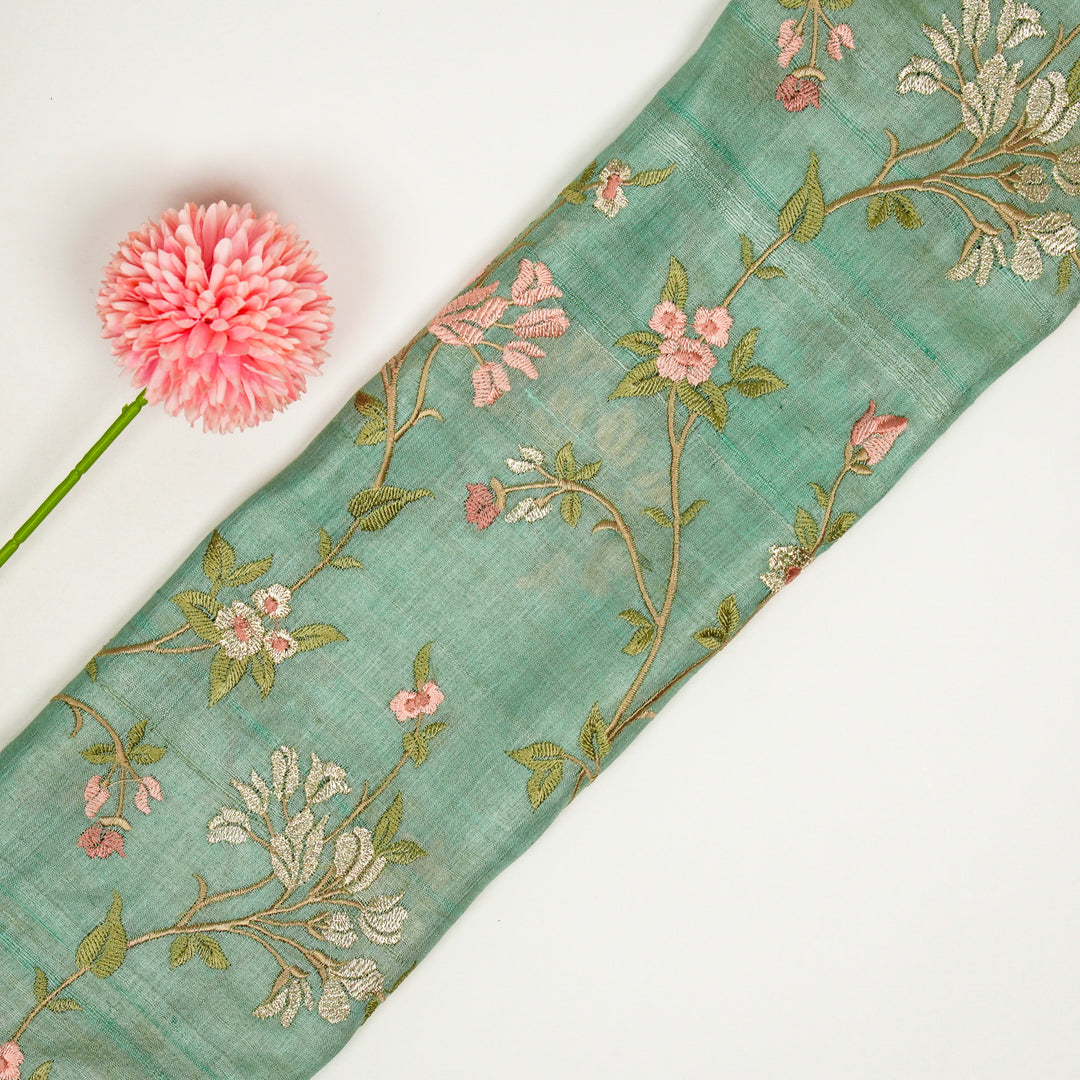
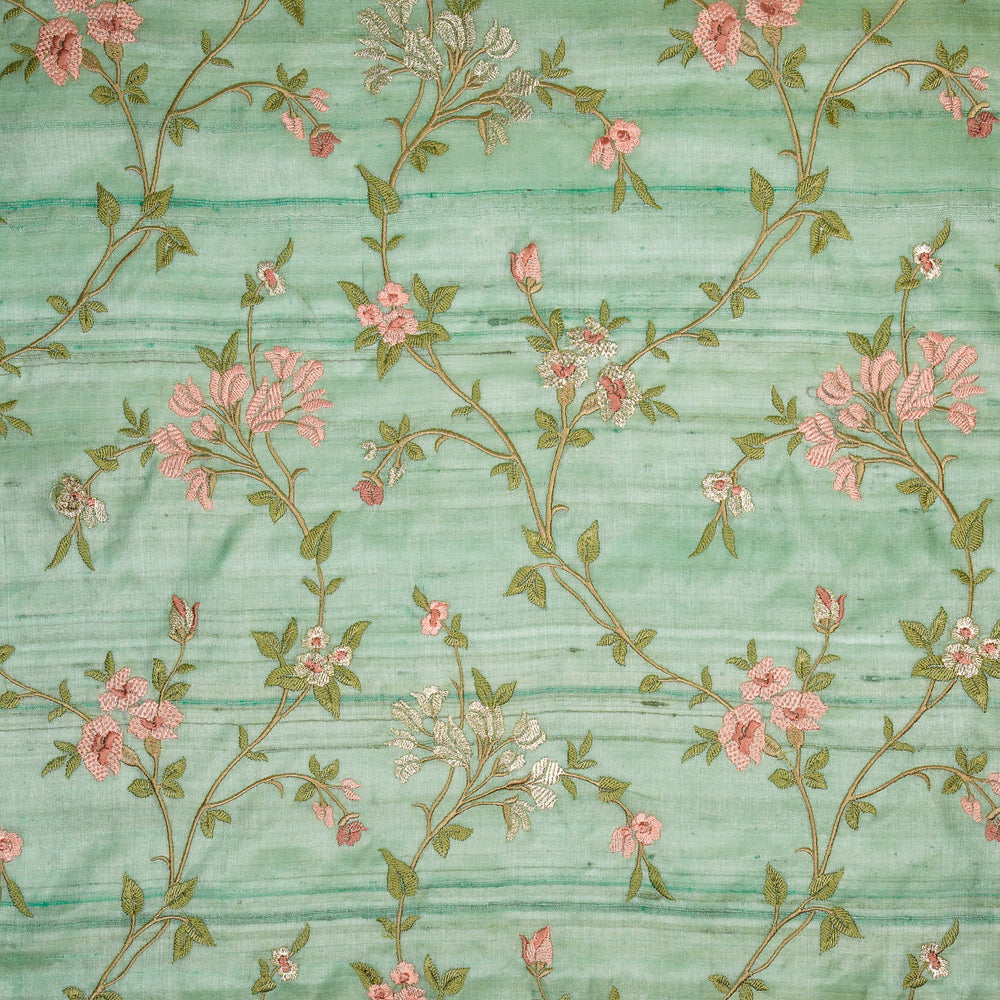
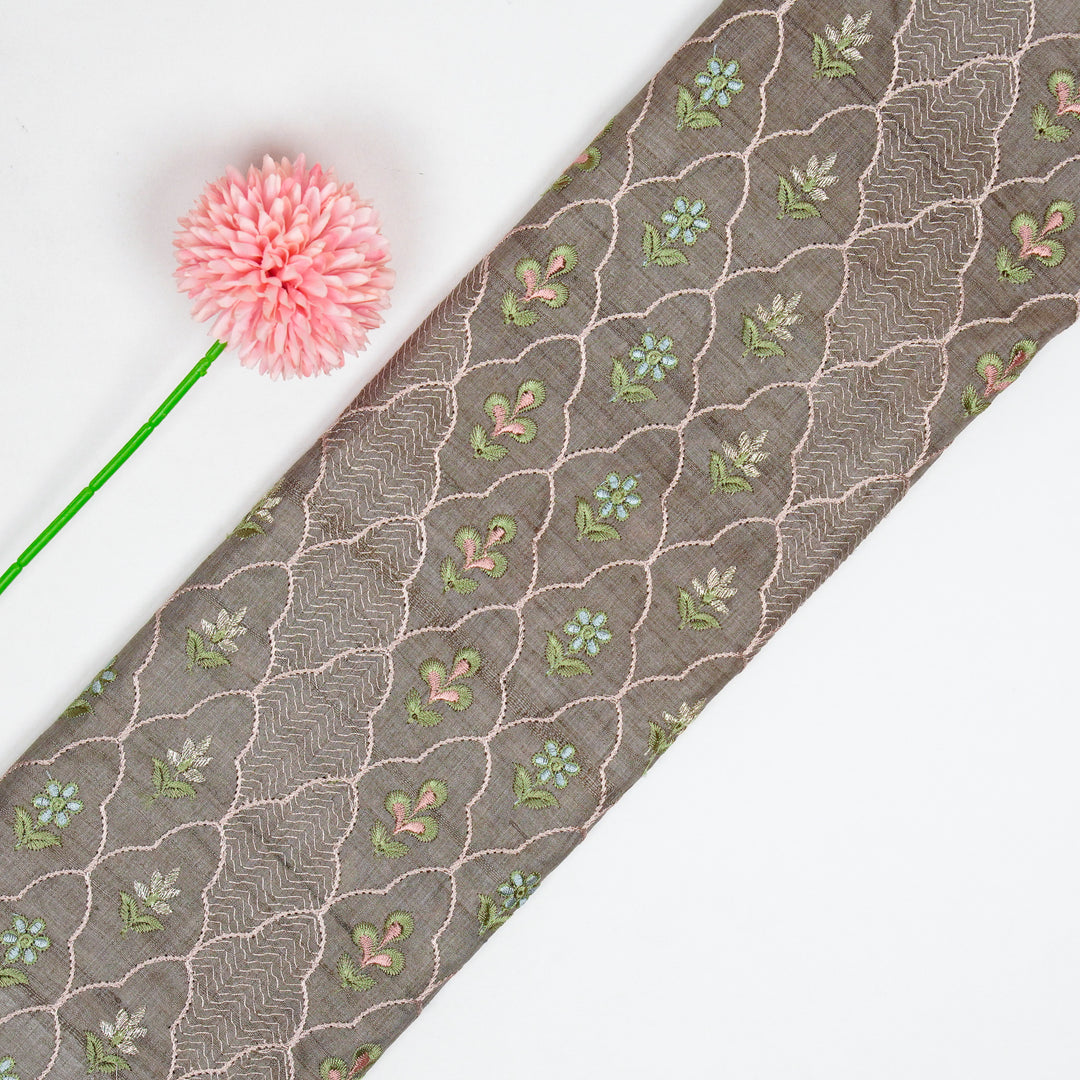
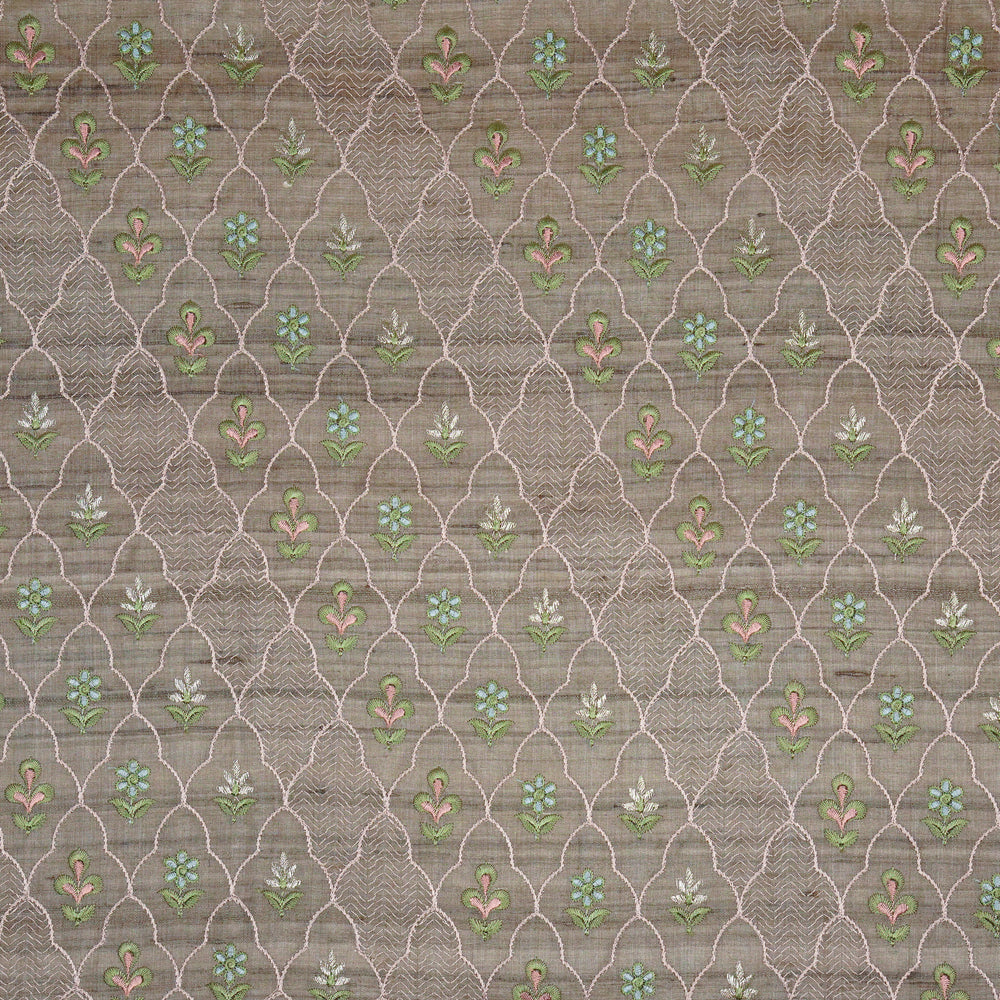
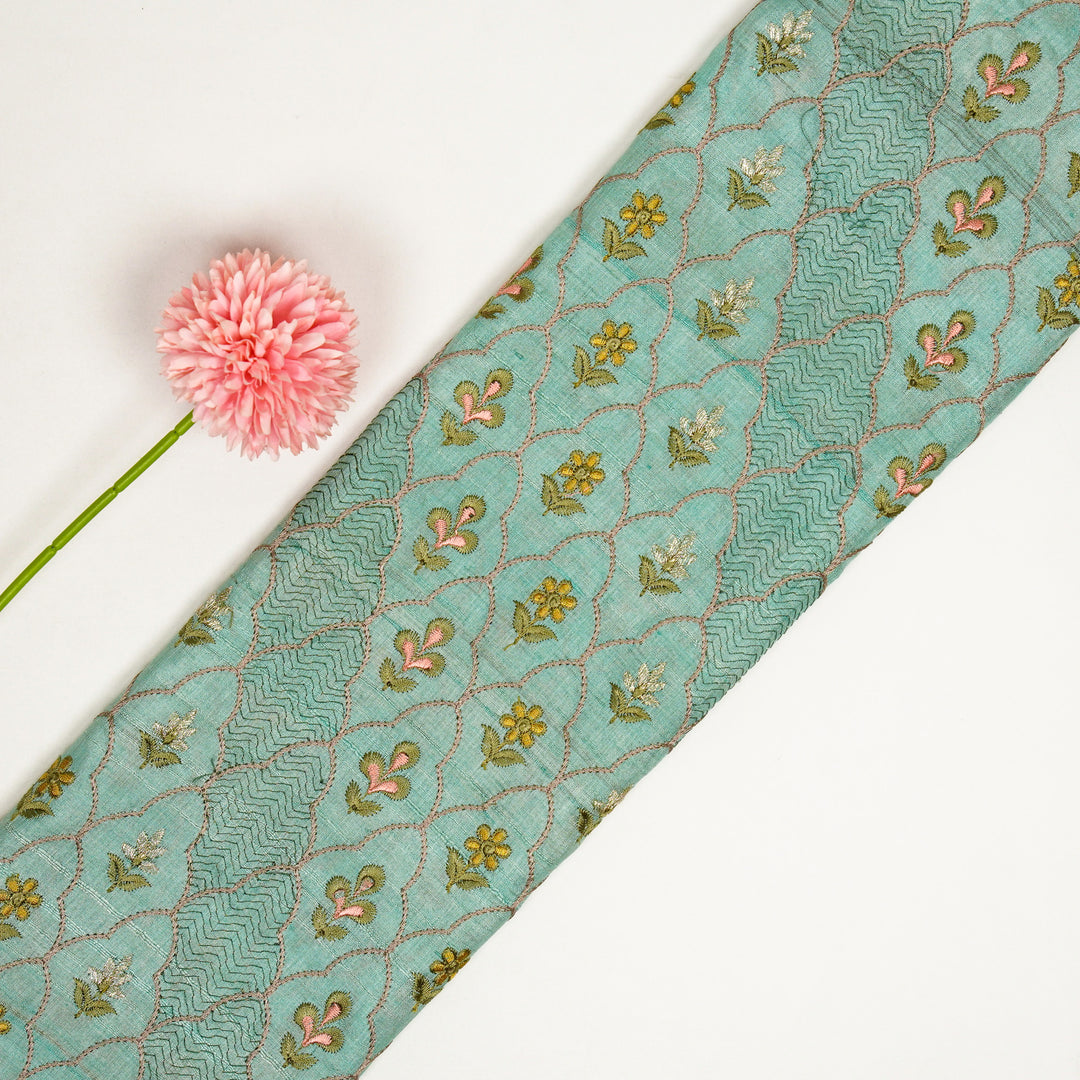
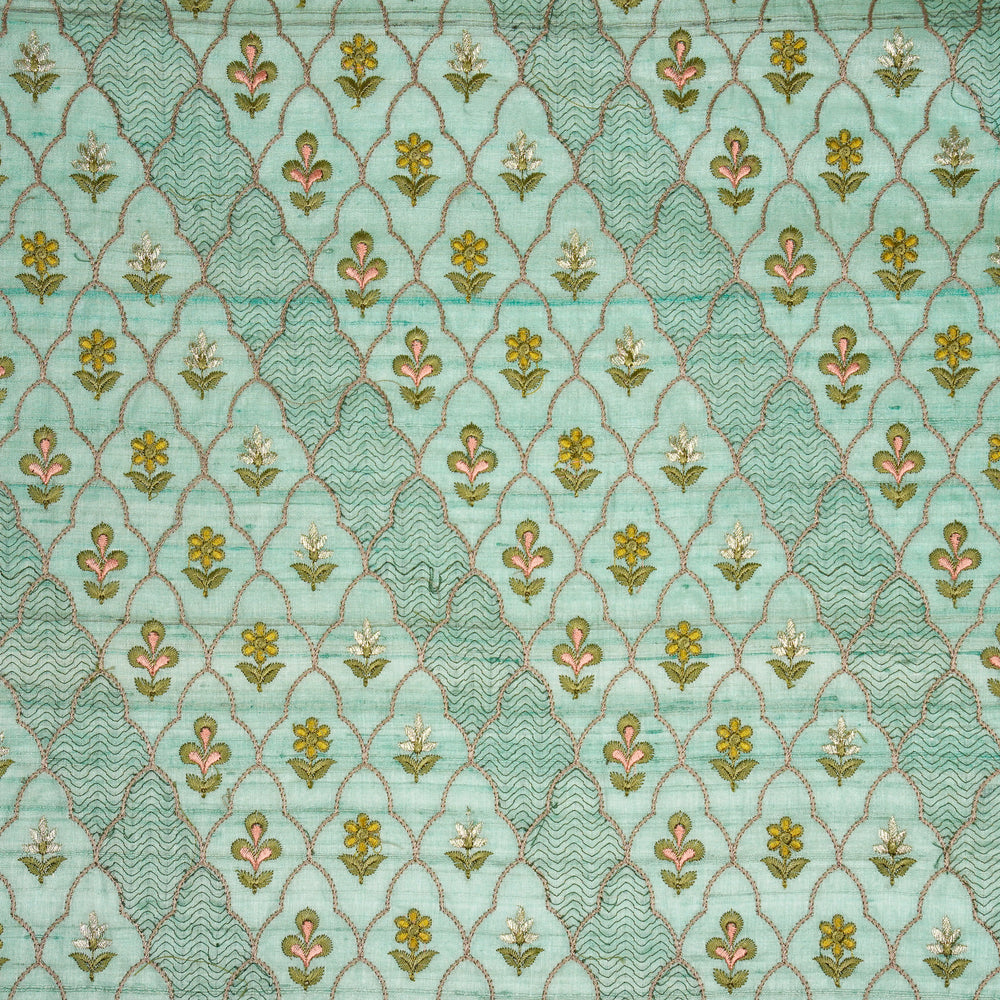
Raw silk is silk fabric that retains some of its natural sericin gum coating, giving it a slightly stiff, textured surface with visible slubs - the irregular thickening of threads that create its characteristic handmade quality. This natural texture makes raw silk unique compared to processed silks. The slubs give each metre a slightly individual quality, and the fabric's surface provides excellent grip for embroidery threads, making it a preferred base for embroidered pieces.
4.What is the price of pure silk fabric per metre in India?
Pure silk fabric prices vary significantly based on the variety and quality. Tussar silk is generally more affordable, while mulberry and munga silk command higher prices. Embroidered or woven silk fabrics are priced even higher due to the additional craftsmanship involved. Zarinama's pure silk fabrics are priced in the premium segment, reflecting the authentic quality of the material. Current pricing is available on their website or by contacting their team directly.
5.What is tussar silk and how does it compare to mulberry silk?
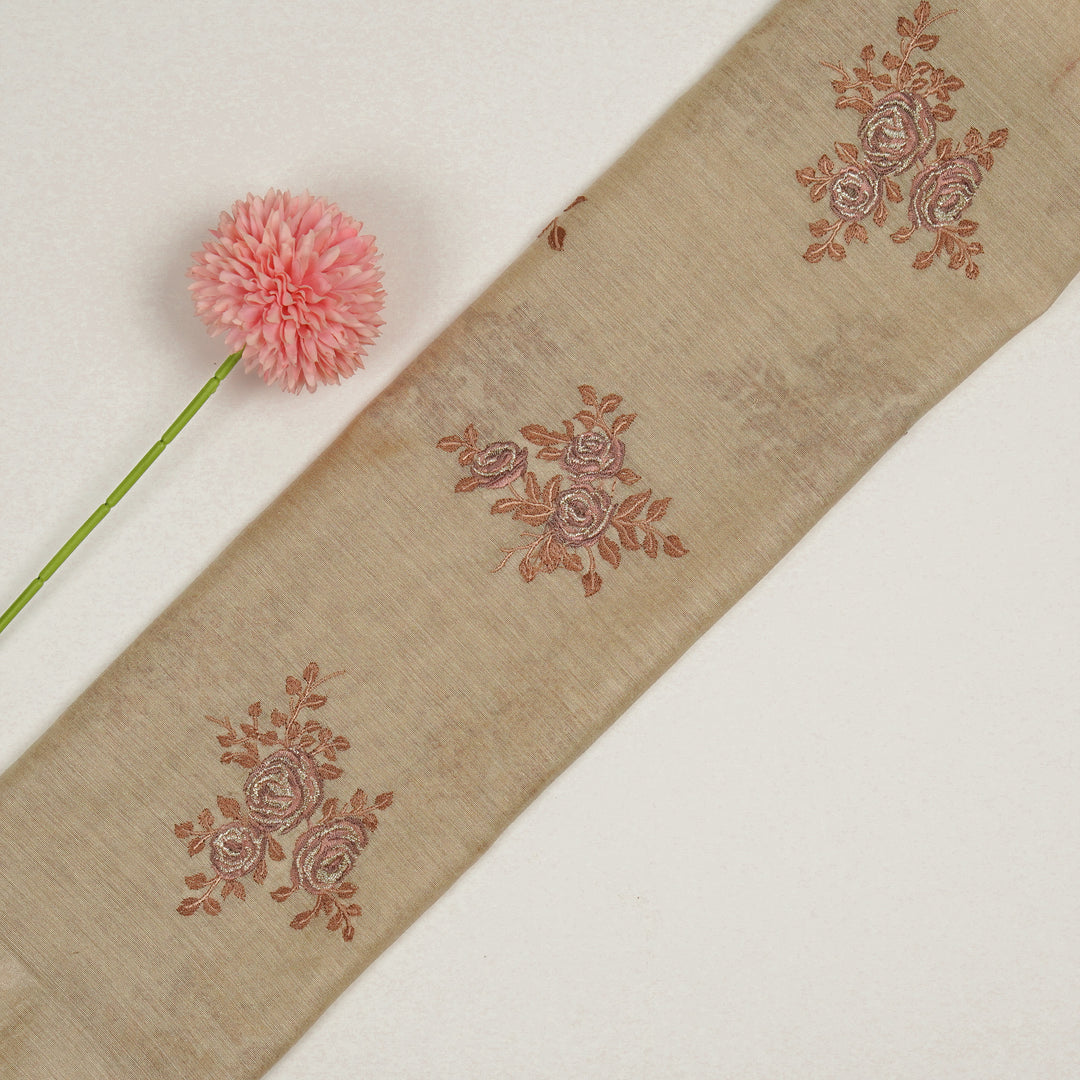
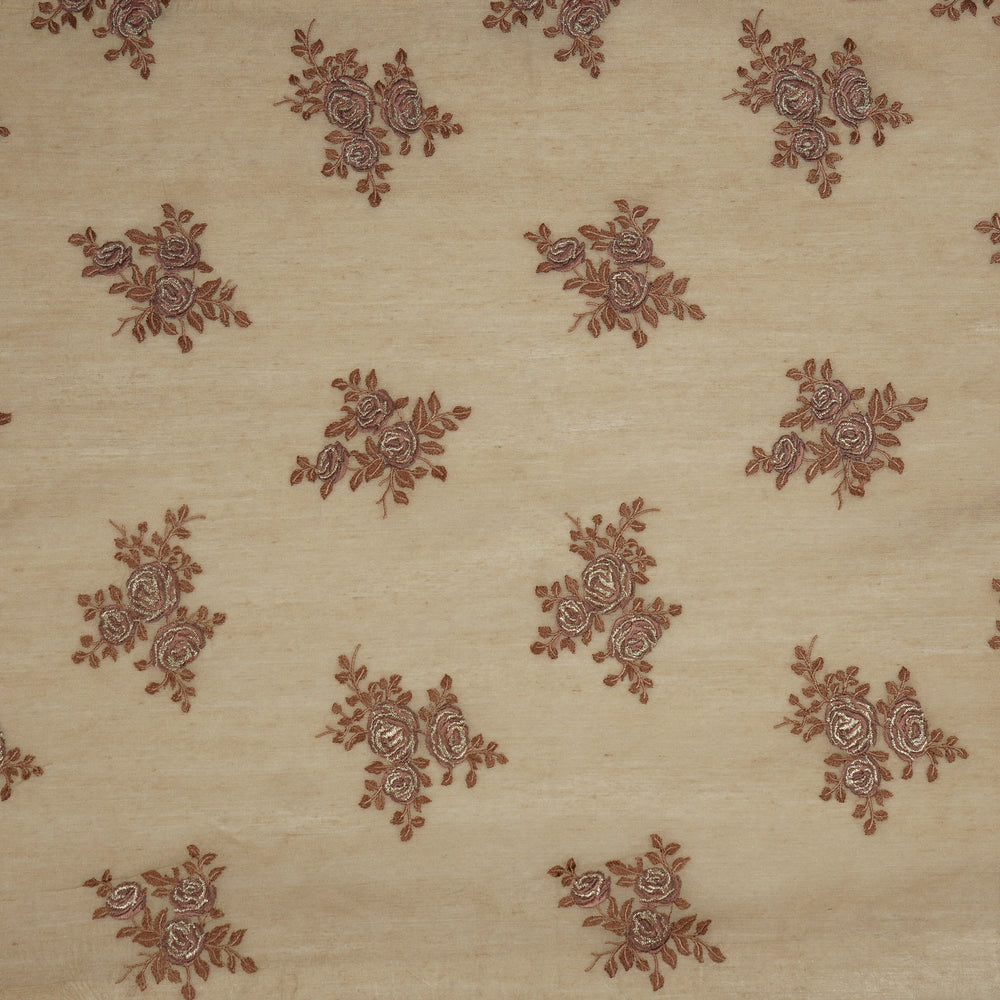
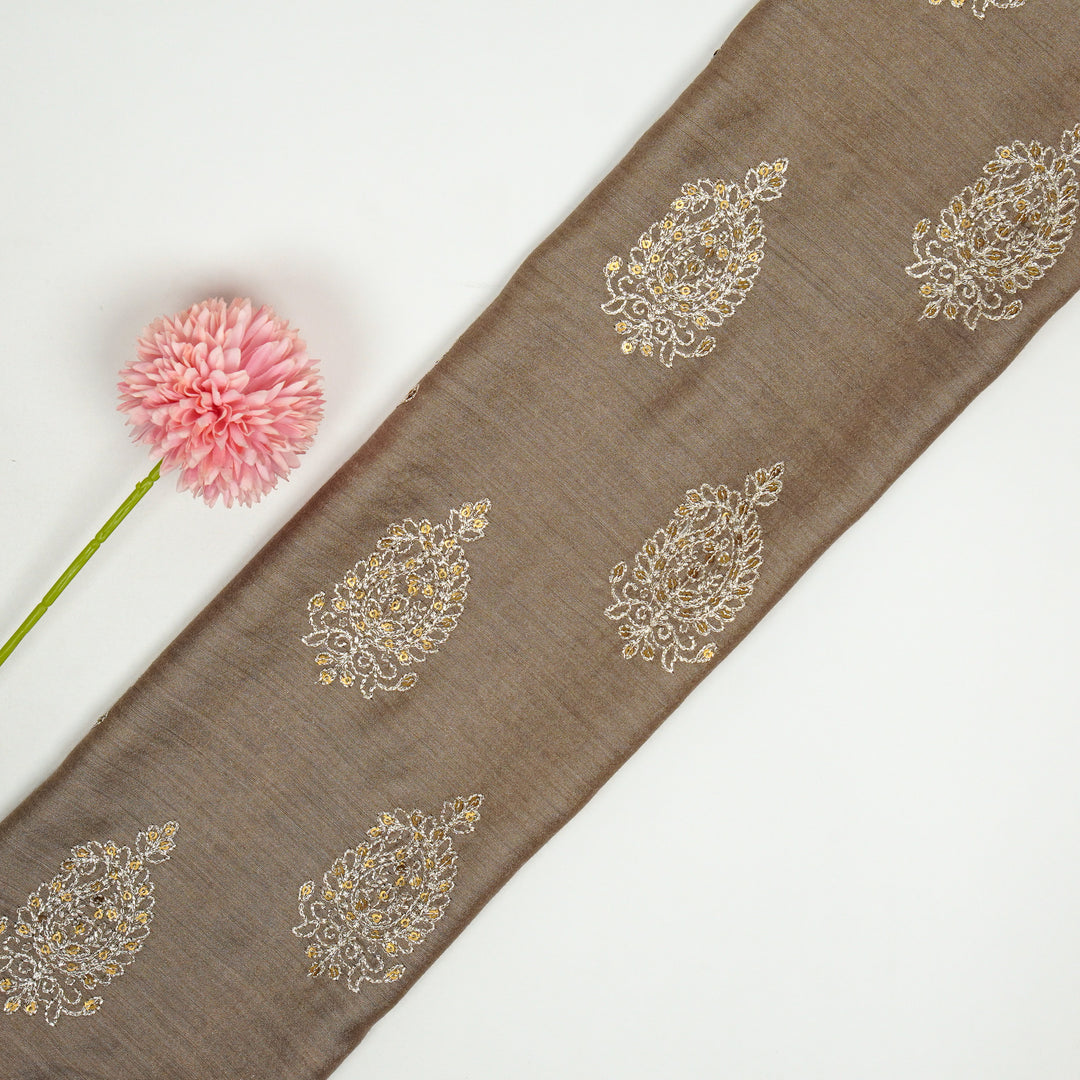
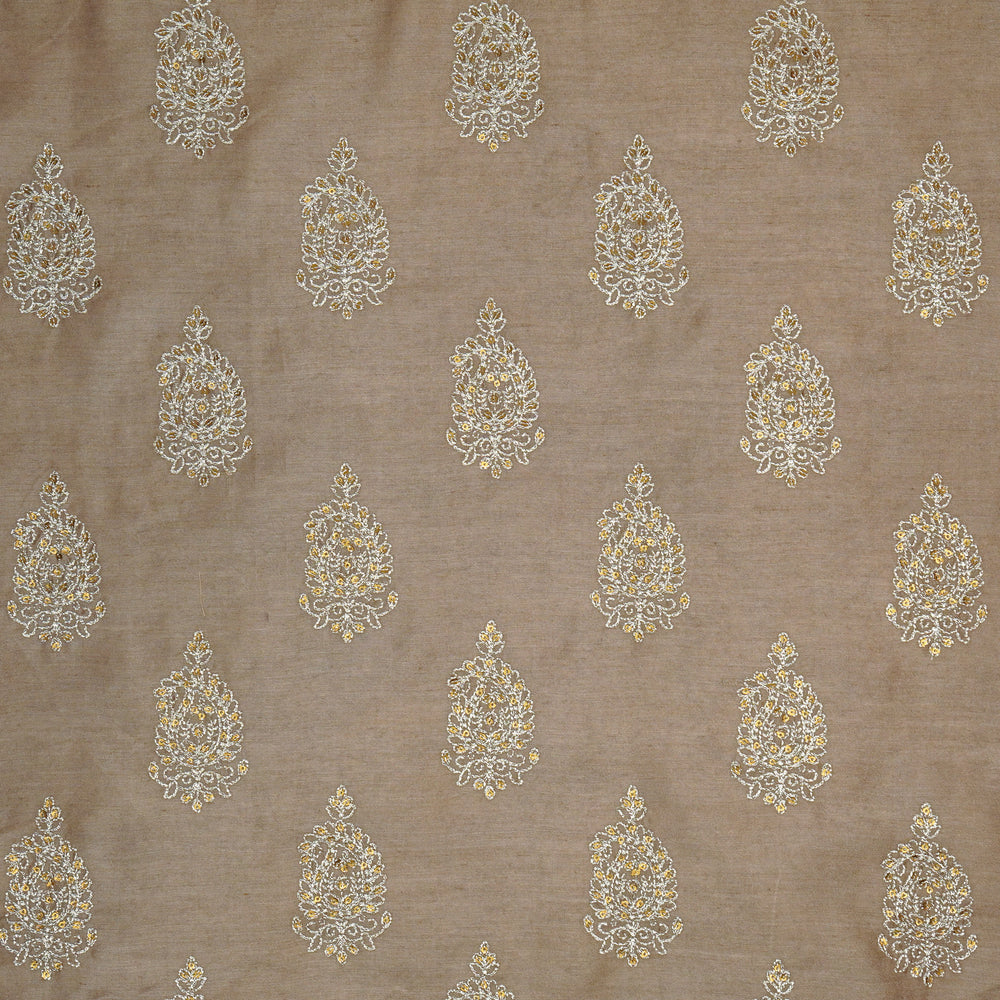
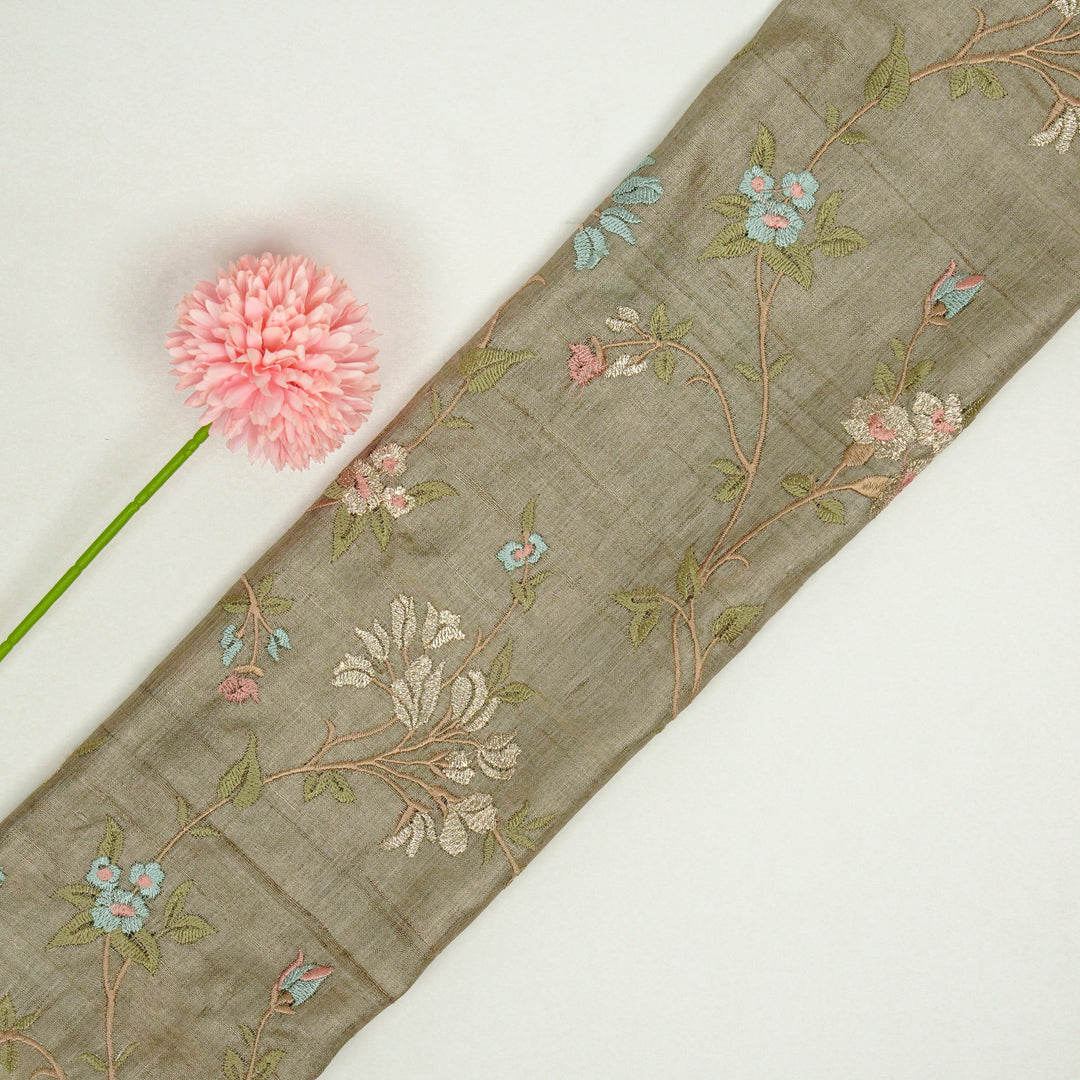
Tussar silk is produced from Antheraea silkworms that feed on wild forest trees, giving it a naturally warm, earthy tone ranging from golden to coppery beige. It has a slightly coarser texture compared to mulberry silk, which is smoother, whiter, and produced under more controlled conditions. Tussar silk is known for its rustic elegance and is popular for sarees, suits, and blouse materials. Both are genuine pure silks but with very different aesthetics and drape qualities.
6.Is pure silk fabric good for summer or is it too warm?
Pure silk is actually a temperature-regulating fabric that works in both warm and cool conditions - it absorbs moisture in heat and insulates lightly in cooler weather. Thin silk varieties like silk organza, silk chiffon, and lightly woven tussar silk are excellent for summer, keeping you cool and comfortable. For hotter climates, avoid heavy silk jacquard or densely woven varieties, and instead opt for lighter weaves in paler colours that reflect heat.
7.What is silk jacquard fabric and how is it made?
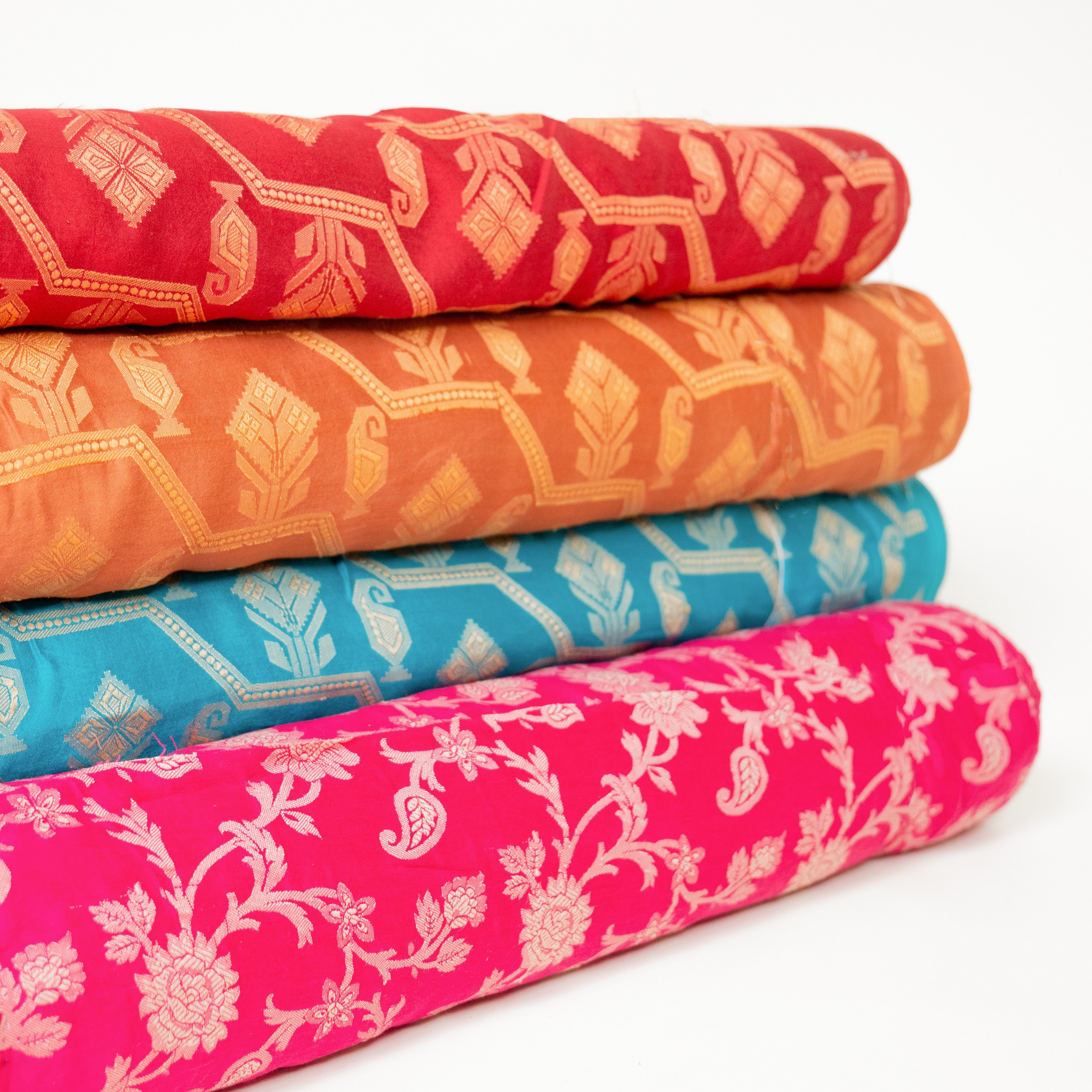
Silk jacquard fabric is woven on a Jacquard loom - a specialised machine that controls individual threads to create complex, often geometric or floral patterns directly in the weave. The resulting fabric has a raised, textured pattern that is part of the fabric structure itself rather than printed or embroidered on top. Pure silk jacquard is particularly valued for its rich brocade-like appearance, durability of the woven design, and the natural lustre that silk threads bring to the pattern.
8.How should I store pure silk fabrics to keep them in good condition?
Store pure silk fabrics folded with acid-free tissue paper to prevent creasing and protect against yellowing. Keep them in a cool, dry, dark place away from direct sunlight, which can fade and weaken silk fibres over time. Avoid plastic storage bags, which trap moisture and promote mildew. Cedar blocks or lavender sachets near your silk storage can help deter moths and insects without leaving the chemical odour of mothballs on delicate fibres.
9.Can pure silk fabric be machine washed?
Generally, pure silk should not be machine washed as the agitation can break delicate silk fibres, cause shrinkage, and distort the weave. Hand washing in cold water with a pH-neutral or silk-specific detergent is acceptable for many plain silk fabrics. However, embroidered or heavily worked silk pieces should always be dry-cleaned. Always check care labels and, when in doubt, err on the side of dry-cleaning to preserve both the fabric and any embellishments.
10.What is the difference between ivory silk fabric and white silk fabric?
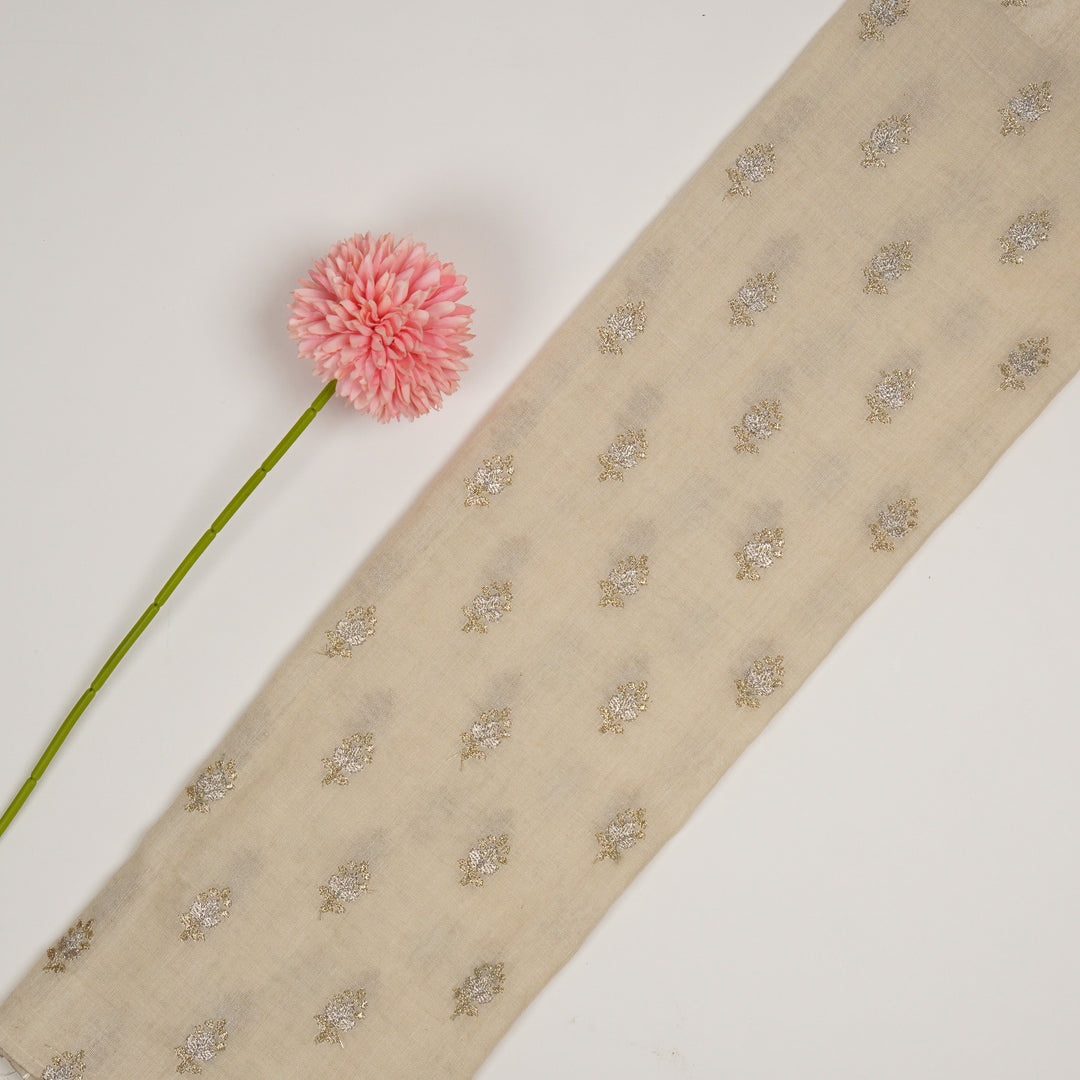
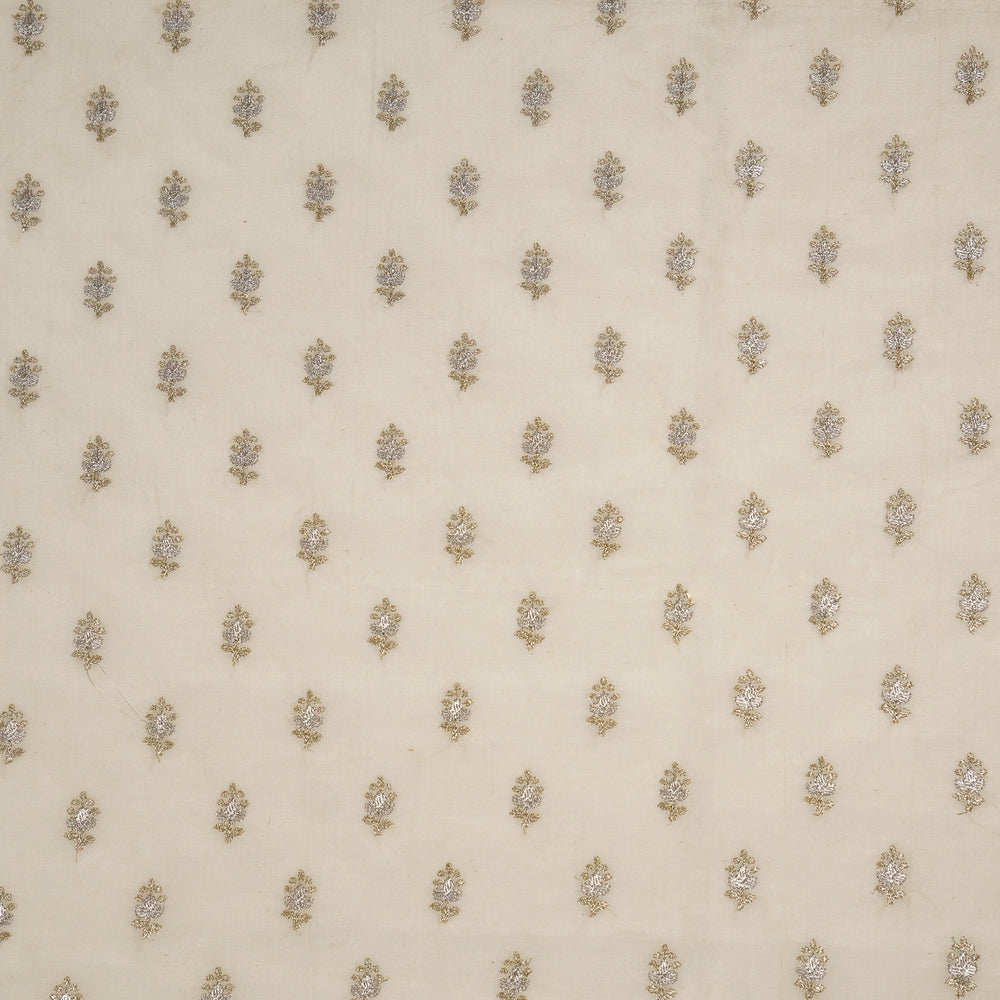
Ivory silk has a warm, creamy undertone with slight yellow or golden notes, giving it a soft, vintage elegance. White silk is a cooler, brighter neutral that appears starker against the skin. For bridal and festive wear, ivory silk is generally more flattering for most skin tones and photographs with more warmth and depth. White silk is used for contemporary, minimalist designs where a crisp, clean aesthetic is preferred.
11.What silk fabric is best for a saree blouse?
For saree blouses, raw silk and silk brocade are among the most popular choices because they are structured enough to hold the shape of a fitted blouse while still having a beautiful sheen. Silk organza is excellent for lightweight, festive blouses that don't require heavy interfacing. Silk jacquard makes a statement blouse with its built-in pattern. The choice depends on the saree fabric - heavier silks need a supportive blouse material while lighter drapes pair well with softer silk blouses.
12.Why does pure silk fabric get better with age?
Pure silk softens and gains a deeper, richer lustre with gentle wear and proper care over time. The natural protein fibers in silk respond to body heat and movement, becoming more supple while retaining their structural strength. This ageing quality is especially notable in munga and tussar silk, which develop a characteristic warmth and depth that new fabric cannot replicate. This is why well-maintained pure silk garments are considered heirlooms worth passing down.