



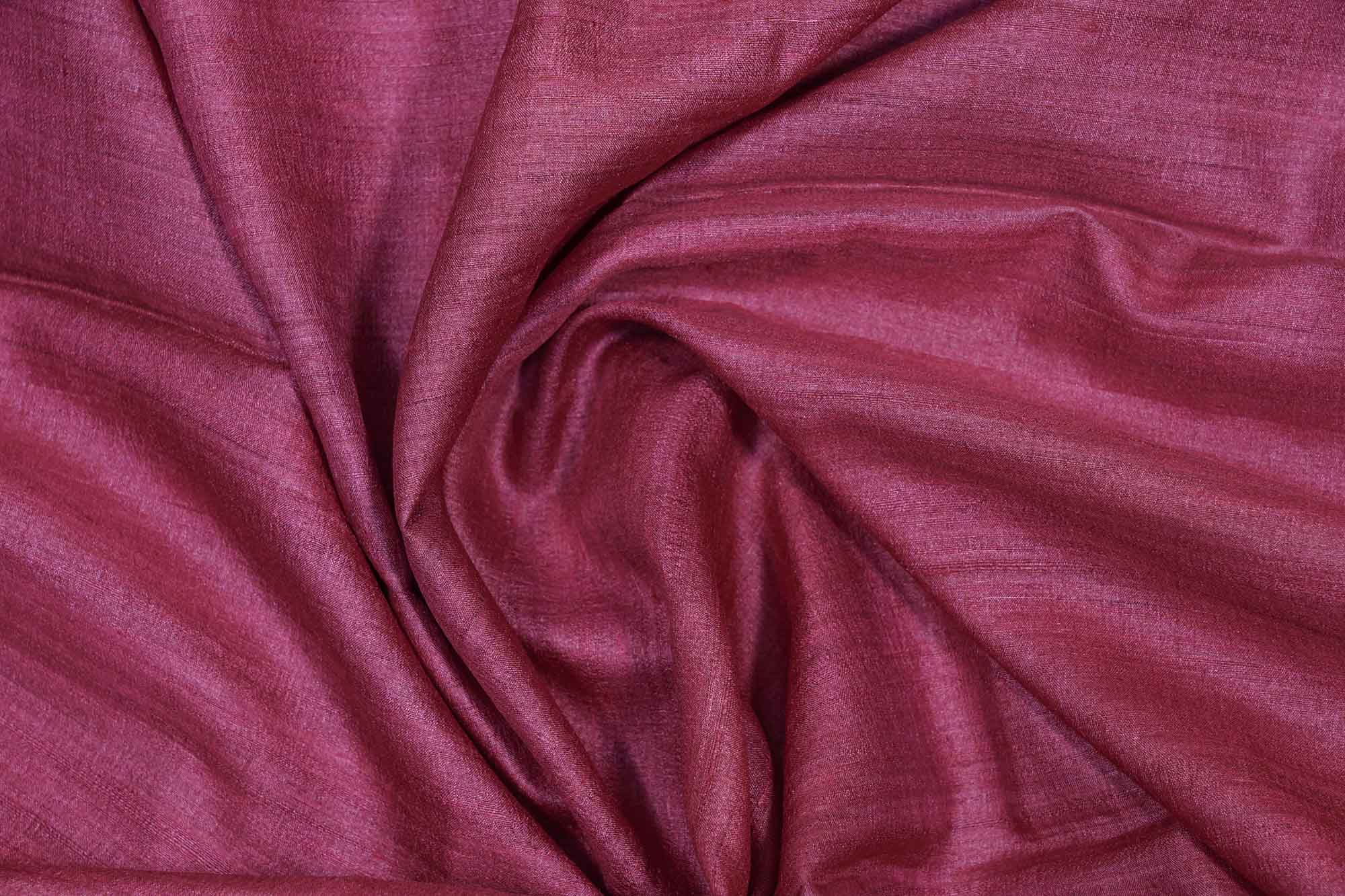
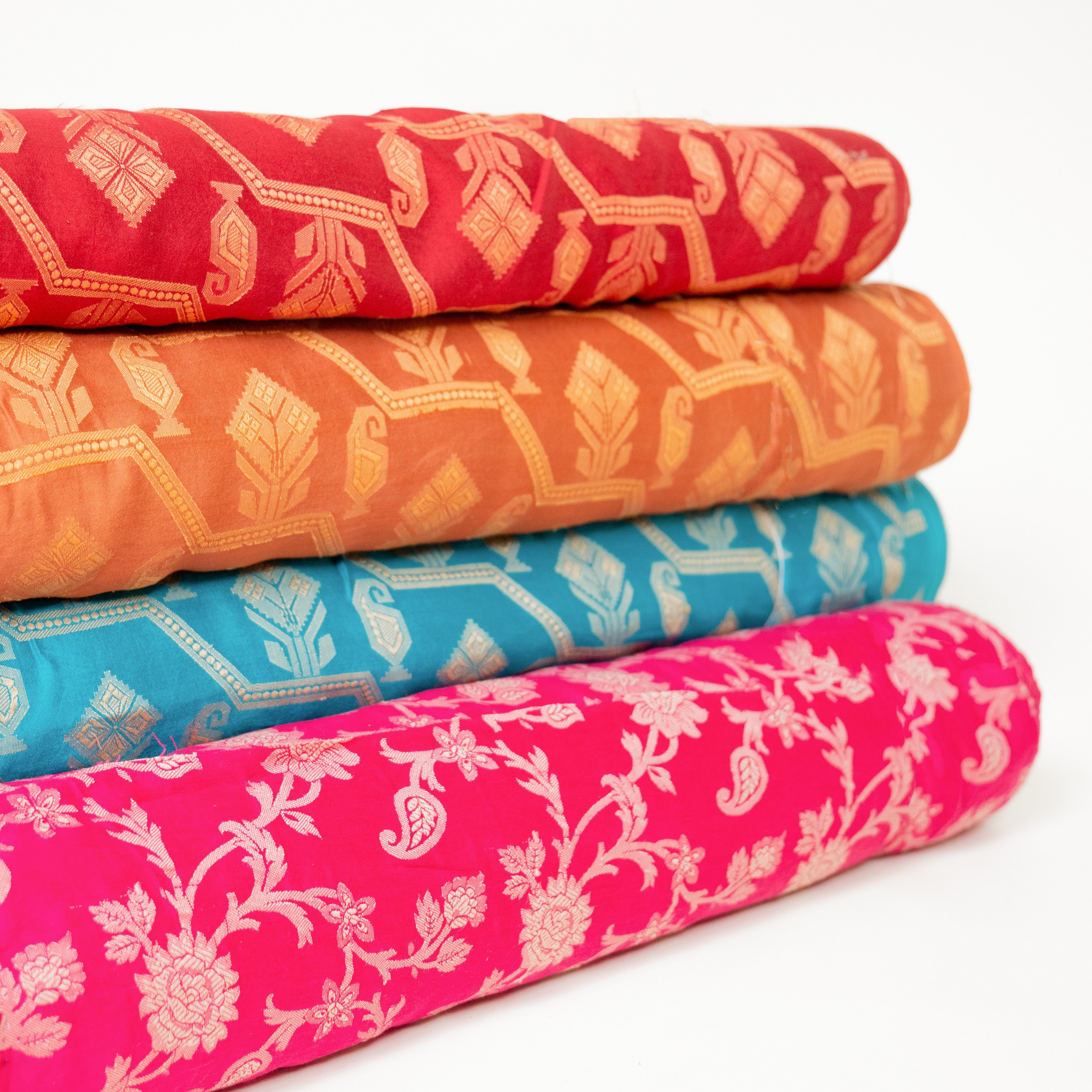
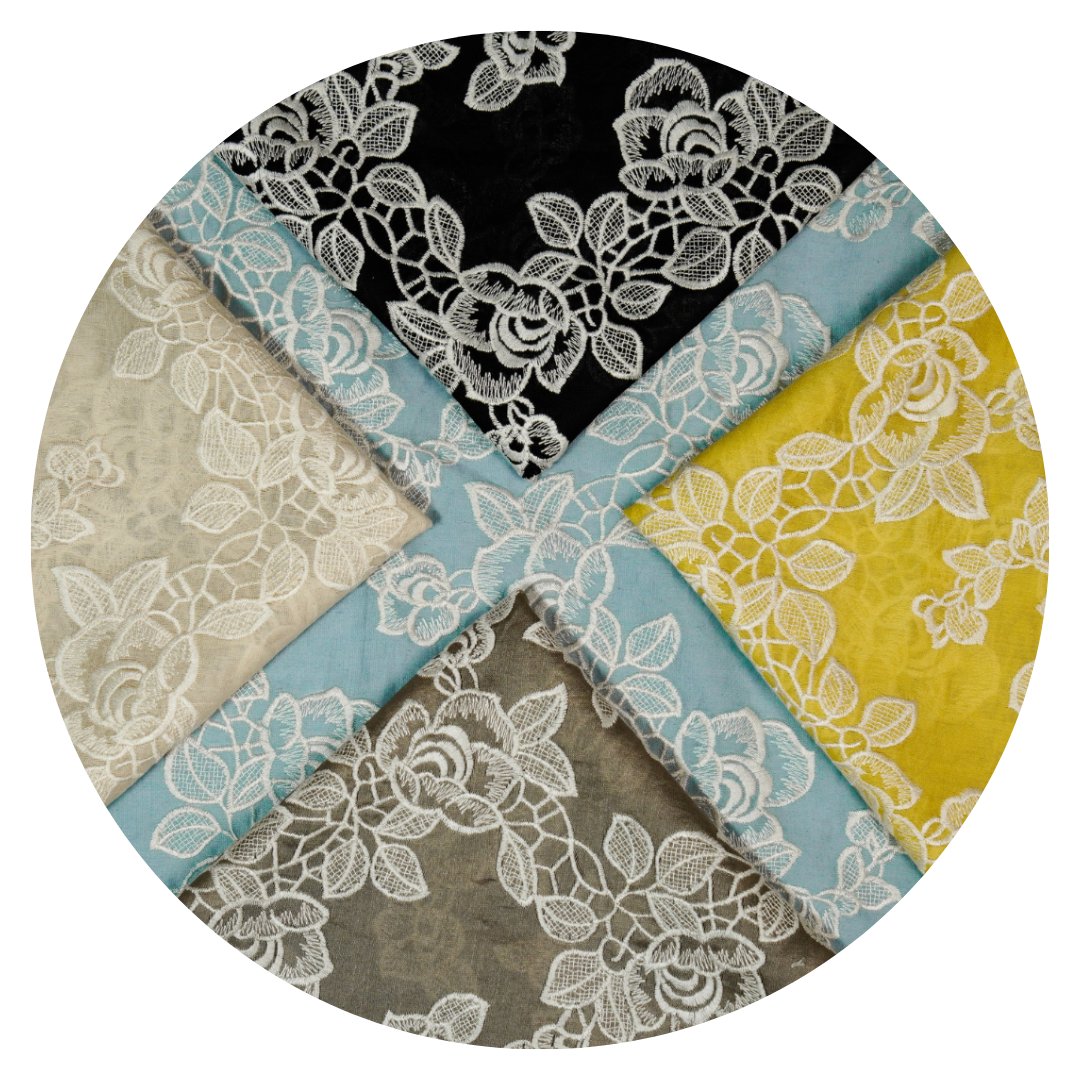
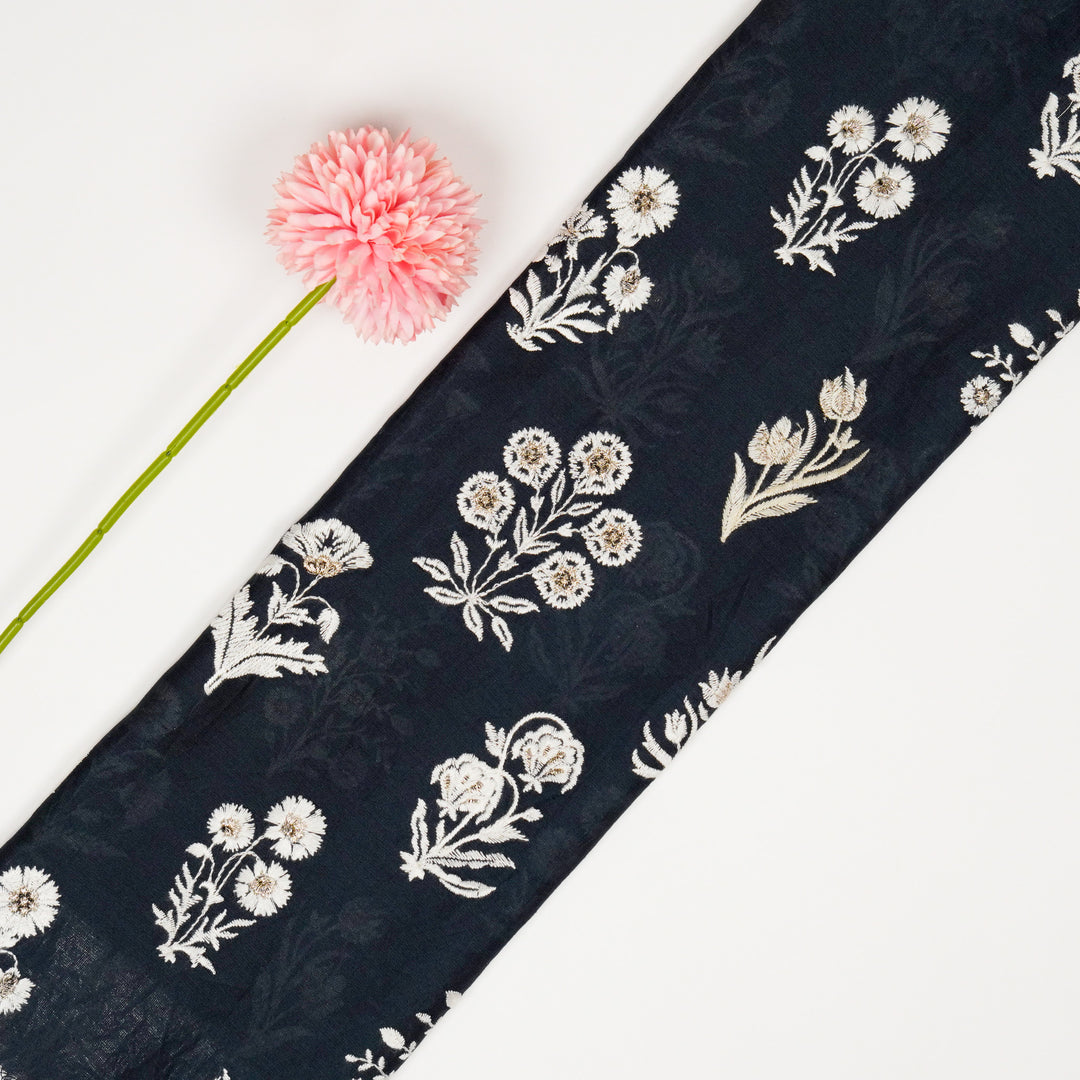
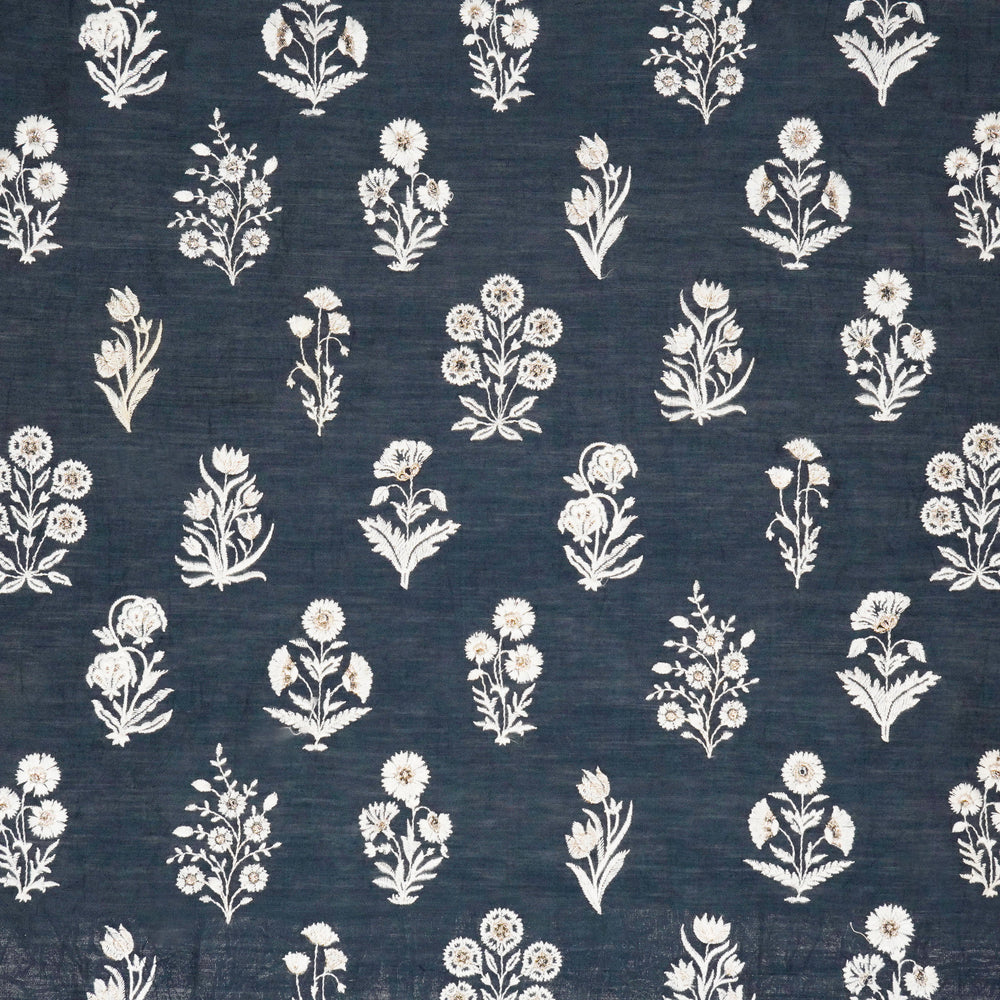
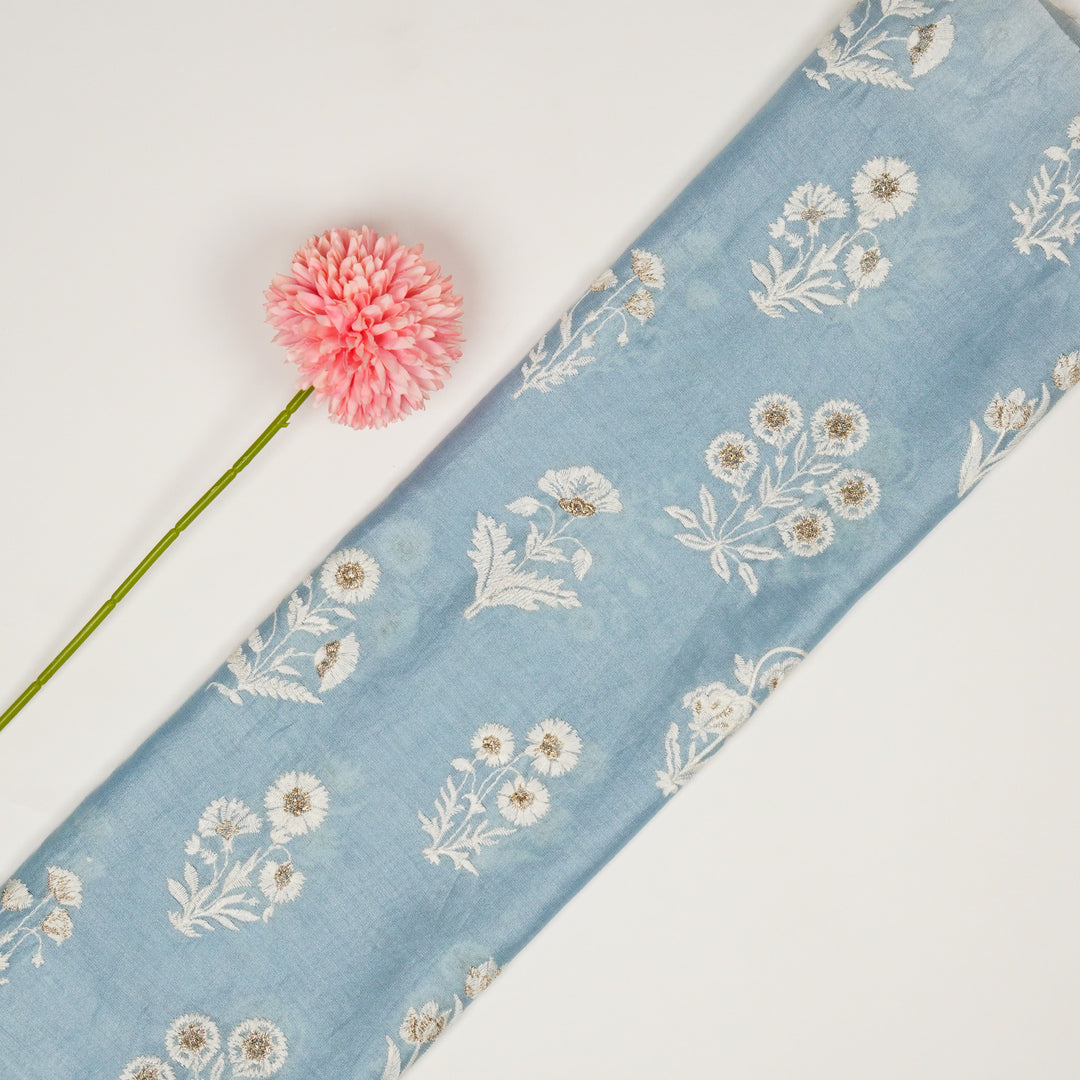
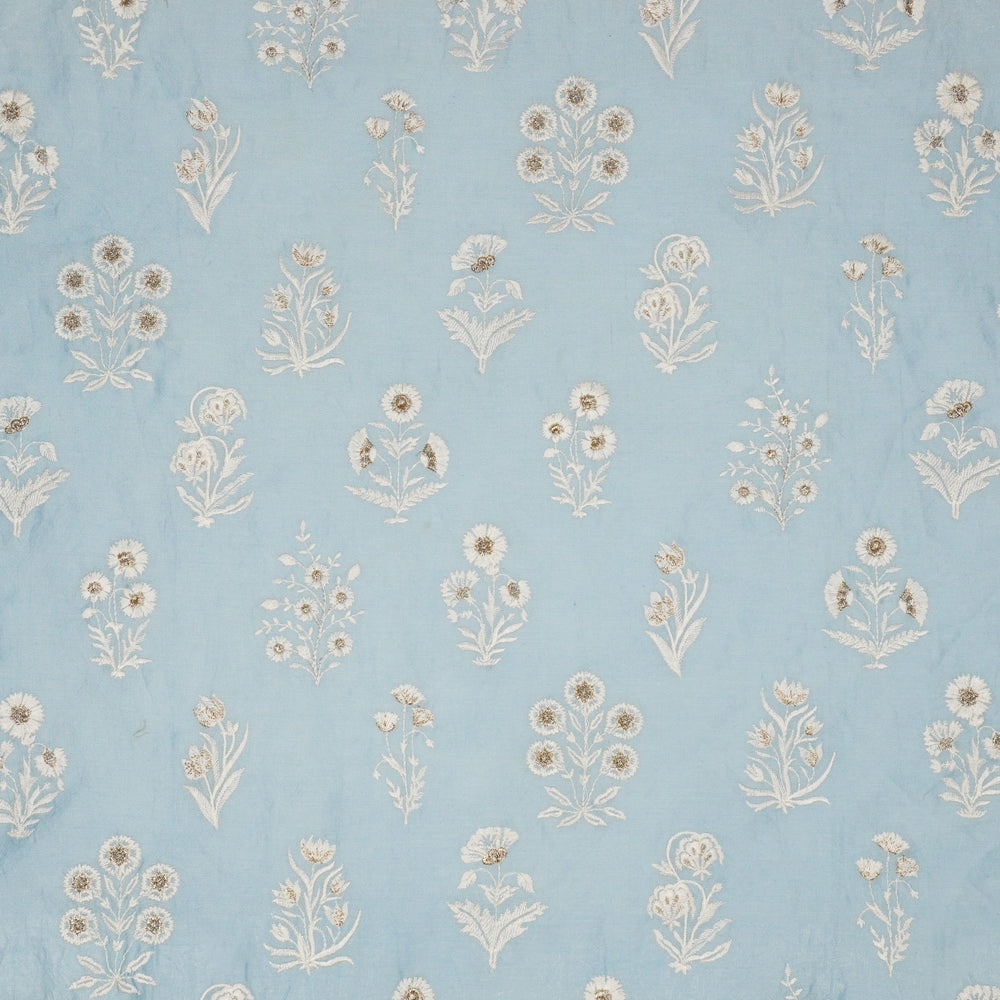
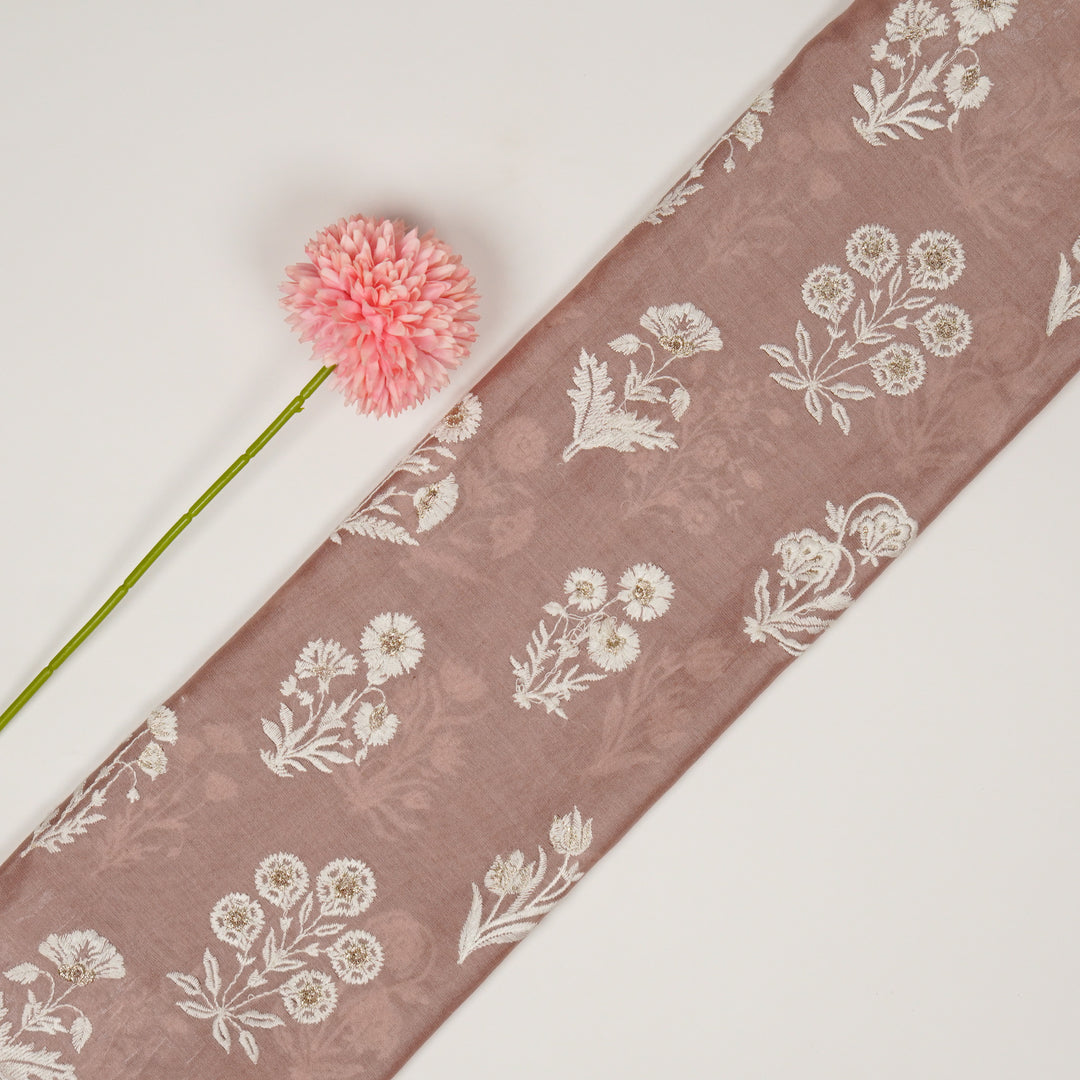
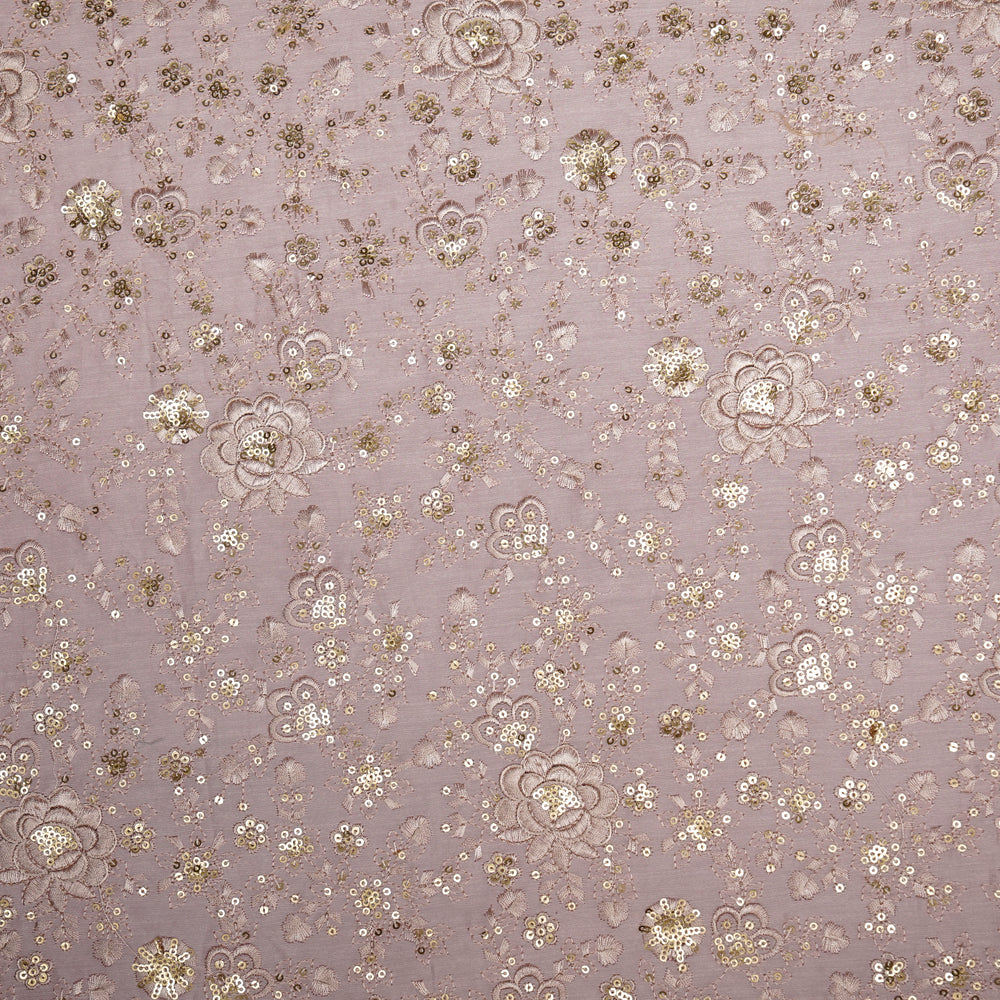
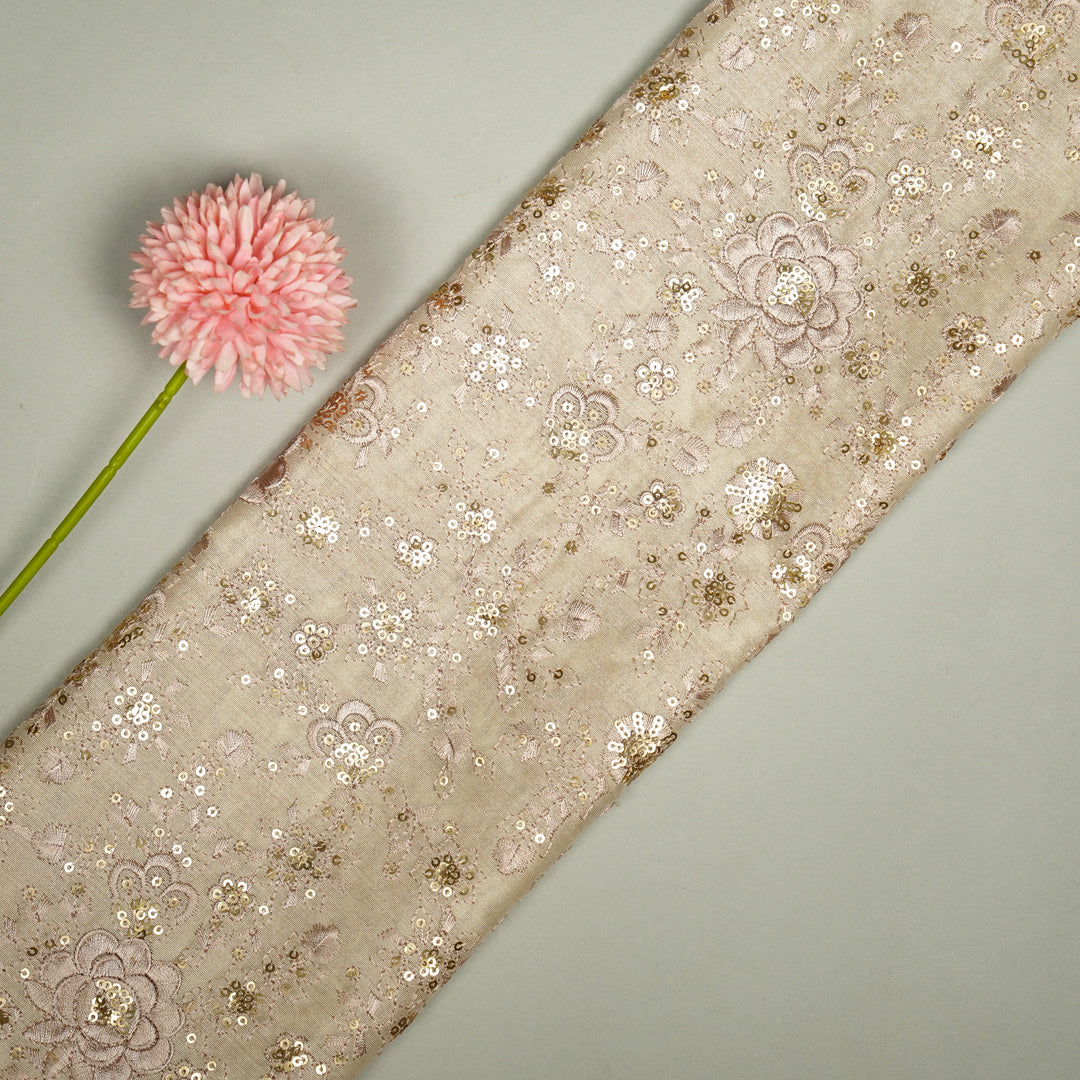
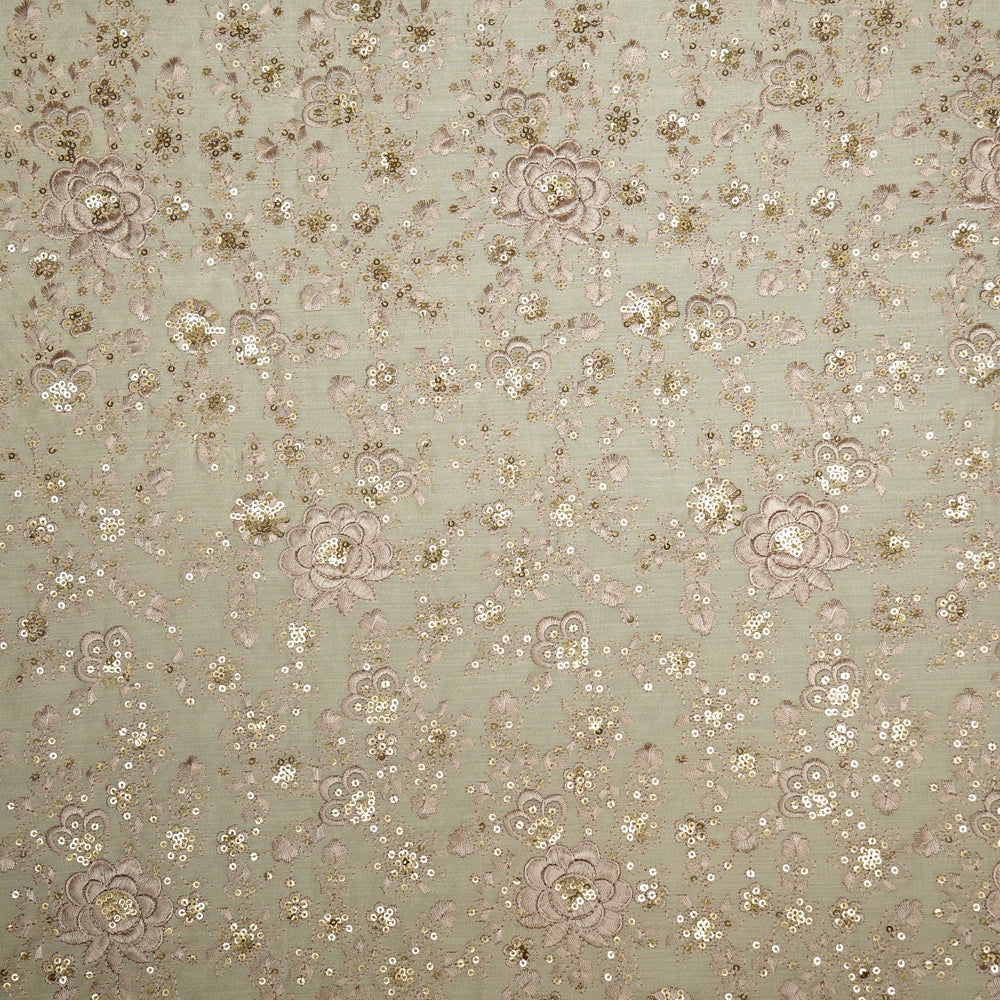
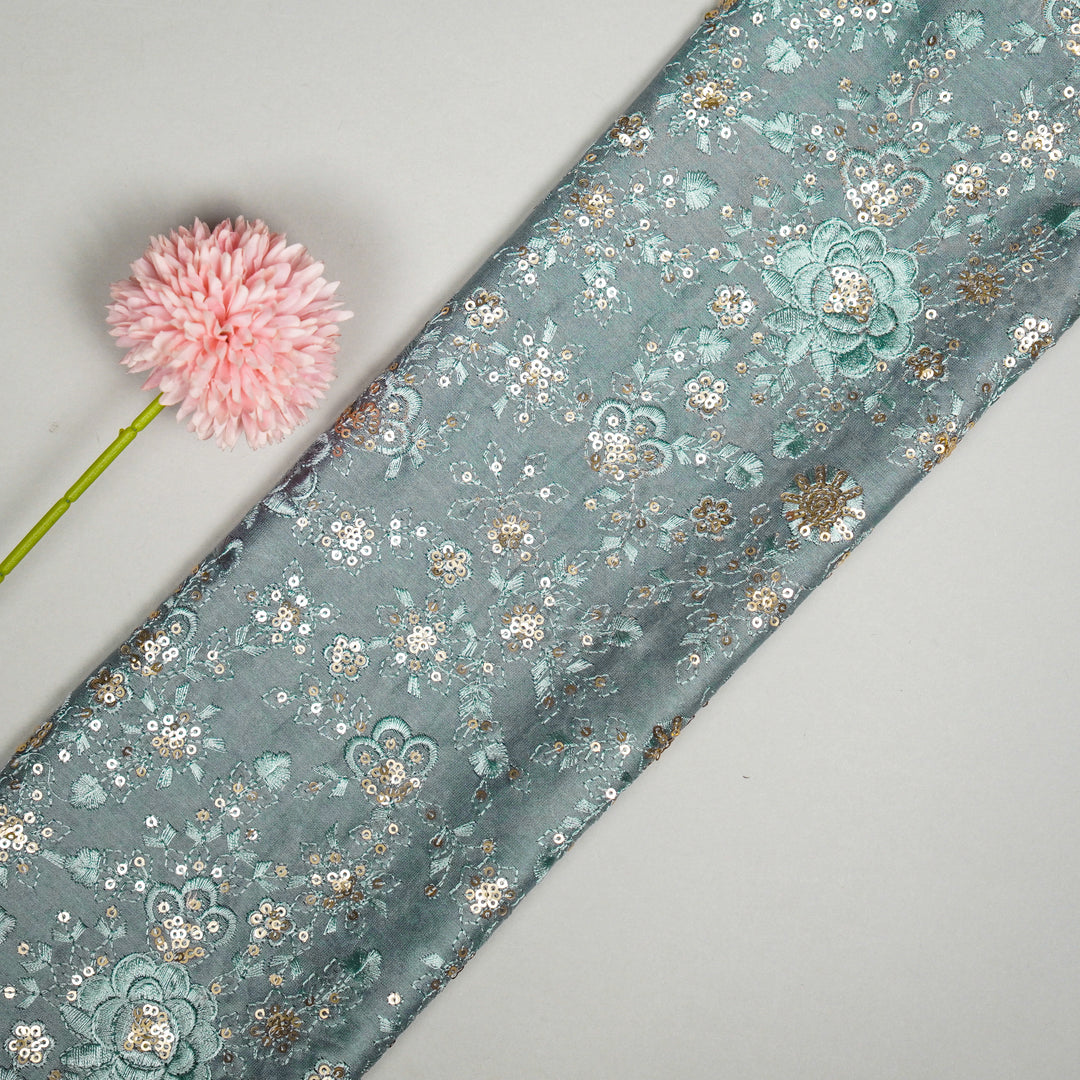
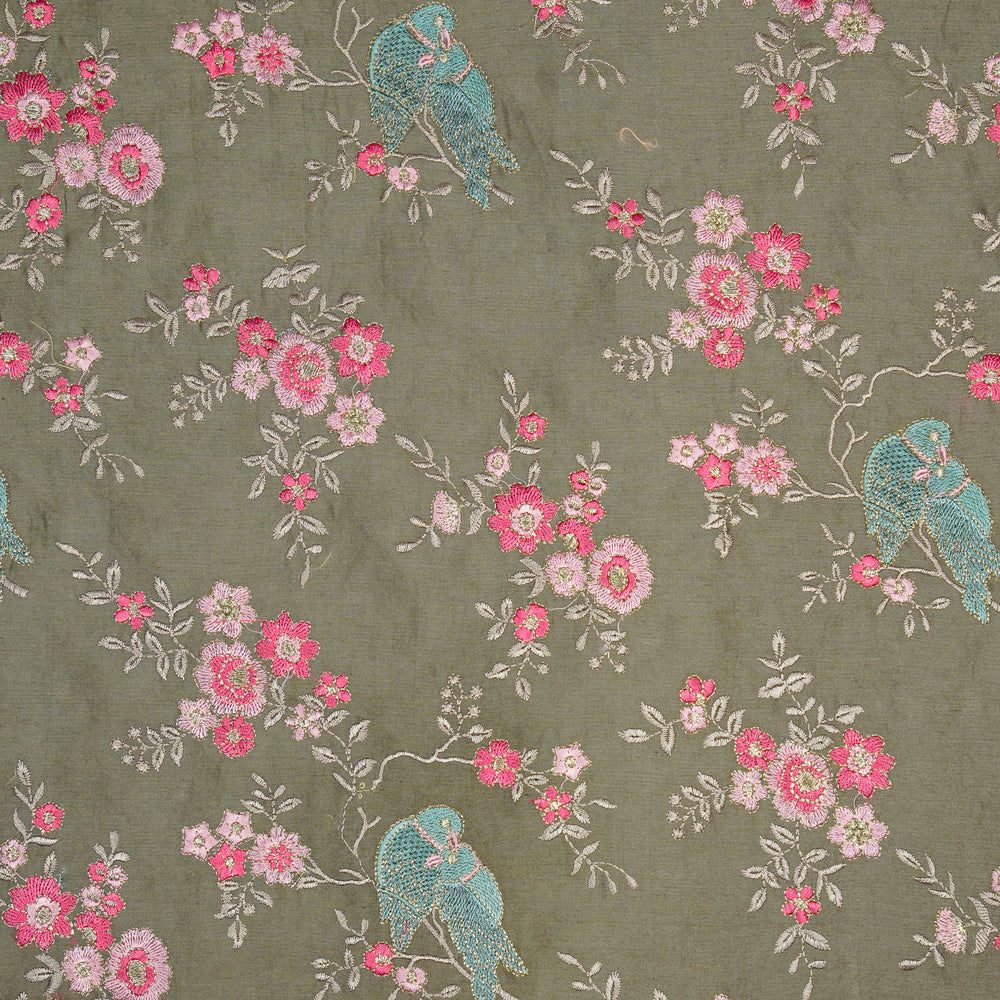
Embroidered Silk Chanderi


FAQ
1.What is silk chanderi fabric?
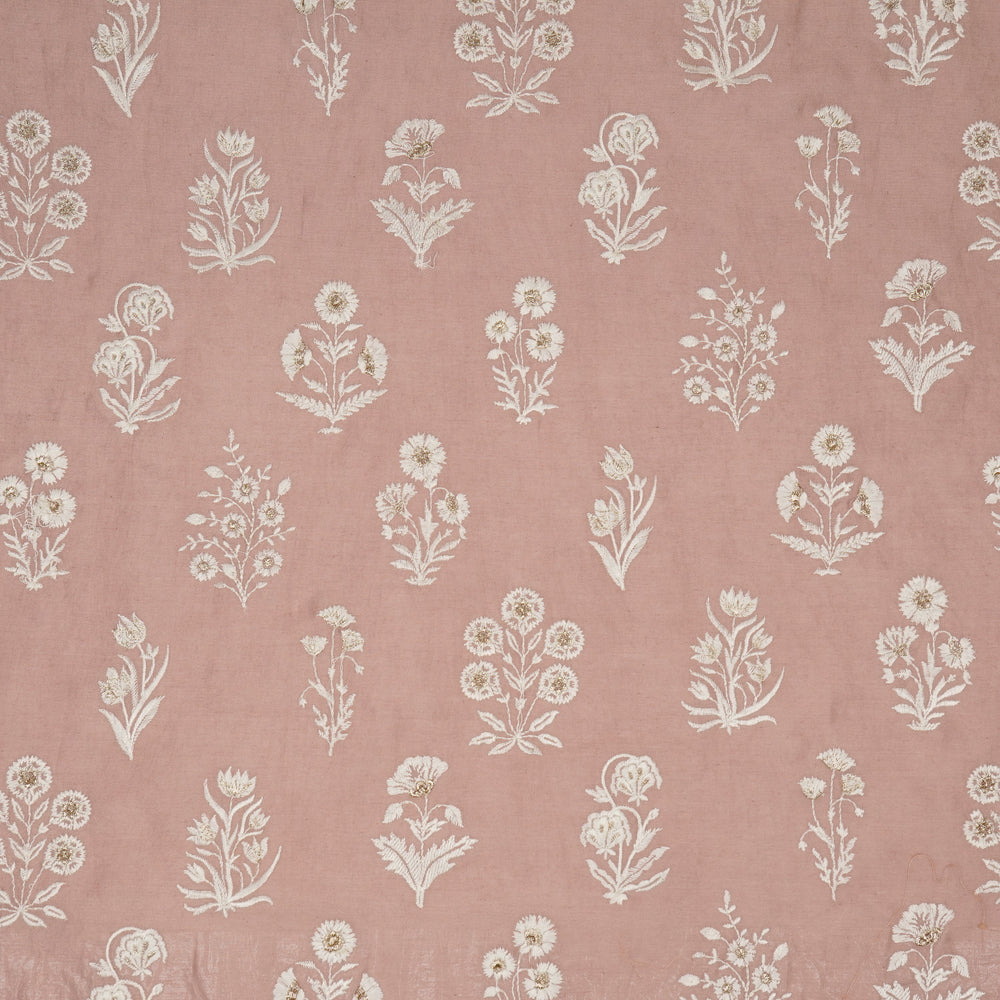
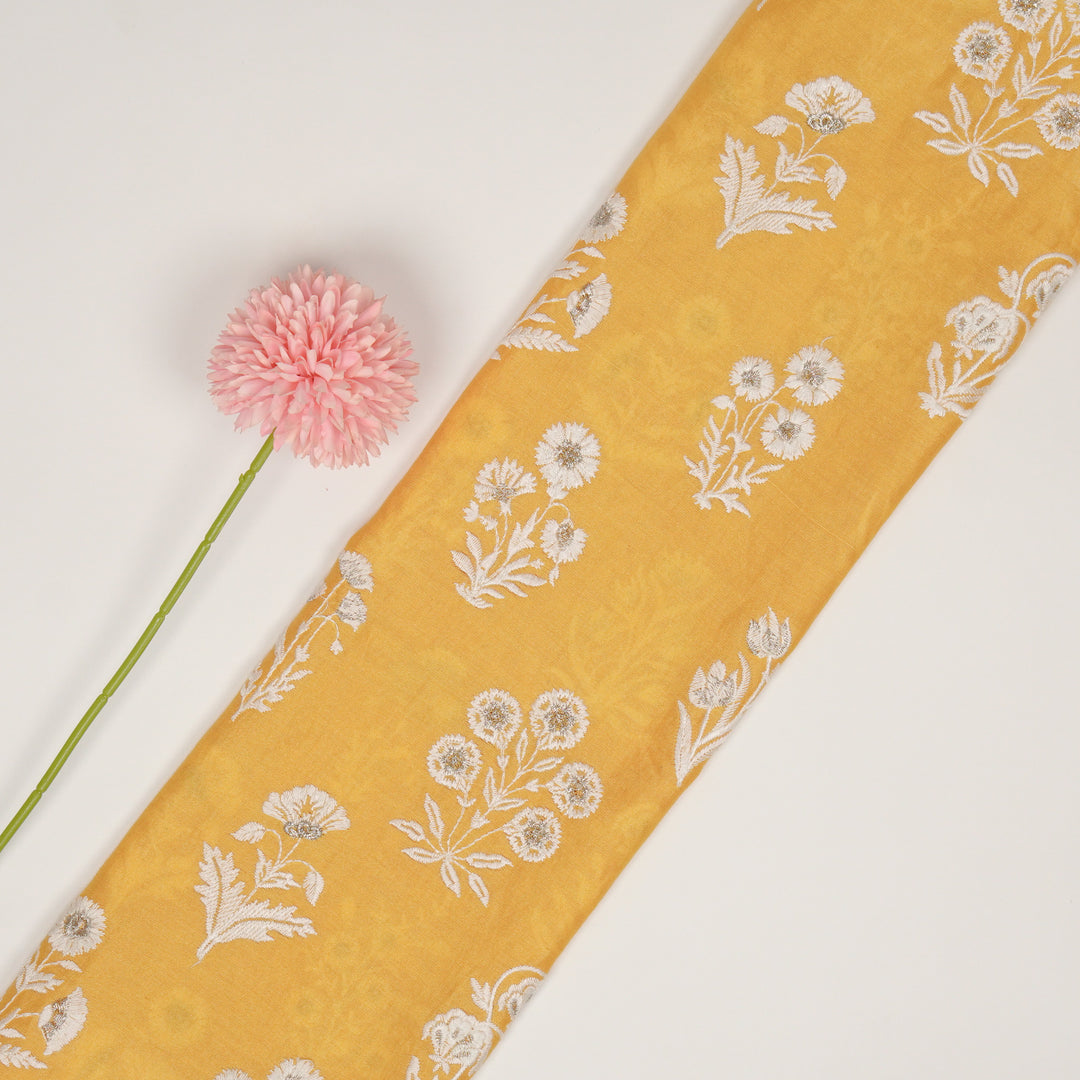
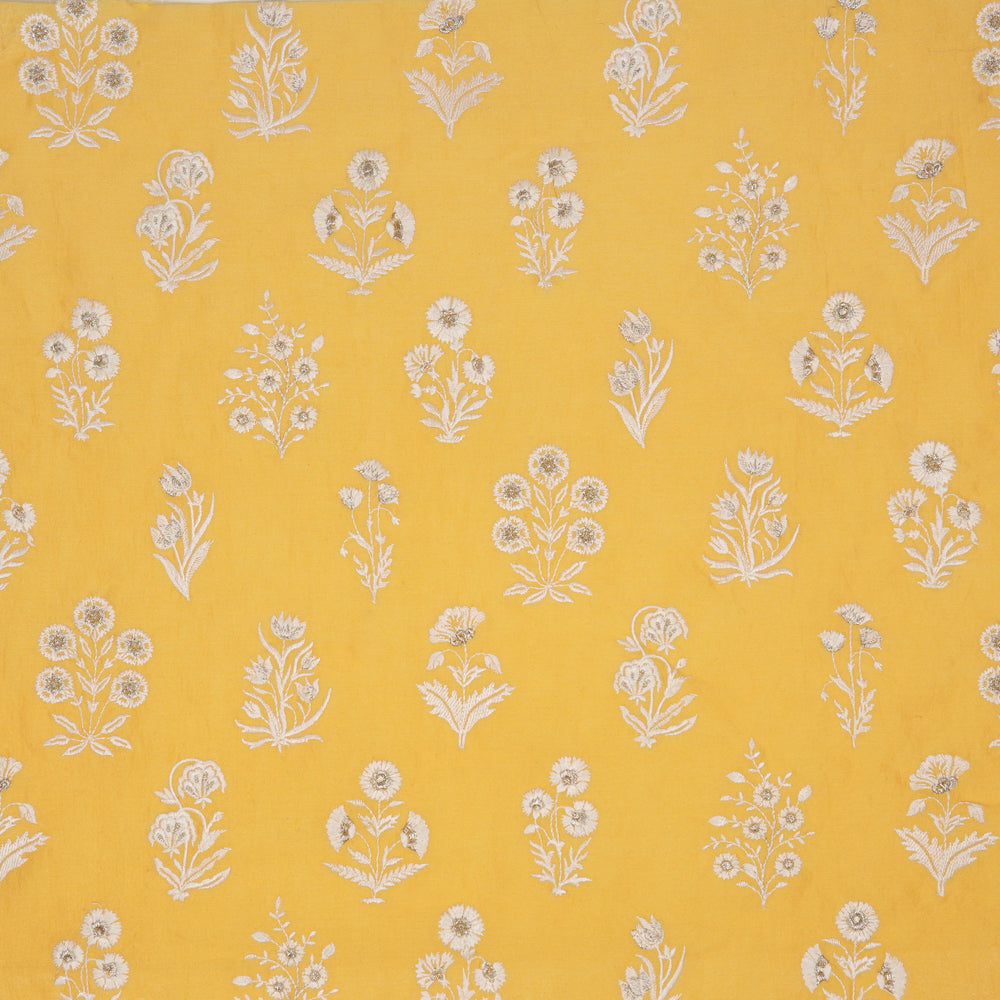
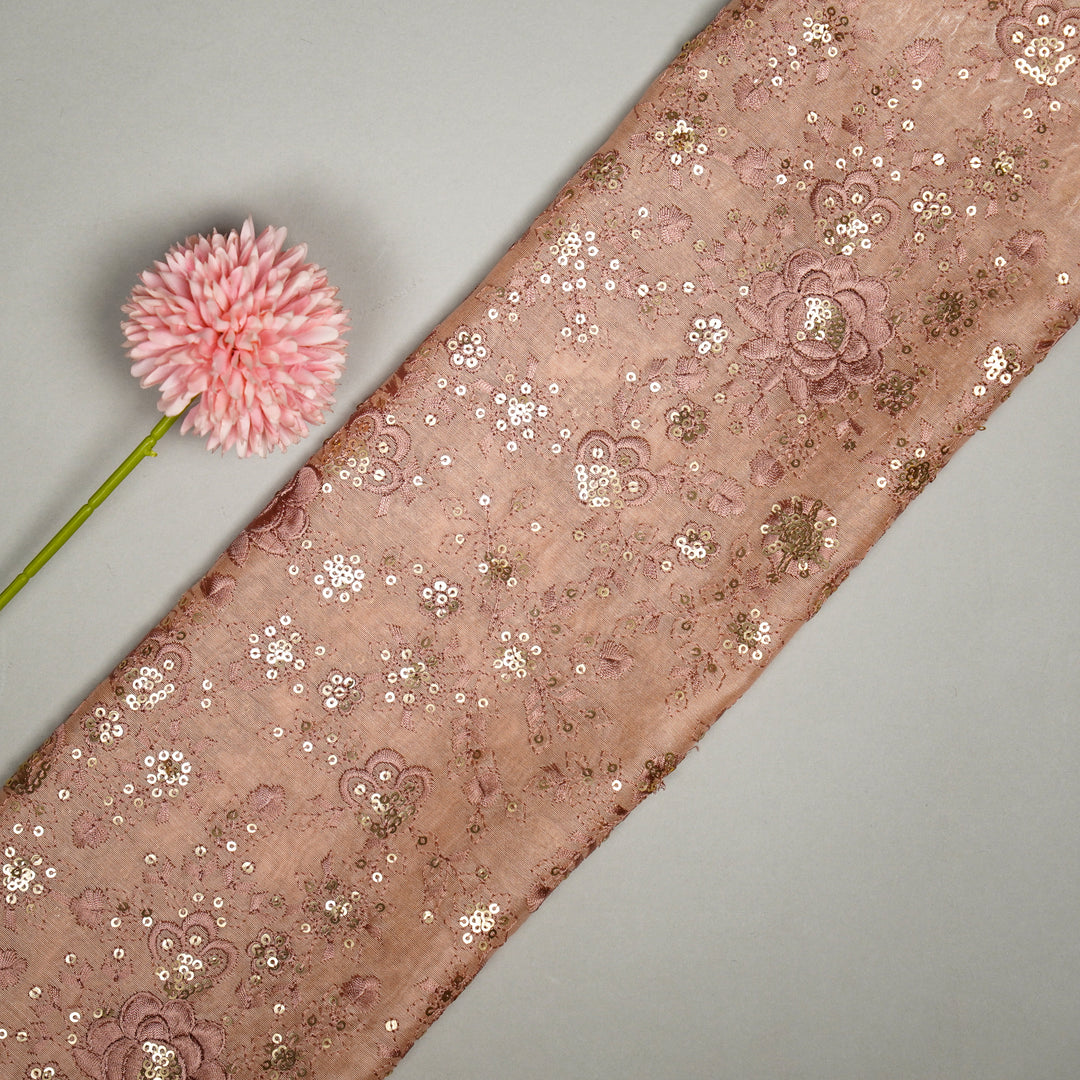
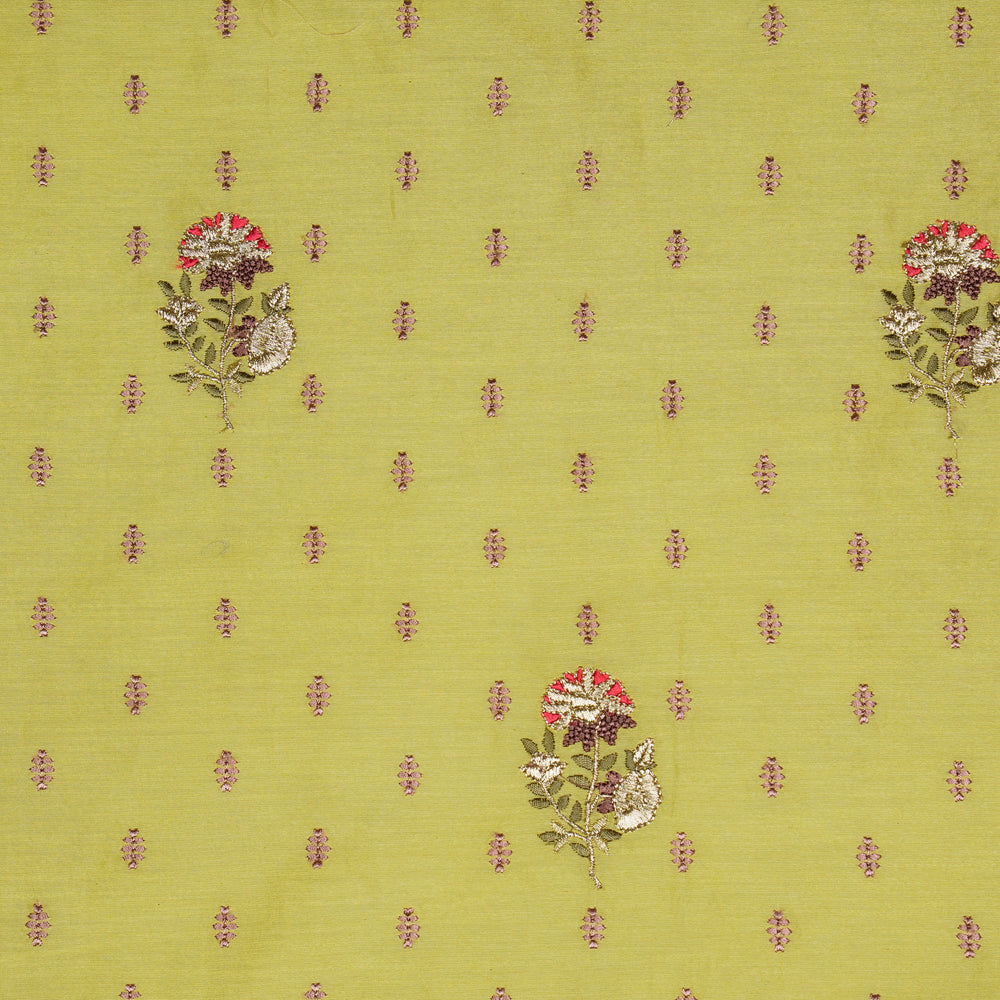
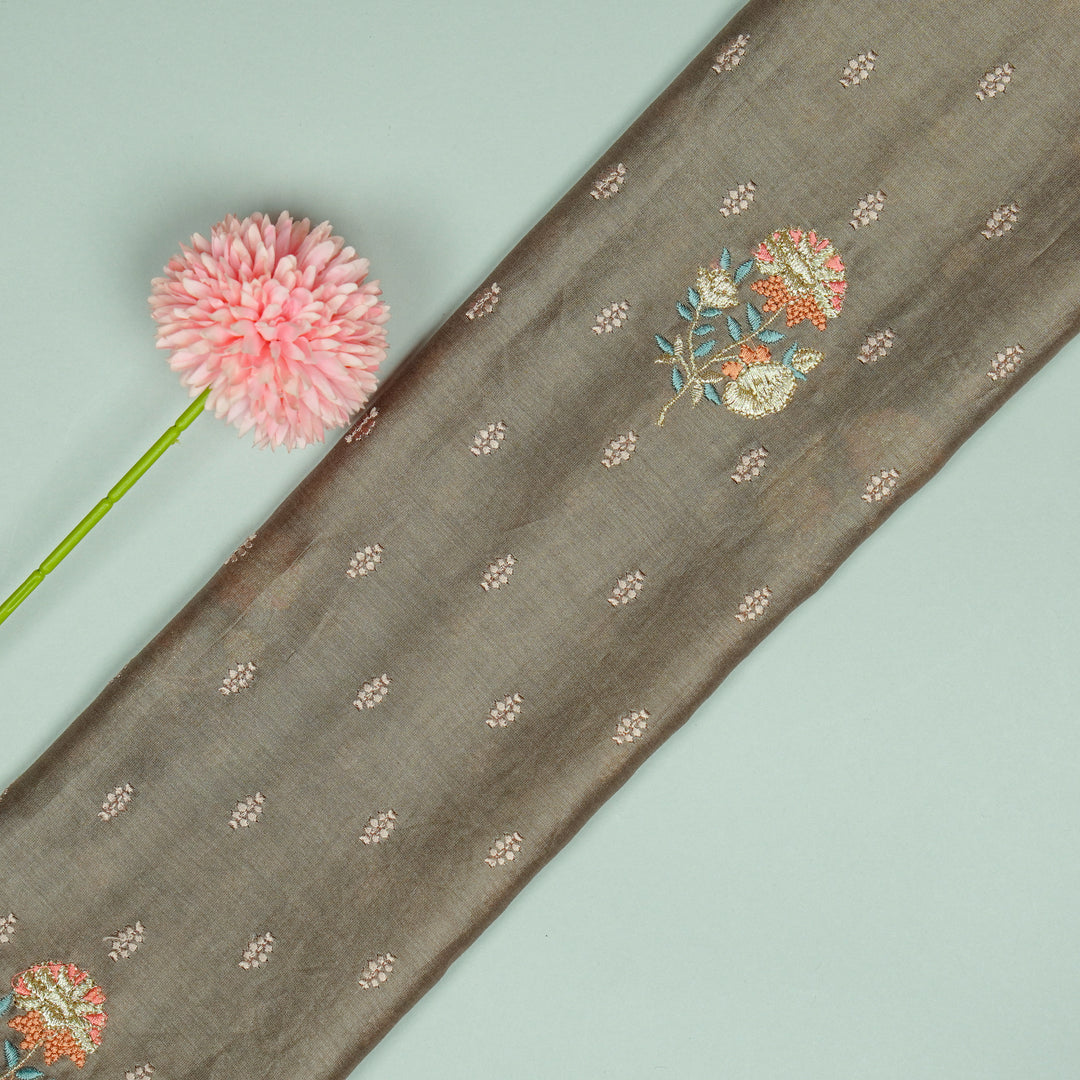
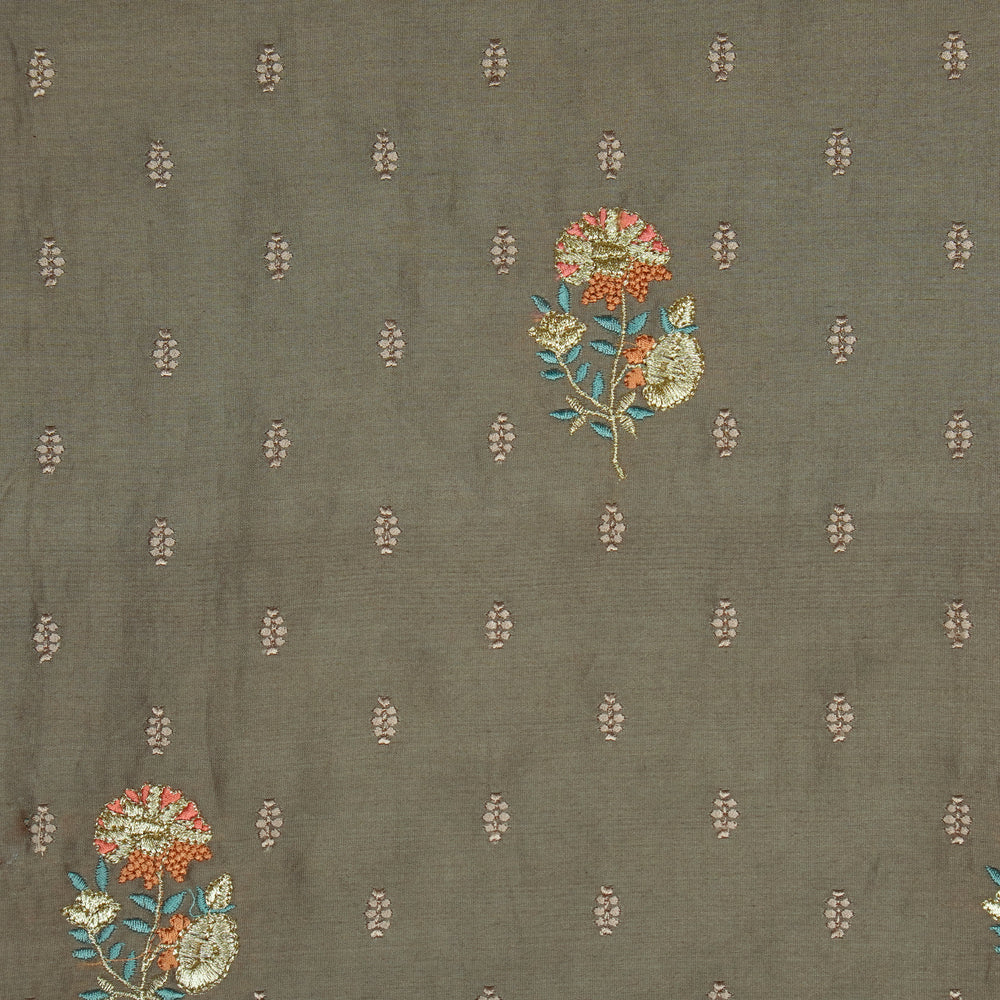
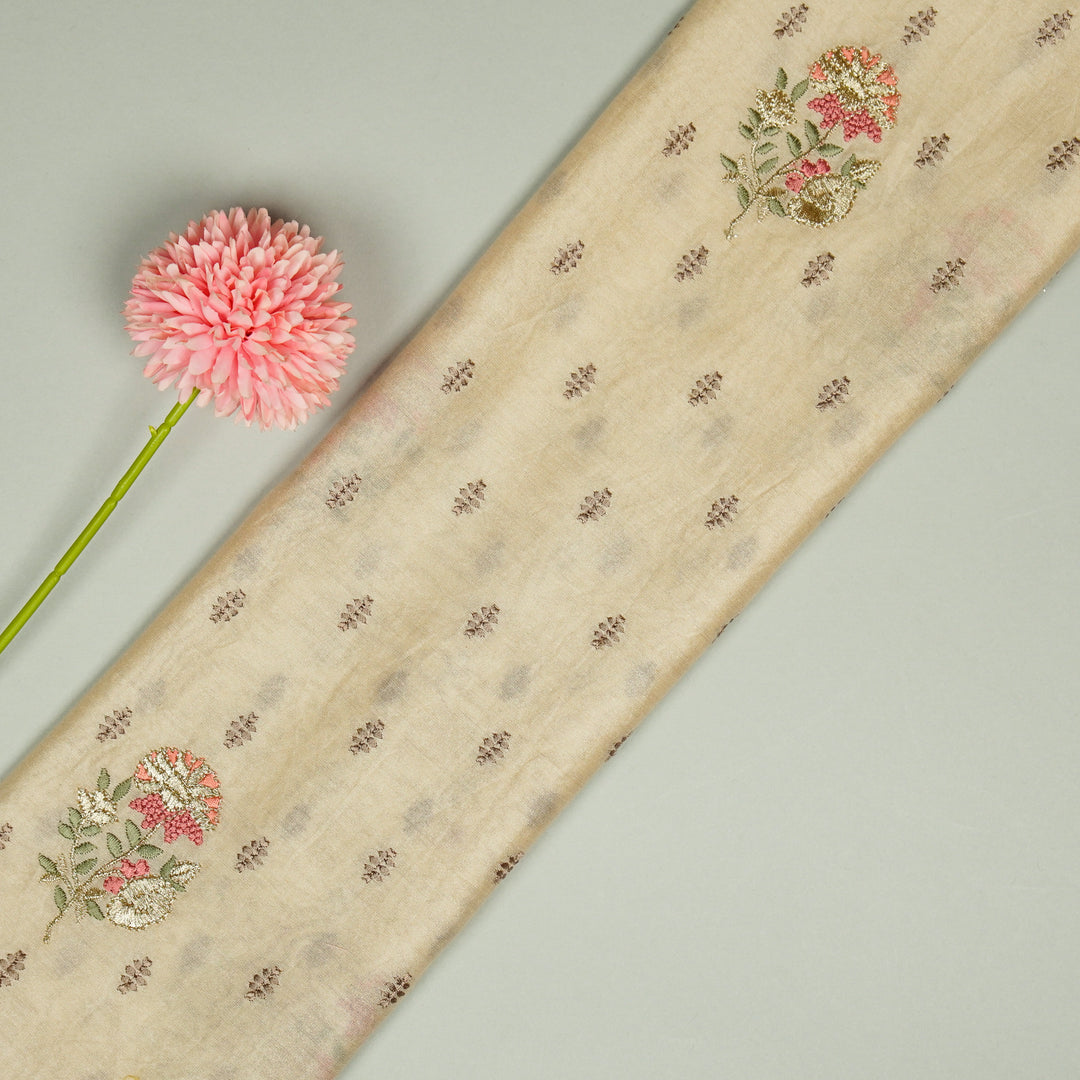
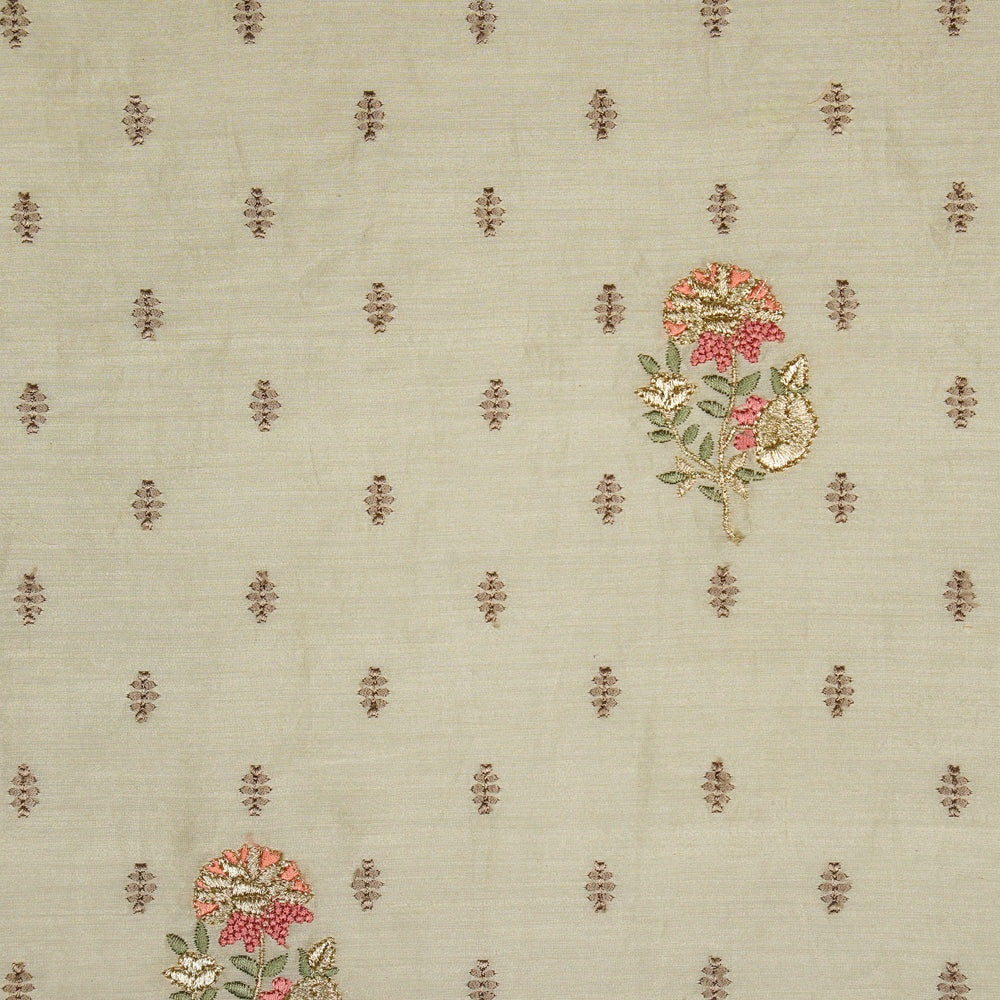
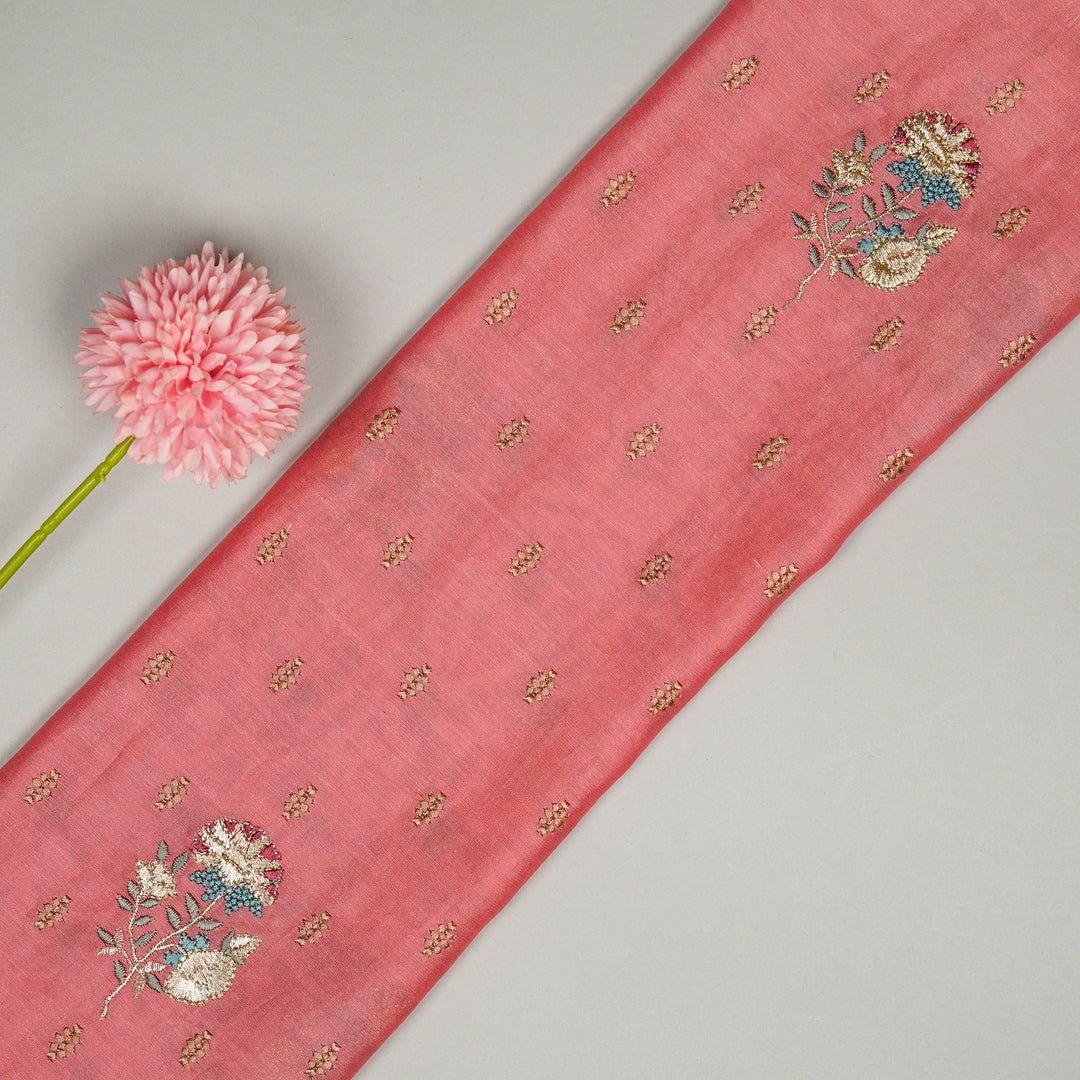
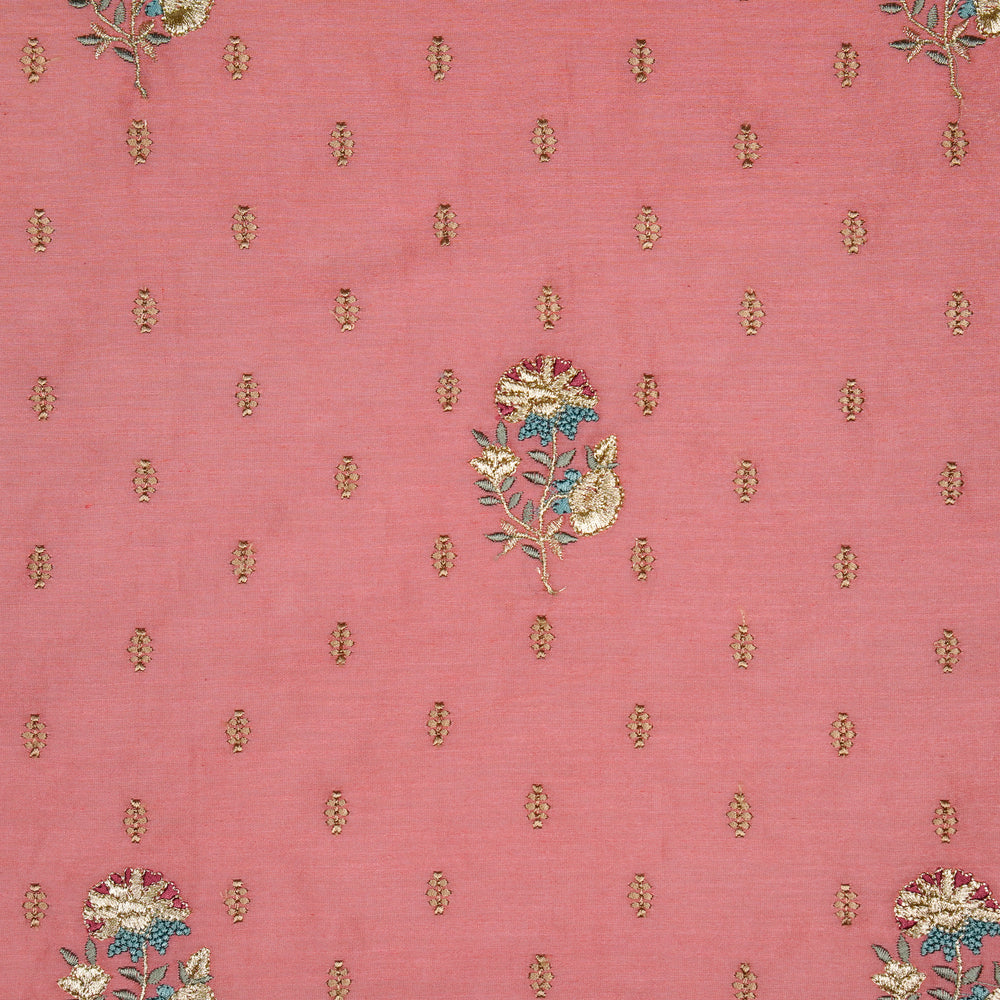
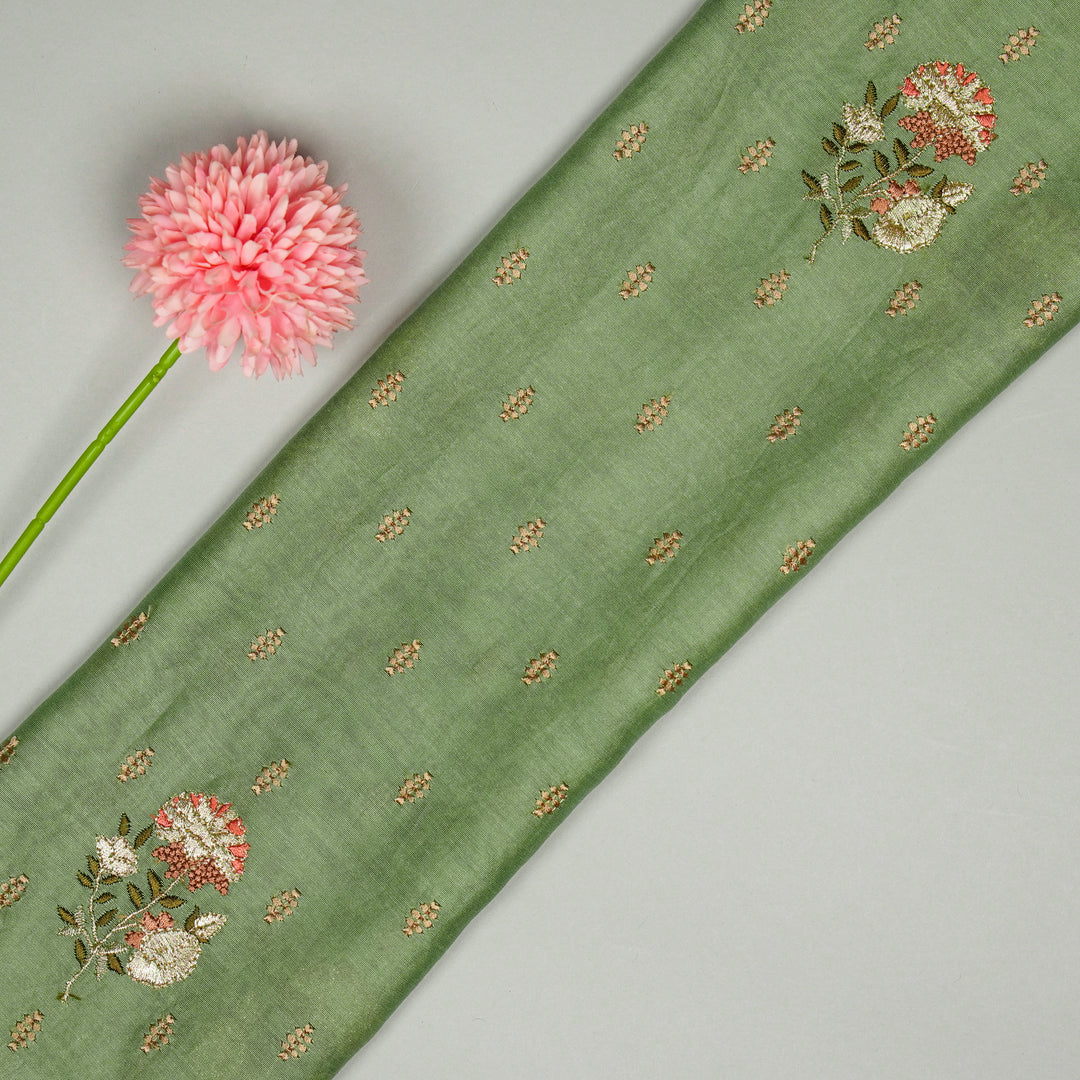
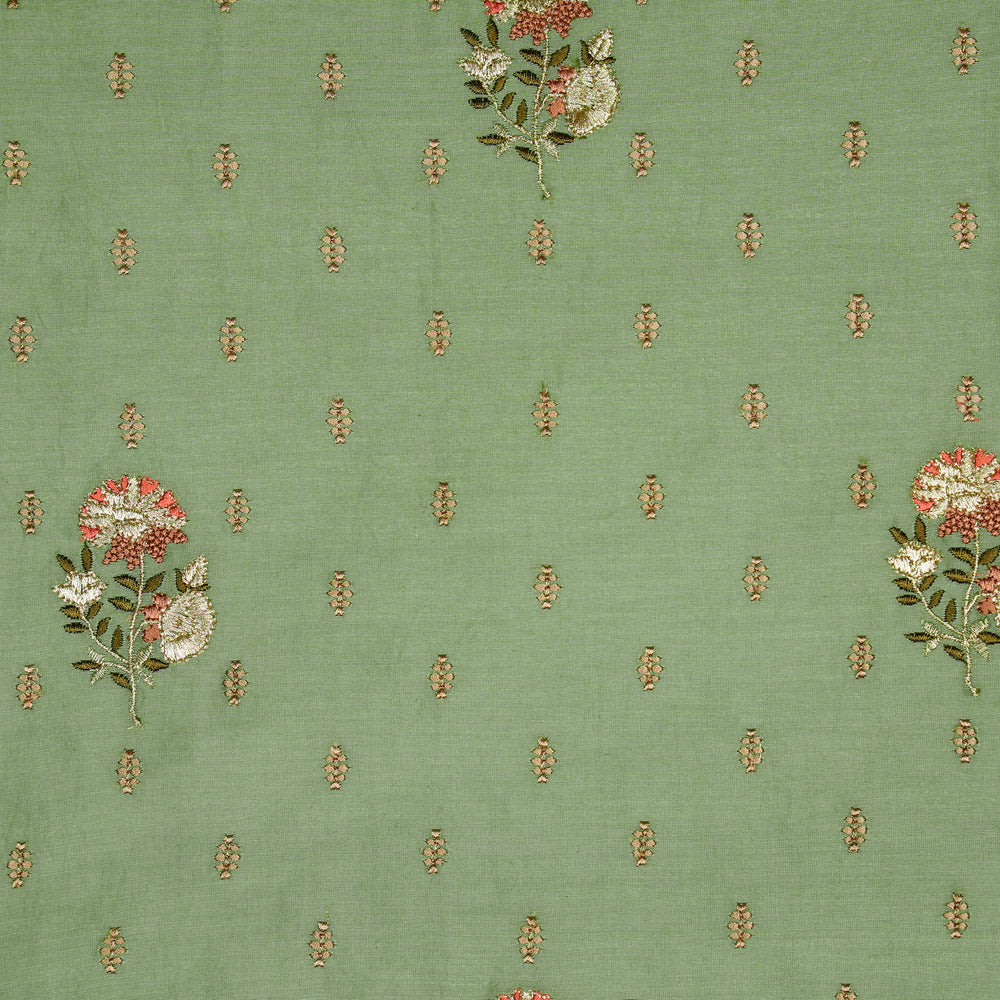
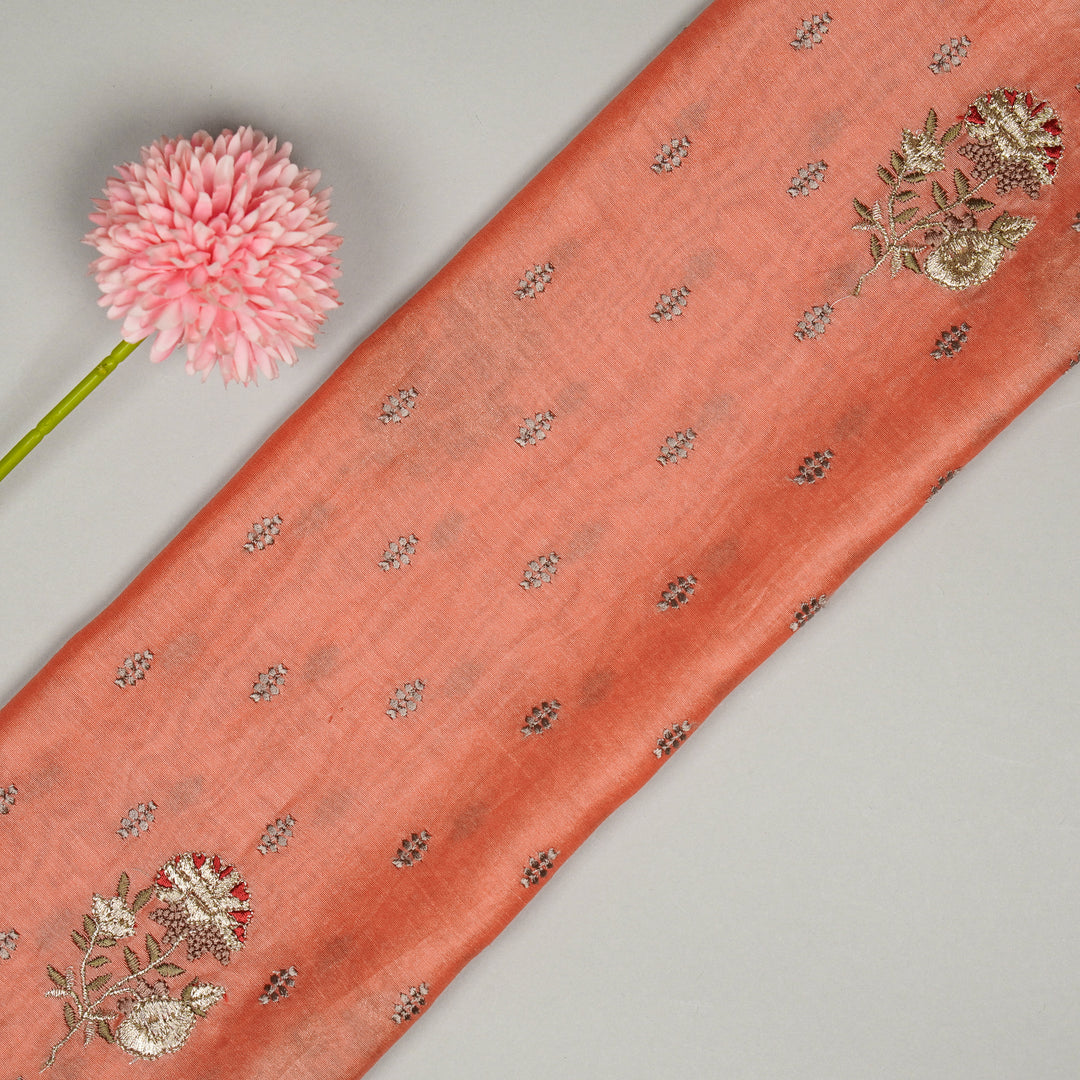
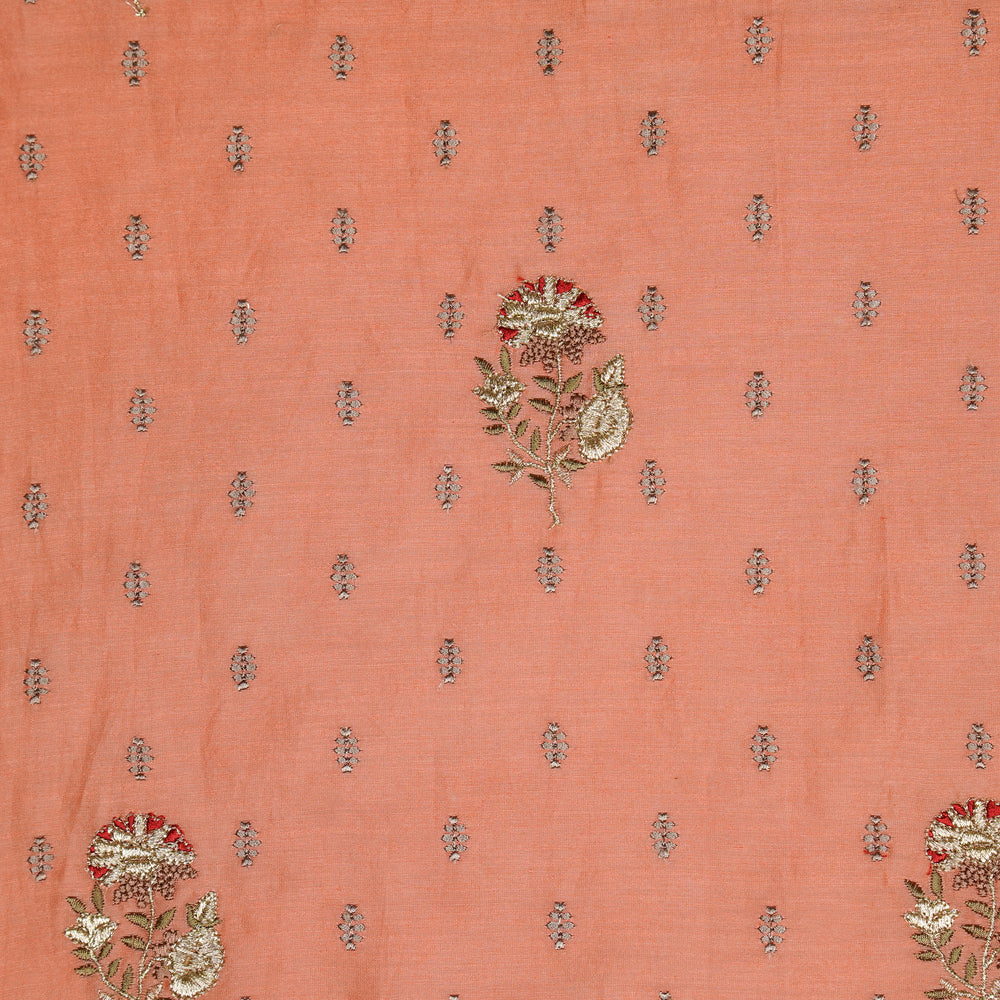
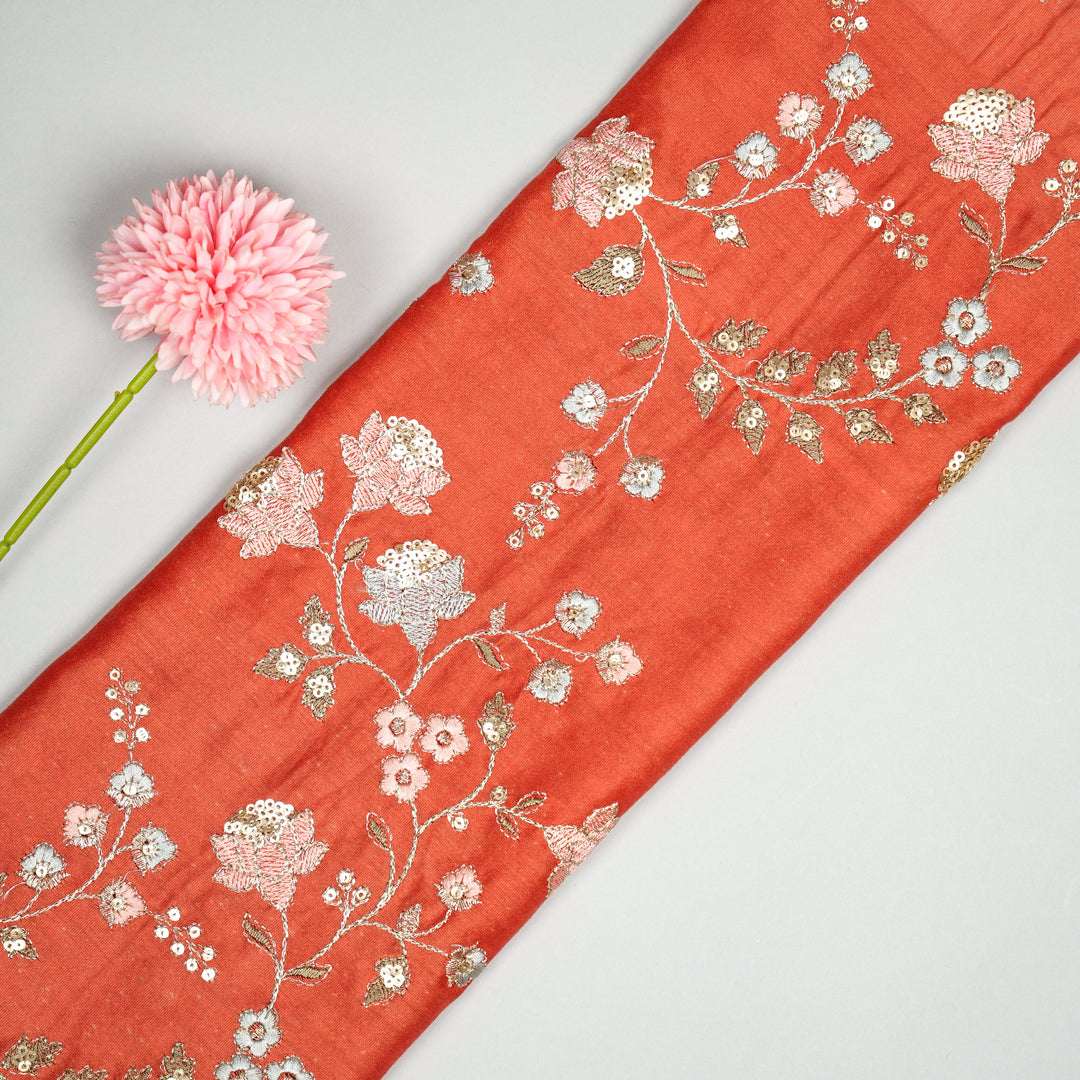
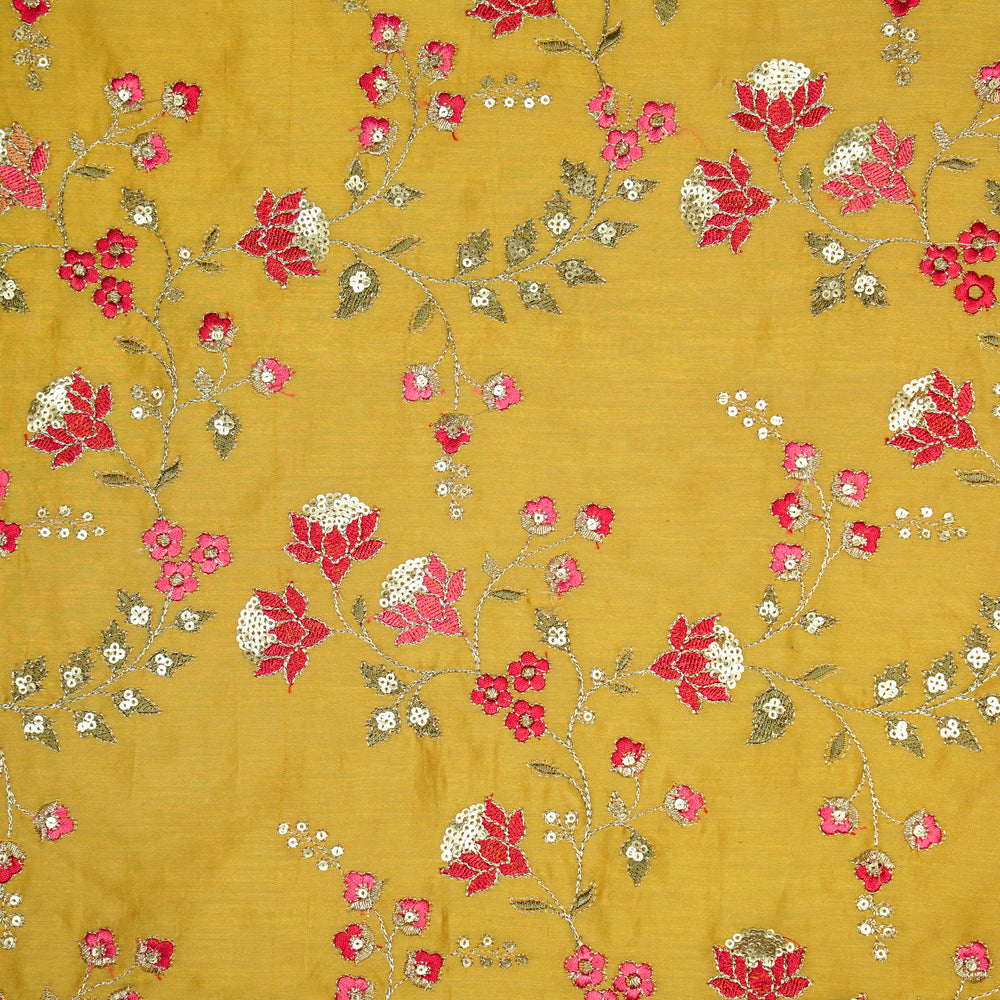
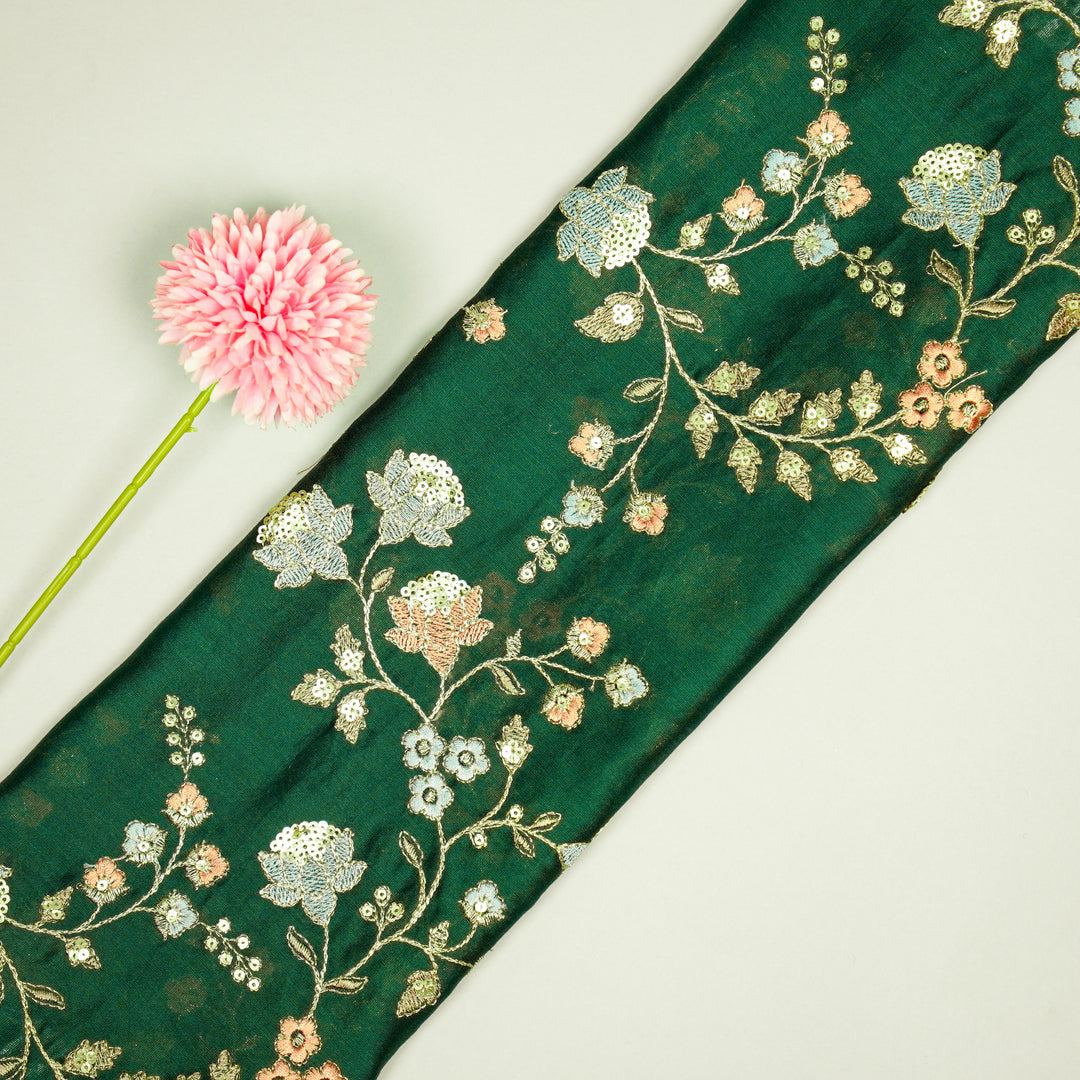
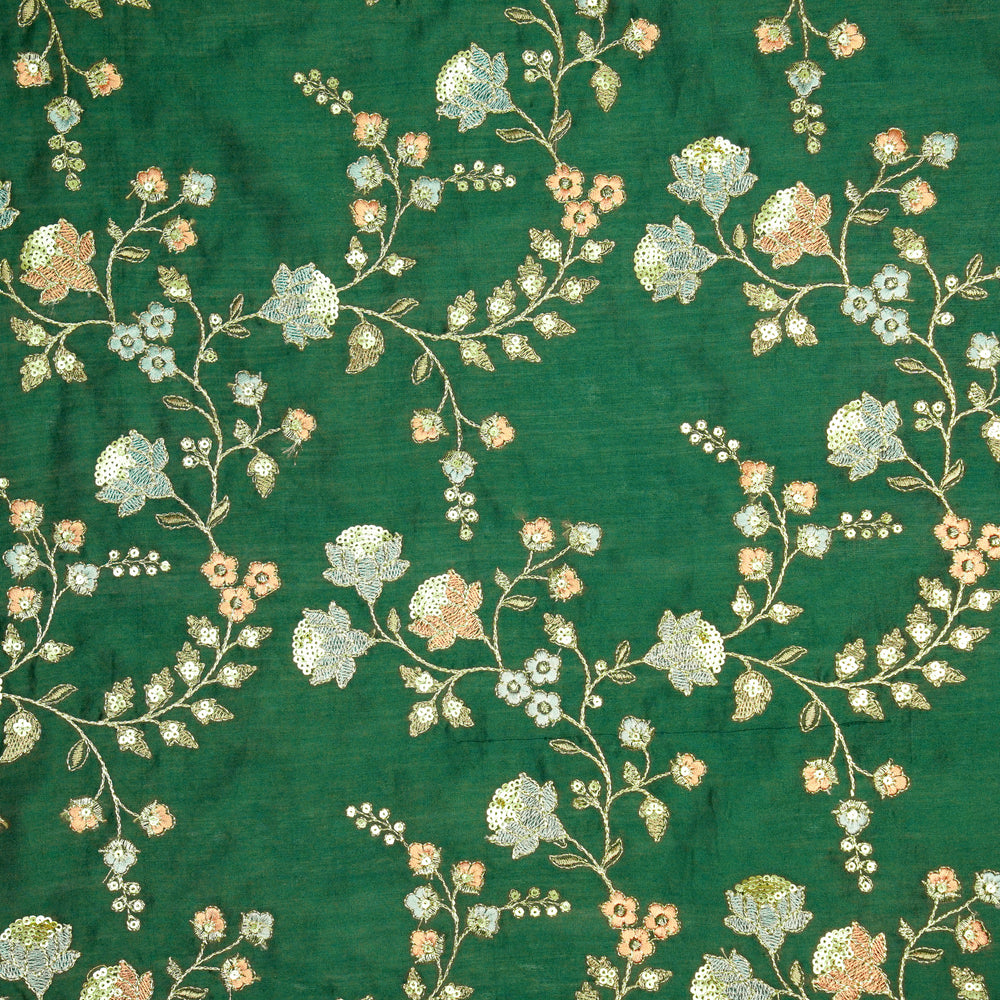
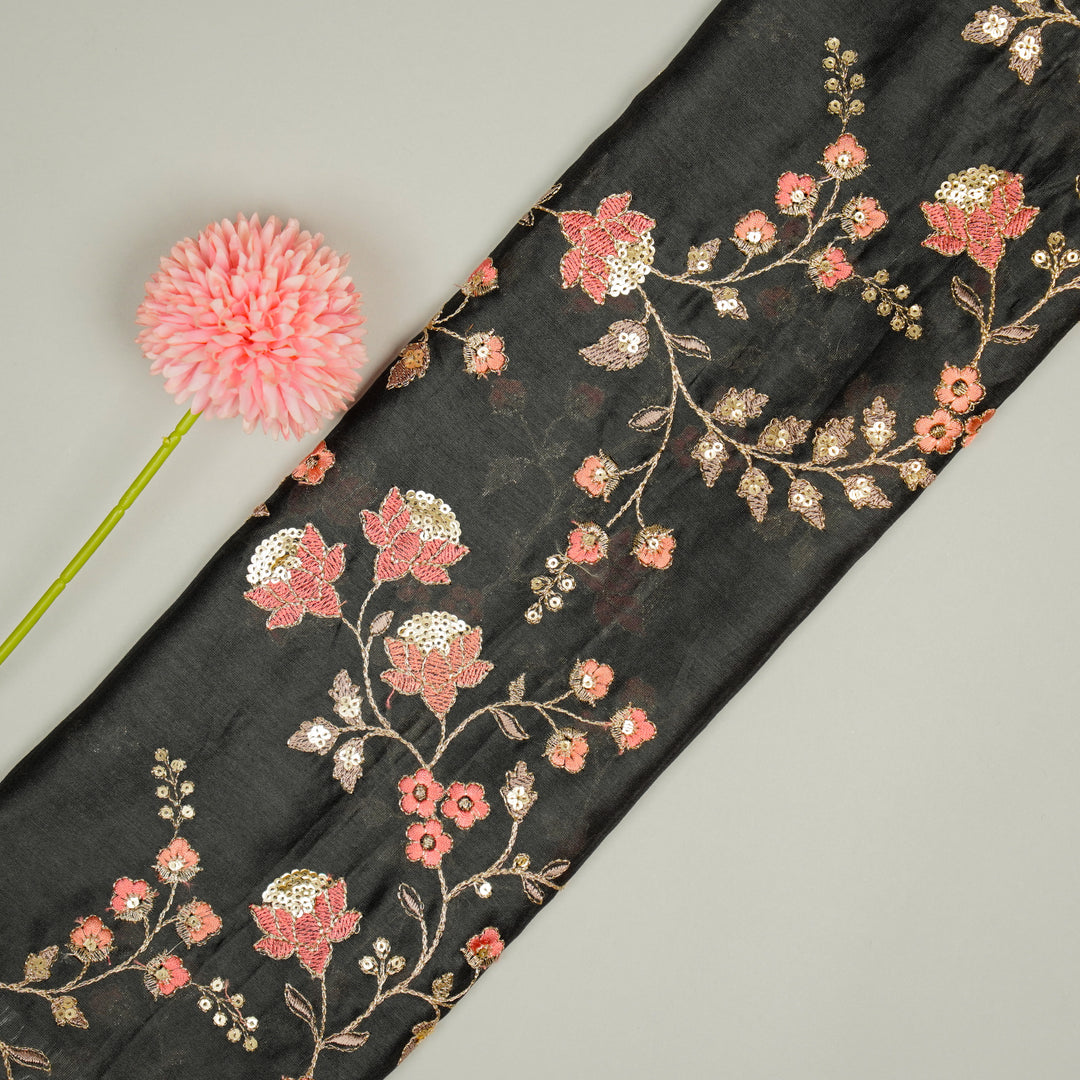
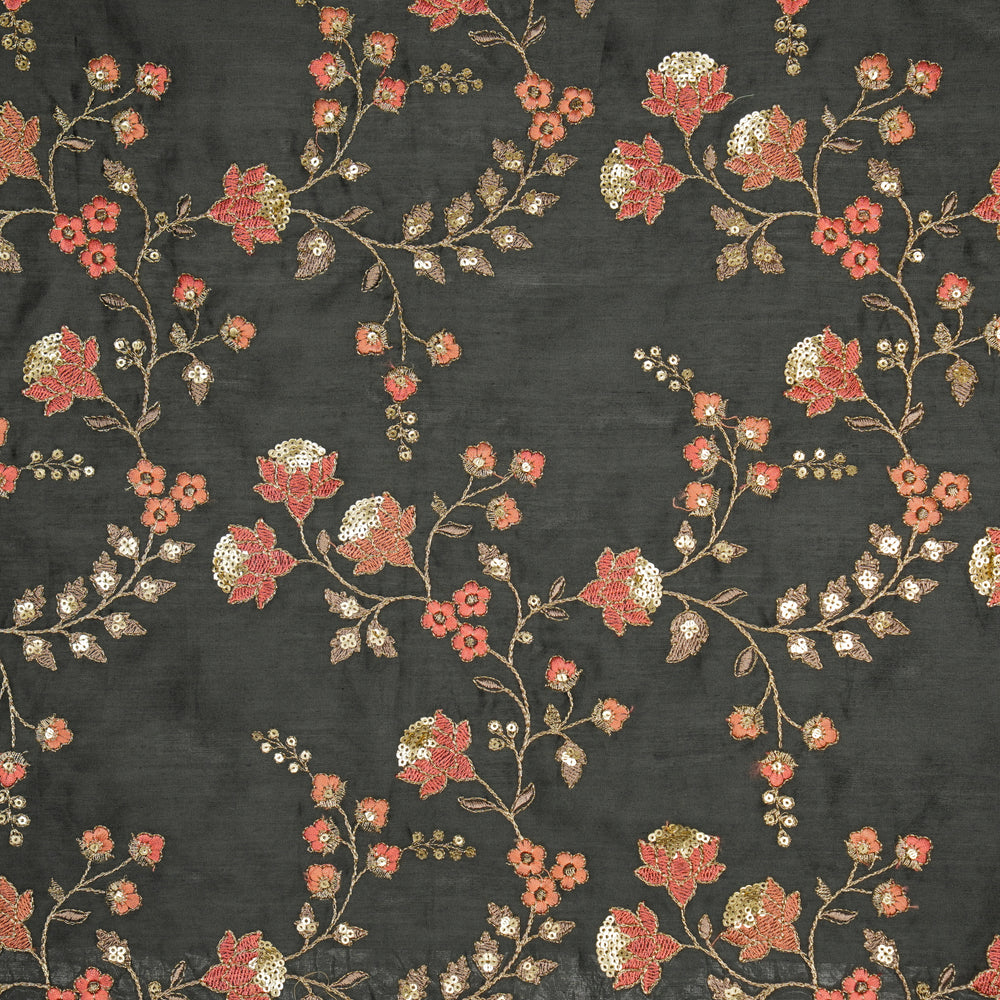
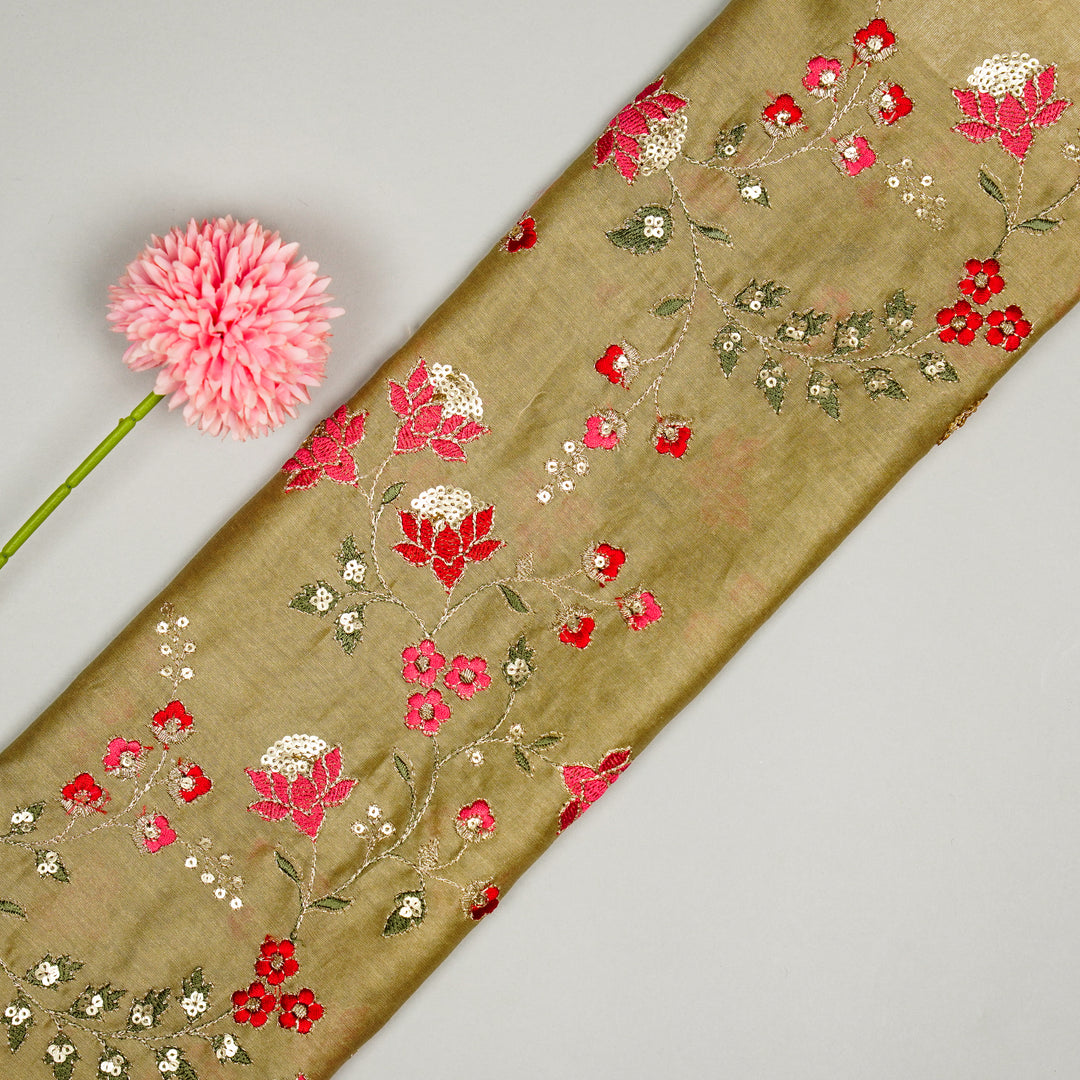
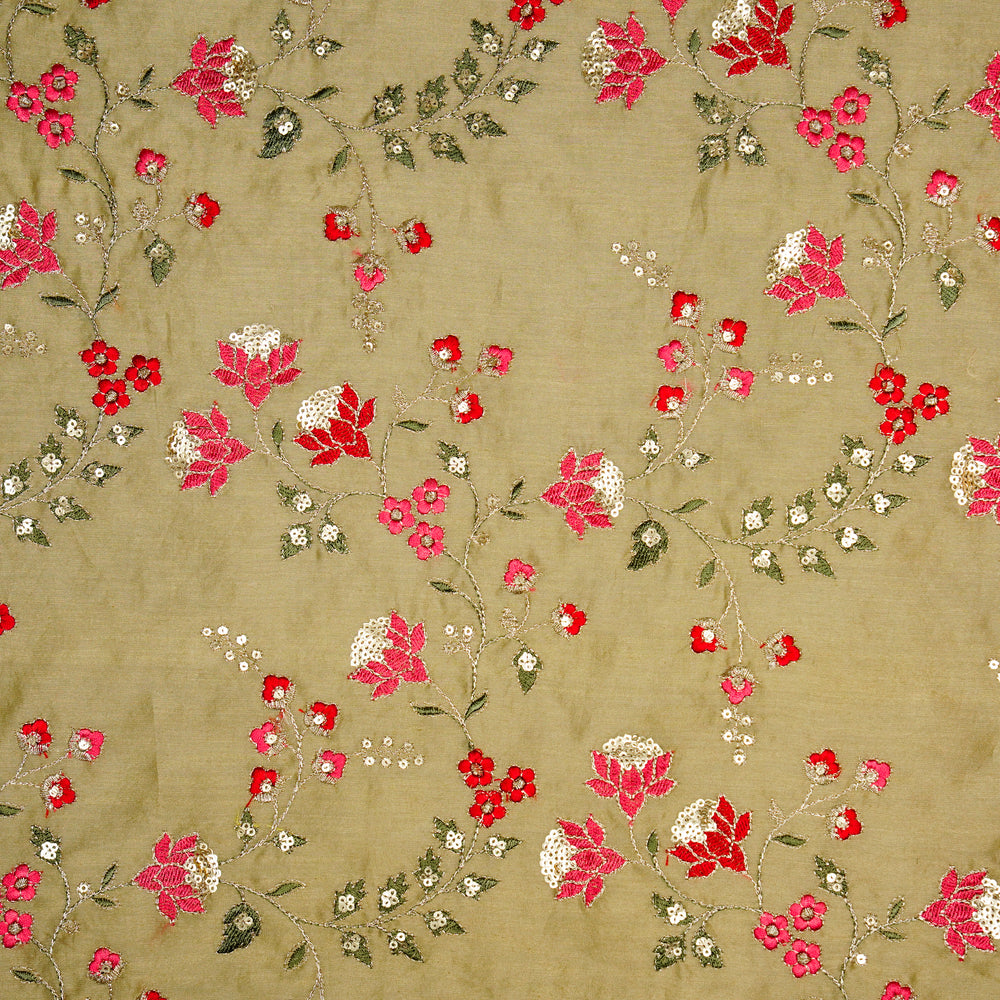
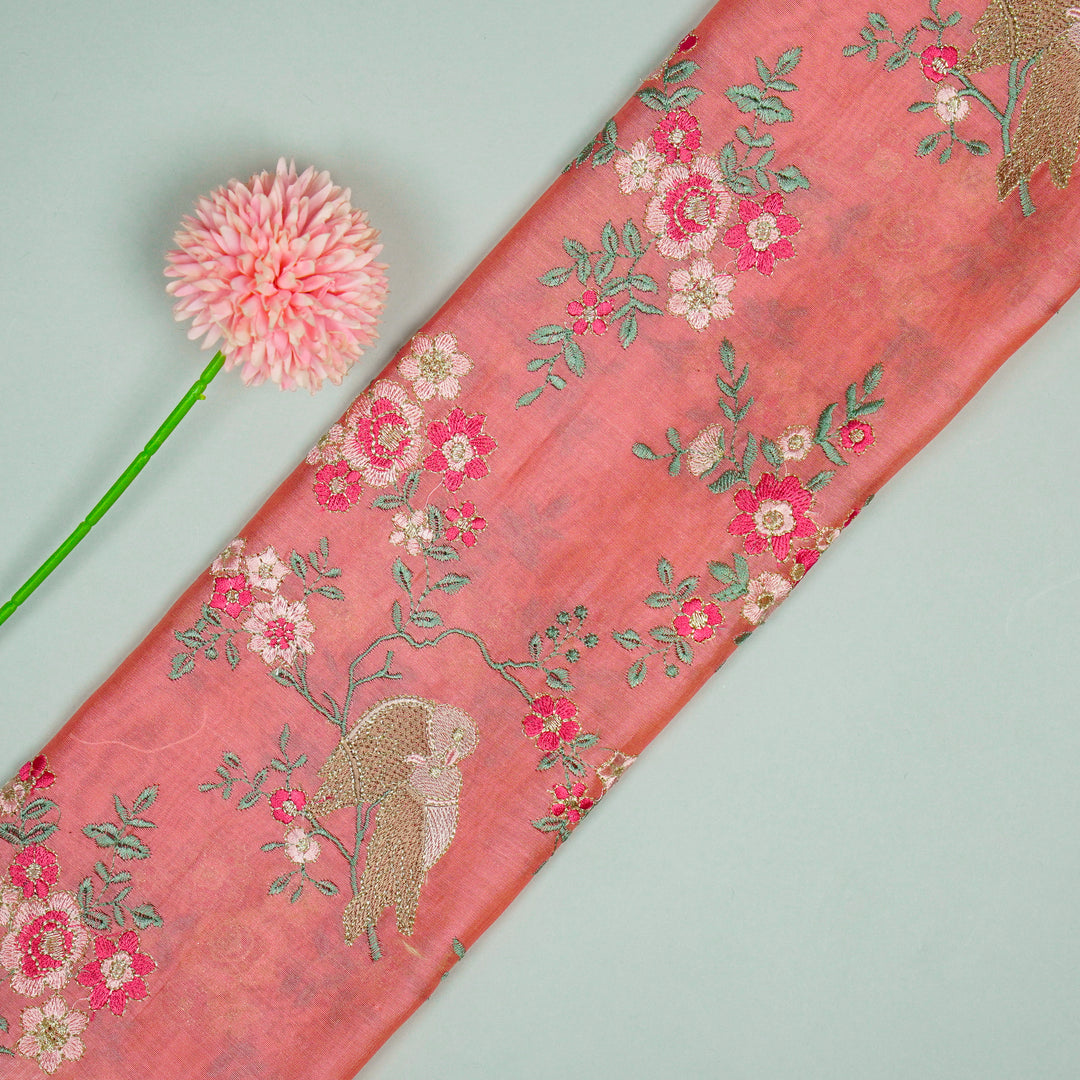
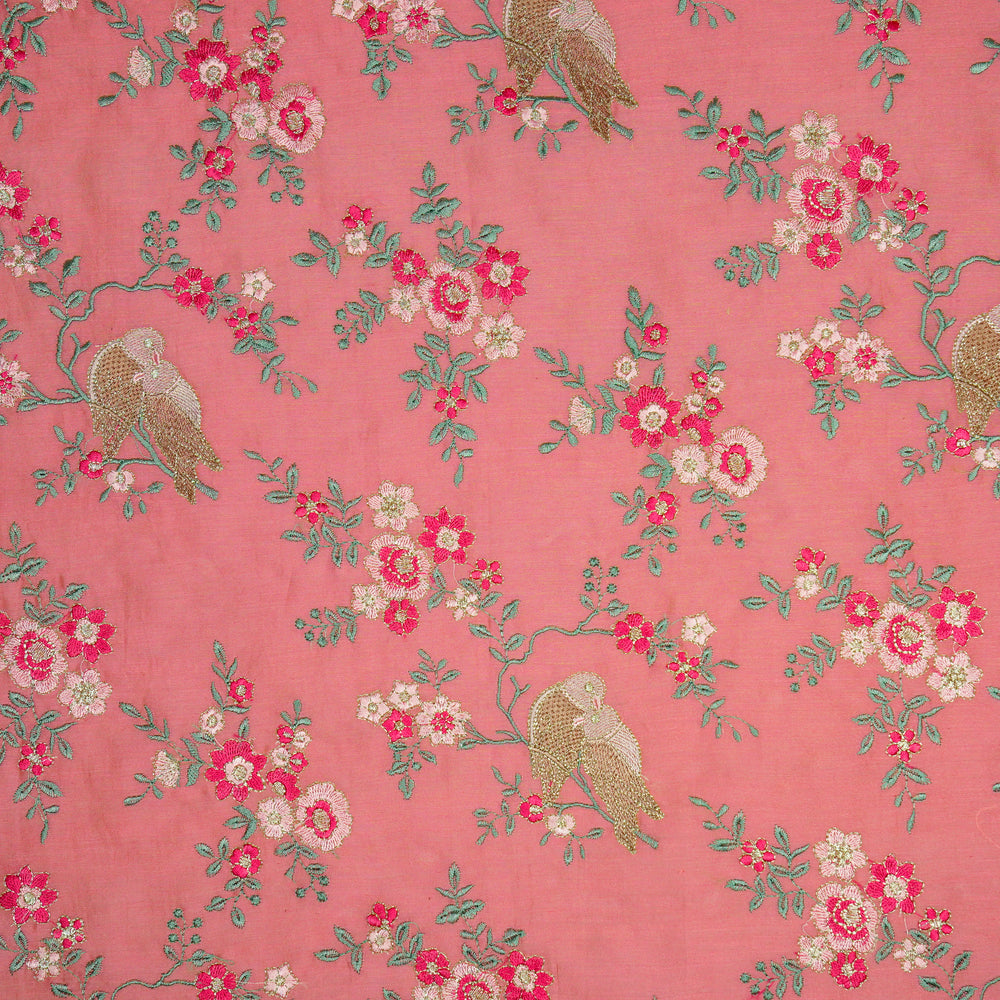
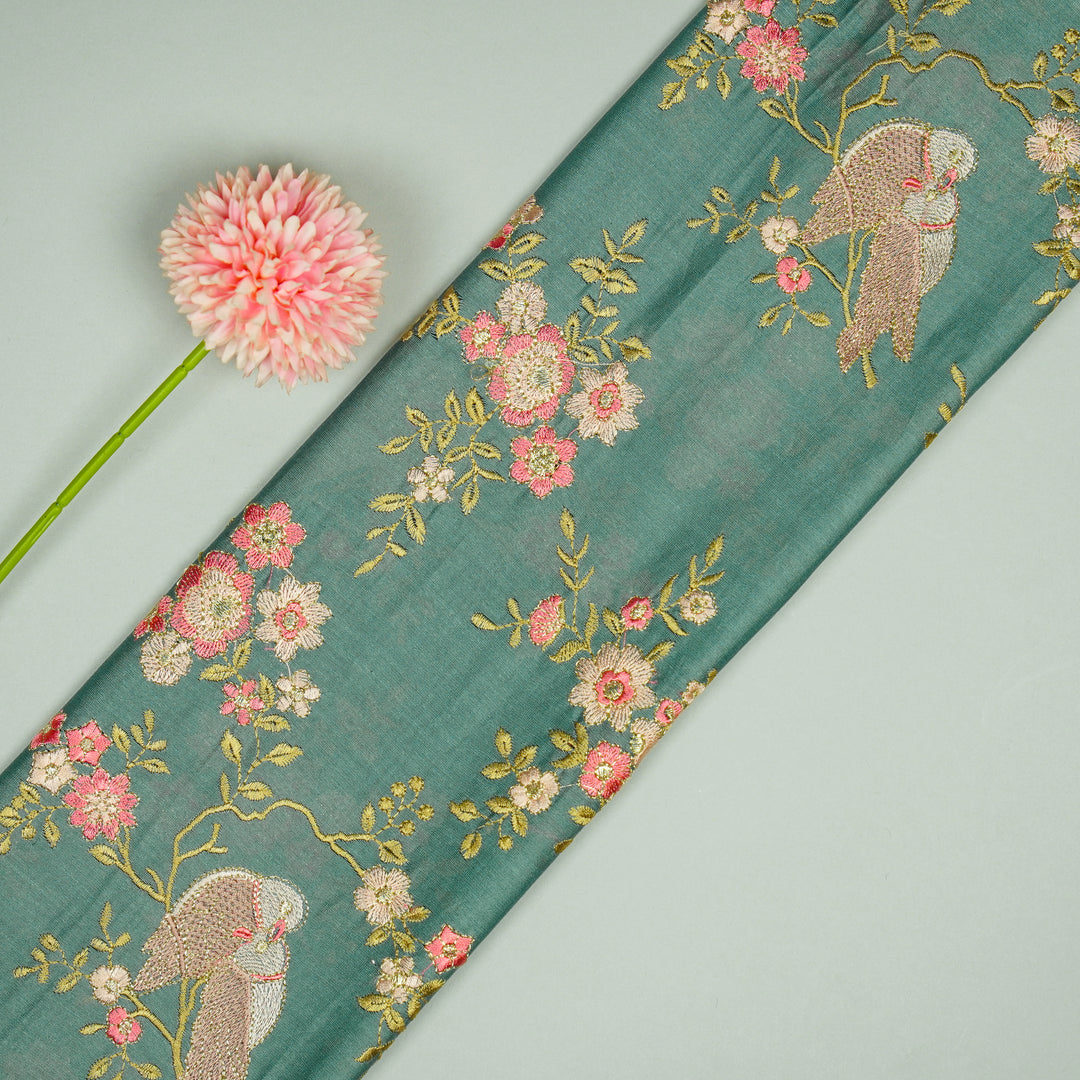
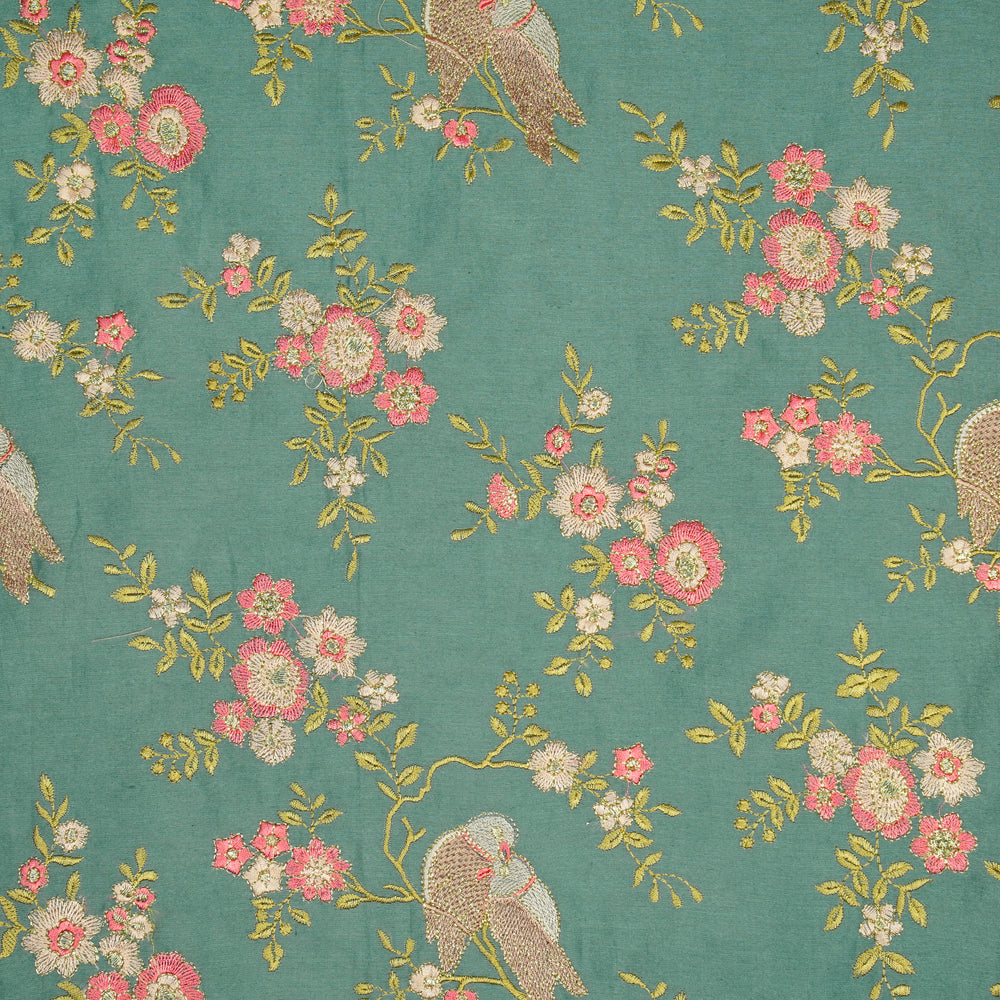
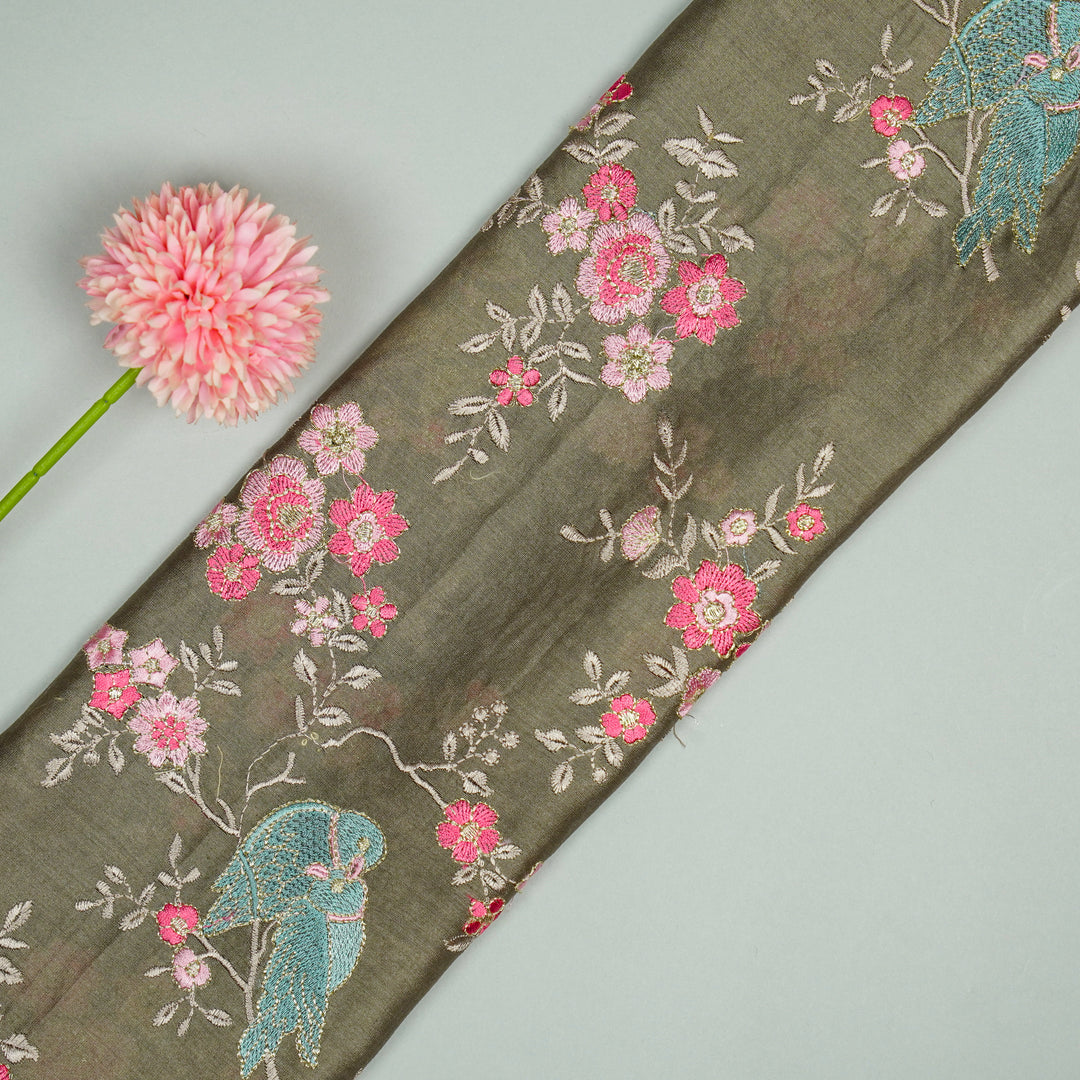
Silk chanderi is a lightweight, slightly sheer fabric woven in Chanderi, Madhya Pradesh, blending silk with cotton or pure silk for a soft sheen and airy feel. It is prized for its glossy texture, fine transparency, and graceful drape. The fabric carries traditional zari and motif work beautifully and feels cool to wear. Buyers favour silk chanderi for summer sarees, suits, and dupattas where they want lightness and a refined, slightly translucent finish that still looks dressy and elegant.
2.Silk chanderi vs organza: what's the difference?
Silk chanderi is soft, light, and breathable, while organza is crisp, structured, and glossy, so they suit different needs. Chanderi has a gentle drape and a subtle sheen that feels cool and comfortable for long wear and summer. Organza stands away from the body with a sharper shine, holding sculpted shapes for dramatic, structured looks. Choose chanderi when comfort, breathability, and soft elegance matter, and organza when you want a crisp, shimmering silhouette that showcases embroidery boldly on camera.
3.Silk chanderi vs cotton silk: which should I choose?
Choose silk chanderi for a lighter, slightly sheer, more delicate feel, and cotton silk for a bit more body and durability. Chanderi is airy and refined with a soft translucence, ideal for summer and dressy daytime wear, though it needs gentler handling. Cotton silk is sturdier, takes tailoring and daily wear better, and resists creasing more. For elegant, breathable occasion wear pick chanderi; for a versatile, hard-wearing fabric you can use across everyday and festive outfits, cotton silk is the practical choice.
4.Is silk chanderi suitable for summer?
Silk chanderi is one of the best summer fabrics, since its light weight and slight sheerness let air circulate and keep you cool through warm-weather functions. It stays dressy thanks to its soft sheen, so it works for daytime weddings and festive events without overheating. The fabric drapes gracefully and does not cling in heat. For peak summer, choose lighter chanderi weaves and lighter embroidery, reserving denser work for milder days when a slightly warmer hand is comfortable.
5.Is silk chanderi good for office wear?
Silk chanderi works nicely for office wear when you want something more refined than everyday cotton but still light and comfortable. Its subtle sheen reads polished and professional, and a simple chanderi kurta or suit looks put-together without being flashy. Because it is slightly sheer, pair it with appropriate lining for the workplace. For people who want elegant, breathable workwear that transitions to after-office events, chanderi offers a step up in sophistication while staying easy to wear through a full day.
6.Does silk chanderi require lining?
Silk chanderi often needs lining because its light, slightly sheer weave can be semi-transparent on its own. A soft lining adds opacity, comfort, and a little structure while keeping the fabric's characteristic lightness. Most tailors use a fine cotton or silk lining in a matching tone. For sarees, the blouse and bottom are usually lined while the drape may stay sheer for a graceful effect, so confirm how much coverage you want before stitching begins.
7.What can I make with silk chanderi fabric?
Silk chanderi suits sarees, suits, kurtas, and dupattas, making it a versatile pick for light, dressy ethnic wear. Its soft drape and sheen tailor cleanly into elegant suits and flow gracefully as sarees, while its lightness makes lovely dupattas that layer without bulk. The fabric shines in summer and daytime occasions where breathability matters. Buyers often choose chanderi for festive daywear and refined office or daytime-event outfits that need to look polished while staying cool and comfortable.
8.How do I maintain silk chanderi fabric?
Silk chanderi is best dry-cleaned to protect its delicate weave and any zari or embroidery, though gentle cold hand-washing can work for plain, sturdier pieces. Avoid wringing, and dry flat or on a padded hanger away from direct sun to preserve colour and sheen. Iron on a low silk setting from the reverse, using a press cloth, and steam worked areas instead of pressing them. Store folded loosely in a soft cloth to prevent sharp creases and snagging.