



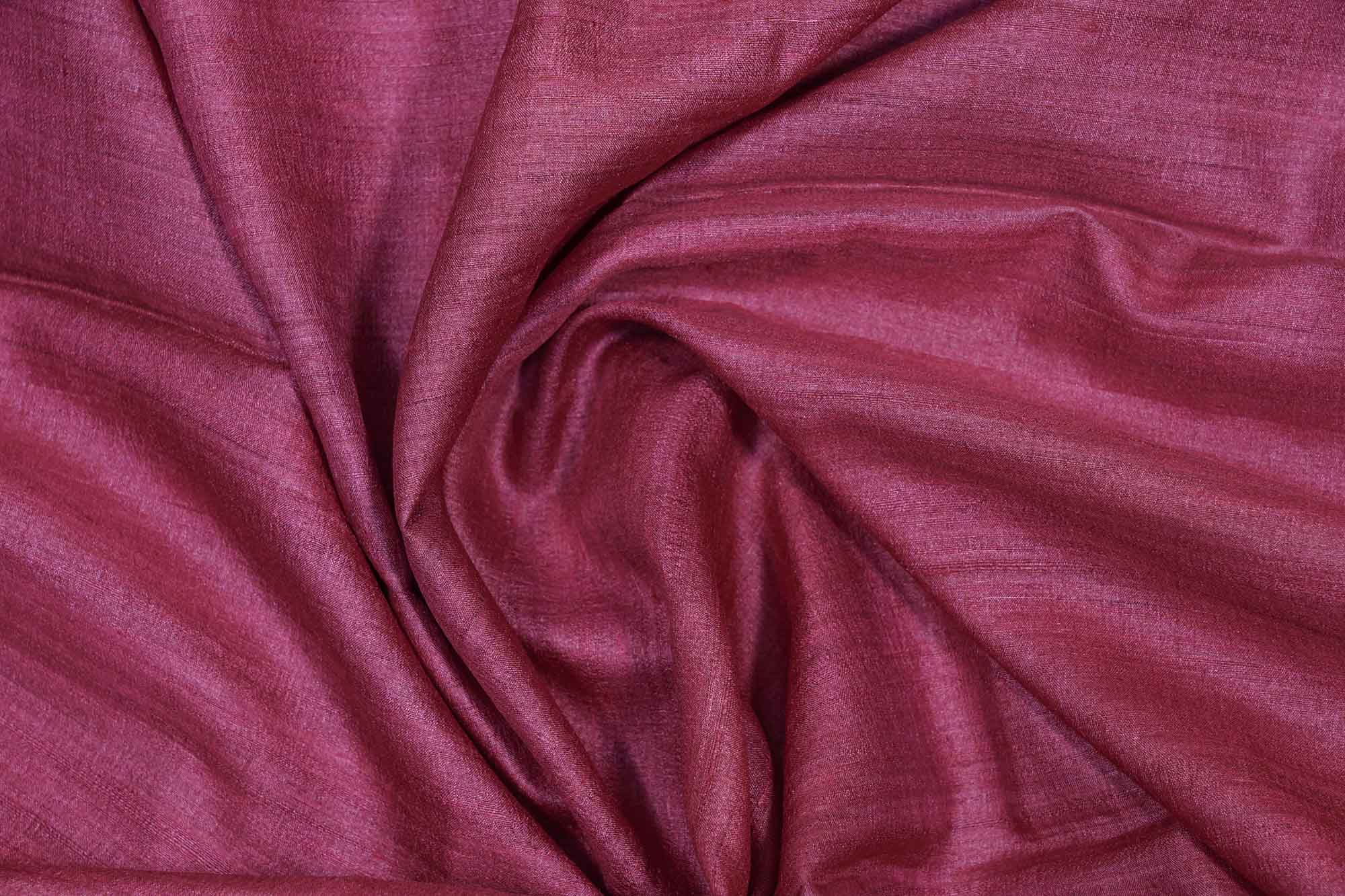
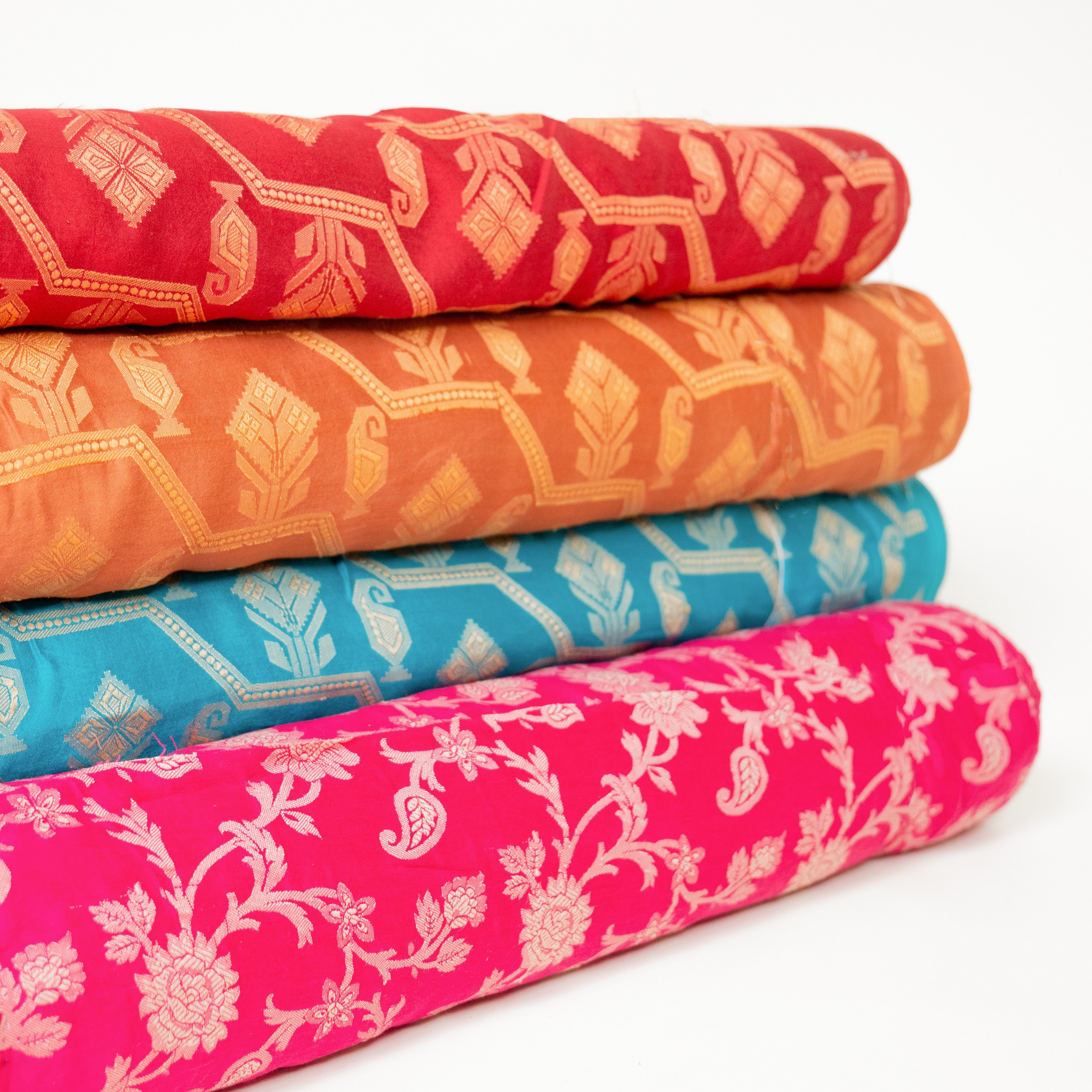
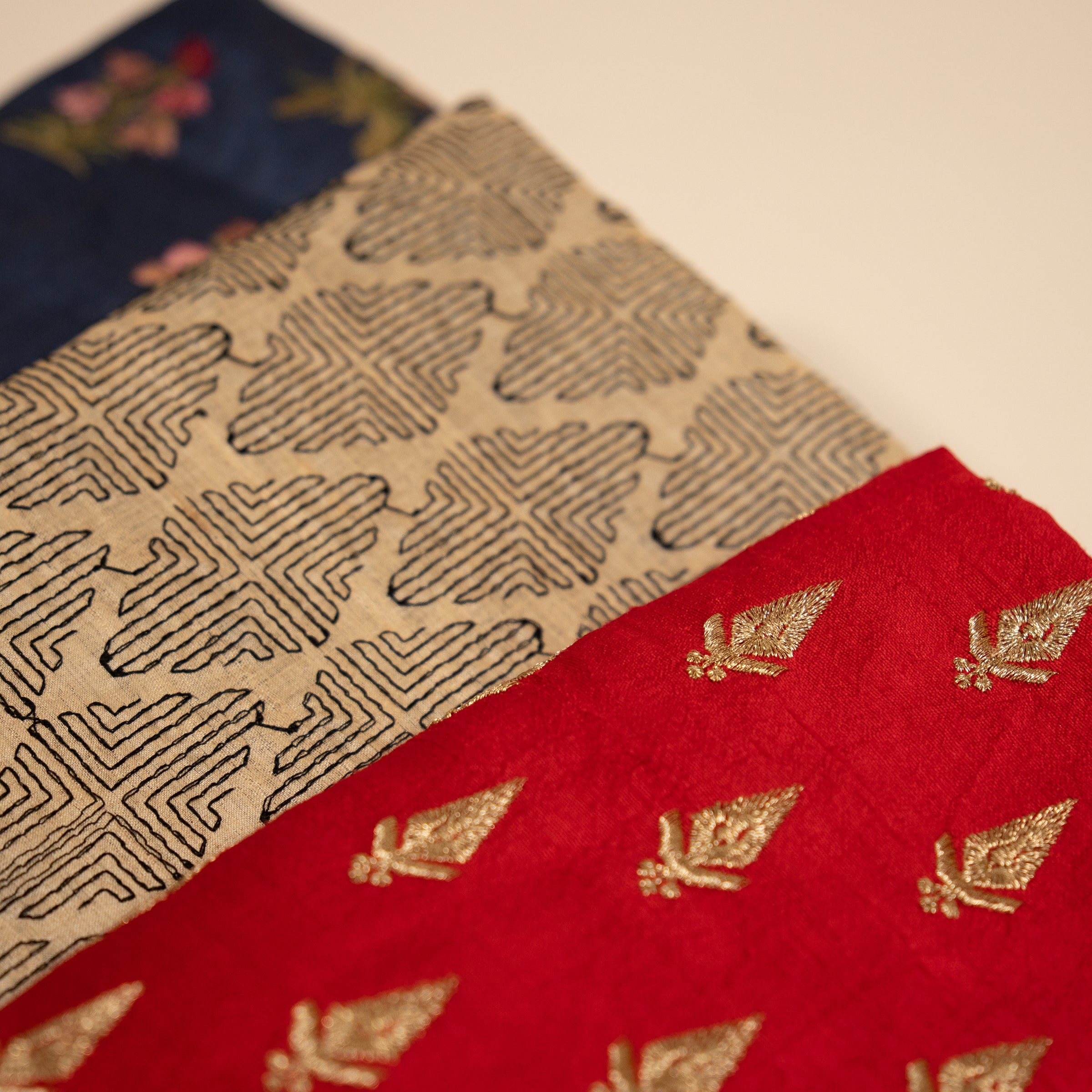
Unstitched Blouse Fabrics
FAQ
1.What is an unstitched blouse piece?
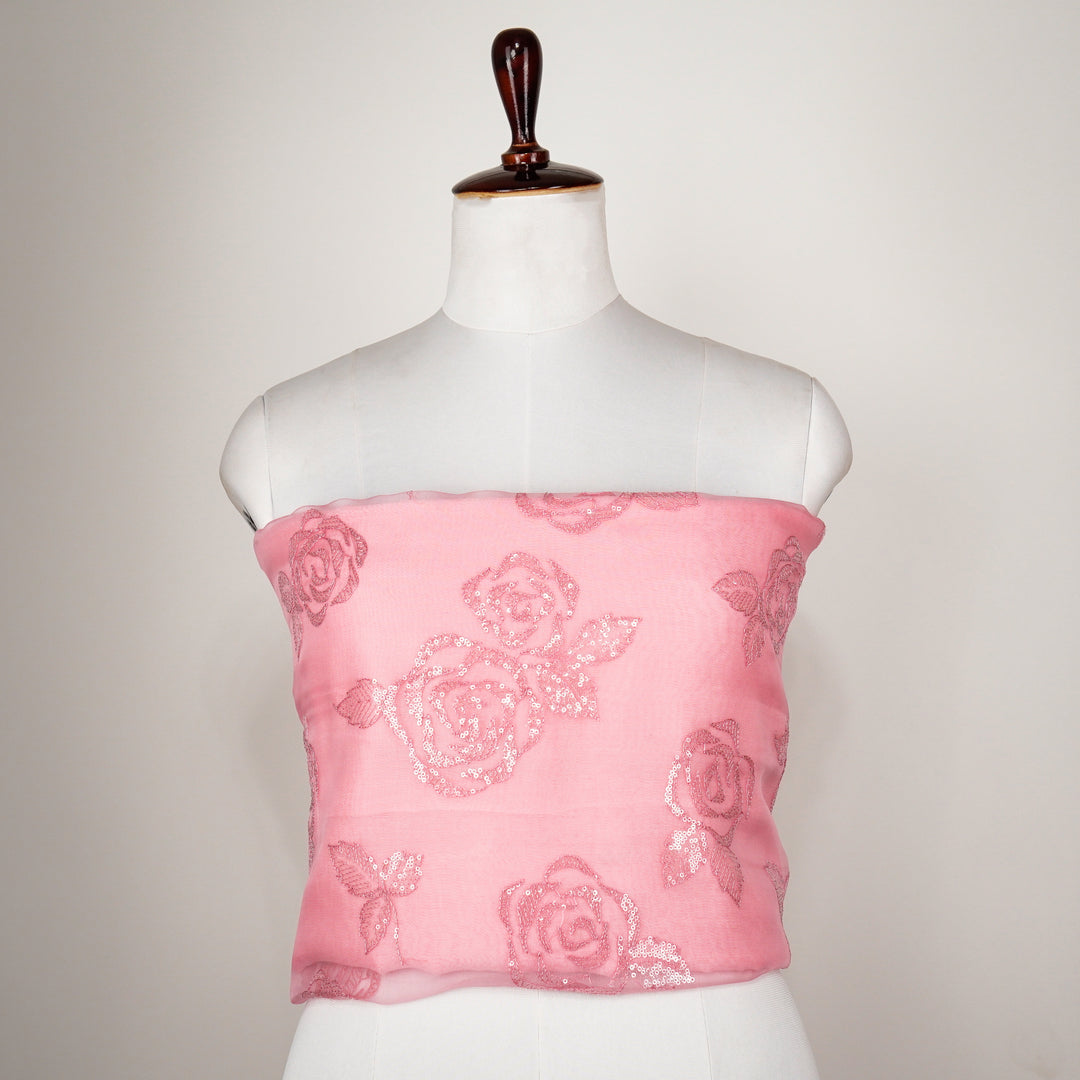
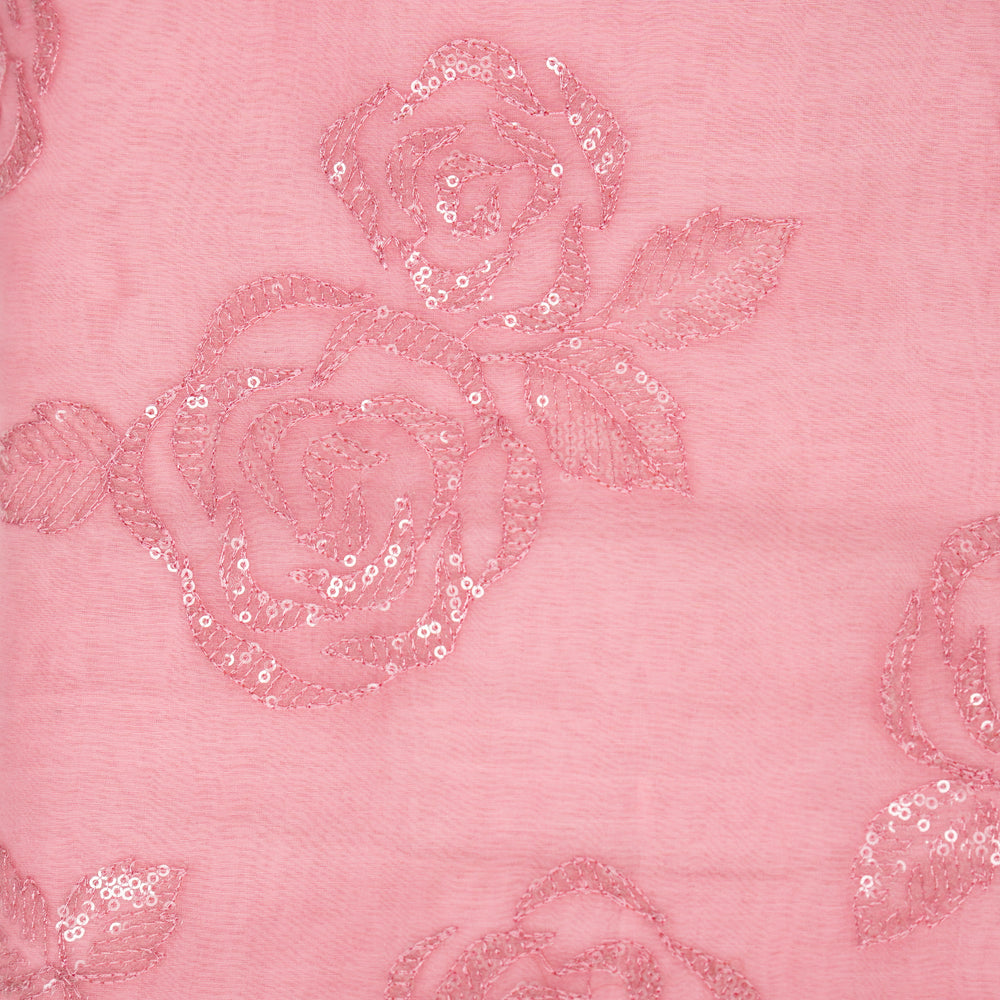
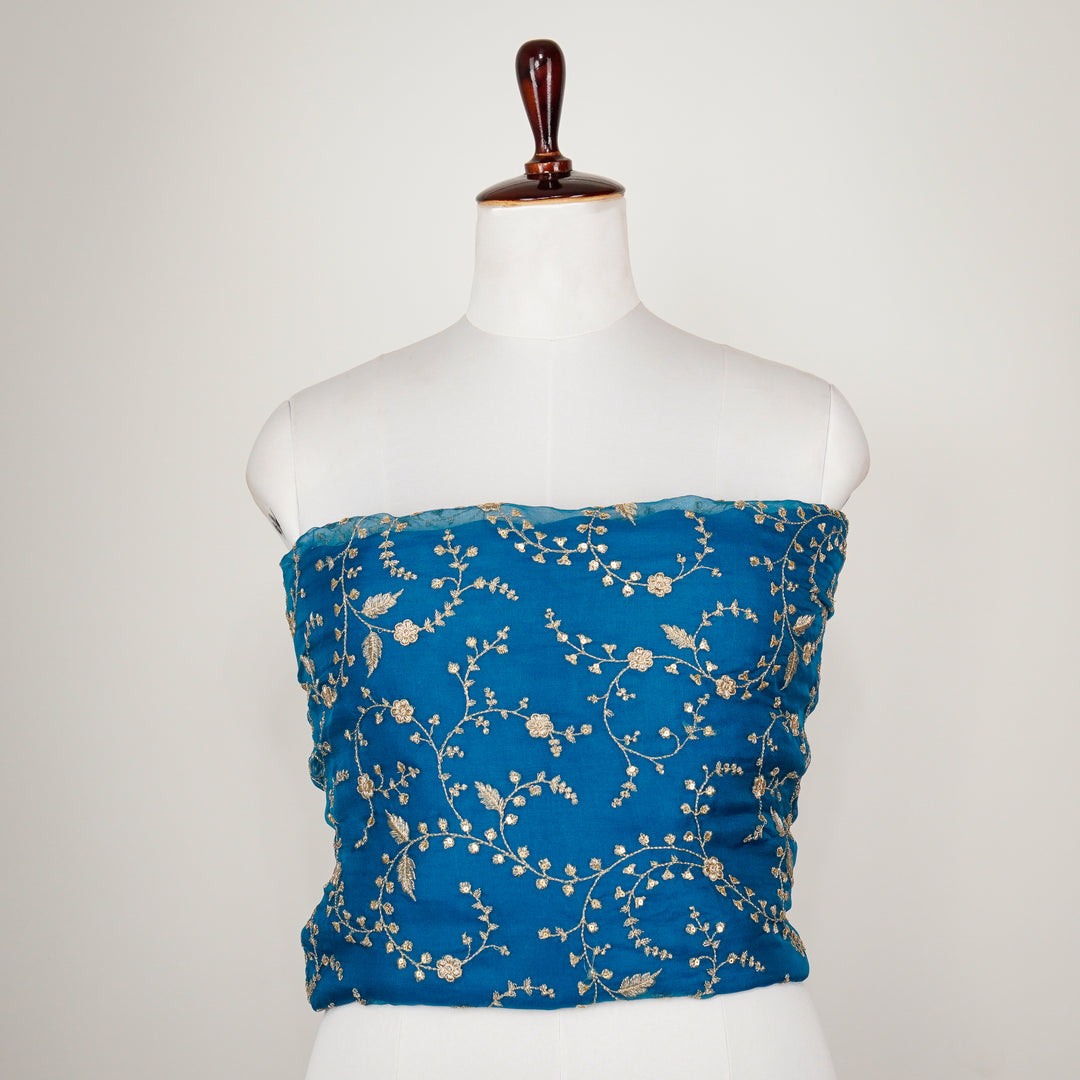
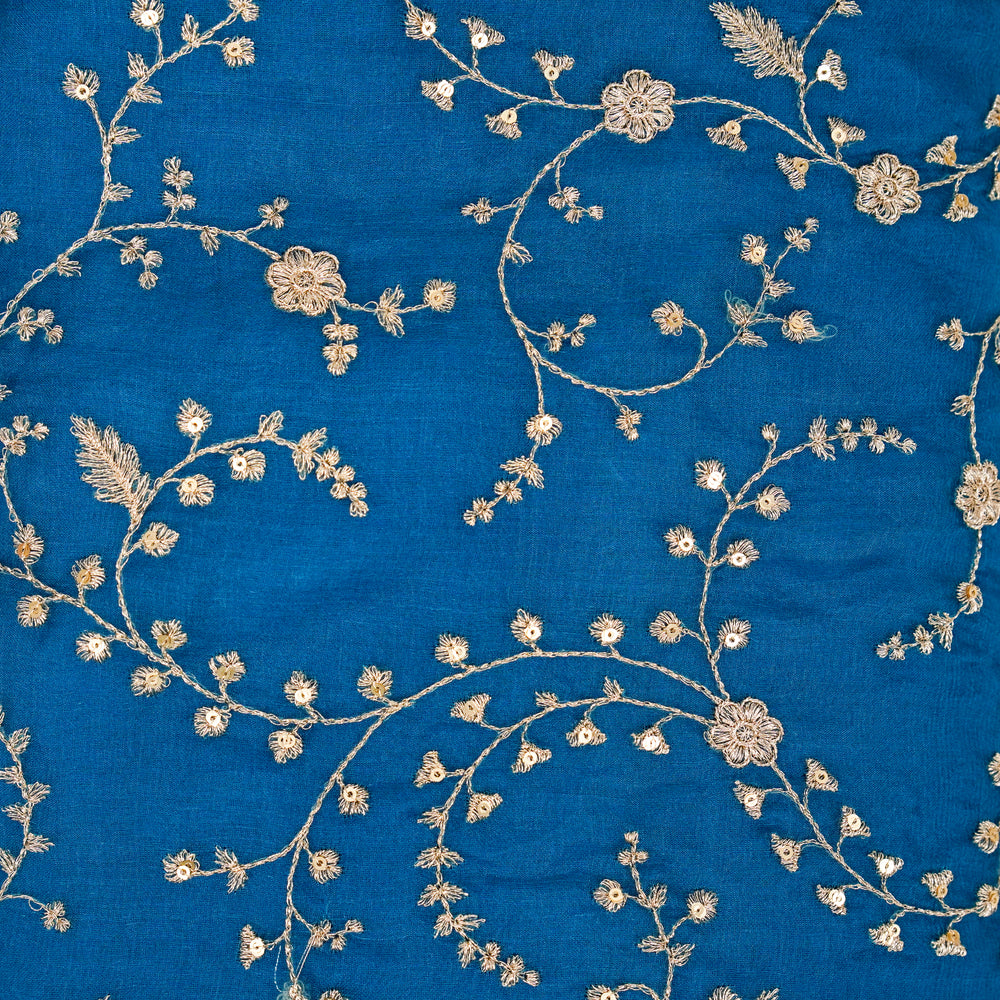
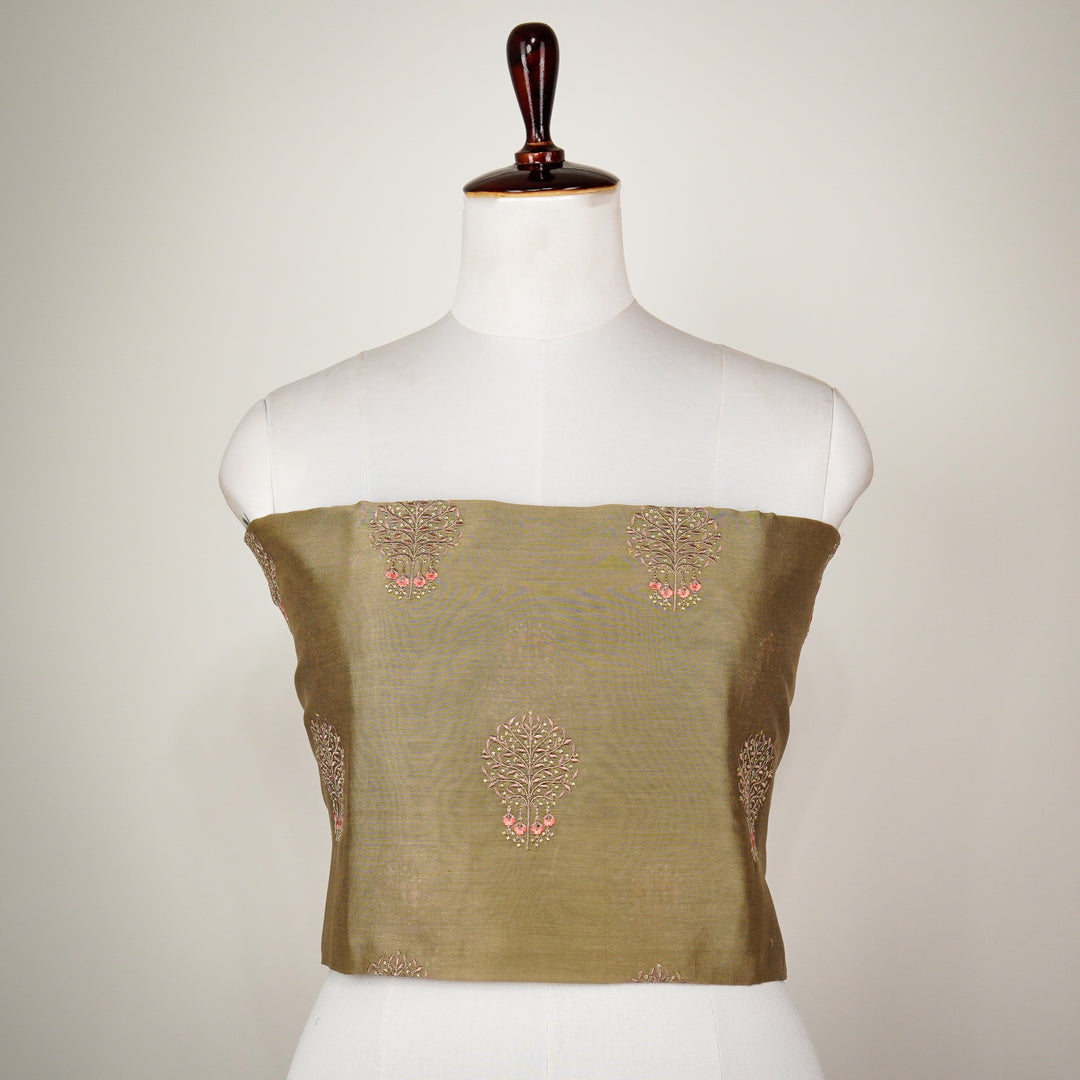
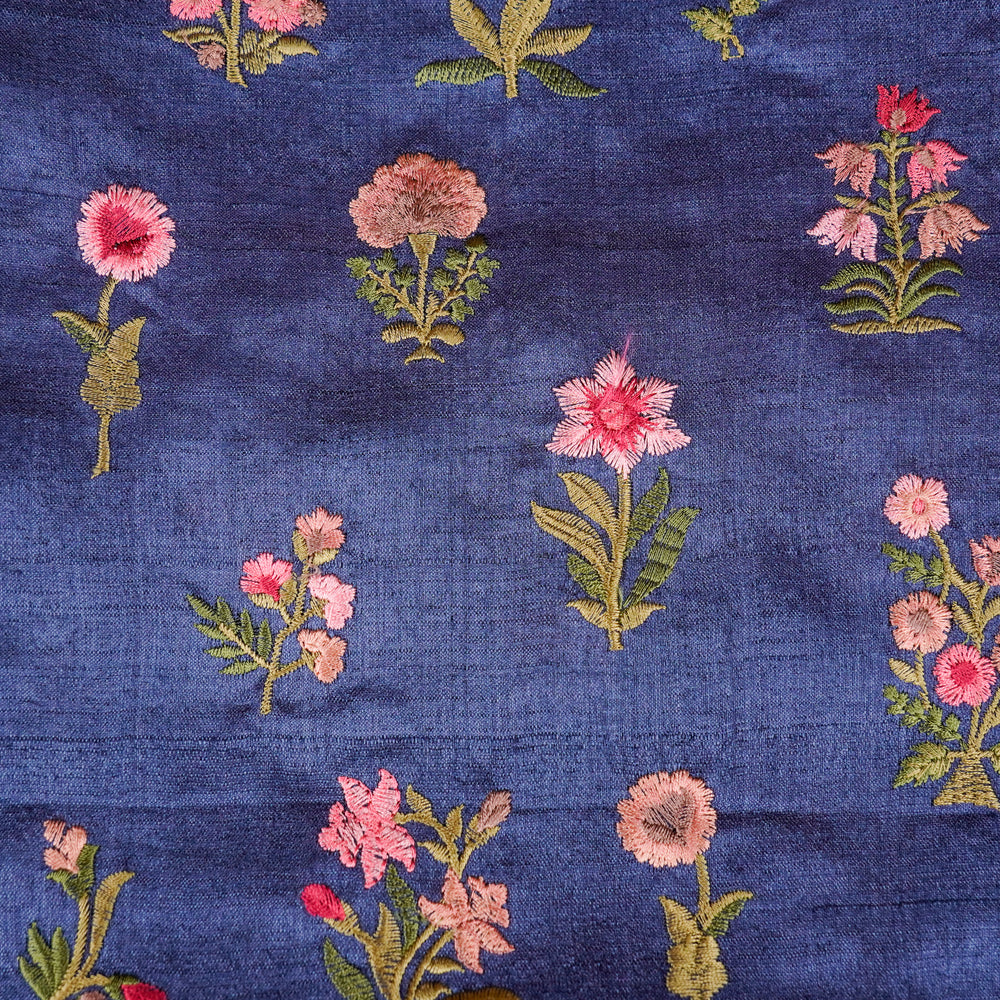
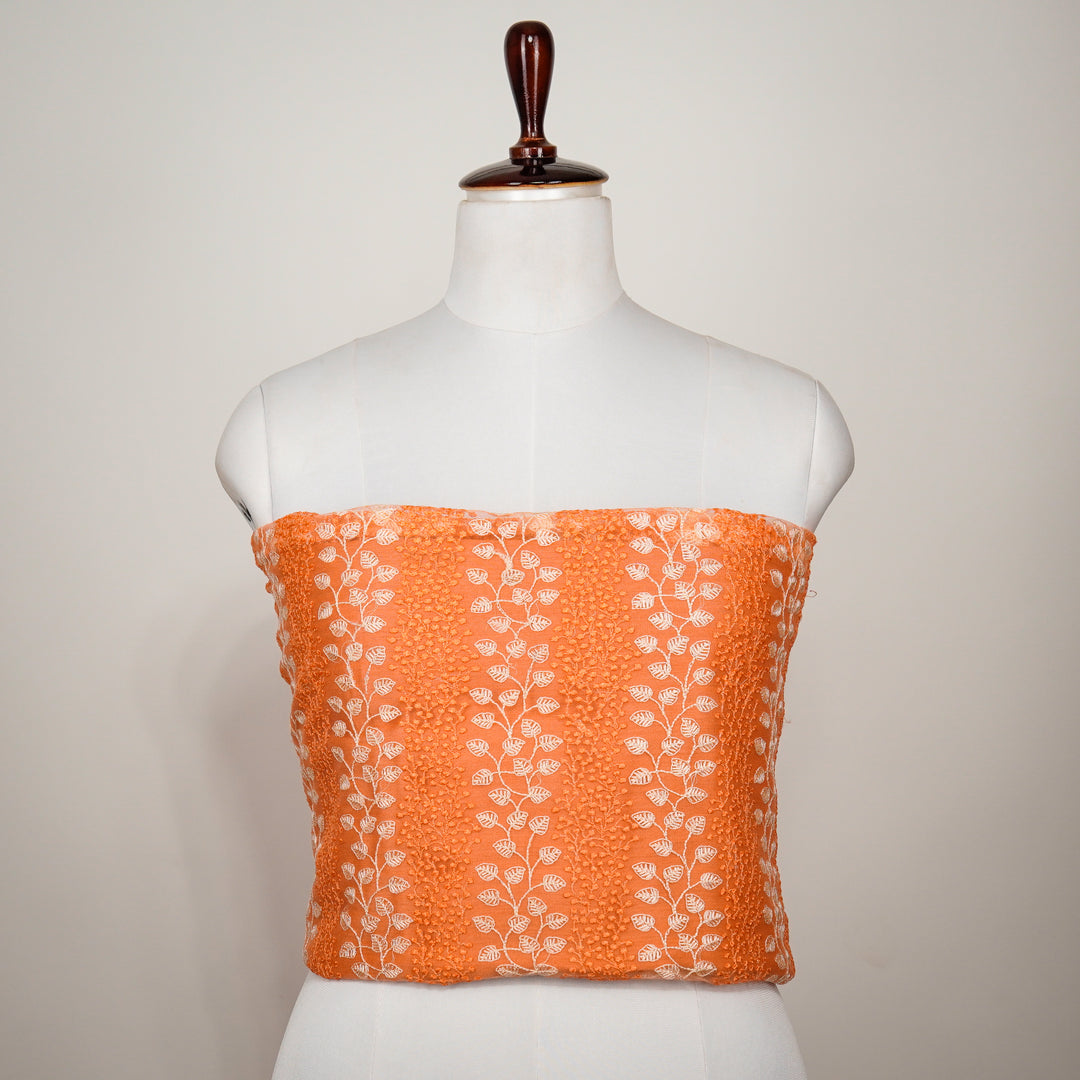
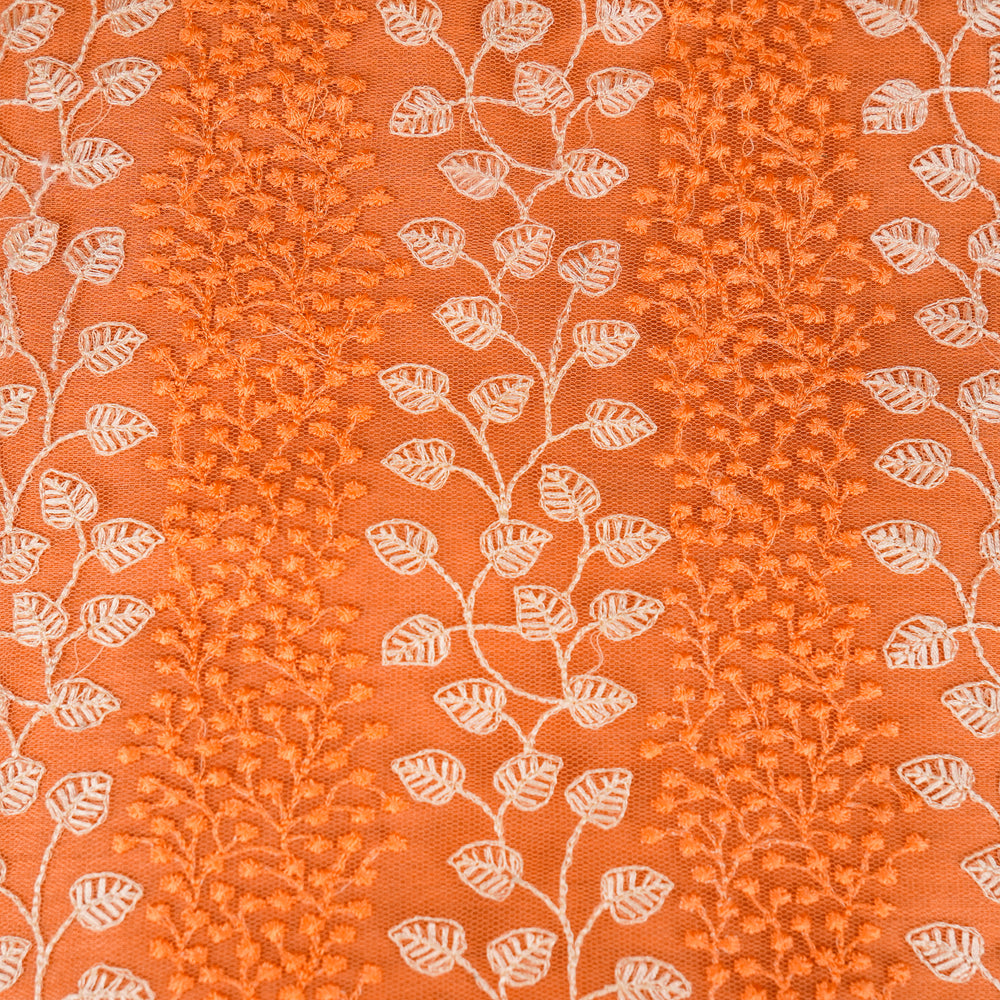
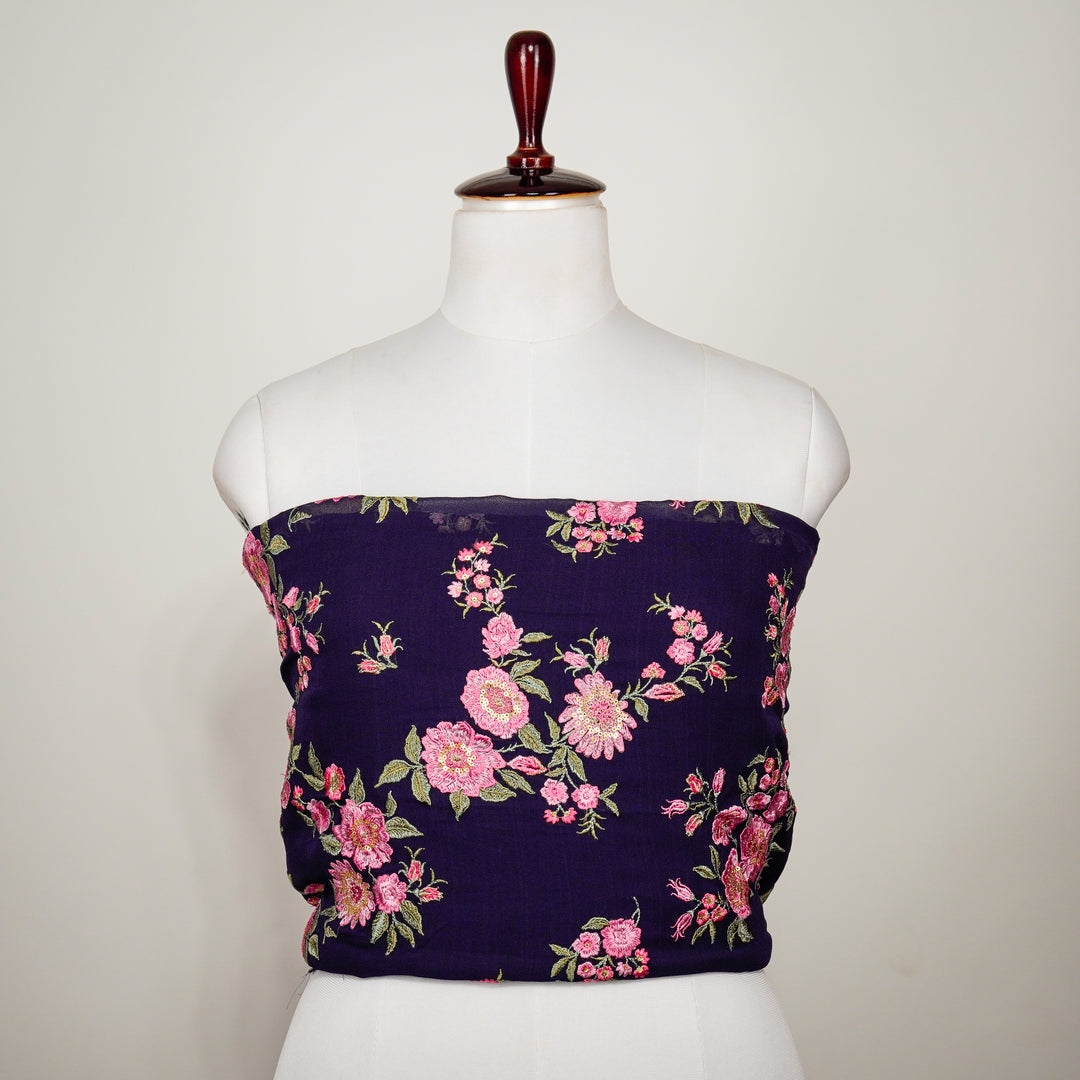
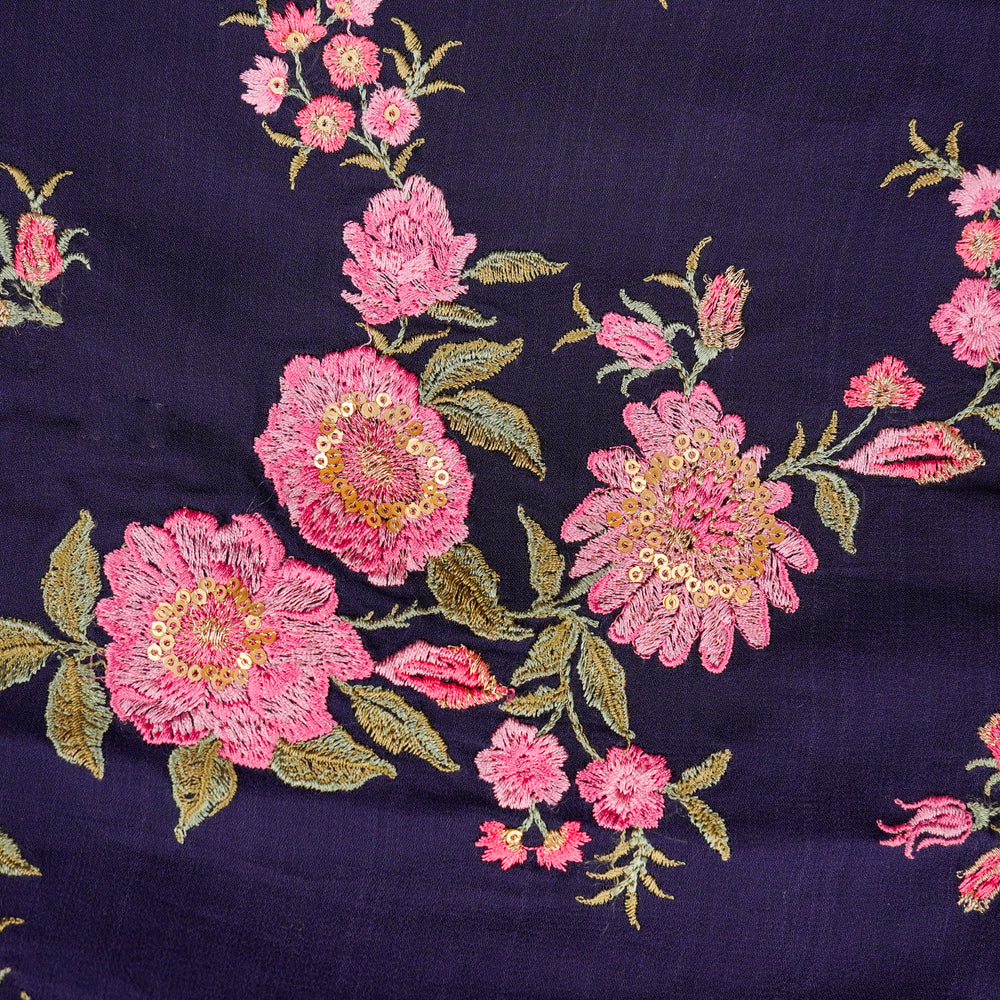
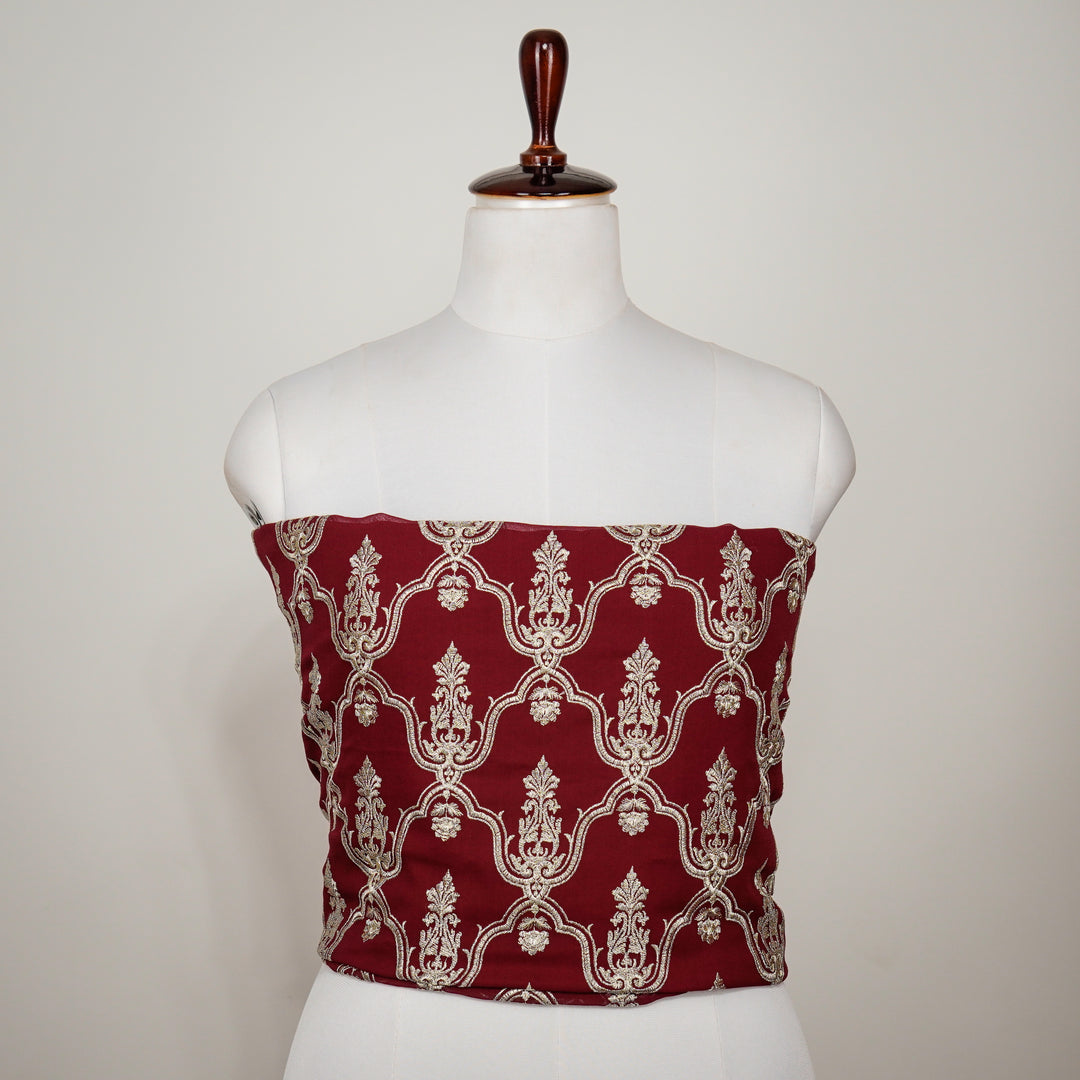
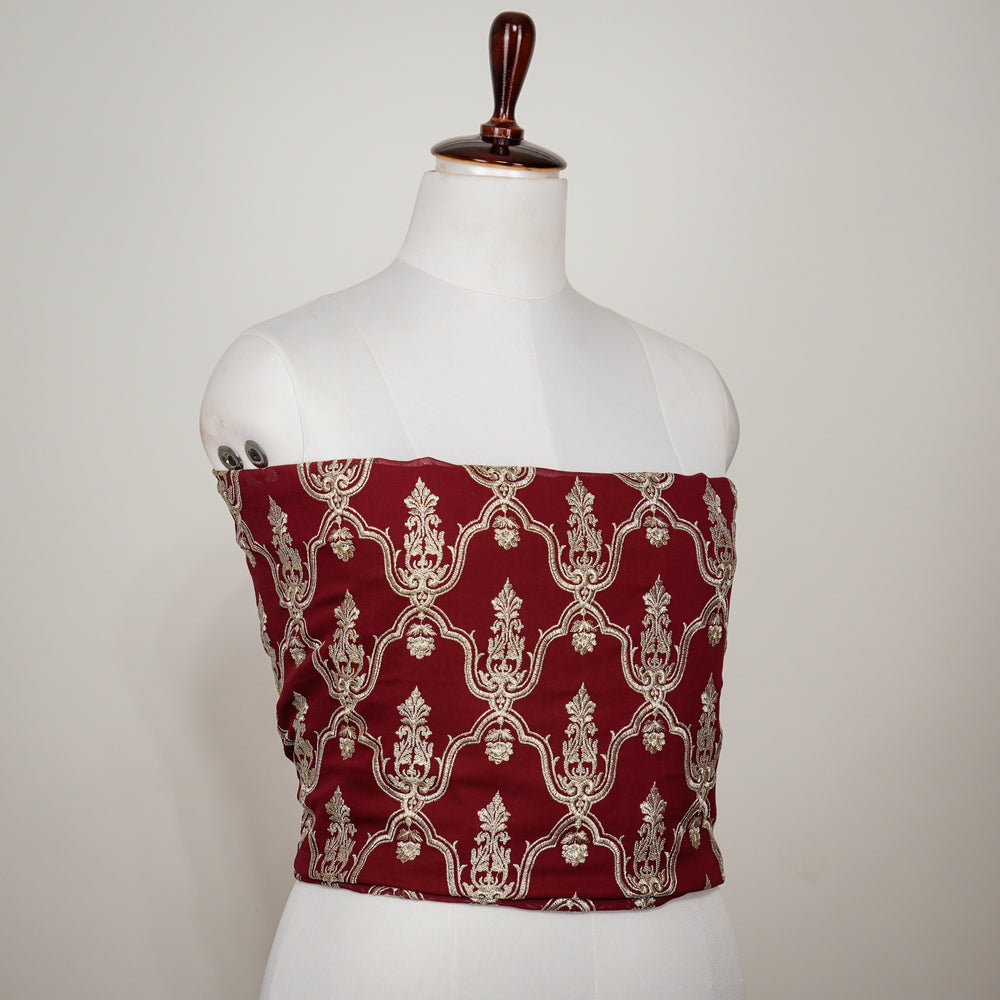
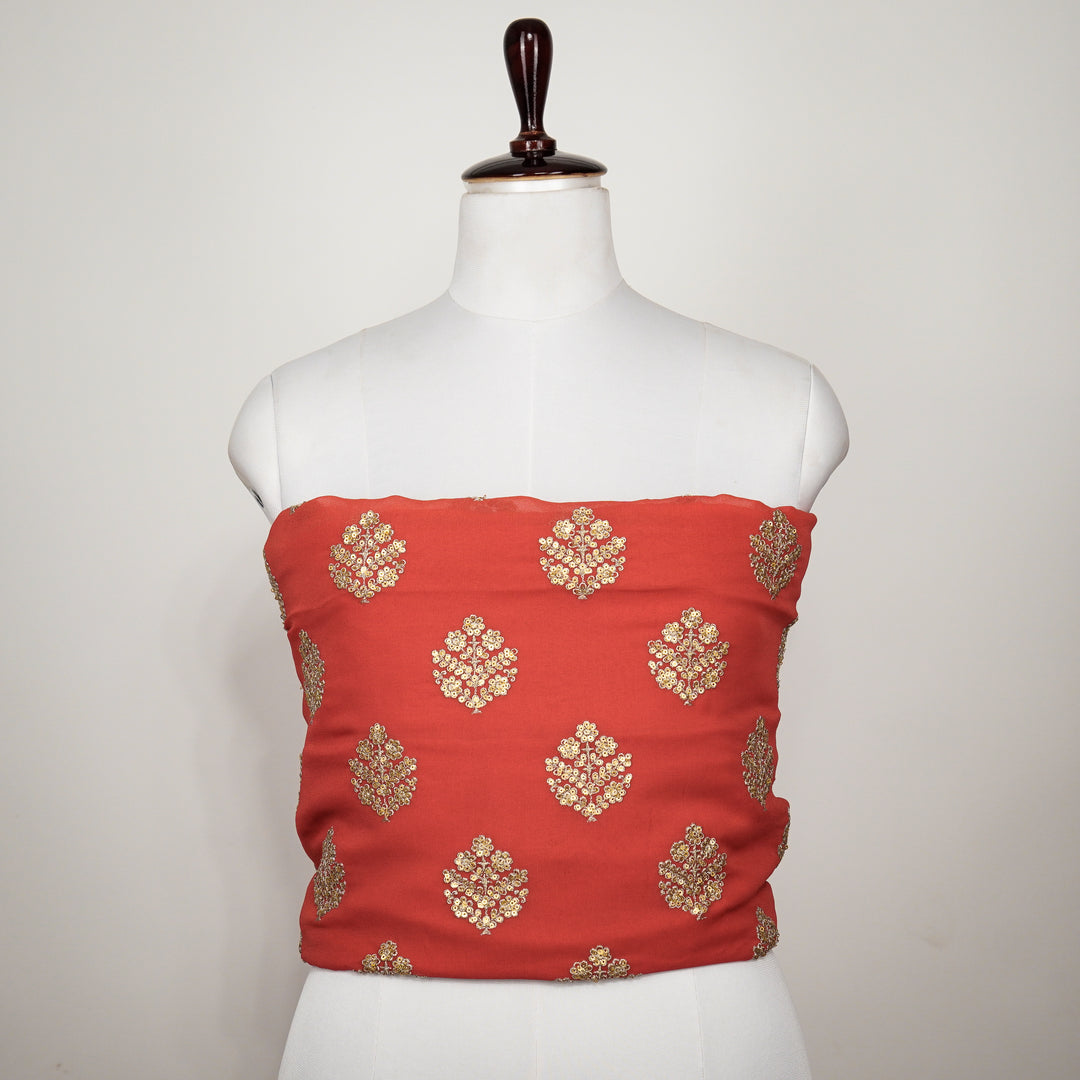
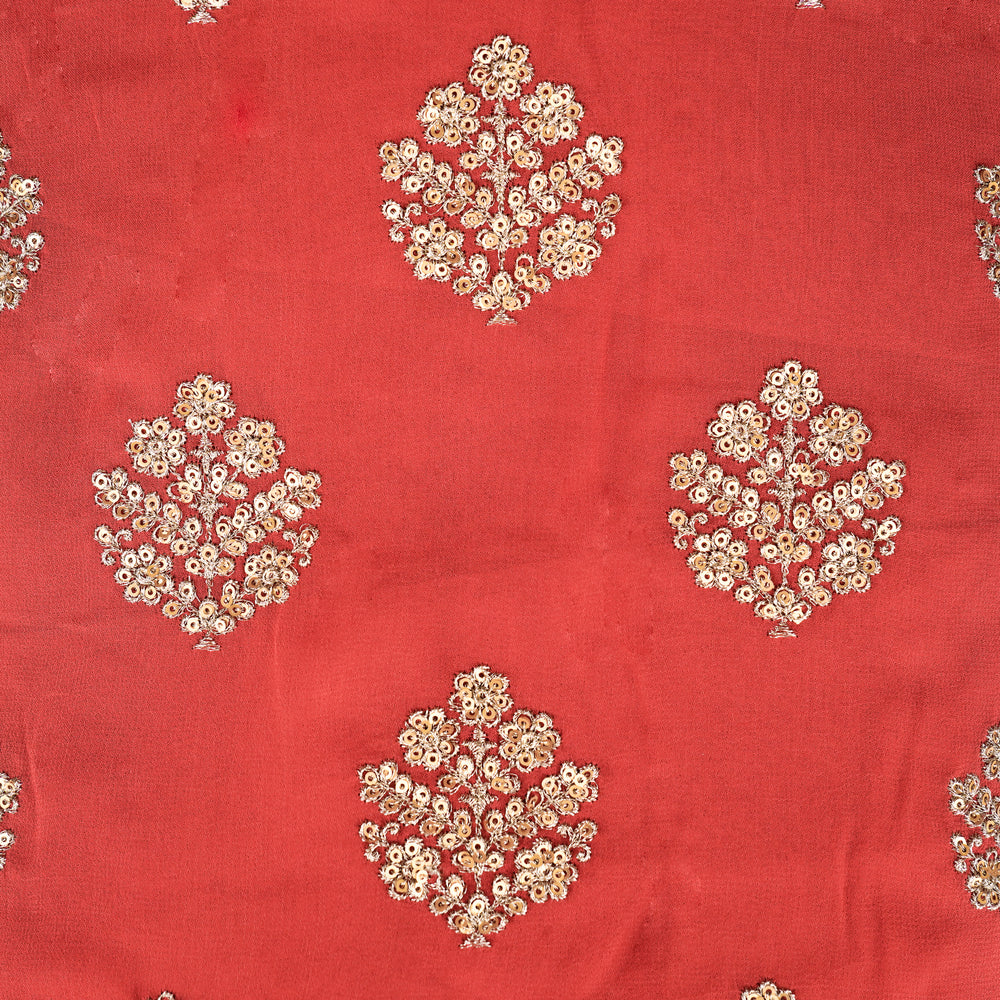
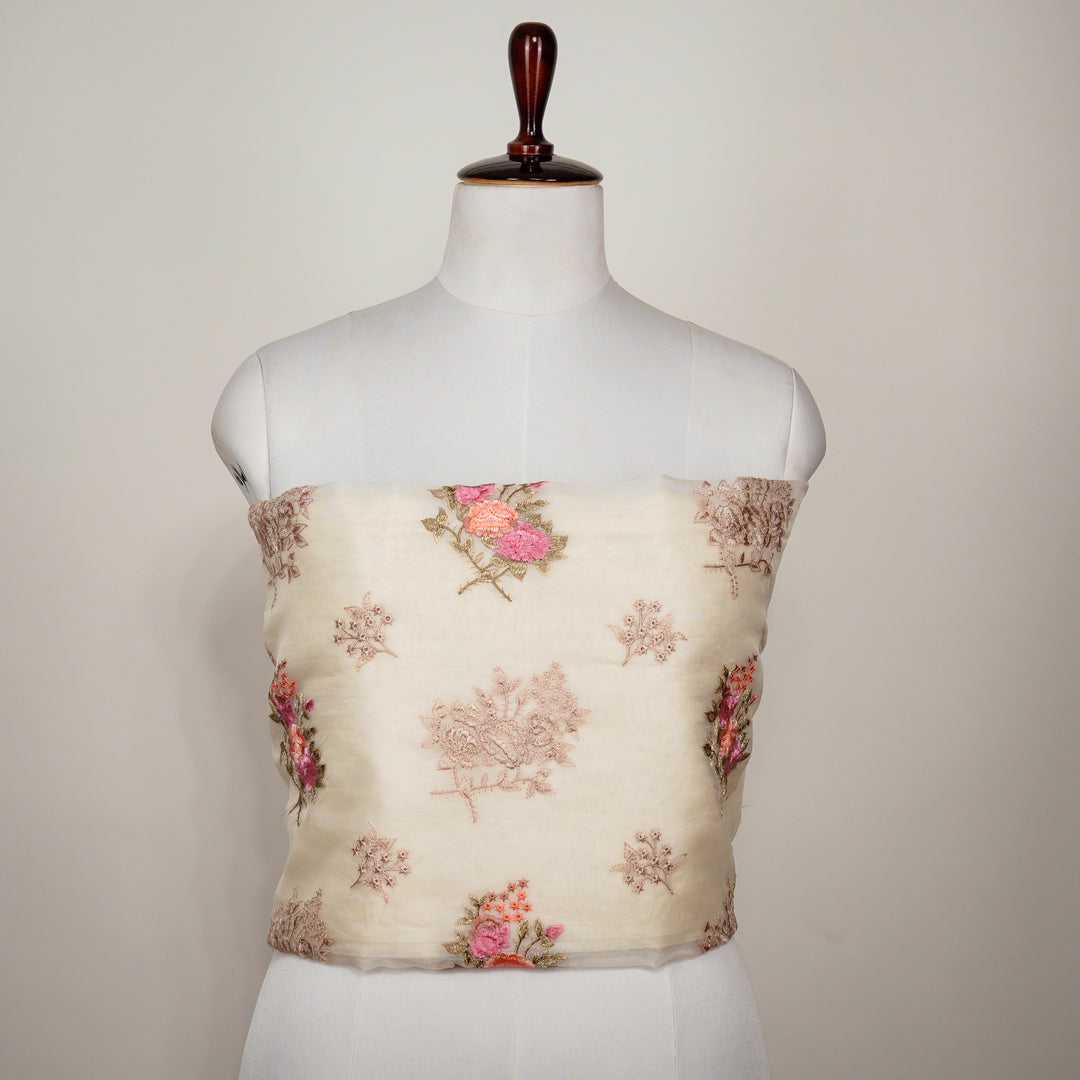
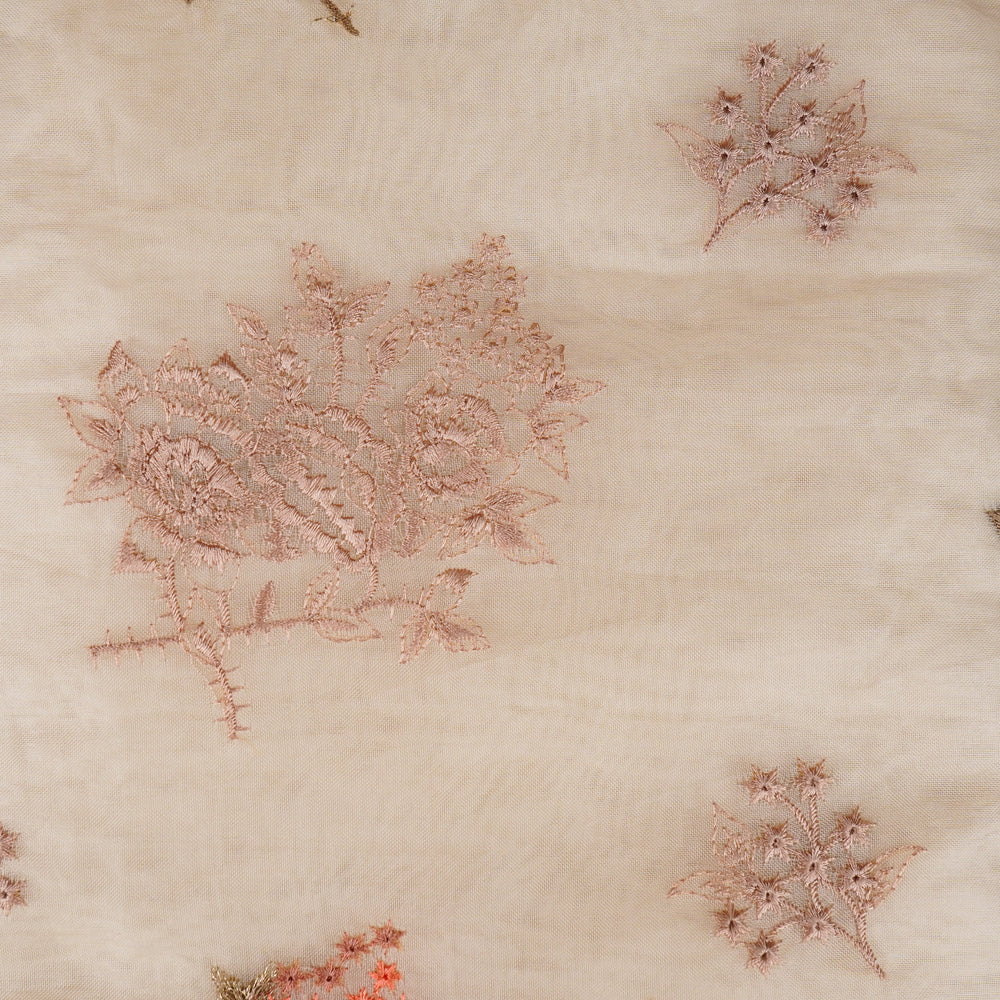
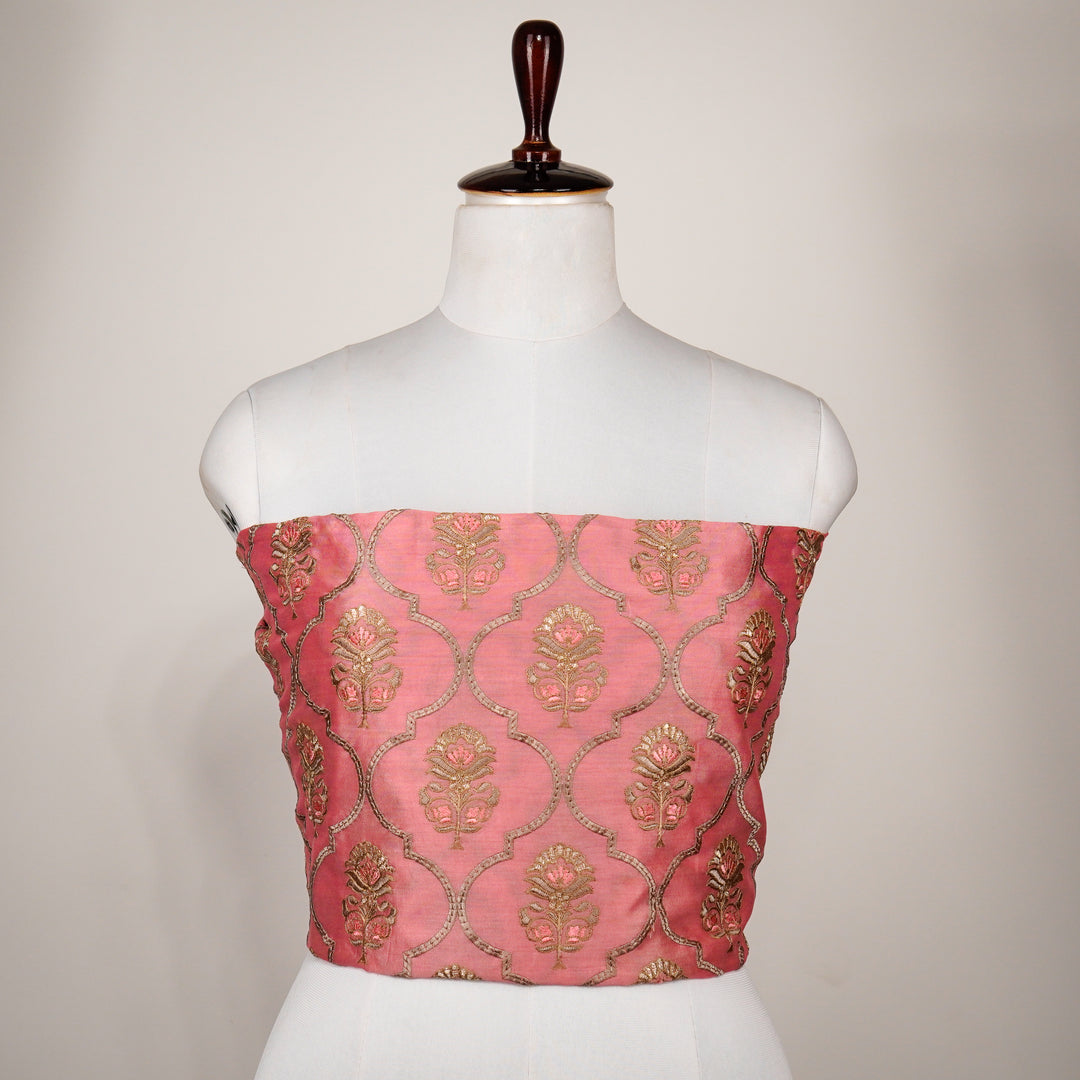
An unstitched blouse piece is a small cut of fabric, usually around 0.8 to 1 metre, sold ready to be tailored into a saree blouse. It often comes with embroidery, borders, or motifs already worked into the cloth, and you take it to a tailor to stitch to your measurements and preferred style. Buyers choose unstitched blouse pieces when they want a custom fit and the freedom to match or contrast a blouse precisely with a particular saree.
2.How much fabric is needed for a blouse?
A standard saree blouse needs roughly 0.8 to 1 metre of fabric, though the exact amount depends on the style, sleeve length, and the wearer's size. Longer sleeves, padding, or a princess-cut design may push it slightly higher, while a simple short-sleeve blouse uses less. For heavily patterned or bordered fabric, allow a little extra so your tailor can match the design across panels. When buying online, 1 metre is a safe default for most blouse styles.
3.How do I choose a blouse piece for a saree?
Choose a blouse piece by deciding whether you want it to match the saree tonally or contrast for emphasis, then match the fabric weight to the saree. A matching blouse creates a seamless, elegant look, while a contrasting one adds a designed, modern pop. For heavy sarees, pick a blouse fabric that holds structure like raw silk or organza; for lighter sarees, softer cotton silk works. Consider the embroidery on the saree so the blouse complements rather than clashes.
4.Which fabric is best for designer blouses?
Raw silk and silk organza make the best designer blouse fabrics, since both hold structure for sharp tailoring, darts, and embellishment. Raw silk gives a textured, matte richness that suits heavy embroidery and stands up to beadwork, while organza offers a glossy, sheer drama for statement designs. Cotton silk works for softer, everyday designer blouses. For a structured, embellished blouse that holds its shape and showcases detail, firmer fabrics like raw silk and organza outperform soft, flowing ones.
5.Which blouse fabric is best for weddings?
For wedding blouses, raw silk and embroidered silk hold the most presence, giving structure for heavy embellishment and a rich finish that pairs with festive sarees. Velvet suits winter weddings for its depth, while organza adds glossy drama for statement designs. These firmer fabrics support beadwork, zari, and intricate detailing without sagging. Choose by your saree and season: structured, richly worked fabrics for evening receptions, and lighter embroidered silk or cotton silk for daytime ceremonies you will wear for hours.
6.Can one blouse piece be stitched into different styles?
A single blouse piece can be stitched into various styles, limited mainly by the fabric size and where the embroidery falls. From one piece a tailor can create different necklines, sleeve lengths, back designs, and closures, as long as there is enough fabric for your chosen cut. Heavily bordered or placed-motif pieces offer less flexibility, since the design dictates panel placement. Discuss your preferred style before cutting so the tailor positions the embroidery to flatter the final neckline and back.
7.What is the difference between blouse material and blouse pieces?
The terms overlap, but blouse material usually refers to fabric sold by length that you cut for a blouse, while a blouse piece is a pre-cut, blouse-sized portion often with placed embroidery or borders. A blouse piece is ready-sized for one blouse and may have a coordinated design, whereas blouse material gives you a longer cut to work with. For a designed, match-ready option choose a blouse piece; for flexibility in cutting, blouse material by the metre suits better.
8.How do I buy blouse material online?
Buy blouse material online by first confirming the fabric type, the length offered, and whether embroidery is placed or all-over, so it fits your saree and style. Check that the listing states at least 0.8 to 1 metre for a standard blouse, and read fabric and care details. Look at clear photos to judge colour, noting any mention of screen variation. For a precise saree match, pick pieces where the seller describes the shade accurately and offers weave or width information.